10 Best Wide Shoes for Kids: Say Goodbye to Squeezed Feet
Children's feet grow quickly, and squeezing wide feet into narrow shoes causes pain, affects posture, and delays proper development. Wide shoes with spacious toe boxes, flexible soles, and adjustable closures support natural foot growth and prevent long-term problems.




Updated December 2, 2025
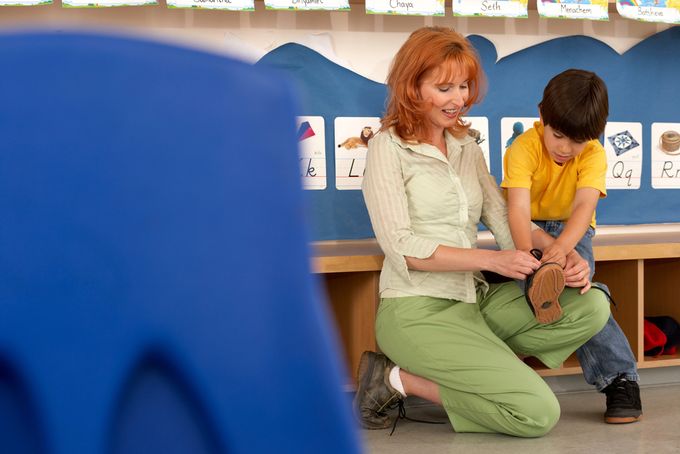
Children's feet grow quickly, and squeezing wide feet into narrow shoes can be incredibly uncomfortable and painful. This discomfort can extend beyond the foot, affecting posture and gait and leading to back and knee pain.
Wide shoes offer crucial support and stability for children, especially those with flat feet or fallen arches. Providing enough space for the foot to spread naturally helps prevent discomfort and promotes healthy foot development.

Browse Wide Toe Shoes
Give your little one's feet the room they need to grow.
10 Best Kid Shoes for Wide Feet: Our Picks
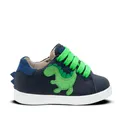
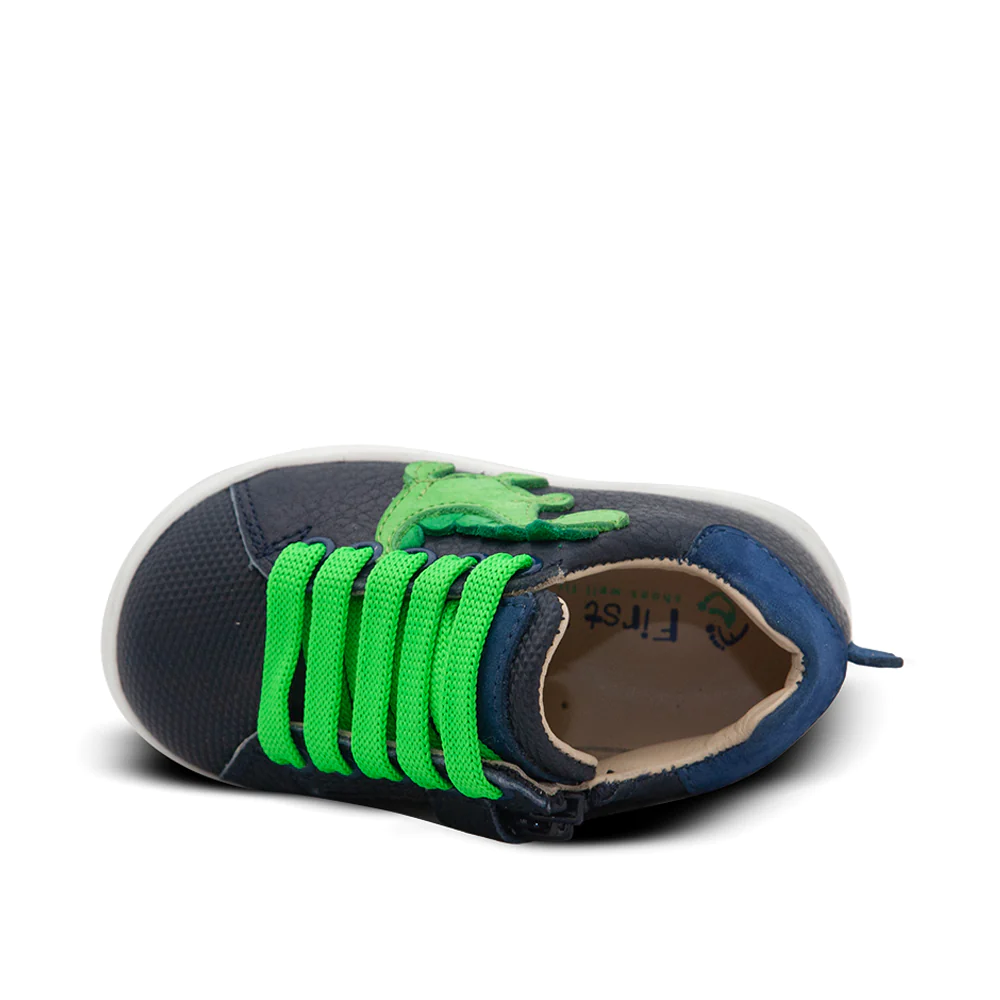
Denver The Dinosaur Sneakers
Shoelaces + zipper
Anti-bacterial insoles
Anti-scratch/scuffs toe cap protector
Removable insole
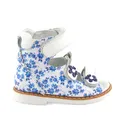
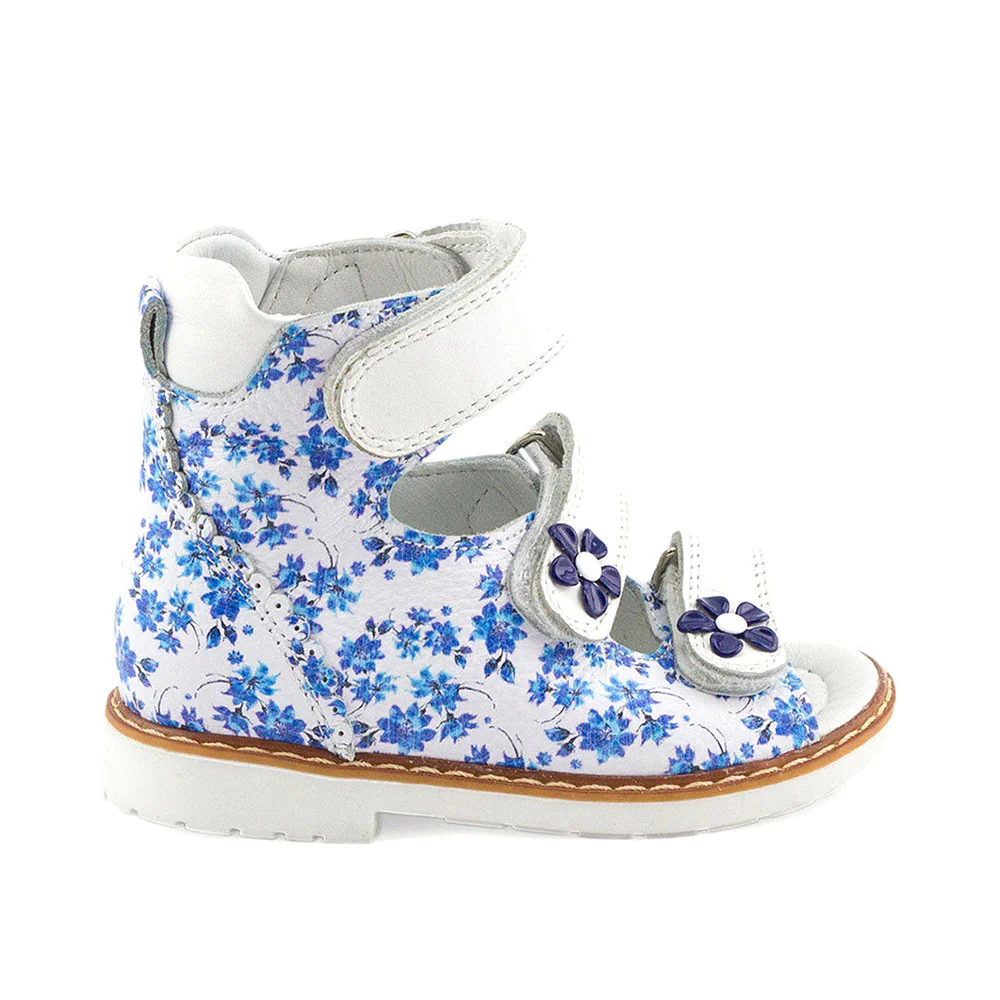
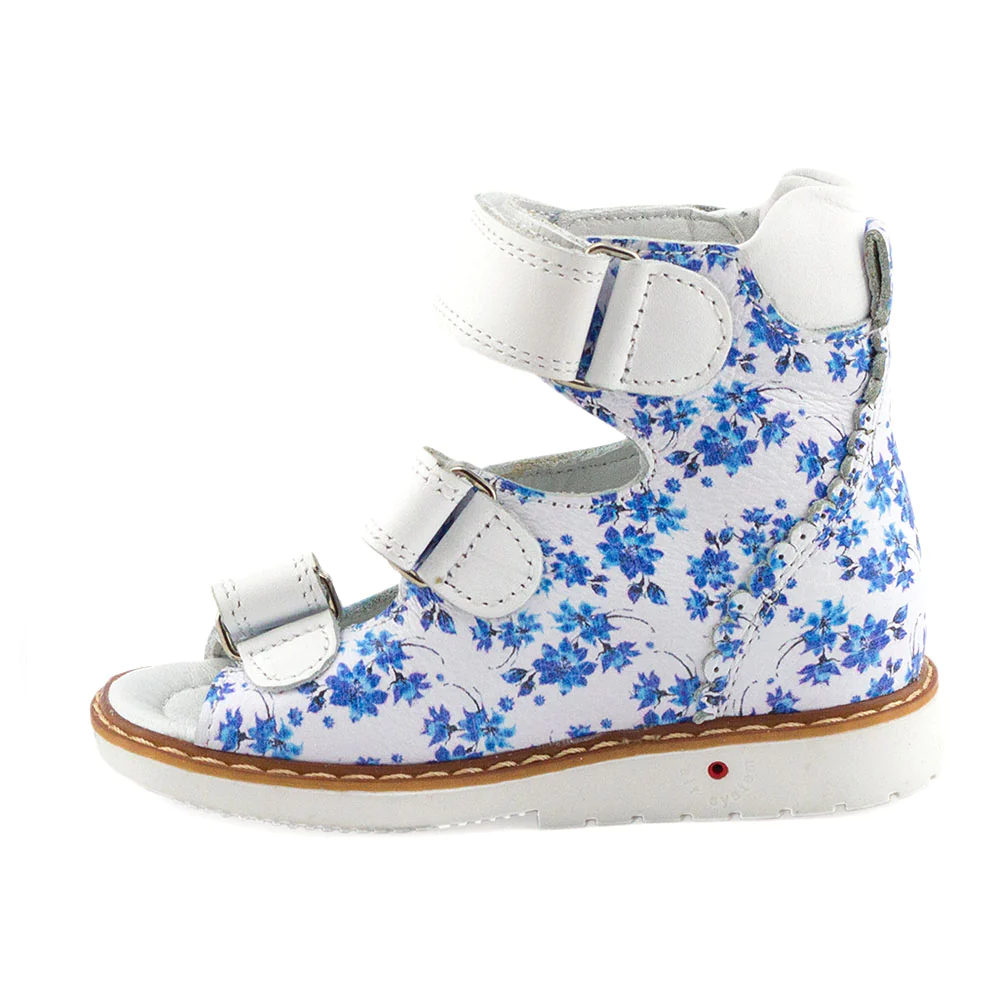
Arianna Florets Sandals
Three adjustable Velcro straps
Extended ankle support
Anti-bacterial insoles
Shock-absorbent thermoplastic outsoles
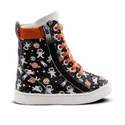
Nuru Mercury Sneakers
Two zippers + shoelaces
Extended ankle support
Dense heel counter
Removable insole
Show more
Why Wide Shoes Matter for Your Child's Development
The foundation for healthy development starts with the feet. Wide shoes offer numerous benefits for children, including:
- Natural Toe Alignment: They prevent the toes from being squeezed together, reducing the risk of bunions and hammertoes, which can develop over time due to pressure and crowding
- Arch Support: While they don't provide direct arch support, they let the foot's natural arch form without restriction, contributing to proper foot structure and function
- Bone and Muscle Development: With enough space, the bones in a child's foot can grow and develop naturally, while foot muscles have the freedom to strengthen and flex. Stronger foot muscles contribute to better balance and coordination, leading to healthier foot development overall
- Proprioception: This is the body's sense of spatial orientation. These shoes improve sensory feedback from the feet to the brain, enhancing this sense and improving balance, which is especially helpful for kids learning to walk
- Comfort: By accommodating the natural shape of the foot, they provide superior comfort even after extended wear, encouraging children to stay active throughout the day
- Customisable Fit: The extra width provides space for orthotics and custom-made inserts to correct foot alignment or address specific foot conditions
How to Measure and Fit Wide Shoes Correctly
Before shopping, you need to know your child's actual foot measurements. Here's how to measure your child's foot at home:
Measuring Your Child's Feet
- Measure in the afternoon when feet are slightly swollen from daily activity. This prevents buying shoes that feel tight by day's end
- Trace both feet on paper while your child stands. Feet under weight-bearing pressure are larger than when sitting
- Measure the longest distance from heel to toe, and the widest point across the ball of the foot
- Fit to the larger foot since feet are often slightly different sizes. Never compromise on the bigger foot
Proper Fit Standards
Leave 1-1.5 cm (thumb's width) of space between your child's longest toe and the shoe's end. This allows natural toe movement and slight growth.
The heel should stay secure without slipping up and down during walking. A secure heel counter keeps the foot stable.
The midfoot should feel snug but not tight. Your child should wiggle toes freely, but the middle of the foot should feel comfortably held.
Check pressure points by pressing around the shoe while your child stands. No area should feel tight or create visible compression.
When to Re-Measure
Check fit every 6-8 weeks during rapid growth periods (ages 1-5). Children's feet grow approximately 0.5 size every 2-3 months during toddler years [1].
Replace shoes immediately if your child complains of discomfort, you see red marks after wearing, toes touch the front or sides, or the heel slips during walking.
What to Avoid If Your Kid Has Wide Feet
1. Narrow or Pointed Toe Boxes
Shoes that feature narrow or pointed toe boxes can constrict the toes, leading to discomfort and potential foot problems. Instead, opt for shoes with a wide and deep toe box that allows the toes to spread naturally.
2. Ill-Fitting Shoes
Choosing shoes that are too tight can restrict growth and cause blisters or other foot issues. At the same time, shoes that are too loose can lead to instability and increase the risk of falls.
It’s essential to find a snug fit without being overly tight, allowing for about a thumb's width of space between the longest toe and the shoe's end.
3. Rigid Materials
Shoes made from stiff or low-quality materials can hinder natural foot movement and cause discomfort. Look for shoes made from soft, flexible materials like leather or mesh that can accommodate wider feet while providing necessary support.
4. High Heels or Elevated Soles
Heels can be detrimental to a child's foot development. Shoes should have flat soles that provide stability and support as children grow and develop their walking patterns.
5. Shoes Without Adjustable Features
Shoes lacking adjustable straps, laces, or buckles may not provide a proper fit for wider feet. Look for options that allow customization for better support and comfort.
6. Shopping at Unreliable Retailers
Always choose reputable retailers such as First Walkers that specialize in children's footwear, particularly those offering wide-width options. This ensures access to knowledgeable staff who can assist in finding the right fit
» Learn to pick shoes for different stages of foot development
10 Best Wide Toddler Shoes
1
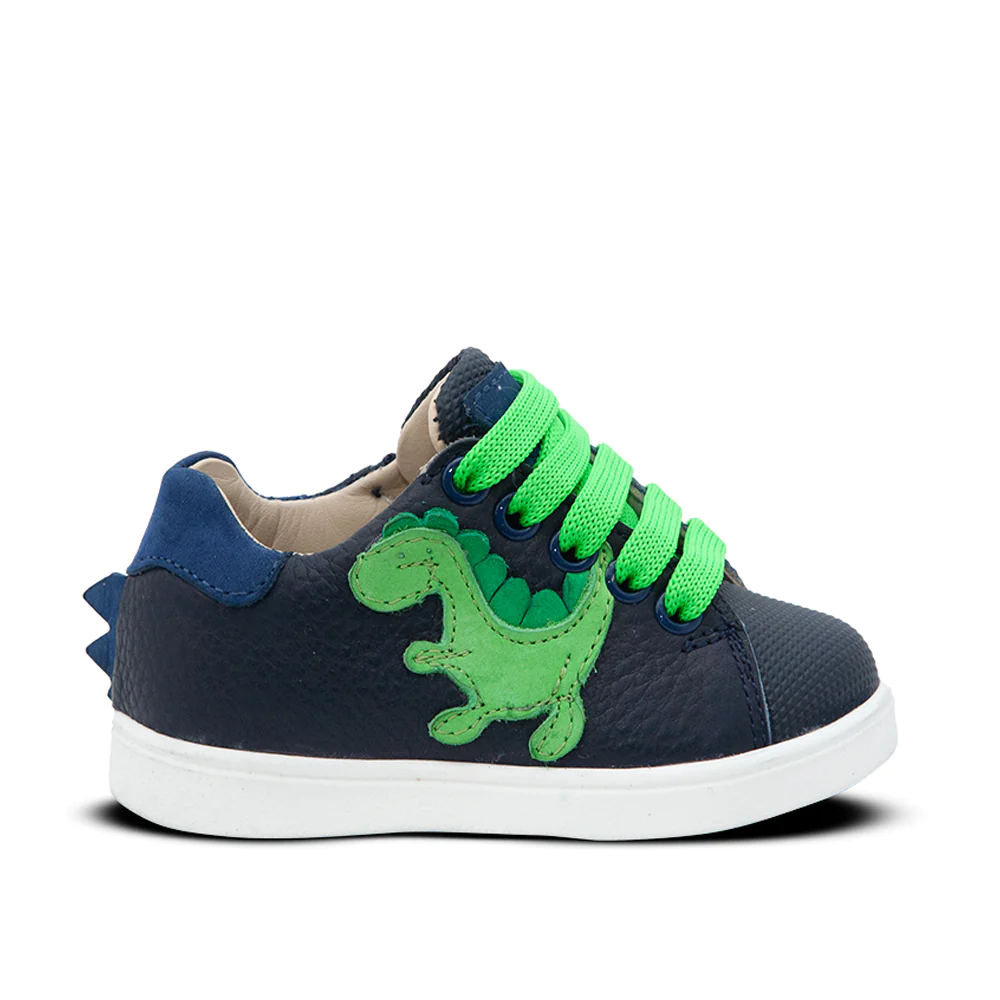
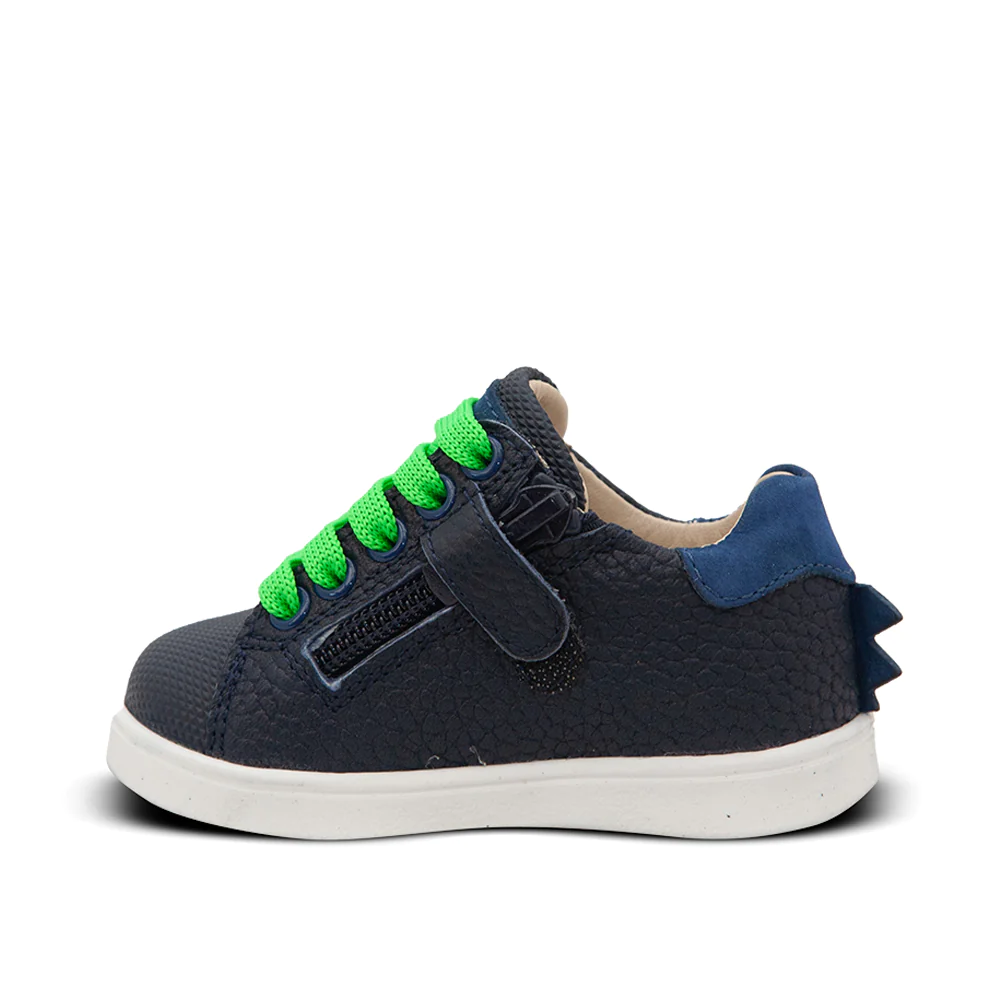
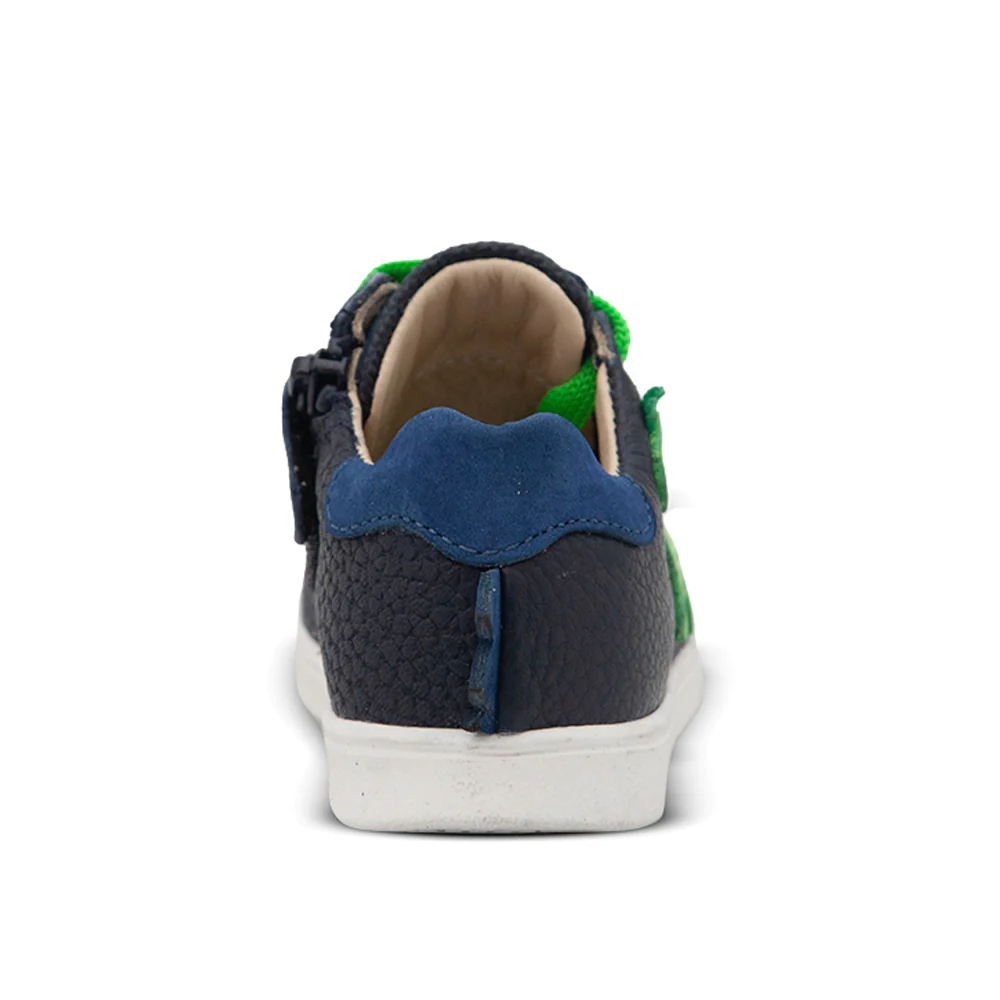
Denver The Dinosaur Sneakers
Supportive shoes for boys with wide feet
See size chartMaterial
Leather
Type
Sneakers
Sizes
2–9 (AU)
Features
- Shoelaces + zipper
- Anti-scratch/scuffs toe cap protector
- Removable insole
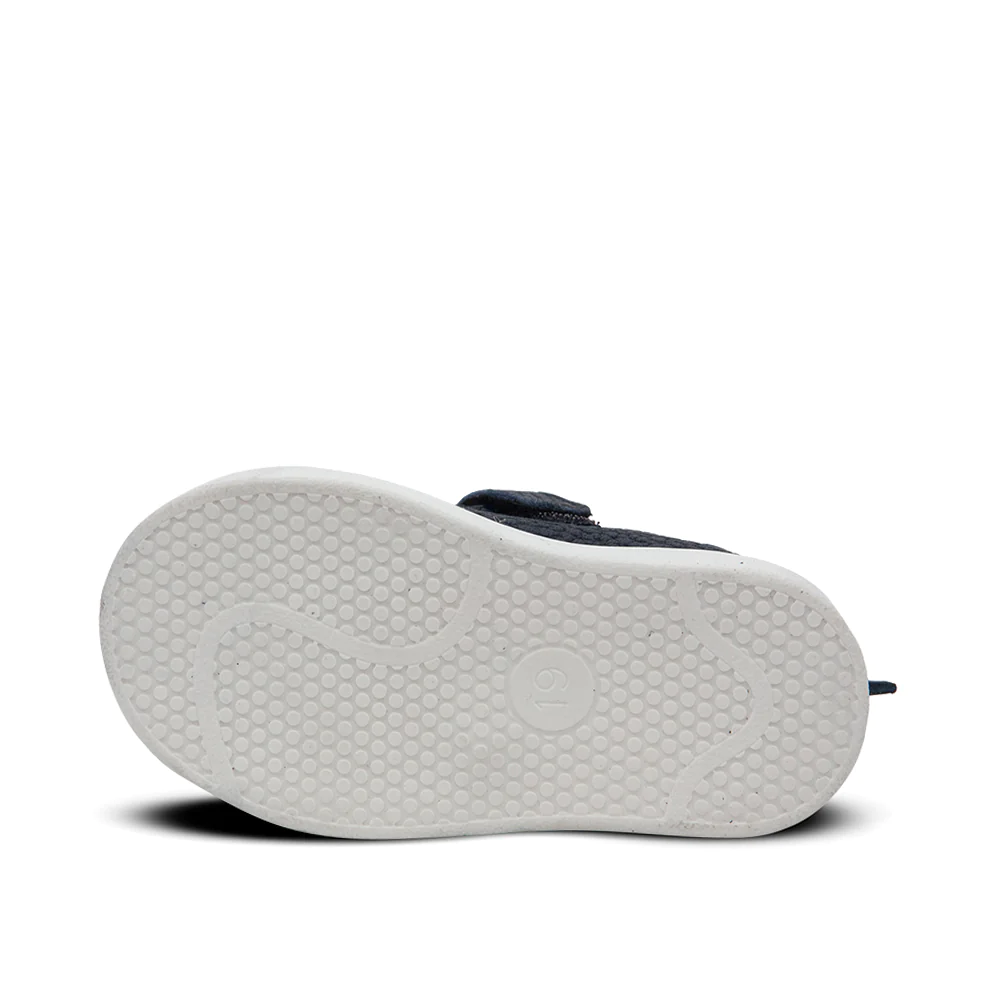
- Shock-absorbent thermoplastic outsoles
- Anti-bacterial insoles
- High built-in arch support
Why they are a top pick
Denver The Dinosaur Sneakers provide ample room for little feet to grow while offering essential support.
The built-in arch promotes healthy foot development, making them ideal for kids, especially those with flat feet.
These wide kids shoes have removable insoles and outsoles that absorb shock to prevent injury or discomfort.
Additionally, they have an anti-bacterial sole to help maintain hygiene. Plus, with their playful dinosaur design, they're as fun to wear as they are functional.
2
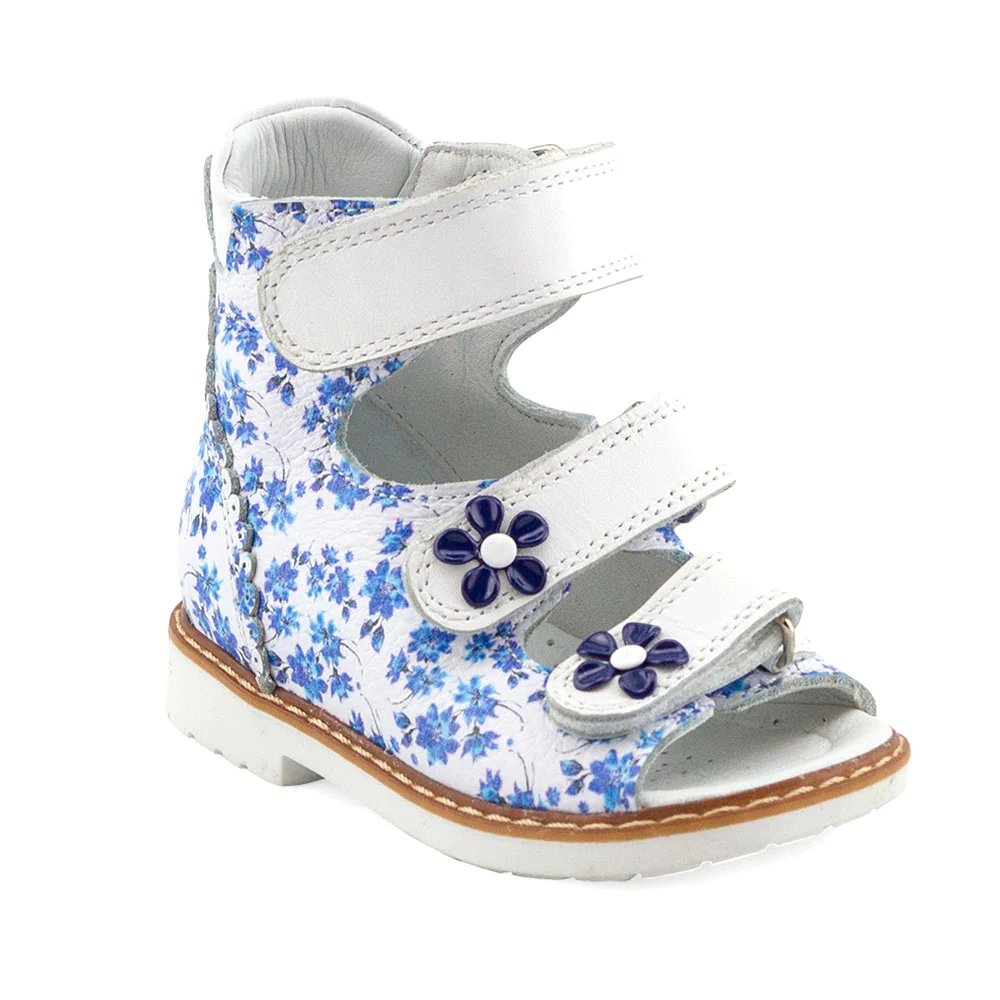
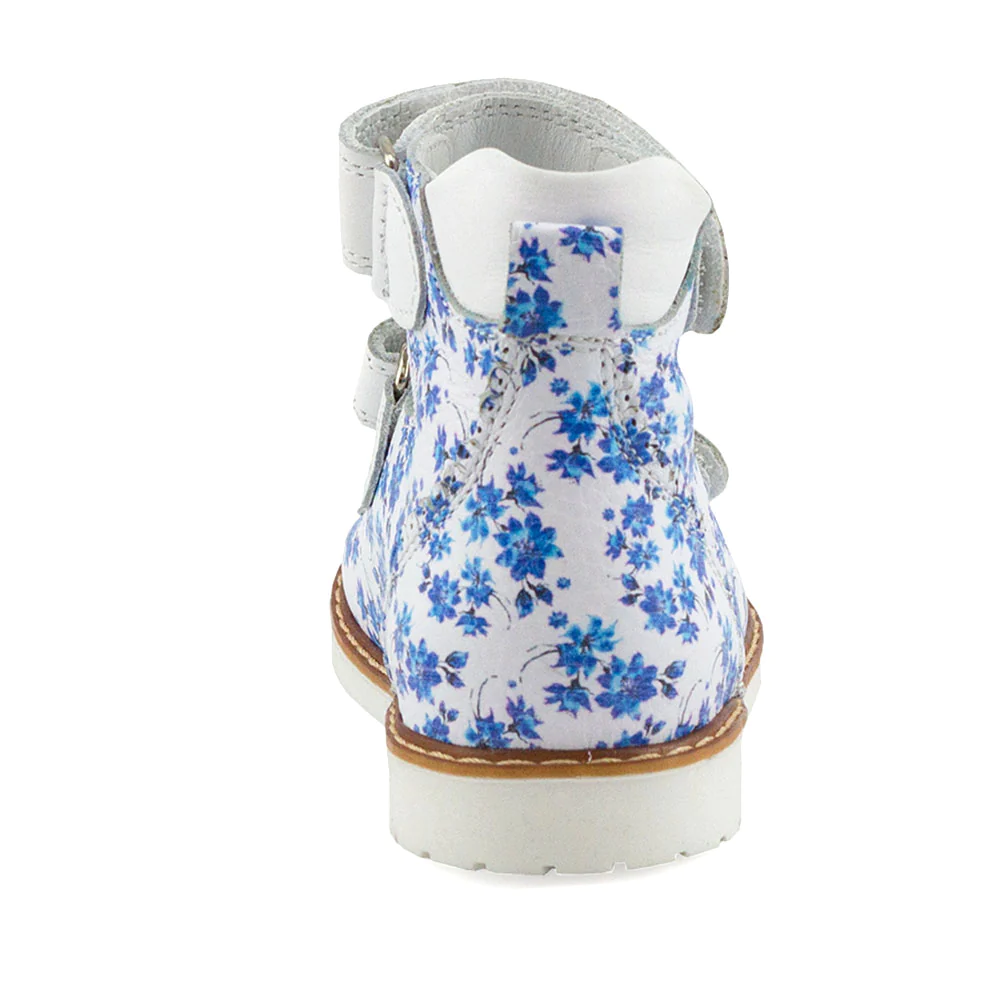
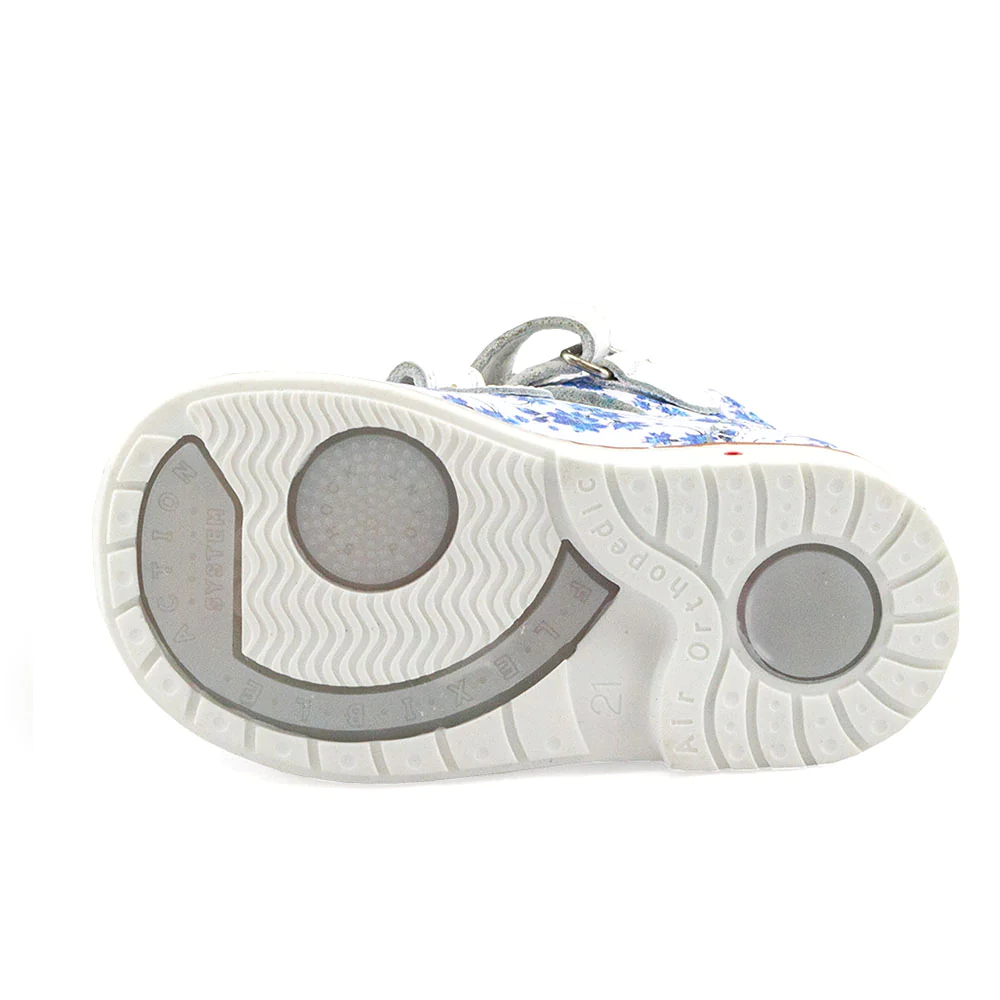
Arianna Florets Sandals
Breathable floral high-top sandals
See size chartMaterial
Leather
Type
High-top sandals
Sizes
2–11 (AU)
Features
- Three adjustable Velcro straps
- Extended ankle support
- Anti-bacterial insoles
- Shock-absorbent thermoplastic outsoles
- High built-in arch support
- Air valves for moisture reduction
- Thomas heel
Why they are a top pick
The three Velcro straps are perfect for girls still learning to master shoe buckles—quick, easy, and no frustration.
The air valves prevent moisture buildup, reducing the risk of blisters and keeping feet fresh and odour-free.
For toddlers with flat feet or other foot issues, the Thomas heel on the Arianna Florets sandals provides essential support and stability, enhancing comfort and gait efficiency.
3
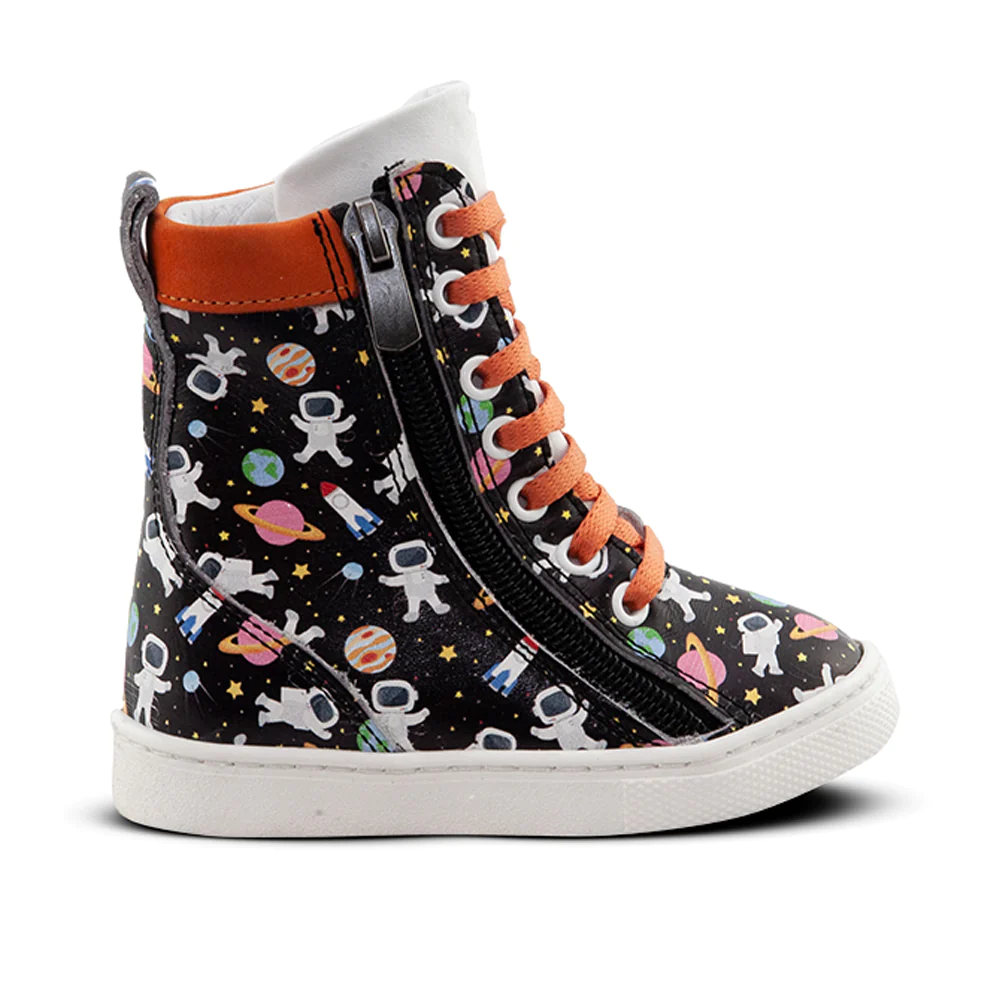
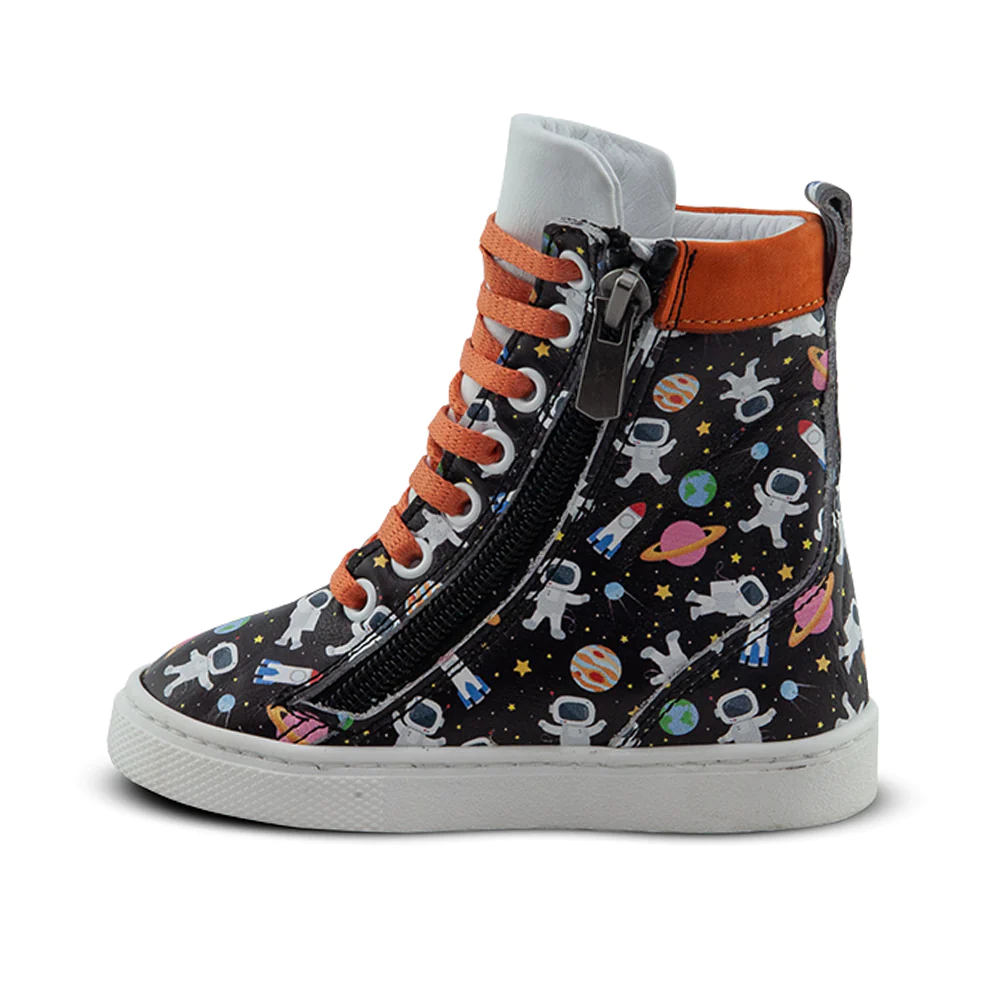
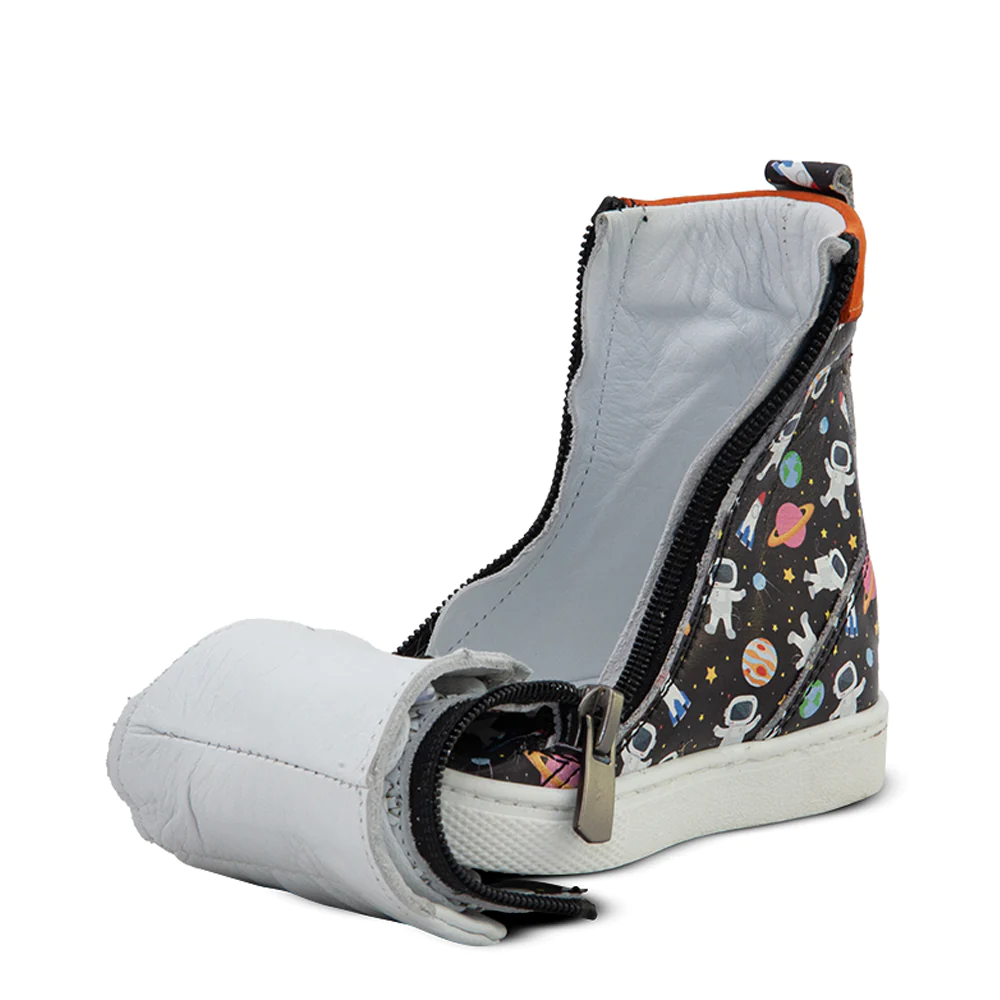
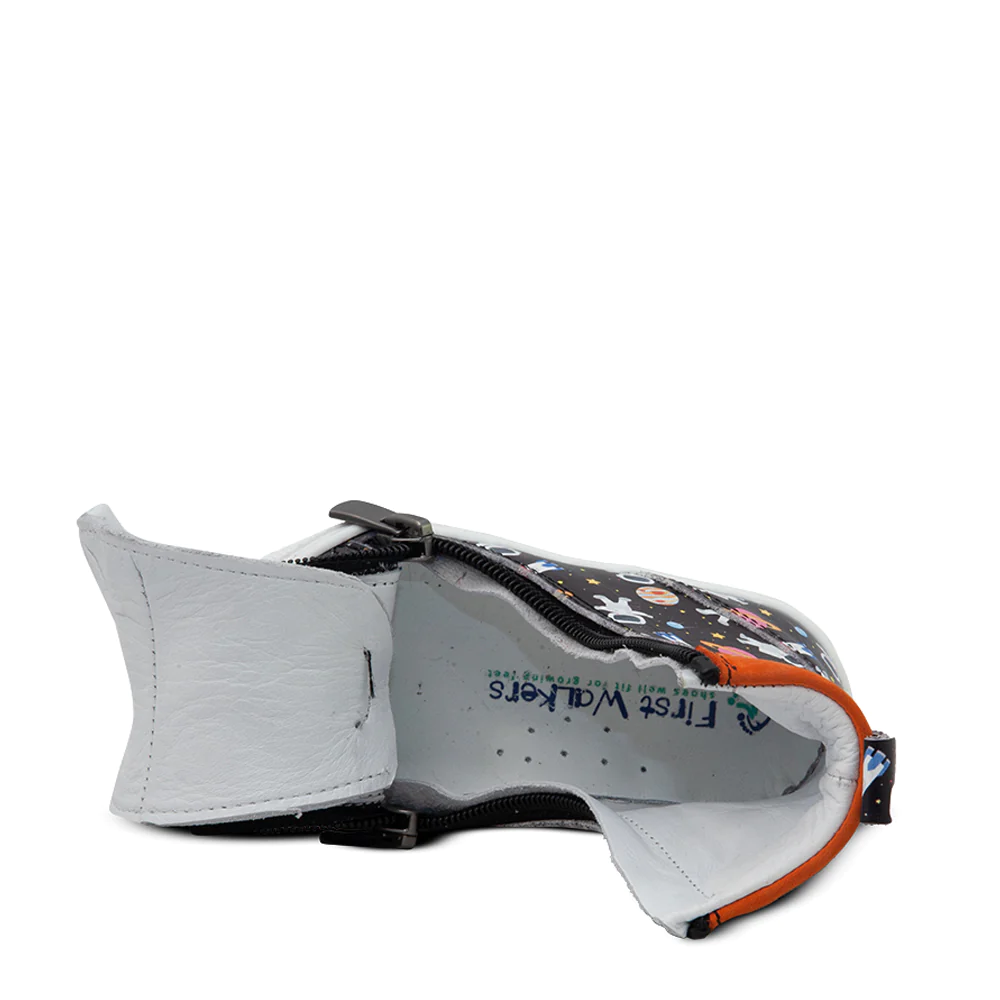
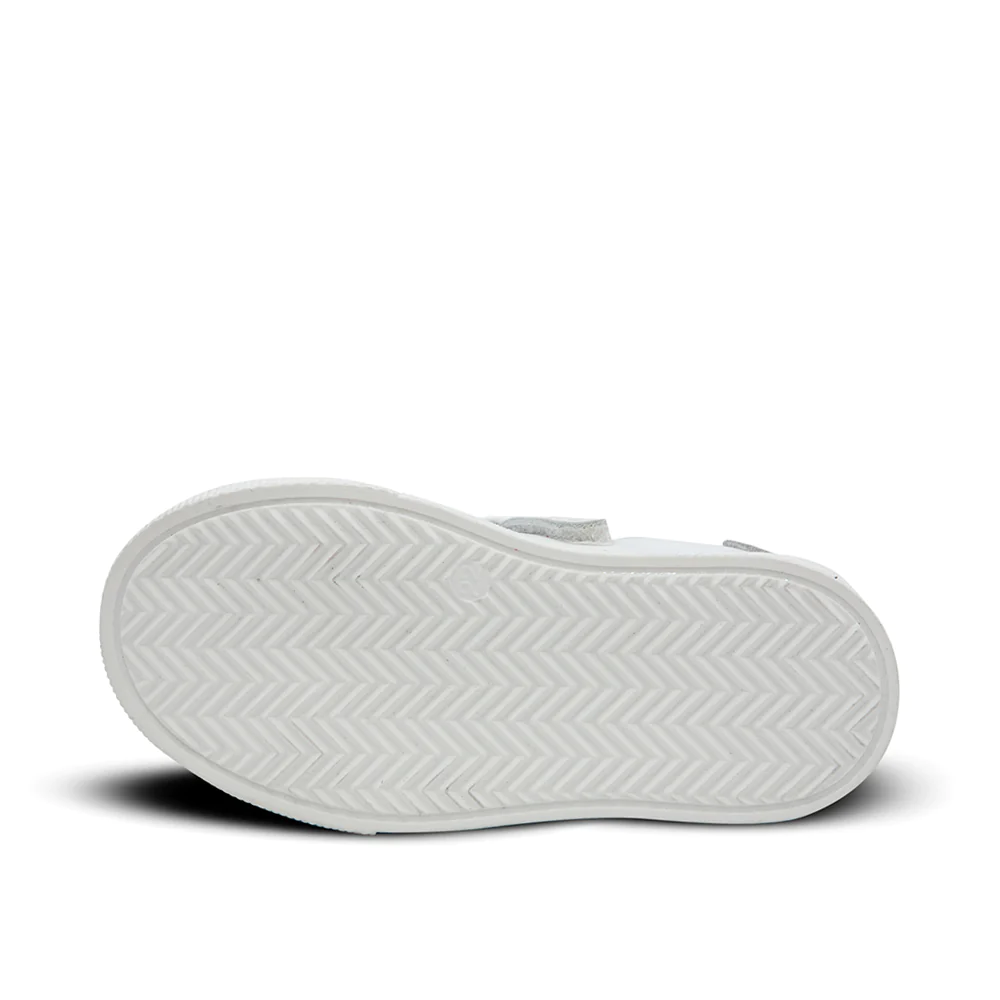
Nuru Mercury Sneakers
Out of this world high-top sneakers
See size chartMaterial
Leather
Type
High-top sneakers
Sizes
5–9.5 (AU)
Features
- Two zippers + shoelaces
- Extended ankle support
- Dense heel counter
- Fit with the orthoses (AFOs/SMOs)
- Removable insole
- Anti-bacterial insoles
- Shock-absorbent thermoplastic outsoles
- High built-in arch support
Why they are a top pick
Nuru Mercury Sneakers are designed to make life easier for both you and your little one. Made with orthotics in mind, these high-top sneakers offer exceptional comfort.
Getting tiny feet into shoes just got a whole lot simpler thanks to our dual-side zippers. Unzip both sides, pop that foot in, and your little one is ready to go!
These are perfect for space-loving kids with wide feet, as the leather provides a flexible and accommodating fit.
The shock-absorbent outsoles and comprehensive ankle support offer stability and cushioning, preventing discomfort and fatigue often experienced by those with wider feet.
4
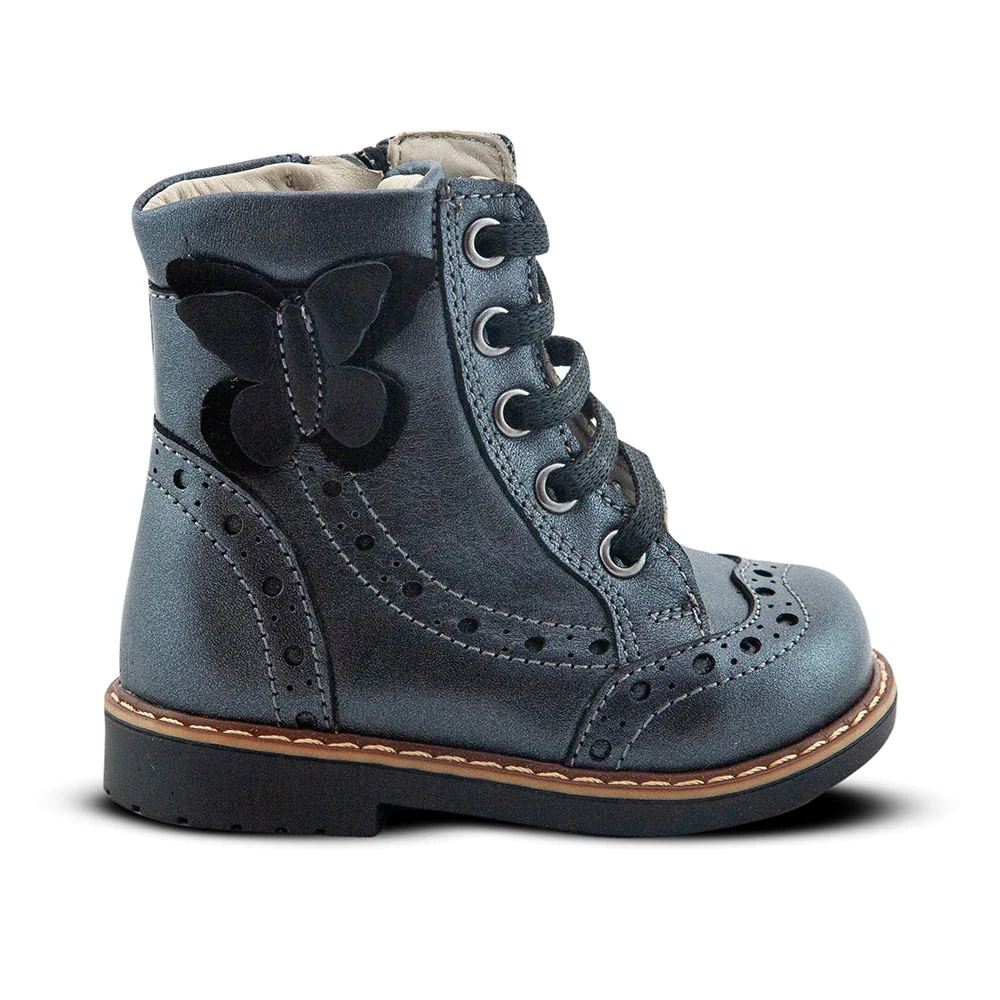
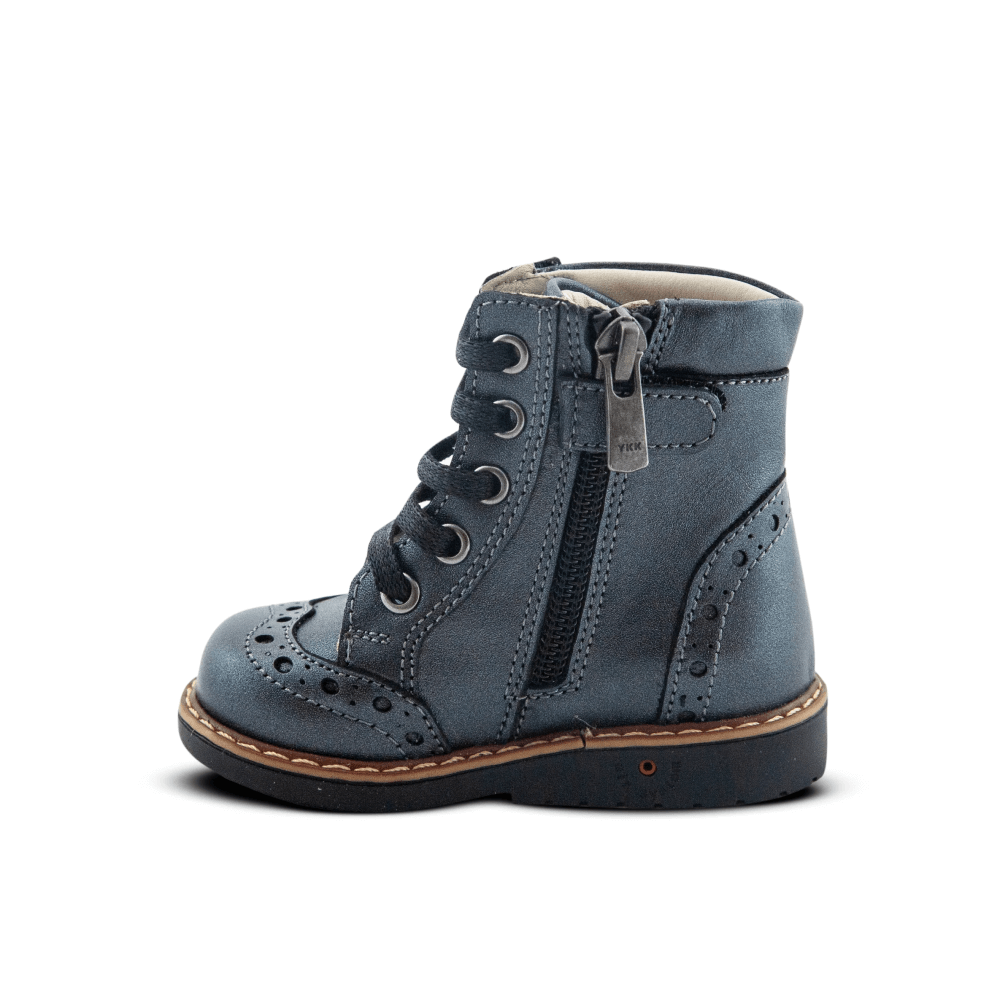
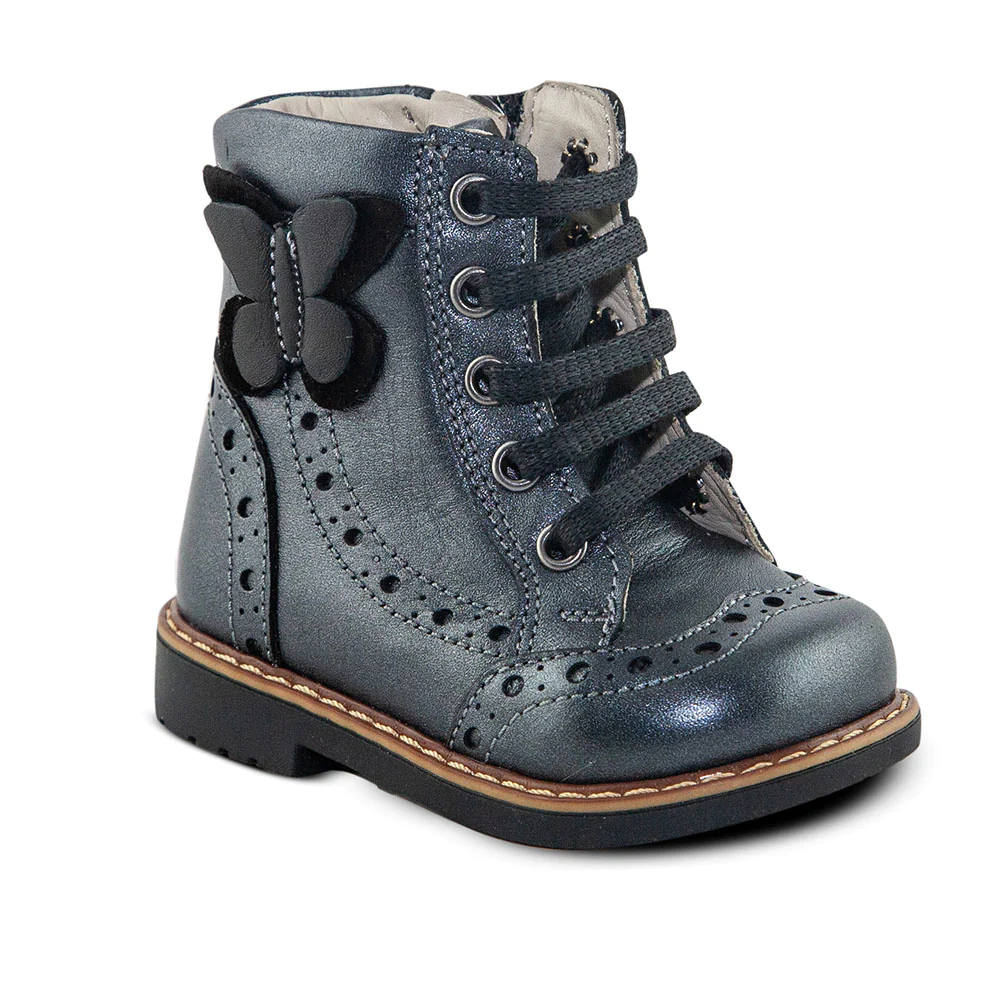
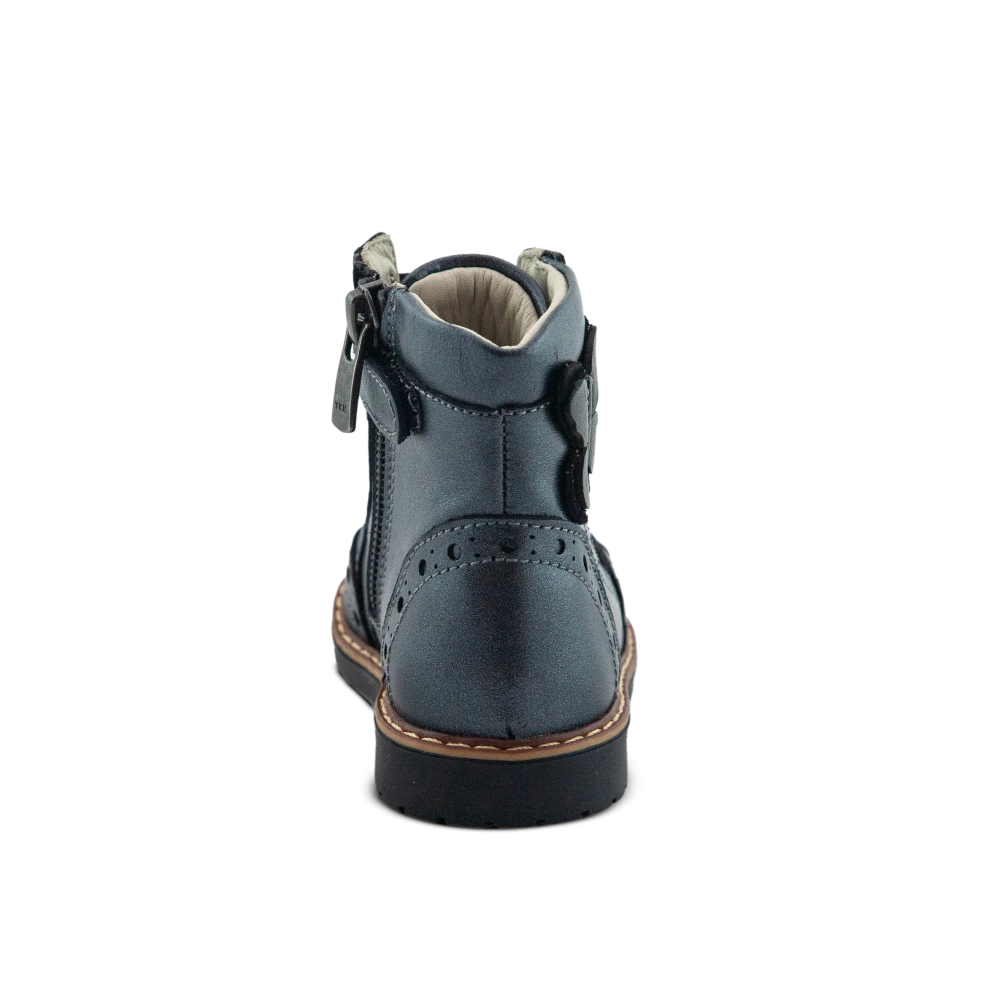
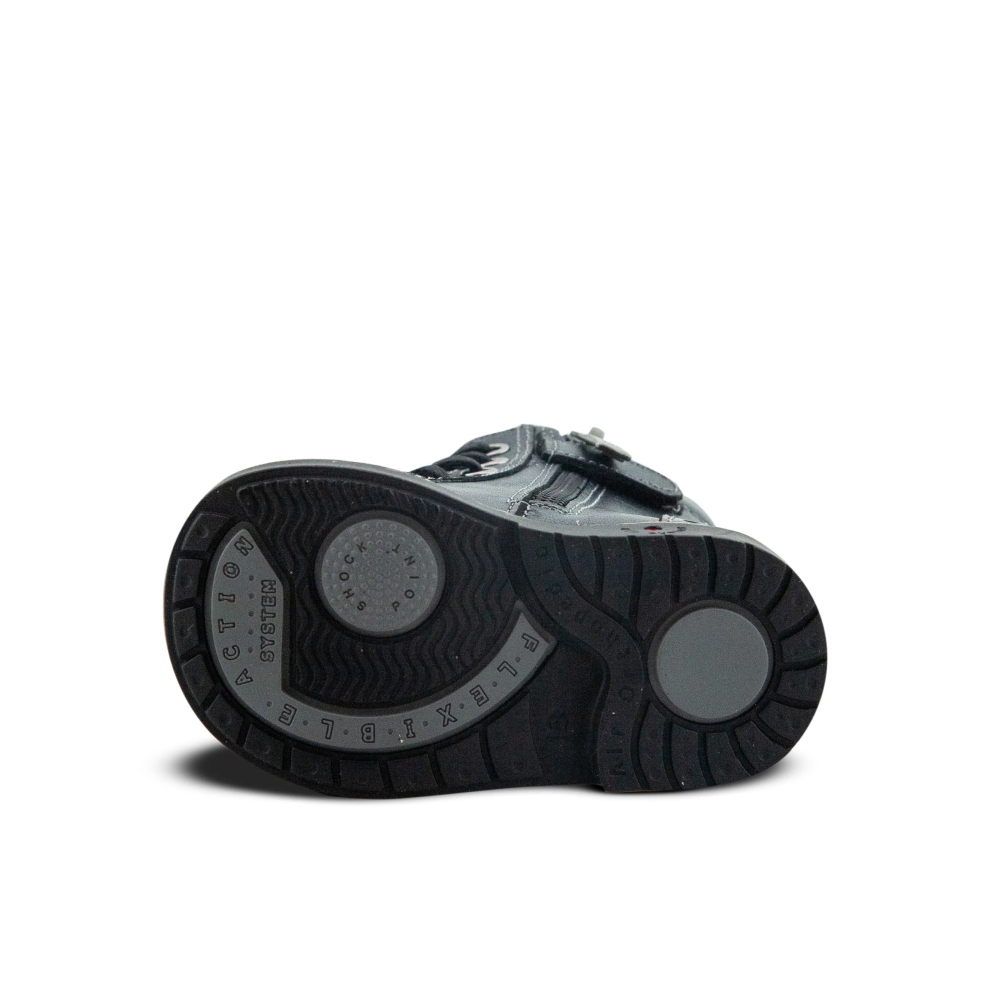
Midnight Chrysalis Boots
Step into adventure with these chic and comfortable boots for girls.
See size chartMaterial
Leather
Type
Boots
Sizes
2–10 (AU)
Features
- Shoelaces + zipper
- Extended ankle support
- Anti-bacterial insoles
- Shock-absorbent thermoplastic outsoles
- High built-in arch support
- Air valves for moisture reduction
- Thomas heel
- Extended tongue (best fit for AFO)
Why they are a top pick
The Midnight Chrysalis Boots are designed for active kids. These stylish boots use advanced comfort technology.
A built-in shock absorber cushions every step, reducing impact and stress on young feet and legs.
The high, built-in arch offers superior support and proper weight distribution, while the Thomas heel promotes optimal alignment. This is especially good for children with wide feet.
5
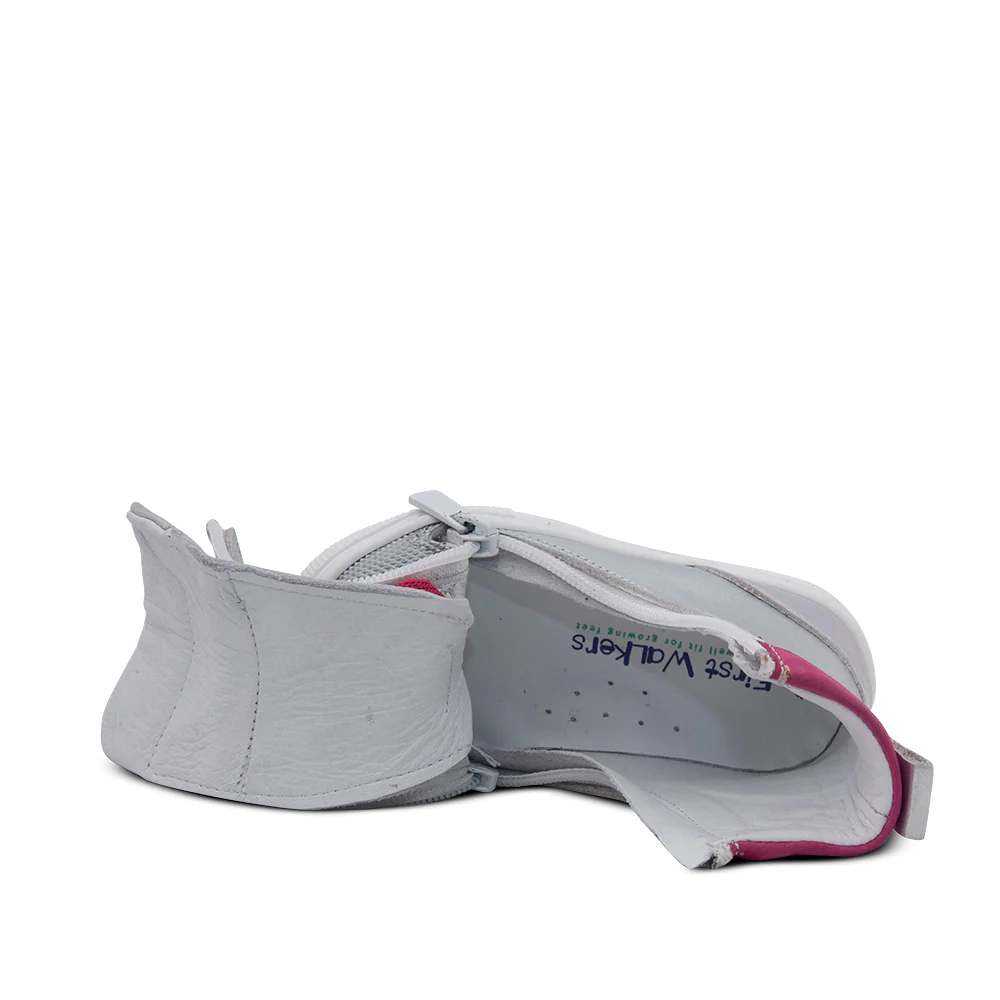
Silane Vivid Sneakers
For shoes that make your kid feel like a superstar
See size chartMaterial
Leather
Type
High-Top Sneakers
Sizes
4.5–9.5 (AU)
Features
- Two zippers + shoelaces
- Extended ankle support
- Dense heel counter
- Anti-bacterial insoles
- Shock-absorbent thermoplastic outsoles
- High built-in arch support
- Removable insole
- Fit with the orthoses (AFOs/SMOs)
Why they are a top pick
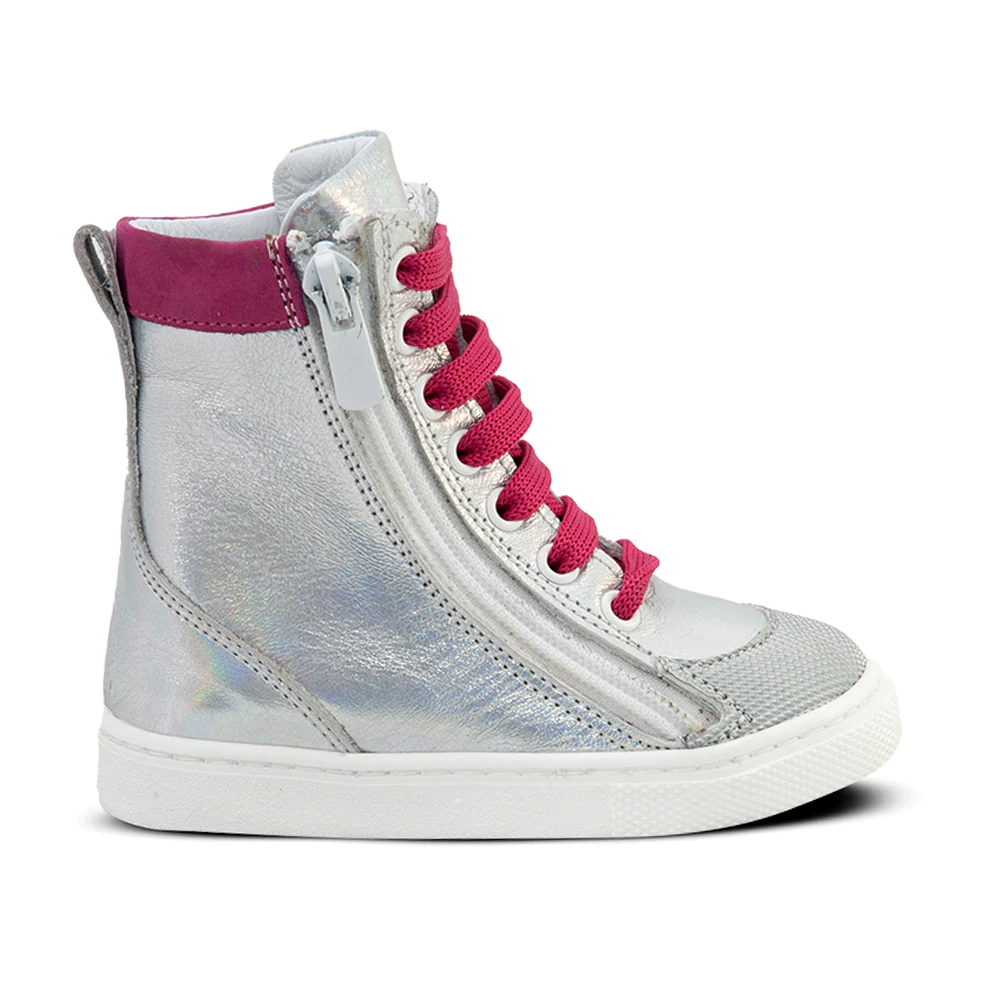
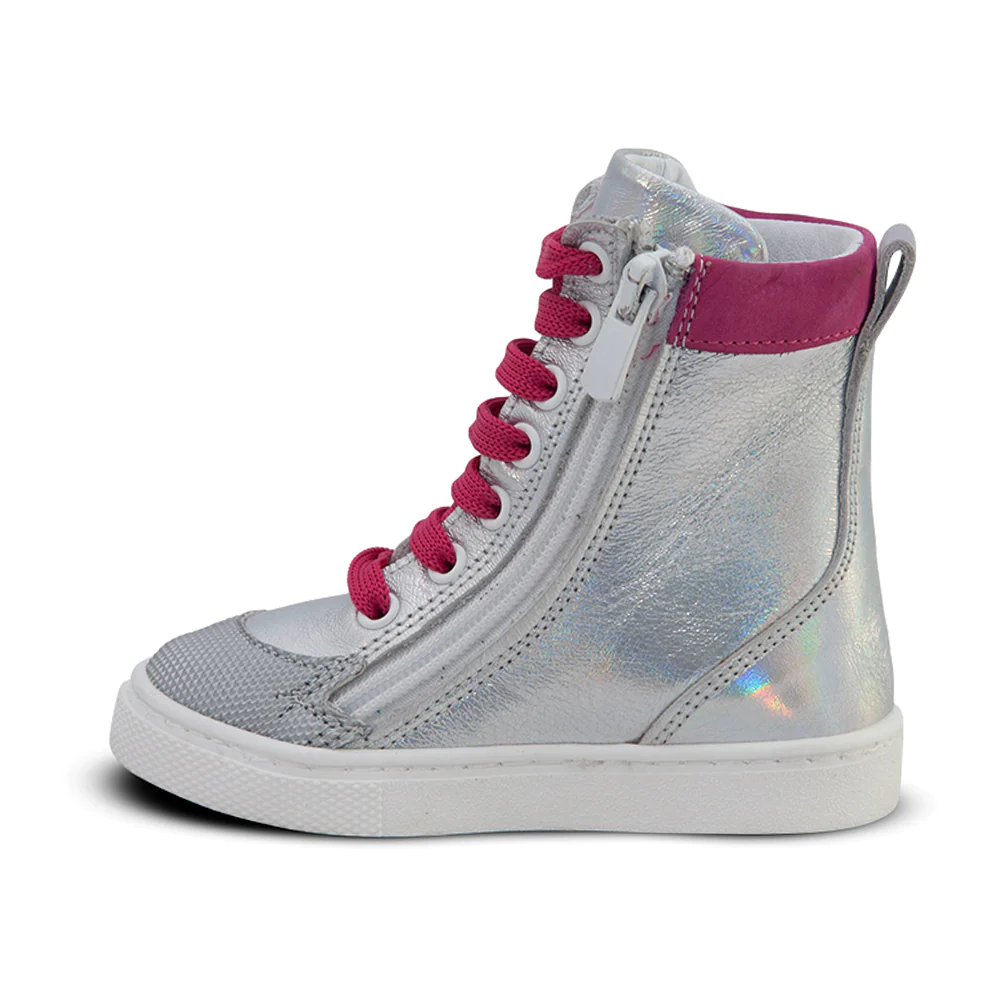
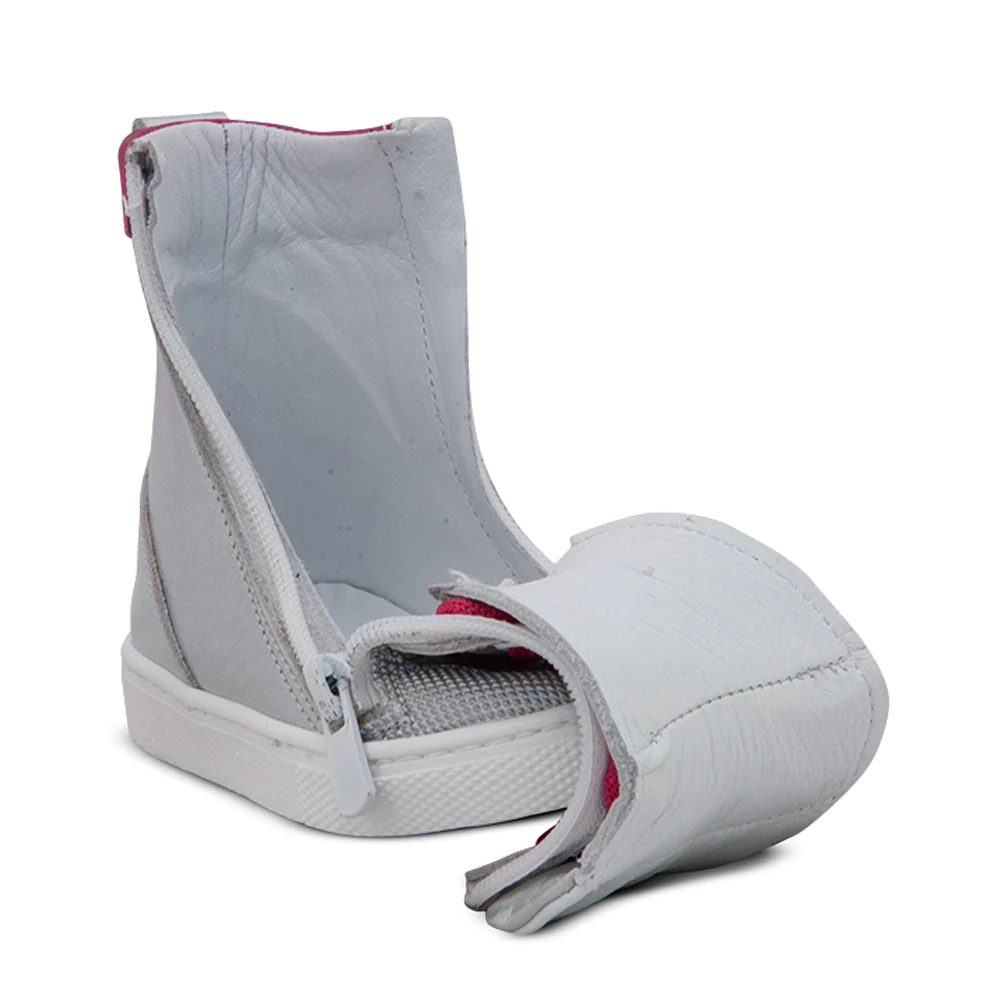
Silane Vivid Sneakers are stylish and easy to put on with two-sided zippers and shoelaces.
Their high-top design has extended ankle support that promotes ankle and foot stability and correct leg alignment.
The secure heel counter helps prevent blisters and keeps feet comfortably in place. Designed to be functional, they accommodate orthotics and feature a supportive arch for added comfort, especially for kids with flat feet.
The eye-catching shiny silver and playful pop of pink make these sneakers stylish and fun for little girls.
6
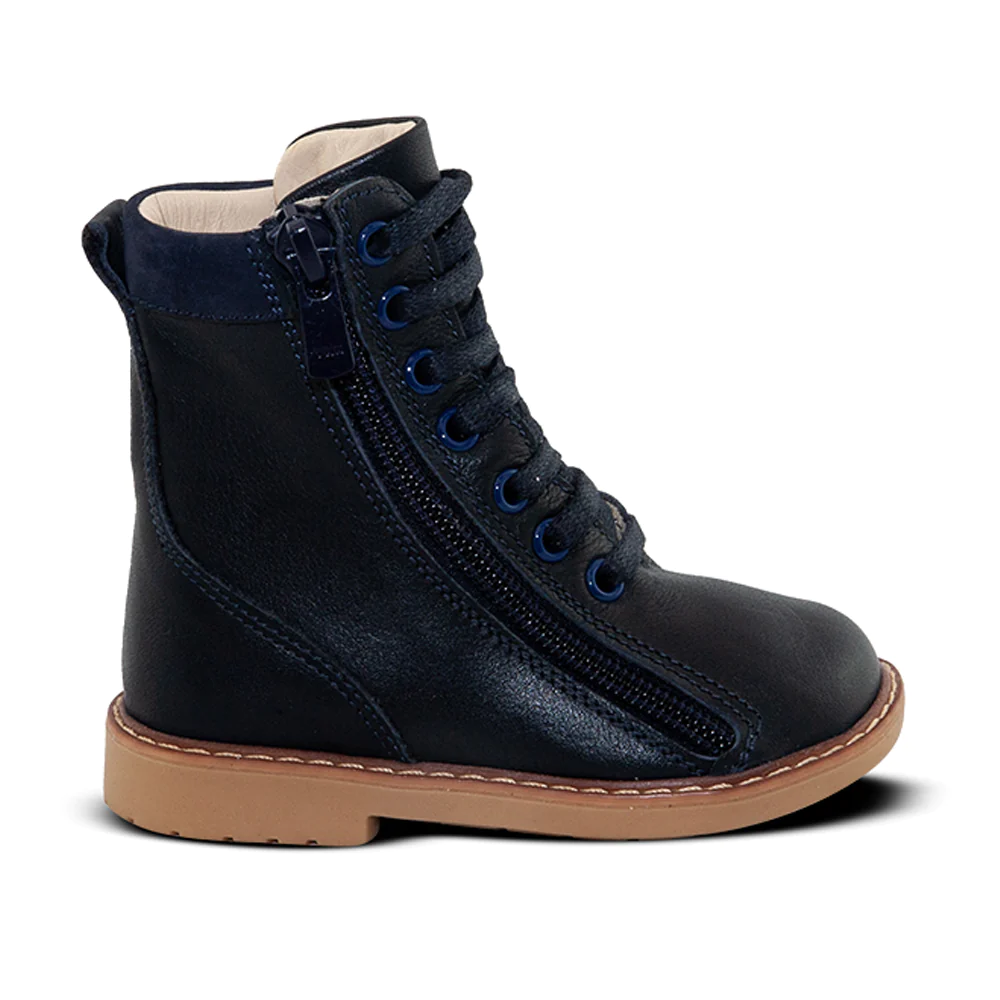
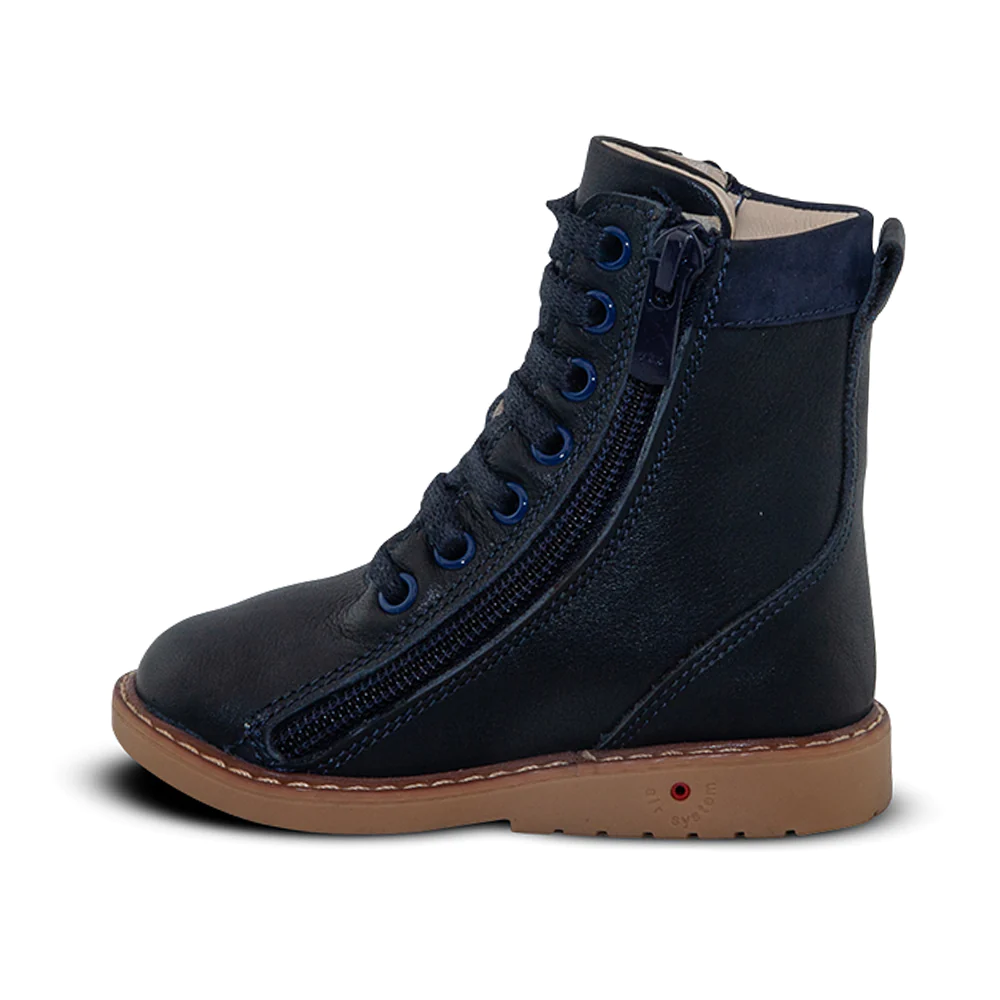
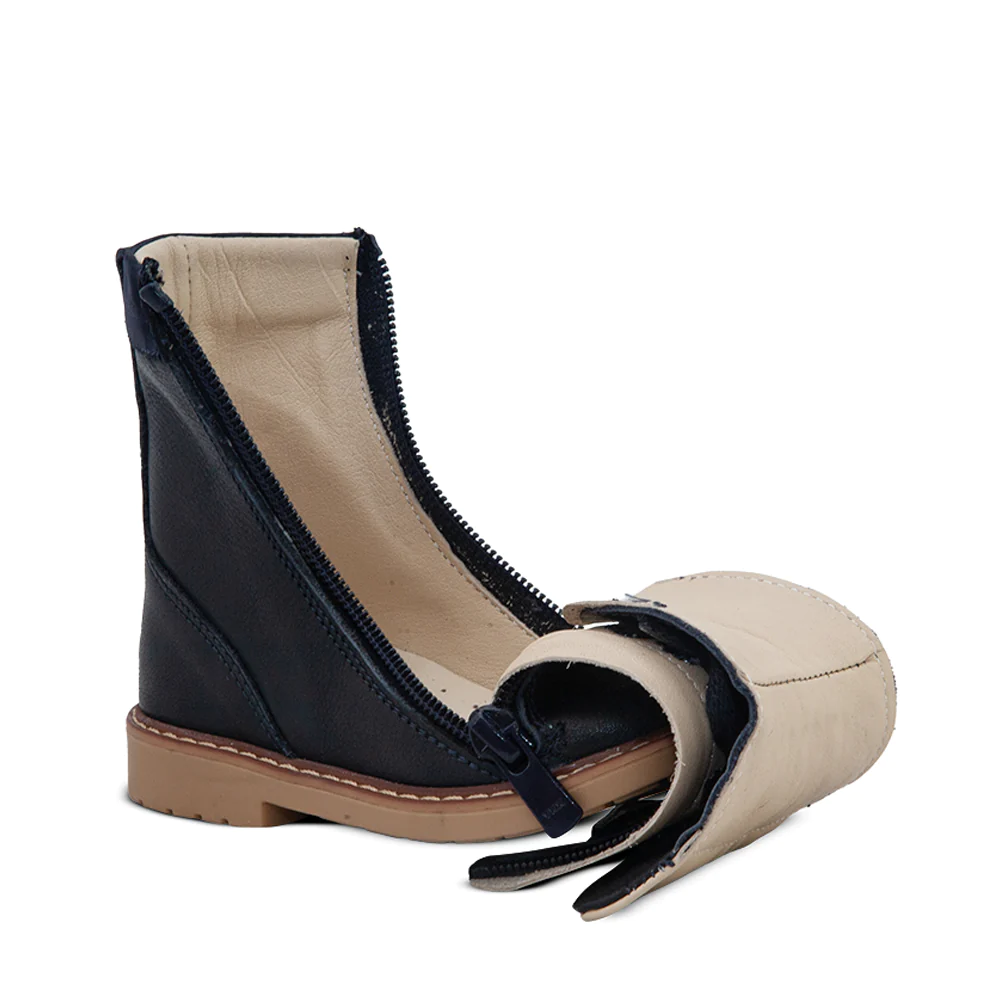
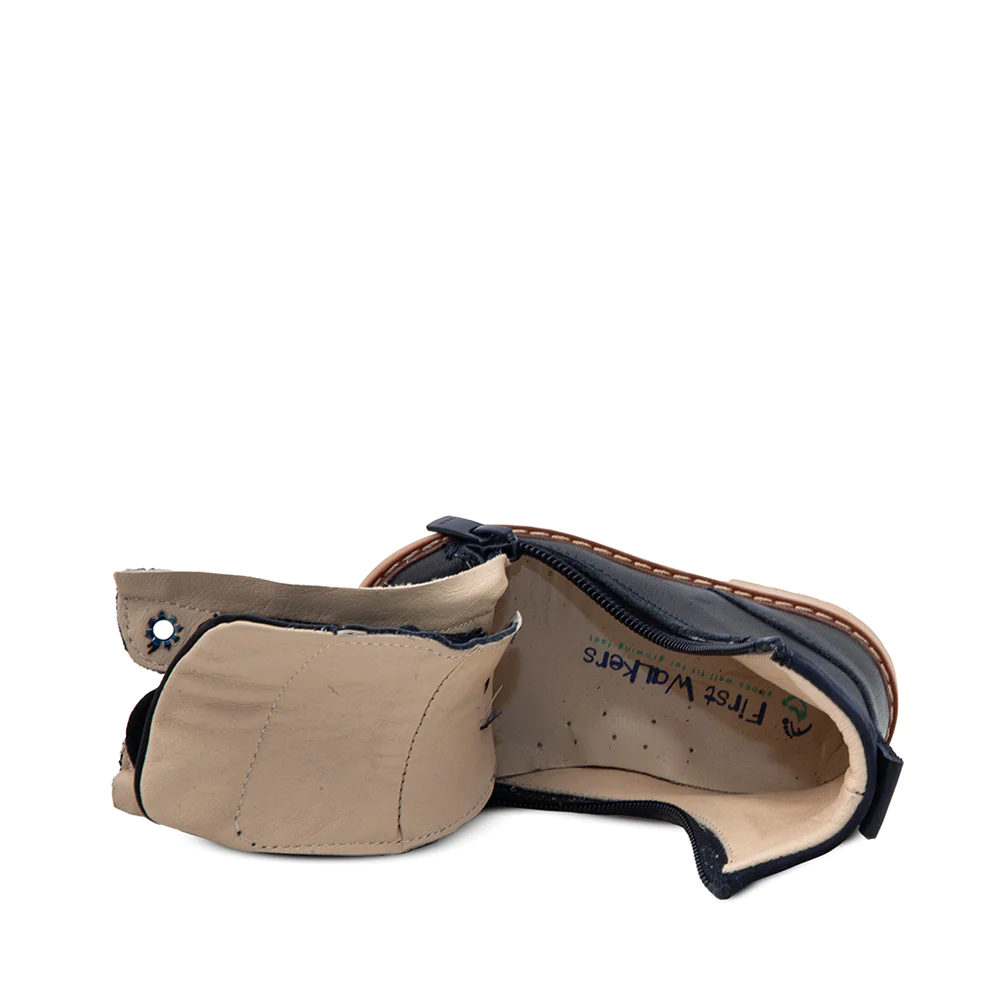
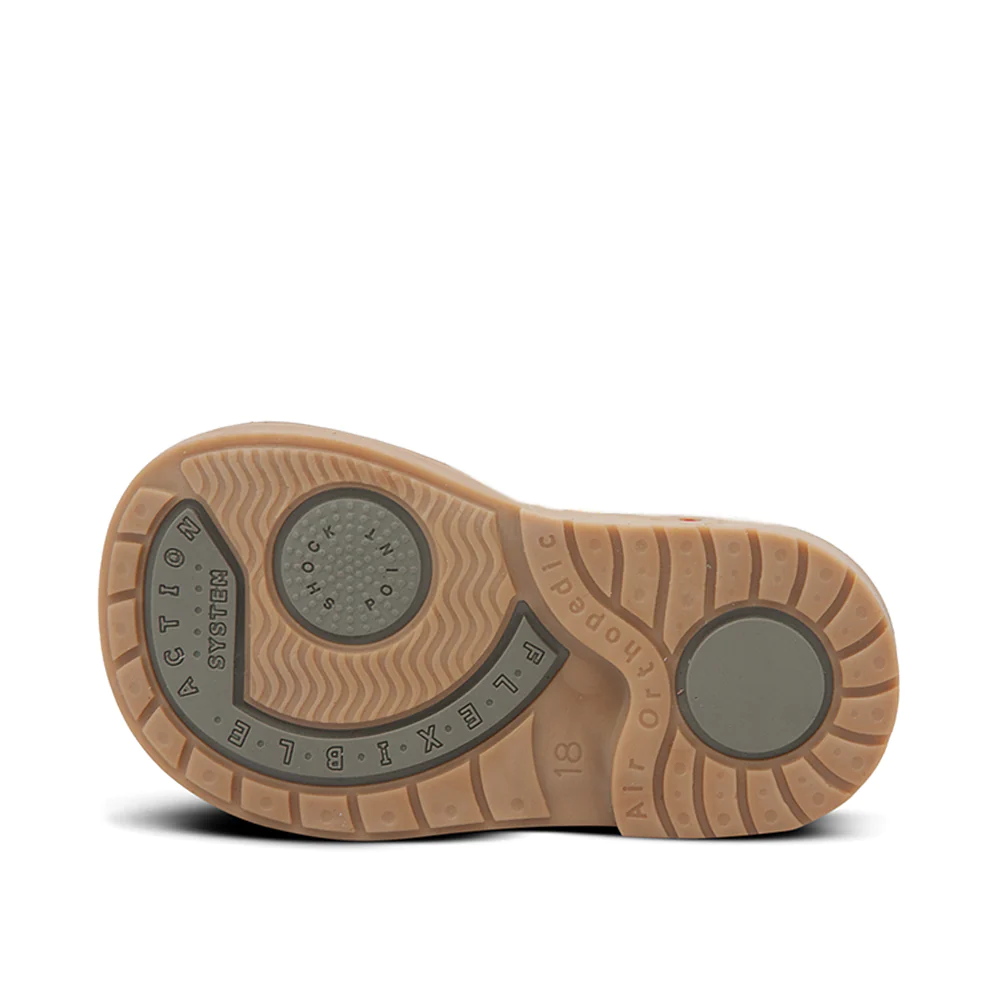
Marine Avery Sneakers
Wide feet, no problem! Discover boots that actually fit
See size chartMaterial
Leather
Type
High-Top Boots
Sizes
4.5–9.5 (AU)
Features
- Two zippers + shoelaces
- Extended ankle support
- Anti-bacterial insoles
- Shock-absorbent thermoplastic outsoles
- High built-in arch support
- Fit with the orthoses (AFOs/SMOs)
- Dense heel counter
Why they are a top pick
These stylish leather Marine Avery boots suit any outfit and are great for boys and girls. They provide extended ankle support to promote ankle and foot stability, which can help correct issues like waddling gait.
These wide kids boots are perfect for active kids, especially those with wider feet or specific foot needs. Designed with comfort and support in mind, they easily accommodate orthotics to help manage various foot conditions.
The shock-absorbing materials and sturdy build are ideal for energetic toddlers, while the double zip makes getting the boots on and off a breeze.
7
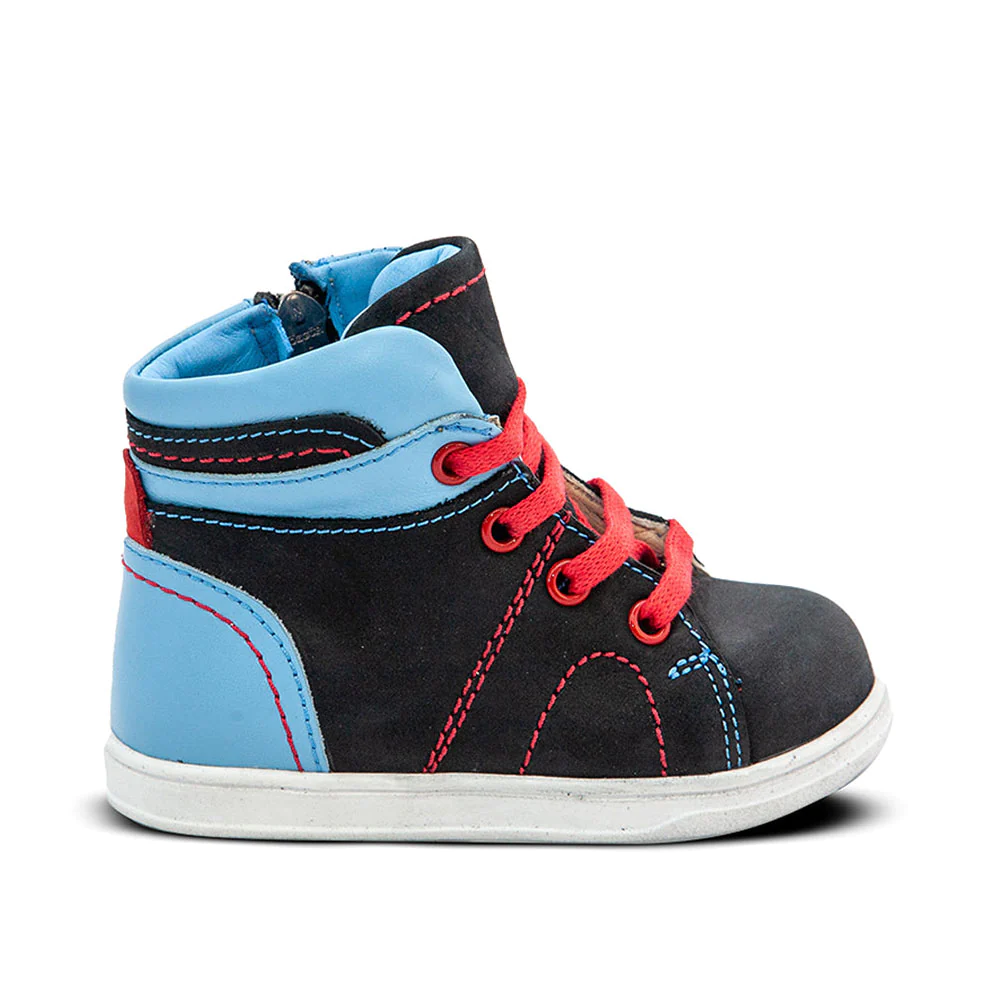
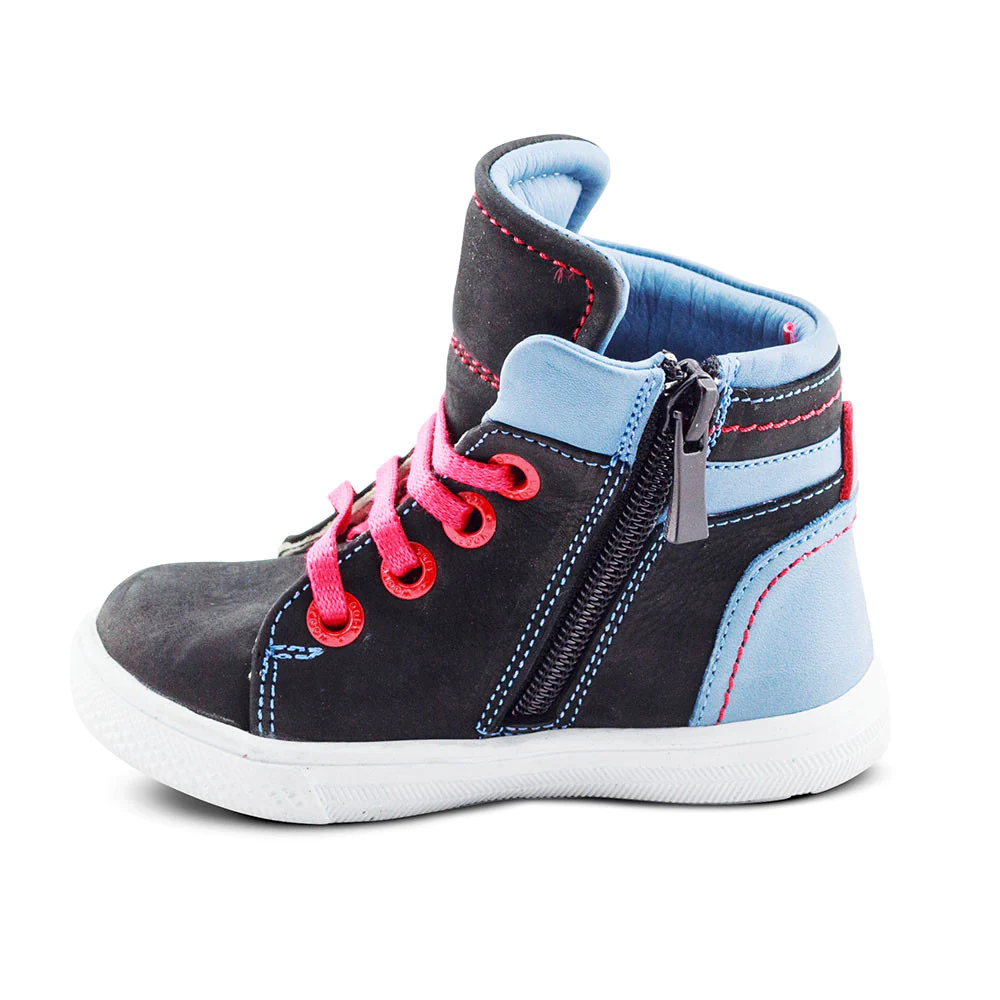
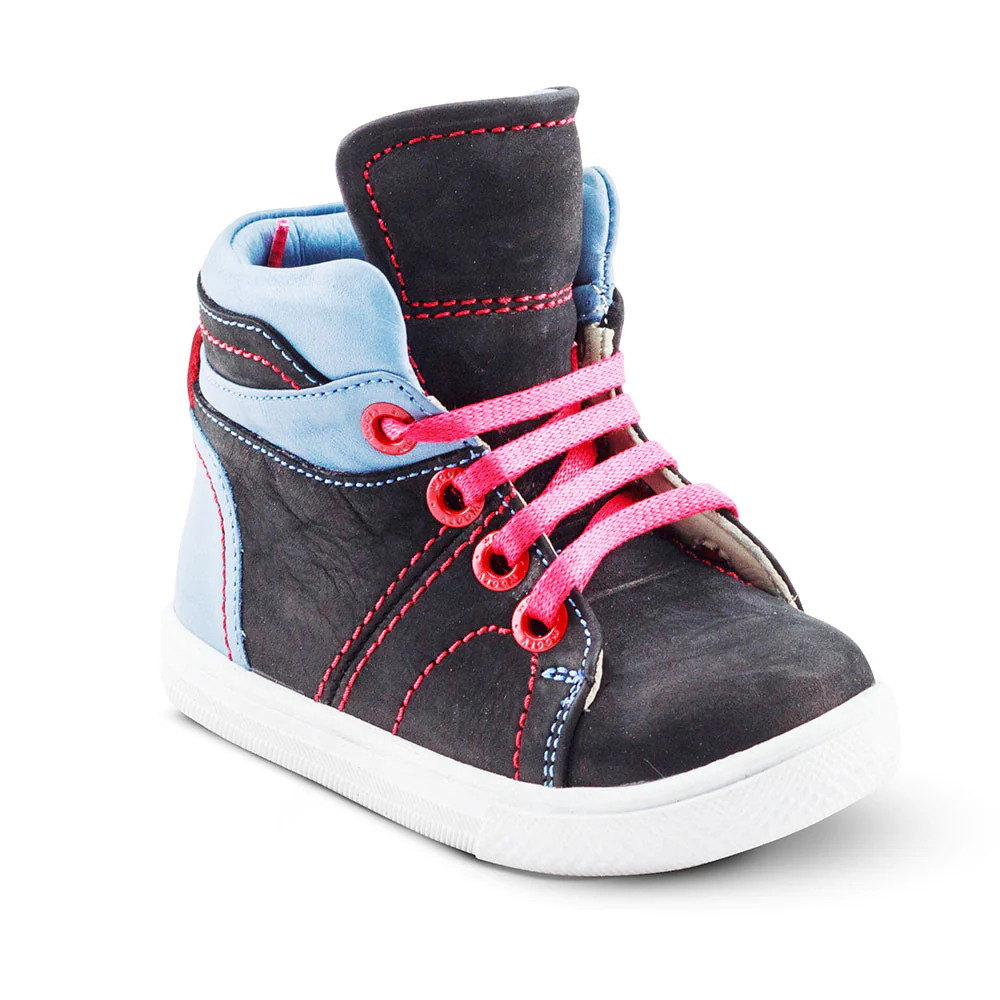
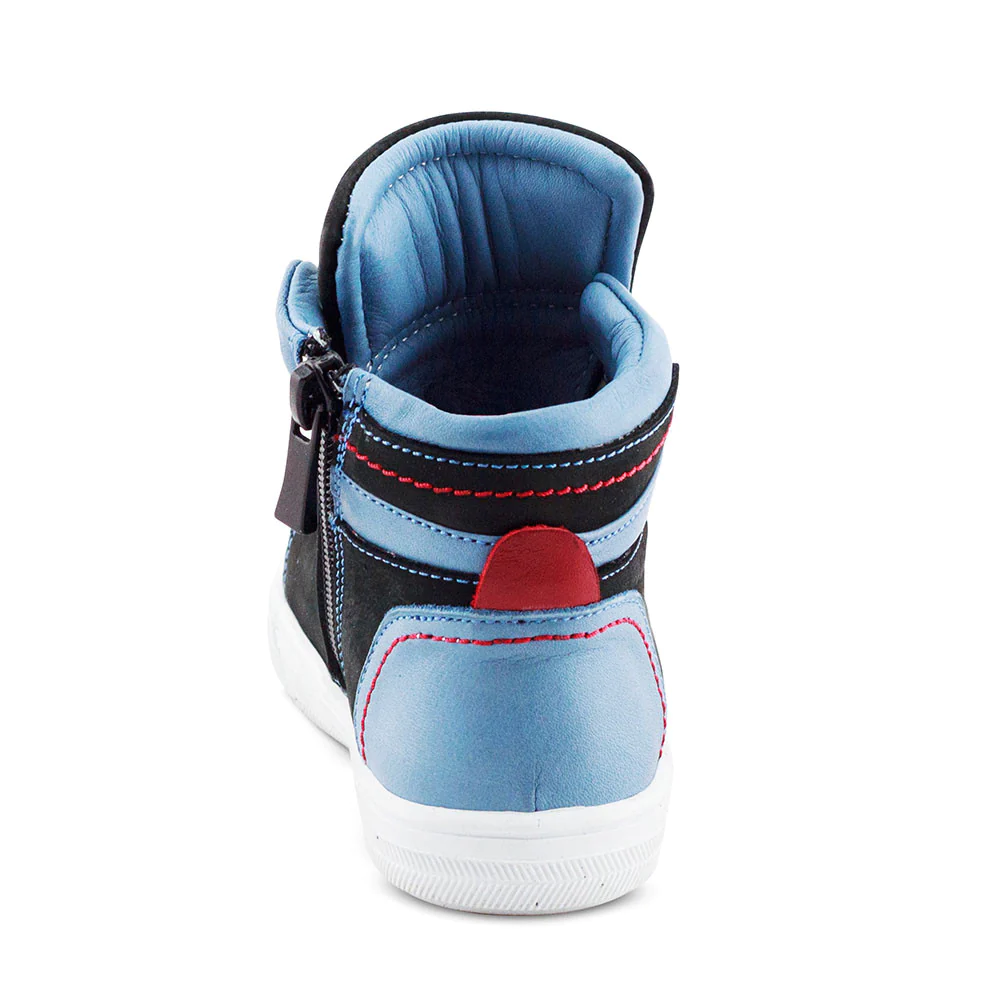
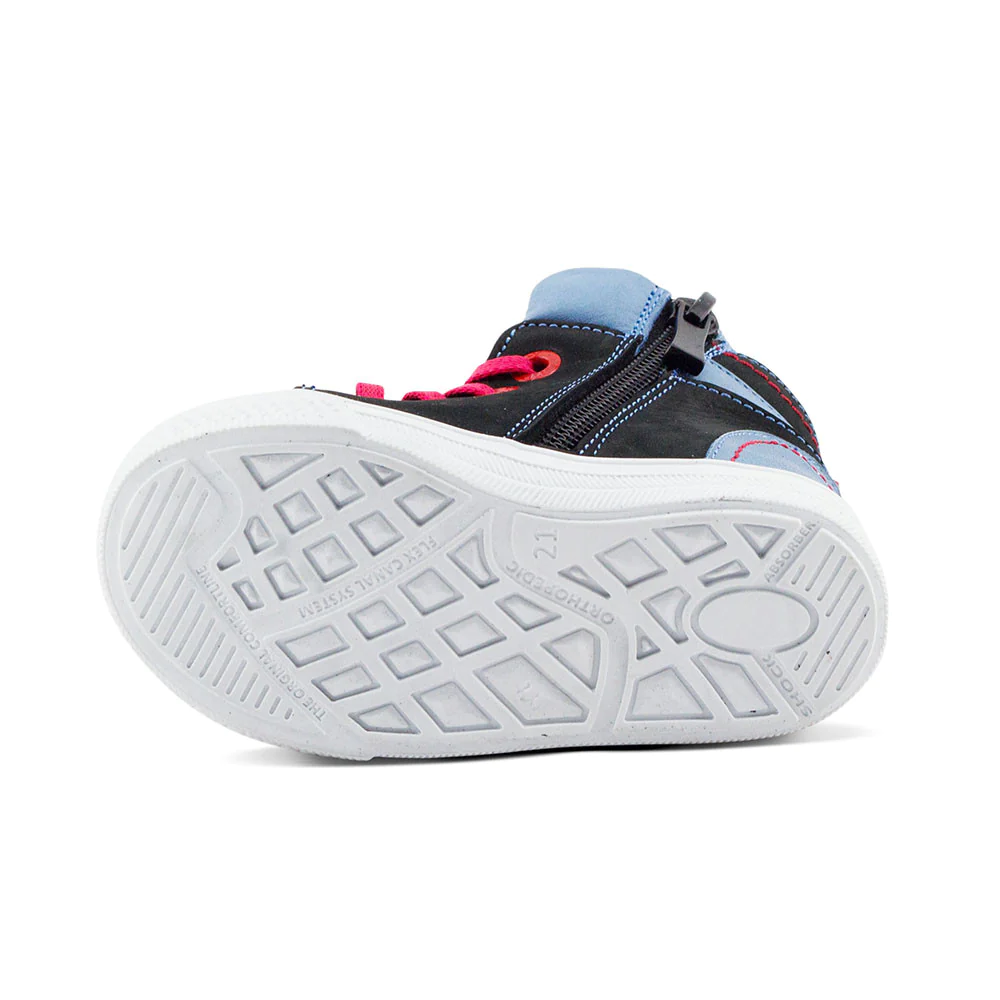
Bubbly Bart Sneakers
From playground to party, these sneakers are perfect for fun-loving boys
See size chartMaterial
Leather
Type
High-Top Sneakers
Sizes
2–10 (AU)
Features
- Shoelaces + zipper
- Anti-bacterial insoles
- Shock-absorbent thermoplastic outsoles
- High built-in arch support
Why they are a top pick
Bubbly Bart Sneakers are super comfy and come in the coolest colours to let your child's personality shine.
Plus, they're super easy to put on and take off with the side zip.
These sneakers are designed with wide feet in mind and offer exceptional comfort and support. The shock-absorbing thermoplastic material cushions every step, reducing strain on the feet.
With built-in arch support, these sneakers help maintain proper foot alignment and prevent pain and discomfort, even after hours of play.
8
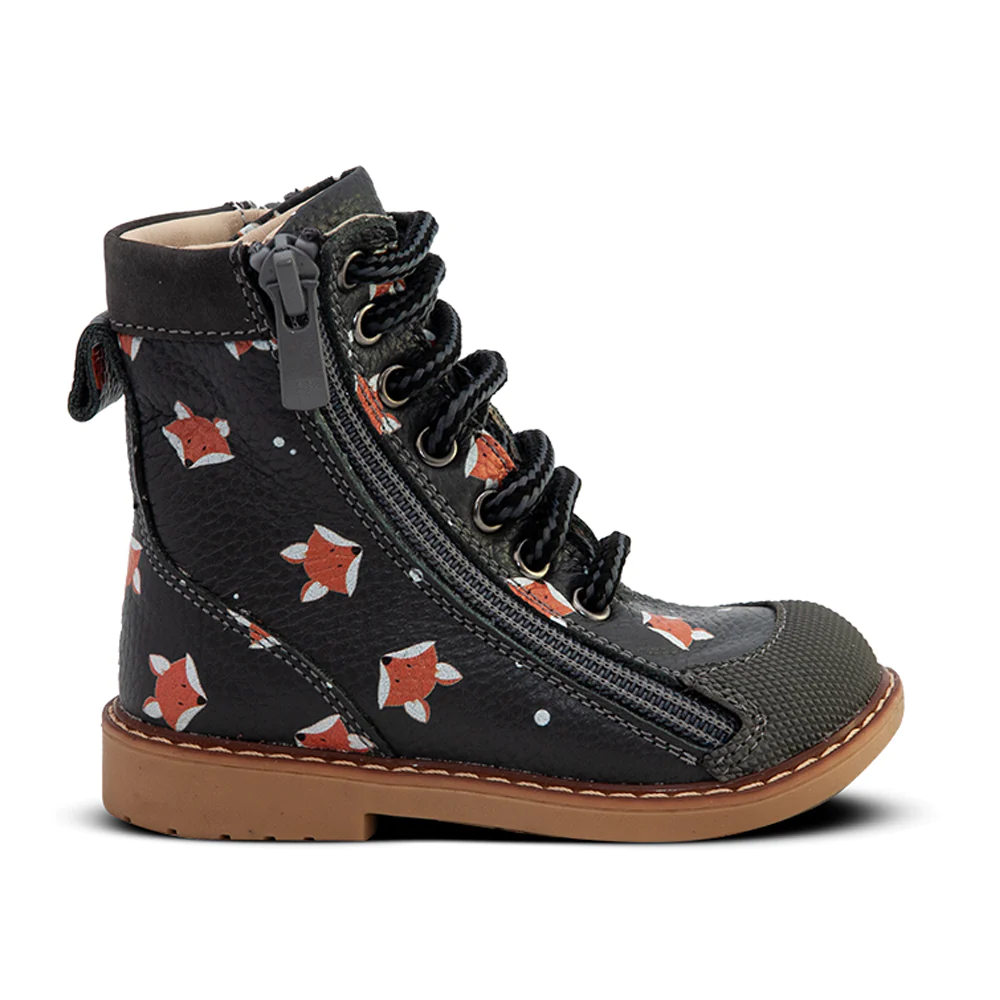
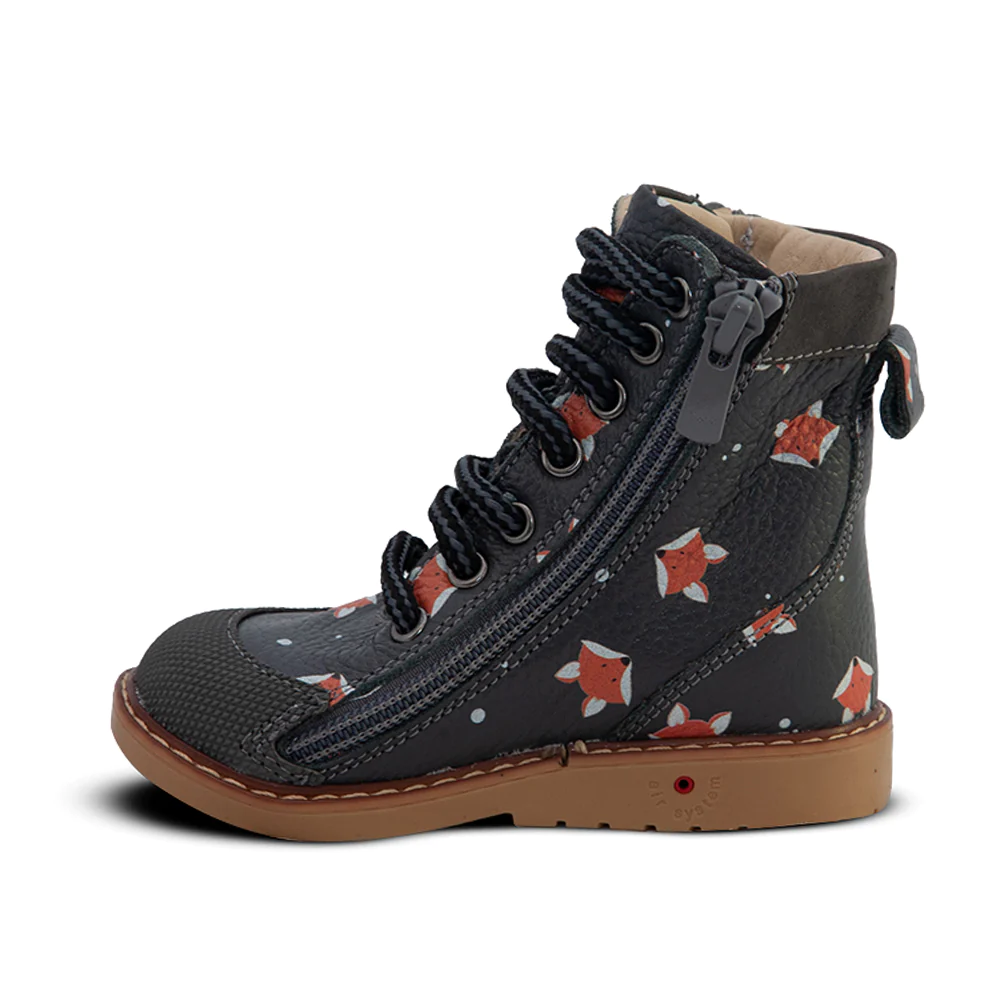
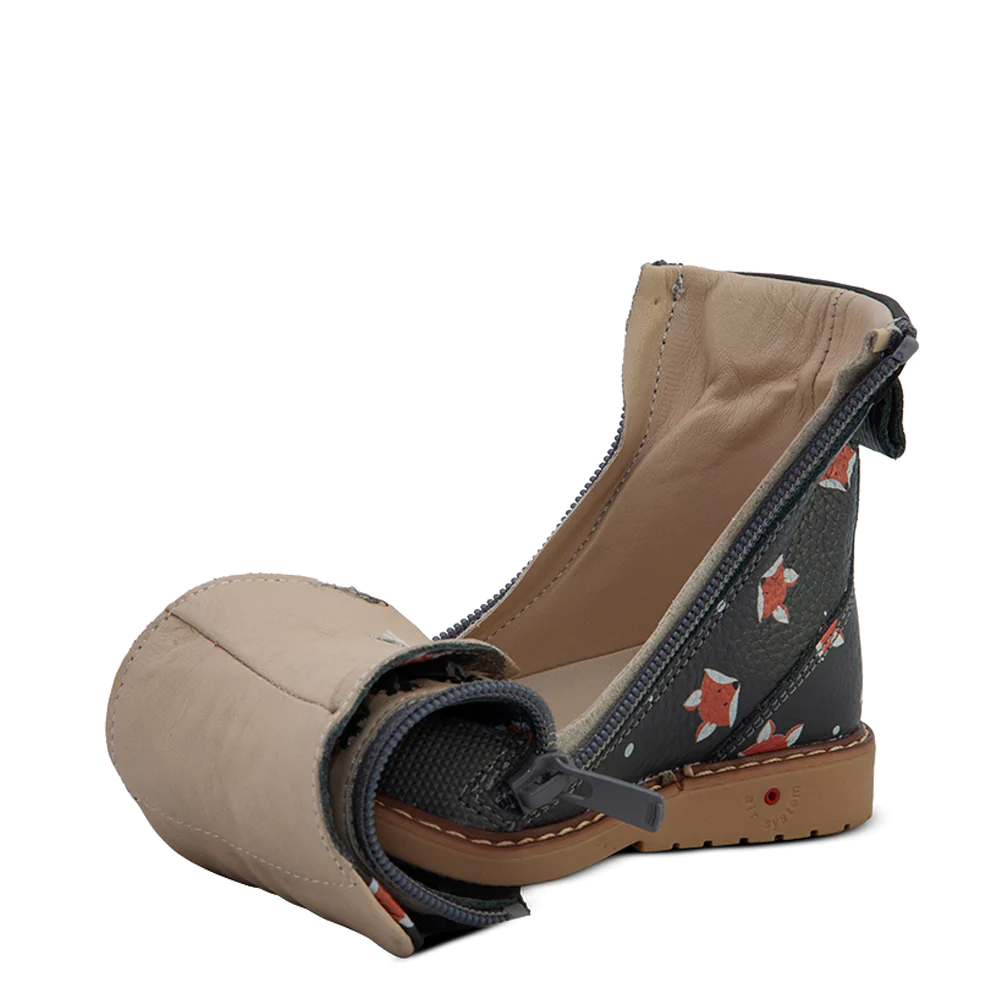
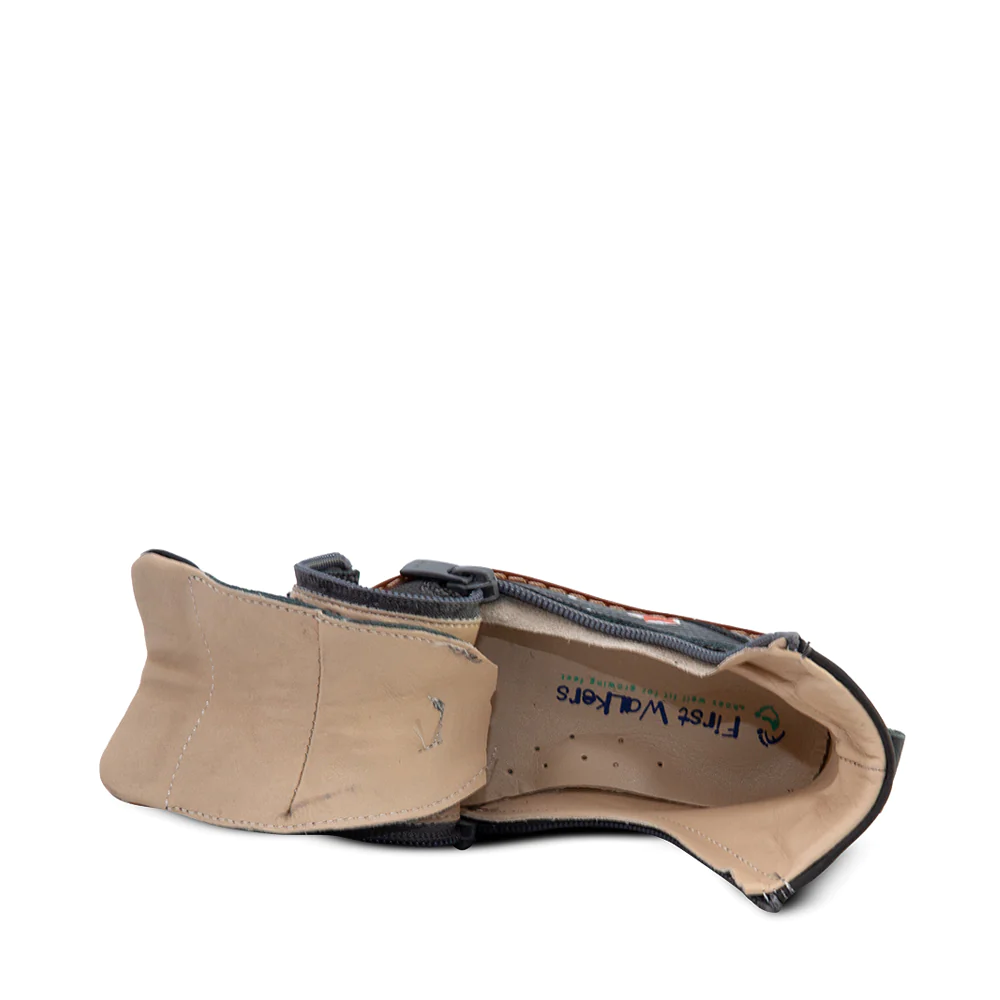
Gabi Vulpini Boots
Give your child's feet the support they need with these foxy orthotics-friendly boots
See size chartMaterial
Leather
Type
High-top boots
Sizes
4.5–9.5 (AU)
Features
- Two zippers + shoelaces
- Extended ankle support
- Dense heel counter
- Fit with the orthoses (AFOs/SMOs)
- Removable insole
- Anti-bacterial insoles
- Shock-absorbent thermoplastic outsoles
- High built-in arch support
Why they are a top pick
The Gabi Vulpini Boots combine playful style with practical comfort. Featuring an adorable fox design that kids will love, these boots prioritize foot health with enhanced ankle support.
These boots work well with orthoses and have a high built-in arch to help children with various foot-related issues. They also include detachable anti-bacterial insoles to prevent infections.
The sturdy heel counter securely holds the foot in place, preventing blisters and discomfort. This means happy and active little feet all day long.
9
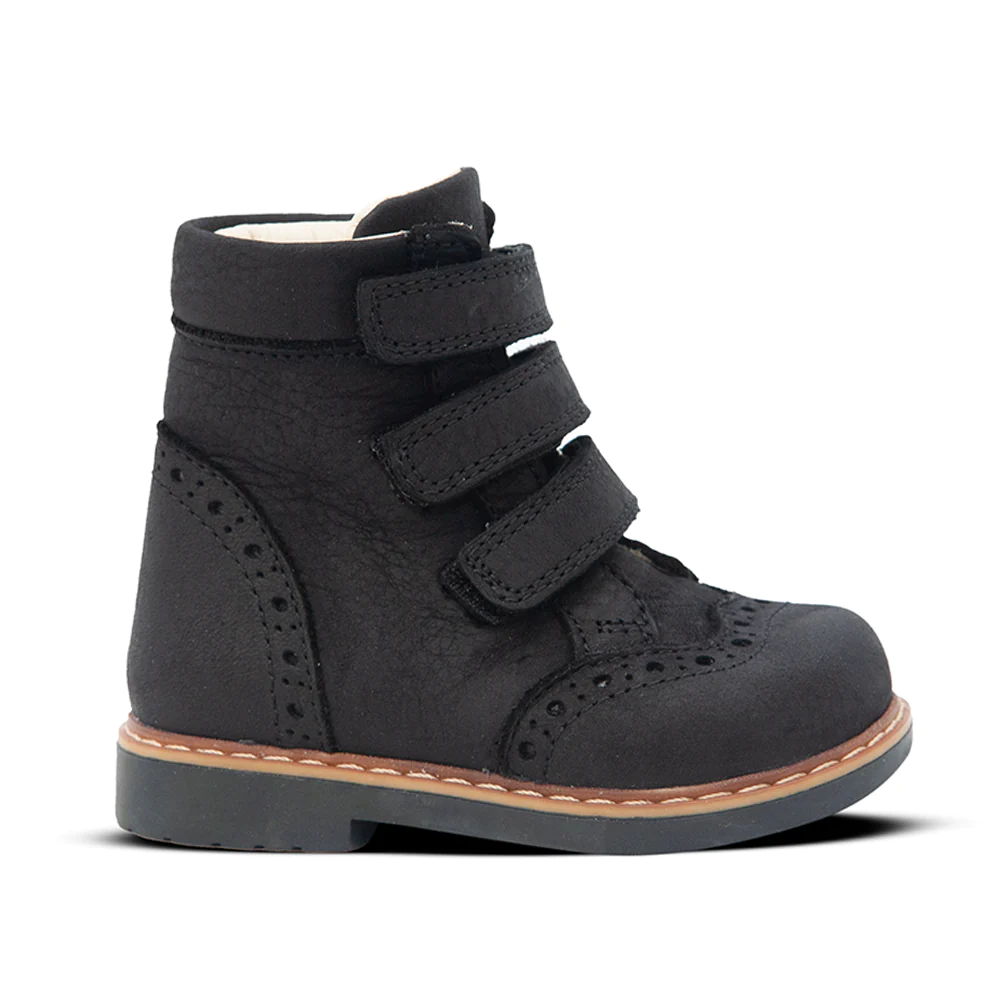
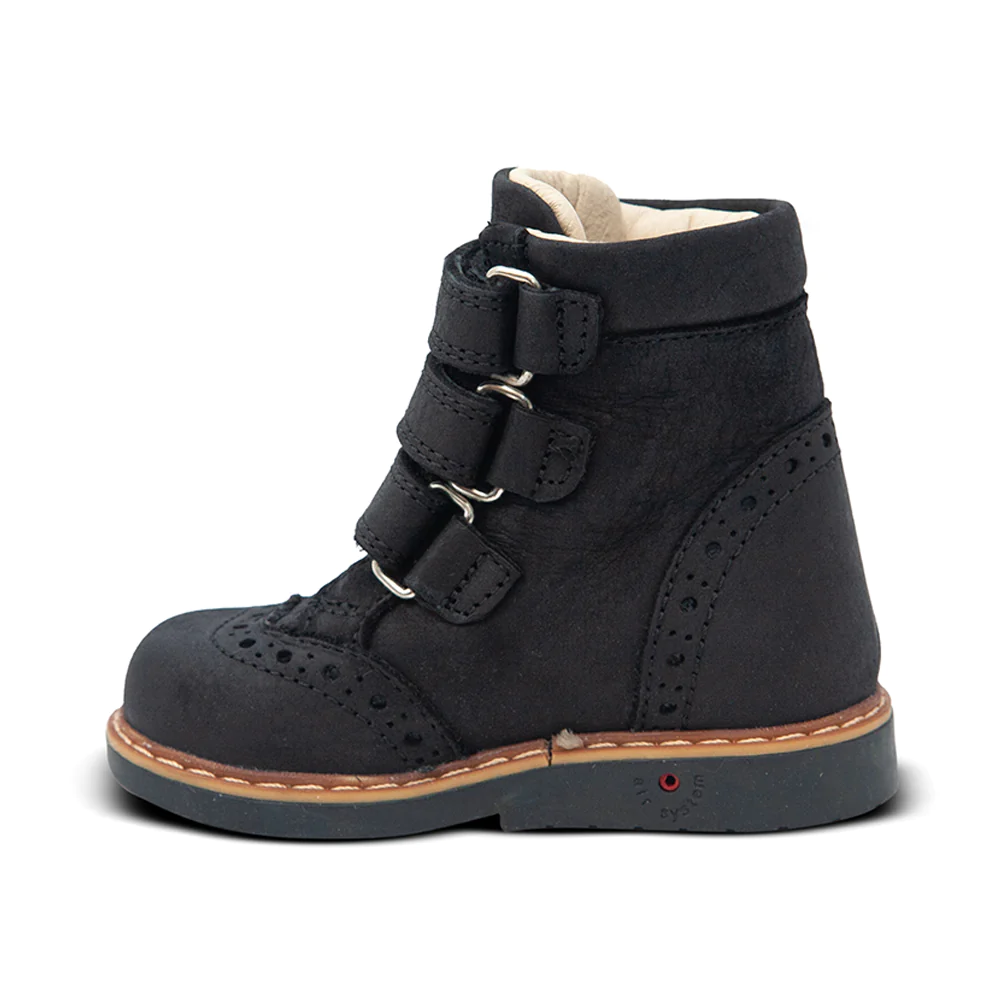
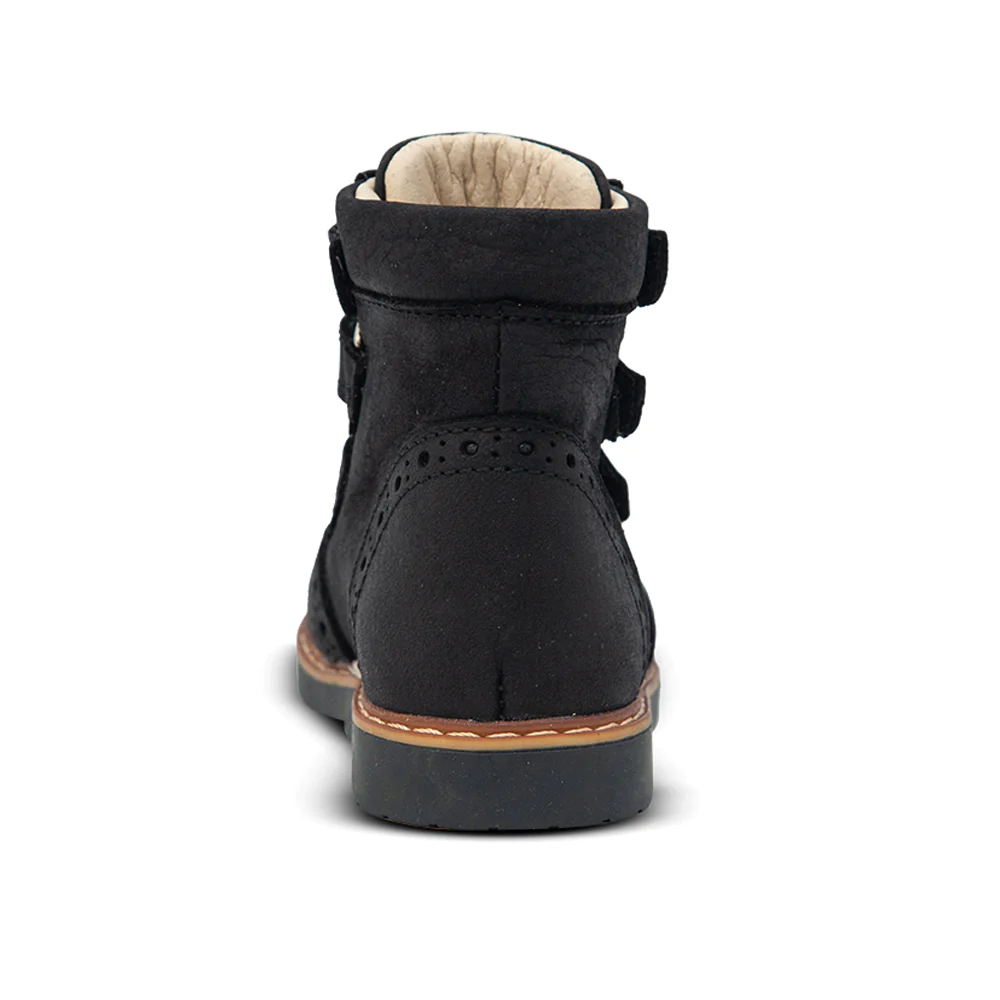
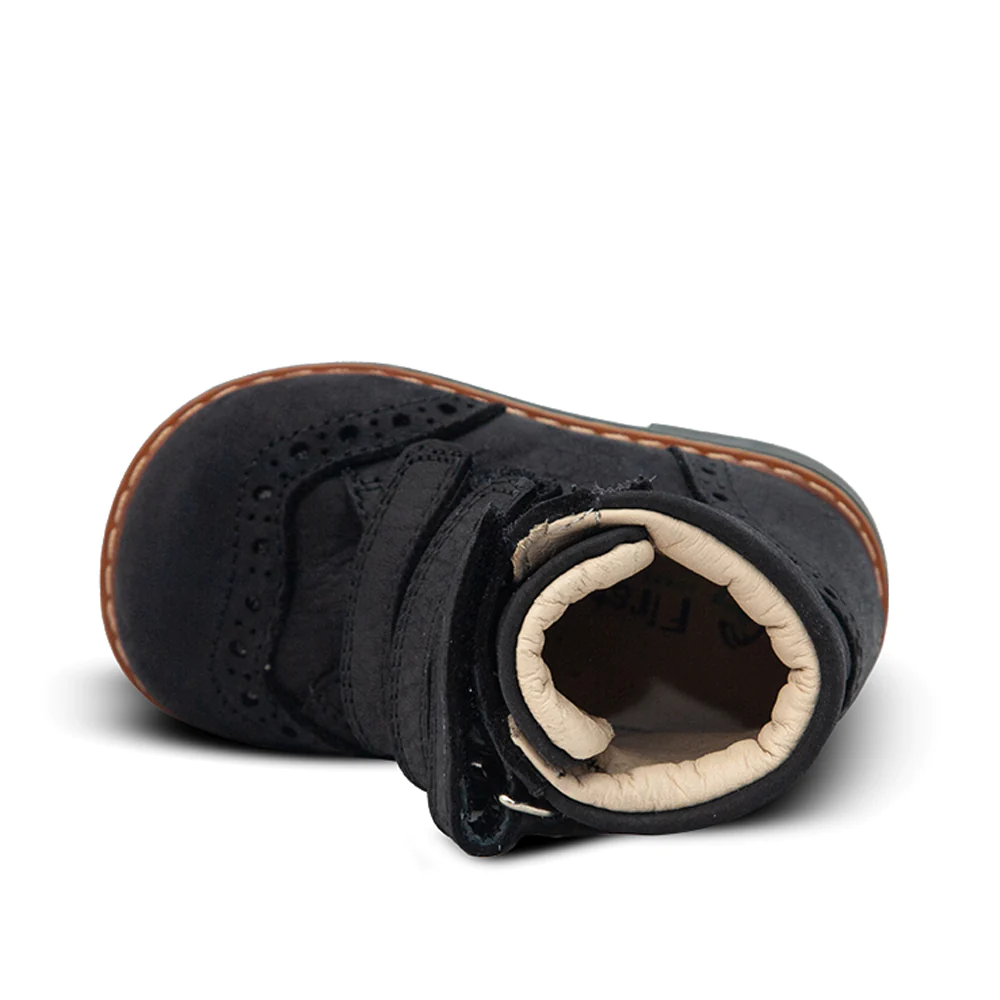
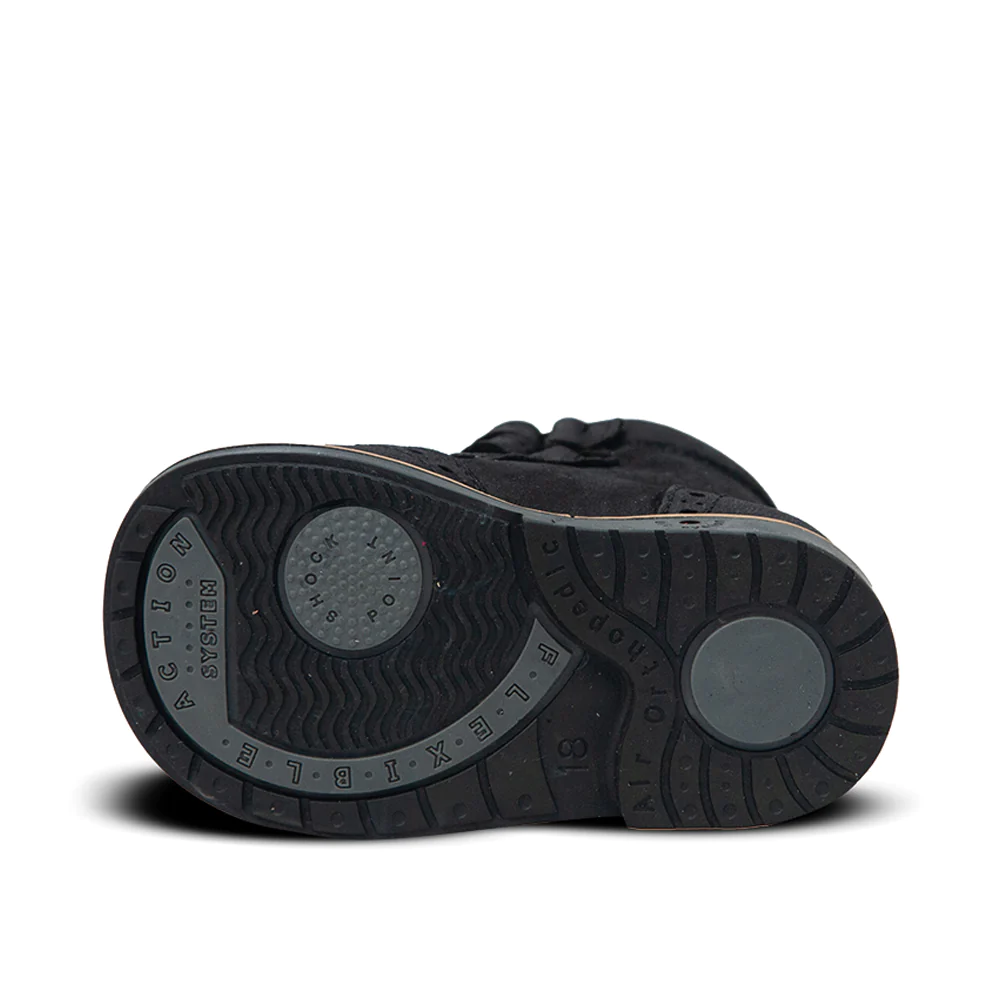
Dacota Trinket Boots
Step out in style with these high-top orthopaedic boots
See size chartMaterial
Leather
Type
Extra high-top boots
Sizes
3–7 (AU)
Features
- Three adjustable Velcro straps
- Extended ankle support
- Removable insole
- Anti-bacterial insoles
- Shock-absorbent thermoplastic outsoles
- High built-in arch support
- Air valves for moisture reduction
- Thomas heel
Why they are a top pick
One of our tallest boot models, the Dacota Trinket Boots offer exceptional ankle support and stability, enhanced by three adjustable Velcro straps.
A standout feature of these boots is their adaptability to accommodate a variety of foot shapes, particularly wide feet.
The adjustable Velcro straps allow for precise customization, ensuring a comfortable and secure fit.
10
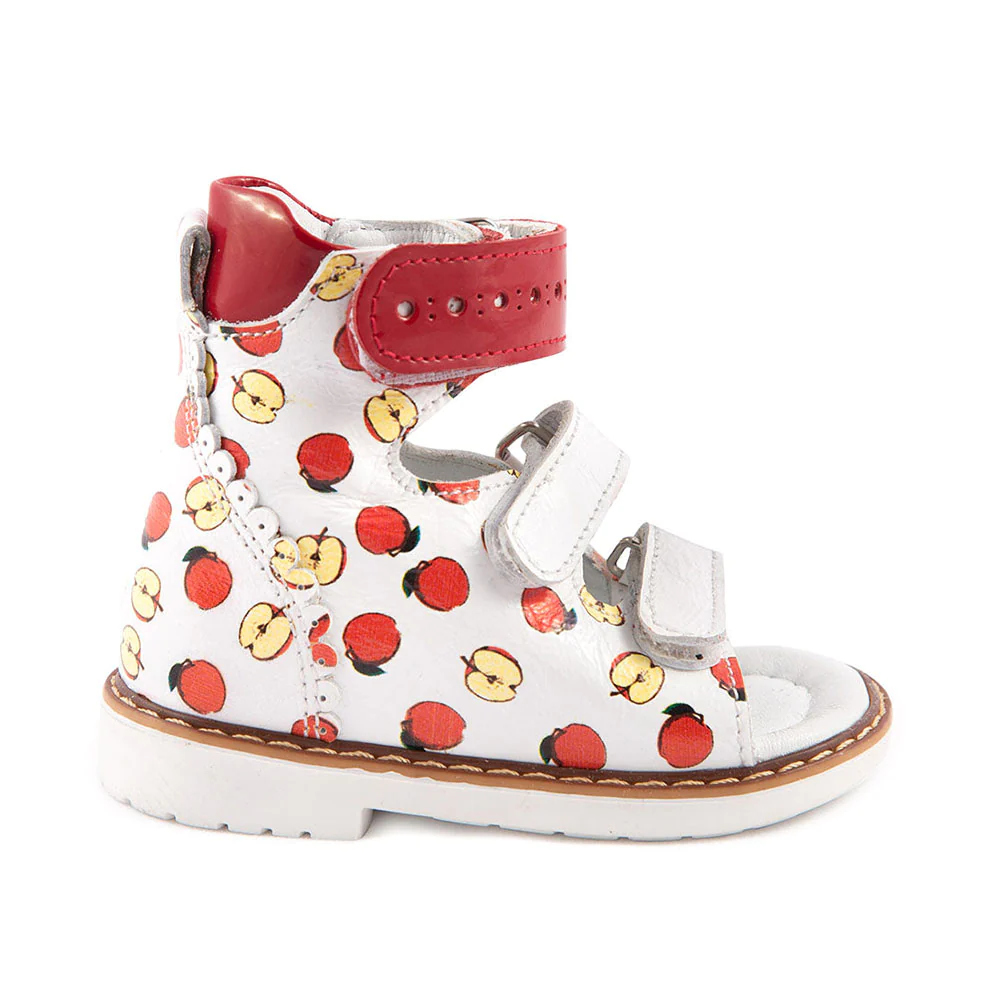
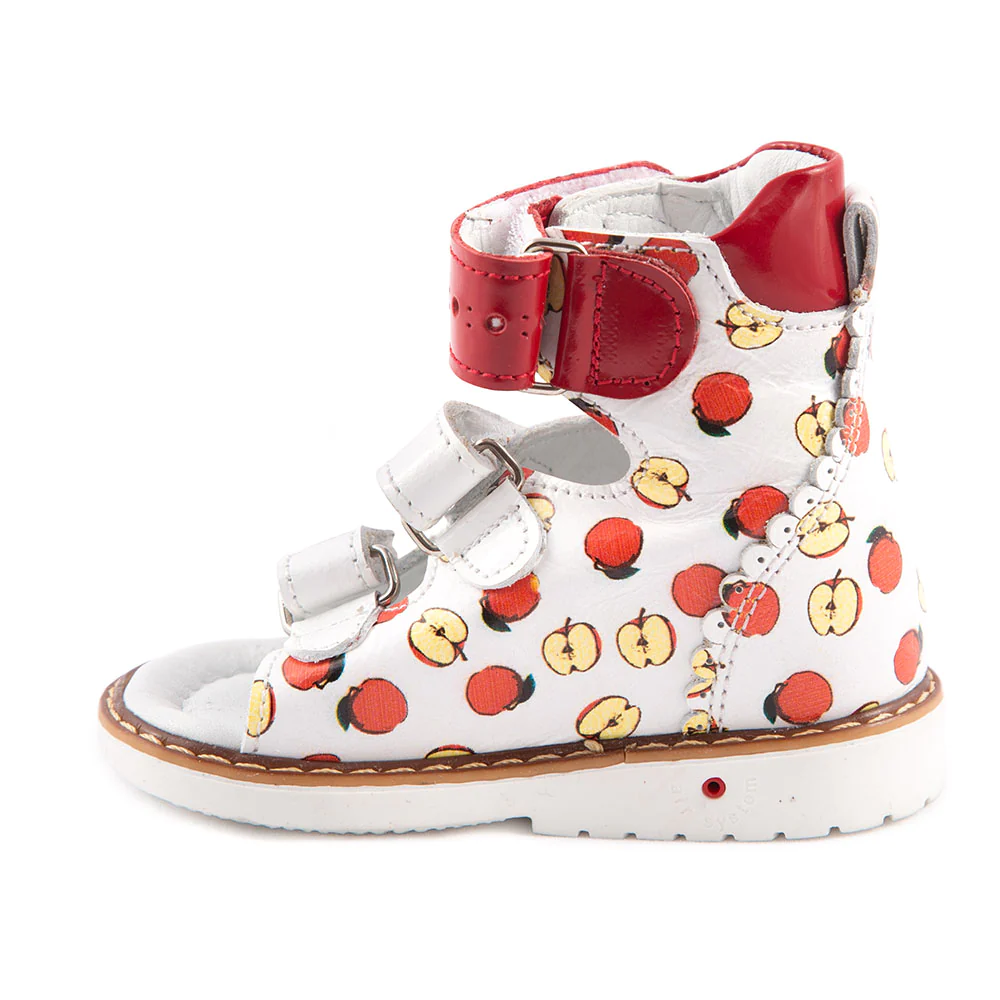
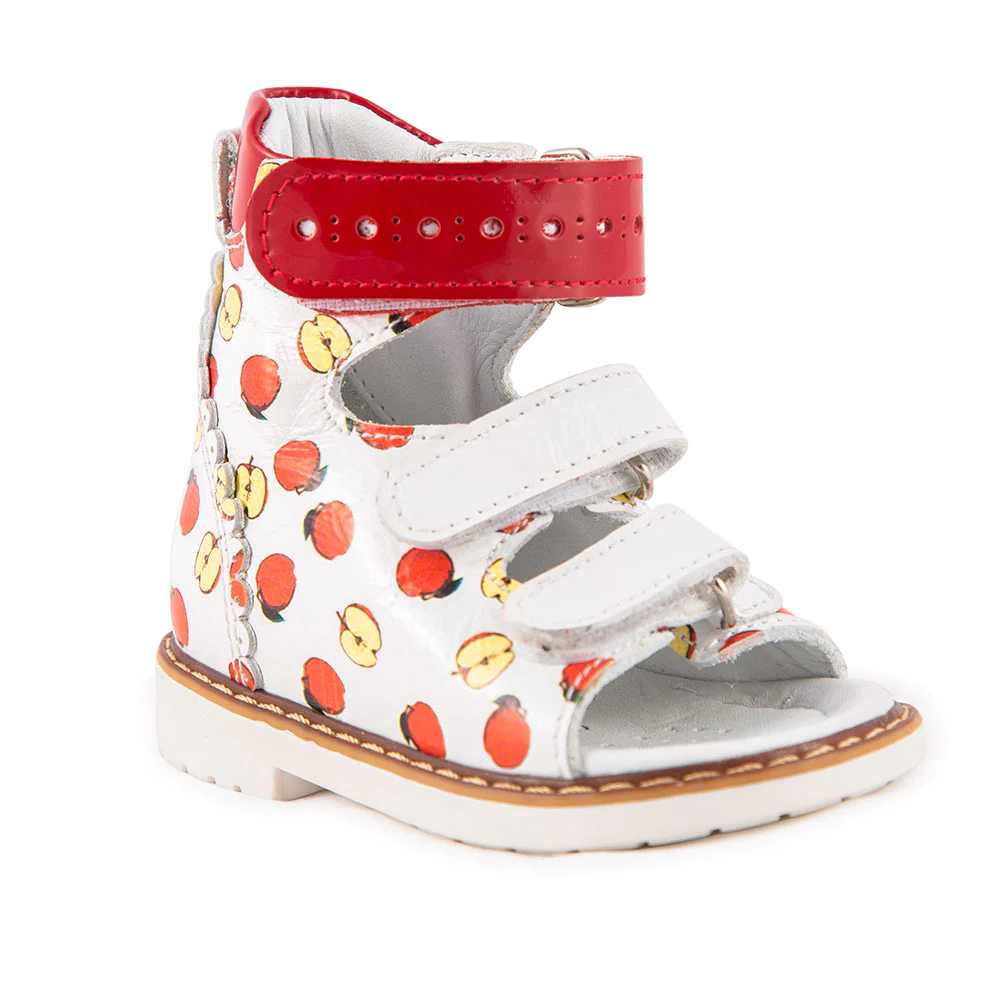
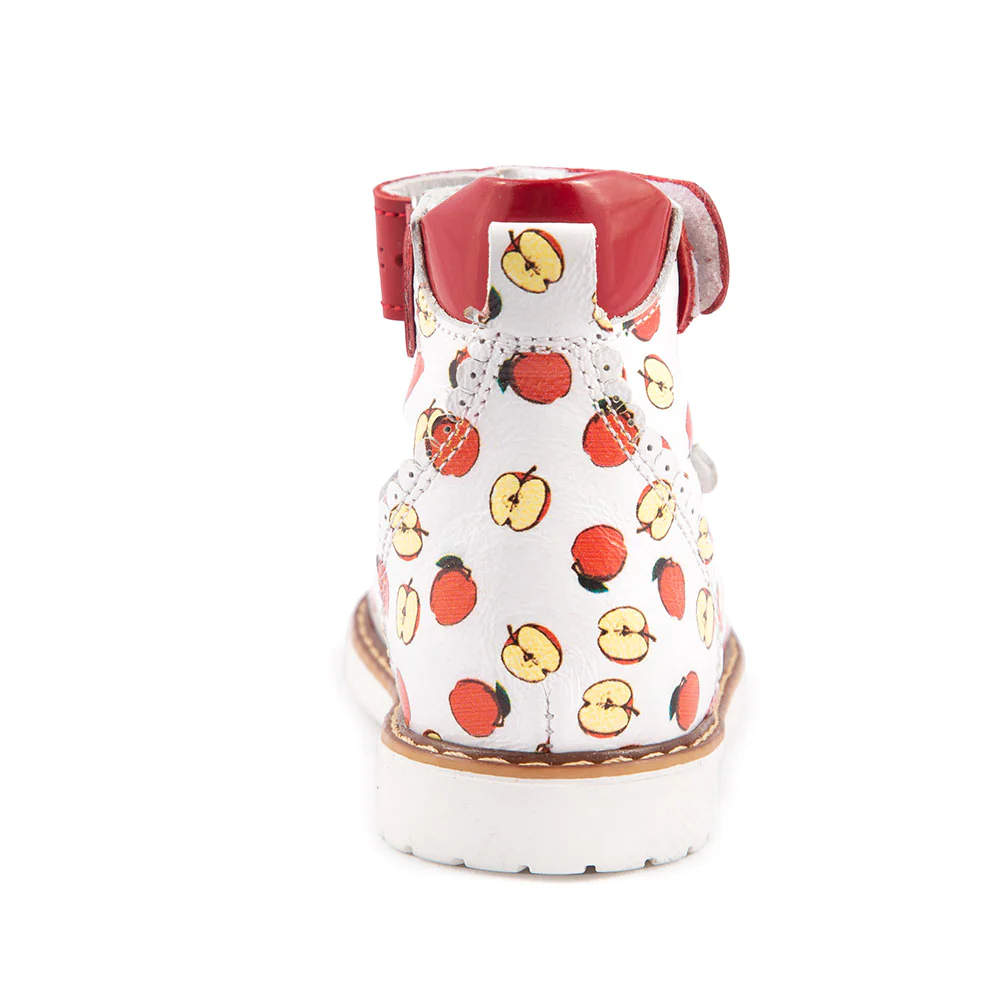
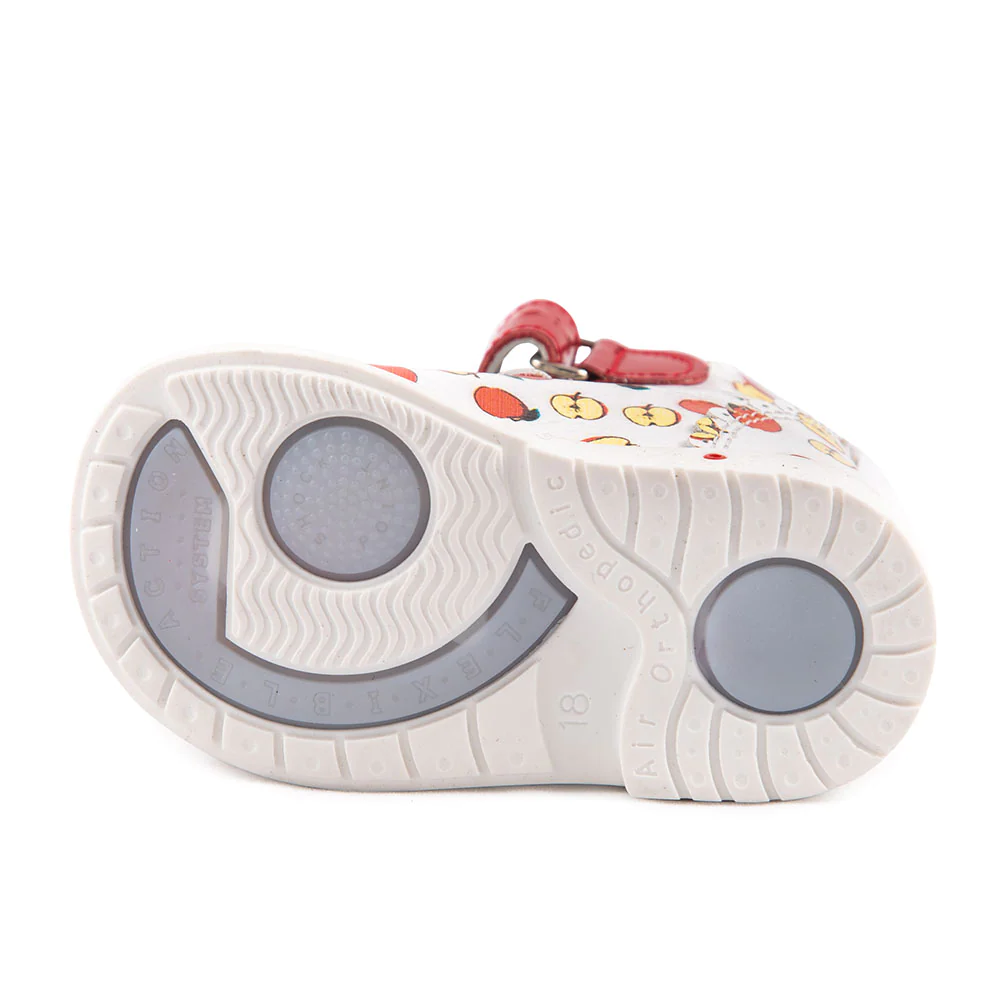
Fruity Ada Sandals
Fruity fresh footwear for happy girls
See size chartMaterial
Leather
Type
High-top sandals
Size
9.5 (AU)
Features
- Three adjustable Velcro straps
- Extended ankle support
- Anti-bacterial insoles
- Shock-absorbent thermoplastic outsoles
- High built-in arch support
- Thomas heel
Why they are a top pick
Fruity Ada Sandals are bright and fun shoes for little girls of all ages. They can be used with inserts or as orthopaedic shoes with midfoot, ankle, and heel support.
Boasting three adjustable Velcro straps makes it easy for kids to adjust the fit.
The shock-absorbing soles cushion every step, protecting delicate feet from the impact of walking, jumping, and running.
The high arch support ensures proper foot alignment and distributes weight evenly, reducing fatigue.
If your princess struggles with sweaty feet, these shoes feature air valves that promote breathability and prevent moisture buildup.
Healthy Feet Start with the Right Fit
Wide feet deserve special attention. Children with broad feet often face the challenge of finding shoes that provide enough space and support. Because ill-fitting footwear can lead to discomfort, blisters, and long-term foot problems, it's crucial to invest in shoes specifically designed for wider feet.
First Walkers understands the importance of accommodating different foot shapes. Our range of shoes offers ample space for growing feet, ensuring optimal comfort and preventing potential foot issues.
References
1. Fritz, B., & Mauch, M. (2013). Foot development in childhood and adolescence. In Elsevier eBooks (pp. 49–71).
https://doi.org/10.1533/9780857098795.1.49
Disclaimer: First Walkers' information is intended for educational and informational purposes related to toddler footwear and feet. We encourage you to consider individual circumstances and consult qualified orthopaedists about specific conditions.
FAQs
How do I know if my child's feet are truly wide?
Measure the widest point across the ball of your child's foot while standing. Compare to standard width charts for their shoe size. Visual indicators include toes touching the sides of the current shoes, red marks after wearing, and resistance to putting shoes on. If measurements consistently exceed standard width or your child shows these signs, they likely have wide feet. Consider professional measurement at a children's shoe store for confirmation.
What's the difference between 'wide' and 'extra-wide' kids' shoes?
Width standards vary across brands, but typically wide (W) adds approximately 0.5" extra width at the ball of the foot compared to standard. Extra-wide (XW) adds 0.75-1.0" extra width. Extra-wide is needed for orthotic wearers, severe width discrepancies, or children with medical conditions affecting foot shape. If standard wide shoes still cause pressure, try extra-wide.
How often should I check my child's shoe fit?
Check fit every 6-8 weeks during rapid growth periods (ages 1-5) when feet grow 0.5 size every 2-3 months. For school-age children, check every 3 months. Check immediately if your child complains of discomfort, you notice toe crowding, or shoes show signs of excessive wear. Start-Rite podiatrists recommend checking fit every 2-3 months as a general rule.
Are orthopedic shoes necessary for all wide-footed children?
No. Standard wide shoes work fine for typical wide feet without medical issues. Orthopedic shoes are necessary for diagnosed medical conditions (flat feet requiring arch support, cerebral palsy, clubfoot), orthotic device wearers (AFO/SMO users), or children with gait abnormalities identified by specialists. Consult a pediatric podiatrist if your child has persistent pain, visible deformities, or concerning gait patterns.
Should I buy wide shoes if my child has flat feet?
Often yes, but flat feet sometimes need both width and arch support depending on severity. Flexible flat feet (normal in toddlers, usually resolve naturally) benefit from wide toe boxes that don't restrict natural arch formation. Rigid flat feet may need orthopedic intervention beyond just width. Look for shoes with firm heel counters, gentle arch support, and appropriate width—not excessively wide if the instep is low.
Can wide shoes cause problems if feet aren't actually wide?
Slightly wide shoes won't harm development, but excessive width reduces support and stability. Your child's foot shouldn't slide laterally inside the shoe, and the heel shouldn't slip during walking. If you're unsure whether your child needs wide shoes, get professional width measurement rather than guessing. Proper fit tests include secure heel placement, snug midfoot, and ability to wiggle toes without excessive side-to-side movement.
Which wide shoes work best for specific foot conditions?
For flat feet, choose shoes with arch support plus width, firm heel counters, and flexible soles. For high arches, prioritize flexible soles with width and cushioning. For pronation issues, look for motion control features combined with width. For toe walking, select shoes with firm heel counters and width. For children with cerebral palsy or wearing AFOs, choose orthotic-compatible designs with removable insoles and extended openings.
What brands make truly wide shoes for kids?
First Walkers specializes in wide-width orthopedic shoes with true anatomical width. Other brands offering genuine wide options include Stride Rite (consistent wide sizing), New Balance (runs 0.5" wider than standard in wide sizes), See Kai Run (known for wide toe boxes), and Ten Little (minimalist wide designs). Avoid brands that simply label standard shoes as "wide" without actual width specifications.