Taking Baby Steps: 10 Best Shoes for Learning to Walk
This podiatrist-recommended selection offers style and support for your baby's first steps, ensuring comfort and confidence in each stride.




Updated December 1, 2025
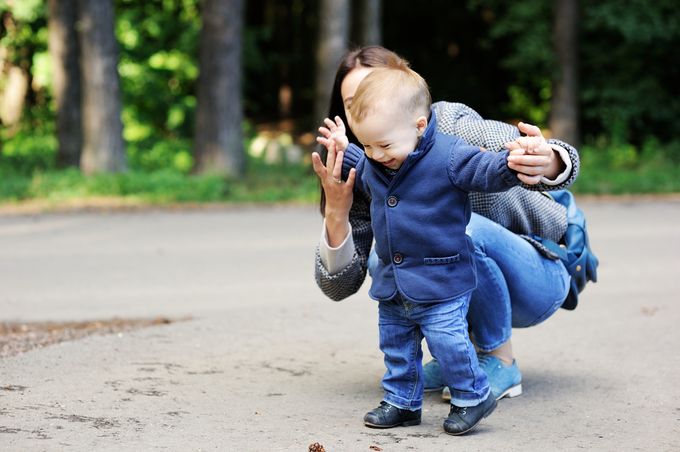
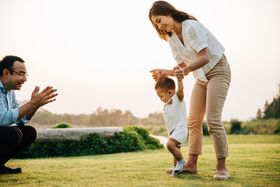
Learning to walk is an essential milestone in a child's life. As a caring and loving parent, you want to ensure that your little one's first steps are comfortable and safe.
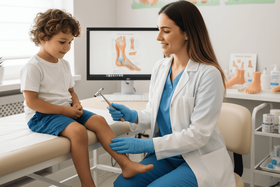
Research shows that selecting appropriate, well-fitted shoes can significantly affect their foot and gait development. By selecting the right footwear, you're not only supporting their immediate needs but also investing in their long-term health and well-being.
Our guide will help you make informed choices to set your little one up for a lifetime of healthy feet.
Our Picks for the 10 Best First Walkers Shoes
Do Babies Need Shoes for Learning to Walk?
Before we dive into shoe recommendations, let's address the most important question of whether barefoot is best for toddlers and if babies even need shoes when learning to walk.
The short answer is that barefoot is developmentally ideal for babies learning to walk. Their feet need to feel the ground to build the muscles, balance, and coordination required for confident walking [1].
When your baby walks barefoot, they develop stronger foot muscles. Every step activates muscles that support their arches and ankles naturally. Ground contact also stimulates thousands of nerve endings, sending feedback to your baby's developing brain about balance and body position.
Babies who spend more time barefoot develop more natural gait patterns and stronger intrinsic foot muscles compared to babies who wear shoes during the early learning phase [2].
When Do Shoes Become Necessary
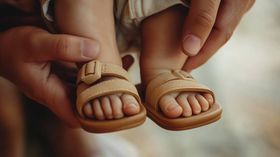
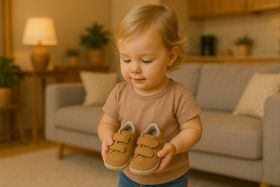
Once your baby has been walking independently for 4-6 weeks and wants to explore outdoors. Shoes protect feet from sharp objects, rough surfaces, hot pavement, and cold ground—but they shouldn't be worn constantly indoors.
Why Shoes Matter for New Walkers
The importance of choosing the right shoes for your toddler goes beyond basic protection. Medical studies have shown that early walking experiences shape muscular development and walking patterns [3]. Here's what experts emphasize about proper footwear:
- Proper arch support during early walking stages helps develop strong foot muscles that will support your child throughout their life and prevent future foot-related issues.
- The right shoes protect developing feet from environmental hazards while encouraging natural movement patterns that strengthen essential walking muscles.
- Well-fitted footwear enhances proprioception—your child's awareness of their body position—which is crucial for developing balance and coordination.
- Quality shoes provide the necessary stability to prevent excessive pronation or supination, which could lead to developmental concerns if left uncorrected.
» Understand the best ways to treat toddler growing pains
10 Best Shoes for Babies Learning to Walk
1

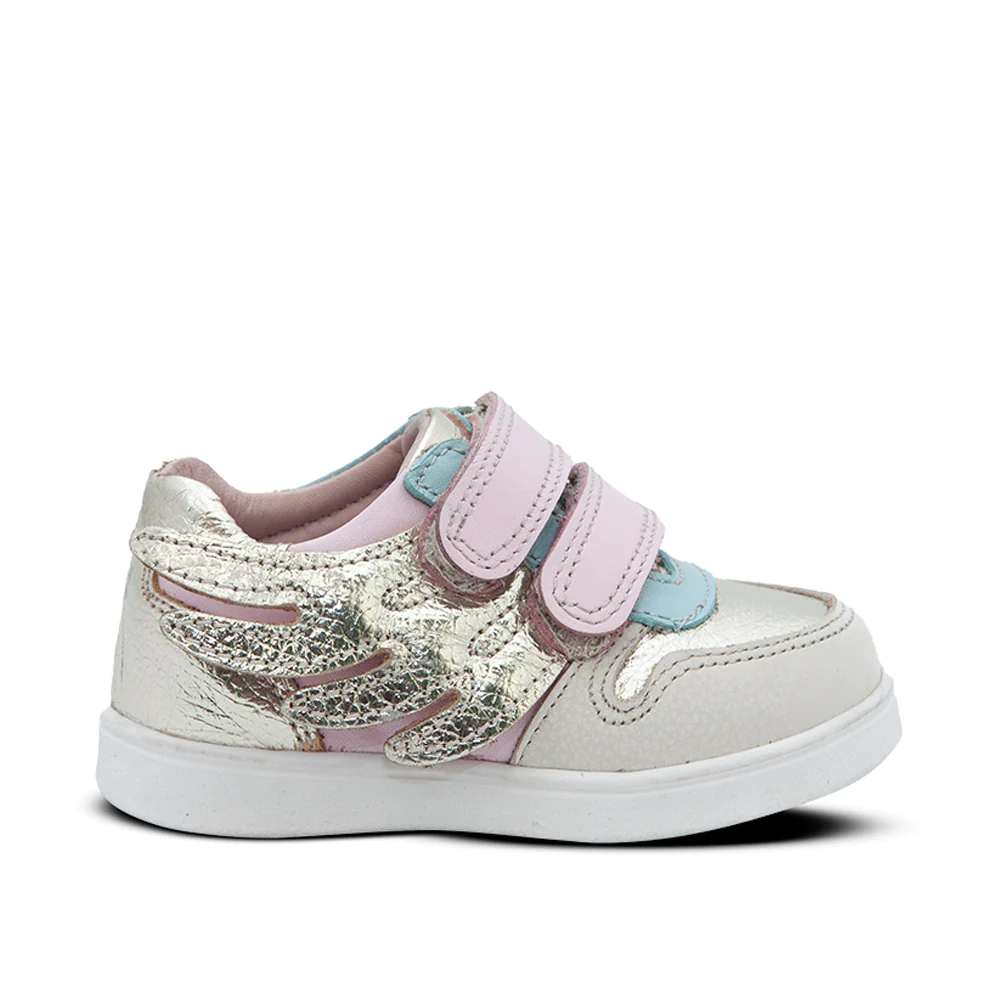
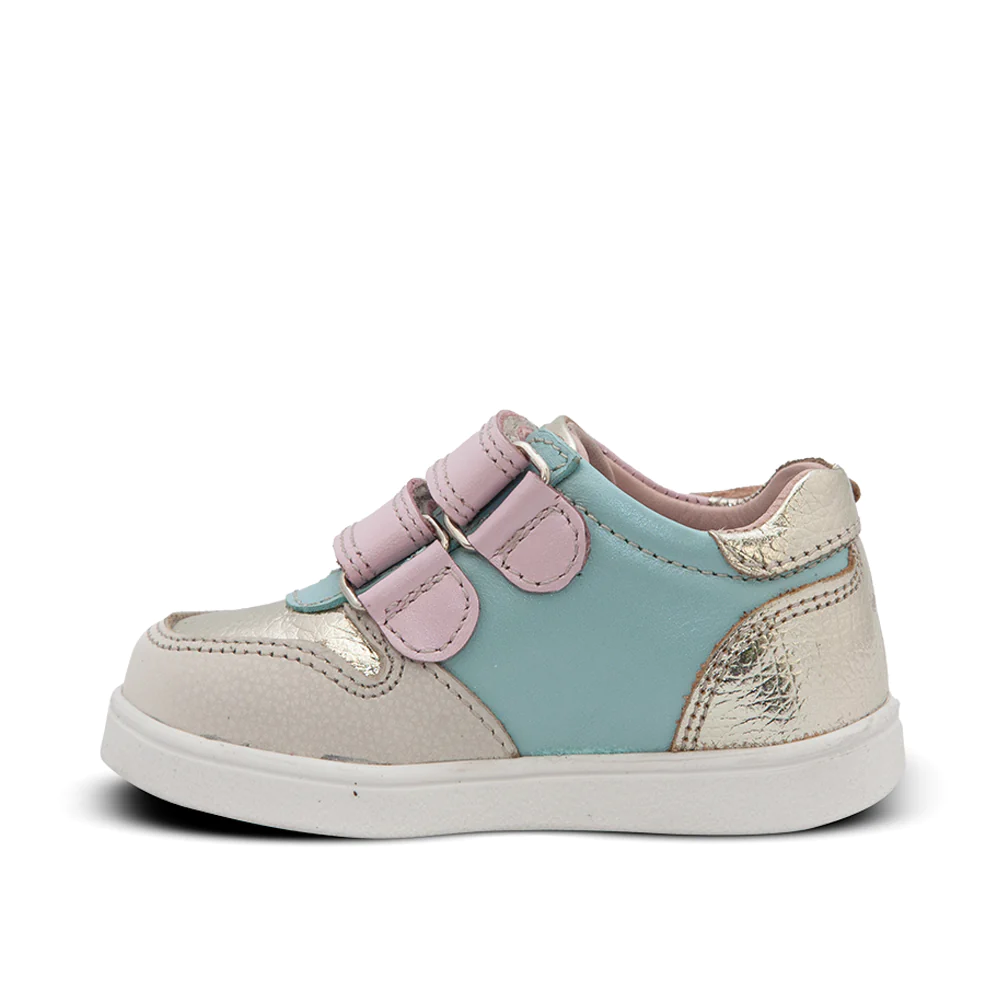
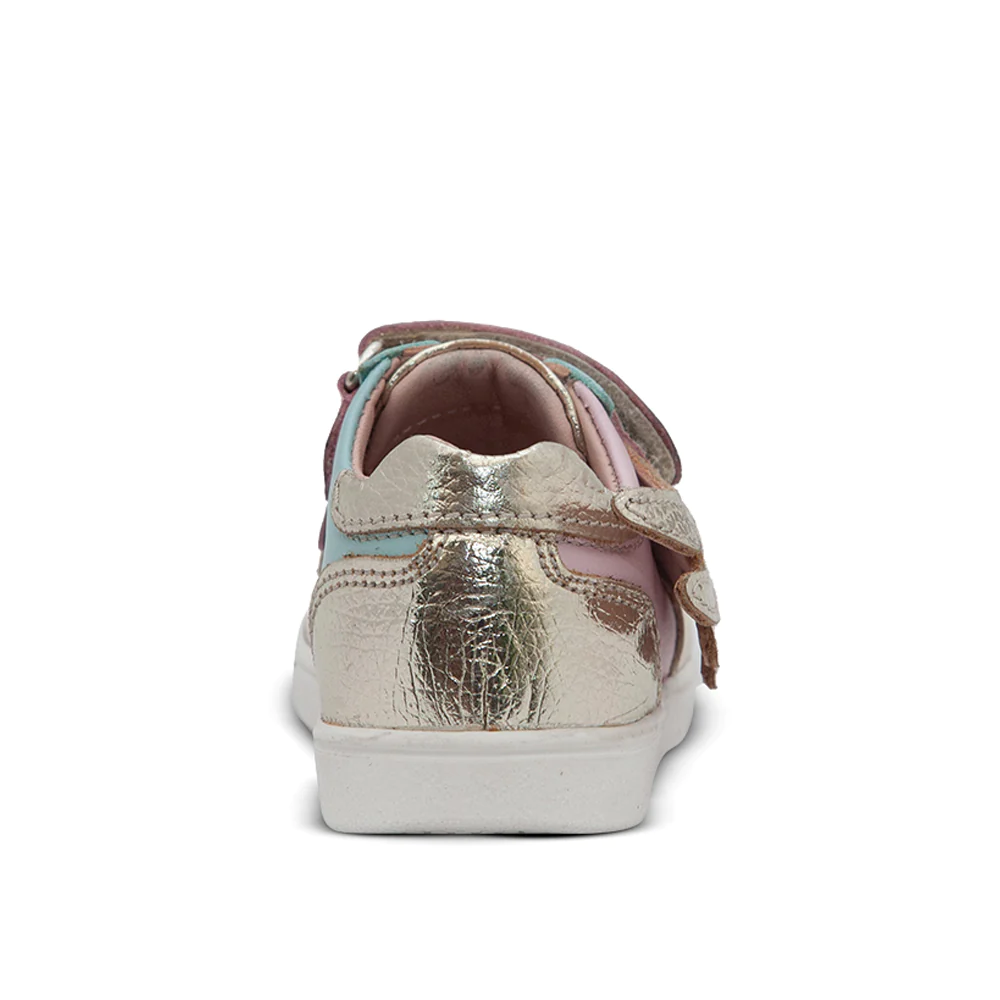
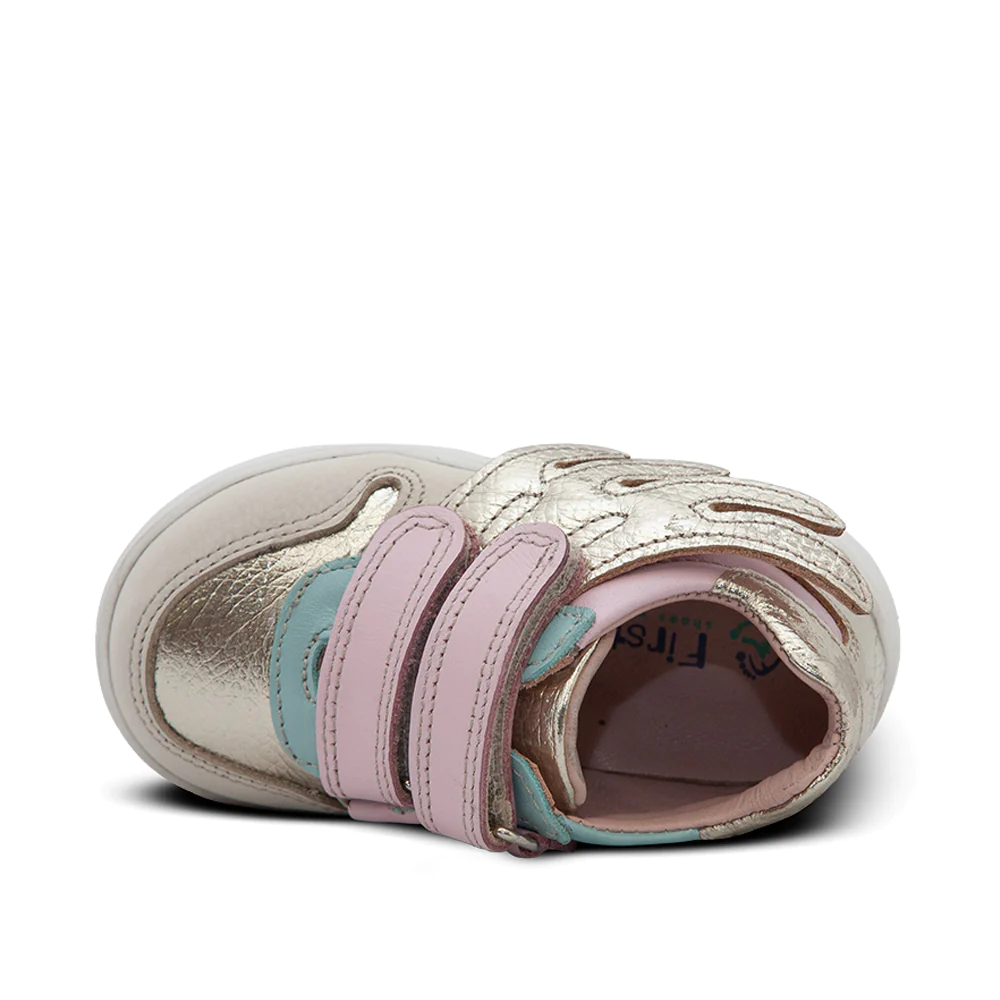
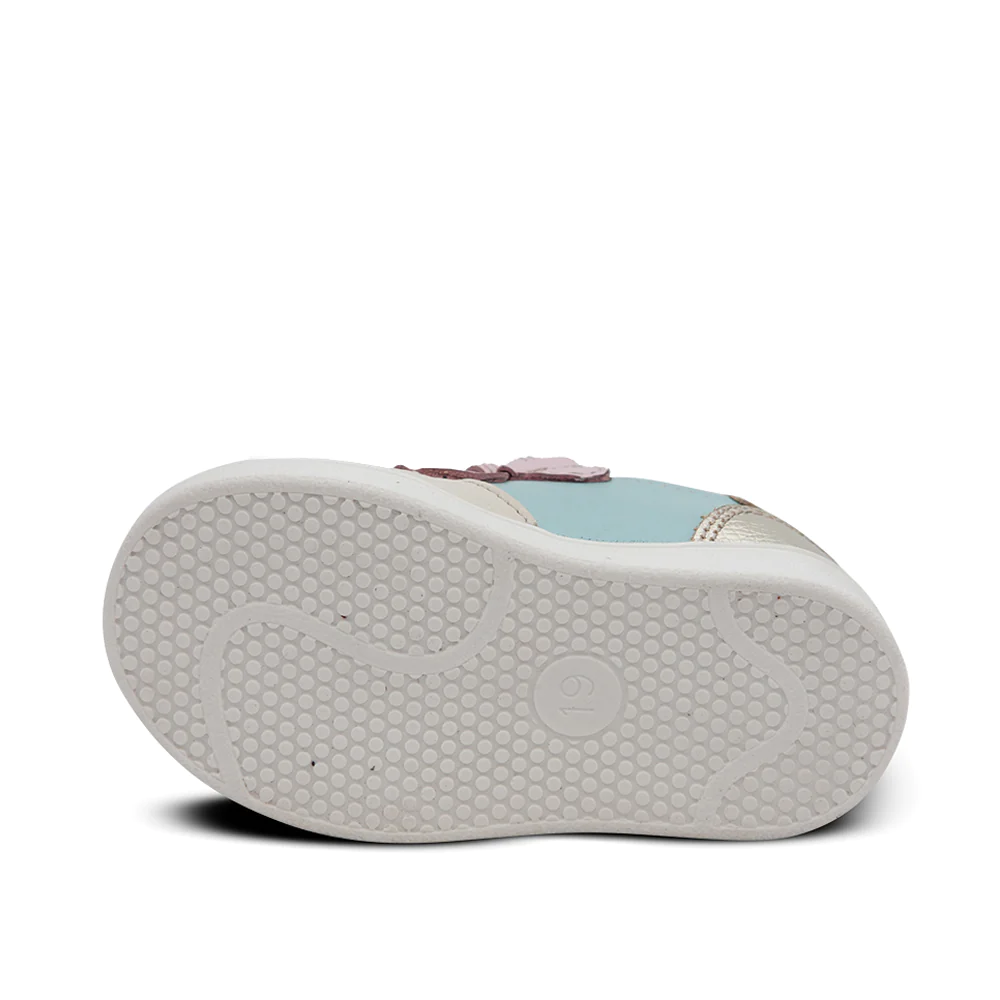
Annie Angelo Sneakers
Easy-on option with two adjustable Velco straps
Material
Leather
Type
Sneakers
Sizes
2–9.5
Features
- Two adjustable Velcro straps
- Anti-bacterial insoles
- Removable insole
- Shock-absorbent thermoplastic outsoles
- High built-in arch support
Why they are a top pick
Let's get flying with these little golden-winged sandals, perfect for girls learning to walk due to their combination of comfort, safety, and style.
The soft leather construction and adjustable Velcro straps provide a secure and supportive fit, minimizing distractions and encouraging independent movement.
The playful design and vibrant colours are sure to delight your little one, making every step an adventure.
The easy-on design with two adjustable Velcro straps ensures no distractions, making them among the best shoes for babies learning to walk. These sandals inspire joy and encourage your little lady to make the most of every day.
2
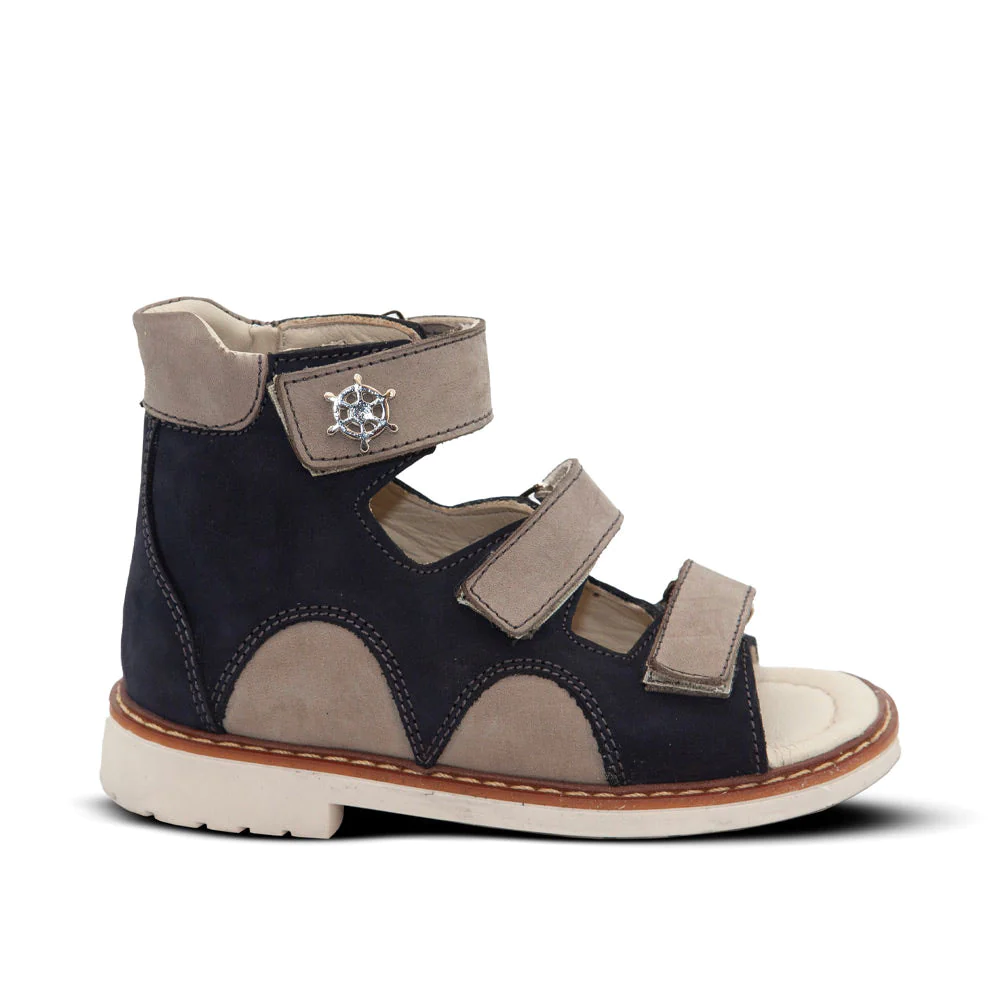
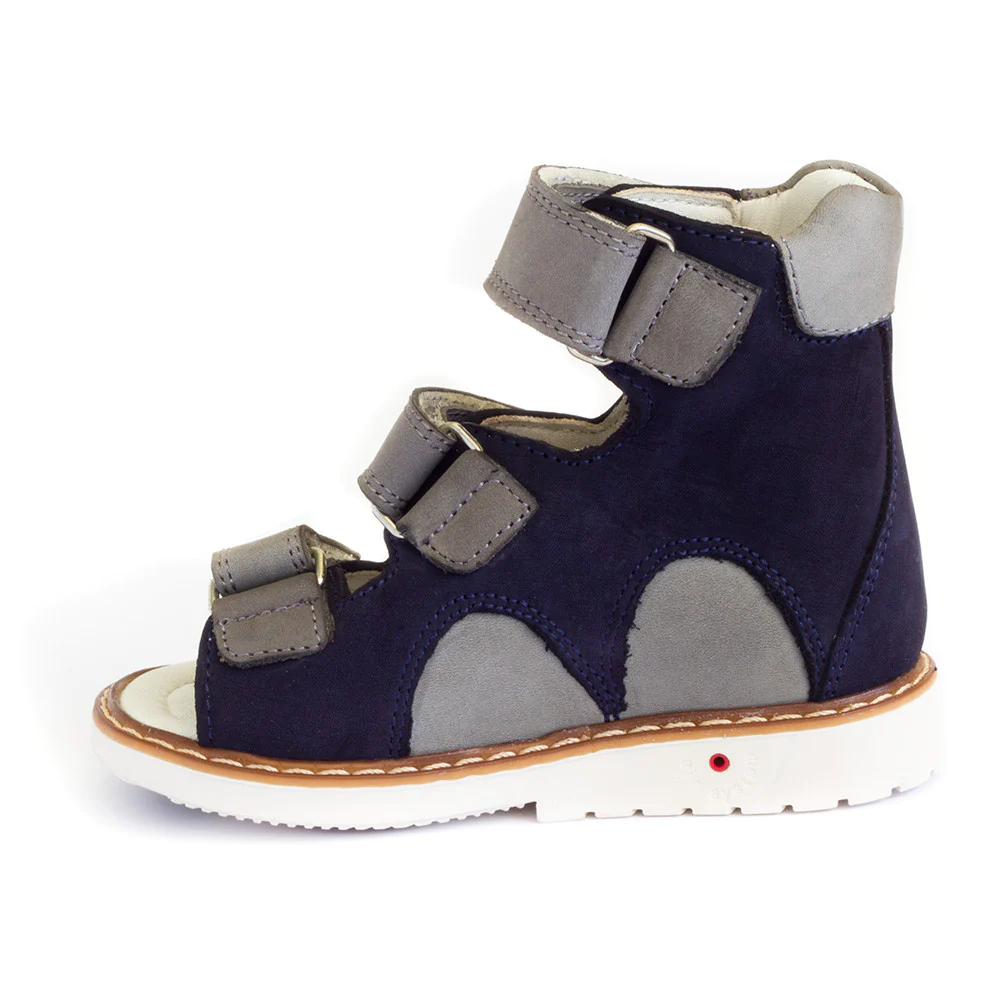
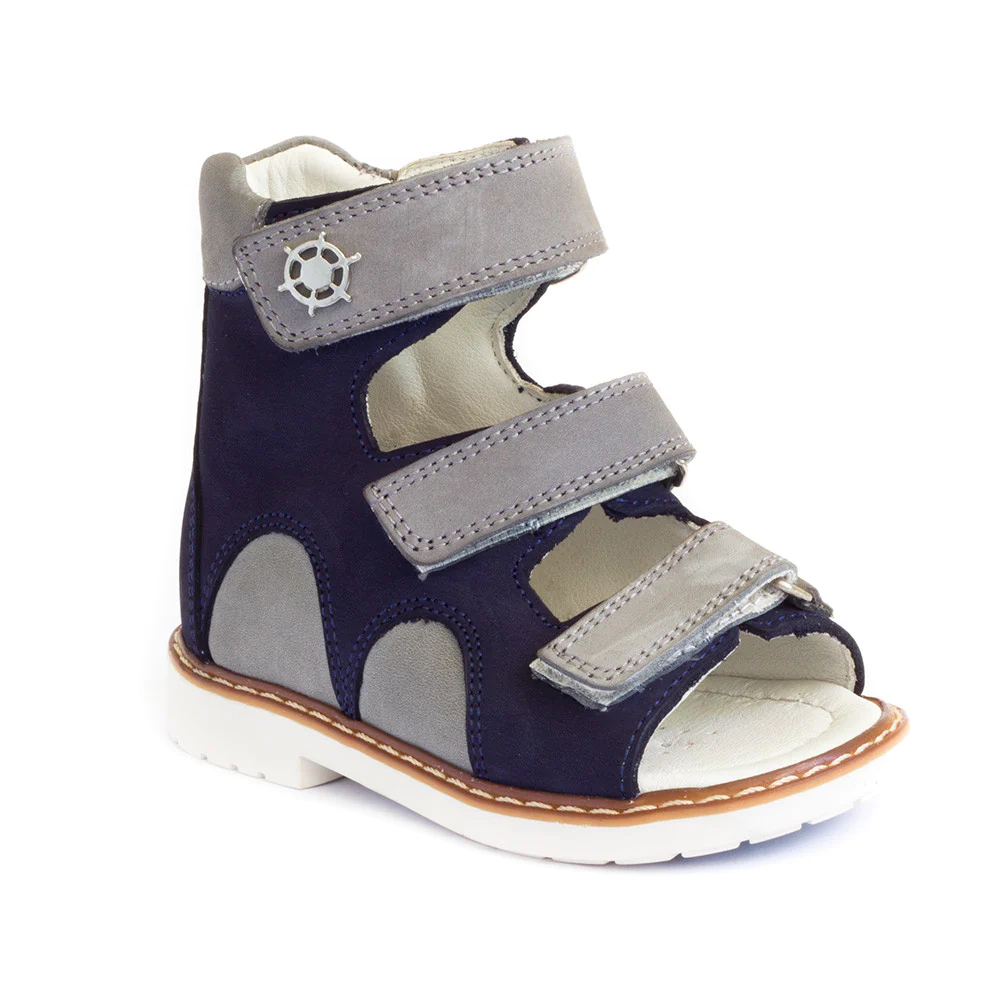
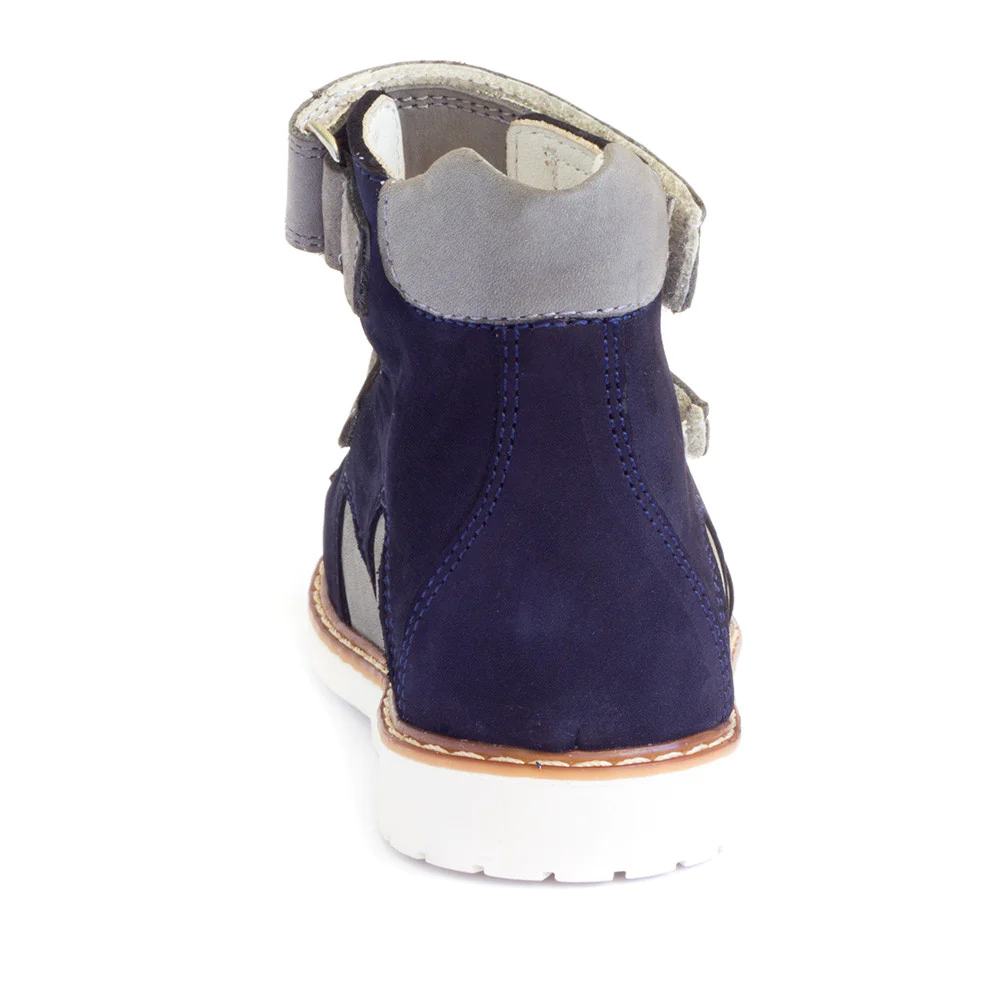
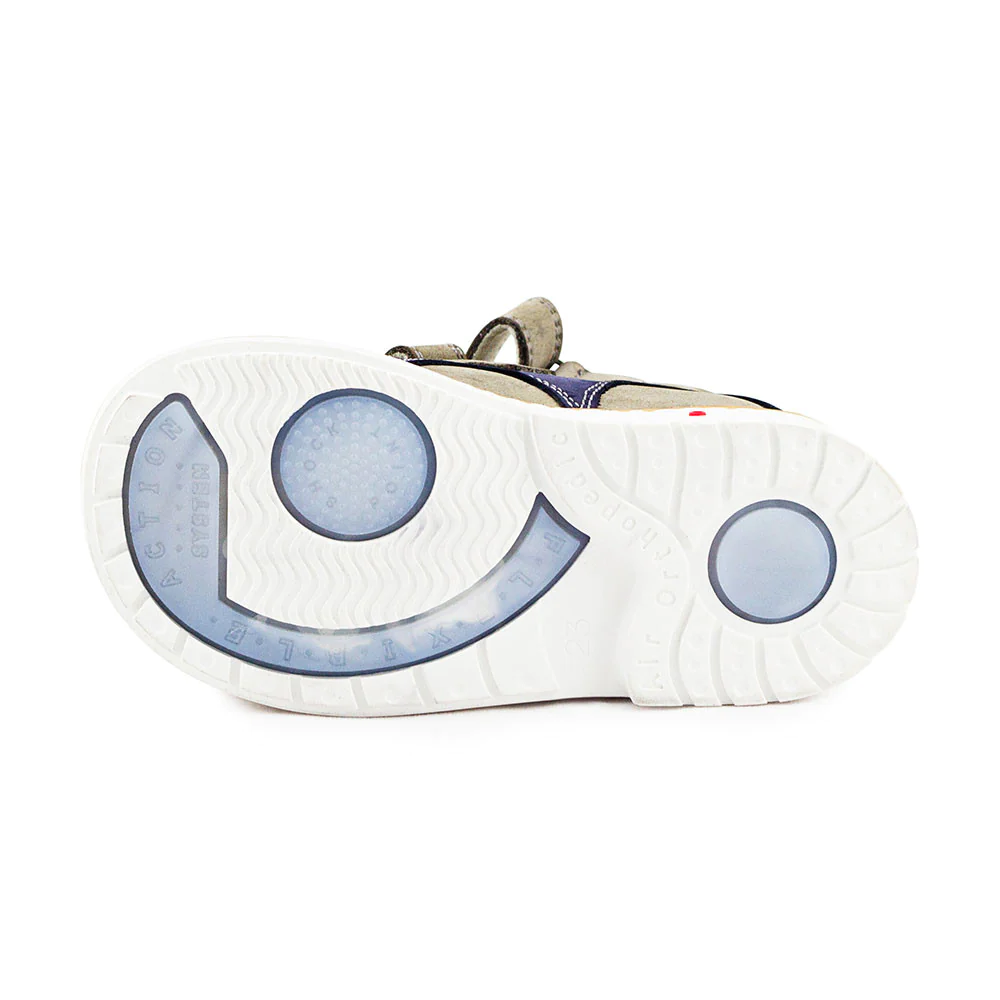
Captain Caleb Sandals
These double the confidence of beginner walkers with wobbly feet
Material
Nubuck leather
Type
High-top sandals
Sizes
2–10 AU
Features
- Three adjustable Velcro straps
- Extended ankle support
- Anti-bacterial insoles
- Shock-absorbent thermoplastic outsoles
- High built-in arch support
- Air valves for moisture reduction
- Thomas heel
Why they are a top pick
The higher cut and multiple Velcro straps provide excellent ankle support, crucial for maintaining balance and stability during early walking stages.
The anti-bacterial, anti-sweat, and anti-impact soles promote foot health and comfort.
Also, the stylish design and playful details are sure to captivate young boys, making every step an exciting adventure.
3
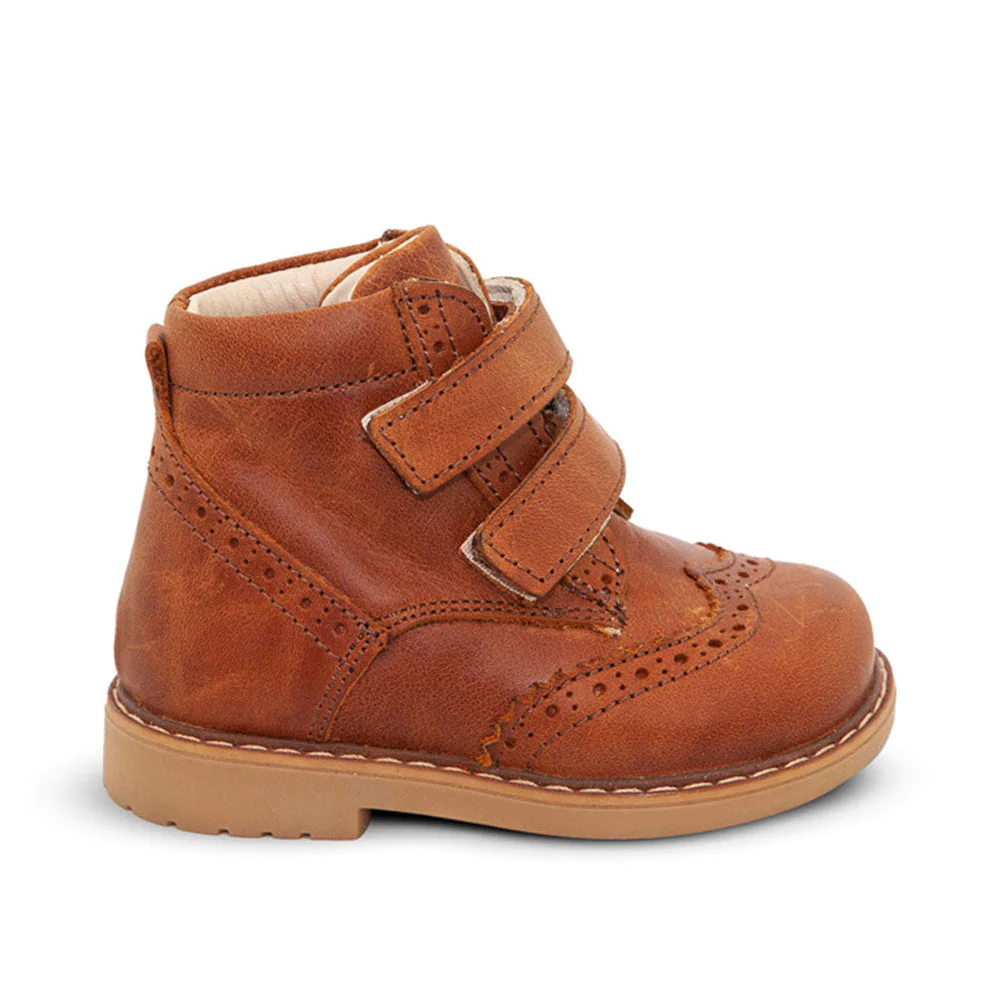
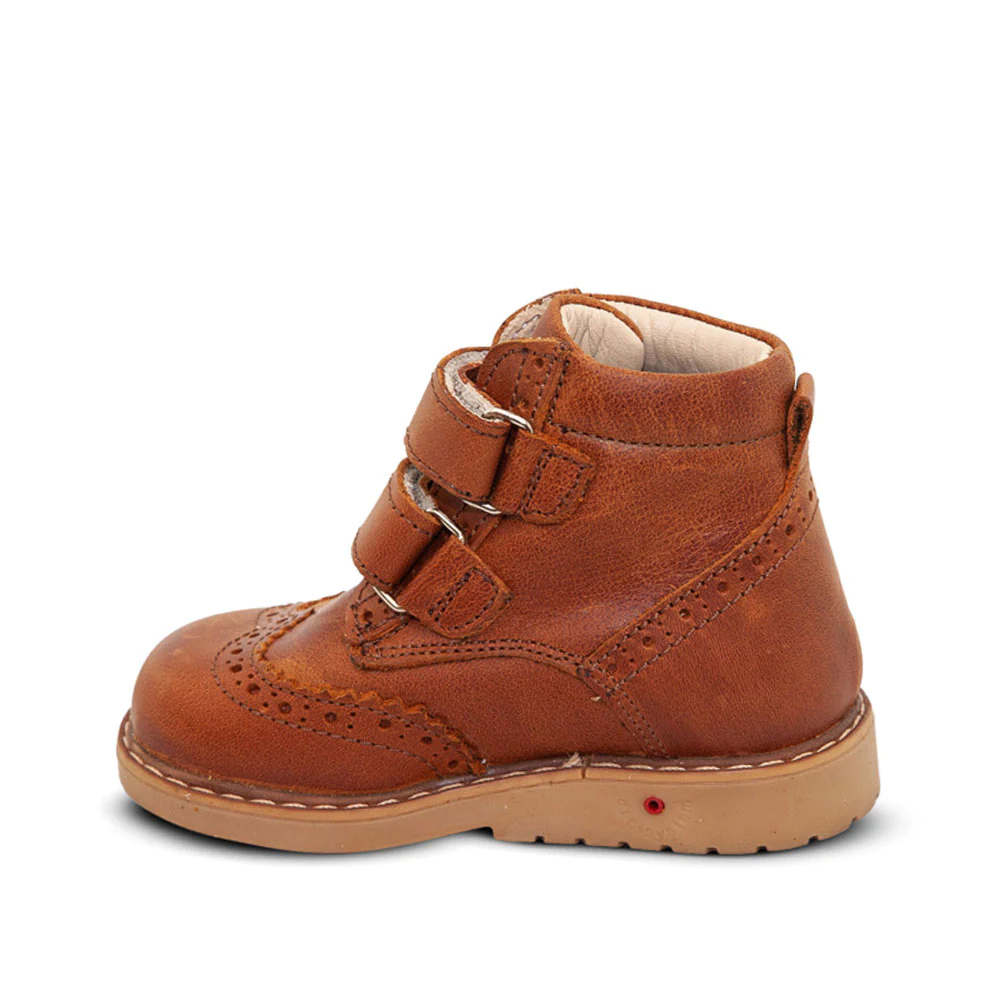
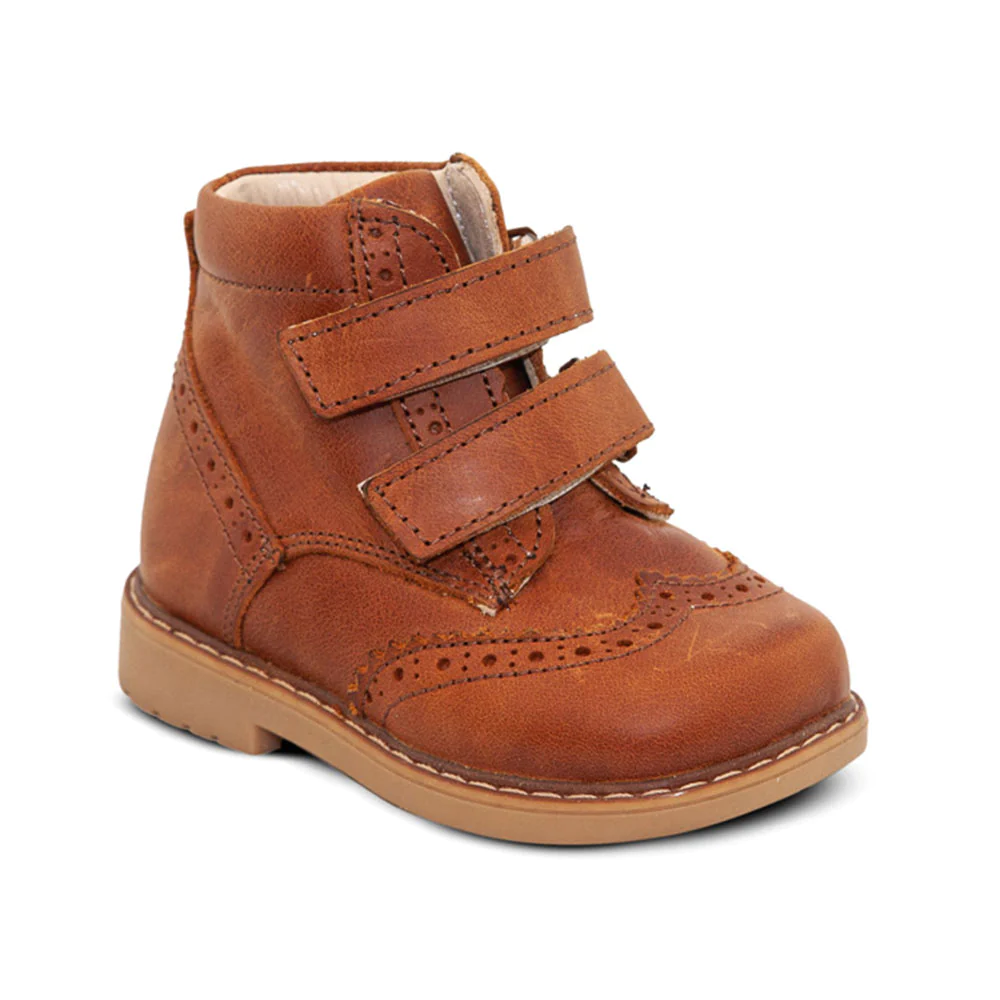
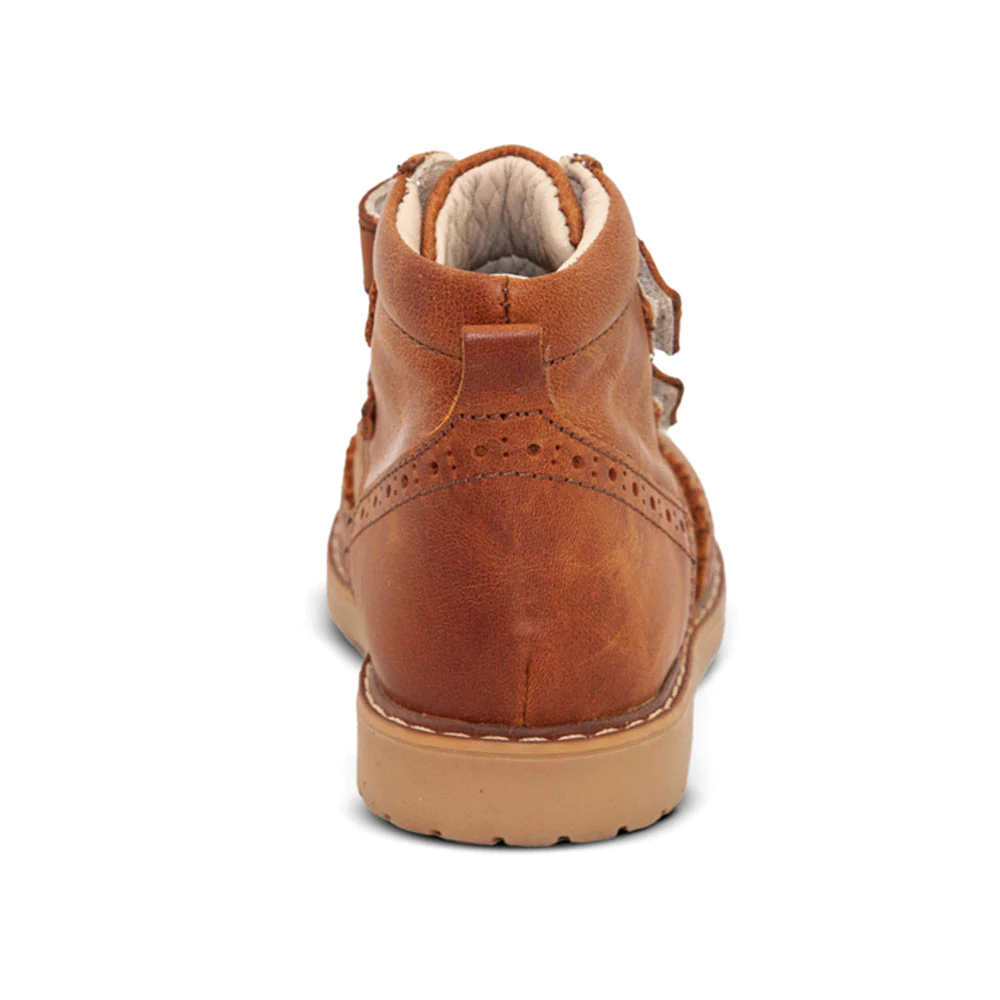
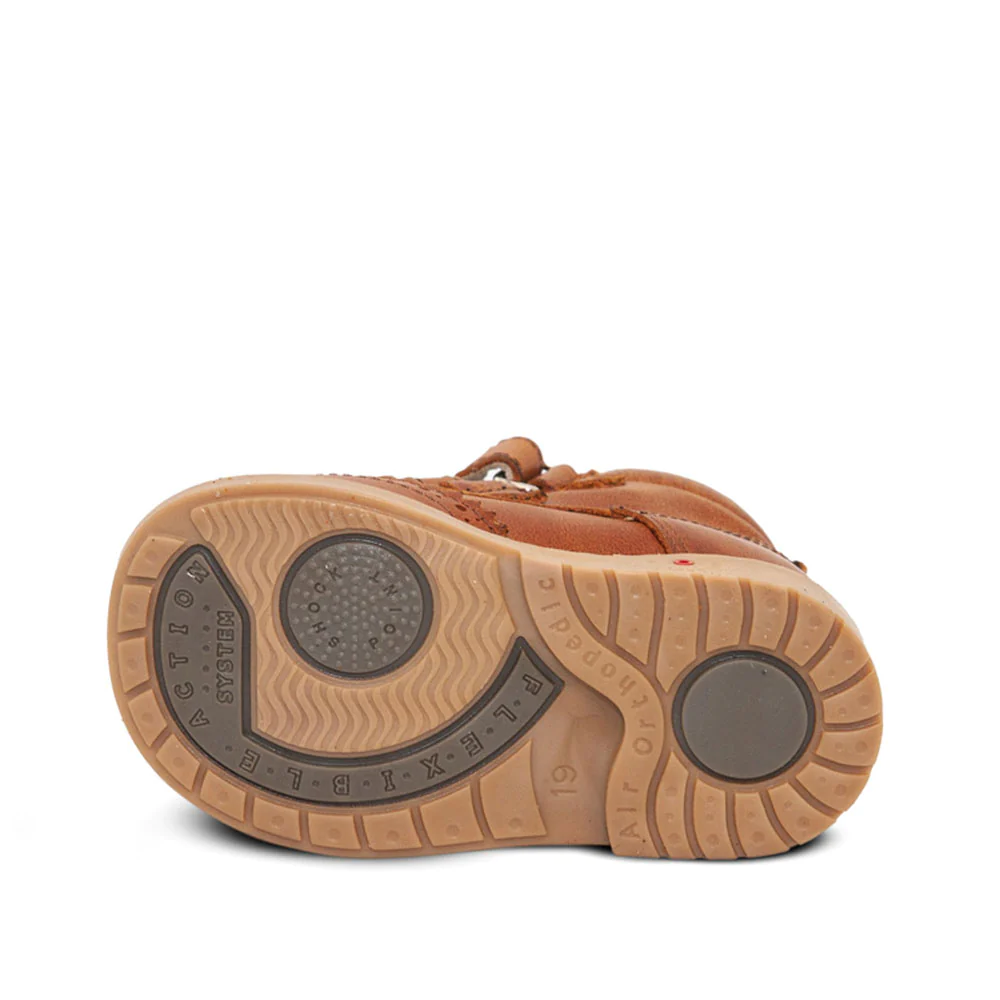
Louis Grim Vintage Boots
Practical Velcro straps make it easy to put shoes on.
Material
Leather
Type
High-top boots
Sizes
2–10 AU
Features
- Two adjustable Velcro straps
- Extended ankle support
- Anti-bacterial insoles
- Shock-absorbent thermoplastic outsoles
- High built-in arch support
- Air valves for moisture reduction
- Thomas heel
Why they are a top pick
Louis Grim boots are a top pick for babies learning to walk during the winter months. Crafted from high-quality calfskin, they offer warmth and comfort while providing essential support for developing feet.
The orthotic design promotes healthy walking habits, while the adjustable Velcro straps ensure a secure and comfortable fit.
The timeless style and neutral colour make these boots a versatile and stylish choice for both boys and girls.
4
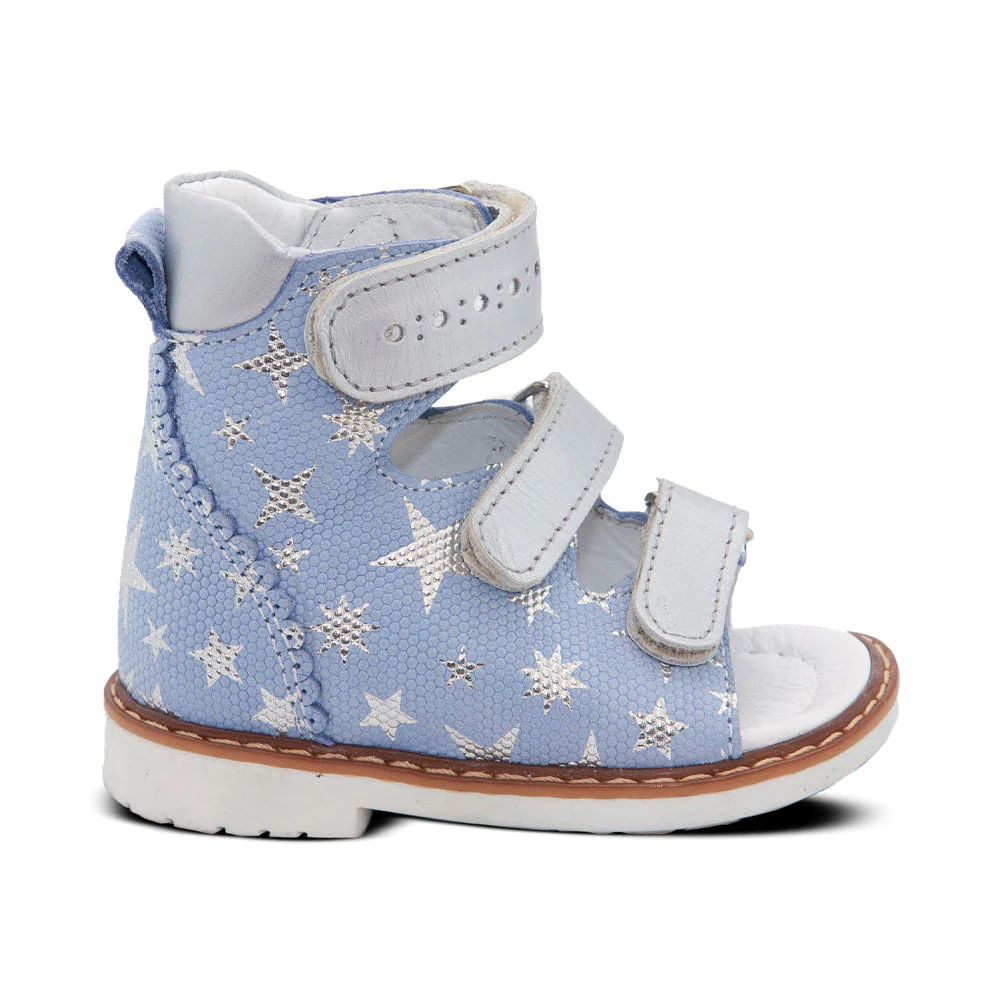
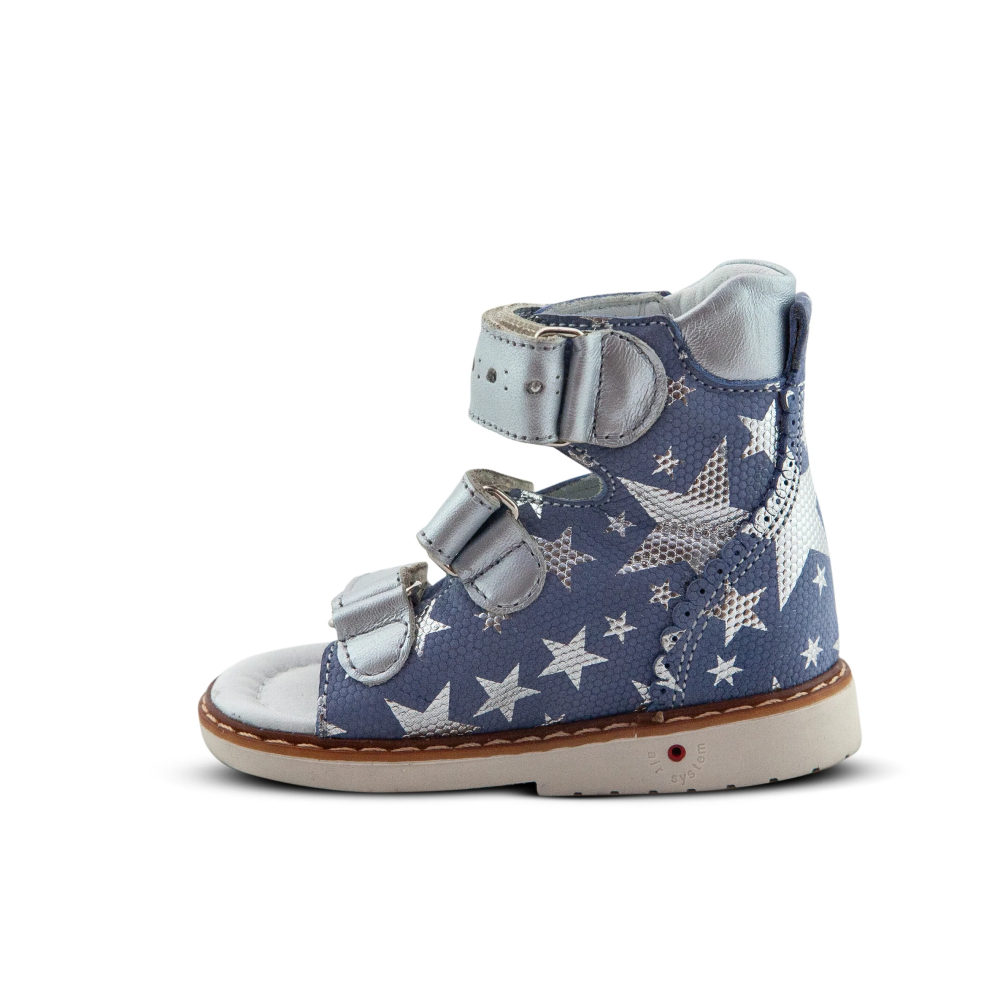
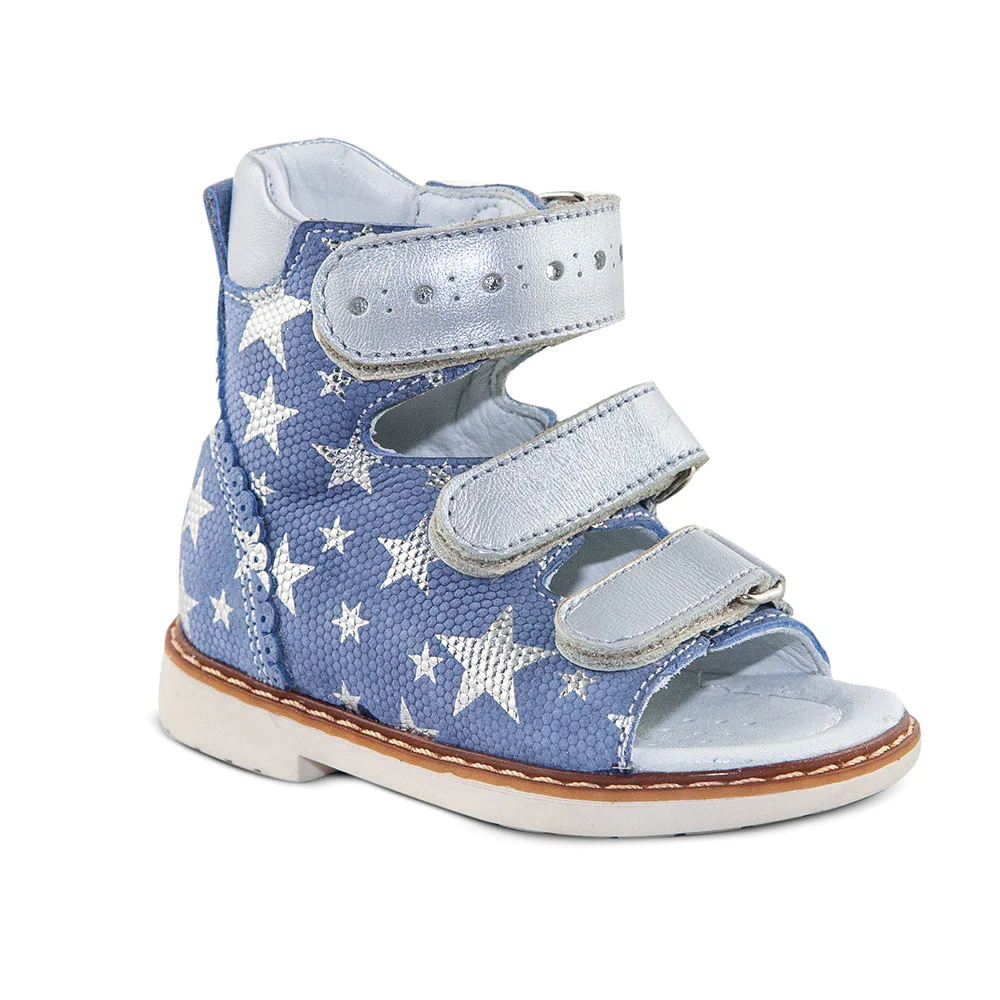
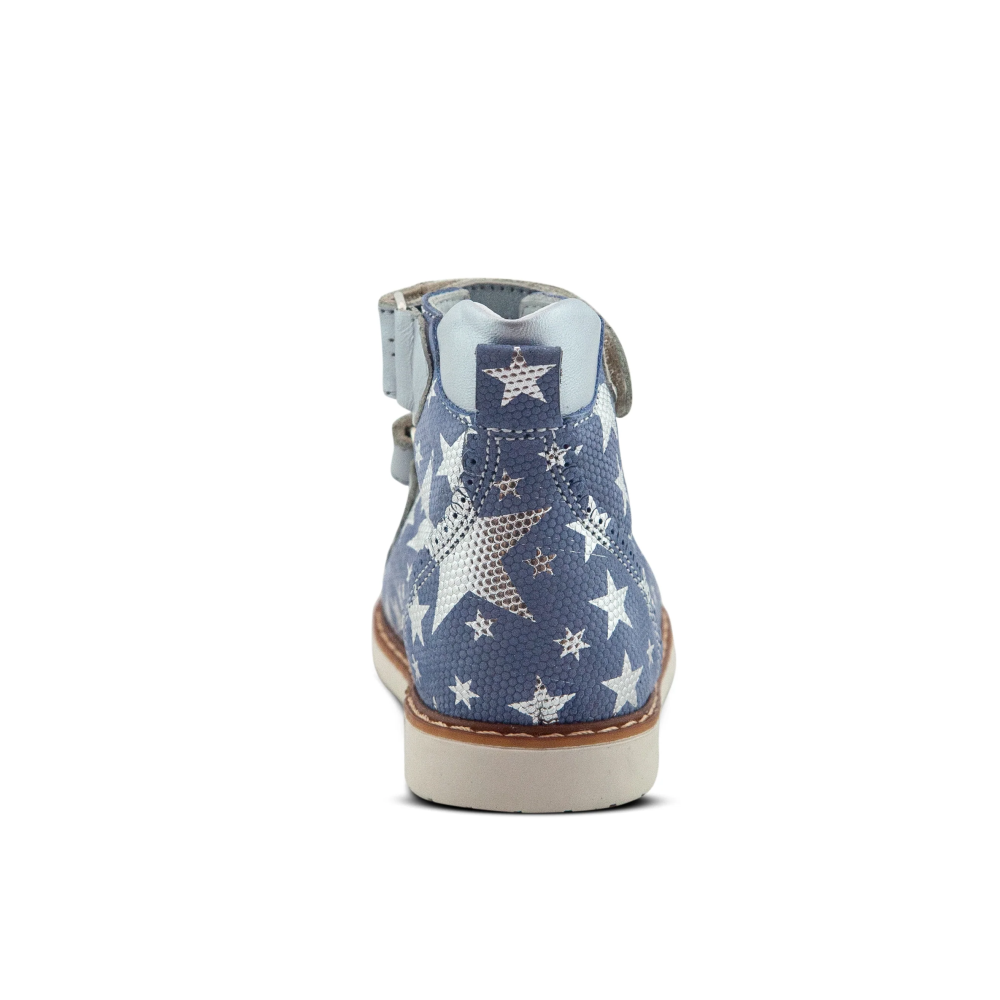
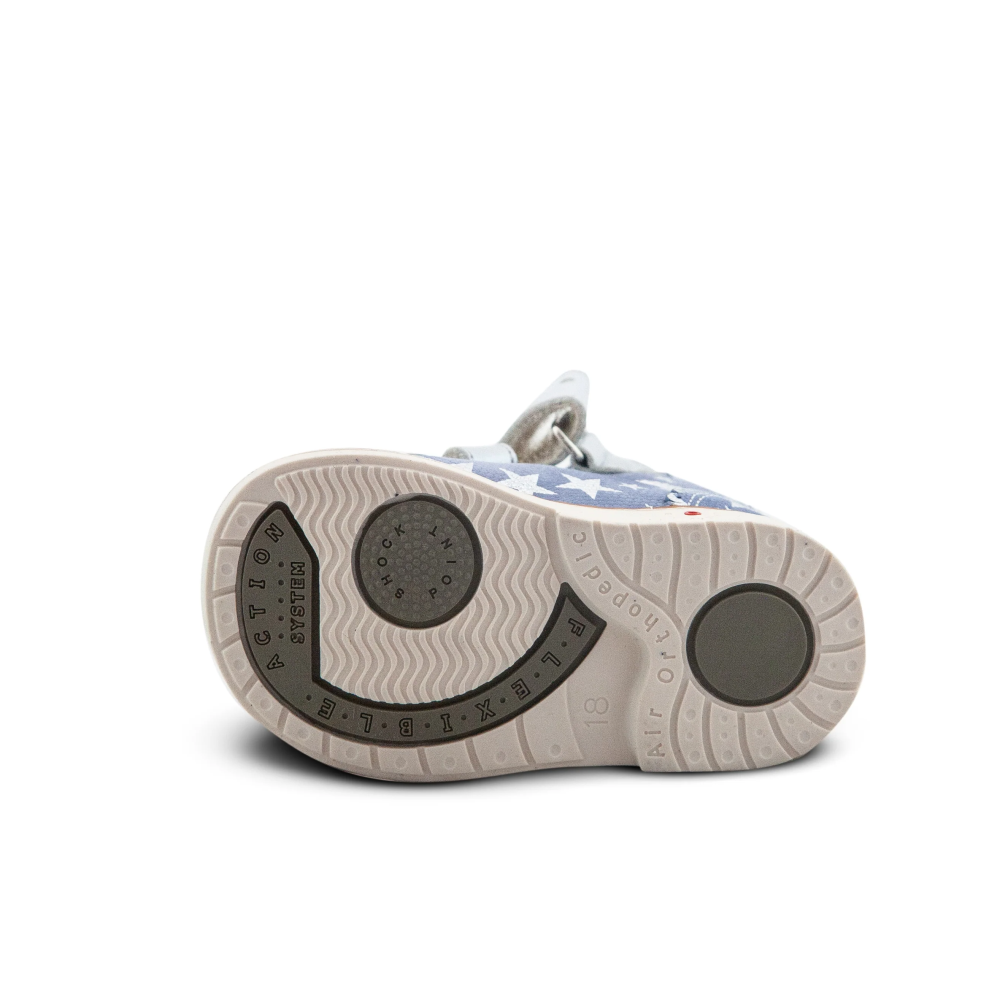
Elegant Delta Sandals
Open toe design meant for max breathability.
Material
Leather
Type
High-top sandals
Sizes
2–10 AU
Features
- Three adjustable Velcro straps
- Extended ankle support
- Anti-bacterial insoles
- Shock-absorbent thermoplastic outsoles
- High built-in arch support
- Air valves for moisture reduction
- Thomas heel
Why they are a top pick
Give your baby girl the best start with Elegant Delta sandals. These orthopaedic marvels, featuring a supportive Thomas heel and high ankle support, promote healthy foot development and balance.
The open-toe design ensures maximum comfort and breathability in warm weather, making them a top pick for your little one's growing wardrobe.
The eye-catching star pattern makes them a dazzling choice for any occasion.
5
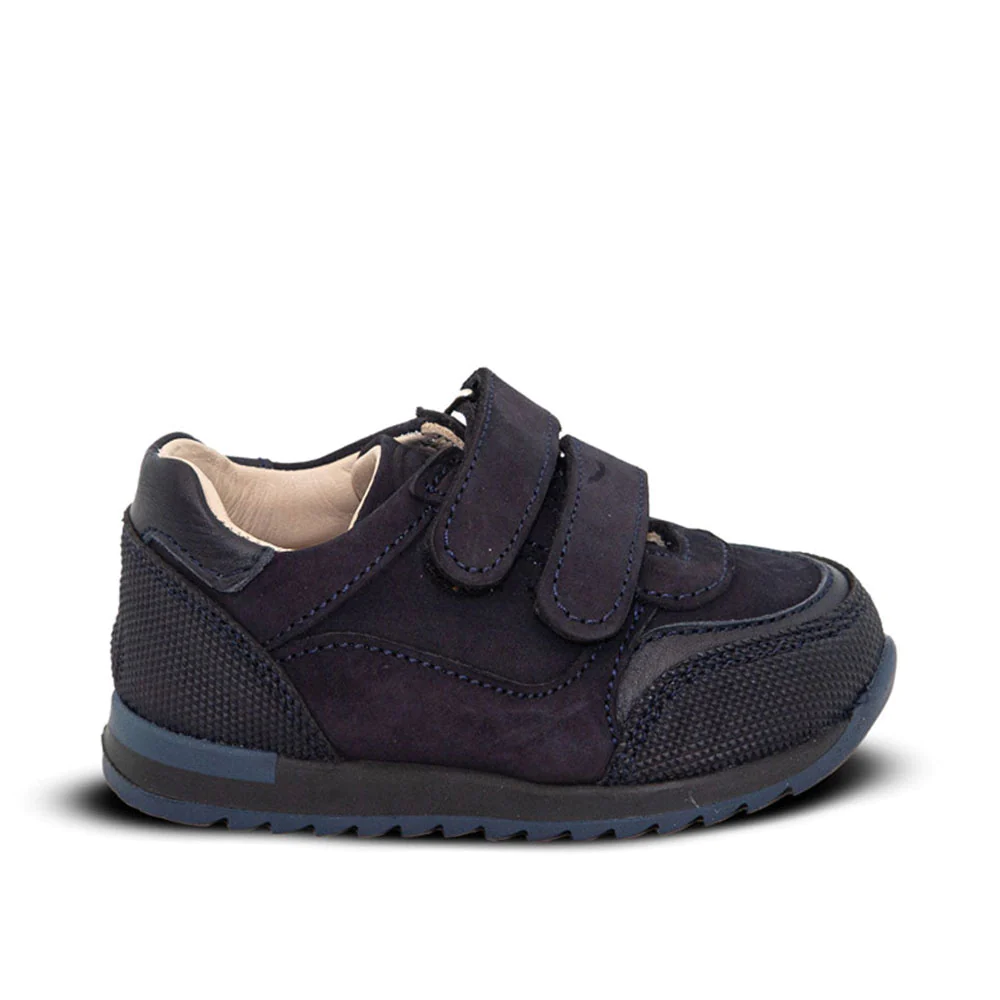
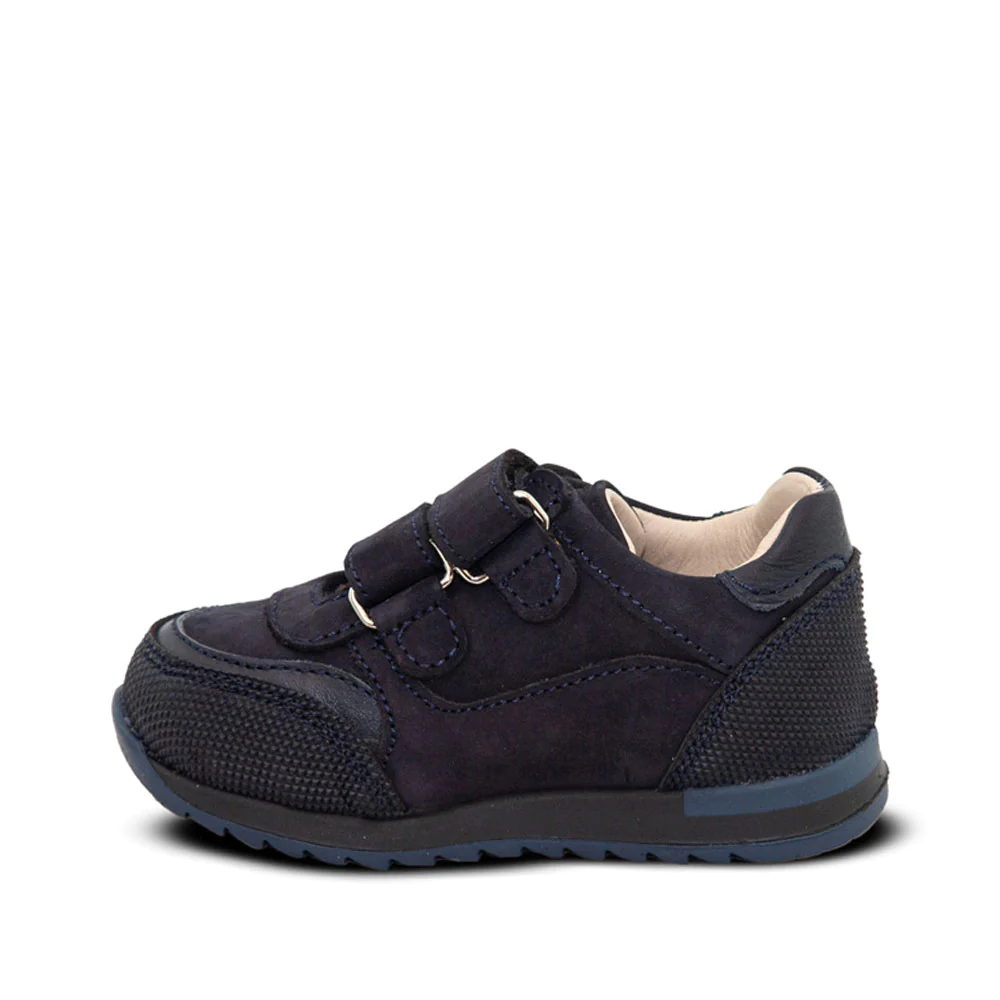
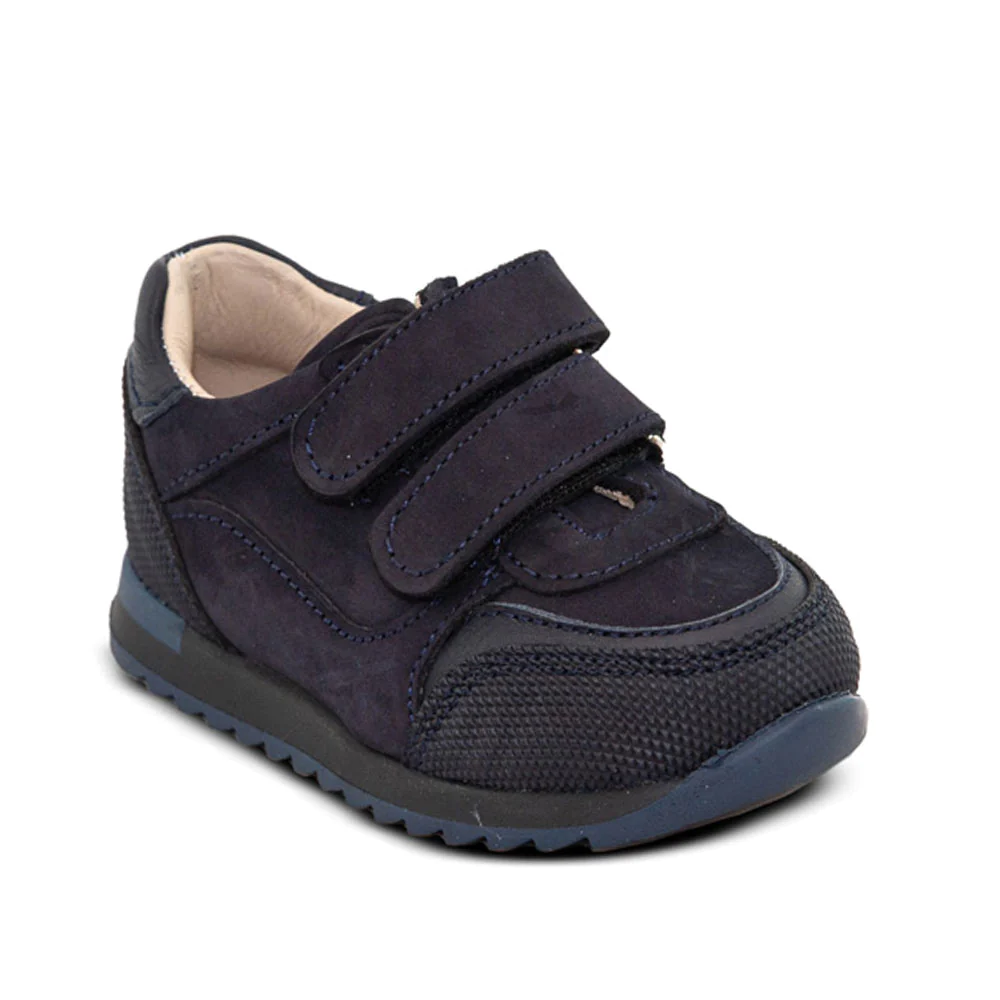
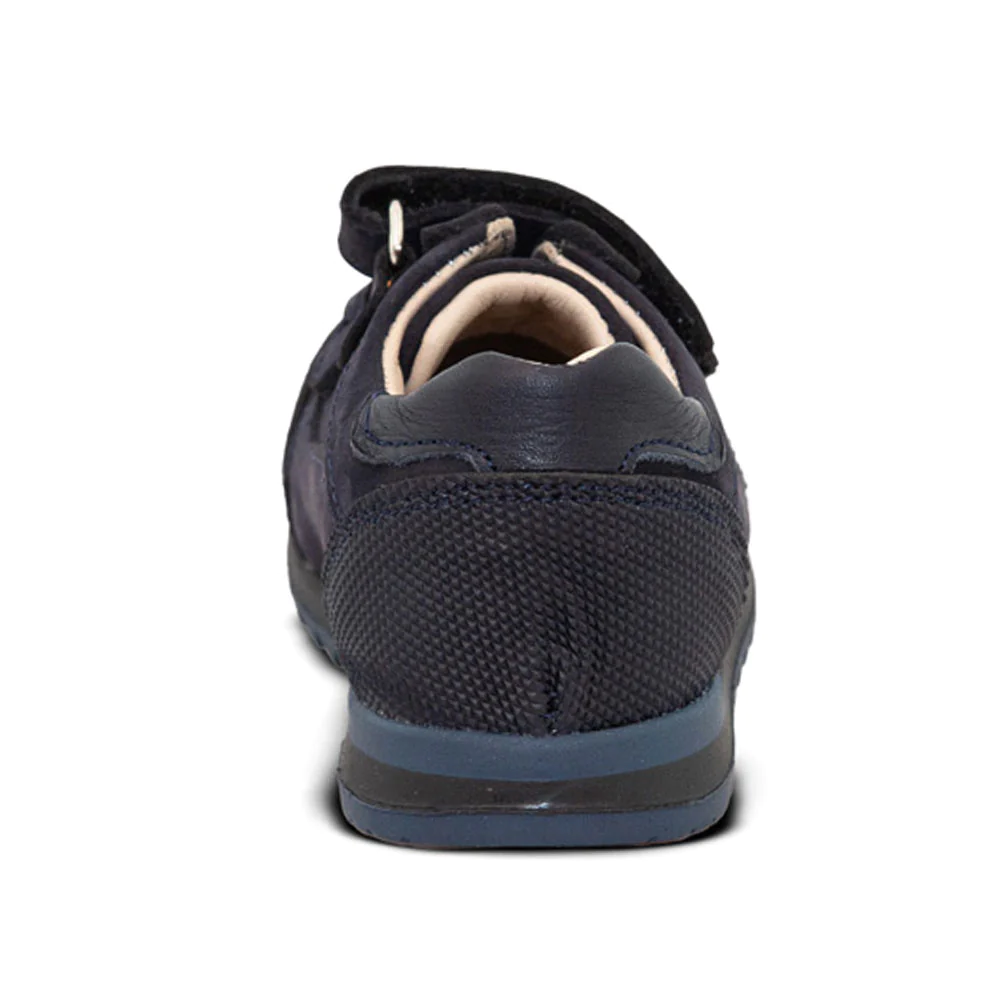
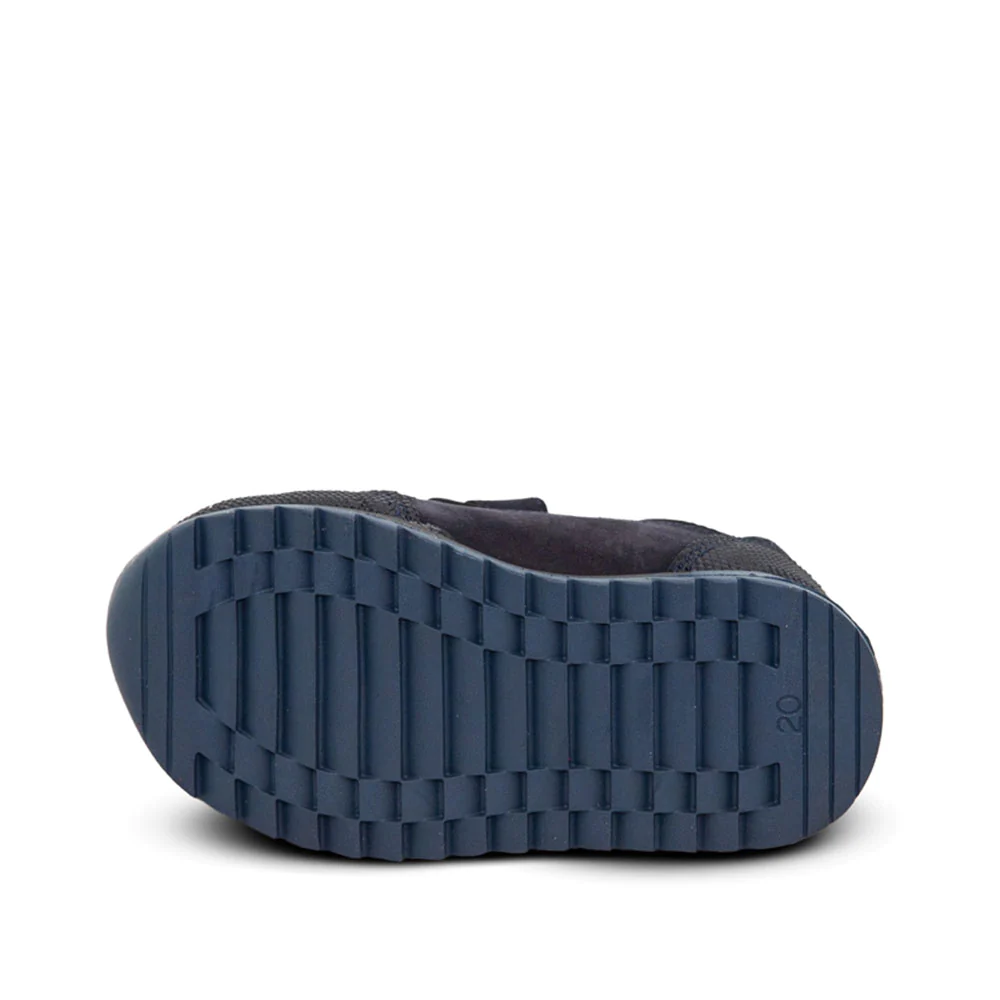
Elfin Indigo Sneakers
Extra toe protection to minimise scratches.
Material
Leather + Nubuck leather
Type
Sneakers
Sizes
2–8 AU
Features
- Two adjustable Velcro straps
- Anti-bacterial insoles
- Anti-scratch/scuffs toe cap protector
- Shock-absorbent thermoplastic outsoles
- High built-in arch support
Why they are a top pick
Elevate your child's wardrobe with Unisex Elfin Indigo sneakers. The timeless design and versatile colour scheme make them perfect for any occasion. The added toe protection and moisture-wicking technology ensure comfort and durability.
Elfin Indigo sneakers are designed with comfort in mind. The soft leather and extra cushioning provide support for developing feet, ensuring a comfortable and stable walking experience. The breathable lining keeps little feet cool and dry, even during the most active play.
With their focus on comfort and support, these sneakers are the ideal choice for little ones taking their first steps.
6
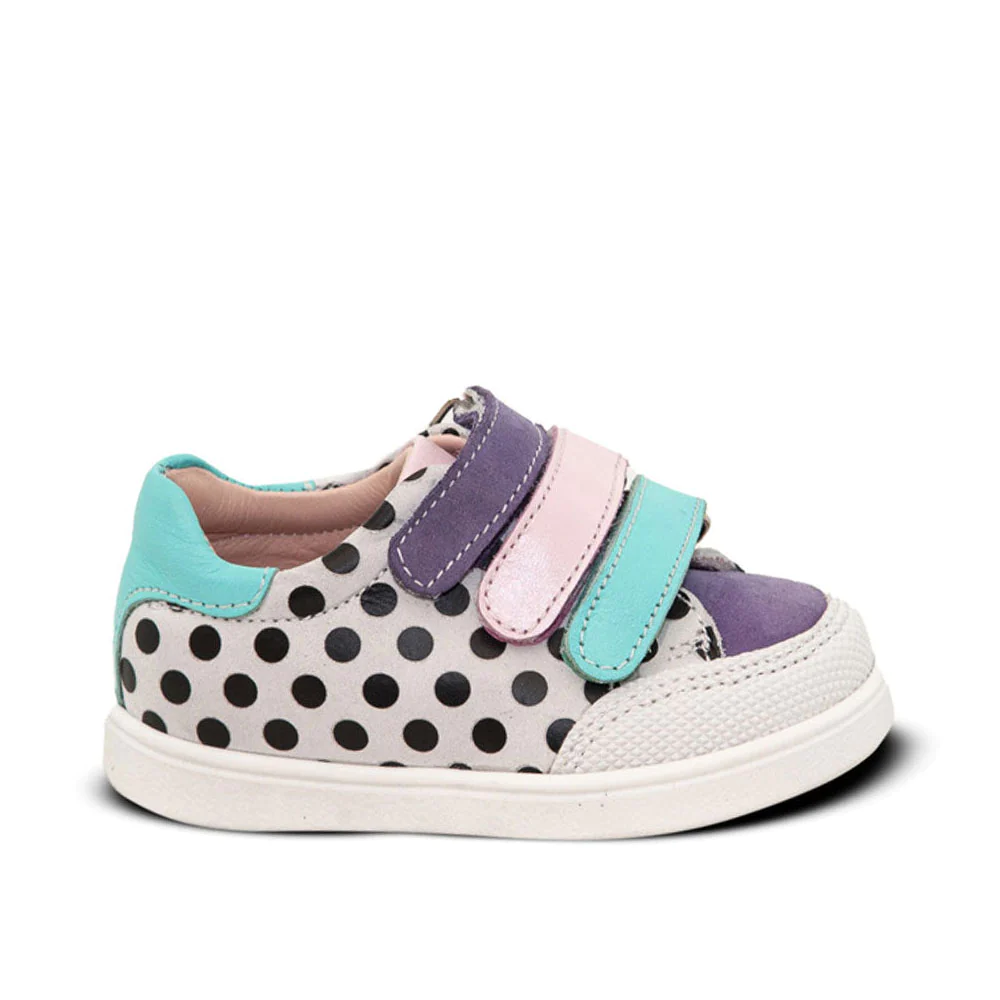
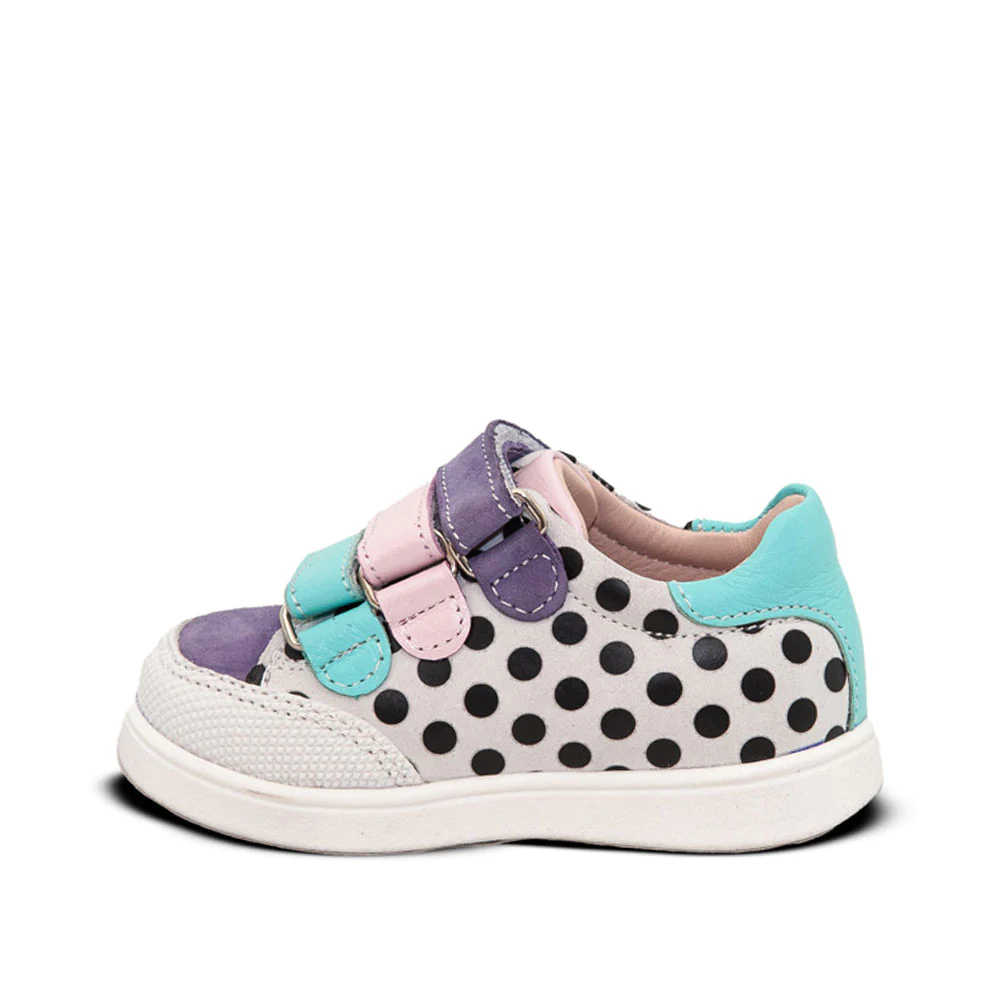
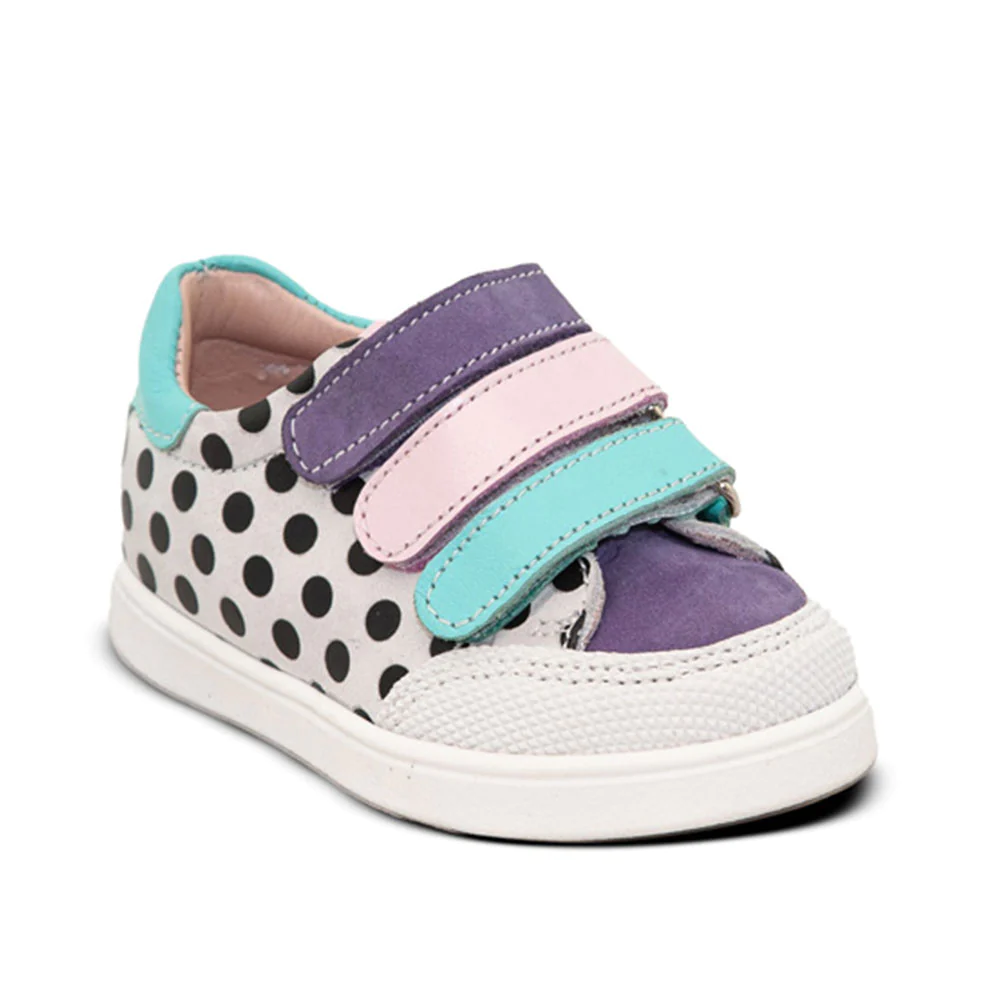
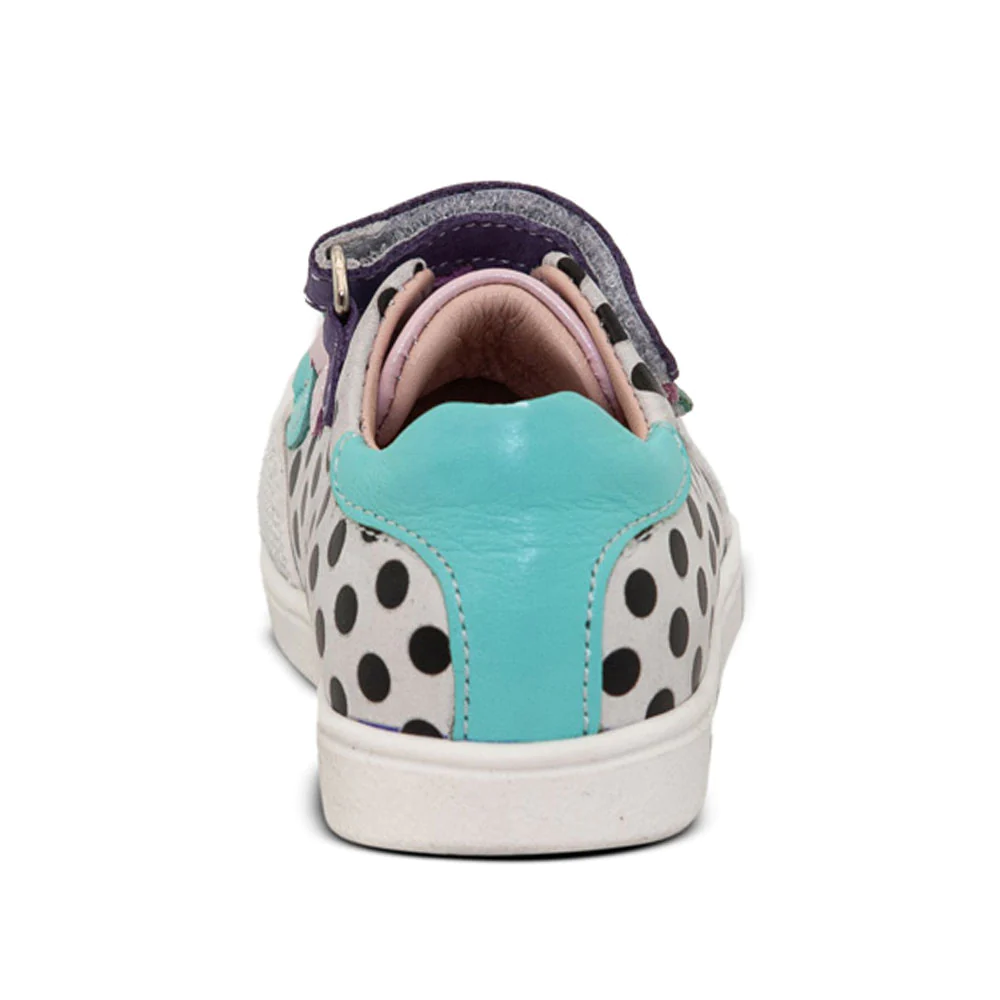
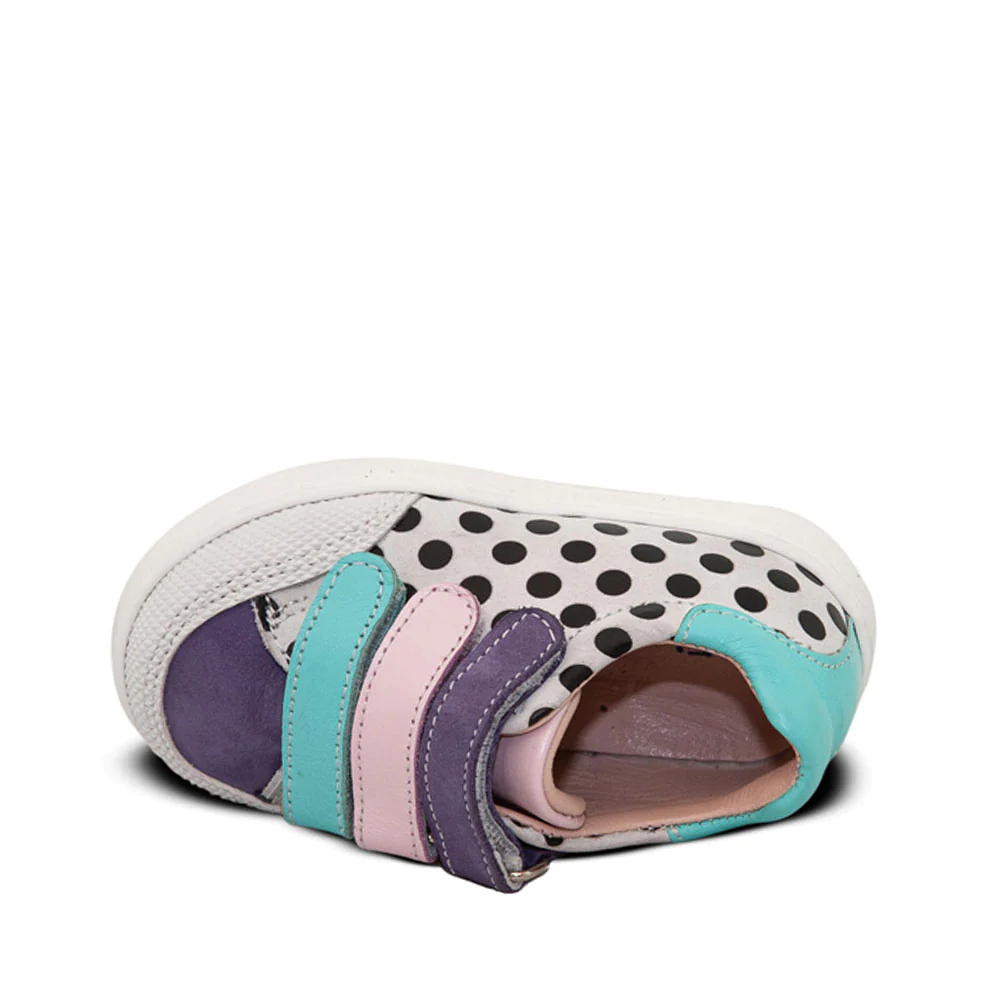
Maddie Lynn Sneakers
Insoles that absorb shock for a pain-free walk.
Material
Leather + Nubuck Leather
Type
Sneakers
Sizes
2–11 AU
Features
- Two adjustable Velcro straps
- Anti-bacterial insoles
- Anti-scratch/scuffs toe cap protector
- Shock-absorbent thermoplastic outsoles
- High built-in arch support
Why they are a top pick
The Maddie Lynn sneakers are a delightful choice for little girls learning to walk. The charming polka dot pattern and soft pastel colors add a touch of fun to every step.
The cushioned ankle padding and shock-absorbent outsole provide comfort and support, making each step gentle and enjoyable.
Whether your little one is taking their first steps or has already mastered the art of walking, these sneakers are a stylish and functional choice.
7
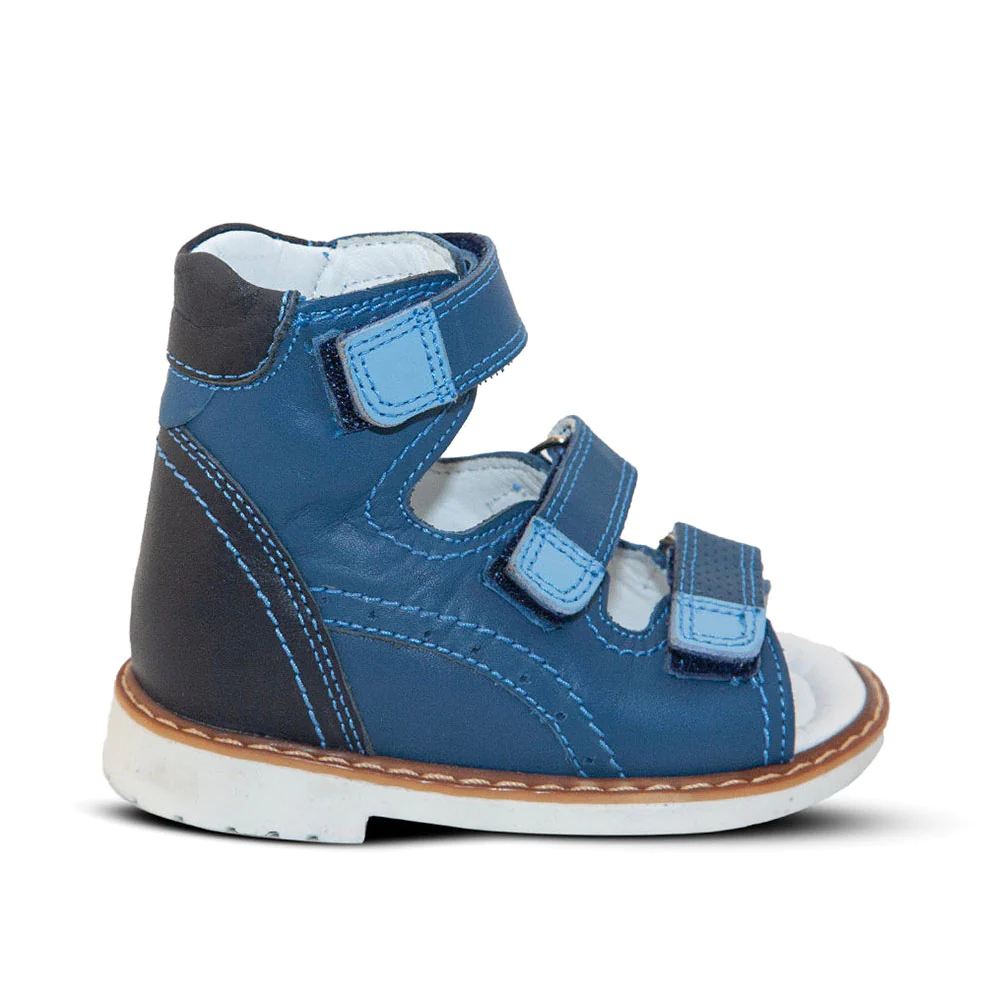
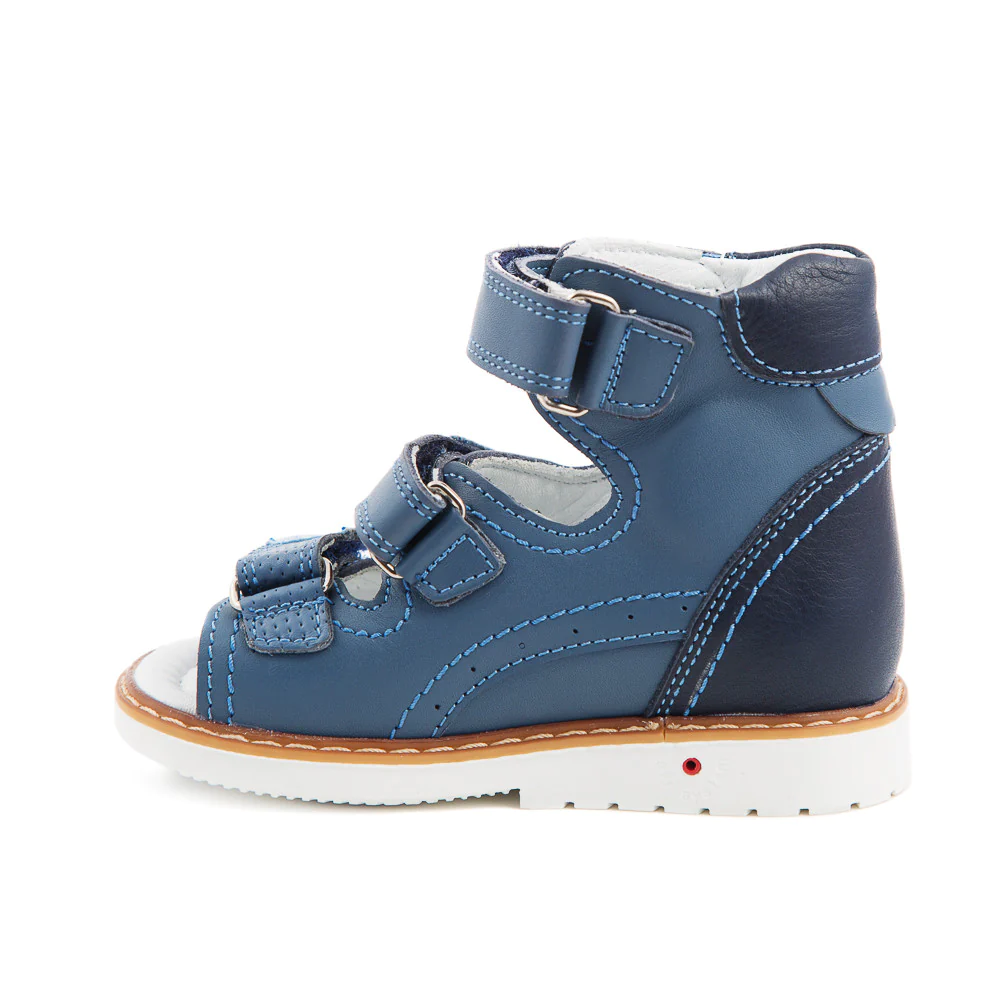
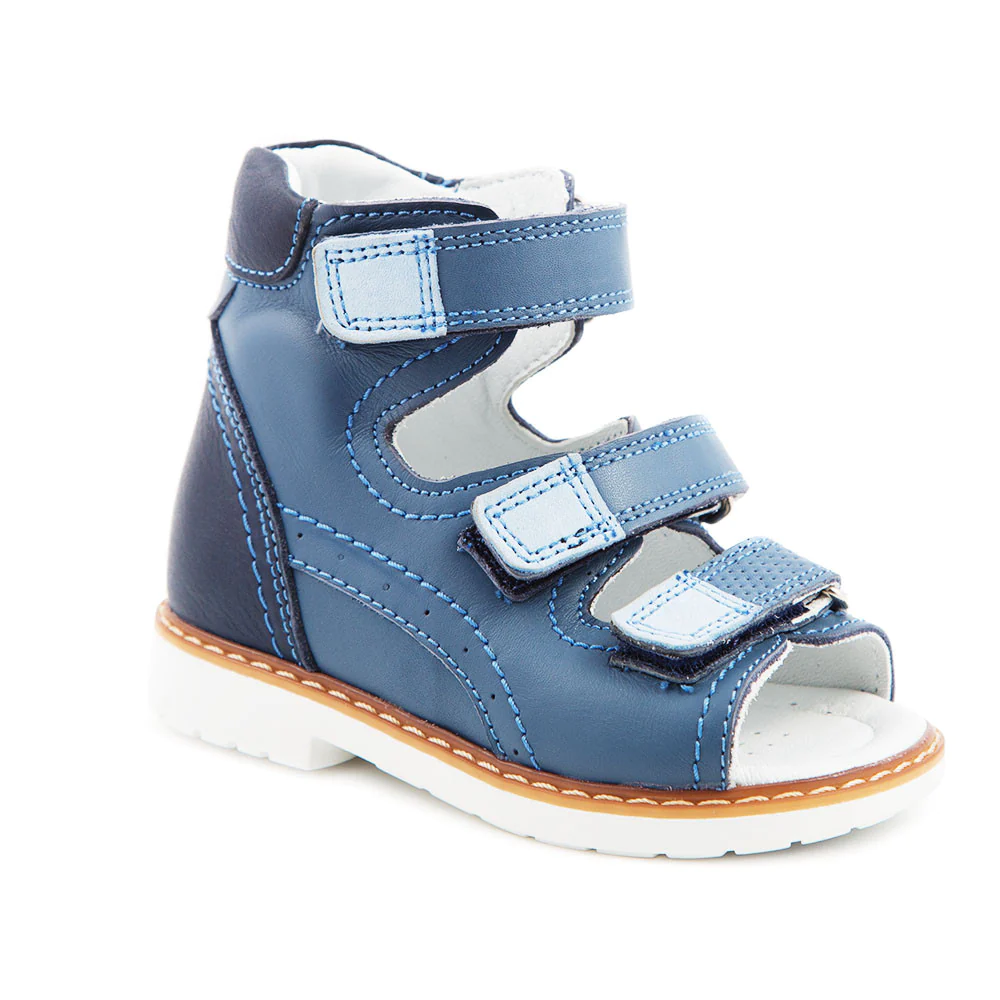
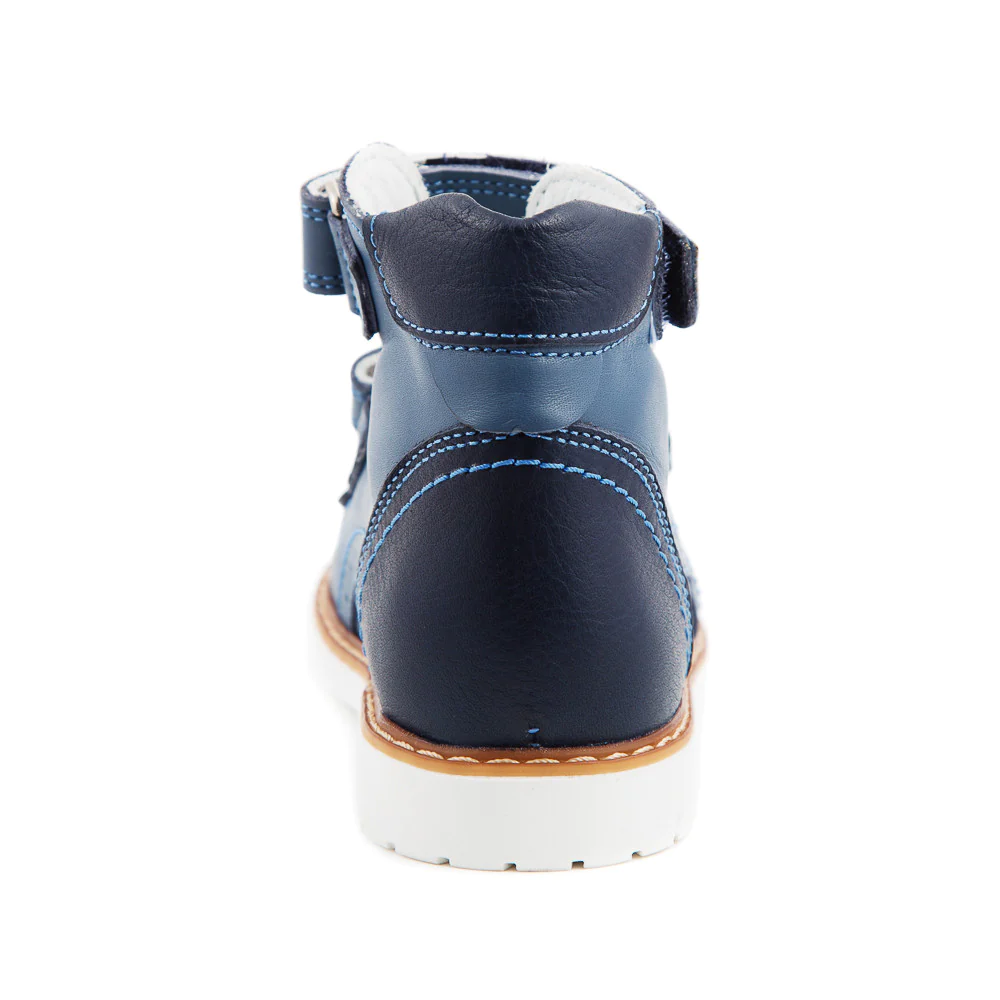
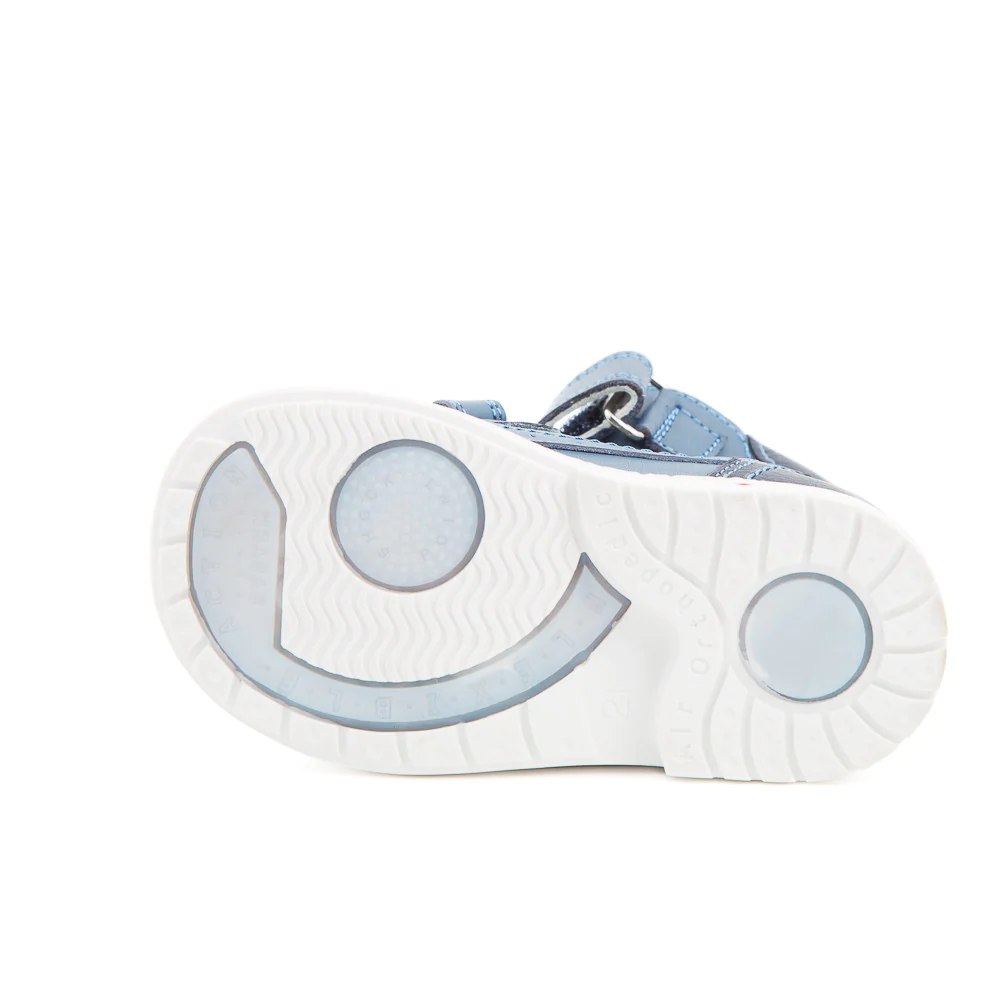
Dainty Luke Sandals
Shock-absorbent soles offer utmost comfort.
Material
Leather
Type
High-top sandals
Sizes
2–11 AU
Features
- Three adjustable Velcro straps
- Extended ankle support
- Anti-bacterial insoles
- Shock-absorbent thermoplastic outsoles
- High built-in arch support
- Air valves for moisture reduction
- Thomas heel
Why they are a top pick
The sleek navy blue design combined with comfortable shock-absorbent soles makes them perfect for everyday wear.
Whether you're taking a casual stroll around the neighbourhood or spending a fun-filled day at the park, Dainty Luke Sandals offer the perfect balance of style and support.
The extra padding and high-top design ensure that little feet stay comfortable and secure, promoting healthy foot development.
8
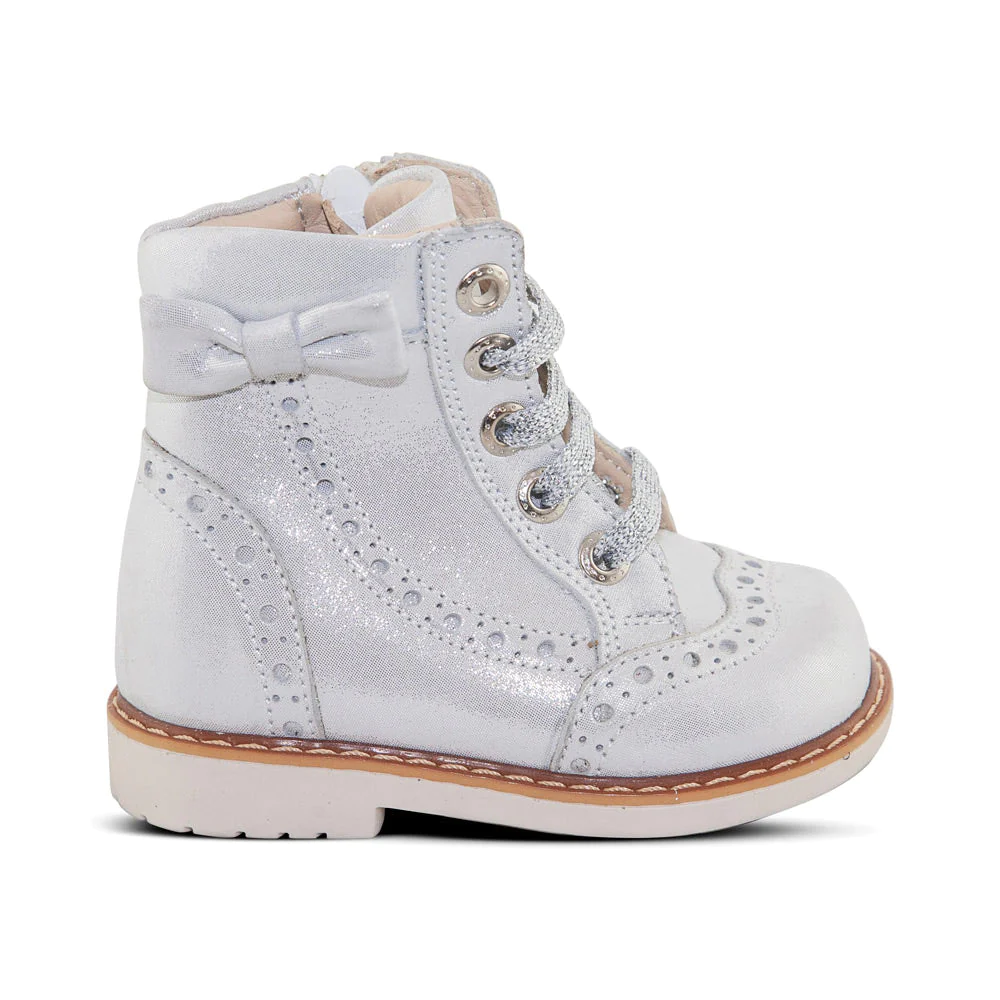
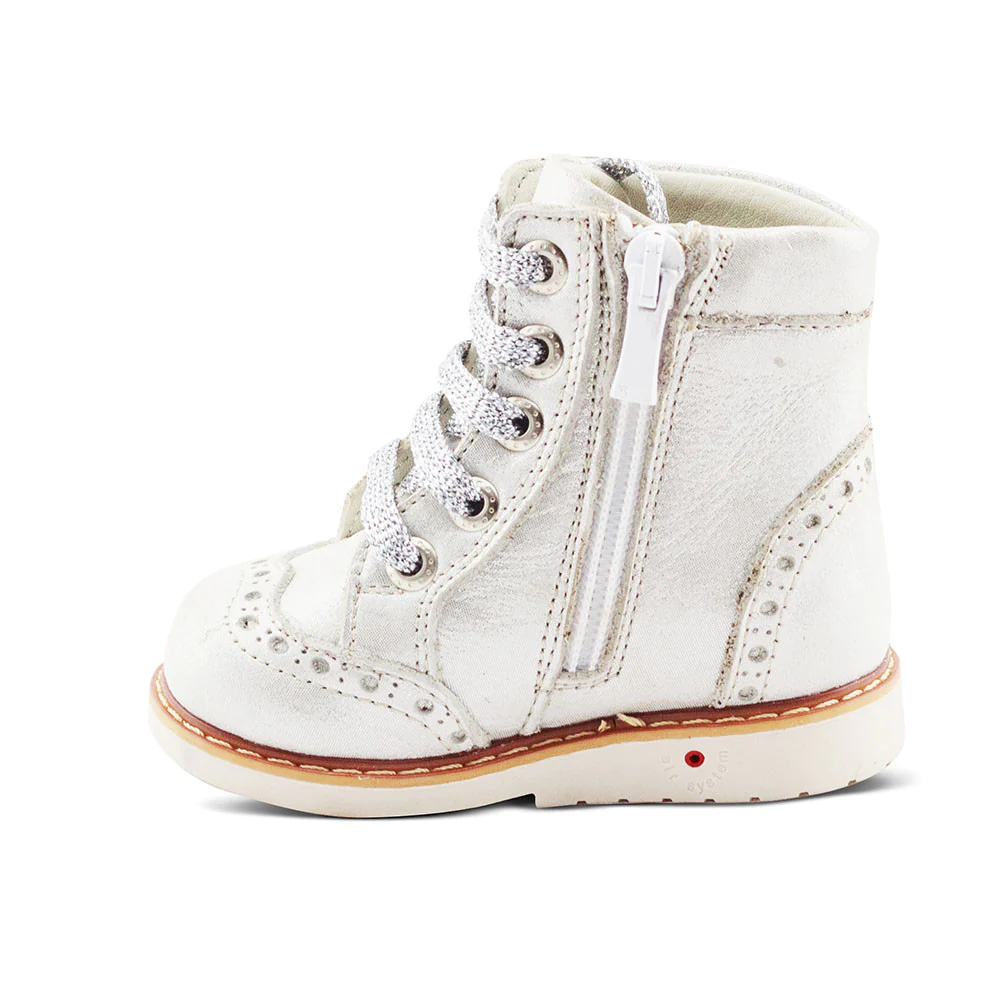
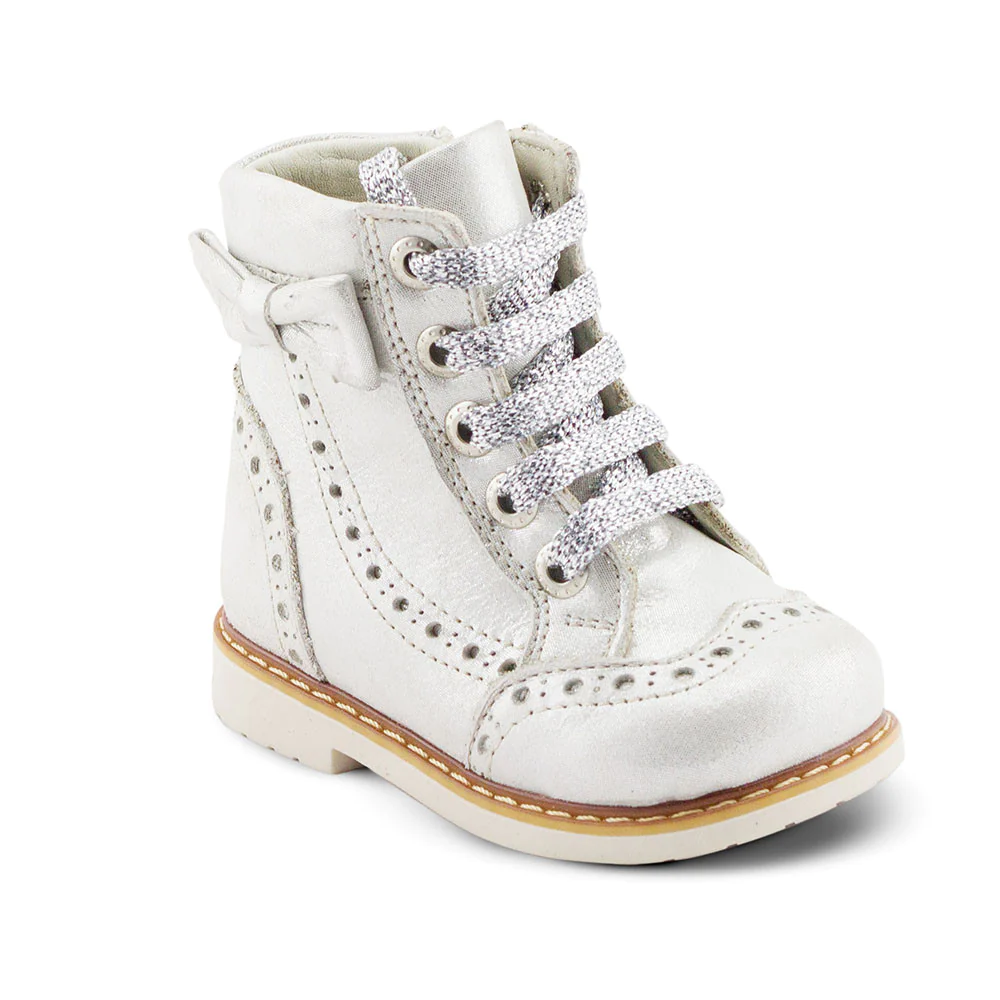
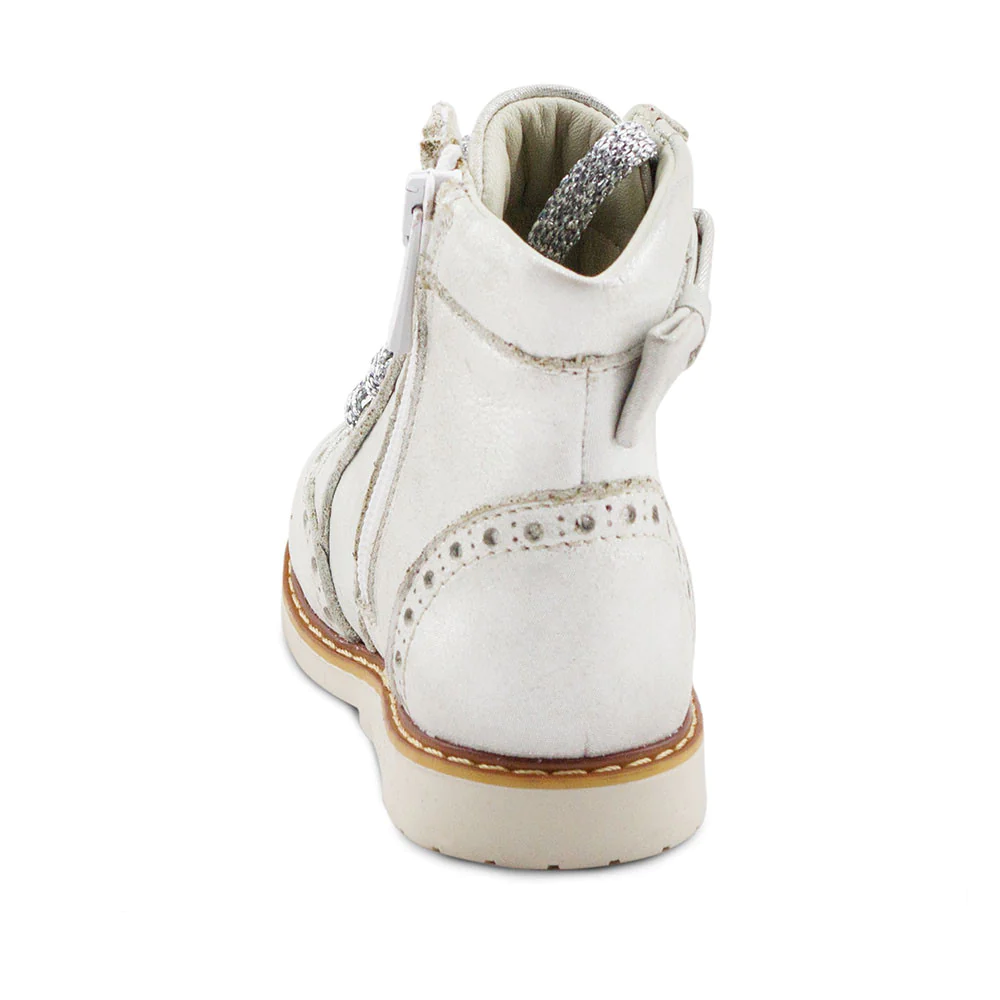
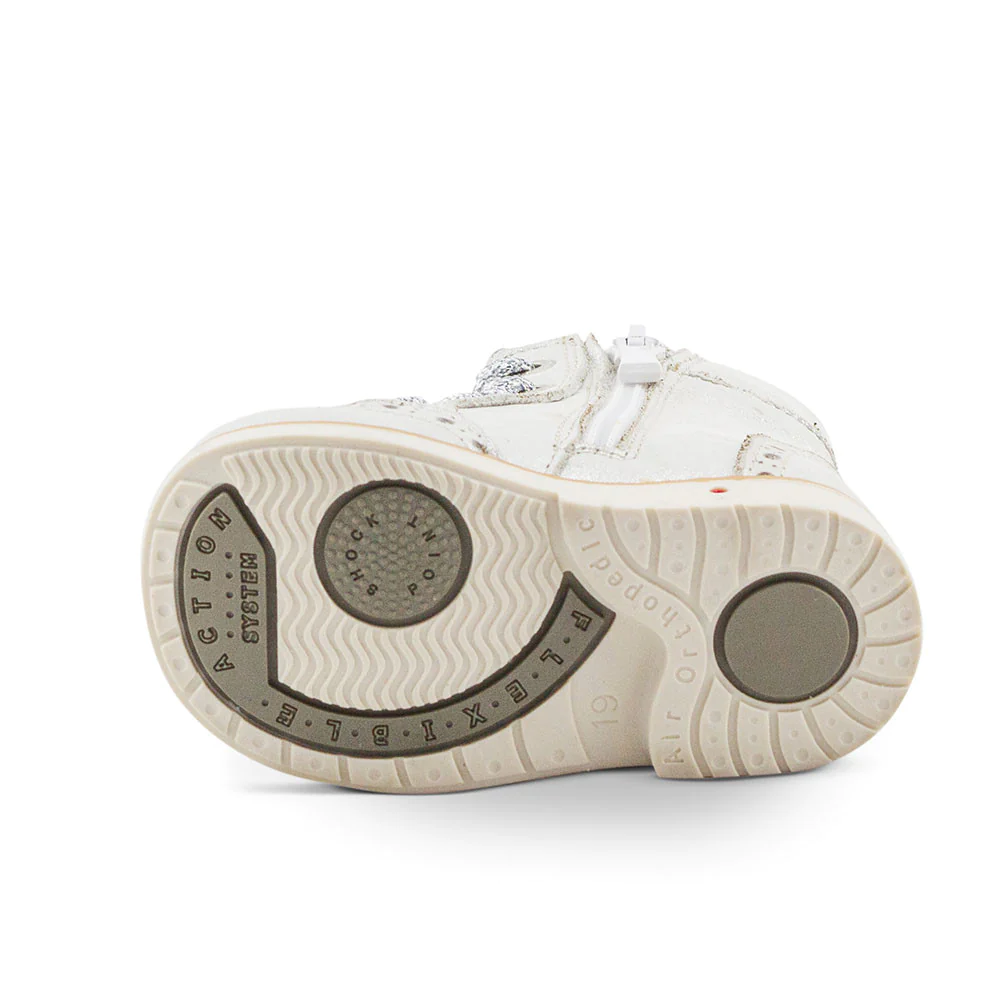
Pearly Sheila Silver Boots
Designed to fit and support her growing feet.
Material
Leather
Type
Boots
Sizes
2–11 AU
Features
- Shoelaces + zipper
- Extended ankle support
- Anti-bacterial insoles
- Shock-absorbent thermoplastic outsoles
- Extended tongue (best fit for AFO)
- High built-in arch support
- Air valves for moisture reduction
- Thomas heel
Why they are a top pick
Pearly Sheila boots are the perfect blend of style and function for your little princess. These elegant silver boots, adorned with charming bows and lace, are sure to capture hearts.
Designed with toddlers in mind, Pearly Sheila offer the perfect fit and support for growing feet. The glittery silver finish adds a touch of magic, while the compatibility with AFO wearers ensures that all little girls can look and feel great.
9
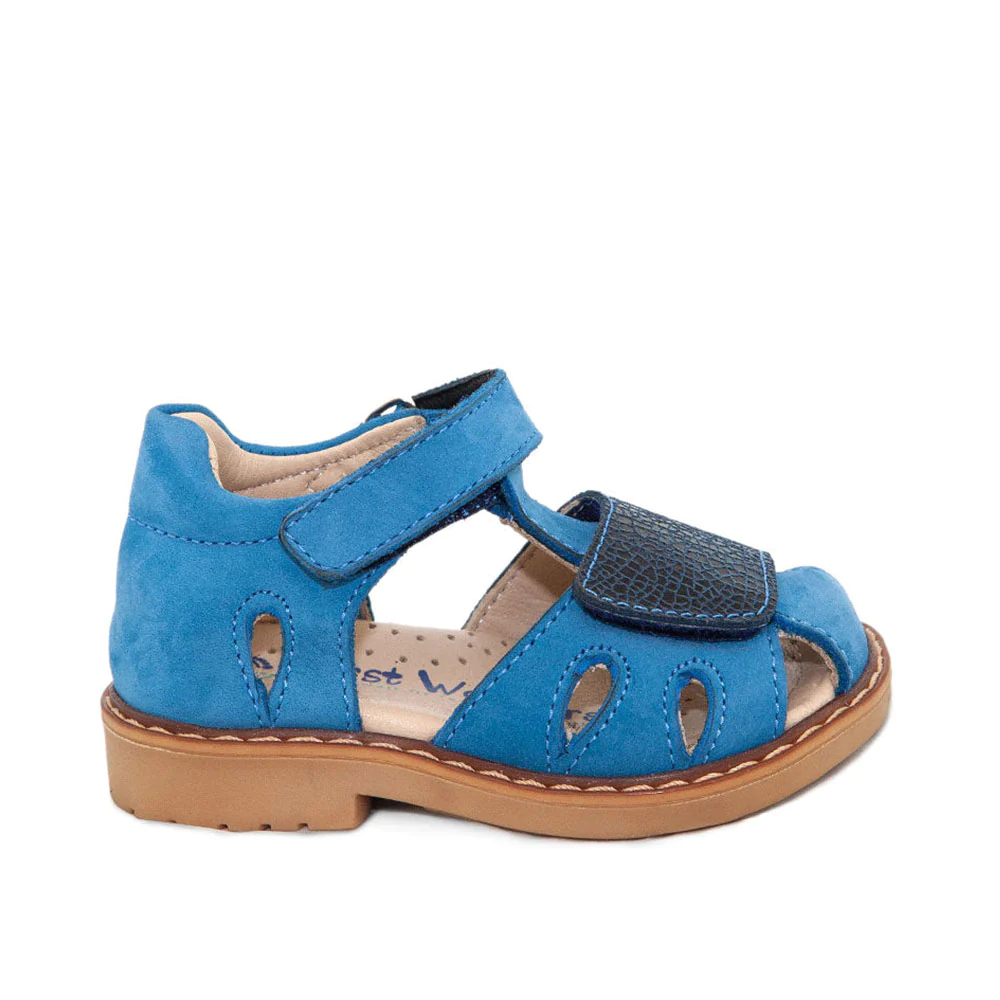
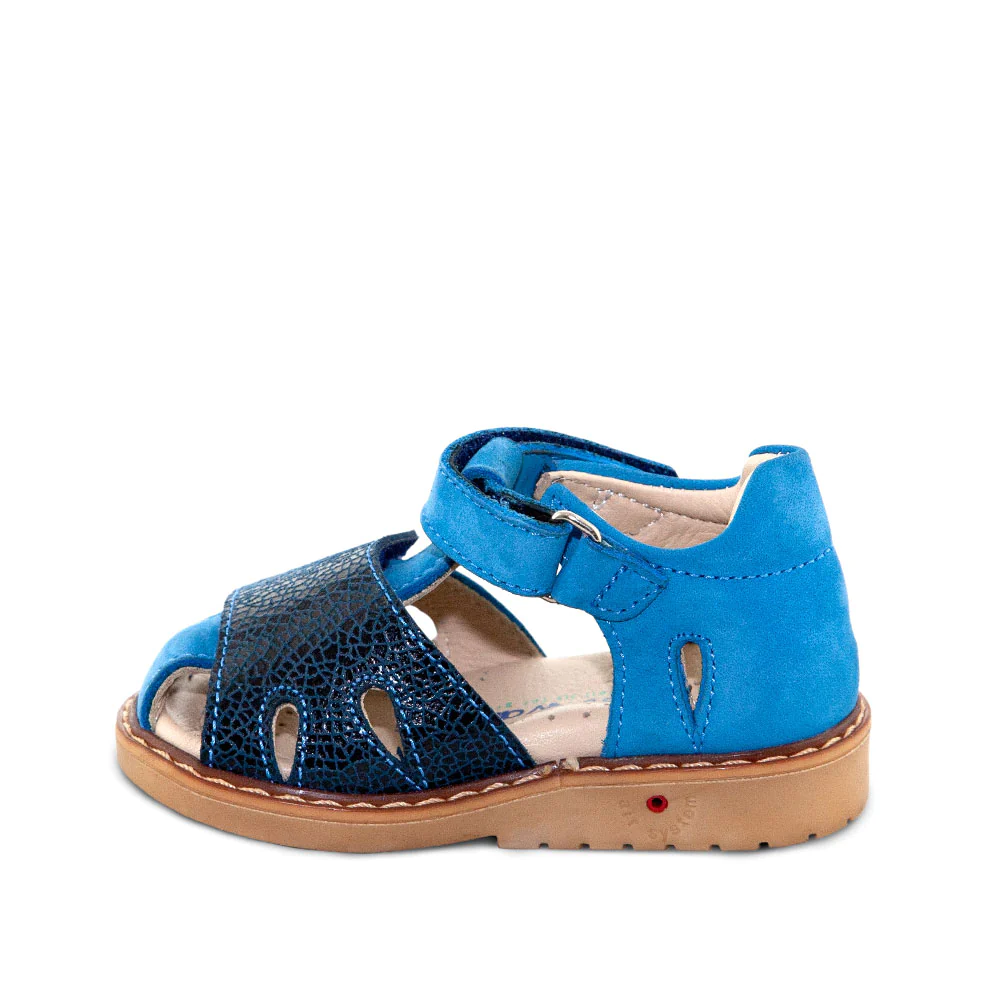
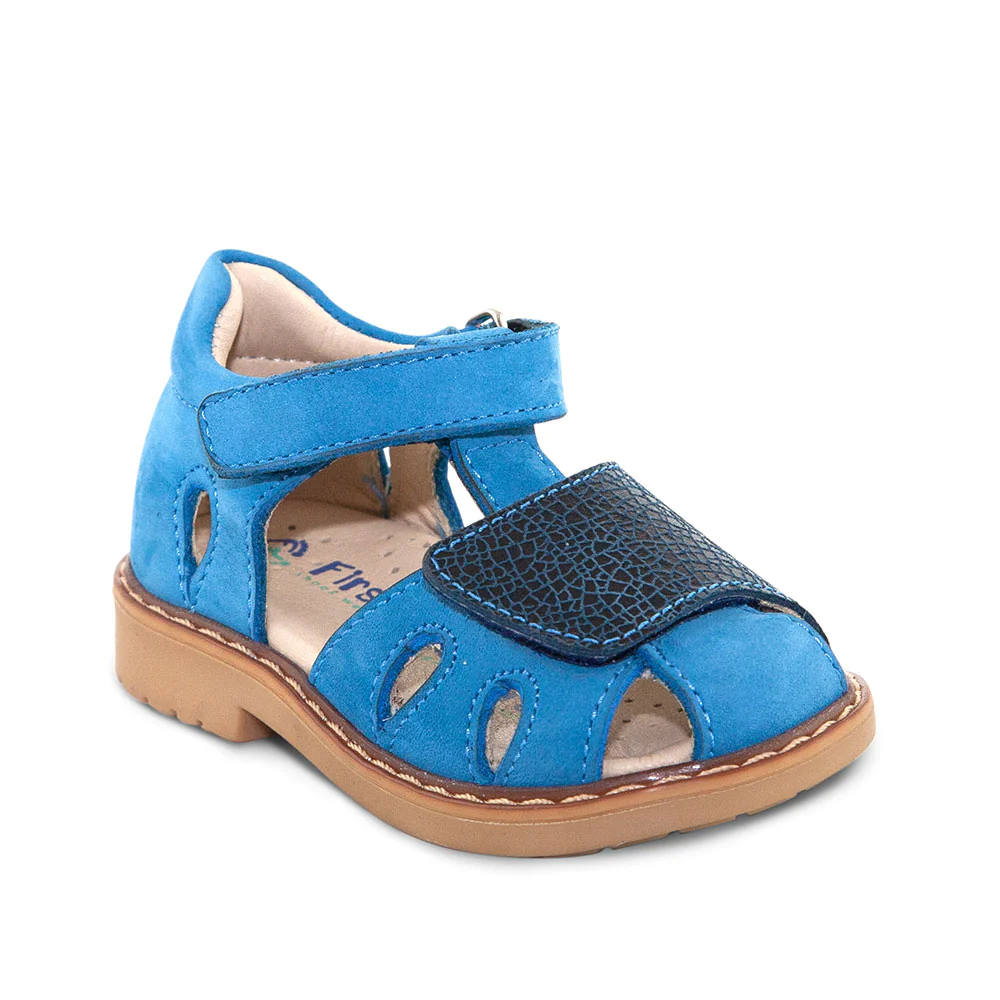
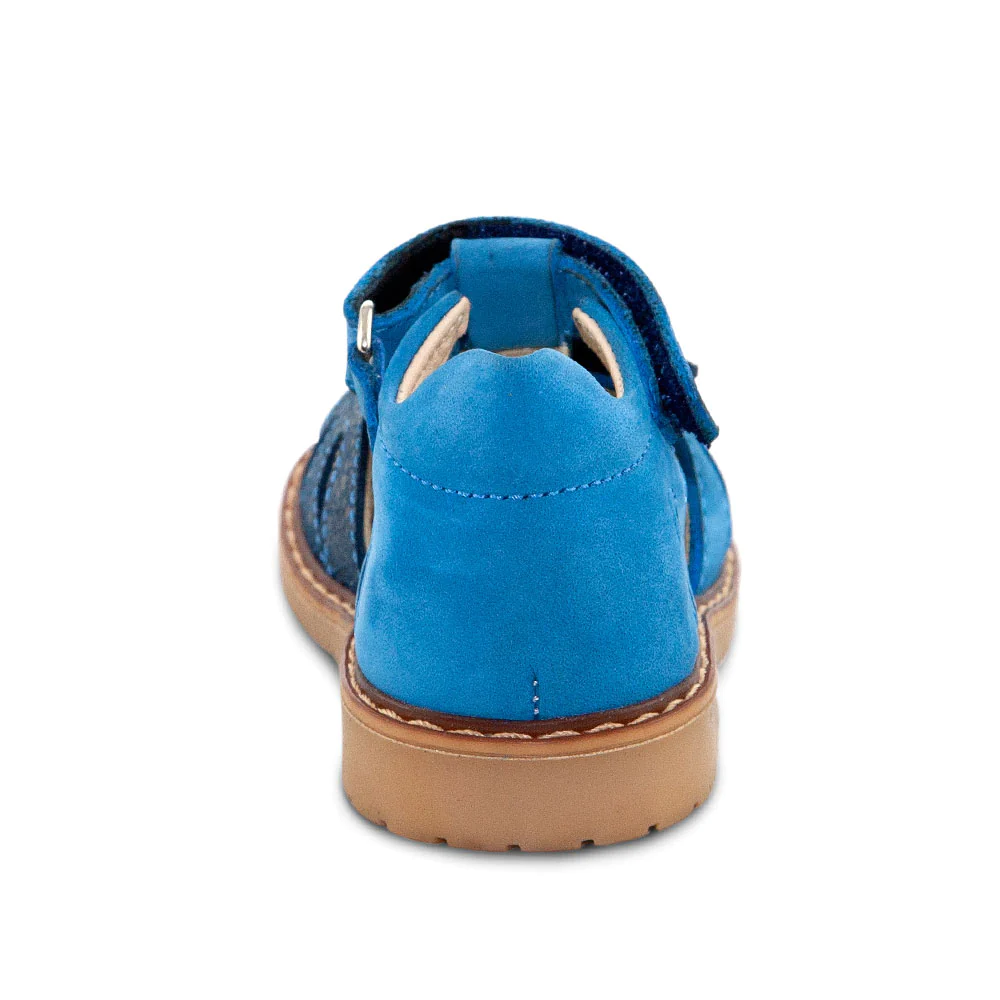
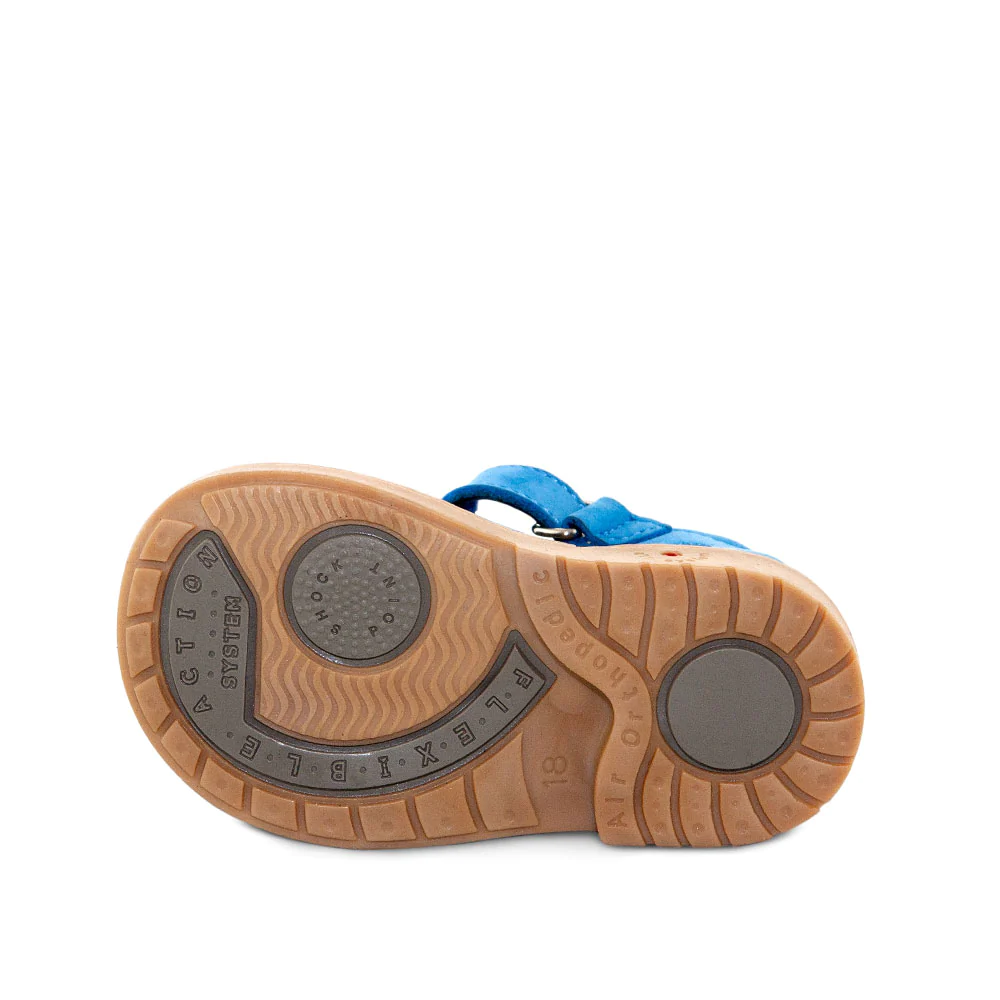
Jody Zephyr Splenda Sandals
Velcro straps for easy on/off.
Material
Leather + Nubuck Leather
Type
High-top sandals
Sizes
2–11 AU
Features
- Three adjustable Velcro straps
- Extended ankle support
- Anti-bacterial insoles
- Shock-absorbent thermoplastic outsoles
- High built-in arch support
- Air valves for moisture reduction
- Thomas heel
Why they are a top pick
The sleek navy blue design combined with comfortable shock-absorbent soles makes them perfect for everyday wear.
Whether it's a casual stroll around the neighborhood or a fun-filled day at the park, Dainty Luke Sandals give the perfect balance of style and support.
The extra padding and high-top design ensure that little feet stay comfortable and secure, promoting healthy foot development.
10
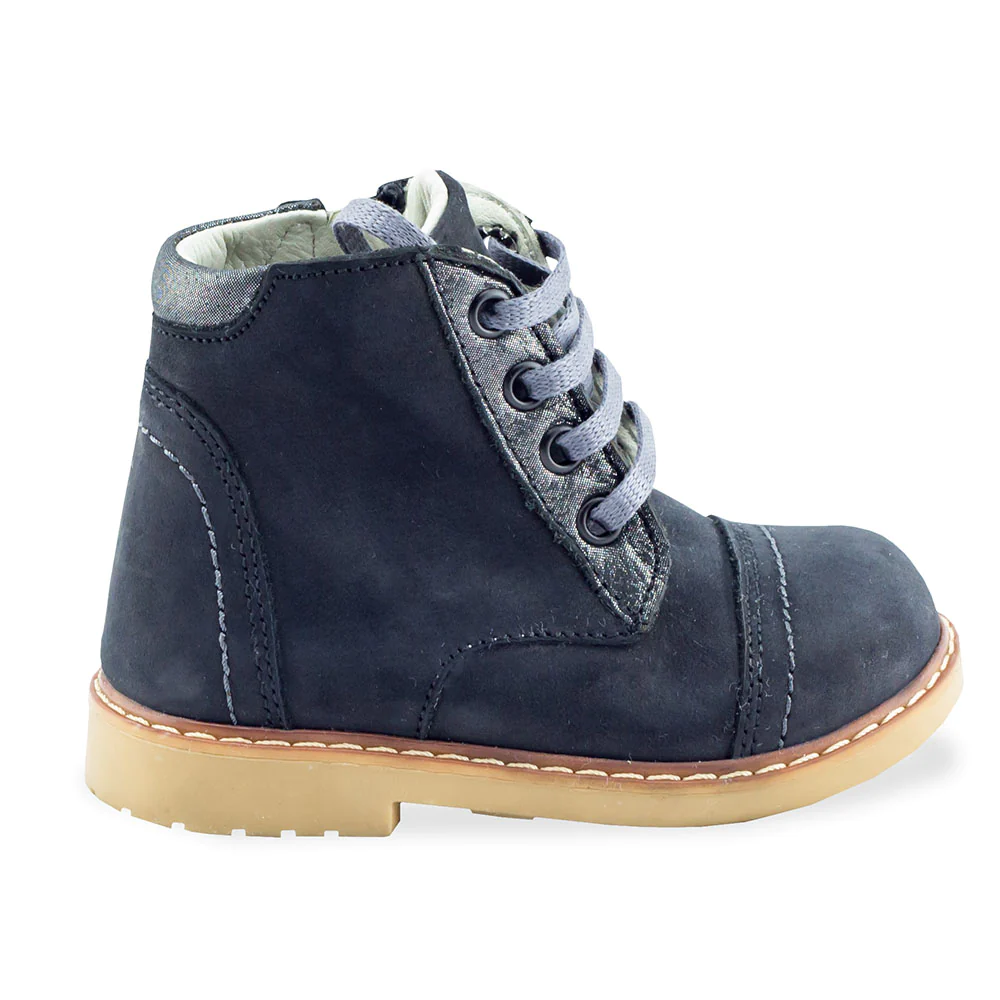
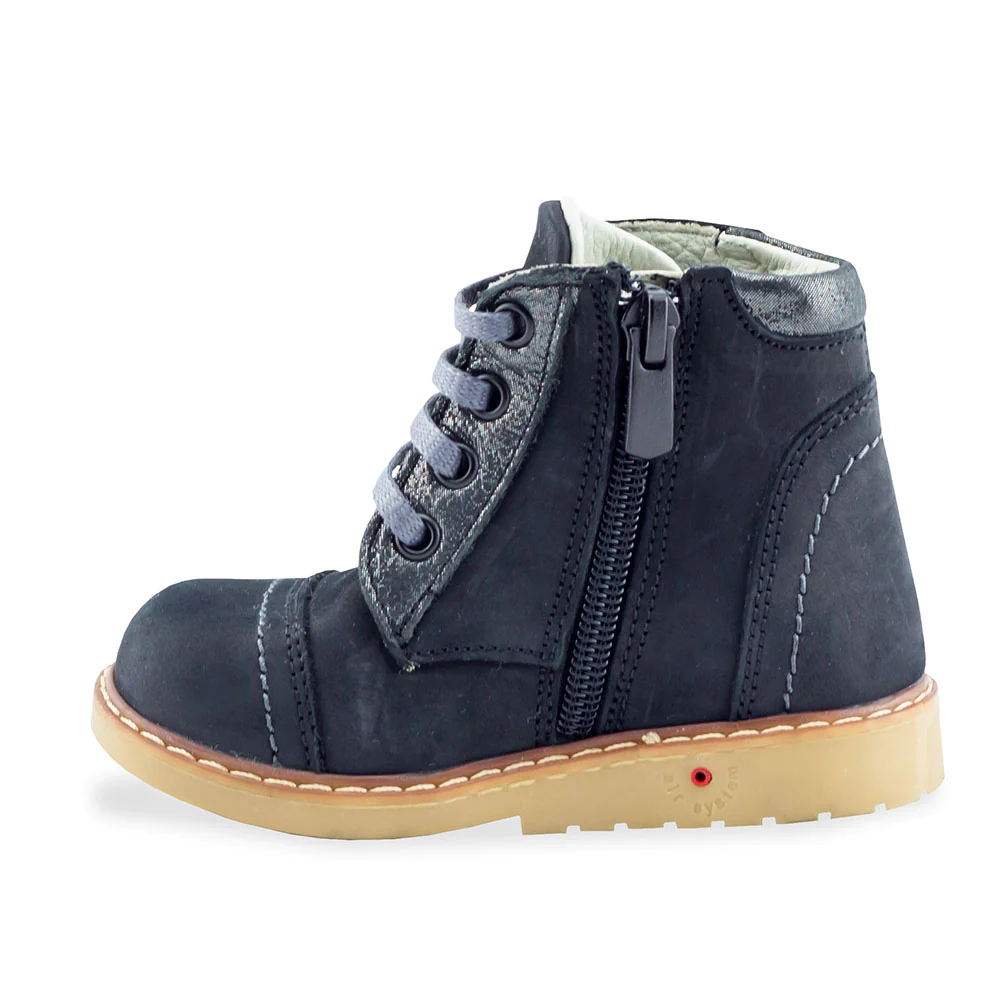
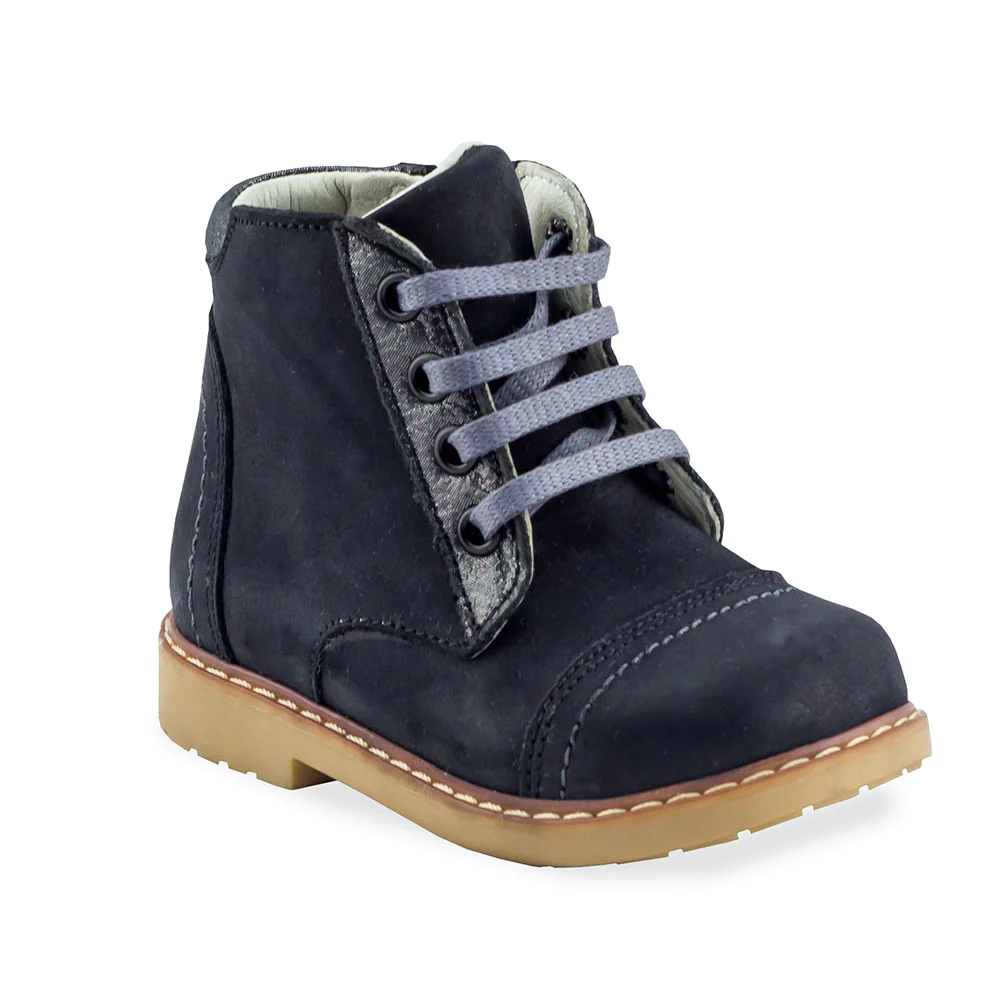
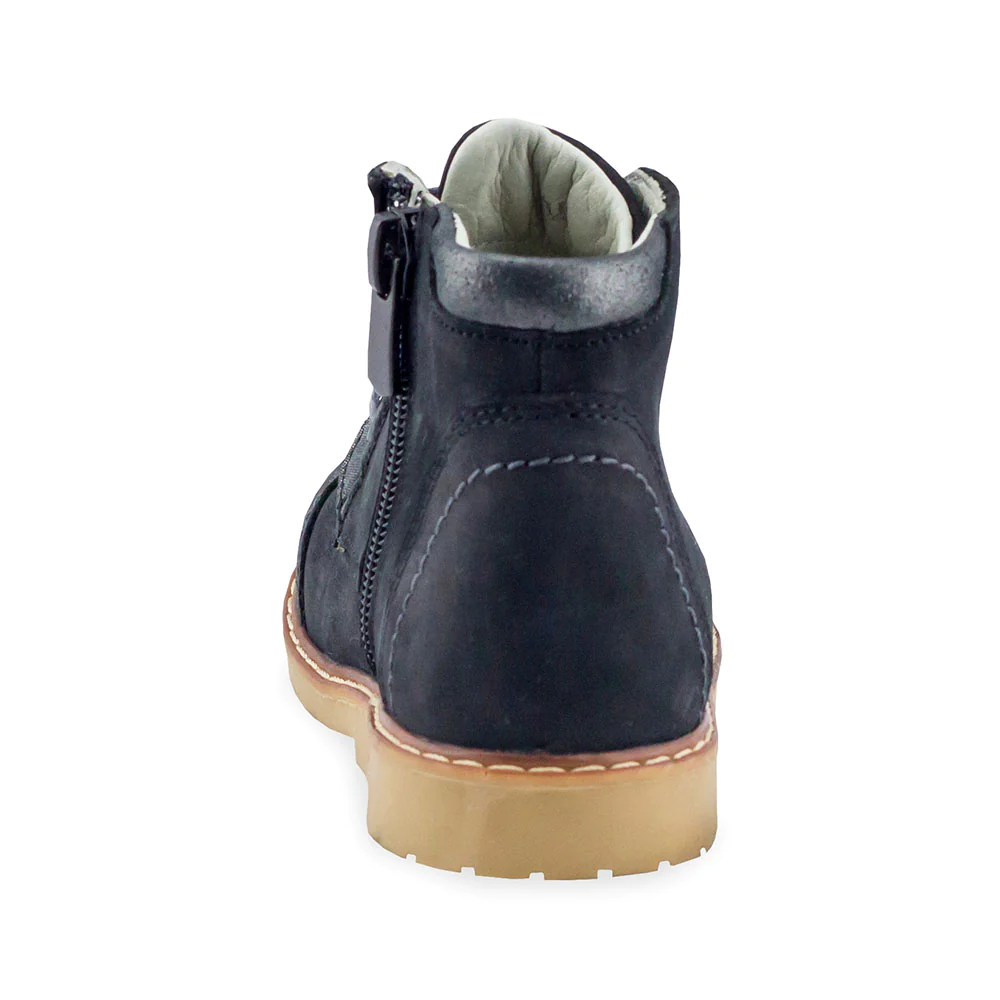
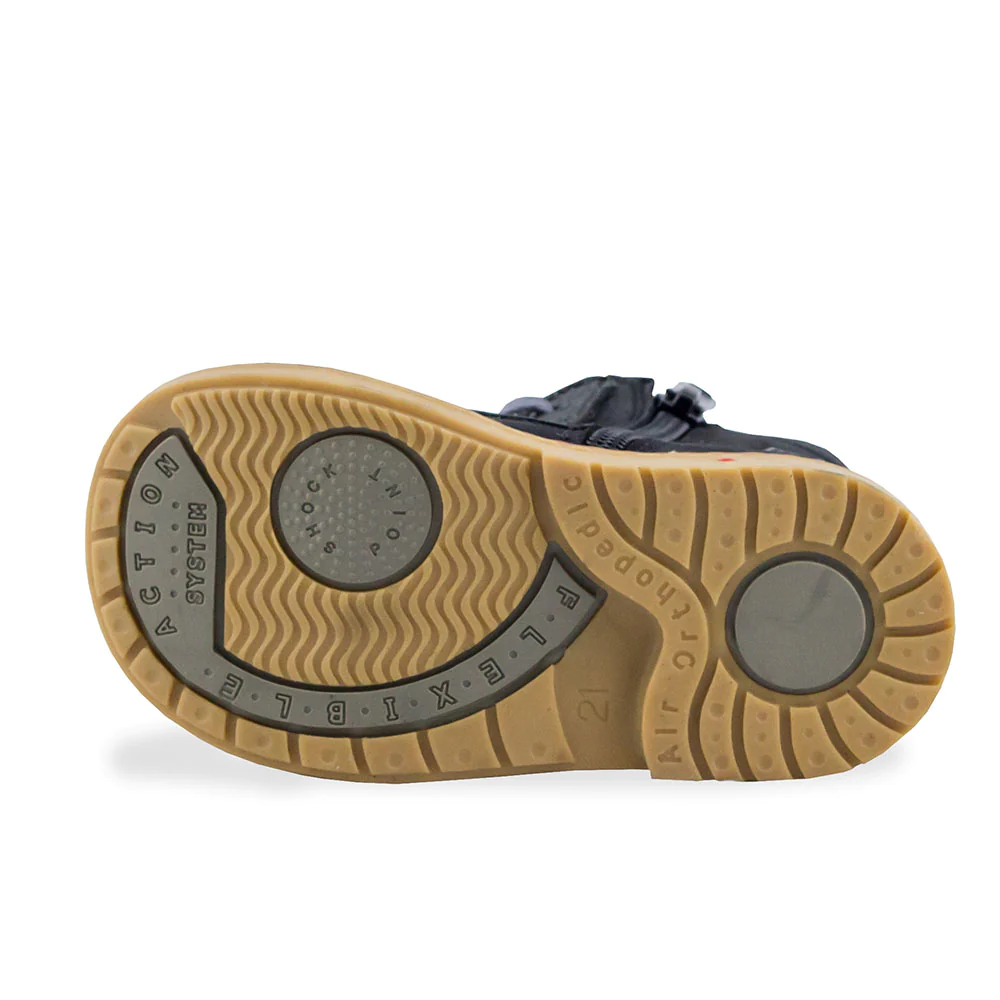
Graphite Jacob Boots
Durable nubuck leather for extra protection.
Material
Nubuck leather
Type
Boots
Sizes
2–11 AU
Features
- Shoelaces + Zipper
- Extended ankle support
- Anti-bacterial insoles
- Shock-absorbent thermoplastic outsoles
- High built-in arch support
- Air valves for moisture reduction
- Thomas heel
Why they are a top pick
Graphite Jacob Boots are easy-to-clean, all-weather orthopaedic boots designed to withstand all weather and activities. Made from durable dark grey nubuck leather, they offer protection from marks, ideal for non-stop wear.
They provide a secure fit and support your child’s feet during the crucial learning-to-walk phase, making them a top choice for parents and one of the best shoes for babies starting to walk.
How To Pick Shoes for Babies Learning To Walk
When choosing shoes for kids learning to walk, consider the following tips:
- Flexible Soles: Opt for shoes with flexible soles that allow natural movement and proper foot development.
- Proper Fit: Ensure the shoes have enough room for the toes to wiggle and grow. There should be about a thumb's width of space between the longest toe and the front of the shoe.
- Secure Closure: Look for shoes with secure closures such as Velcro straps or laces to provide stability and prevent slipping.
- Lightweight and Breathable: Choose lightweight and breathable materials to keep your child's feet comfortable and prevent overheating.
- Non-Slip Outsoles: Check for shoes with non-slip outsoles to provide traction and reduce the risk of falls.
When your little one wears shoes that don't fit, it can lead to foot problems such as hammer toes, calluses, bunions, and warts.
» Find out how to measure your child's feet for shoes
Happy Feet, Happy Walking
Your little explorer's journey begins with those magical first steps! Equipping them with the right footwear isn't just about protection—it's about empowering their natural curiosity and development.
At First Walkers, we believe every wobble and toddle is a step toward independence. Our thoughtfully curated collection combines protection and support with adorable designs, ensuring your baby's feet are ready for every milestone ahead.
References
1. Barefoot babies. (2024, November 5). Barry University School of Podiatric Medicine. https://www.barryfootandankleinstitute.com/blog/barefoot-babies
2. Wang, Y., Jiang, H., Yu, L., Gao, Z., Liu, W., Mei, Q., & Gu, Y. (2023). Understanding the role of children’s footwear on children’s feet and GAIT Development: A Systematic scoping review. Healthcare, 11(10), 1418. https://doi.org/10.3390/healthcare11101418
3. Chang, C., Kubo, M., Buzzi, U., & Ulrich, B. (2005). Early changes in muscle activation patterns of toddlers during walking. Infant Behavior and Development, 29(2), 175–188. https://doi.org/10.1016/j.infbeh.2005.10.001
Disclaimer: First Walkers' information is intended for educational and informational purposes related to toddler footwear and feet. We encourage you to consider individual circumstances and consult qualified orthopaedists about specific conditions.
FAQs
Do babies need shoes when learning to walk?
Not initially. Babies develop best when they learn to walk barefoot on safe, clean surfaces. Barefoot walking builds stronger foot muscles and better balance through natural sensory feedback. Shoes become necessary after 4-6 weeks of independent walking when your baby wants to explore outdoors. Reserve shoes for protection from sharp objects, rough surfaces, and temperature extremes—not for indoor practice.
At what age should babies start wearing shoes?
Most babies need their first shoes around 12-15 months, after walking independently for 4-6 weeks. However, timing depends on your baby's development, not a specific age. Some babies walk at 9 months, others at 18 months. Wait until your baby walks confidently barefoot before introducing shoes. Then use them only for outdoor protection while maximizing barefoot time indoors.
How do I know if baby shoes fit correctly?
Check for a thumb's width of space (1-1.5 cm) between your baby's longest toe and the shoe's front. The heel should stay in place without slipping when walking. Your baby should be able to wiggle toes freely. Watch for red marks after wearing—these indicate the shoes are too tight. Recheck fit every 6-8 weeks since baby feet grow about half a size every 2 months before 18 months.
My baby won't walk in shoes—what should I do?
This is normal and often means the shoes feel restrictive compared to barefoot. Try softer, more flexible shoes that mimic barefoot walking better. Let your baby wear them for short periods (10-15 minutes) indoors first to adjust. Make sure shoes aren't too tight or heavy. Some babies resist shoes for weeks—that's okay. Prioritize barefoot time and use shoes only when outdoor protection is truly needed.
How often do babies outgrow shoes?
Before 18 months, babies' feet grow more than half a shoe size every 2 months. This means you'll likely need new shoes every 2-3 months during this rapid growth phase. Check fit every 6-8 weeks by pressing the toe area and watching for signs like red marks, resistance to wearing shoes, or walking differently. Growth slows after 18 months to about one full size every 3-4 months.
What's the difference between first walker shoes and regular toddler shoes?
First walker shoes prioritize flexibility over structure. They feature ultra-flexible soles, wider toe boxes, and minimal cushioning to mimic barefoot walking. Regular toddler shoes (for confident walkers 18+ months) can have slightly more structure and support since the child's walking pattern is established. First walkers shouldn't have arch support—babies' arches are still developing naturally and don't need artificial support.
What should I look for in shoes for toddlers learning to walk?
Look for flexible soles that bend with foot movement, wide toe boxes for natural toe spread, secure closures like Velcro preventing slippage, and lightweight breathable materials under 4 ounces. Avoid stiff soles, narrow designs, heavy constructions, and anything with built-in arch support. Toddlers' arches are still developing naturally and don't need structured support. The best learning-to-walk shoes protect feet while allowing natural movement patterns.
Are expensive baby shoes worth it for learning to walk?
Not necessarily. Price doesn't guarantee proper features. Some expensive designer baby shoes have stiff soles and narrow toe boxes—exactly what you don't want. Focus on the features that matter: flexibility, proper fit, lightweight materials, and wide toe boxes. Many mid-range brands offer these features without premium prices. Since babies outgrow shoes every 2-3 months, investing heavily doesn't make financial sense unless the shoes meet all developmental criteria.