
Is it Bad for Toddlers to Wear Shoes That Are Too Big?
It's bad for toddlers to wear big shoes. Oversized shoes cause stumbling, muscle imbalances, delayed gait development, and painful blisters. The proper fit allows 1-1.5cm of space at the toe—any more creates safety and developmental risks.




Updated December 2, 2025
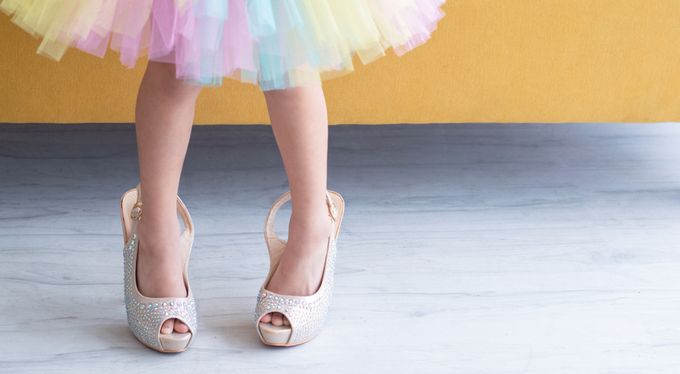
Did you know 65% of kids wear the wrong shoe size [1]? Toddlers grow at lightning speed, so there's a temptation to buy big shoes to save money.
Many parents wonder whether it's harmful for toddlers to wear shoes that are too big—and the answer is a clear yes, with specific risks for foot development and injury.
Most parents don't realize that loose-fitting footwear poses real dangers. Let's look at the hidden risks of letting your tiny tots wear big shoes and how to ensure your toddler's shoes encourage healthy growth instead.

Meet the Expert
Babafemi Adebajo is a qualified physiotherapist and is currently pursuing a Master's degree in the same discipline. He has over ten years of experience writing about health and wellness.
Why Proper Shoe Sizing Matters for Toddlers
Your toddler's shoes must fit properly because if they don't, it leads to instability, making them more prone to stumbles and falls. A toddler wearing shoes too big shows specific physical behaviors—heel slippage, altered gait, and compensatory toe gripping.
When toddler shoes are too big, your child can't control their movements properly. The shoe moves independently from their foot, creating a disconnect between what their brain tells their foot to do and what actually happens.
If shoes are too tight, that's also a problem; they limit natural movement and cause discomfort. But oversized shoes create a different set of dangers that many parents don't anticipate.
Signs Your Toddler's Shoes Are Too Big
Watch for these warning signs:
- Heel lifts out of the shoe during walking is the most obvious sign of oversized shoes
- Frequent tripping and stumbling more than usual, especially on flat surfaces
- Dragging feet when walking and shuffling instead of lifting feet properly because the shoes are too heavy or awkward
- You can see your child's foot sliding forward and backward while walking
- Your child complains about discomfort, they ask to take their shoes off frequently, or they resist putting them on
If you notice two or more of these signs, it's time to reassess the fit.
The Impact of Oversized Shoes on Your Little One
When toddlers wear shoes that are bigger than their size, it can result in:
- Stumbling and Tripping: Loose-fitting shoes will cause instability and reduce coordination, potentially leading to falls, which can lead to ankle sprains
- Muscle Imbalance: To grip the shoe and prevent it from falling off, toddlers may need to overexert certain muscles, leading to those muscles becoming stronger and causing imbalances between the agonists and antagonists
- Delayed Gait Development: Difficulty controlling the shoe can delay the development of correct walking patterns, causing an altered gait
- Skin Irritations: Rubbing against the oversized shoe while trying to keep the shoe imposition on the feet can also cause painful blisters and skin irritations
- Long-term Problems: Wearing oversized shoes during toddler years contributes to bunions, hammertoes from constant toe gripping, and gait abnormalities that persist into adulthood
How Shoes Should Fit
The 1-1.5 cm thumb's width rule is the proper fit standard. Press your thumb at the front of the shoe while your child stands. There should be about a thumb's width (roughly 1-1.5 cm) between their longest toe and the shoe's end.
Any more than 1.5 cm becomes problematic. At 2 cm or more, you're dealing with oversized shoes that create all the issues we've discussed.
The heel should stay secure when your toddler walks—no lifting or sliding up and down.
The midfoot should feel snug but not tight. Your toddler should wiggle toes freely, but the middle of the foot should feel comfortably held.
Always measure your toddler's feet every 3-4 months. Feet grow 1-1.5 sizes per year during rapid development periods. What fit perfectly three months ago might be too small now.
Why the Right Shoes Matter
A well-fitting shoe supports proper gait patterns, aids muscle development, and prevents common issues like blisters and friction.
Specifically designed for toddlers just taking their first steps, orthopedic shoes are beyond style—they're meticulously crafted to ensure the right balance of support, cushioning, and stability for your toddler. Having a pair that fits properly is a solid step toward your toddler’s foot development and health.
References
1. marketing@healthia.com.au. (2020, November 26). Why 65%* of kids are wearing the wrong sized shoes – My FootDr. My FootDr. https://www.myfootdr.com.au/2020/01/why-65-of-kids-are-wearing-the-wrong-sized-shoes/
Disclaimer: First Walkers' information is intended for educational and informational purposes related to toddler footwear and feet. We encourage you to consider individual circumstances and consult qualified orthopaedists about specific conditions.
FAQs
How fast do toddlers' feet grow?
Toddler feet grow 1-1.5 sizes per year during peak development (ages 1-3). Between 12-24 months, expect size changes every 2-3 months. Measure every 3-4 months to ensure proper fit.
How much bigger should I buy my child's shoes?
Buy shoes with 1-1.5cm (thumb's width) between the longest toe and shoe end. This allows room for natural movement and slight growth without creating oversized fit problems. Don't buy "room to grow" beyond this.
What happens if toddlers wear shoes that are too big?
Oversized shoes cause stumbling, falls, blisters, and muscle imbalances from compensatory toe gripping. Long-term consequences include delayed gait development and potential foot deformities like bunions and hammertoes.
How do I tell if shoes are too big?
Watch for heel lifting during walking, frequent tripping, visible foot sliding inside the shoe, dragging feet, blisters from friction, and your child complaining about discomfort. Two or more signs mean shoes are too big.
Should you buy kids' shoes a size bigger?
No, don't buy a full size bigger. Buy shoes that fit now with 1-1.5cm of growth room built in. This gives you 2-3 months of wear. Buying a full size bigger creates immediate safety and development problems.
Are there special shoes for toddlers with wide feet?
Yes, many brands including First Walkers offer wide-width options (W or XW). Don't compensate by buying longer shoes—this creates "too big" problems while not addressing width needs. Look specifically for wide-width sizing.
Related Articles
7 Best Closed-Toe Sandals for Boys: Active Play Choices
Benjamin Aduwo
September 29, 2023
How to Find the Perfect All-Season Shoes for Your Child
Babafemi Adebajo
October 2, 2023

Orthotic Shoes, Sneakers and Boots for Kids in Winter
First Walkers
January 4, 2026
Idiopathic Toe Walking in Toddlers: Causes & Treatments
Jasrah Javed
December 10, 2024

10 Best Shoes for Kids With Sensory Issues: Gentle Support
First Walkers
November 17, 2025















