10 Running Shoes for Children With Dyspraxia: Steady, Secure Steps
Children with dyspraxia face unique challenges during running, including poor coordination, inconsistent foot placement, and reduced balance. Specialized running shoes with lightweight construction, midfoot stability, multi-directional grip, and secure fastening systems can significantly improve running performance.



Updated January 27, 2026
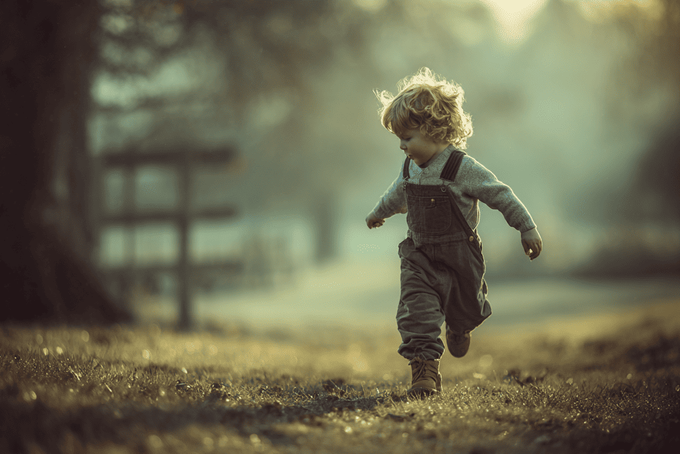
Does your child love to run but struggle to keep up with their friends? Do you notice their feet landing unpredictably, or that they tire faster than other kids on the playground?
If your child has dyspraxia, these challenges aren't about a lack of effort. Their brain processes movement differently, making running physically harder [1]. The good news is that the right running shoes can make a real difference.
We'll show you exactly which toddler shoes are best to support children with dyspraxia and why specific features matter for your child's confidence and safety.
Our Picks: Best Running Shoes for Children With Dyspraxia
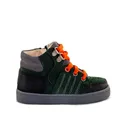
Henley Pollux Sneakers
The Henley Pollux combines high-cut ankle support with shock-absorbent outsoles, helping children maintain stability during transitions between classroom sitting and playground sprints.
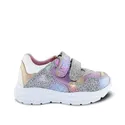
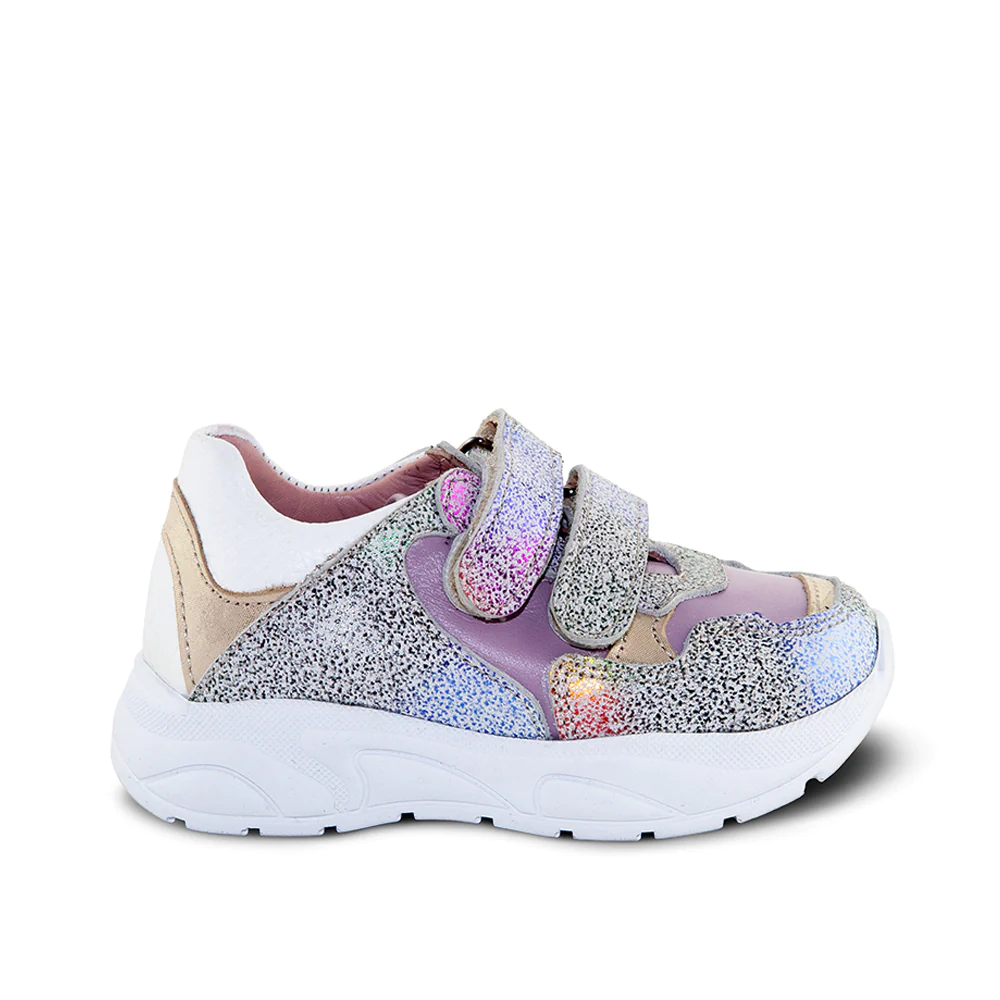
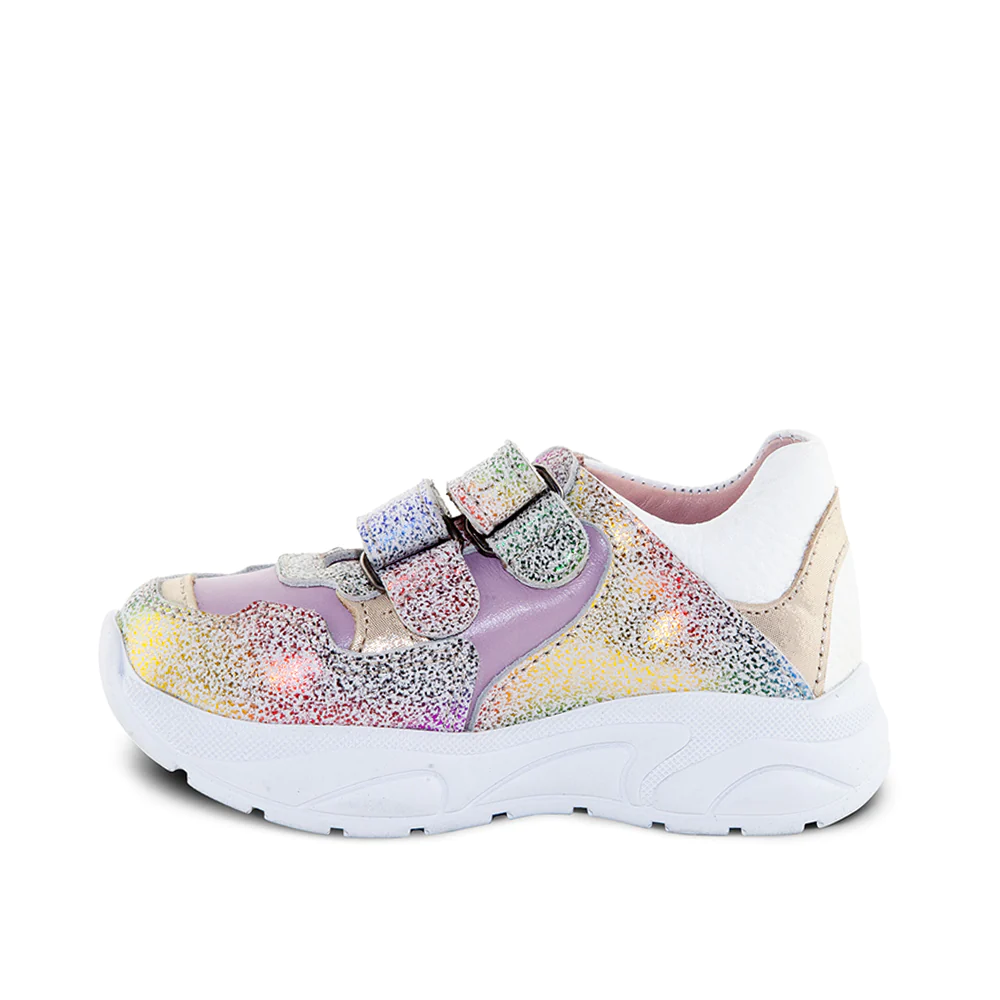
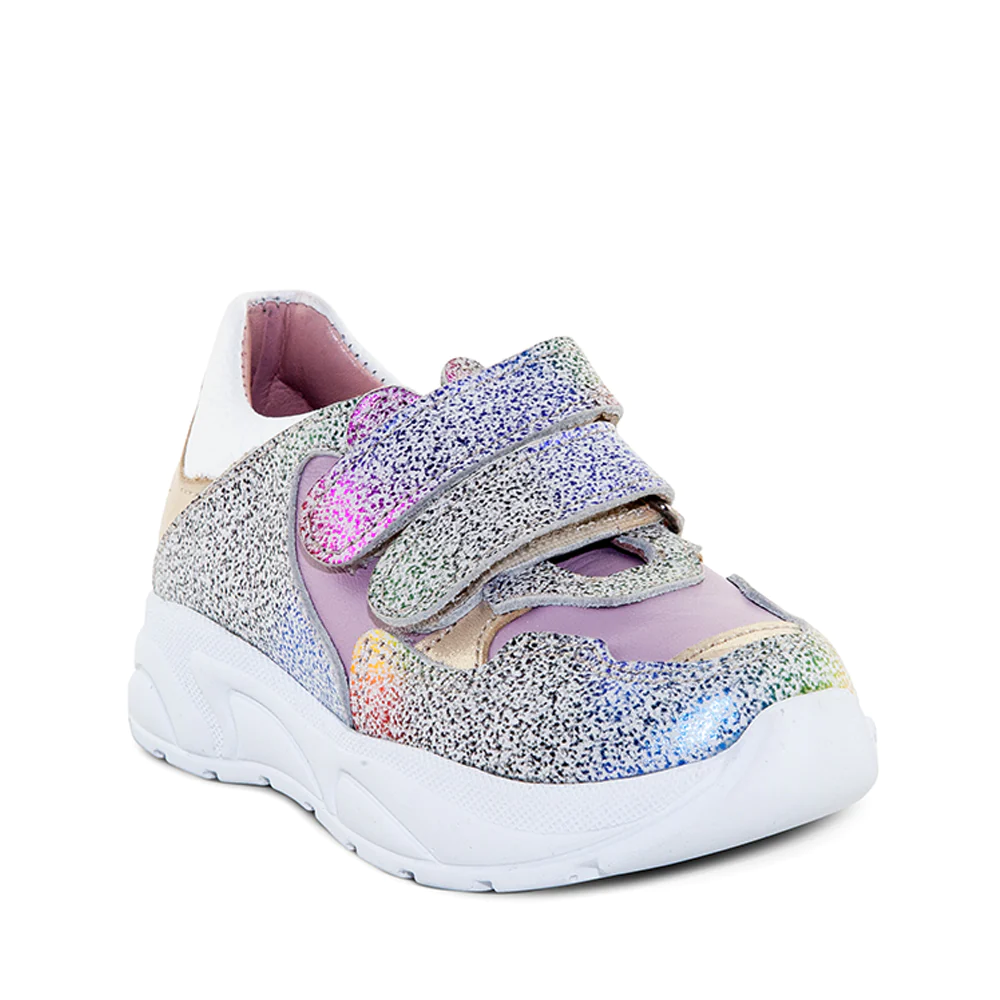
Lily Pearl Sneakers
Lightweight construction and flexible soles make the Lily Pearl ideal for children who need responsive footwear that doesn't add extra weight during tag games and races.
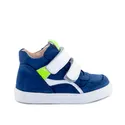
Mason Mid Sneakers
Extended ankle support and sustained cushioning help children with dyspraxia maintain comfort during long park visits and family outings.
Show more
Key Features Your Child Needs in Running Shoes for Dyspraxia
- Lightweight construction reduces energy costs and allows children to sustain activity longer before fatigue affects their gait.
- Midfoot stability and structured heel counters compensate for inconsistent foot placement and provide external support.
- Multi-directional grip patterns maintain traction regardless of foot landing angle during variable or abnormal gait patterns.
- Proprioceptive-enhancing features like textured insoles or moderate sole flexibility improve body awareness and balance.
- Motor-skill-appropriate fastening, like shoes with Velcro straps or elastic systems enable independence without fine motor frustration.
- Moderate cushioning balances in shoes will provide shock absorption with ground-feel to maintain proprioceptive feedback.
What to Avoid in Running Shoes for Children With Dyspraxia
- Overly Flexible Soles: They provide insufficient structural support for children whose neuromotor systems struggle with foot stabilization.
- Heavy, Bulky Construction: This forces additional energy expenditure that accelerates fatigue in children with already inefficient movement patterns.
- Collapsed or Soft Heel Counters: They allow uncontrolled rearfoot motion that amplifies instability during landing and stance phases.
- Excessive Cushioning: This dampens proprioceptive feedback and can destabilize children with postural control difficulties.
The 10 Best Running Shoes for Children With Dyspraxia
1
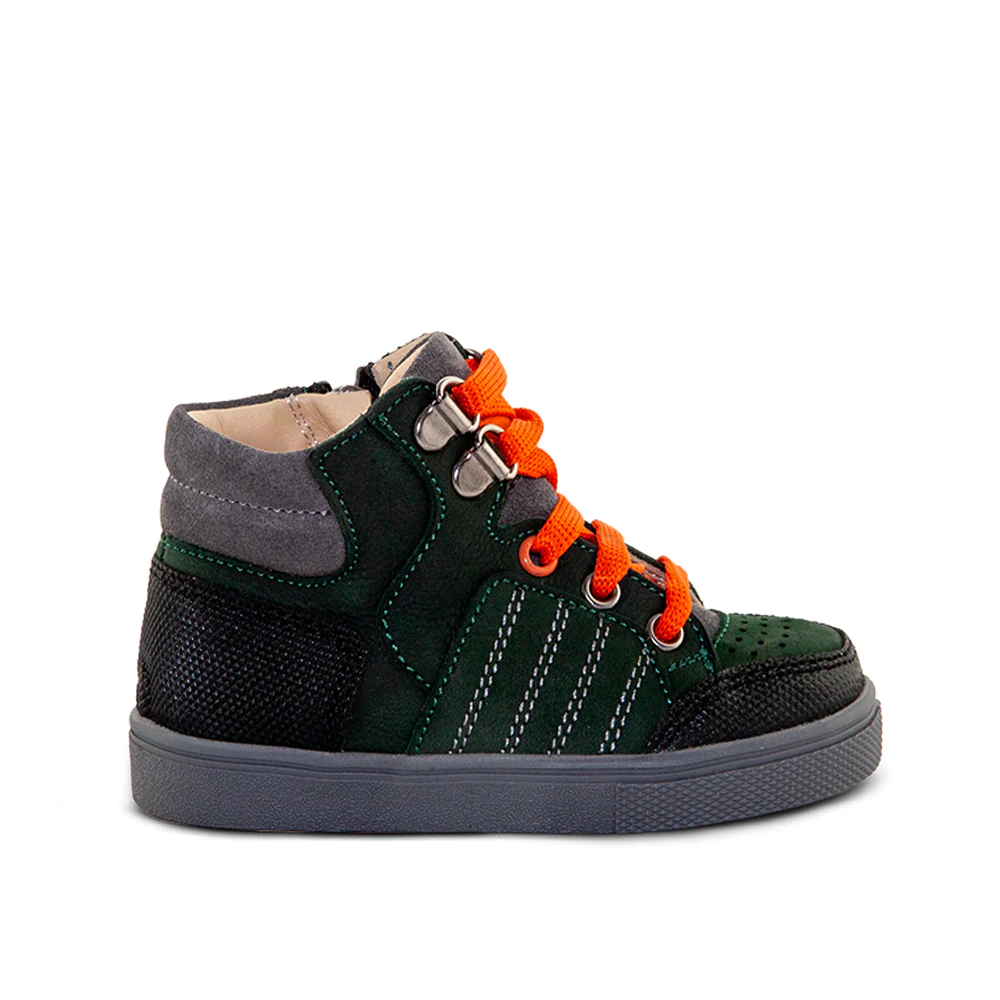
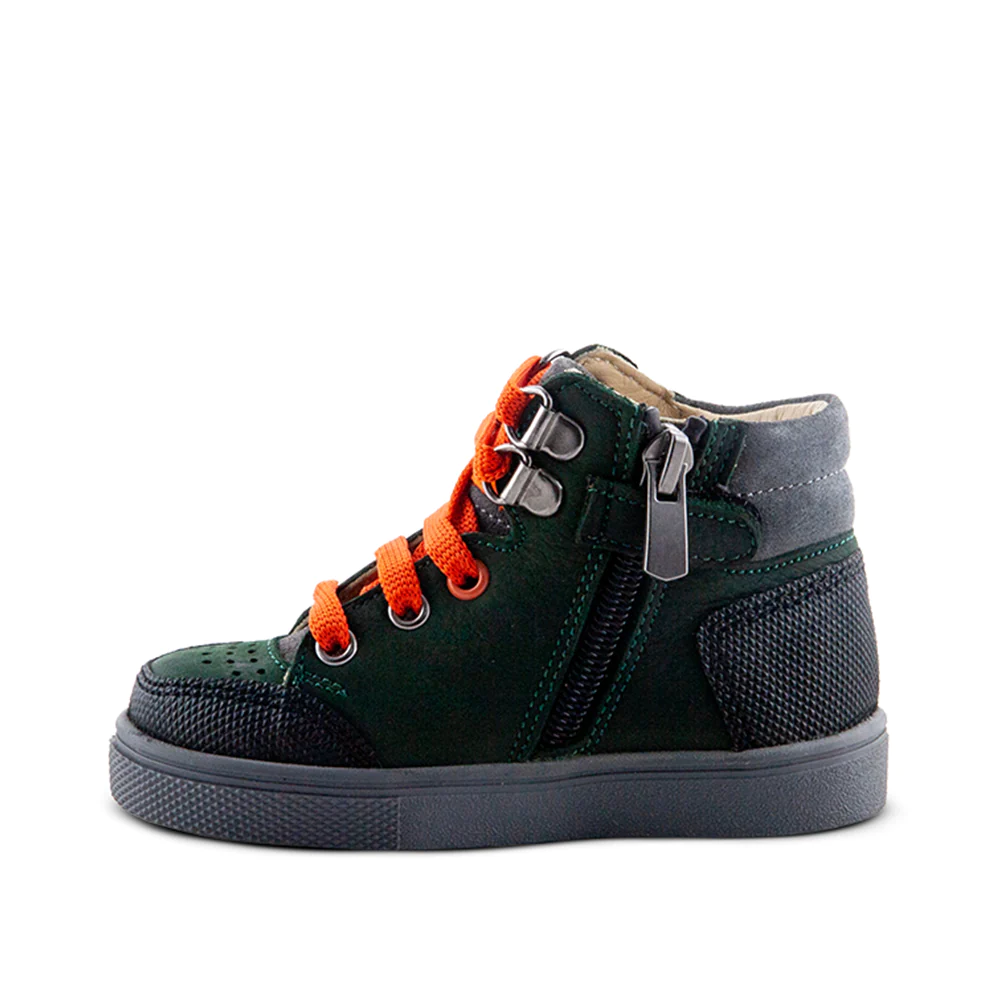
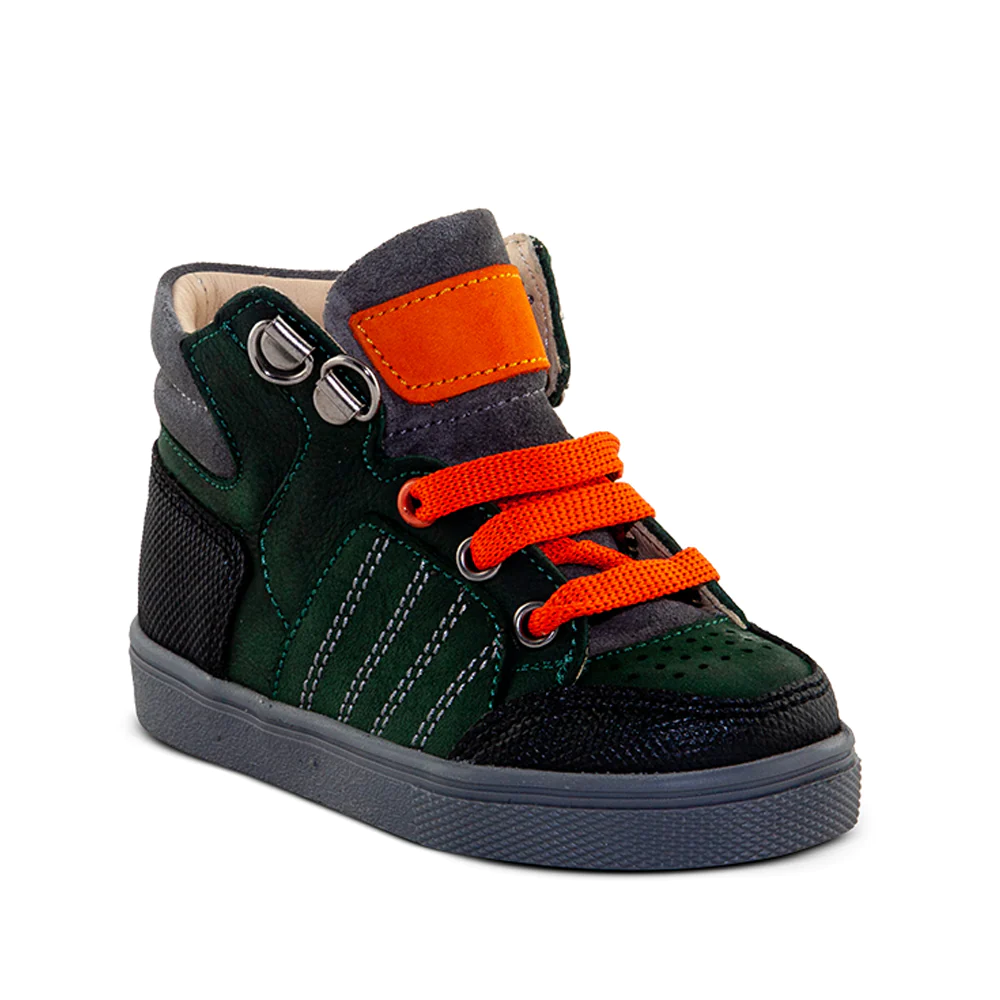
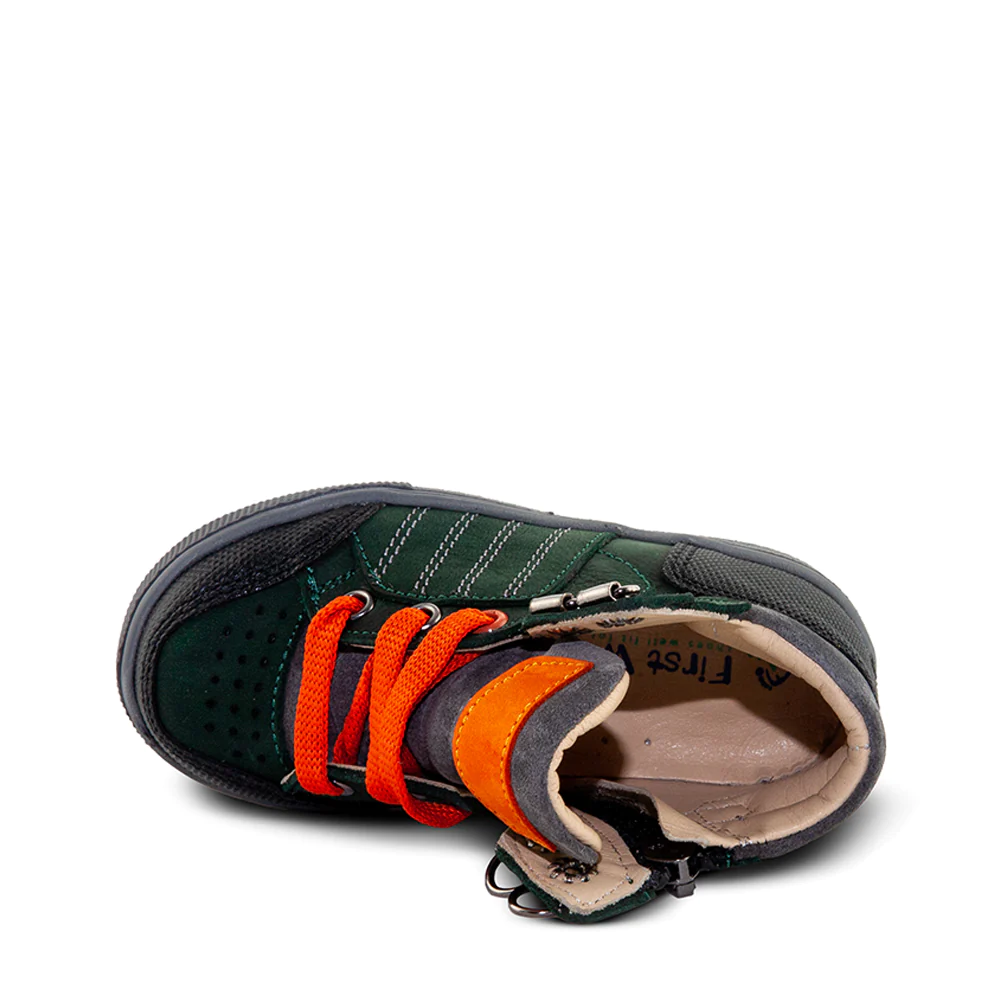
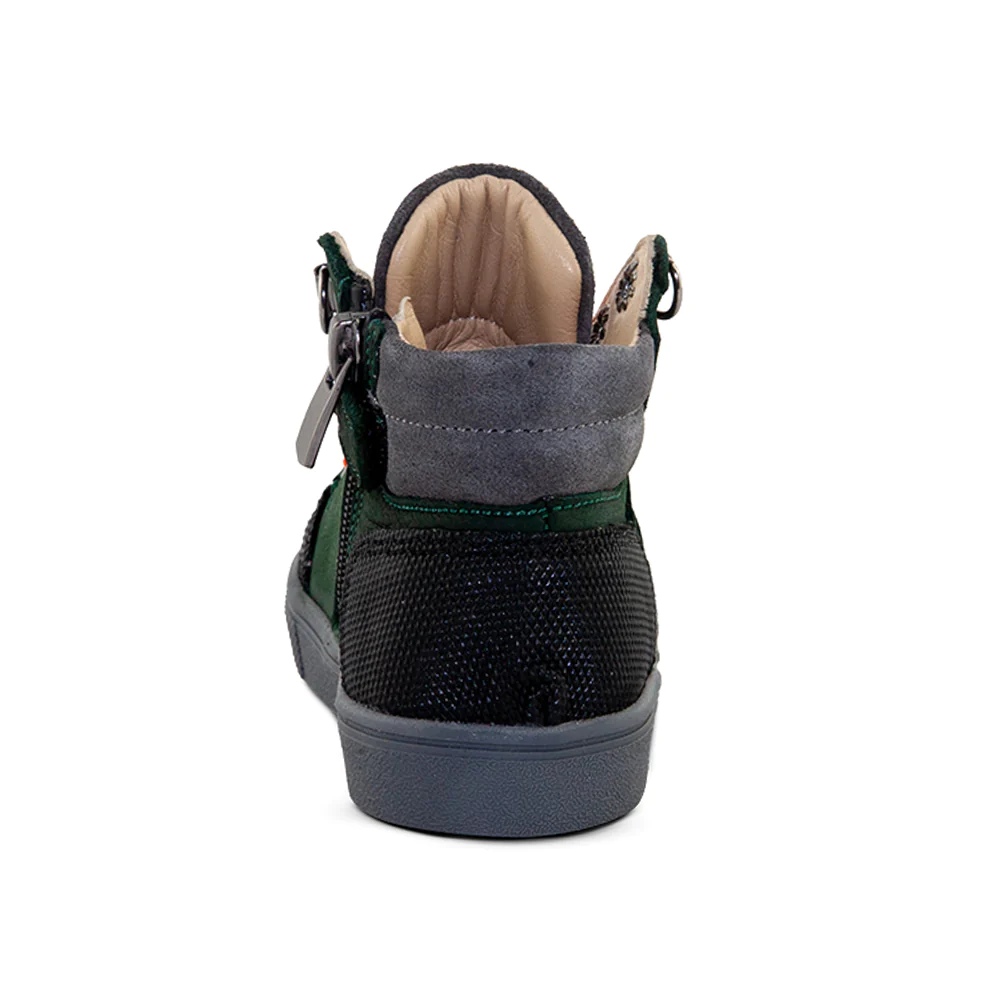
Henley Pollux Sneakers
Adventure-ready stability for every school day
Material
Nubuck Leather
Type
Sneakers
Size
9.5 (AU)
Why we chose this shoe:
- High-cut design provides extended ankle support for variable foot placement
- Dual-fastening system (laces plus zipper) enables independent wear without fine motor demands
- Shock-absorbent thermoplastic outsoles dampen impact without excessive cushioning
- Reinforced toe cap protects against drag-and-stub patterns
- Removable insole accommodates custom orthotics if prescribed
Why this shoe is best for children with dyspraxia:
If your child transitions between the classroom, playground, and walking throughout the school day, the Henley Pollux delivers consistent support across all these activities. The high built-in arch support works with the structured upper to maintain midfoot alignment during the stance phase, when children with motor coordination deficits are most vulnerable to collapse.
The nubuck leather upper resists the scuffs that happen when coordination difficulties cause foot drag, while the side zipper lets your child manage their own shoes without struggling with laces. You can pre-set the lace tension for optimal fit, then your child simply zips and goes.
2
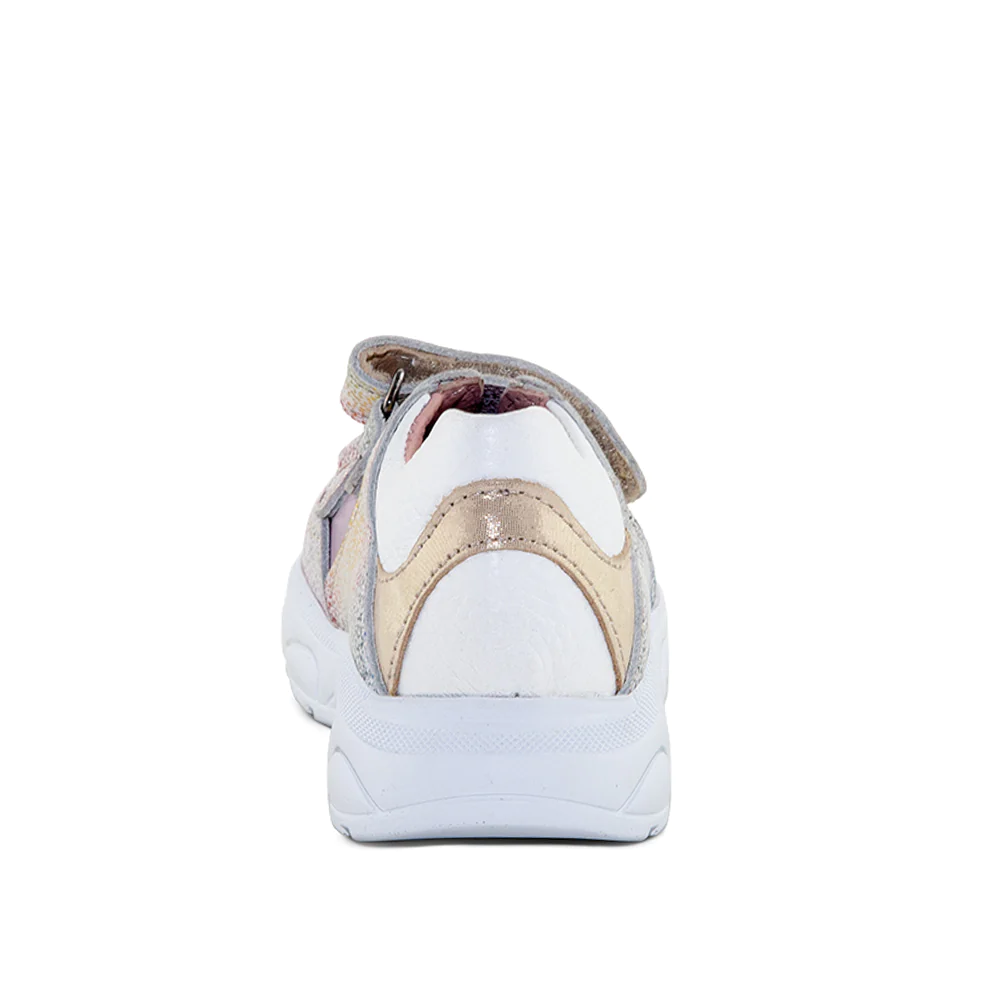
Lily Pearl Sneakers
Quick-response footwear for active play
Material
Leather
Type
Sneakers
Size
9.5 (AU)
Why we chose this shoe:
- Lightweight flexible sole doesn't fight natural push-off motion
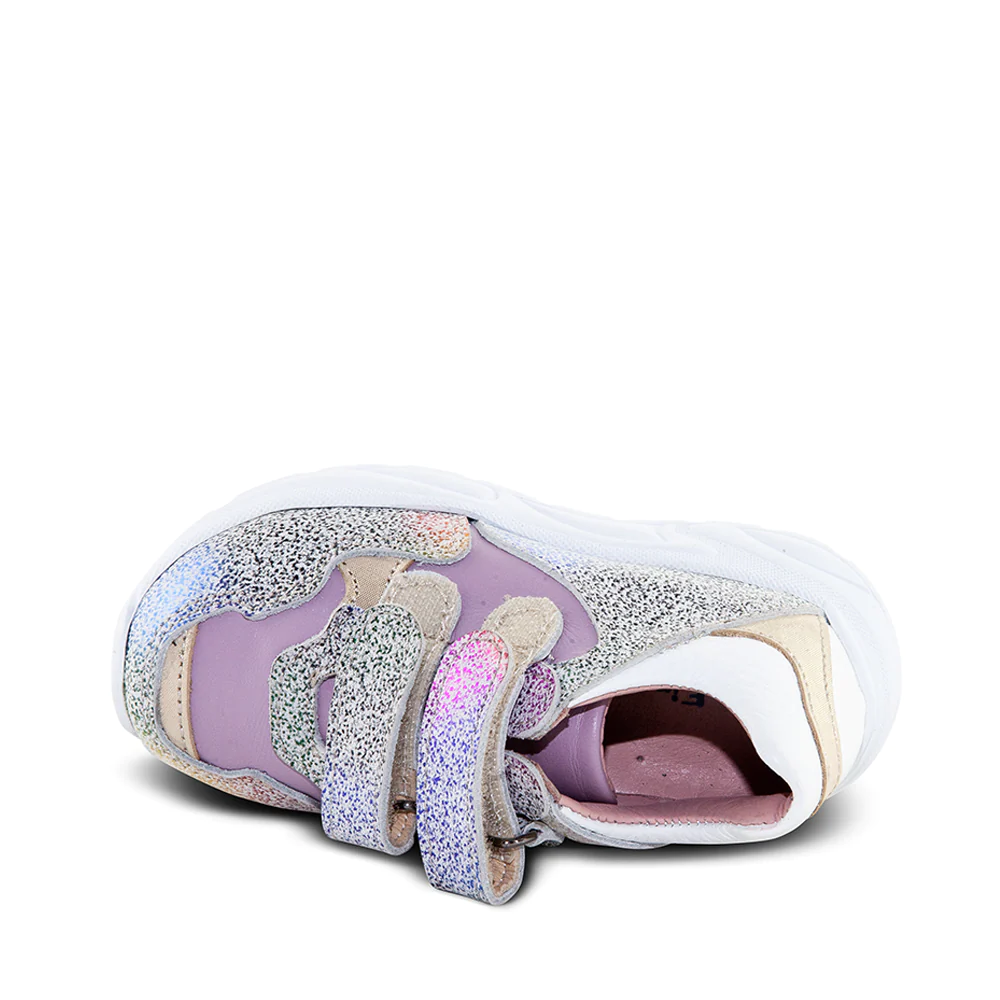
- Dual Velcro straps lock the foot securely for rapid directional changes
- The thermoplastic outsole provides ground contact feedback for better motor planning
- Soft European leather moulds to individual foot contours
- A regular-top profile permits ankle range of motion during sprinting
Why this shoe is best for children with dyspraxia:
If your child wants to join tag games and races to the climbing equipment, the Lily Pearl's minimal weight makes explosive movements easier.
Children with dyspraxia demonstrate slower sprint speeds due to reduced ankle power generation—every gram of unnecessary shoe weight makes this worse. The Lily Pearl allows your child's available propulsive force to create actual movement instead of fighting heavy footwear.
The flexible sole of the shoe bends naturally at the forefoot during toe-off, supporting rather than resisting the push-off motion that's already challenging for children with coordination difficulties.
Customer reviews specifically note effectiveness for hypermobile ankles that roll inward, giving real-world validation beyond manufacturer claims.
3
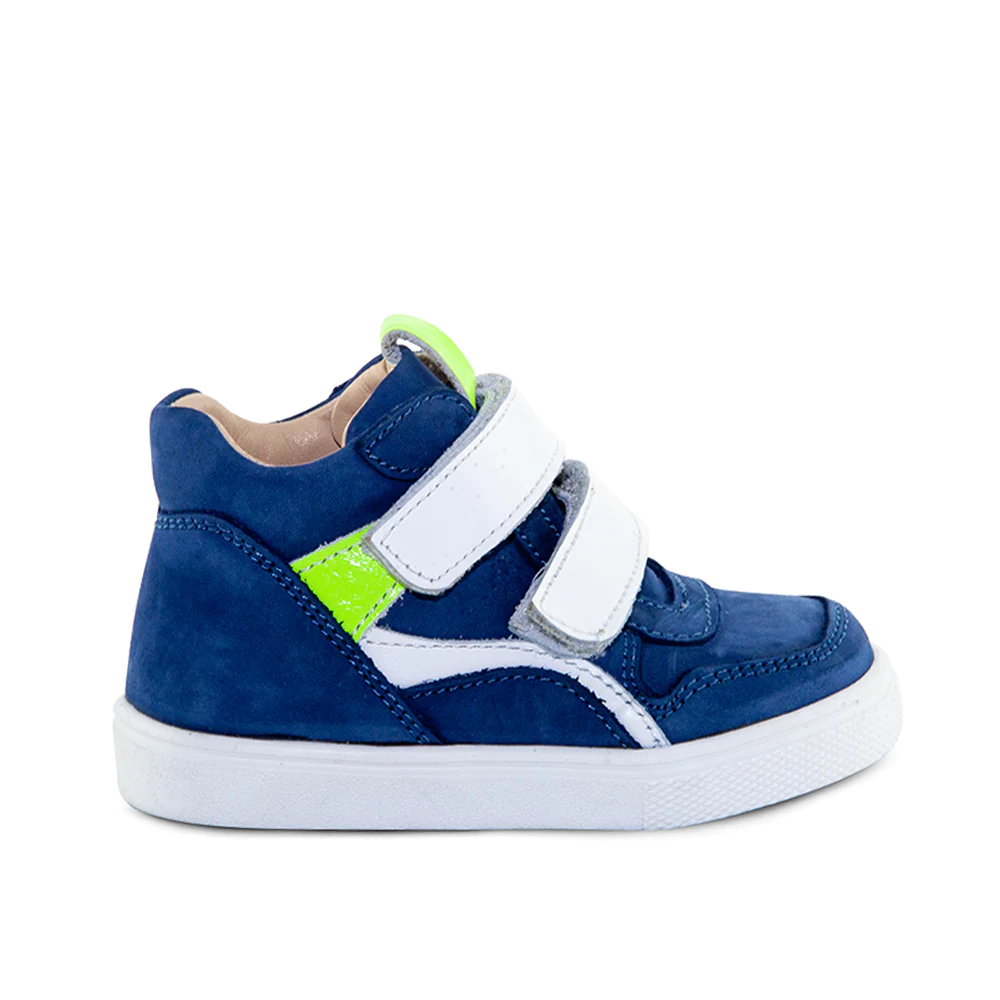
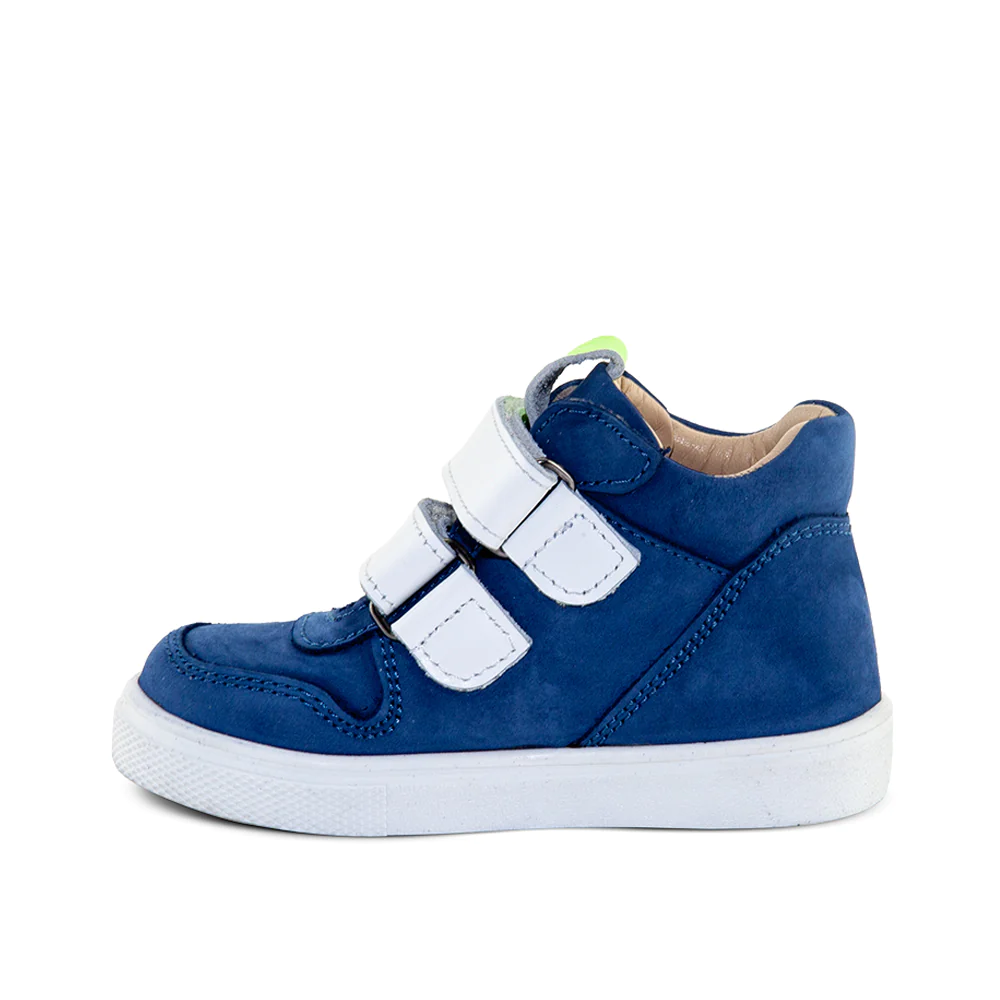
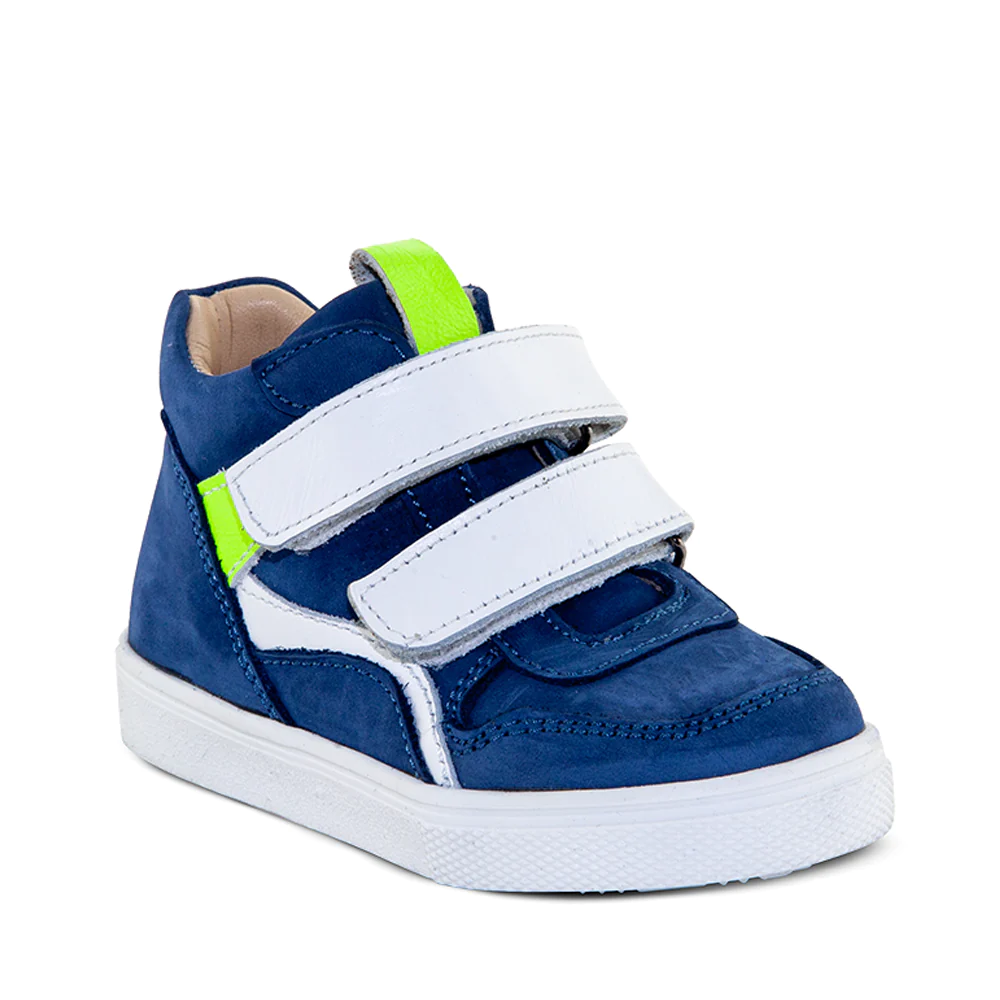
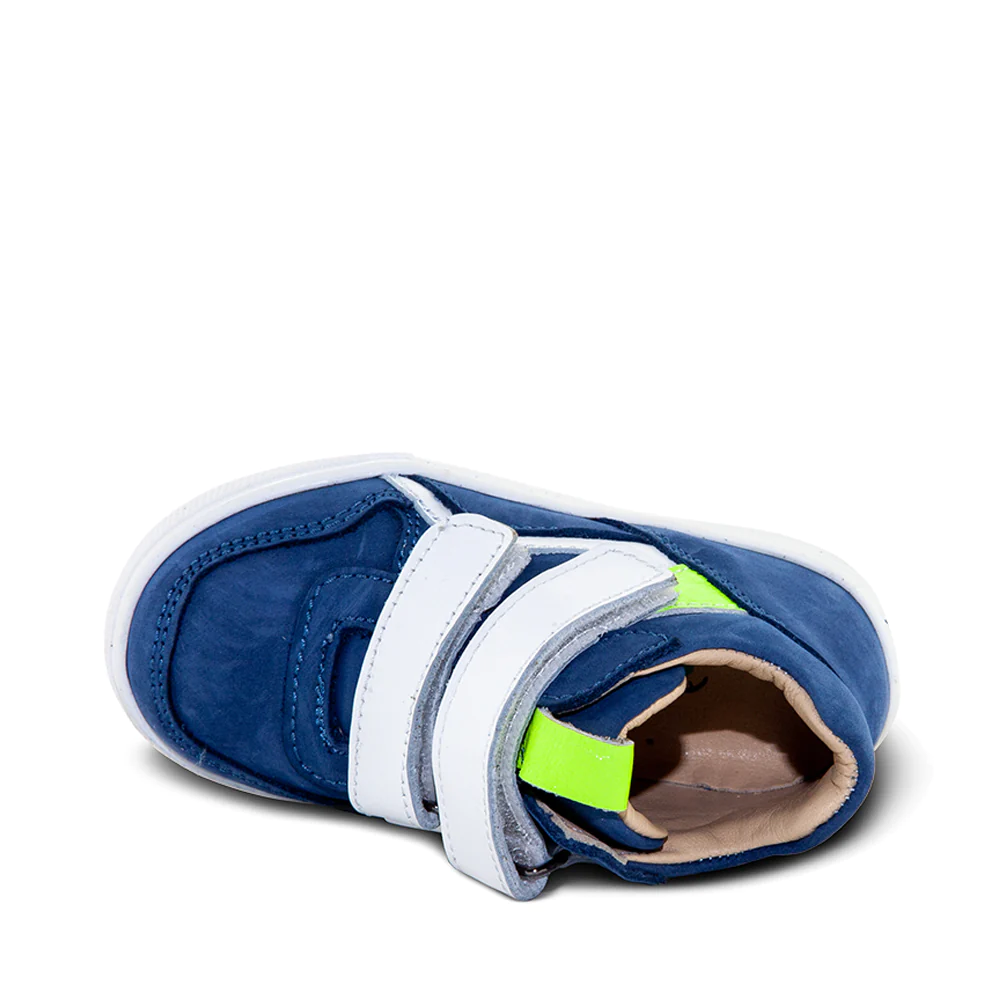
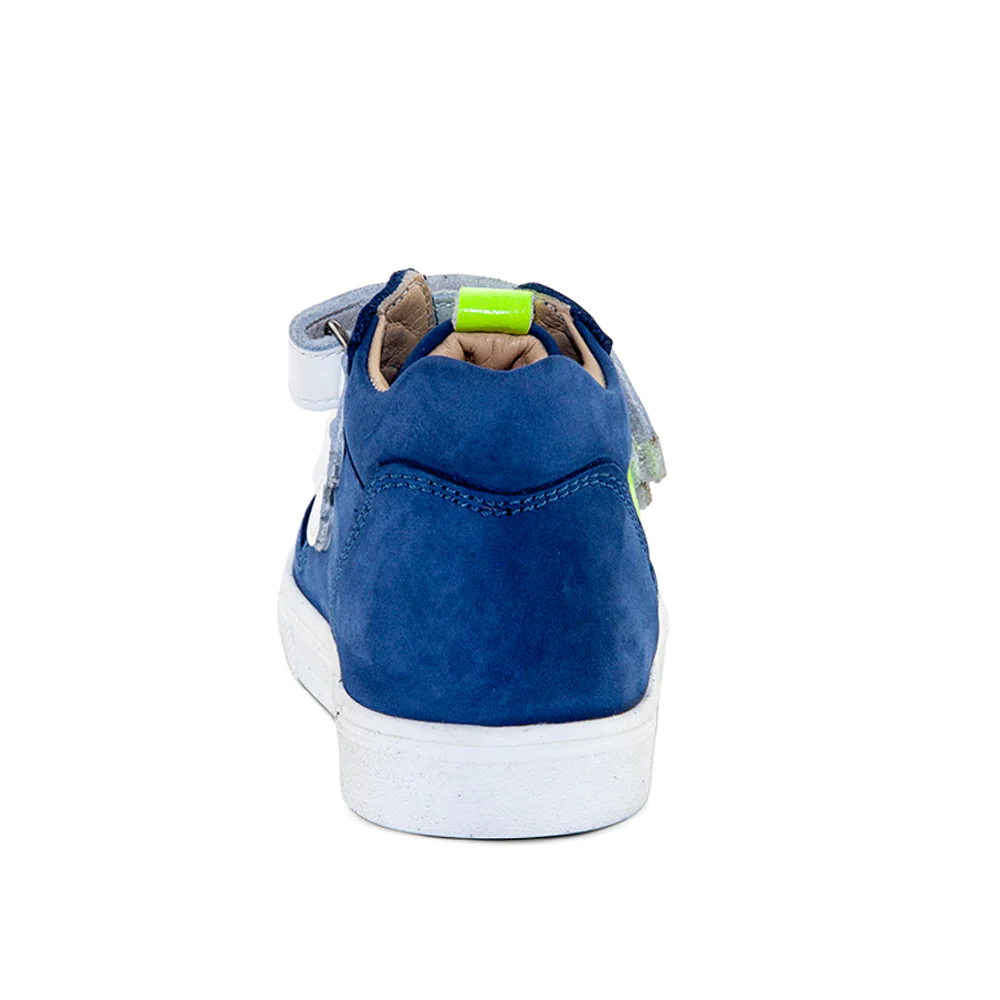
Mason Mid Sneakers
Long-lasting comfort for marathon play sessions
Material
Leather + Nubuck Leather
Type
Sneakers
Size
9.5 (AU)
Why we chose this shoe:
- Shock-absorbent cushioning maintains effectiveness over hours of activity
- Extended ankle support prevents the "loosening" sensation from fatigued muscles
- Dual-Velcro straps distribute pressure across two points
- The hybrid leather and nubuck upper provides durability in high-contact zones
- Removable insole compatible with prescribed orthotics
Why this shoe is best for children with dyspraxia:
If Saturday morning at the park stretches into a three-hour adventure, the Mason Mid sustains protective support from start to finish. Children with dyspraxia show reduced endurance during physical activity due to inefficient movement patterns—they need footwear that doesn't degrade as the day progresses. The Mason Mid's cushioning system absorbs cumulative ground reaction forces that would otherwise accelerate leg fatigue in children already working harder than their peers.
The shoes offer extended ankle support that wraps the joint during repetitive loading cycles, maintaining stability even when your child's muscles tire. The neutral colourway suits most Australian school uniforms, eliminating the need for separate "dress" and "play" shoes that would complicate your child's routine.
4
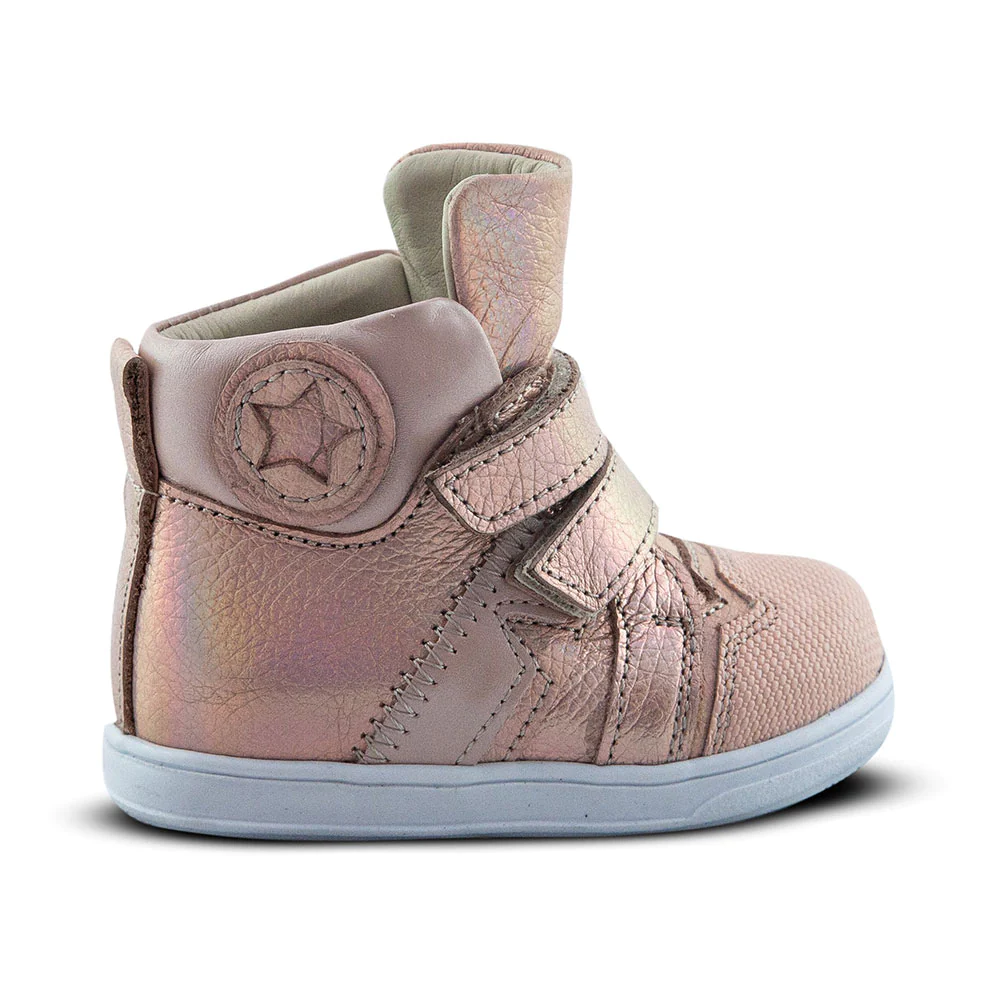
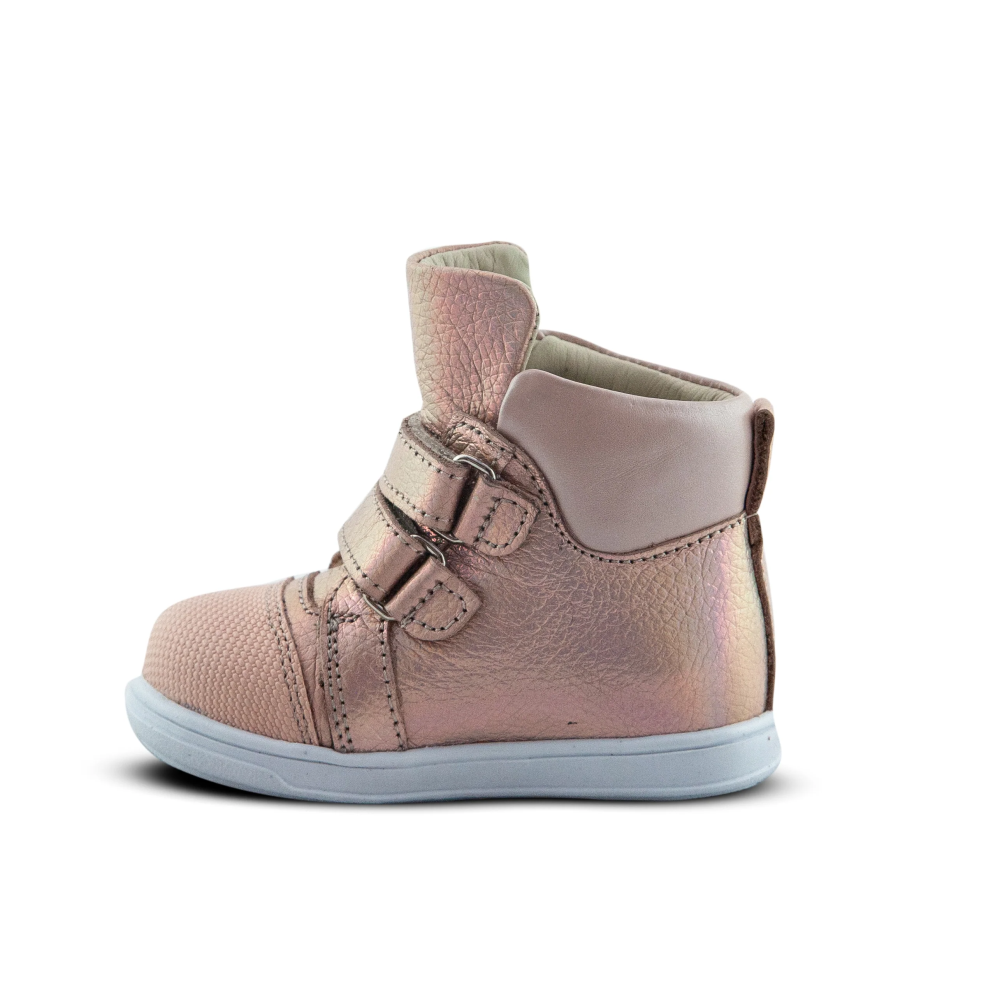
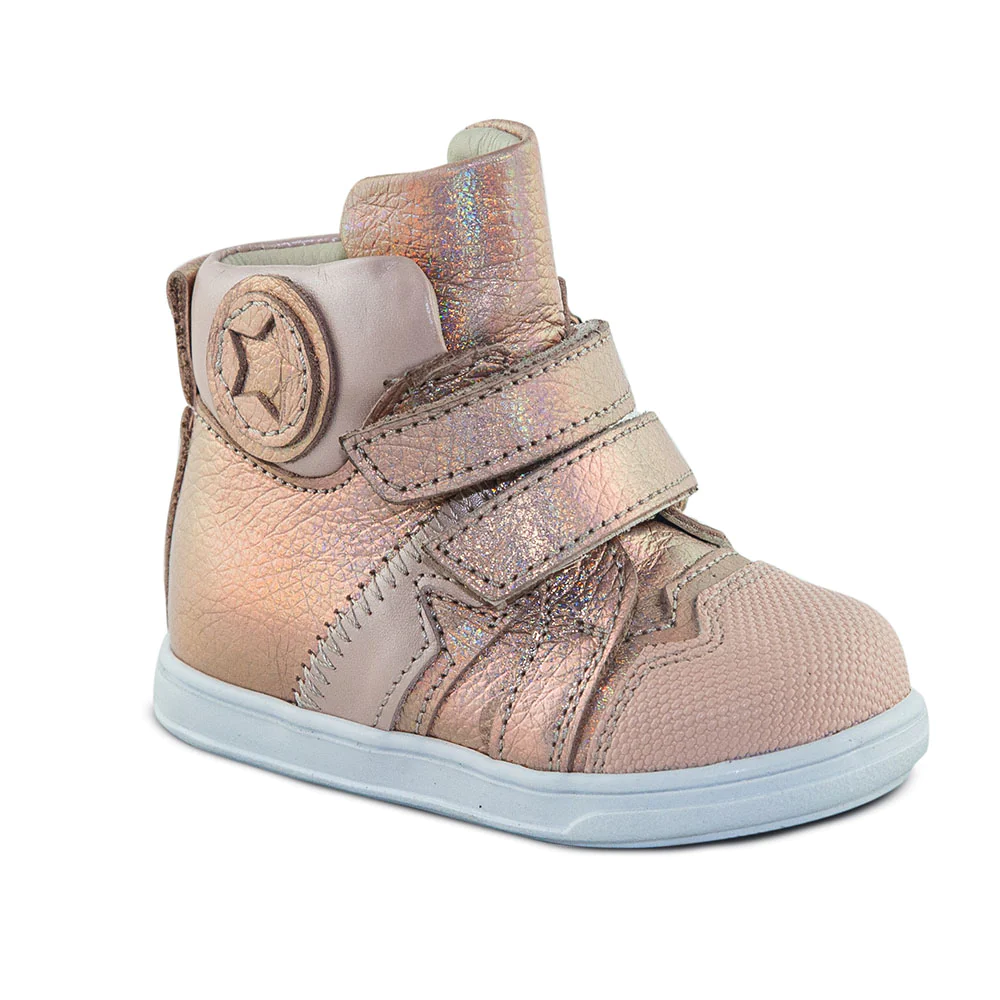
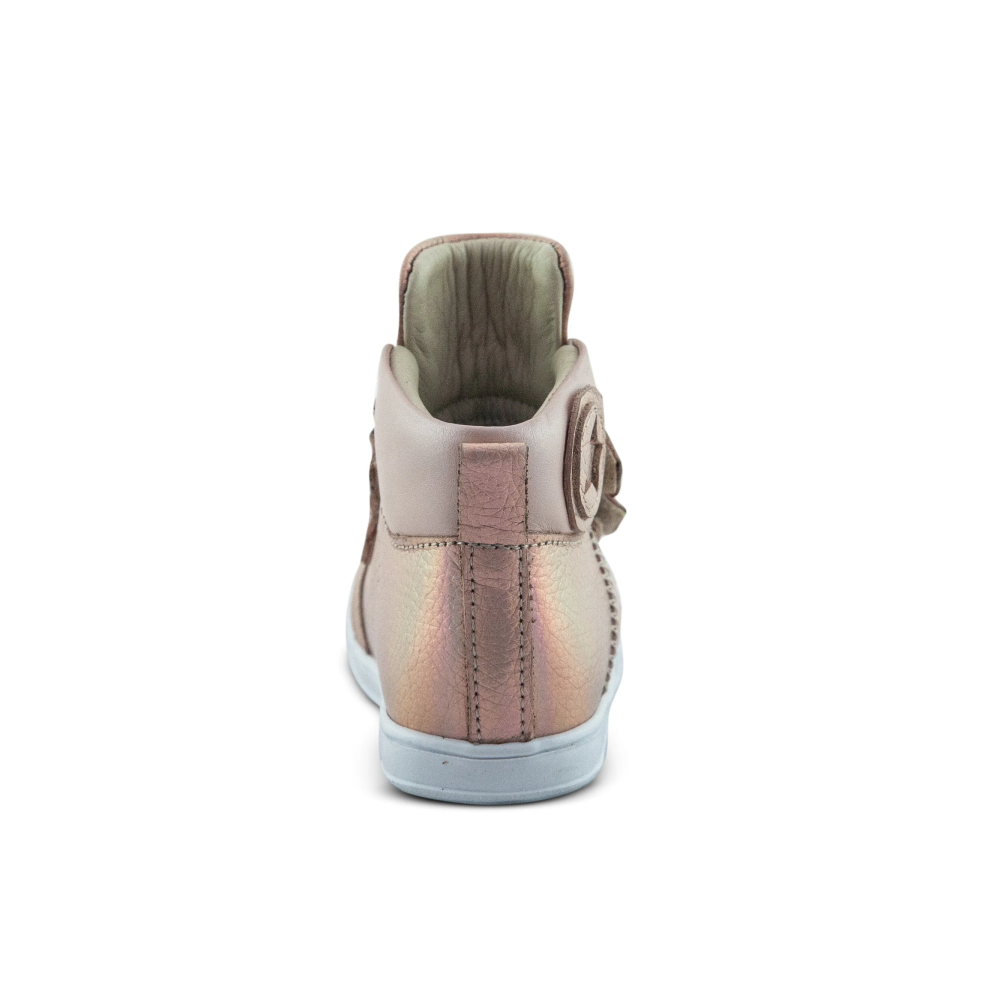
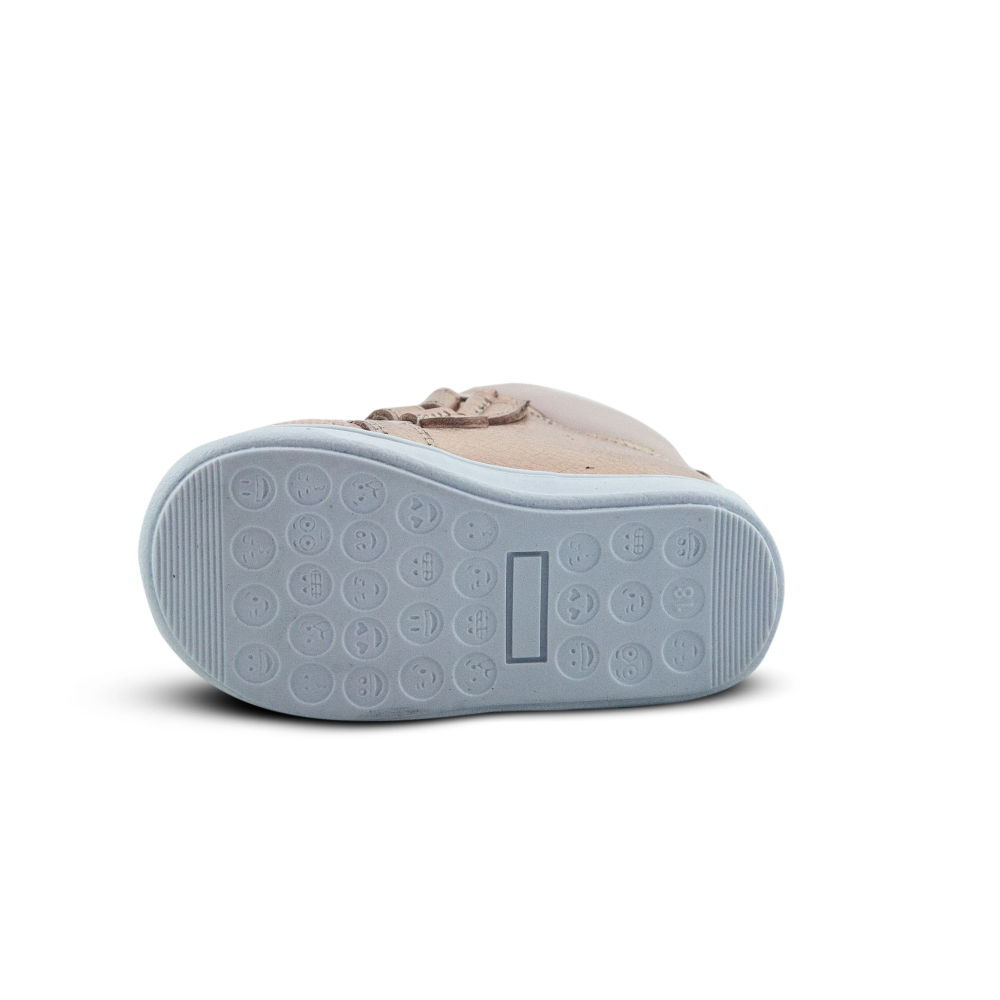
Blooming Dahlia Sneakers
Reliable traction when conditions get slippery
Material
Leather
Type
Sneakers
Size
9.5 (AU)
Why we chose this shoe:
- Thermoplastic outsole maintains grip on wet concrete and damp grass
- High-cut design extends ankle stabilization during lateral weight shifts
- Anti-scratch toe cap protects against scuffing patterns
- High built-in arch support maintains alignment on compromised surfaces
- Dual Velcro closure enables rapid on-off transitions
Why this shoe is best for children with dyspraxia:
This is the best shoe to use when morning drizzle means wet pathways or puddle-dotted playgrounds. The Blooming Dahlia keeps traction predictable when other shoes fail.
Children with dyspraxia cannot rapidly adjust their gait patterns when surface conditions unexpectedly change—they depend on consistent shoe-to-ground contact. The thermoplastic outsole delivers reliable grip regardless of moisture, preventing the slips that escalate into falls for children with variable foot placement.
The leather upper with metallic finishes addresses something parents often overlook: children who think their shoes look good will actually wear them without resistance.
5
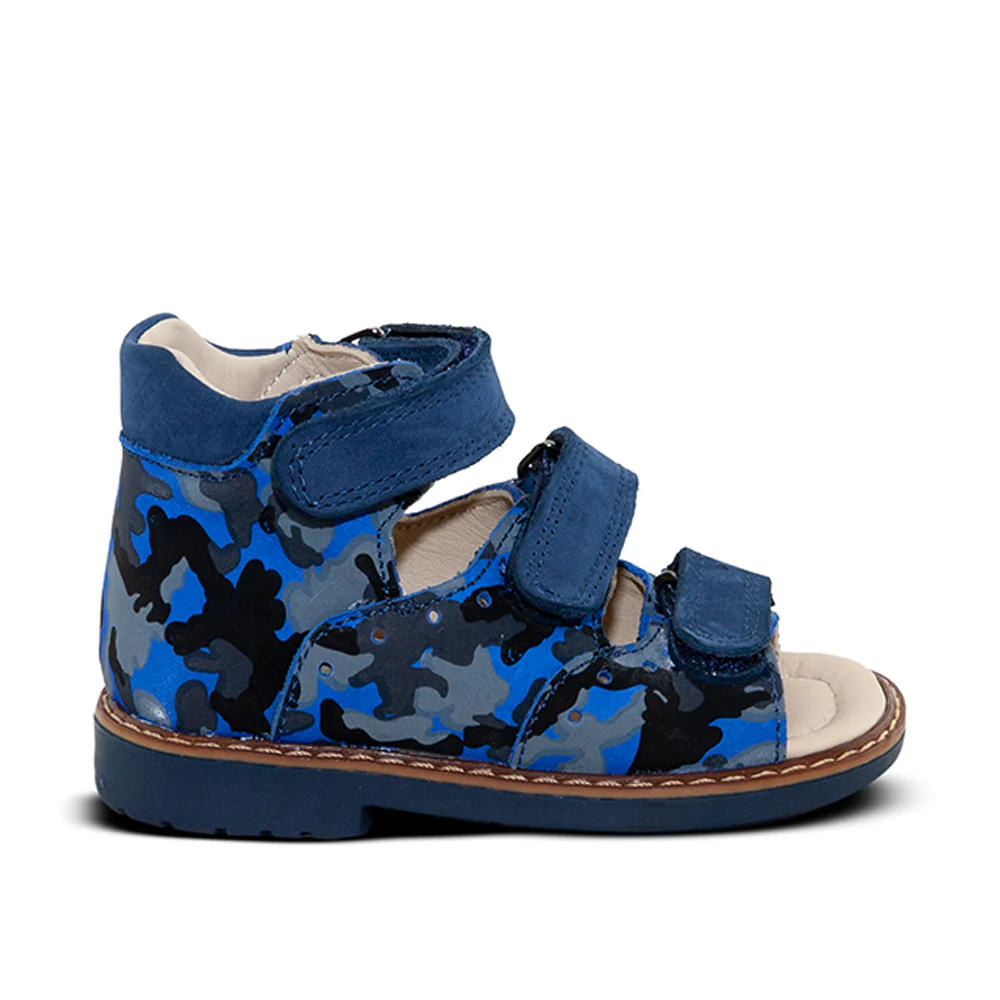
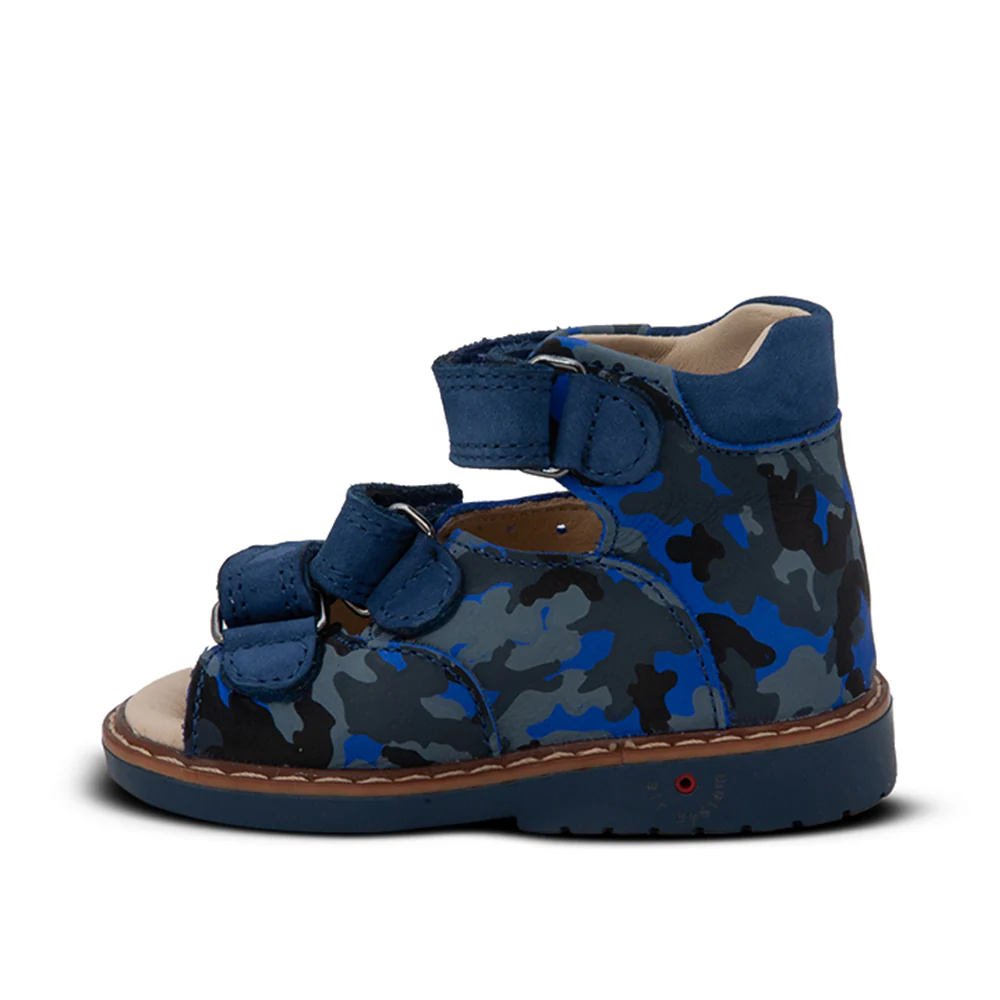
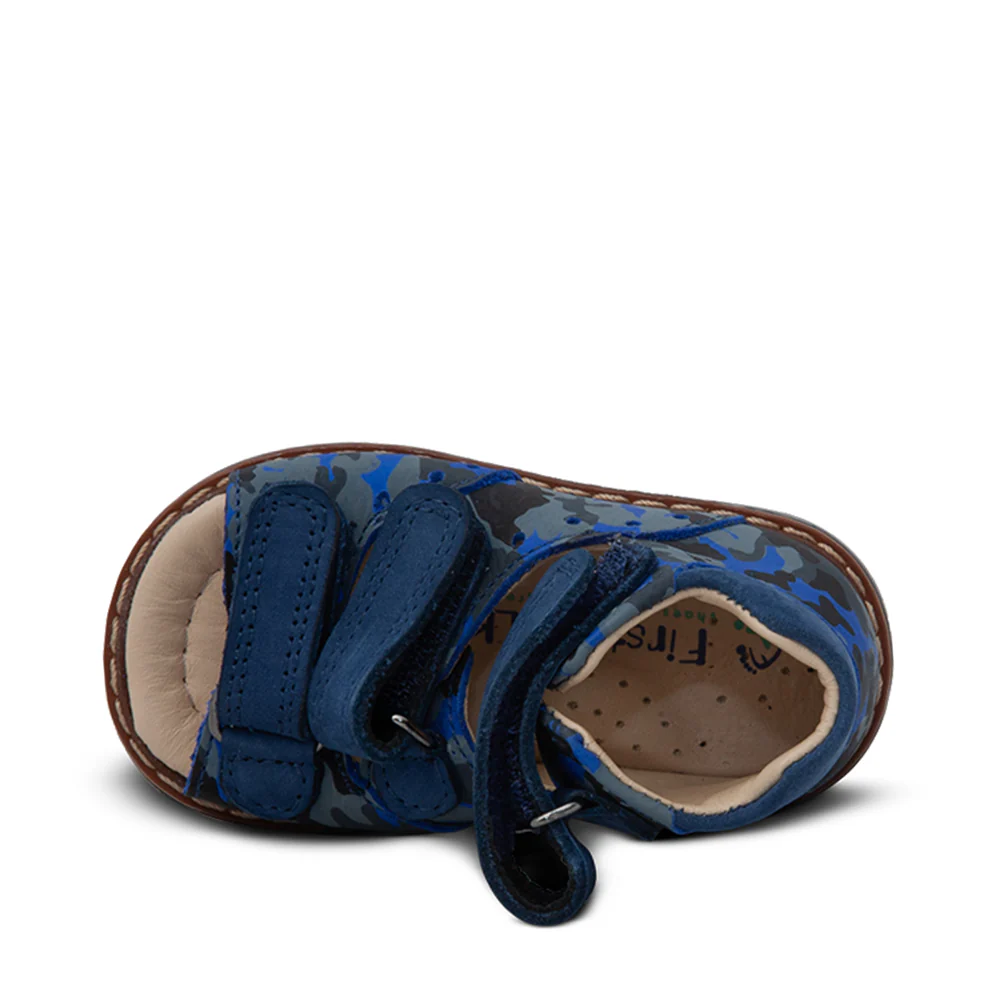
Jaden Flint Sandals
Breathable support for hot-weather running
Material
Leather
Type
Sandals
Size
9.5 (AU)
Why we chose this shoe:
- Three-strap Velcro system creates zoned securing across foot regions
- Thomas heel design prevents inward rolling during the stance phase
- Integrated air valves allow continuous airflow
- High built-in arch support within an open sandal design
- Leather construction delivers durability that synthetic straps cannot match
Why this shoe is best for children with dyspraxia:
The Jaden Flint maintains structural support without trapping heat even when the temperature soars. Children with dyspraxia expend more energy achieving movement than typically developing peers, generating excess body heat that enclosed footwear traps.
The open architecture with integrated air valves prevents the moisture accumulation that causes feet to slide inside shoes, maintaining the consistent foot position essential for children with coordination difficulties.
Unlike typical sandals that sacrifice structure for ventilation, the Jaden Flint integrates high built-in arch support that maintains midfoot alignment during rapid directional changes.
6
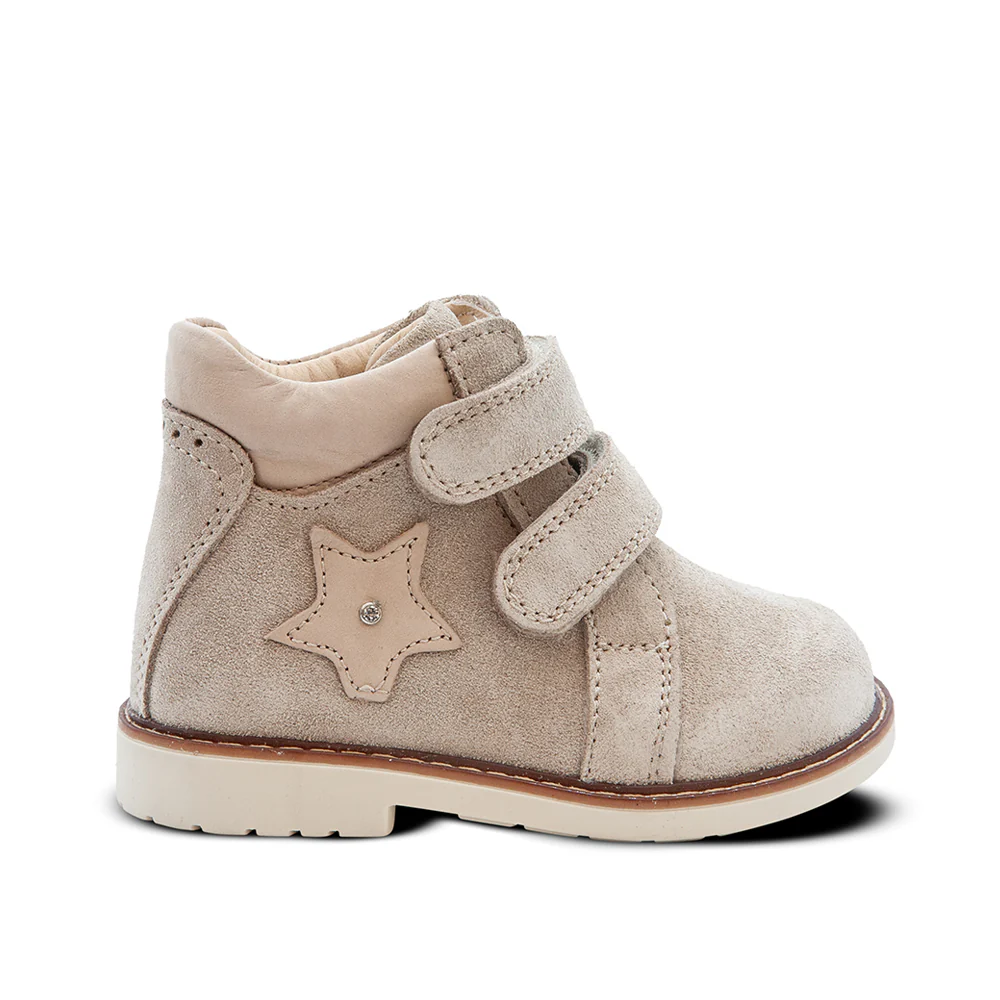
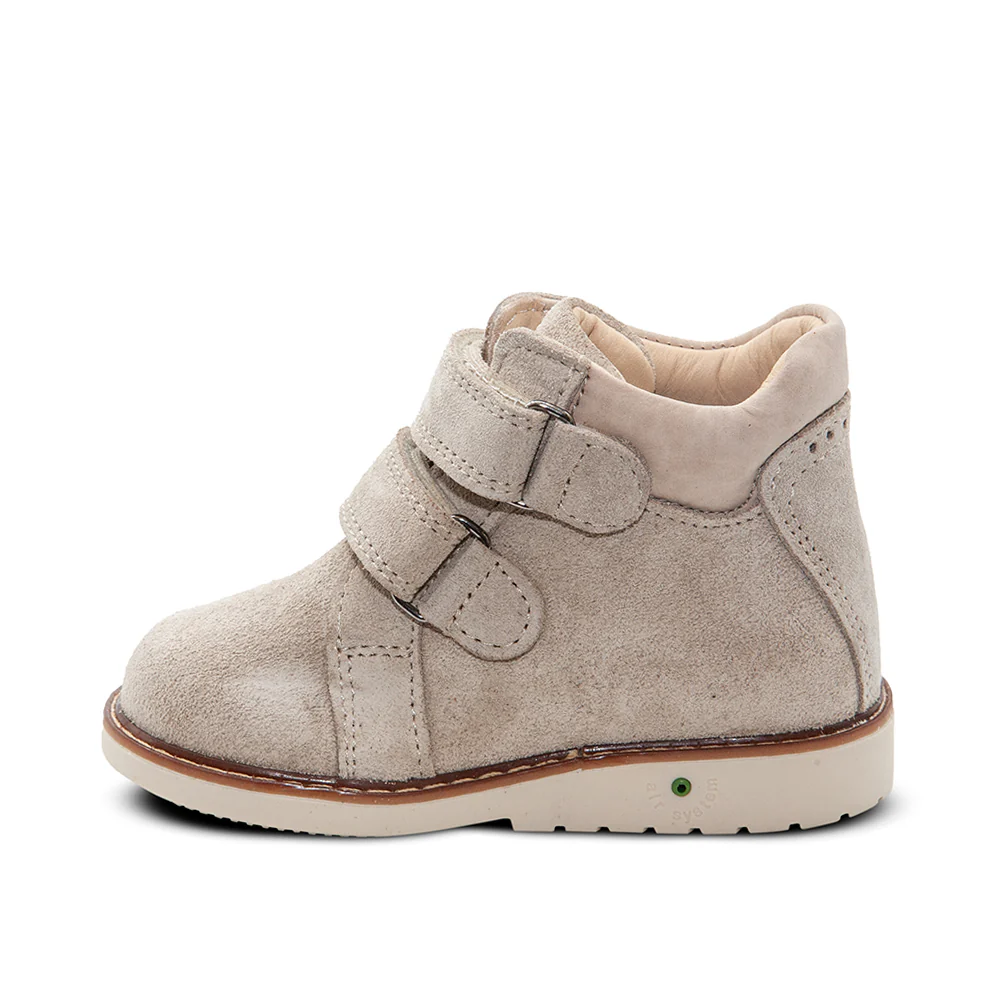
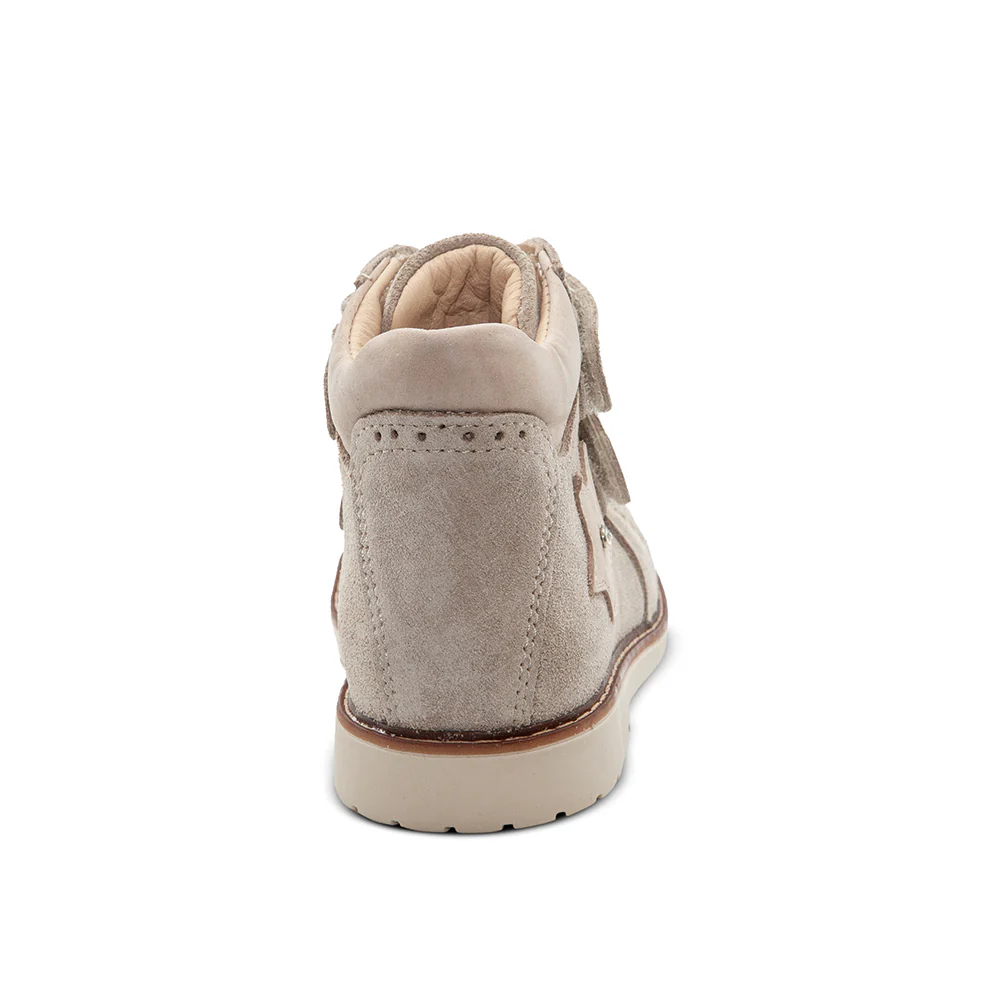
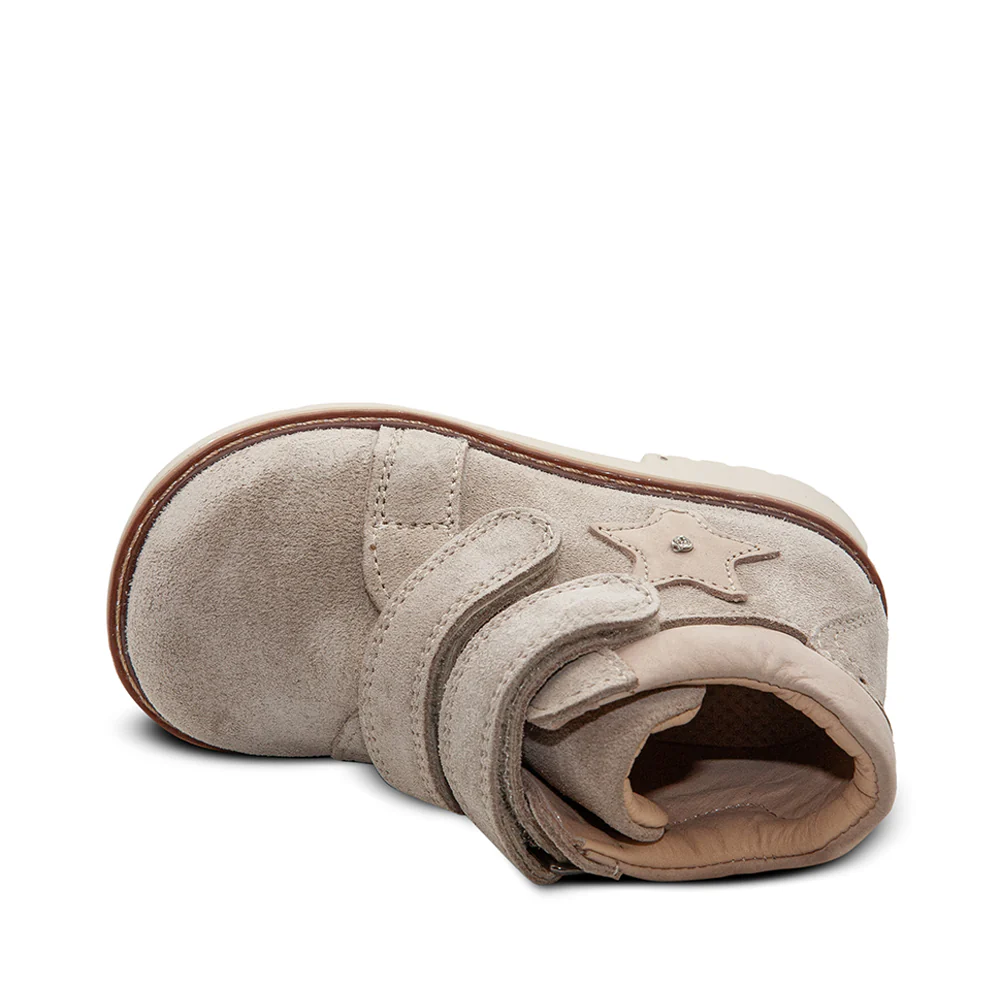
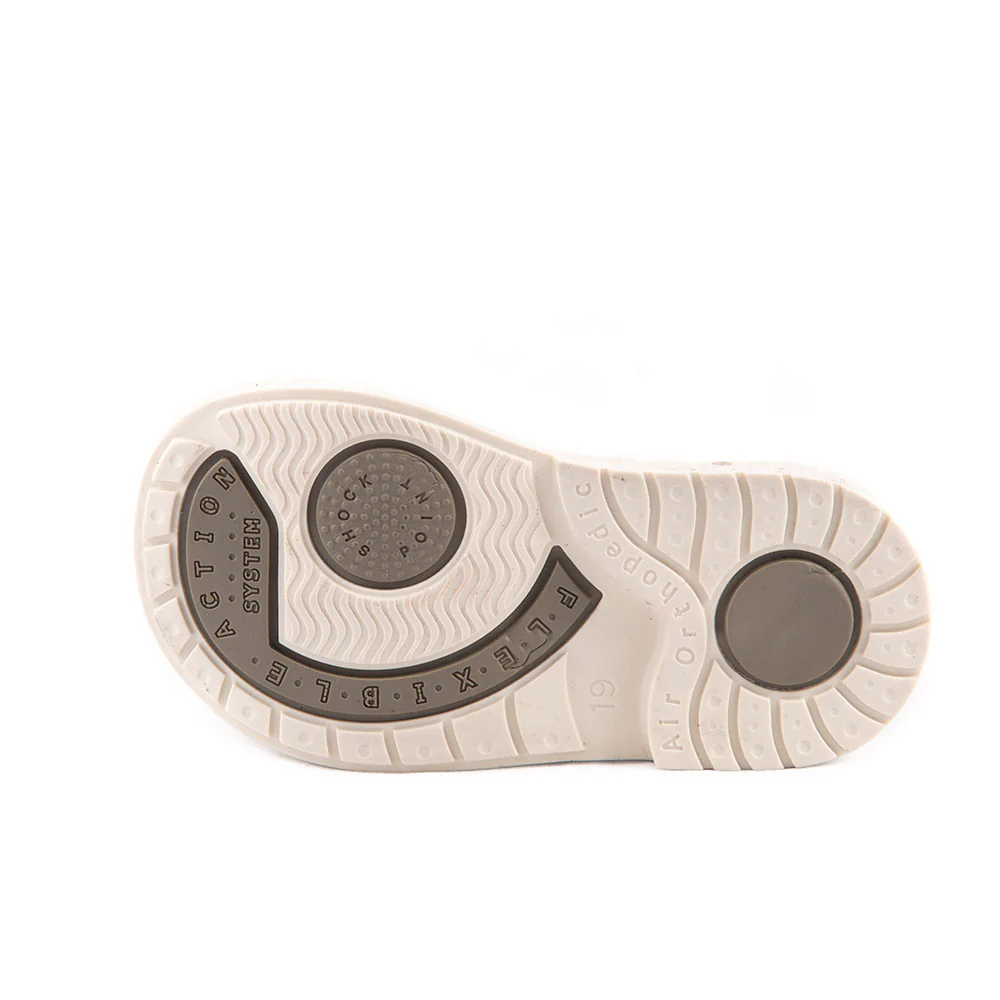
Petit Lucy Boots
Warm protection for winter activity
Material
Nubuck Leather
Type
Boots
Size
9.5 (AU)
Why we chose this shoe:
- Boot-height construction wraps the entire ankle joint for maximum stabilization
- Thomas heel actively counters inward rolling when cold muscles are less responsive
- Nubuck leather provides natural insulation without bulk
- Integrated air valves prevent moisture buildup inside insulated footwear
- Dual Velcro straps accommodate varying sock thicknesses
Why this shoe is best for children with dyspraxia:
If your child faces winters or school terms where temperatures drop but activity continues, the Petit Lucy maintains both warmth and motor function.
Cold temperatures reduce muscle reaction speed and joint flexibility—children with dyspraxia who already show slower motor responses face compounded difficulty in these conditions. The insulated nubuck construction keeps feet warm without bulky padding that would add weight or reduce proprioceptive feedback.
The boot-height design provides maximum ankle stabilization when cold-weather stiffness makes joints more vulnerable. Nubuck's natural water resistance handles dewy grass and light rain without requiring synthetic waterproof membranes that compromise breathability during active play.
7
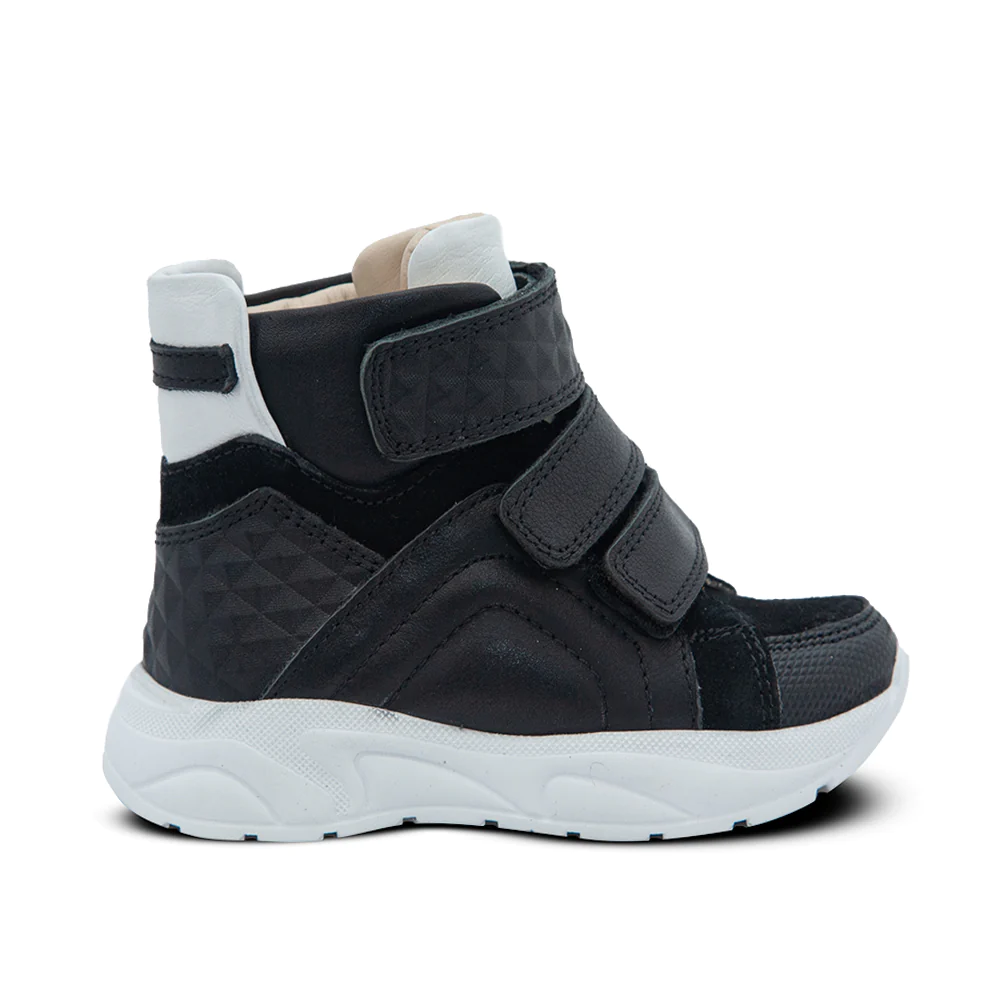
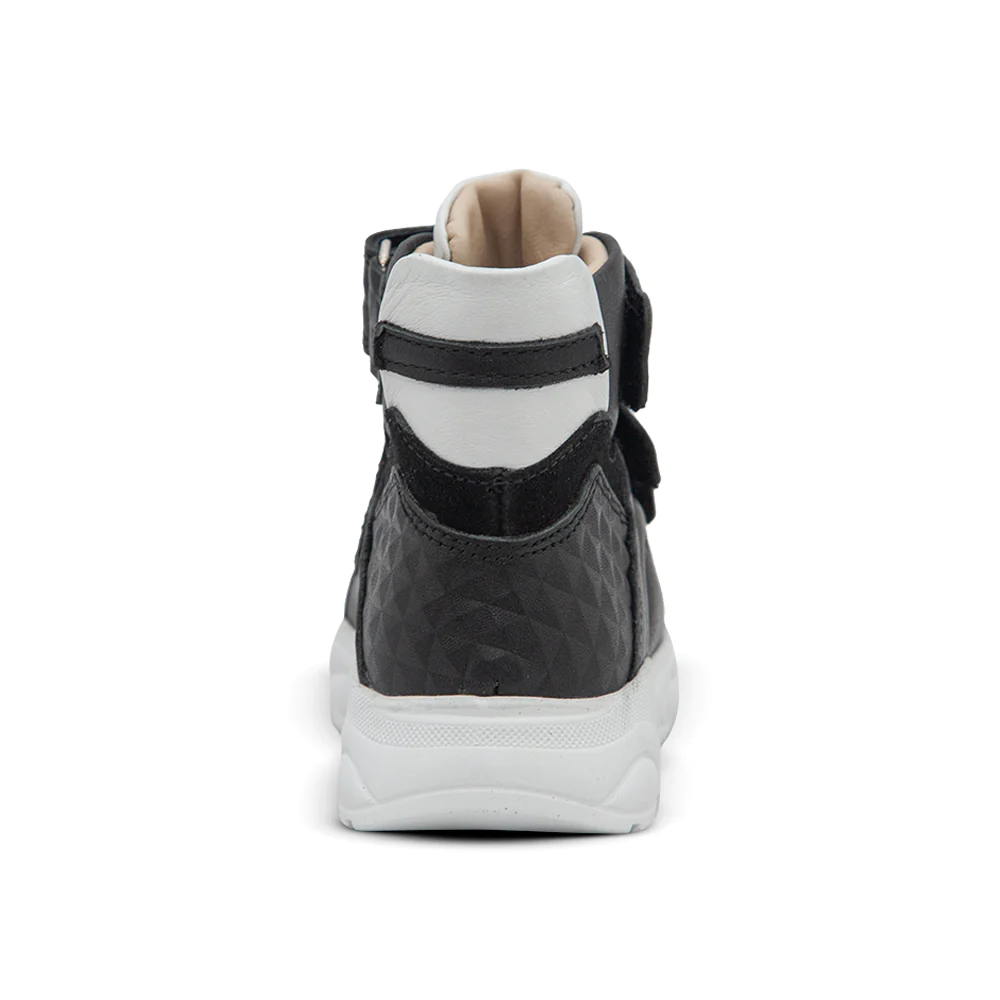
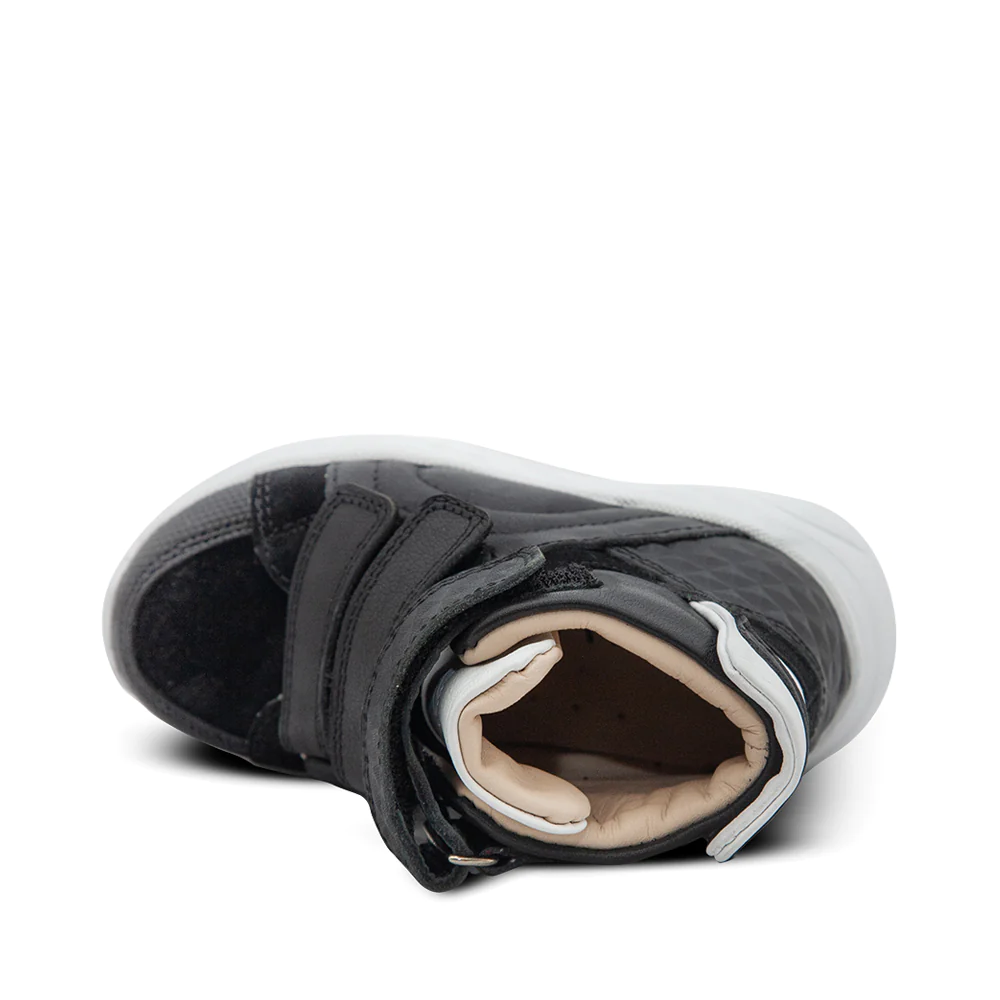
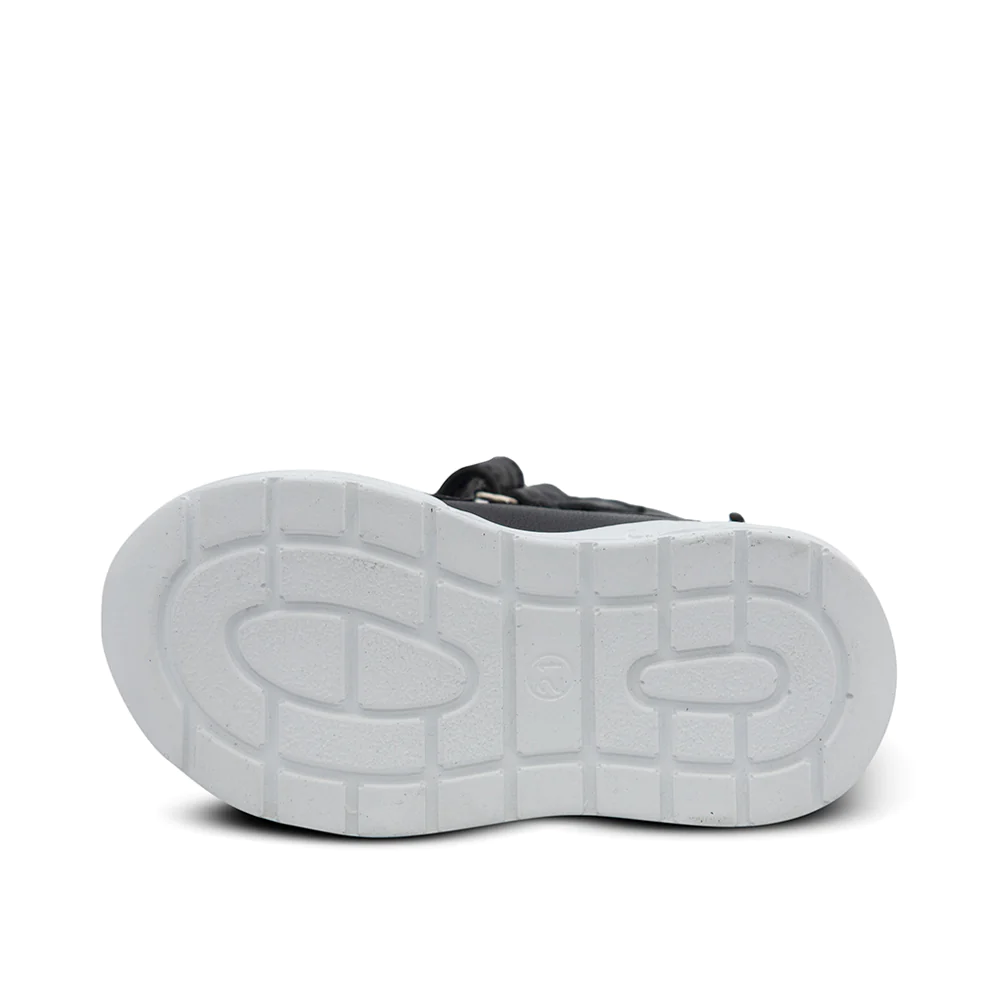
Dopey Smith Sneakers
Wide-foot accommodation with dyspraxia-specific support
Material
Leather + Nubuck Leather
Type
Sneakers
Size
9.5 (AU)
Why we chose this shoe:
- Three-strap Velcro provides granular adjustment across foot zones
- Leather and nubuck combination moulds to individual contours
- Removable insole accommodates custom orthotics
- Black leather upper meets school uniform requirements
- Anti-scratch toe cap protects during variable gait patterns
Why this shoe is best for children with dyspraxia:
This is a shoe for children with wider feet and coordination difficulties; the Dopey Smith addresses both challenges simultaneously.
Many children with developmental coordination disorder have associated low muscle tone that allows foot structures to spread under load—standard-width shoes compress these feet, creating discomfort that diverts attention from motor planning. The three-zone adjustment system maintains a secure fit without over-tightening any single area, preventing the friction hotspots that develop during sustained activity.
The high-top design delivers ankle support while maintaining a casual aesthetic suitable for all occasions.
8
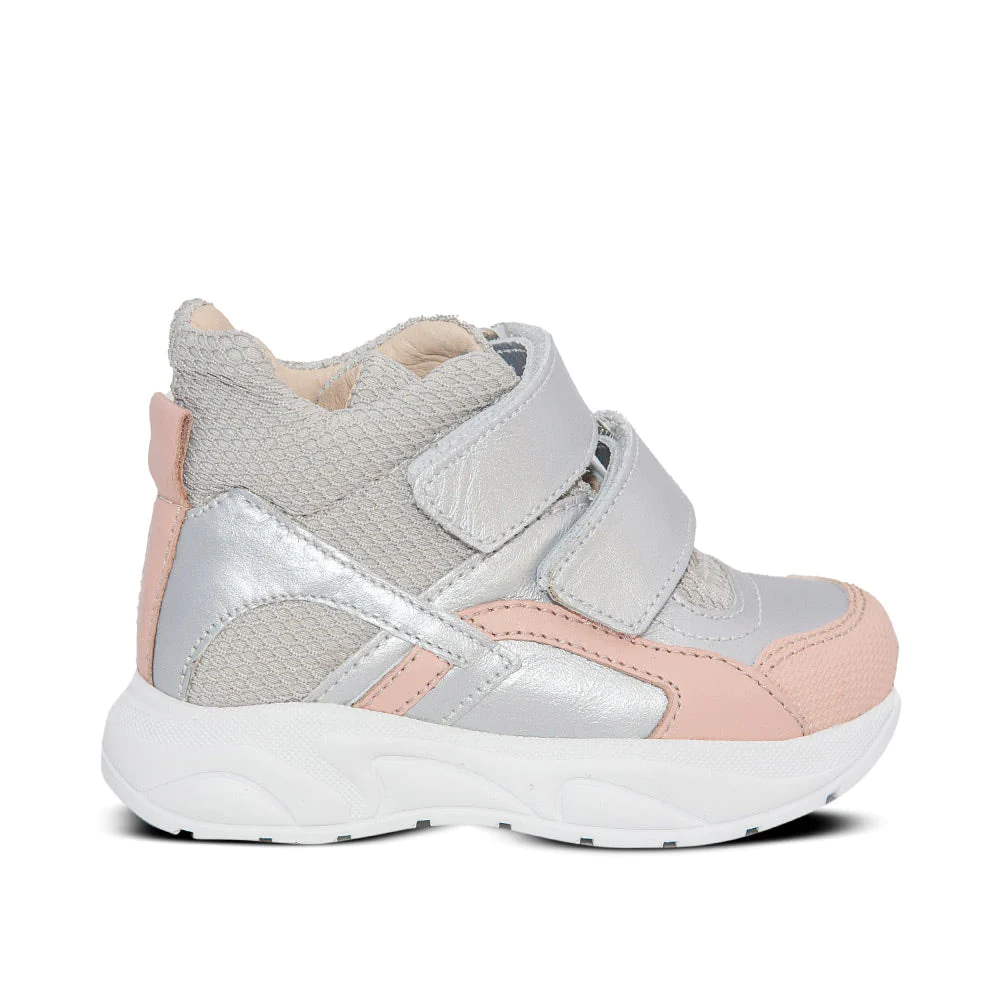
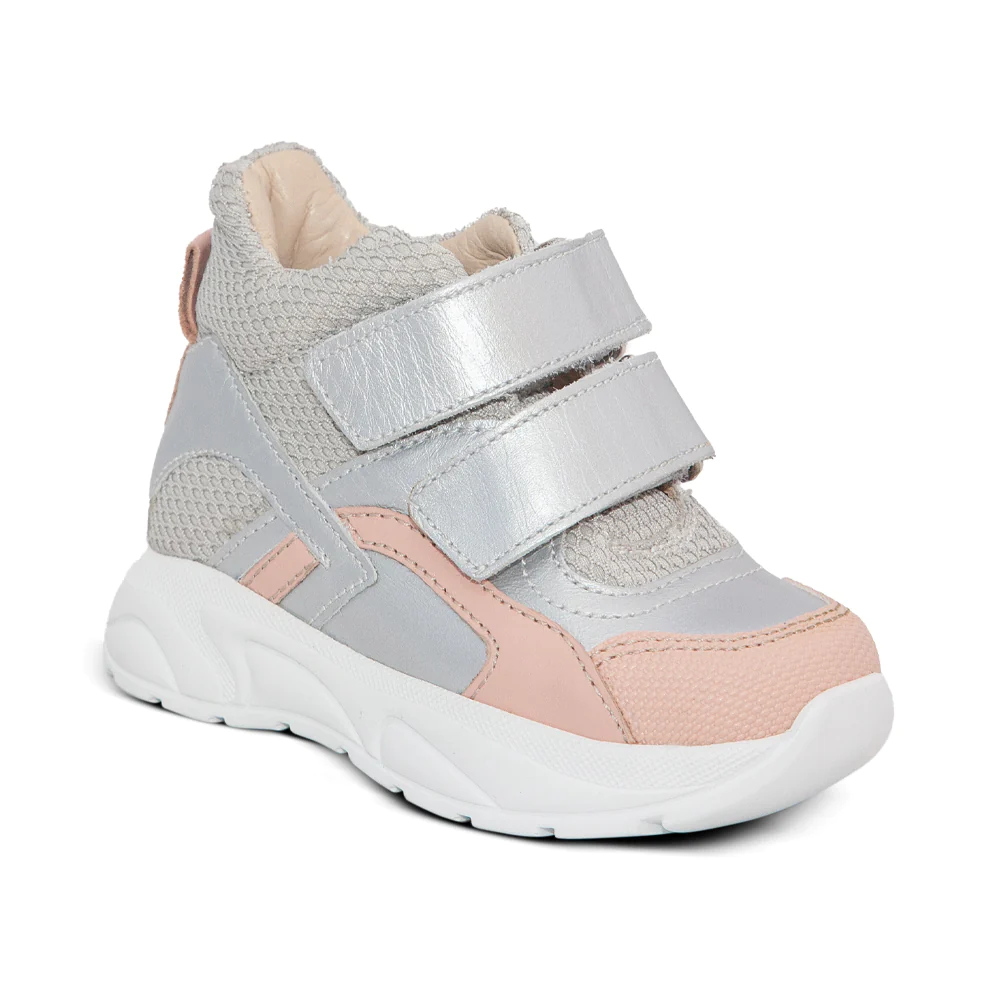
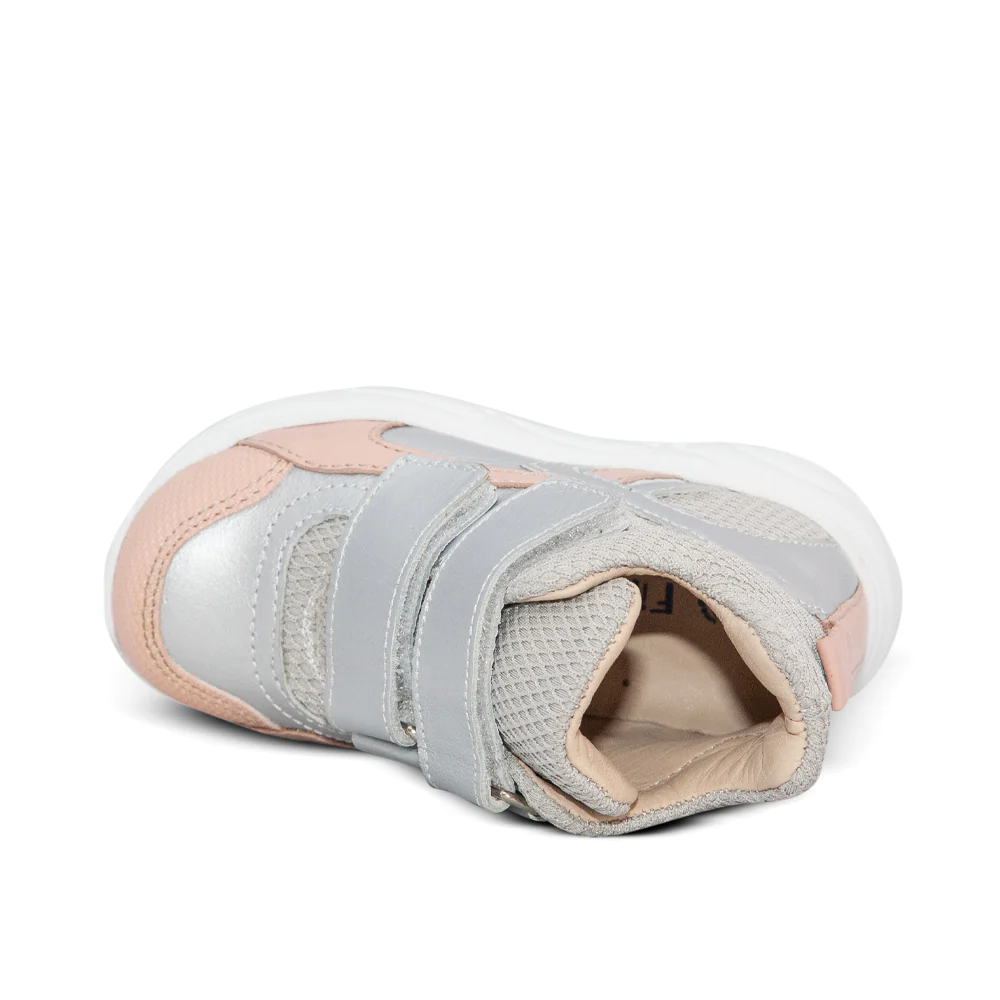
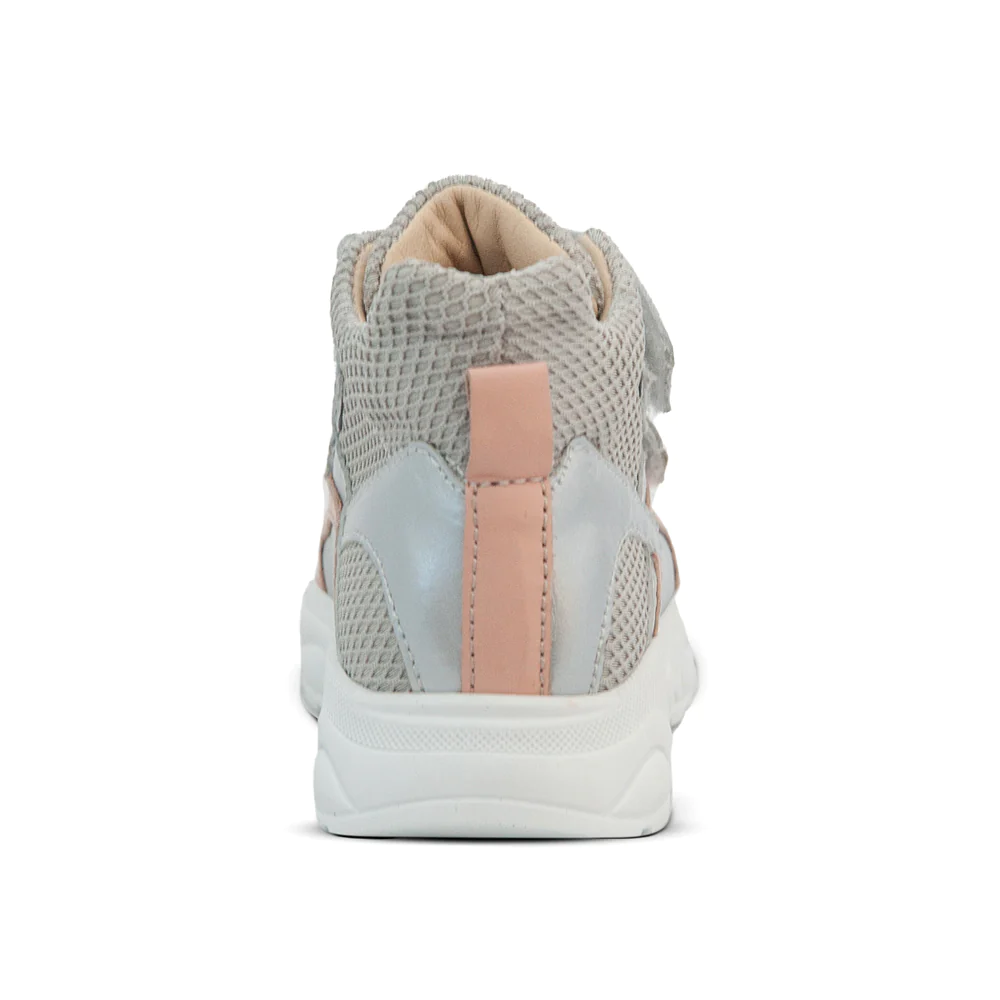
Frisky Misty Sneakers
Streamlined support for slender feet
Material
Leather
Type
Sneakers
Size
9.5 (AU)
Why we chose this shoe:
- Dual Velcro straps cinch effectively across narrower profiles
- High-top profile wraps snugly around slender ankles
- The grey, white, and peach pink palette offers feminine styling
- Anti-scratch toe cap protects during stumbles and drags
- Customer-confirmed fit for narrow feet with no sores
Why this shoe is best for children with dyspraxia:
This is best if your child has narrow feet. The standard-width supportive shoes create a frustrating problem: the foot slides within oversized cavities precisely when stable footing matters most. The Frisky Misty's streamlined construction achieves secure contact without compression that creates friction injuries.
The high-top profile wraps snugly around slender ankles without bulk, creating pressure points on smaller joints. When activities require rapid foot repositioning—climbing frames, balance beams, obstacle courses—this shoe keeps the foot precisely where support structures can function.
9
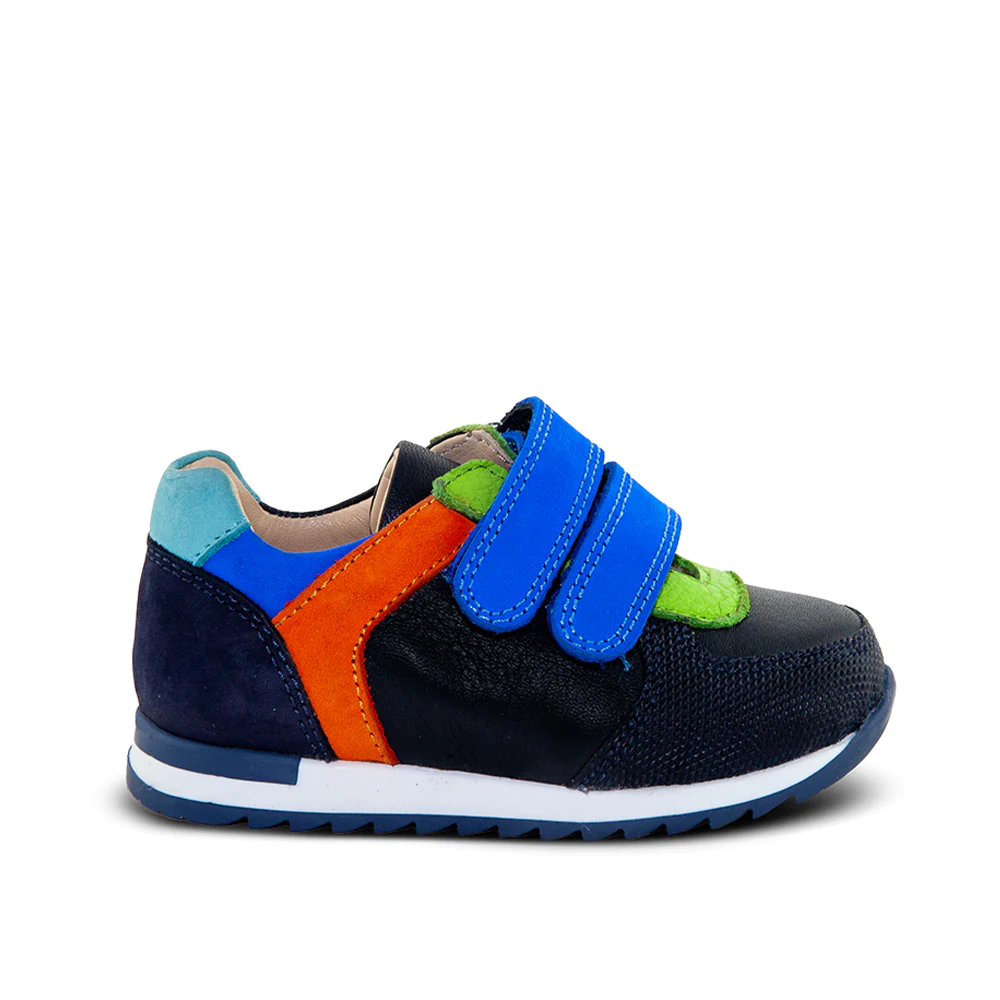
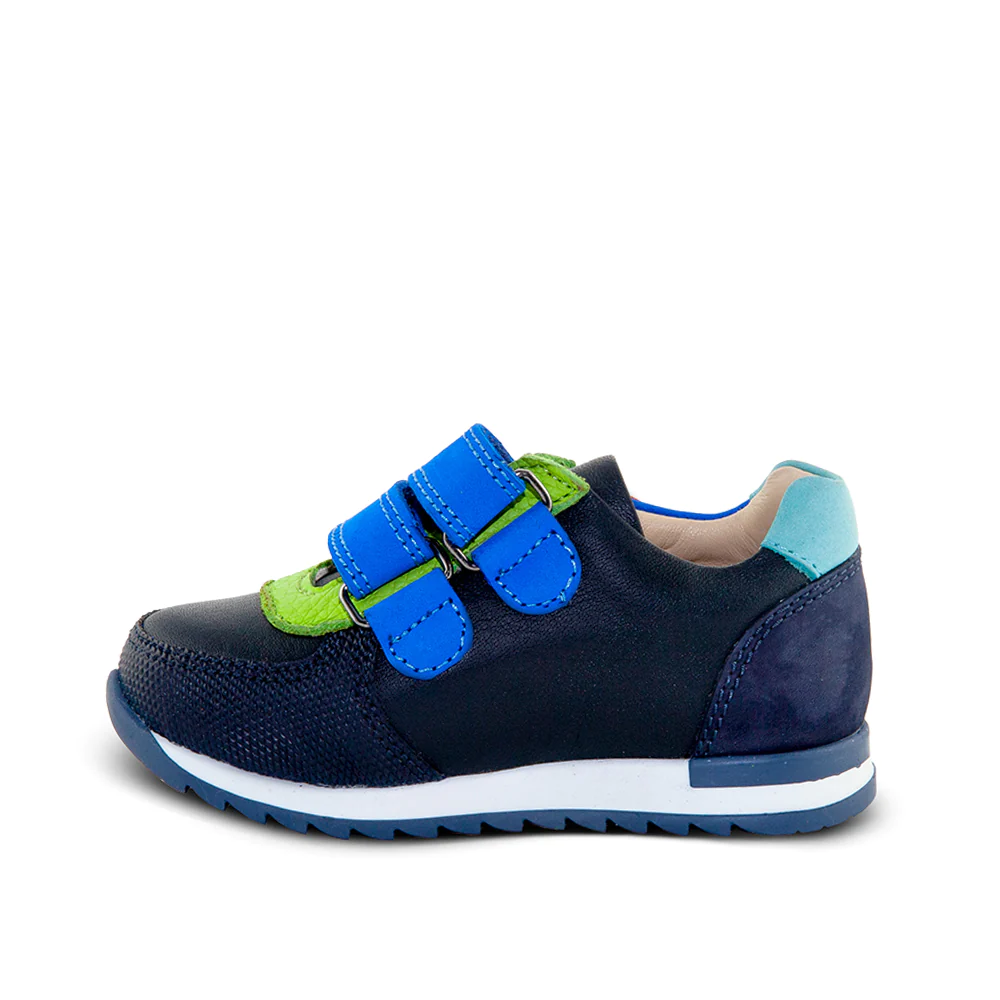
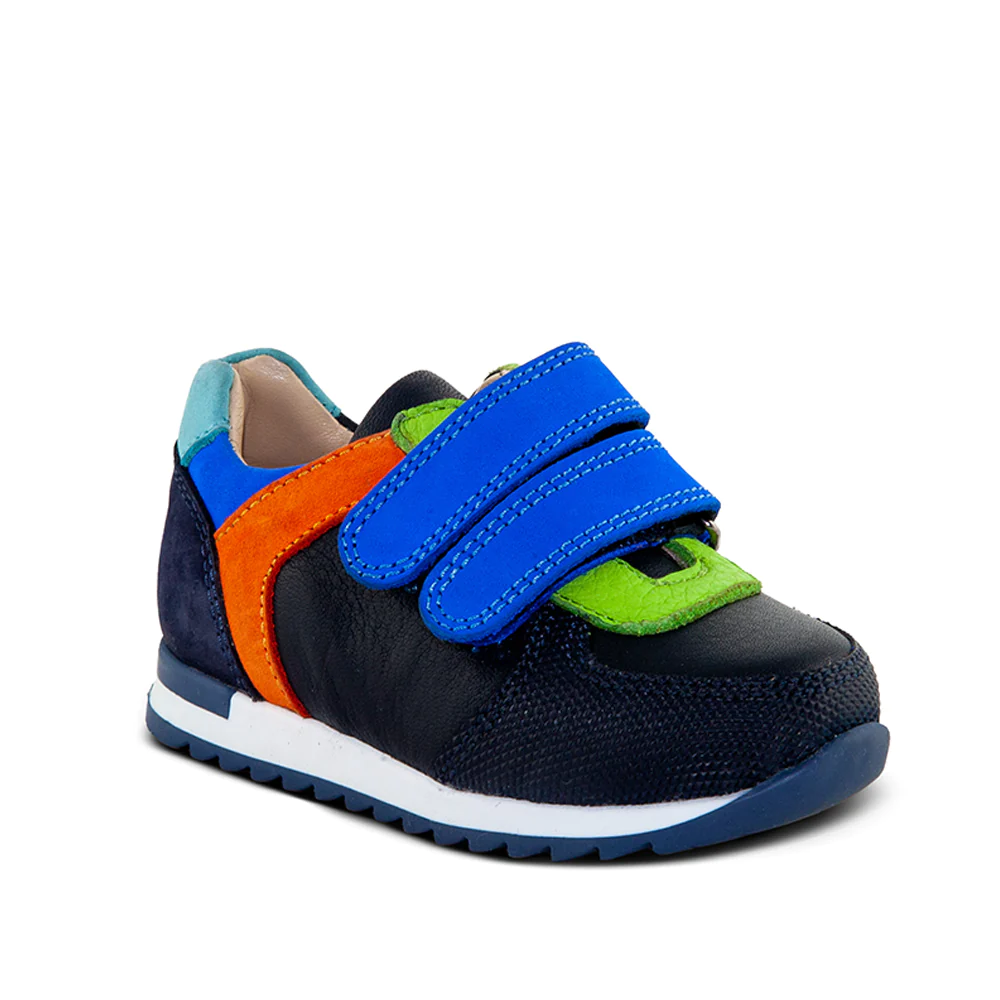
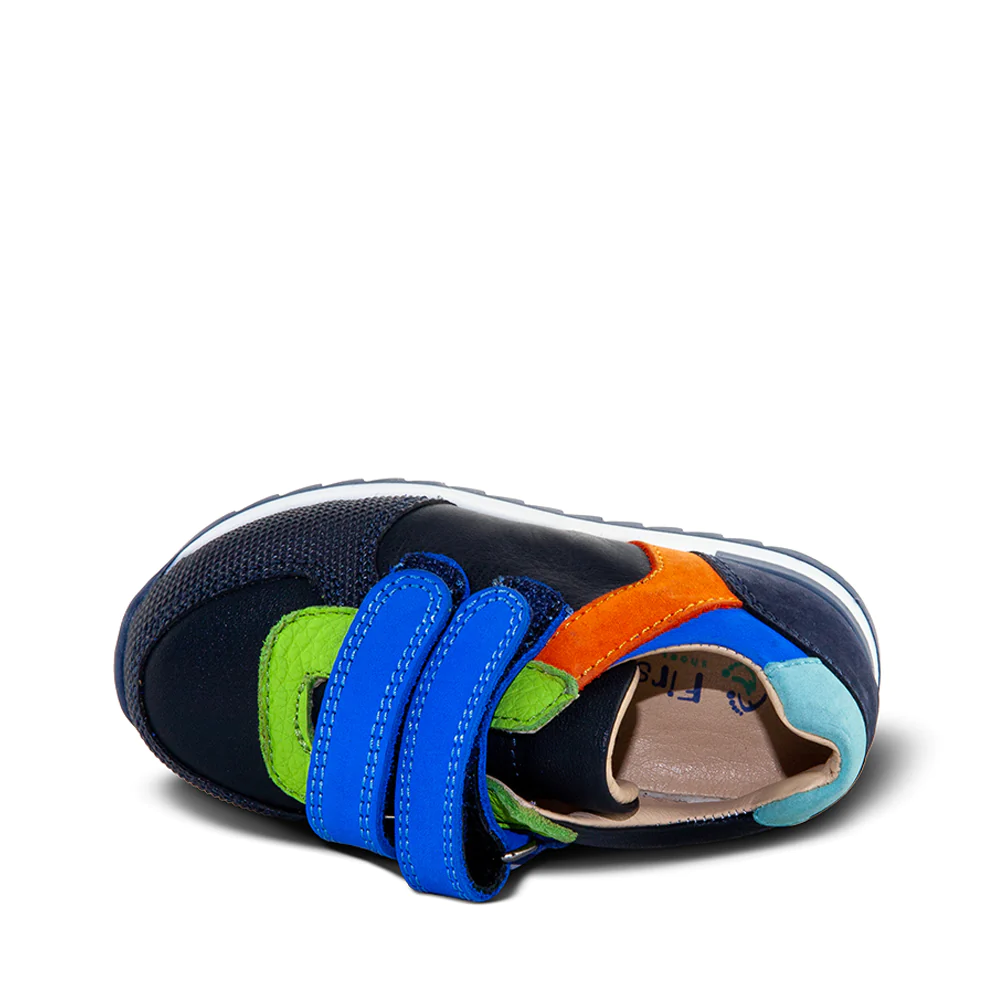
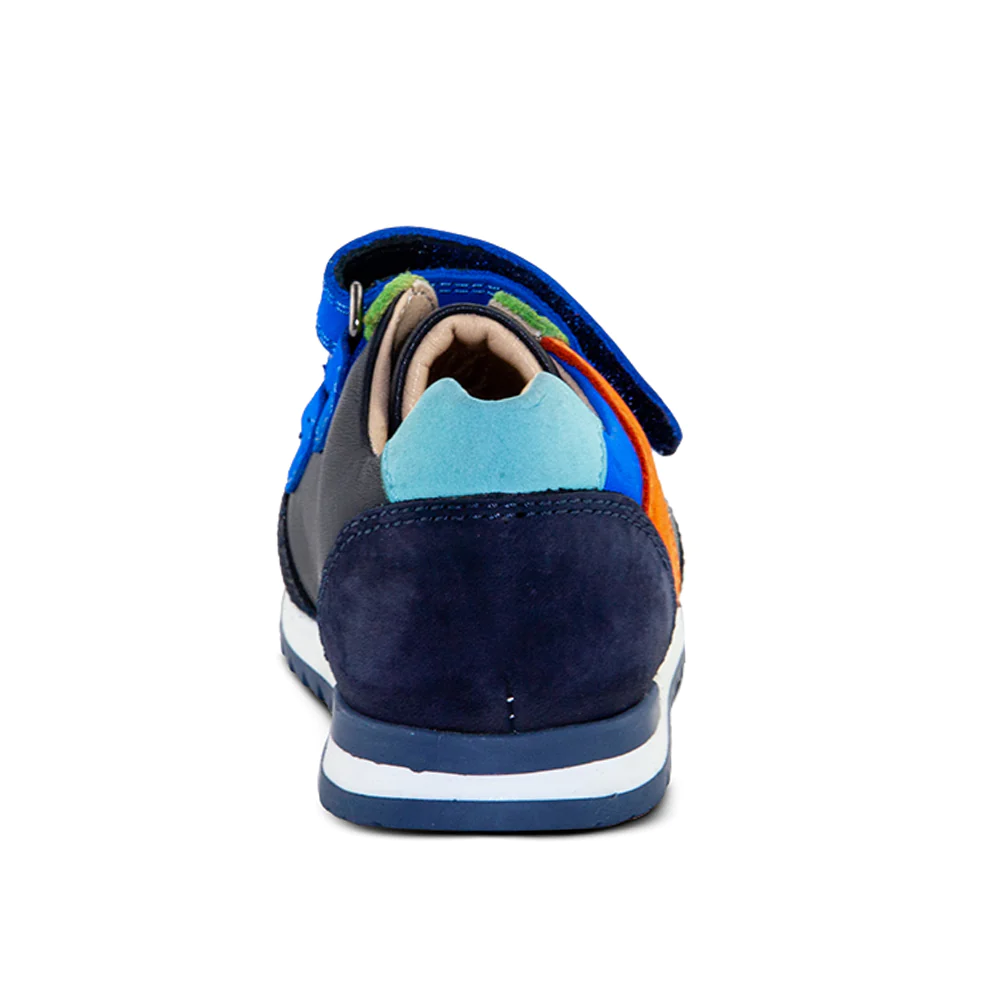
Joe Bolt Sneakers
Sport-ready durability for active participation
Material
Leather + Nubuck Leather
Type
Sneakers
Size
9.5 (AU)
Why we chose this shoe:
- Reinforced leather and nubuck withstand repetitive unconventional loading
- Anti-scratch toe cap addresses drag-and-stub patterns
- Flexible sole permits natural forefoot bending at push-off
- Removable insole accommodates prescribed orthotics
- Bright colour palette appeals to boys wanting athletic styling
Why this shoe is best for children with dyspraxia:
If your son wants to participate in a little athletics or weekend soccer, the Joe Bolt survives sport demands without losing structural integrity mid-season.
Children with dyspraxia impose unconventional stresses on footwear through toe dragging, lateral scuffing, and irregular foot strikes that destroy lighter shoes within weeks. Joe Bolt's durable construction maintains arch support and heel stabilization across months of twice-weekly training.
The extended ankle coverage provides stability during abrupt directional changes, where coordination difficulties make controlled deceleration challenging.
10
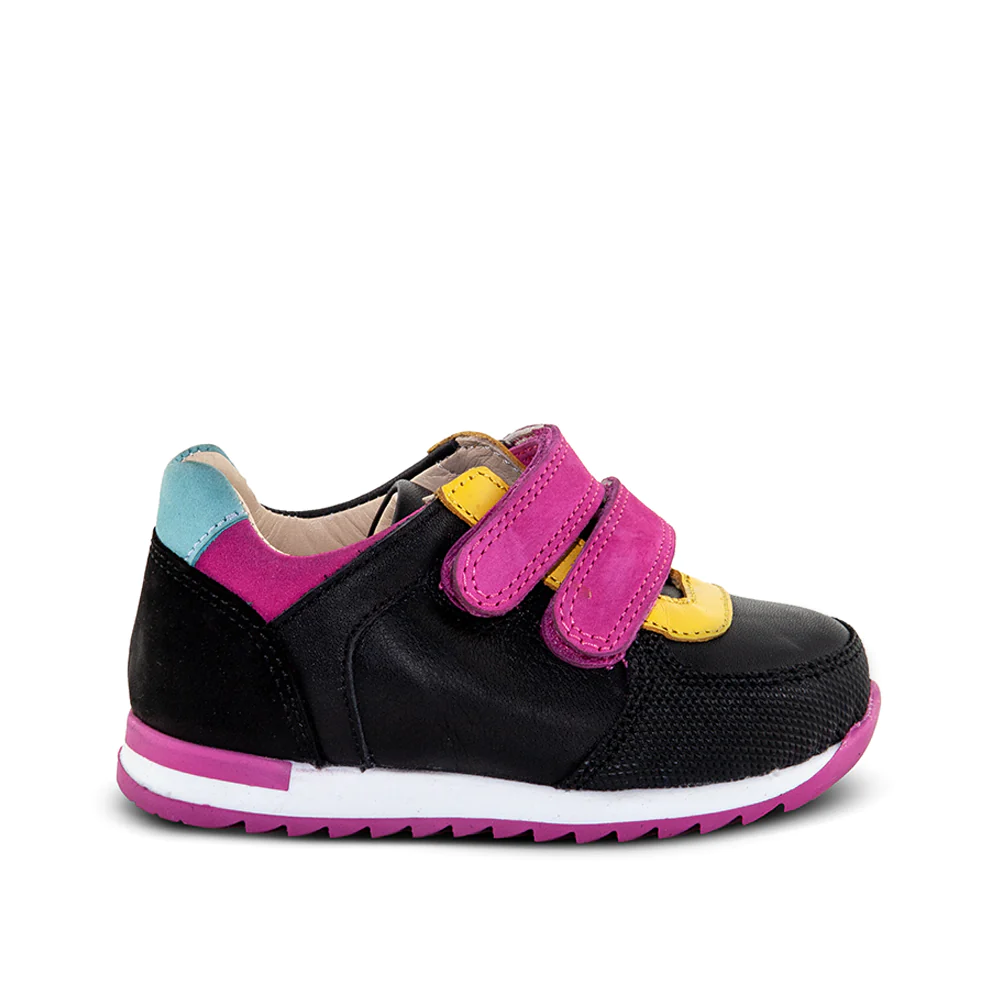
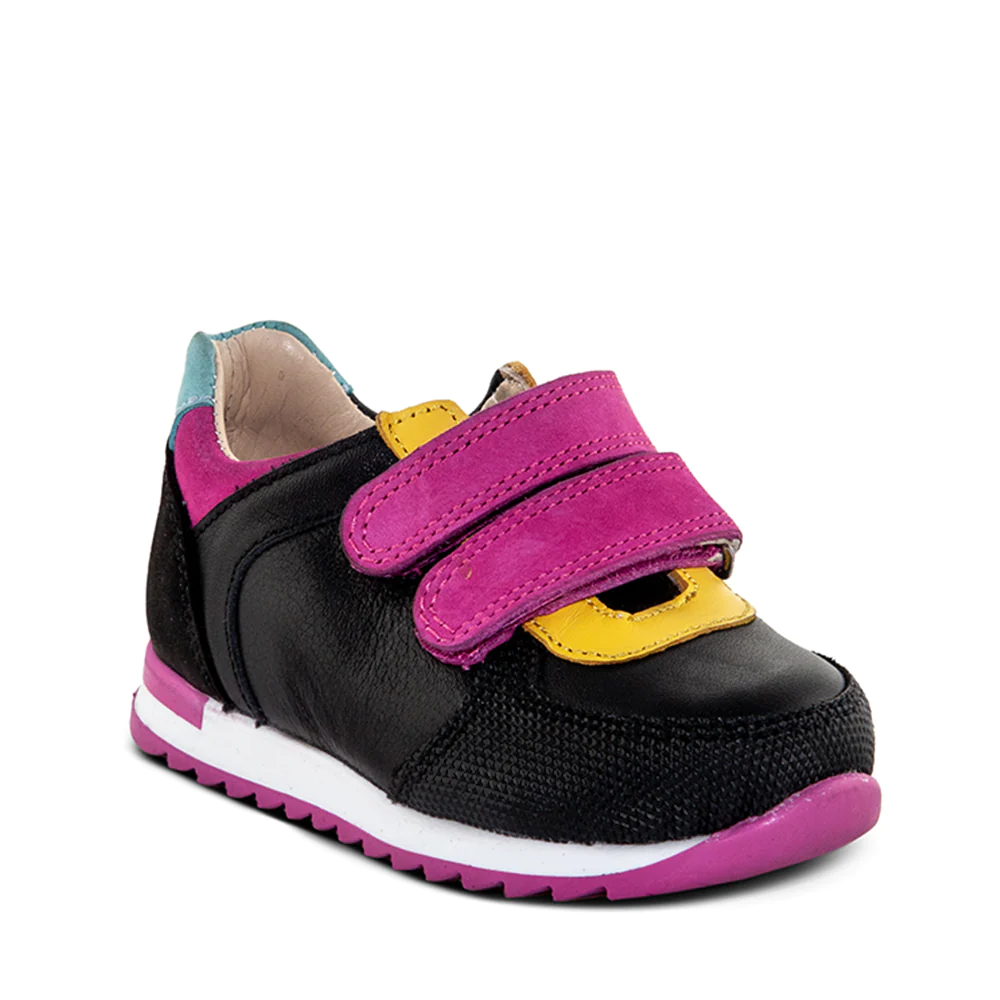
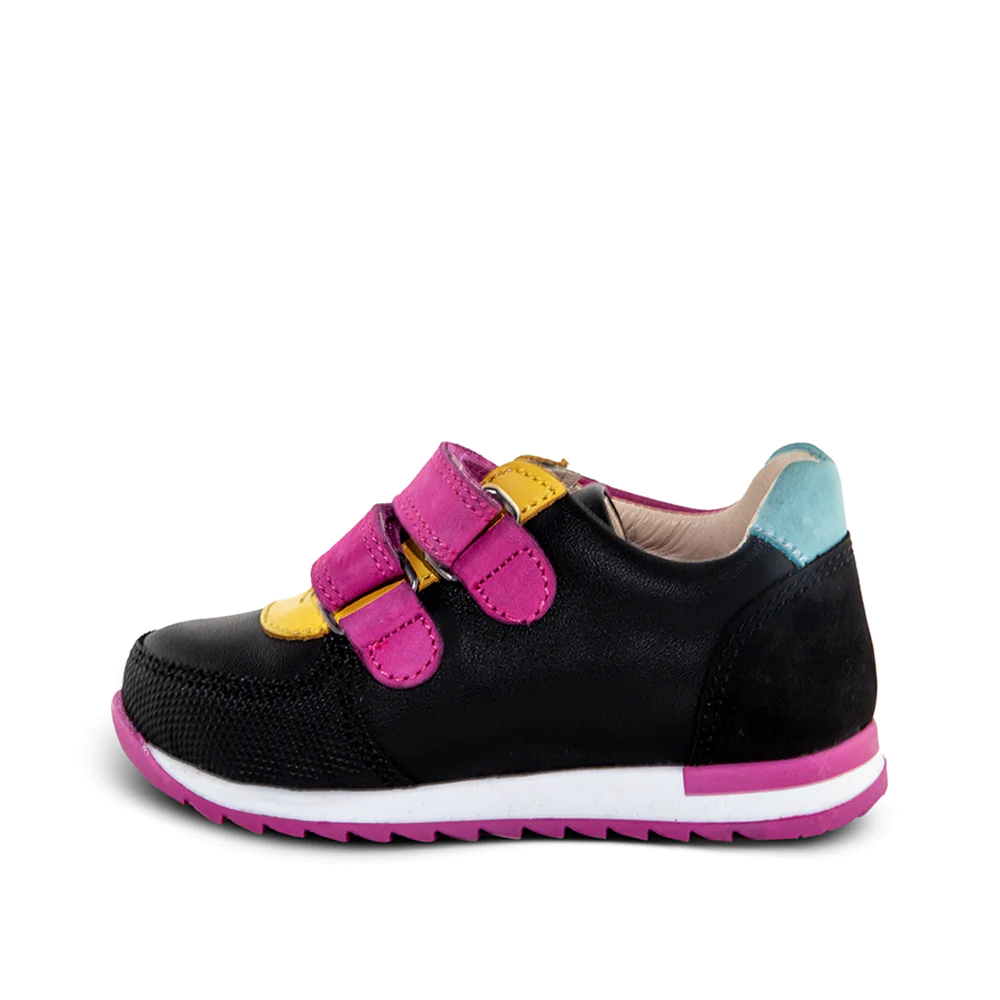
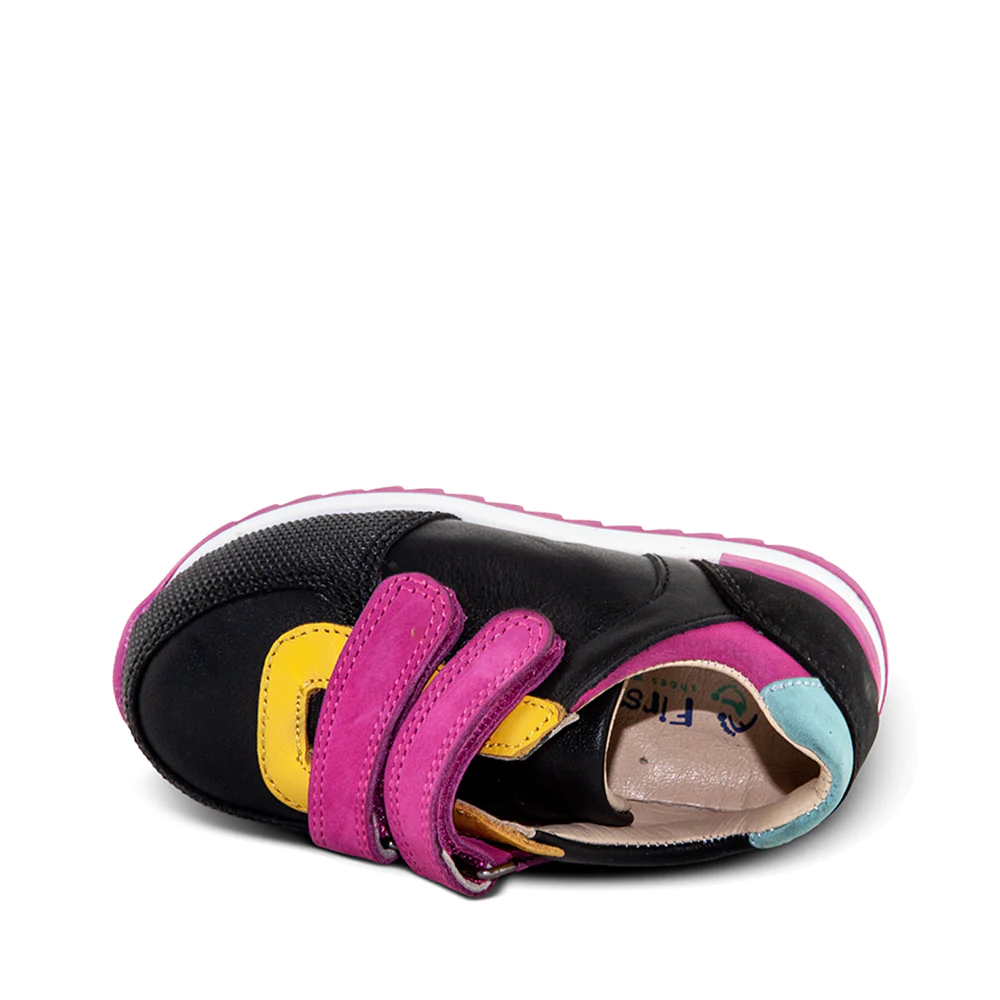
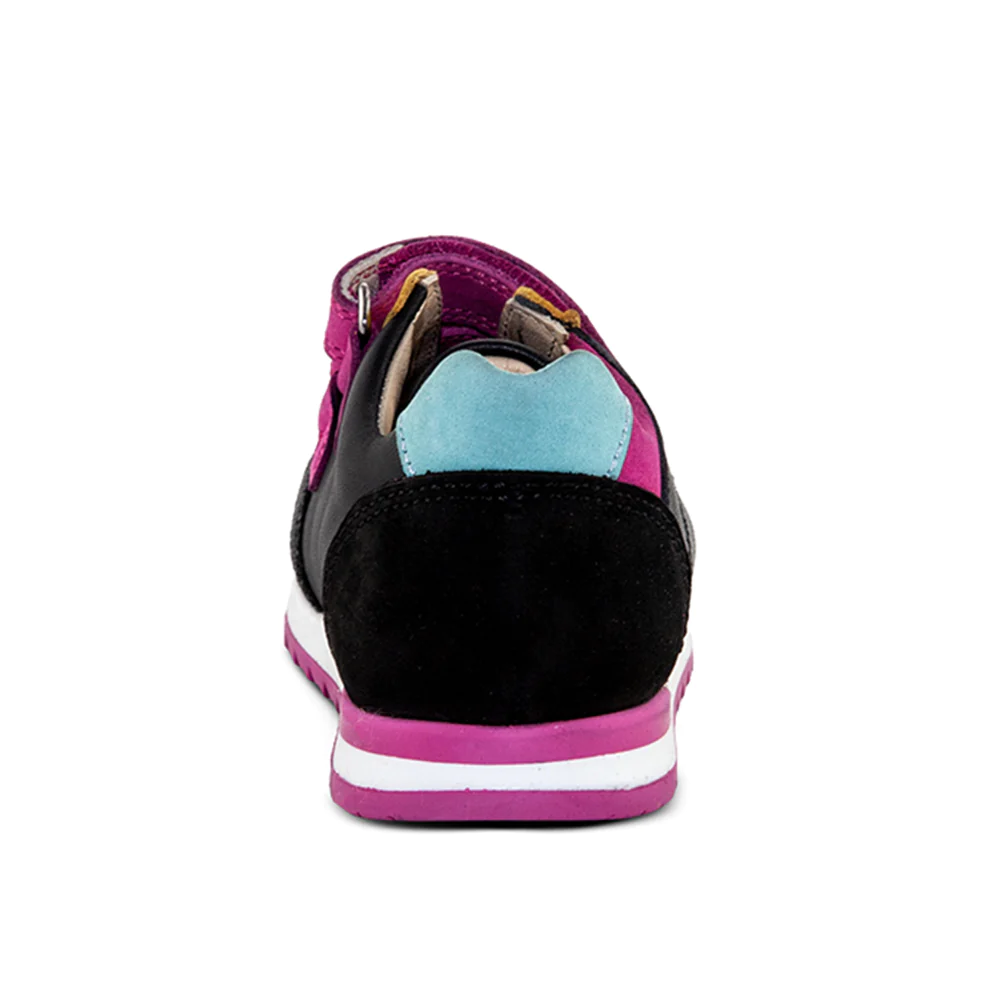
Ella Candy Sneakers
Lightweight design for continuous movement
Material
Leather + Nubuck Leather
Type
Sneakers
Size
9.5 (AU)
Why we chose this shoe:
- Minimal weight reduces metabolic energy expenditure
- Flexible outsole permits natural forefoot articulation
- High built-in arch support despite lightweight construction
- Dual Velcro straps secure the foot without fine motor demands
- Removable insole accommodates prescribed orthotics
Why this shoe is best for children with dyspraxia:
If your daughter struggles to maintain participation across a full lunch break, Ella Candy's lightweight profile reduces cumulative energy expenditure during continuous play.
Children with dyspraxia expend more metabolic energy achieving movement than their typically developing peers—heavy shoes make this worse. The Ella Candy allows available energy to power actual activity instead of lifting unnecessary shoe weight.
The bright colour palette makes shoes "easy to find," reducing organizational burden for children whose motor planning difficulties often extend to getting dressed.
Choosing Shoes for Different Surface Conditions
Your child might run confidently on gym floors but become unsteady on grass or gravel. This surface-dependent instability reveals that their motor system can perform when conditions are predictable but struggles when surfaces change.
Always select footwear based on the most challenging surface your child regularly encounters, not the easiest. Children showing marked surface-dependent instability may benefit from two configurations: lighter, flexible shoes for indoor environments and more structured, grippier shoes for outdoor play.
Important Considerations Parents Often Overlook
- NDIS Funding Eligibility: Children with a formal dyspraxia diagnosis may qualify for NDIS funding covering orthopaedic footwear as assistive technology
- Sock Selection Matters: Seamless, moisture-wicking socks with silicone grip panels maintain foot position and reduce sensory irritation
- Break-in Period: Introduce supportive shoes gradually on familiar surfaces before expecting full-day wear
- When Shoes Aren't Sufficient: If your child shows no improvement after 8-12 weeks in appropriate footwear, seek podiatric assessment
- School Uniform Compliance: Many supportive shoes come in black leather variants, satisfying uniform requirements
- Involve Your Child: Children who like their shoes' appearance wear them consistently
The Right Shoes Make Running Possible
Finding the best running shoes for children with dyspraxia means giving your child the physical support their neurological system needs to participate alongside peers. The right footwear can't eliminate dyspraxia, but it removes one significant barrier to full participation in physical activity.
If you're unsure where to start, the Henley Pollux offers stability suitable for most children with dyspraxia. Your child deserves to run confidently, and the right shoes can make that possible.
References
1. Dyspraxia. (2025, October 24). Cleveland Clinic.
https://my.clevelandclinic.org/health/diseases/23963-dyspraxia-developmental-coordination-disorder-dcd
FAQs
How often should my child with dyspraxia get new running shoes?
Check fit every 3-4 months for children under five, and every 4-6 months for older children. Replace shoes if your child shows increased tripping, complains of fatigue earlier than usual, or demonstrates changes in foot positioning, even if the shoes look intact.
Can the right shoes actually improve my child's running ability?
While shoes cannot eliminate dyspraxia's neurological effects, appropriate footwear addresses specific biomechanical deficits. Research shows children with dyspraxia have reduced ankle power and inconsistent foot placement—shoes providing stability, lightweight construction, and proper support compensate for these challenges.
My child refuses to wear supportive shoes because they look different. What should I do?
Involve your child in selecting colors and styles. Modern orthopaedic children's shoes, including the First Walkers range, deliberately mimic mainstream athletic styling. Children who like their shoes' appearance wear them consistently, which matters more than having "perfect" shoes they resist wearing.
Should my child wear the same shoes for all activities?
Children demonstrating surface-dependent instability may benefit from two configurations: lighter, flexible shoes for predictable indoor environments, and more structured, grippier shoes for outdoor play. This acknowledges that no single shoe optimally serves all contexts.
How do I know if my child needs custom orthotics in addition to supportive shoes?
If your child shows no improvement in gait stability after 8-12 weeks in appropriate footwear, seek podiatric assessment. Custom orthotics may address underlying biomechanical issues that shoes alone cannot correct.
Are expensive running shoes always better for children with dyspraxia?
Price doesn't guarantee appropriate features. Focus on specific design elements: lightweight construction, midfoot stability, multi-directional grip, secure fastening, and moderate cushioning. Many First Walkers options provide these features at accessible price points, with some qualifying for NDIS funding.