Pediatric Hammer Toe: Causes, Care, and Foot Development Tips
Pediatric hammer toe and congenital curly toes affect 2-3% of babies, causing toes to bend or curl downward. While 50% of curly toes self-correct by age three, some cases require treatment through taping, proper footwear, or surgery.




Updated March 27, 2026
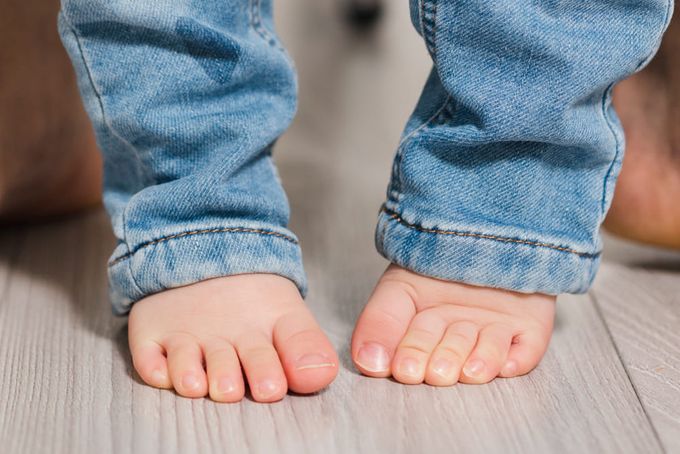
Why does your baby's toe look bent when you haven't noticed any injury? You probably noticed while you're changing their diaper or bathing them, but one of their toes is curved downward or tucked under another toe. Now, you may ask if it's normal or if it will fix itself.
Most overlapping toe abnormalities in babies are temporary and completely harmless. But knowing the difference between normal newborn quirks and conditions that need treatment can save your child from future pain and walking problems down the line.

Get Orthopedic Shoes for Healthy Feet
Support your child's natural foot development from the very first step.
What is Pediatric Hammer Toe in Children
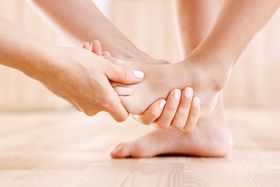
Pediatric hammer toe is when one or more of your child's toes bend downward instead of pointing straight. There is no toe pain, but they take on a distinctive hammer-like shape, which is where the name comes from. This most commonly affects the second or third toe.
What Causes Pediatric Hammer Toe in Children
This happens during your baby's leg development when muscles and tendons on top of the foot are pulling harder than the ones underneath during foot development.
Think of it like a tug-of-war where one side is much stronger. When those extensor muscles (the ones on top) overpower the flexor muscle (the one underneath), the toe gets stuck in that bent position [1].
There's another similar condition called congenital curly toe, also known by the medical term clinodactyly. This one affects about 2-3% of babies and is typically present right from birth [2].
Unlike hammer toes, curly toes happen when tendons underneath the foot pull the third, fourth, or fifth toes into a curled or overlapping position.
The suspected cause is compression of the toes from how your baby was positioned inside the womb during pregnancy, so it's nothing you did or could have prevented.
When You'll Notice Pediatric Hammer Toe or Curly Toes
When toe issues appear depends on the type. True hammer toe is uncommon in babies and young children and usually shows up later in the teen years, especially if there’s a family history or ongoing pressure from tight shoes.
Curly toes follow a different pattern and are often noticed at birth or during a newborn exam. Genetics plays a role, but the outlook is reassuring since around half of the cases straighten out naturally as your child grows, without any treatment needed.
Signs and Symptoms of Pediatric Hammer Toe
Blisters, calluses, or red patches on the toes
Toe pain or discomfort, especially in certain shoes
Limping, unsteady walking, or avoiding walking
A toe that stays bent and won’t straighten easily
Toes overlapping or curling under one another
Thickened, discolored, or misshapen, ingrown-looking toenails
Recognizing these symptoms can help you get the right care quickly, preventing pain and long-term problems for your child’s feet.
How to Prevent Hammer Toe in Toddlers
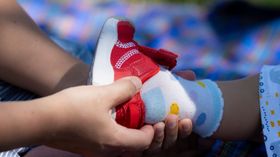
The single most important thing you can do to prevent hammer toe is to make sure your child's shoes fit properly. Their shoes should have plenty of room for the toes to spread naturally without being cramped or squeezed.
Shoes to Avoid:
- Pointed-toe styles
- Narrow toe boxes
- Any shoes with heels (even small ones on dress shoes)
Now, children's feet can grow surprisingly fast during growth spurts. So, check shoe fit regularly, not just when you're buying new pairs. Shoes that fit perfectly last month might be too small today. Make it a habit to check monthly.
If your child has been diagnosed with a neuromuscular or orthopedic condition like cerebral palsy or juvenile arthritis, inspect their feet daily for signs of skin trauma from shoes. These children face a higher risk of developing hammer toe.
Unfortunately, you can't prevent congenital curly toes because these form during fetal development. If curly toes run in your family, your baby might have them too, but remember that half of all cases resolve on their own.
What Happens If Pediatric Hammer Toe Goes Untreated
If pediatric hammer toe goes untreated, your child will experience [1]:
Increasing foot and leg pain that makes walking, running, and playing uncomfortable
The bent toe alters their balance and weight distribution, often causing limping and making physical activities difficult
The added strain also raises the risk of falls, especially in toddlers still mastering their balance
Over time, flexible hammer toes can become rigid and permanently bent, requiring surgery to correct. Untreated curly toes can cause blisters and calluses from constant friction, discouraging activity.
Long-term, untreated hammer toe can lead to chronic pain and walking problems that affect knees, hips, and back well into adulthood.
Treatment Options for Pediatric Hammer Toe You Can Try at Home
Splints and Orthotics: When worn inside shoes with a wide toe box, it can help mild hammer toe cases. These devices keep the bent toe in a straighter position throughout the day, which reduces foot pain by redistributing pressure
Treating Calluses: This is important because calluses on the affected toe increase pain and make the toe more rigid over time. Gently shaving them down with a pumice stone or applying protective padding can provide immediate comfort
Supportive Taping for Hammer Toe: It can provide comfort and help counteract weak flexor muscles. The tape holds the toe straighter, giving those weaker muscles the support they need. You can also try buddy taping
Taping for Curly Toes in Babies: For babies under age three with curly toes, doctors usually recommend watchful waiting because most cases resolve on their own.
Wide Toe Box Shoes: These are the most important conservative treatment for both hammer toes and curly toes. Proper footwear prevents friction, reduces pain, and stops the condition from worsening
The Right Shoes for Kids With Pediatric Hammer Toe
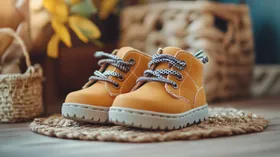
Shoes play such an important role in preventing hammer toe from getting worse and supporting healthy toe alignment over time. When it comes to regular vs supportive shoes, the wrong footwear can actually turn a flexible hammer toe into a rigid one that requires surgery.
What to Look for When Shopping for Shoes
Wide Toe Box: Measure across the widest part of your child's foot and compare it to the shoe's interior width. The toes shouldn't touch the sides or top of the shoe at all. This prevents compression that worsens hammer toe and gives curly toes room to gradually straighten out
Proper Height: The toe region should have a minimum height of 10 millimeters. This ensures your child's bent or curled toes don't scrape against the inside top of the shoe. Shoes that are too flat on top will constantly rub against the raised toe, creating painful blisters
Adequate Toe Allowance: Leave 10 to 17 millimeters of space between your child's longest toe and the front of the shoe. This gives room for the feet to slide forward slightly during walking without cramping the toes
Flexible Construction: Bend the shoe in your hands. Good, flexible shoes should flex easily at the ball of the foot. Rigid, stiff shoes prevent the foot from moving naturally and force the toes into fixed positions that can worsen deformities
Snug but Not Tight Fit: You want a shoe that holds your child's foot snugly without any pressure points. Shoes that are too loose slip while walking, creating friction. Shoes that are too tight compress the toes and restrict blood flow
Sufficient Width in the Ball Area: If the shoe squeezes the ball of the foot, it forces the toes forward and downward into that hammer position
Breathable Materials: Choose breathable shoes made of leather or mesh fabrics that allow air circulation. Avoid synthetic materials that don't breathe well because they cause sweaty feet that lead to blisters
First Walkers orthopedic wide shoes combine all these essential features with built-in arch support, making them an excellent choice for children dealing with toe alignment issues.
When to See a Doctor for Pediatric Hammer Toe
You should book an evaluation as soon as you notice changes in your child’s toe shape or signs of skin irritation. Early assessment helps prevent stiffness, pain, and long-term complications.
- Visible bending or curling of a toe
- Blisters, calluses, or skin breakdown
- Pain, limping, or difficulty wearing shoes
- Curly toes that persist beyond age three
- Known neuromuscular conditions
In most babies, curly toes don’t need imaging and are diagnosed through a simple physical exam. If hammer toe is suspected, weight-bearing X-rays — and in some cases an MRI — may be used to confirm the diagnosis and guide treatment.
Surgical Options for Severe Pediatric Hammer Toe
Surgery is only considered when the toe becomes rigid or painful and doesn’t improve with conservative care. Flexible hammer toes may be treated with minor soft tissue procedures, while rigid deformities may require joint or tendon correction.
Recovery usually takes 6–12 weeks and includes follow-up visits to monitor healing. While surgery is often effective, recurrence and complications such as infection or nerve irritation can occur, making early, non-surgical care the preferred approach whenever possible.
Supporting Your Child's Recovery and Monitoring Progress
For hammer toe cases, keep an eye on changes in your child's toe flexibility and symptoms. Can you still gently straighten the toe, or is it getting stiffer? Watch for increasing pain levels, difficulty walking, or more frequent complaints about foot discomfort.
Signs of Pediatric Hammer Toe Improvement
- Less toe overlap or curling
- Reduced pain during walking or running
- Fewer blisters and calluses
- More natural walking pattern
- Greater willingness to participate in physical activities
Signs of Pediatric Hammer Toe Worsening
- Increased toe rigidity
- More frequent pain complaints
- New calluses or skin damage appearing
- Avoiding activities they used to enjoy
- Refusing to wear shoes or crying when shoes are put on
If there's no improvement despite trying non-surgical treatments, or if the toe becomes increasingly rigid, talk to a pediatric orthopedist about next steps. For persistent curly toes affecting your child's mobility or causing ongoing pain, surgical correction might be worth considering.
Protecting Your Child's Foot Development
Noticing curled or bent toes on your child can be worrying at first. The good news is that many toe issues in babies and young children are completely normal. Knowing what usually fixes itself and what needs attention helps you stay calm and make the right choices early on.
Most curly toes straighten out on their own by age three, and those that don’t often improve with simple steps like better-fitting orthopaedic shoes. The key is keeping an eye on changes, choosing shoes with wide toe boxes, and stepping in early can prevent long-term problems.

References
1. Hammertoes. (2025, December 31). Cleveland Clinic. https://my.clevelandclinic.org/health/diseases/17038-hammertoes
2. Hughes, M., MD. (n.d.). Congenital curly toe - pediatrics - orthobullets. https://www.orthobullets.com/pediatrics/4081/congenital-curly-toe
FAQs
What is the difference between hammer toe and curly toes in babies?
Hammer toe bends the toes downward in a hammer shape, usually affecting the second or third toe. Curly toes (clinodactyly) curl under or overlap, typically affecting the third, fourth, or fifth toes, and are present from birth.
Can pediatric hammer toe fix itself?
Curly toes self-correct in about 50% of cases by age three. True hammer toe in children usually requires treatment, especially if caused by an underlying medical condition.
At what age should I worry about my baby's curled toes?
If your baby's curly toes persist past age three, cause pain, or show signs of skin damage like blisters, consult a pediatric podiatrist.
What shoes are best for toddlers with hammer toe?
Choose shoes with wide toe boxes (minimum 10mm height), flexible soles, adequate toe allowance (10-17mm), and breathable materials. First Walkers orthopedic shoes meet all these requirements.
Is hammer toe genetic in children?
Yes, children with a family history of hammer toe have over a 50% risk of developing it themselves.
Does taping work for curly toes in babies?
Studies show taping the curled toe to an adjacent normal toe works in 94% of babies under three, with resolution within two months. It's less effective in older children.