Plantar Fasciitis Children Exercises: 6 Expert-Backed Moves
Plantar fasciitis in children causes heel pain that can affect how they walk, play, and grow. These 6 physiotherapist-recommended exercises stretch, strengthen, and support your child's recovery at home, especially when paired with the right footwear.




Published May 30, 2026
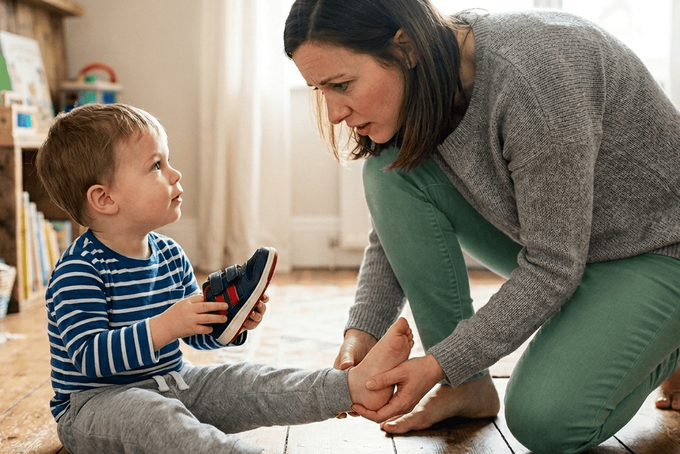
If your child has been complaining about heel pain, especially that first-step pain in the morning, plantar fasciitis could be the reason. It's more common in children than most parents realise, but the right exercises can make a real difference.
Here, we'll walk you through 6 exercises for children with plantar fasciitis, what each one does, how to do it safely at home, and what to watch out for along the way.
What Causes Plantar Fasciitis in Children
Plantar fasciitis happens when the band of tissue running along the bottom of the foot, the plantar fascia, becomes inflamed from overuse or strain [1].
In children, this is often triggered by:
Growth spurts, where bones grow faster than the surrounding soft tissues can keep up with, create tension in the arch and heel.
Excessive activity load, tight calf muscles, and poorly fitted shoes all add to the problem.
Around 50% of sports-related injuries in children are overuse injuries, and plantar fasciitis sits firmly in that category [2].
Effects of Plantar Fasciitis in Children
Without management, it can lead to altered gait patterns, reduced activity, and long-term foot problems that follow your child into adulthood.
The most effective approach combines stretching, strengthening, and the right footwear.
6 Plantar Fasciitis Exercises for Children That Actually Work
1. Plantar Fascia Stretch for Children With Heel Pain
This is the most targeted exercise for plantar fasciitis in children. It works by pulling the toes back toward the shin, creating tension along the arch and lengthening the tight, inflamed fascia.
How to do the plantar fascia stretch
Have your child sit with the affected leg crossed over the opposite knee
They should use the same side of their hand to pull all toes back gently, not just the big toe
With the other hand, press the thumb along the arch. It should feel firm, like a guitar string
Hold for 10 seconds, 3 repetitions, 2 to 4 times daily
Most children notice reduced morning pain within 2 to 4 weeks. The most common mistake is bouncing instead of holding, which causes more irritation rather than relief.
2. Calf Stretch for Children With Plantar Fasciitis
Tight calf muscles increase the load on the plantar fascia by limiting how much the ankle can flex during walking and running. This stretch addresses that directly.
How to do the calf stretch
Your child should stand facing a wall with both hands at shoulder height
The affected leg goes back with the heel flat on the floor and the knee straight
They then lean forward from the hips until they feel a strong pull in the upper calf
Hold for 20 to 30 seconds, 3 to 5 repetitions, several times daily
Watch from the side to make sure the back heel stays down throughout. The moment it lifts, the stretch stops working. Children should stretch barefoot where possible for better feedback and technique.
3. Towel Curl Exercise for Plantar Fasciitis in Children
This exercise strengthens the small muscles inside the foot that support the arch, taking load off the plantar fascia during movement.
How to do the towel curl exercise
Your child sits in a chair with a small hand towel flat on a smooth floor
Using only their toes, they scrunch the towel toward them while keeping the heel planted
They must do 10 to 20 repetitions, 1 to 3 times daily
It's best introduced after 2 to 3 weeks of stretching rather than right away. Strength improvements typically show within 6 weeks of consistent practice.
4. Short Foot Exercise for Children's Plantar Fasciitis
This is a more advanced move that targets the deep stabilising muscles of the arch without engaging the toes at all.
How to do the short foot exercise
Your child sits with feet flat on the floor and tries to "shorten" their foot by pulling the ball of the foot toward the heel, creating a visible dome in the arch.
Toes stay completely straight throughout
Hold for 10 to 30 seconds per repetition
Have your child watch their own foot to see the arch lift. If the toes curl, the wrong muscles are working. This exercise suits children aged 9 and up with good body awareness. Motor learning typically happens within 1 to 2 weeks, with functional benefits following at 4 to 8 weeks.
5. Ball Rolling for Children With Plantar Fasciitis Pain
Ball rolling provides immediate relief by improving blood flow to the inflamed tissue and releasing tension in the fascia. It's the exercise children tend to enjoy most, which makes it great for keeping them consistent with the full routine.
How to do ball rolling
Your child sits in a chair and rolls a tennis ball slowly from the heel through the arch to the ball of the foot for 3 to 5 minutes per foot
The pressure should feel uncomfortable but never sharp
Use the 7 out of 10 rule: if discomfort goes above 7, ease off
Rolling after a warm bath maximises the benefit. Daily use, even on pain-free days, helps prevent flare-ups.
6. Heel and Toe Raises for Plantar Fasciitis in Children
This exercise builds calf strength and improves circulation to the heel and arch through controlled, alternating movement.
How to do heel and toe raises
Your child stands with feet hip-width apart, rises slowly onto their toes, and holds for 3 to 5 seconds
Then, your child should lower and lift the toes off the ground while keeping the heels down. That's one full cycle
Do 10 to 15 repetitions, 2 to 3 sets, once or twice daily
Children typically notice reduced morning stiffness within 2 to 4 weeks. This one fits easily into daily routines. For example, you can get them to do it while brushing teeth or during TV time.
Helping Your Child Recover From Plantar Fasciitis With the Right Support
These 6 plantar fasciitis exercises for children work best when they're done consistently and paired with the right footwear. Supportive shoes with proper arch support and cushioning reduce the strain on the plantar fascia during everyday movement, giving the exercises a better foundation to work from.
First Walkers shoes are designed with firm arch support, cushioned soles, and proper heel stability, exactly what a child managing plantar fasciitis needs between exercise sessions.
References
1. Plantar fasciitis. (2026, May 13). Cleveland Clinic. https://my.clevelandclinic.org/health/diseases/14709-plantar-fasciitis
2. McLeod, T. C. V., Decoster, L. C., Loud, K. J., Micheli, L. J., Parker, J. T., Sandrey, M. A., & White, C. (2011). National Athletic Trainers’ Association Position Statement: Prevention of Pediatric Overuse Injuries. Journal of Athletic Training, 46(2), 206–220. https://doi.org/10.4085/1062-6050-46.2.206
3. Siriphorn, A., & Eksakulkla, S. (2020). Calf stretching and plantar fascia-specific stretching for plantar fasciitis: A systematic review and meta-analysis. Journal of Bodywork and Movement Therapies, 24(4), 222–232. https://doi.org/10.1016/j.jbmt.2020.06.013
FAQs
Can plantar fasciitis in children heal on its own?
In mild cases it can, but untreated plantar fasciitis often leads to compensatory gait patterns that cause secondary problems in the knees, hips, and lower back. Early exercise and footwear management speeds recovery and reduces the risk of long-term issues.
How long does it take for plantar fasciitis to heal in a child?
Most children see significant improvement within 6 to 8 weeks of consistent stretching and strengthening. Cases linked to growth spurts may take longer, as the underlying bone-to-muscle mismatch continues until the growth phase slows.
Should my child rest completely from sport during recovery?
Complete rest isn't always necessary. Low-impact cross-training like swimming, cycling, or aqua jogging maintains fitness without stressing the plantar fascia. A gradual return to sport starting at 50% intensity with 10% weekly increases is the recommended approach.
When should I take my child to see a doctor for heel pain?
See a doctor if your child can't bear weight, if pain doesn't improve after 6 to 8 weeks, if they have pain at rest or during the night, or if there's numbness or tingling. These signs may point to something beyond plantar fasciitis.
Does diet affect plantar fasciitis recovery in children?
Yes. Growing children need adequate protein, roughly 1.0 to 1.5g per kg of body weight daily, along with vitamin C, zinc, and omega-3 fatty acids to support connective tissue repair. Poor nutrition, especially in children doing high-volume sport, can slow recovery noticeably.
Can growth spurts cause plantar fasciitis in children?
Yes, and it's one of the most common triggers. During peak growth velocity, bones grow faster than muscles and tendons can adapt. This creates tension in the plantar fascia that makes it vulnerable to inflammation, especially in active children.