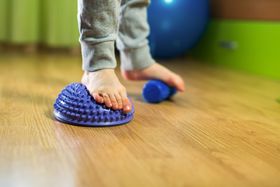
10 Best Plantar Fasciitis Shoes for Children for Pain-Free Play
Children with plantar fasciitis experience heel and arch pain that limits play, sports, and daily activities. The right therapeutic shoes with structured arch support, heel cushioning, and firm heel counters can significantly reduce pain and help your child return to normal activities.



Published February 6, 2026
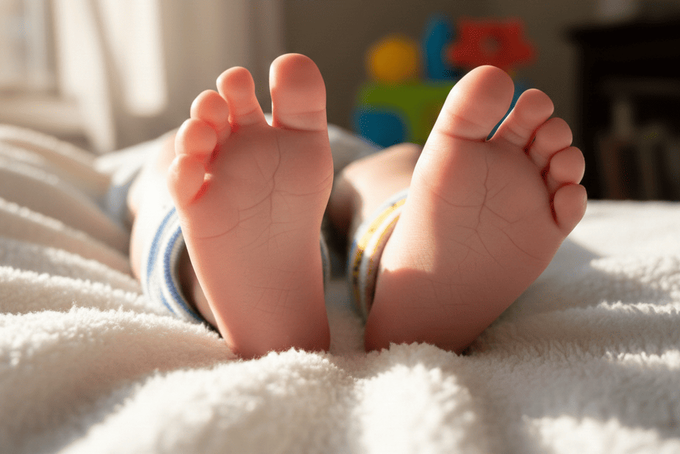
Does your child complain about heel pain first thing in the morning? Have you noticed them avoiding the playground or sitting out during PE class? If your active kid is suddenly reluctant to run, jump, or even walk normally, plantar fasciitis might be the culprit [1].
Unlike adult plantar fasciitis, which develops gradually from wear and tear, plantar fasciitis in kids often appears suddenly during growth spurts. The condition creates genuine pain that disrupts your child's daily life—from struggling up stairs at school to quitting sports they once loved.
The good news is that the right shoes can make a dramatic difference. We'll show you exactly which therapeutic shoes help children with plantar fasciitis return to pain-free play, and what features actually matter for growing feet.
Our Top 10 Picks for Plantar Fasciitis Shoes for Children
Show more
What is Plantar Fasciitis in Children
Plantar fasciitis in kids looks different from the adult version. Your child will typically complain about pain in the heel and arch that gets worse during activities like running, jumping, or climbing stairs. The pain usually eases when they rest, which is why many parents initially dismiss it as "just tired feet."
Morning pain is a telltale sign of plantar fasciitis. If your child limps or walks stiffly when they first get out of bed, their plantar fascia has tightened overnight and hurts when stretched during those first steps.
What Makes Childhood Plantar Fasciitis Different
While adults develop this condition from degenerative tissue changes over the years, children often get it during growth spurts when bones grow faster than soft tissues.
Their calcaneal growth plate—the area where the heel bone is still developing—remains open until around age 14-16, creating vulnerability that doesn't exist in adult feet.
The impact on your child's life can be significant. Research shows up to 75% of youth with chronic foot pain withdraw from sports activities. Beyond physical limitations, heel pain affects your child's mood, self-esteem, and ability to participate in activities with friends [2].
What to Look for in Plantar Fasciitis Shoes for Children
- Firm heel counter: Reinforced heel support stabilises the rearfoot, limits excessive inward rolling, and keeps the heel bone aligned to reduce strain on the plantar fascia during walking
- Structured arch support: Built-in arch support in shoes distributes pressure across the foot, reduces stress at the heel, and supports developing arches while preventing compensatory soft-tissue strain
- Adequate heel cushioning: Shock-absorbing cushioning reduces impact forces on the heel, protects the calcaneal growth plate during growth spurts, and limits repetitive stress on the plantar fascia
- Moderate heel-to-toe drop: A slight heel elevation helps reduce tension on the plantar fascia and Achilles tendon without altering natural gait or compromising stability
- Appropriate fit with a wide toe box: Proper length and width prevent toe gripping, allow natural toe splay, and accommodate rapid foot growth while supporting healthy foot mechanics
What to Avoid in Plantar Fasciitis Shoes for Children
- Completely flat, unsupportive shoes: Footwear with thin, hard soles and no arch support increases heel strain and delays recovery by maintaining constant tension on the plantar fascia
- Flip-flops and unsecured sandals: Shoes without heel containment or arch support force toe gripping, increase plantar fascia tension, and raise the risk of ankle instability
- Worn-out athletic shoes: Old shoes lose cushioning and structure, transfer impact directly to the heel, and create uneven loading that worsens pain and disrupts your child's gait
Our 10 Expert Picks for Plantar Fasciitis Shoes for Children
1
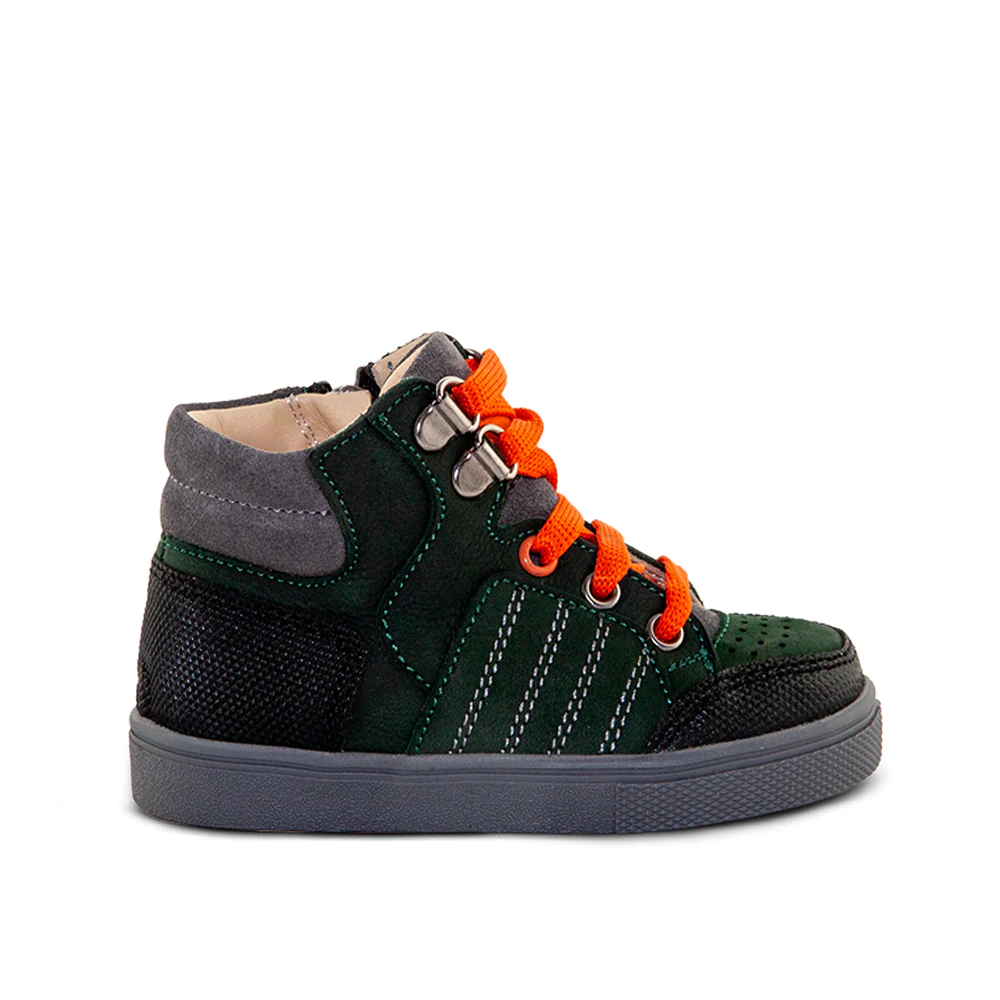
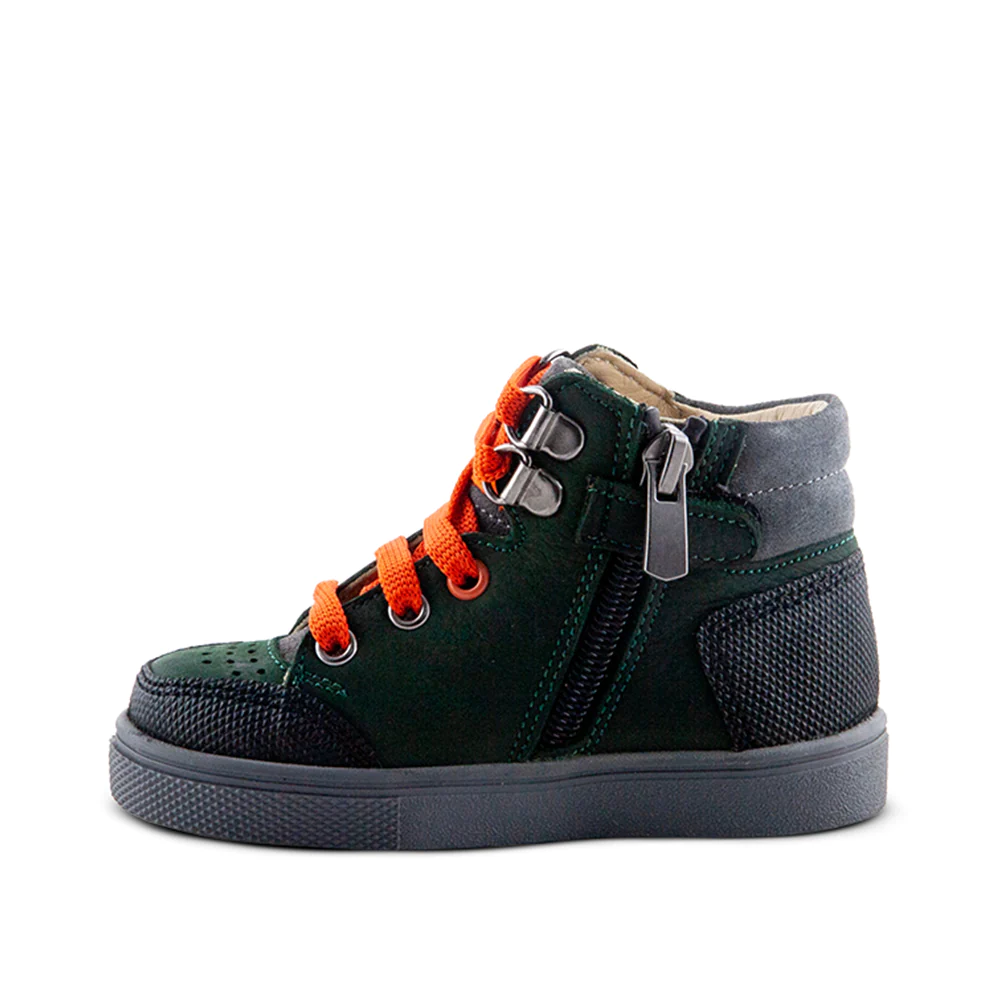
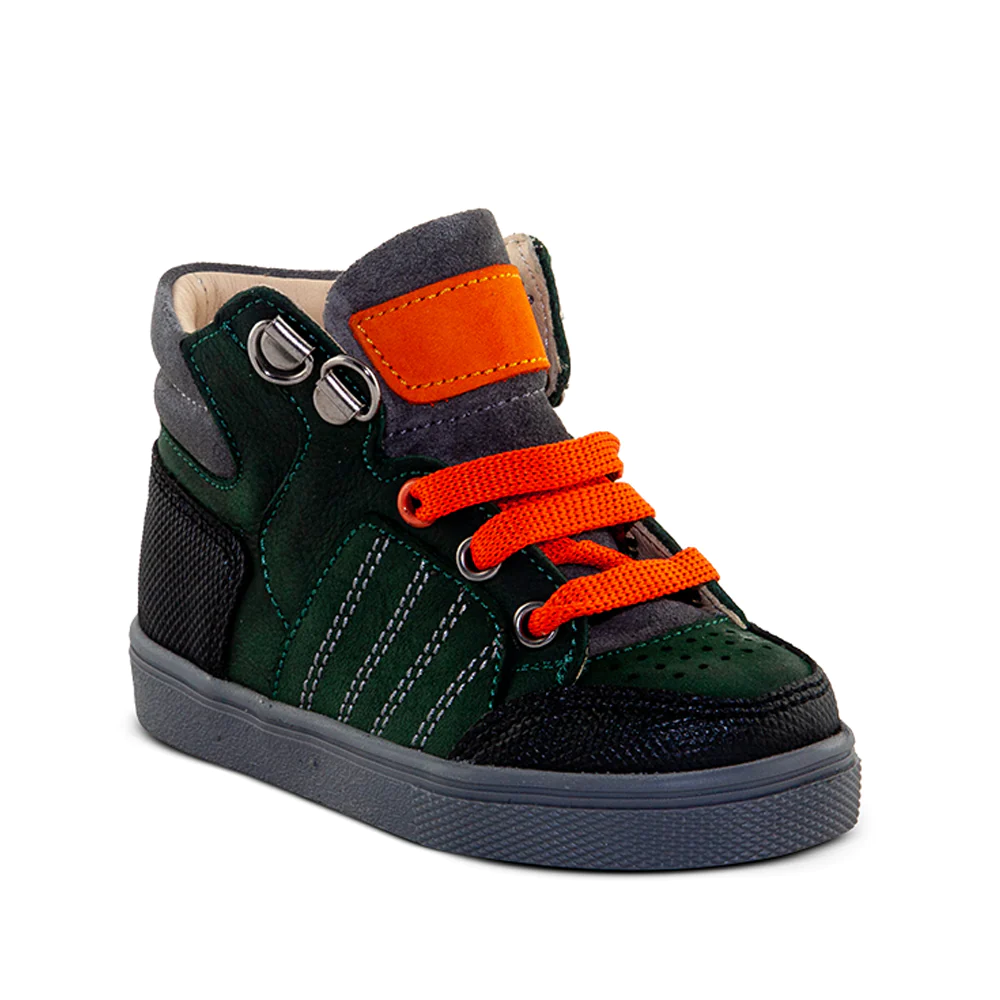
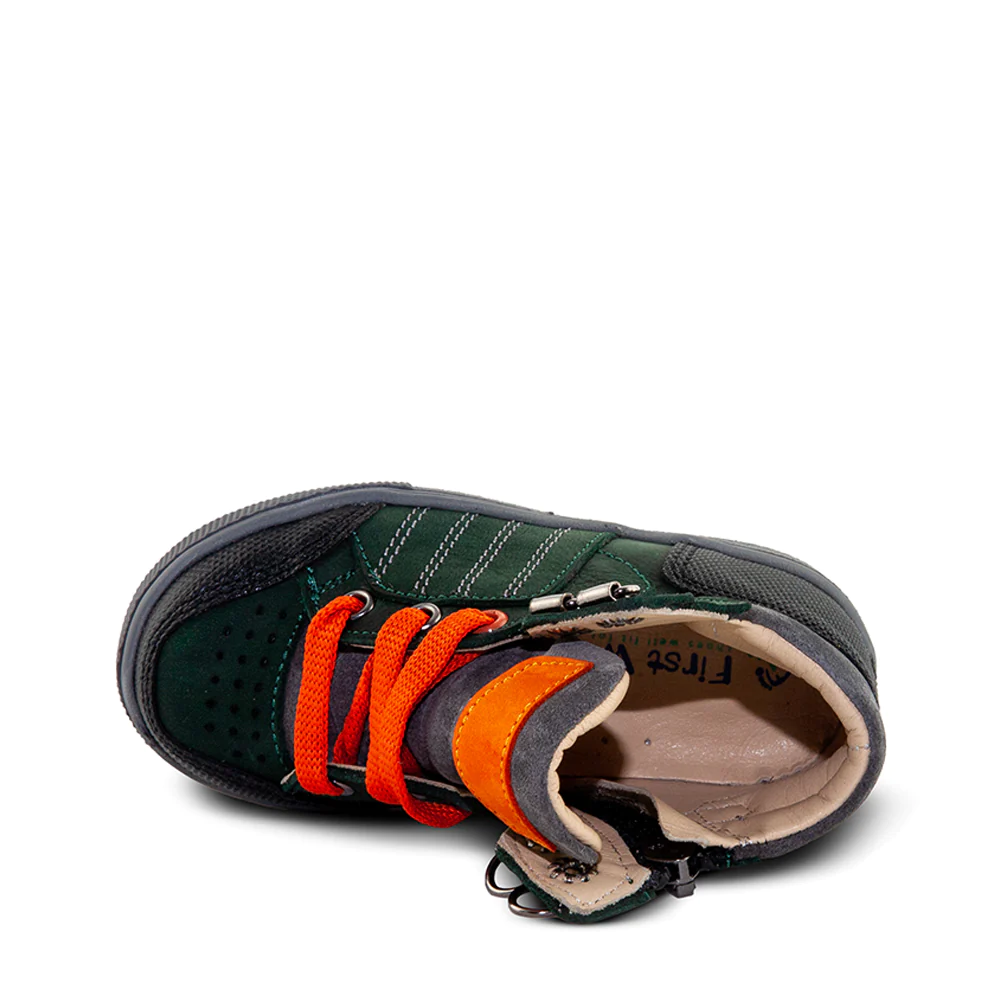
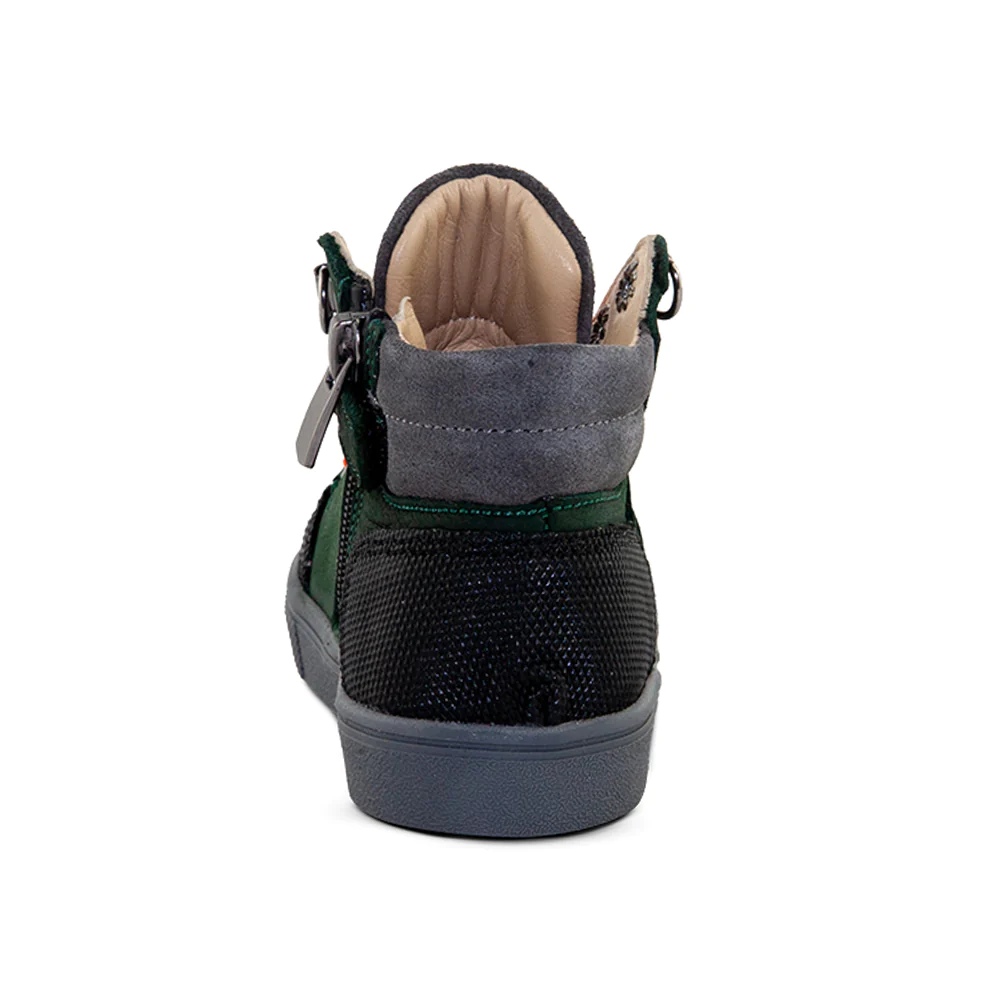
Henley Pollux Sneakers
Perfect for all-day kindy wear with therapeutic support your child won't resist.
Material
Nubuck Leather
Type
Sneakers
Size
9.5 (AU)
Why we chose this shoe:
- High built-in arch support that maintains neutral arch position
- Shock-absorbent thermoplastic outsole that reduces impact forces
- An extended high-cut design that stabilizes the rearfoot and prevents excessive pronation
- Removable insoles that accommodate custom orthotics if prescribed
Why this shoe is best for children with plantar fasciitis:
The Henley Pollux excels during extended childcare or kindy days where your toddler transitions between structured activities and free play across varying surfaces.
The combination of cushioned outsole and structured arch support in the Henley Pollux maintains consistent heel protection whether your child is sitting for story time, walking between rooms, or running in outdoor play areas.
You benefit from a single shoe that doesn't need swapping mid-day—reducing the risk of symptom flare-ups from inconsistent footwear. The nubuck leather upper offers durability against inevitable toddler scuffs while remaining supple enough to avoid pressure points.
The dual-fastening system with shoelaces and side zipper lets you achieve precise, supportive fit initially, then use the zipper for quick on-off convenience during the day.
2
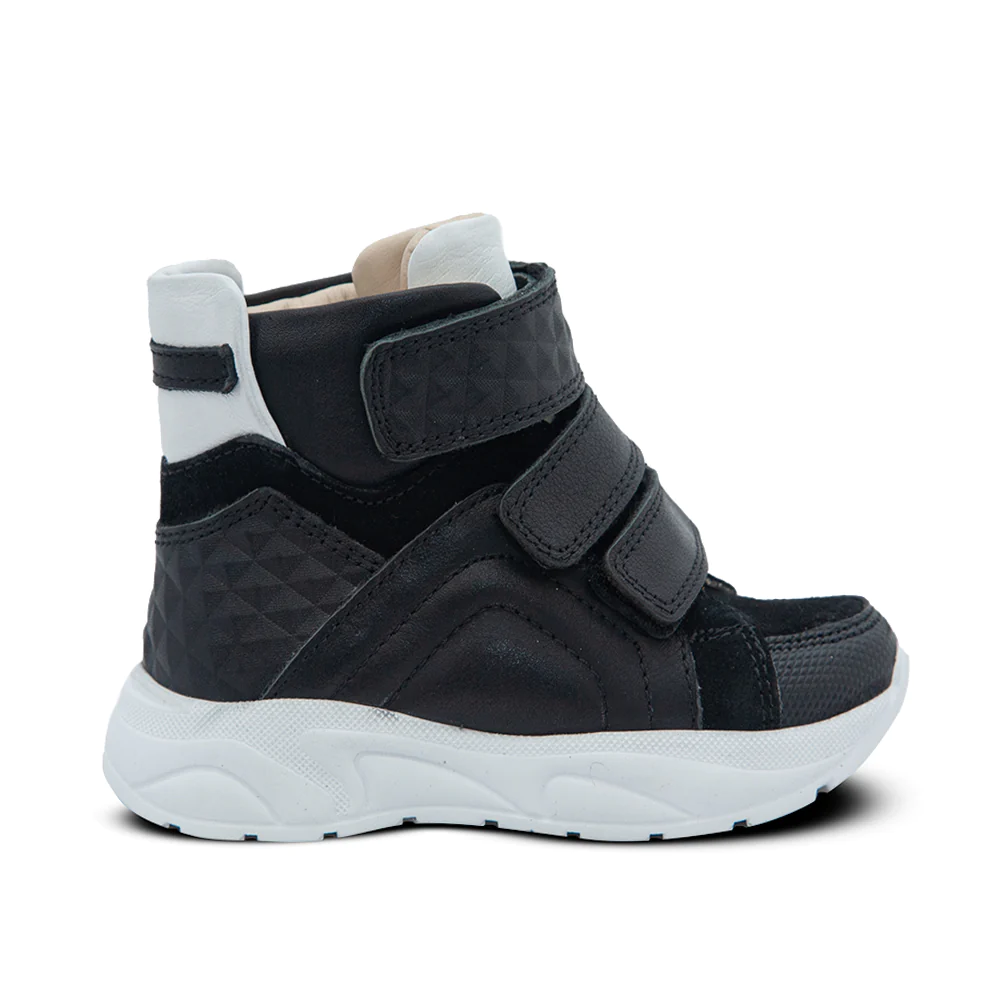
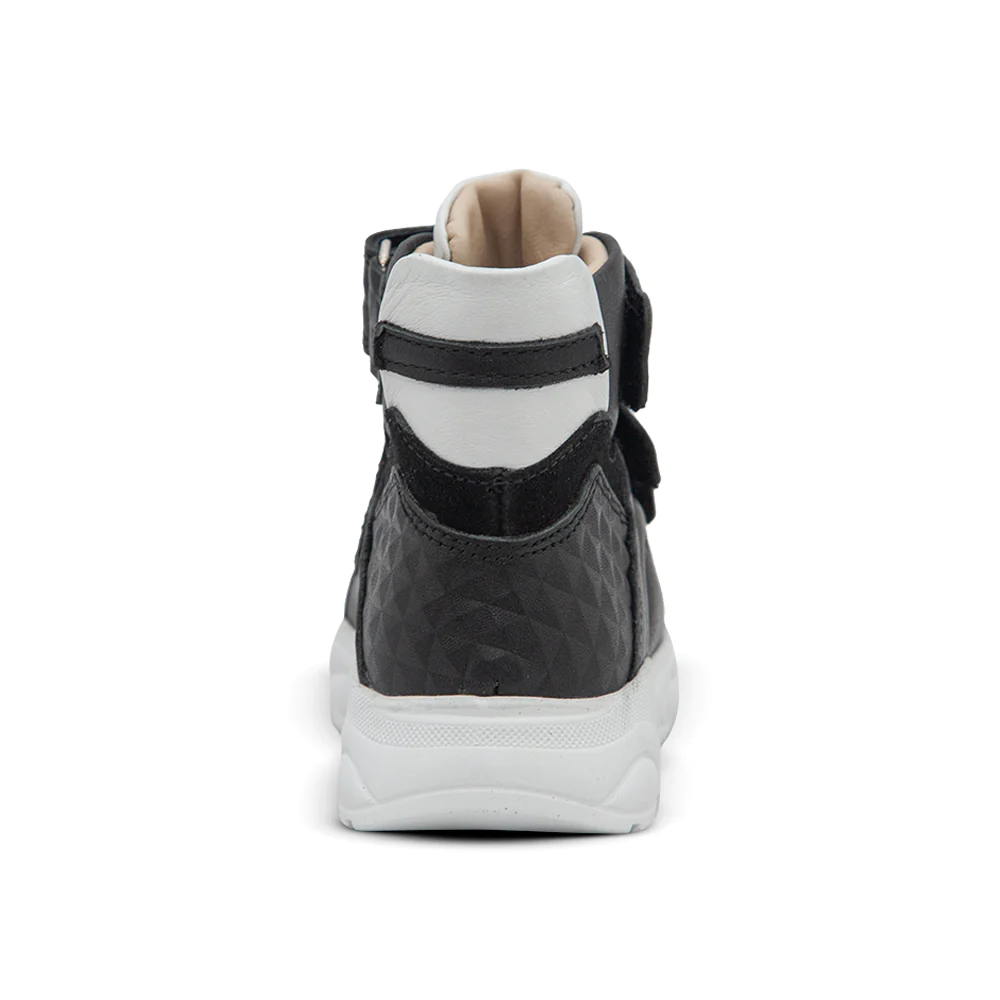
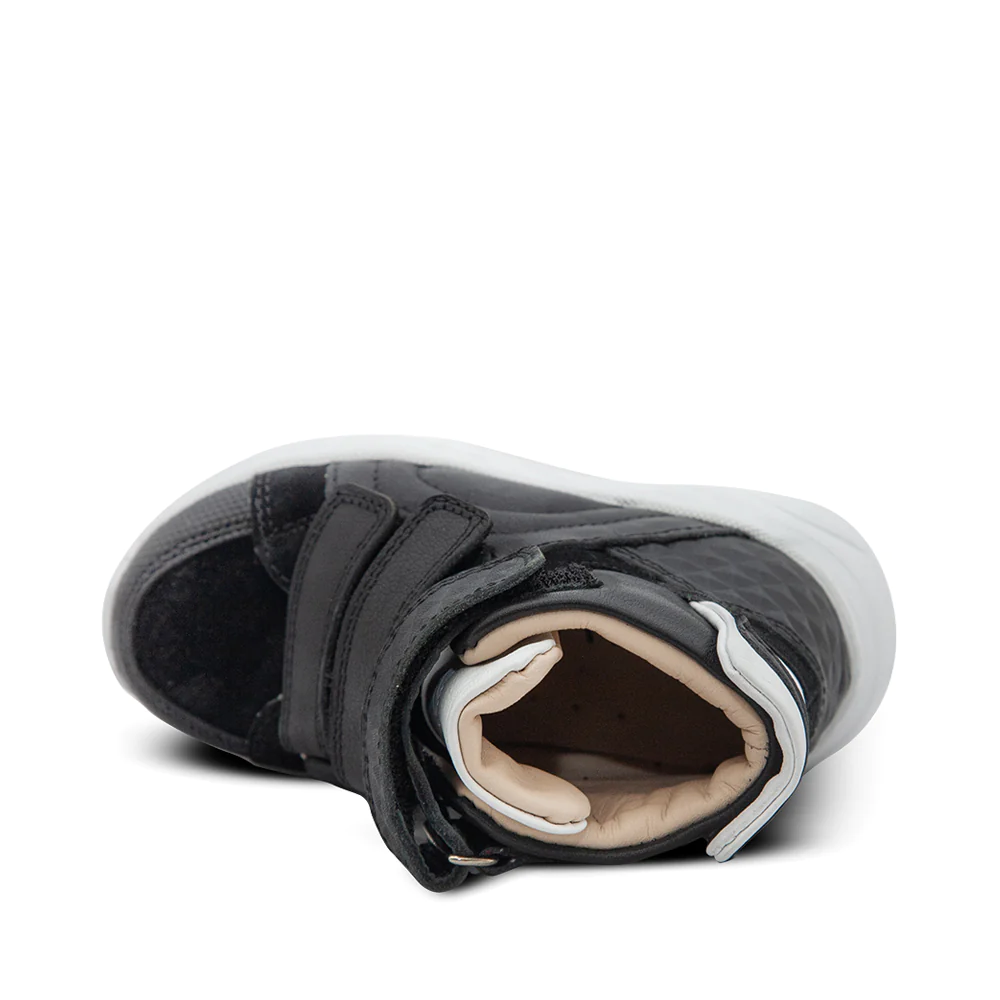
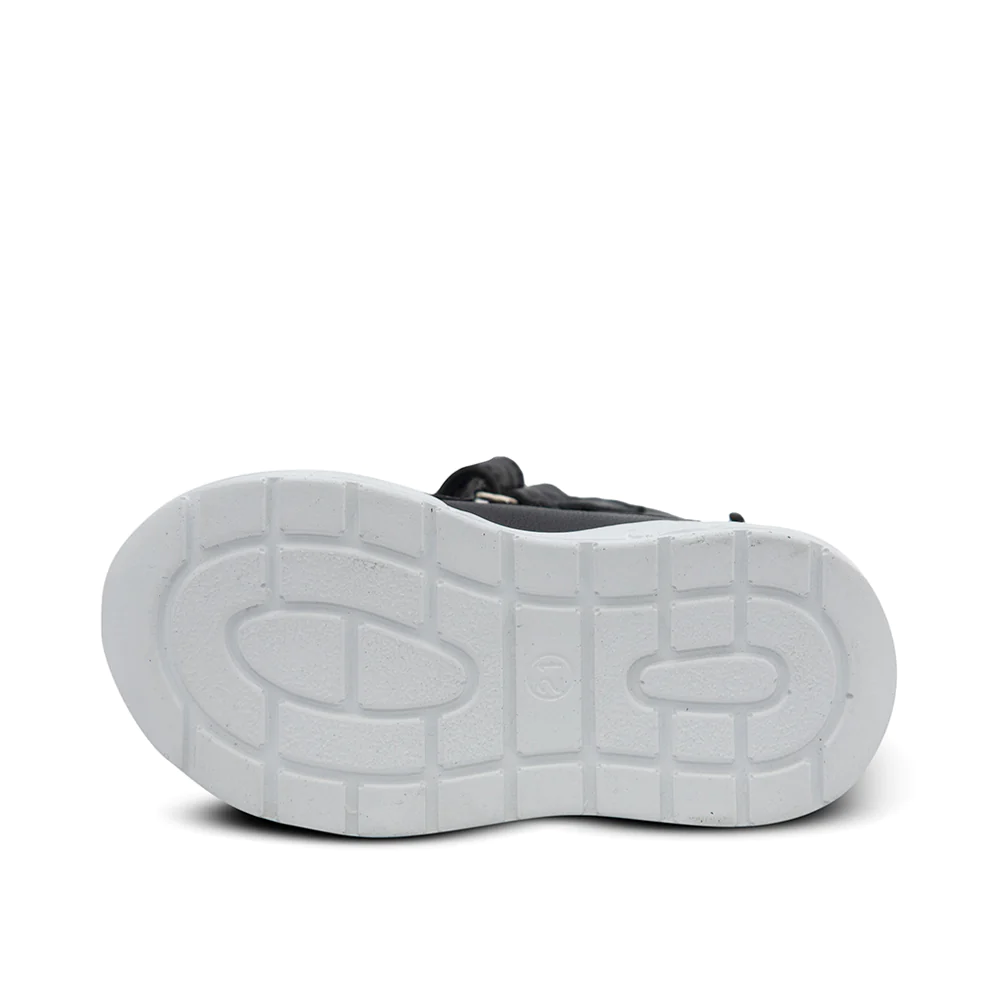
Dopey Smith Sneakers
Built to survive months of rough outdoor play without losing therapeutic properties.
Material
Leather + Nubuck Leather
Type
Sneakers
Size
9.5 (AU)
Why we chose this shoe:
- Triple Velcro strap system for independent midfoot and forefoot tension control
- Leather and nubuck upper that maintains structural rigidity during active movement
- Shock-absorbent thermoplastic outsole engineered to withstand high-impact landings
- Firm heel counter that prevents slippage and reduces fascial strain
Why this shoe is best for children with plantar fasciitis:
The Dopey Smith is purpose-built for backyard exploration, park visits, and playground sessions where your toddler climbs, jumps from low heights, and runs on uneven terrain.
The leather construction in the Dopey Smith maintains structural integrity on grass, bark chips, and concrete surfaces that quickly destroy less durable footwear.
For your child with plantar fasciitis, this durability matters. Worn-out shoes lose their protective cushioning and arch support, triggering symptom flare-ups. The Dopey Smith's longevity ensures consistent biomechanical support across months of hard outdoor use, not just weeks.
The triple Velcro shoe closure eliminates laces that toddlers trip over, while enabling children to develop fine motor skills to manage their own shoes independently.
3
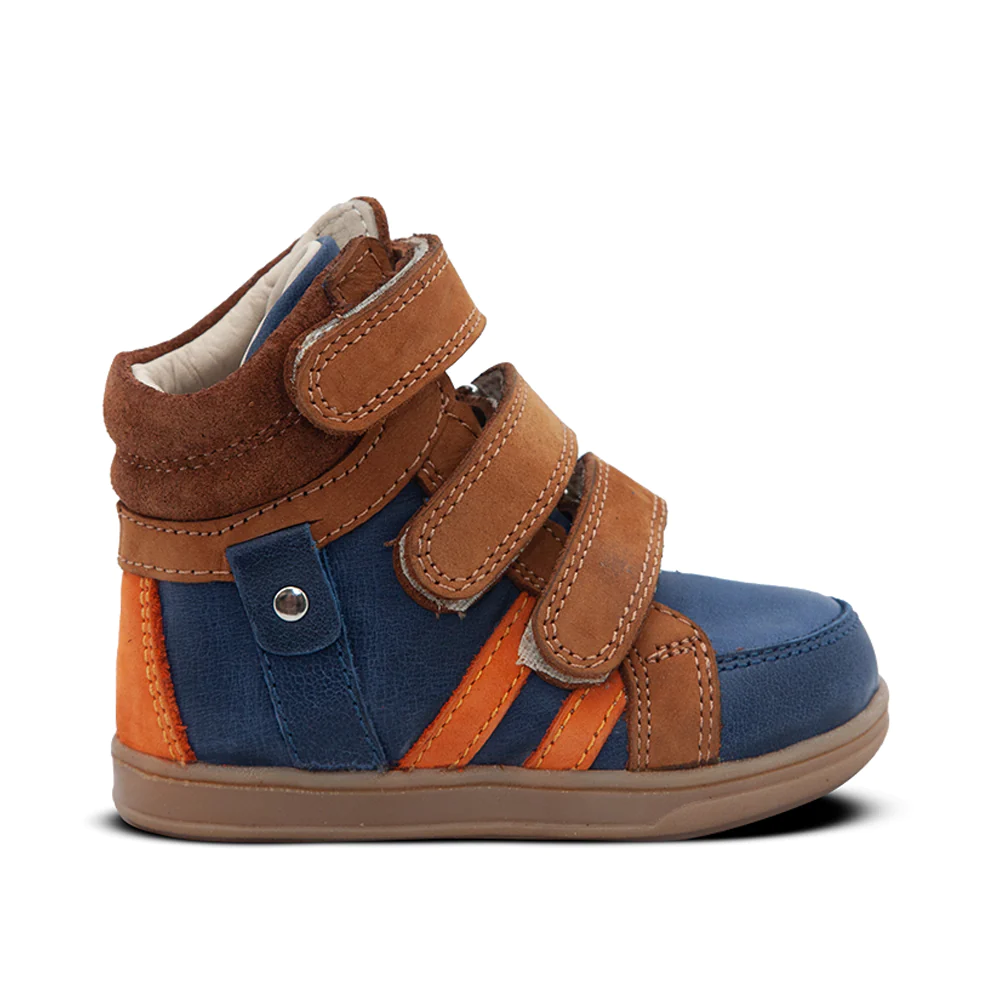
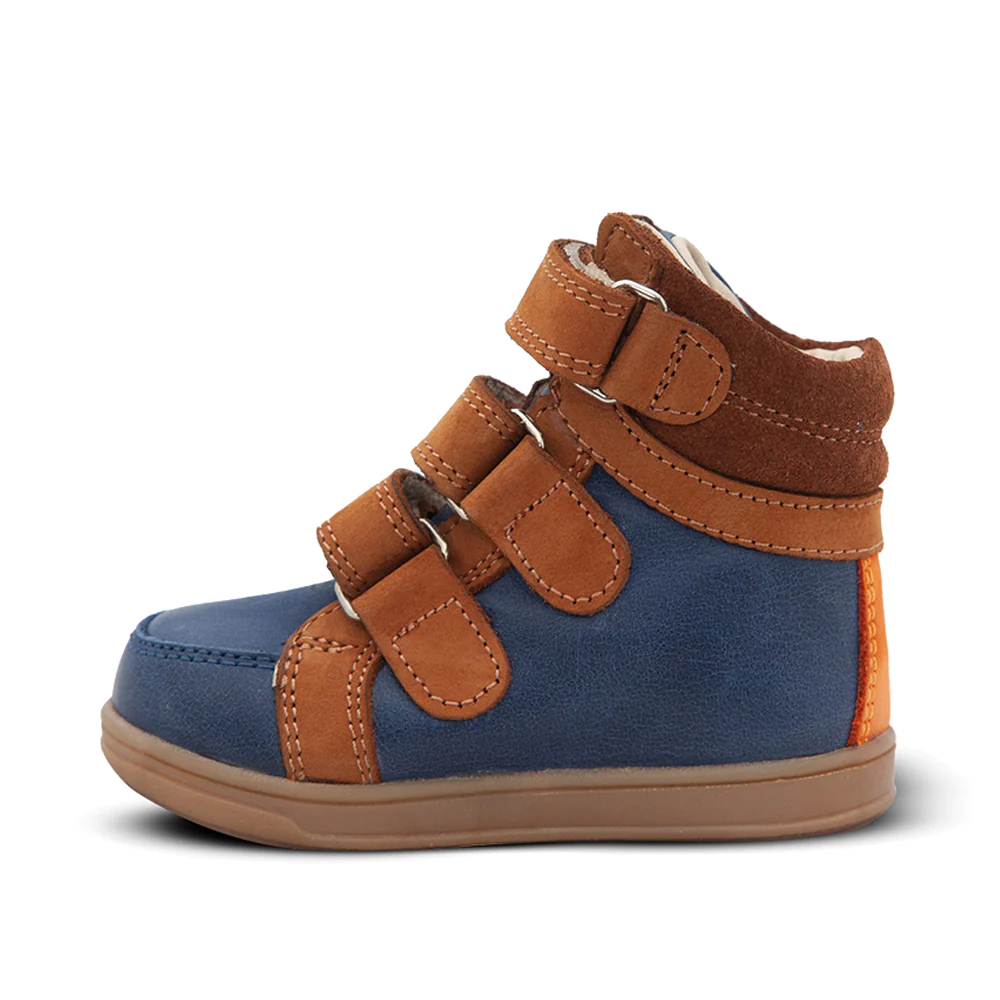
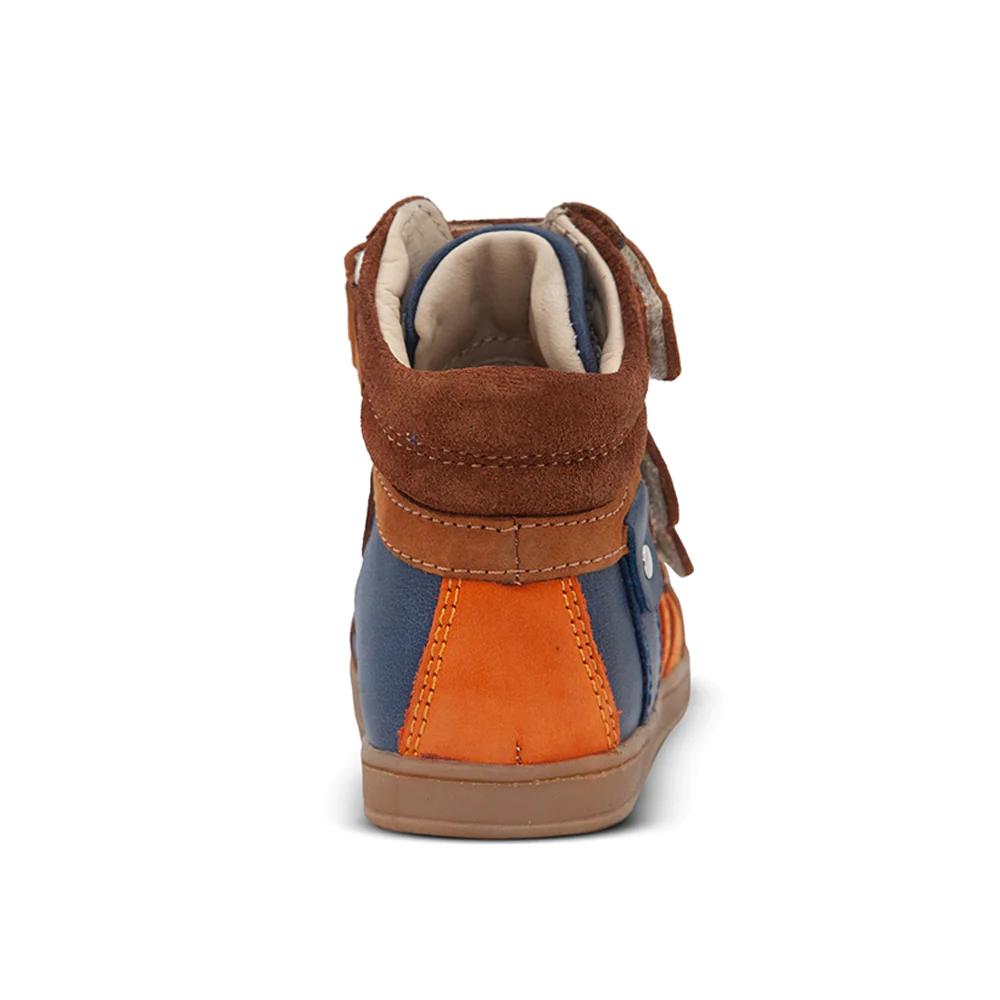
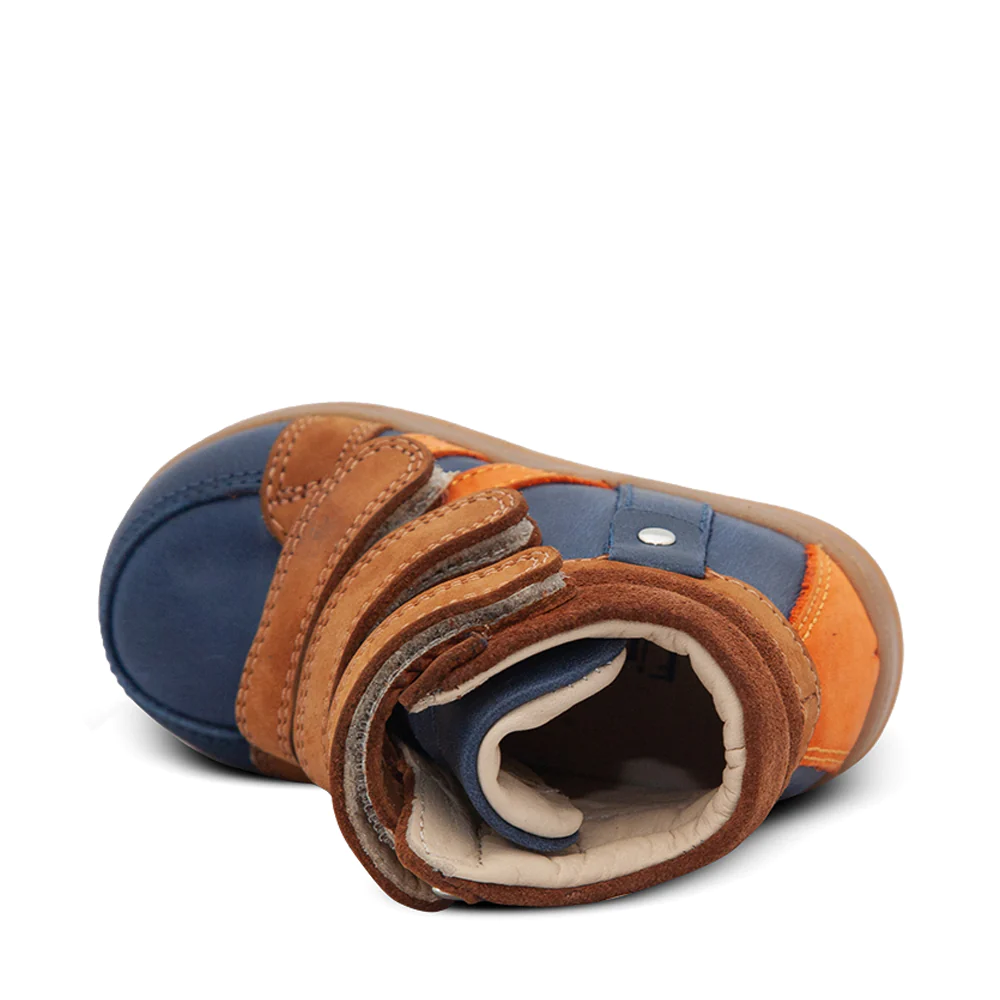
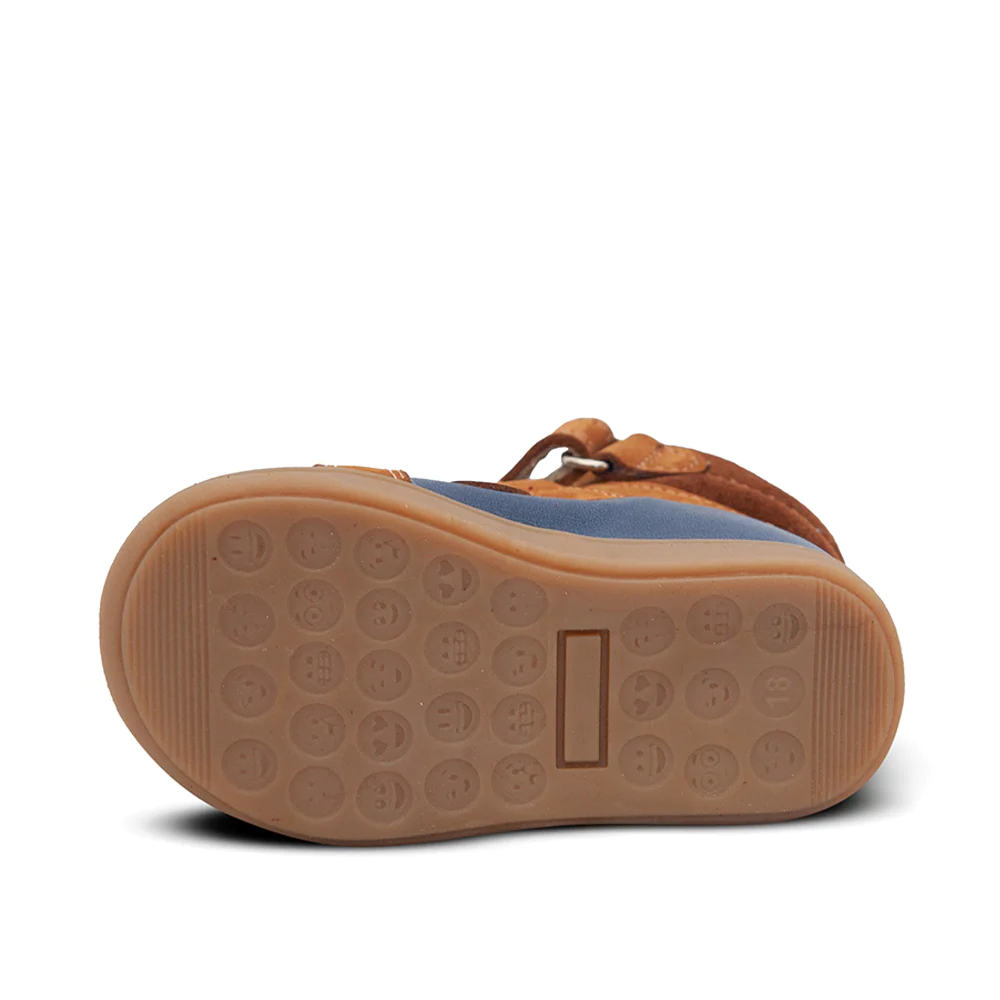
Skyler Brave Sneakers
The only shoe you'll need when your podiatrist prescribes custom orthotics.
Material
Leather + Nubuck Leather
Type
Sneakers
Size
9.5 (AU)
Why we chose this shoe:
- Deep removable insole system designed to accommodate custom orthotics
- High built-in arch support that works effectively for mild cases on its own
- An extended high-cut design that locks the heel in place
- Generous internal volume that prevents crowding when orthotics are inserted
Why this shoe is best for children with plantar fasciitis:
The Skyler Brave is ideal when you're working with podiatrists or physiotherapists who've prescribed custom orthotics as part of your child's plantar fasciitis treatment plan. Many supportive children's shoes claim removable insoles but lack sufficient depth to accommodate prescription inserts without compromising fit.
The Skyler Brave's generous internal volume solves this frustrating problem, making it the go-to option for medical appointments, therapy sessions, and everyday wear where prescribed orthotics must remain properly positioned. You avoid purchasing orthotics that won't fit your child's existing shoes—or worse, cramming them into ill-suited footwear that creates new pressure points.
The triple Velcro strap system compensates for any initial snugness by allowing incremental adjustment as the leather relaxes.
4
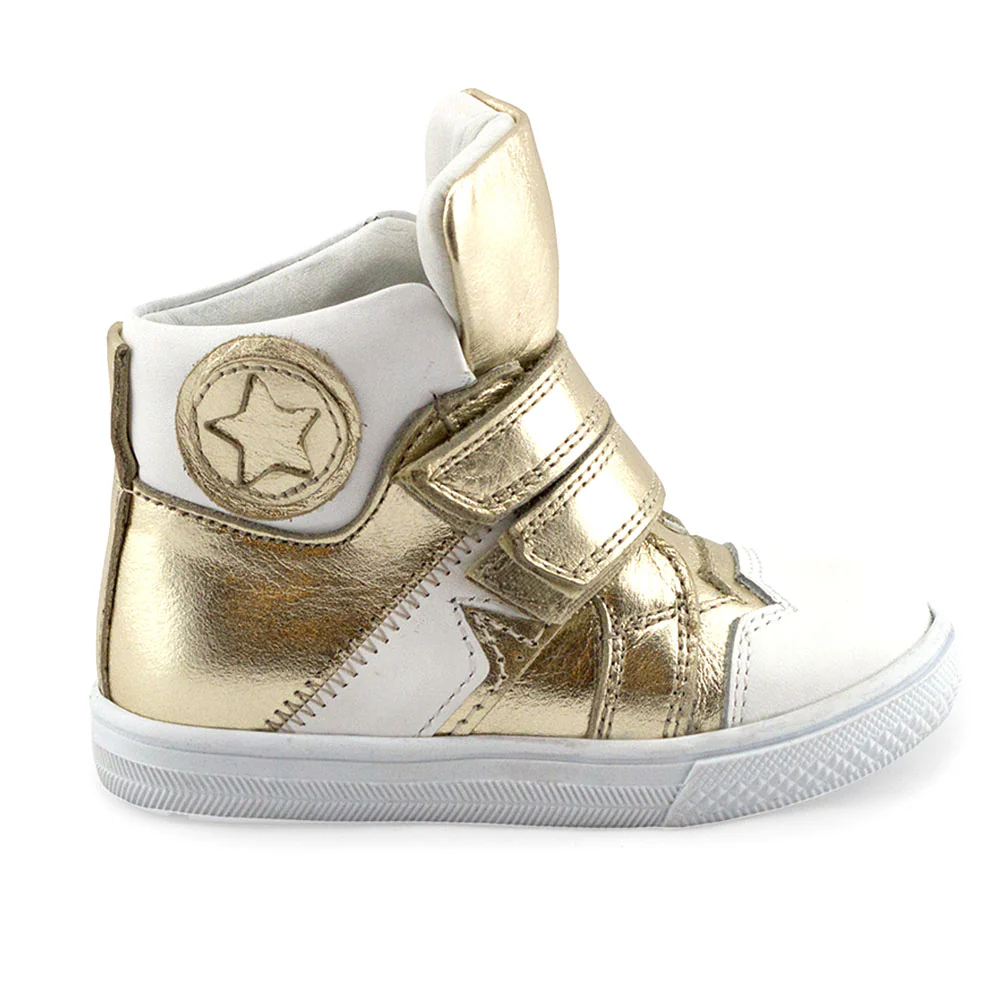
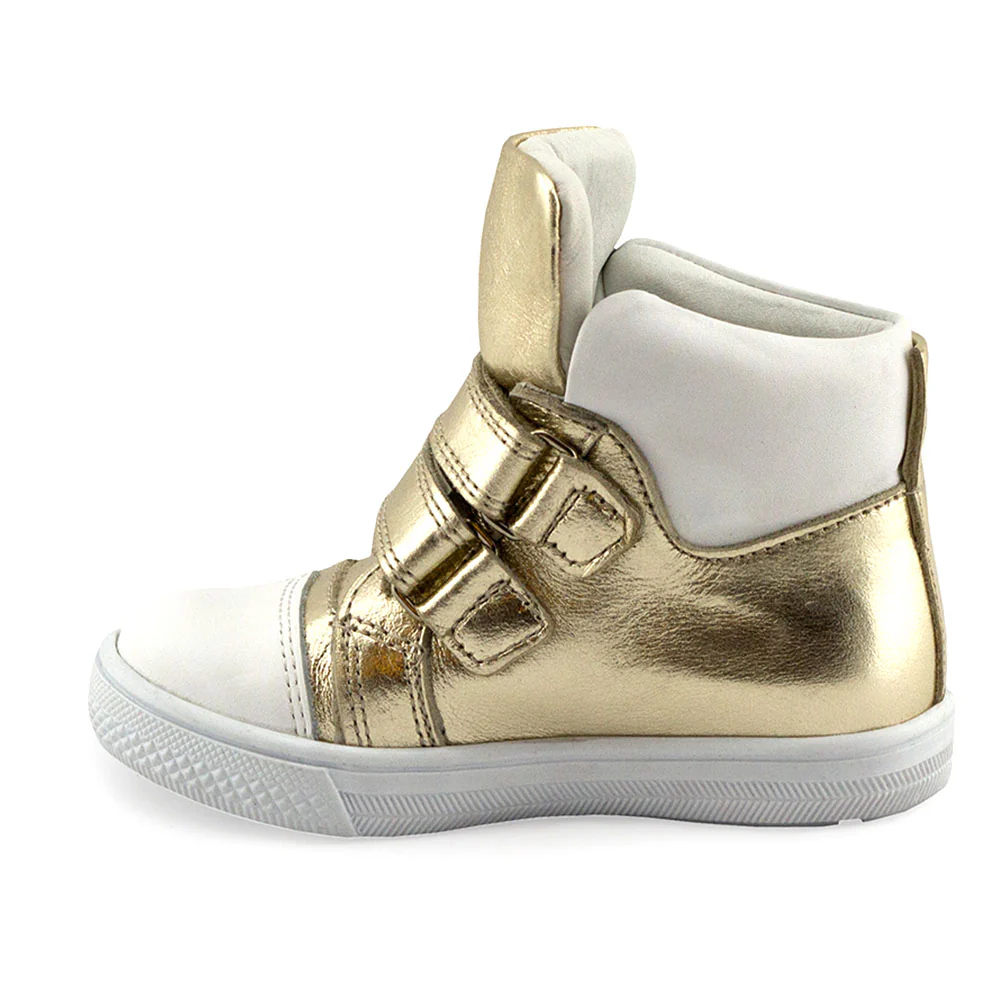
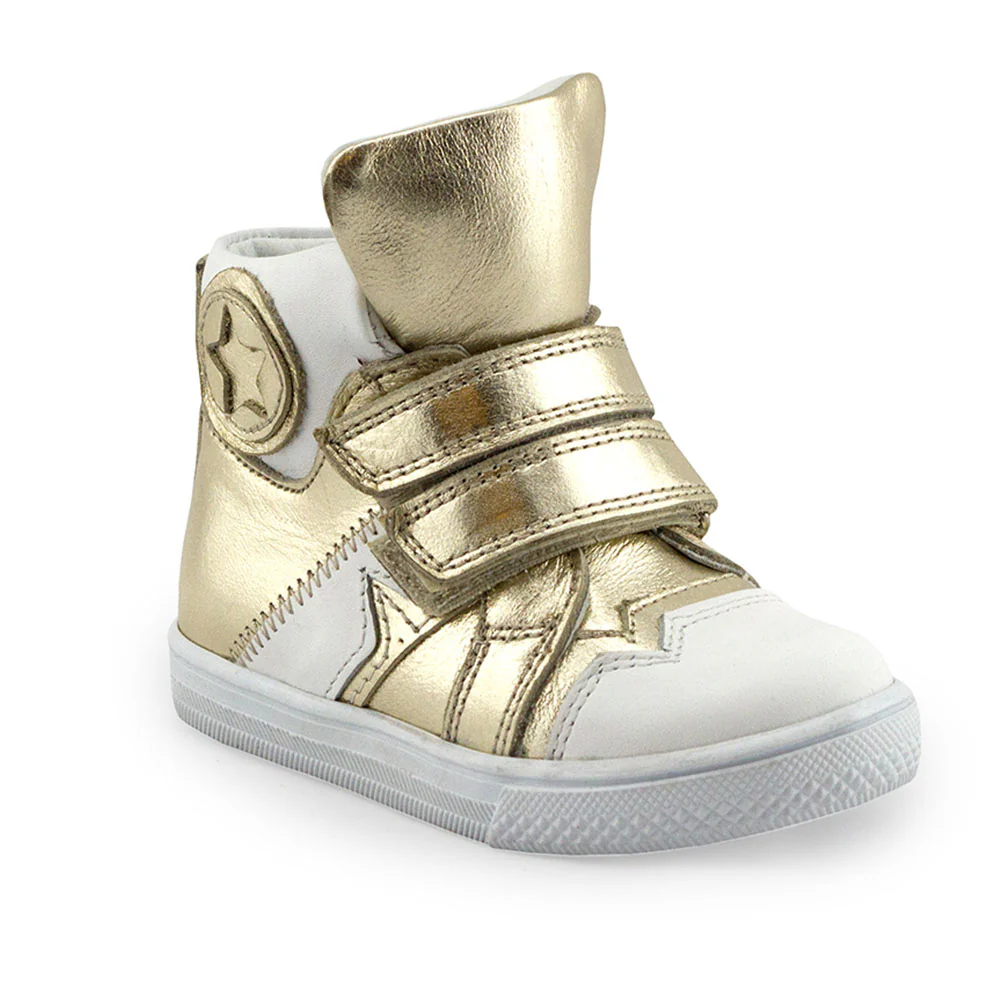
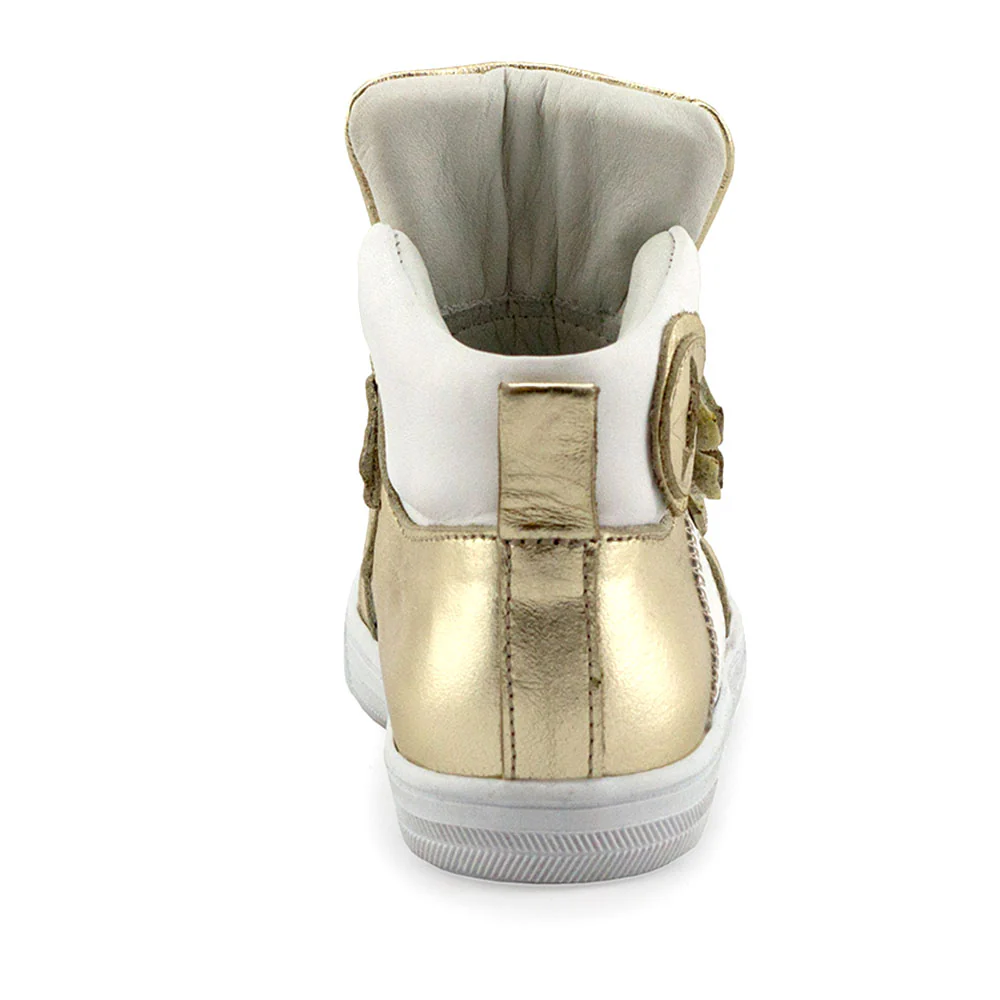
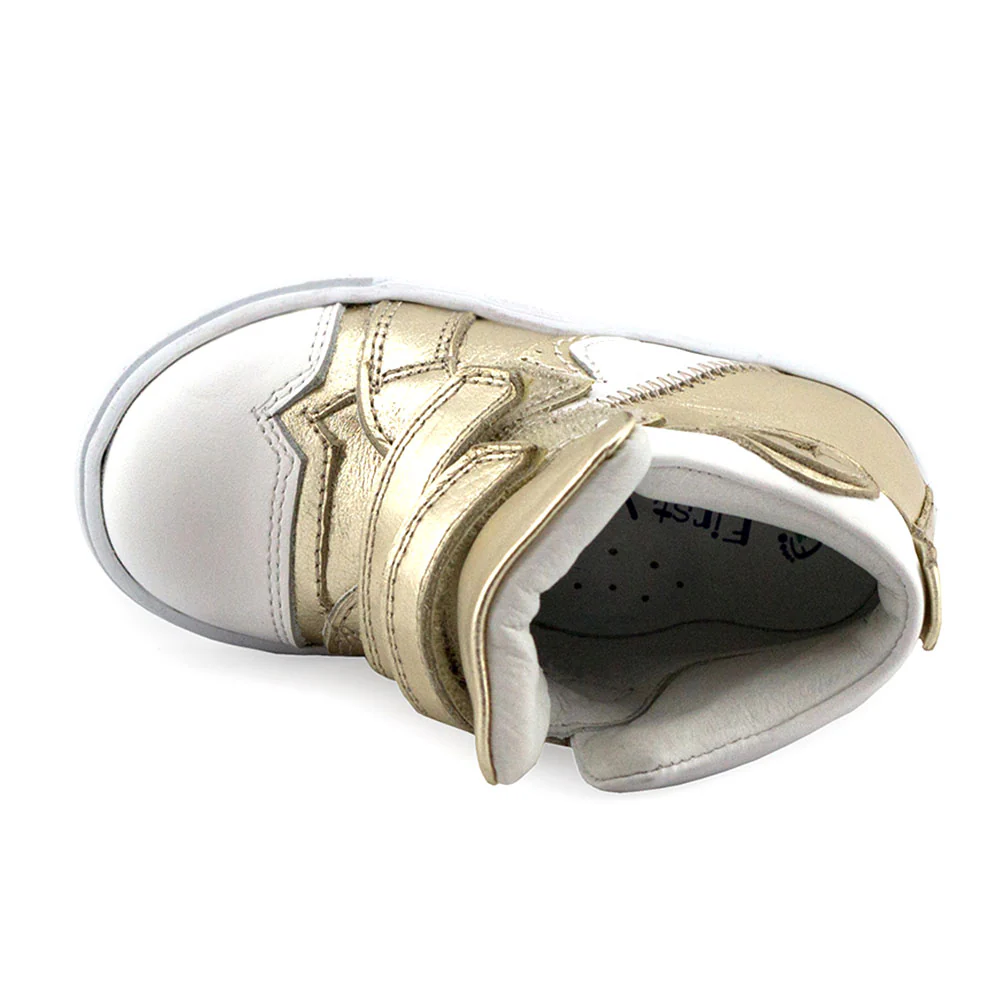
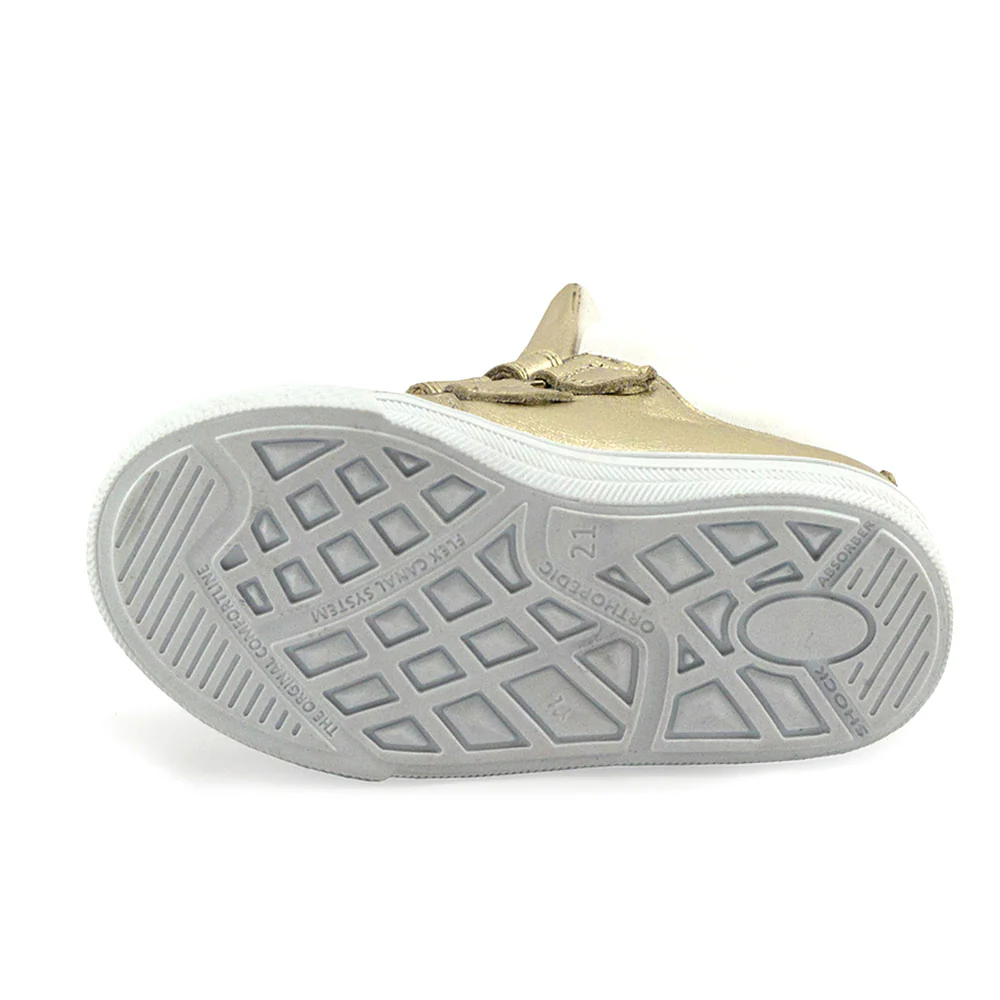
Olympic Sophia Sneakers
Therapeutic support disguised as the stylish shoes your daughter actually wants to wear.
Material
Leather
Type
Sneakers
Size
9.5 (AU)
Why we chose this shoe:
- Exceptionally firm heel support that prevents calcaneal drift
- Full leather construction that resists medial foot collapse
- High built-in arch support that offloads the fascial origin
- Extended high-cut design that anchors the entire rearfoot complex
Why this shoe is best for children with plantar fasciitis:
The Olympic Sophia shines at birthday parties, family gatherings, photo sessions, and special outings where your daughter wants to look stylish without sacrificing the support her feet need. Many therapeutic shoes look unmistakably clinical—a source of self-consciousness for children old enough to notice peer differences.
The Olympic Sophia's eye-catching gold leather and star detailing in the Olympic Sophia transform supportive footwear into something girls actively want to wear, eliminating the battle you often face convincing your child to choose function over fashion.
For families navigating plantar fasciitis during milestone events, this shoe ensures your daughter participates confidently without triggering symptom flare-ups from unsupportive "pretty" alternatives. The dual Velcro strap system enables quick outfit changes during parties and events.
5
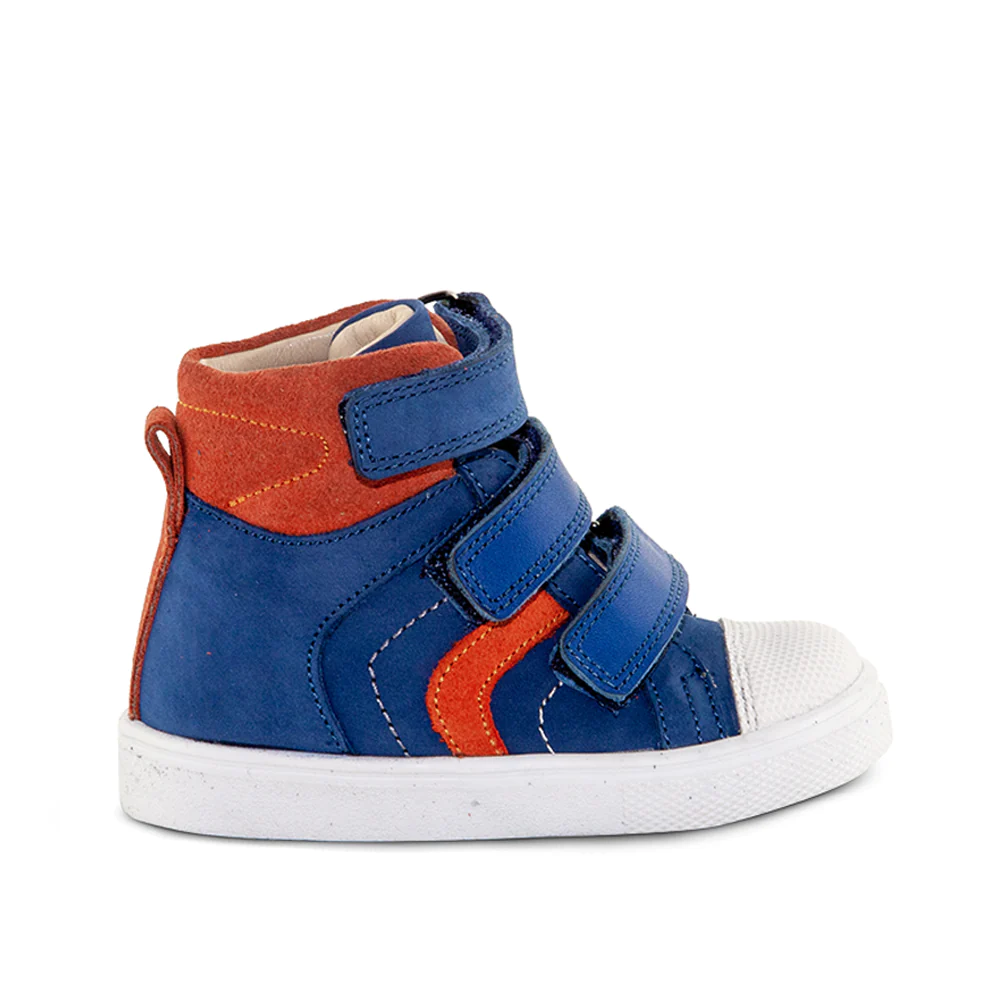
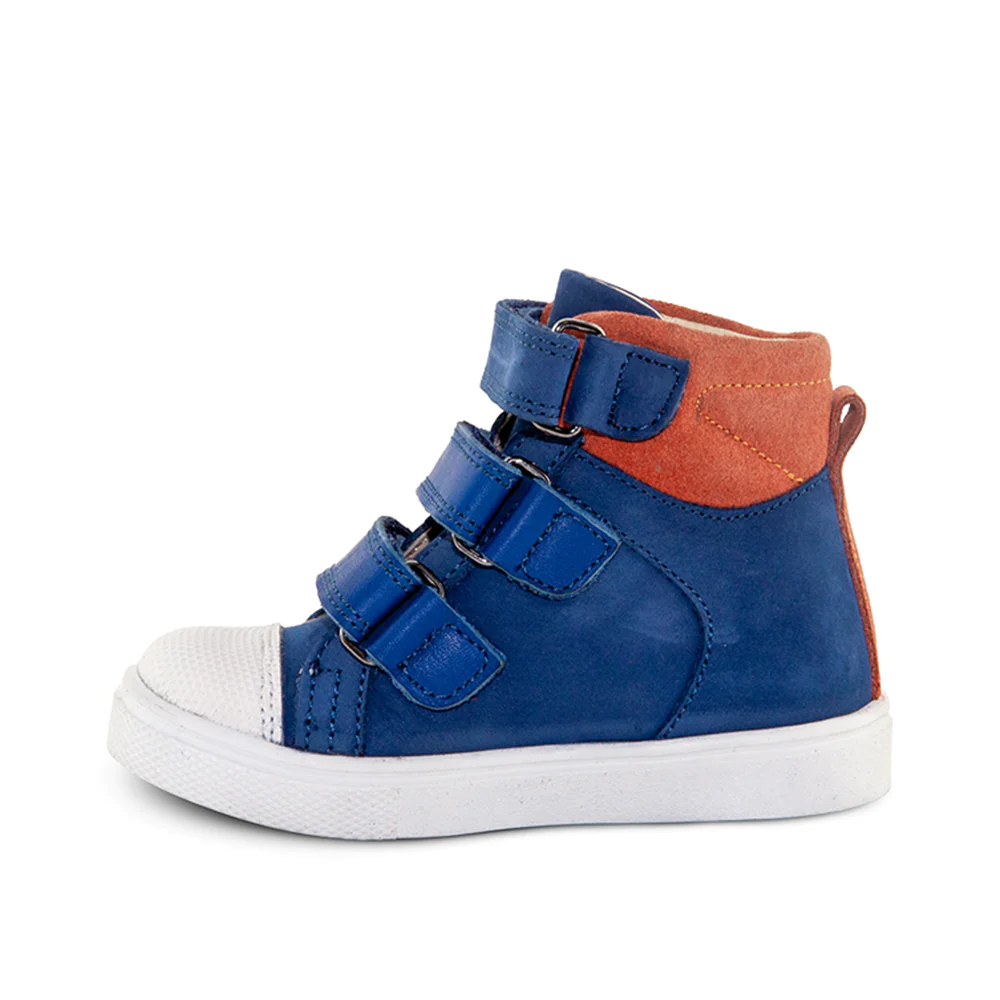
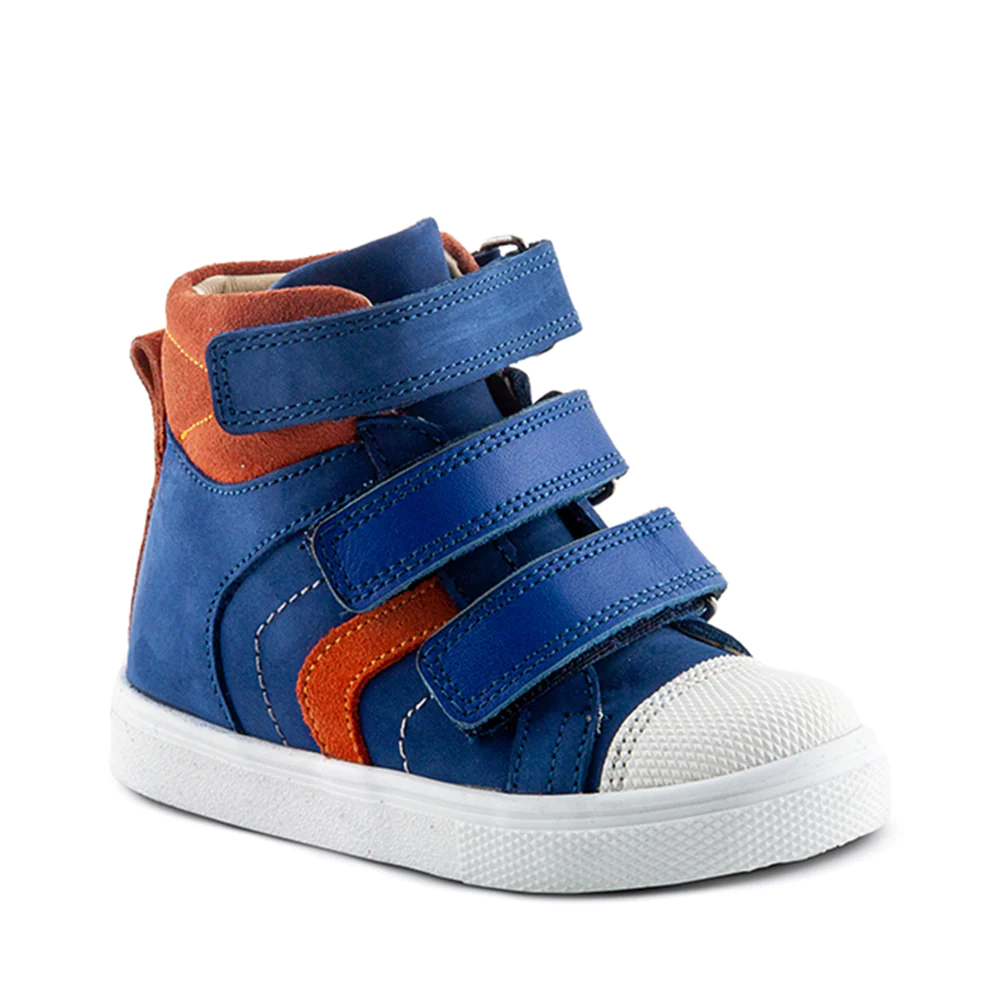
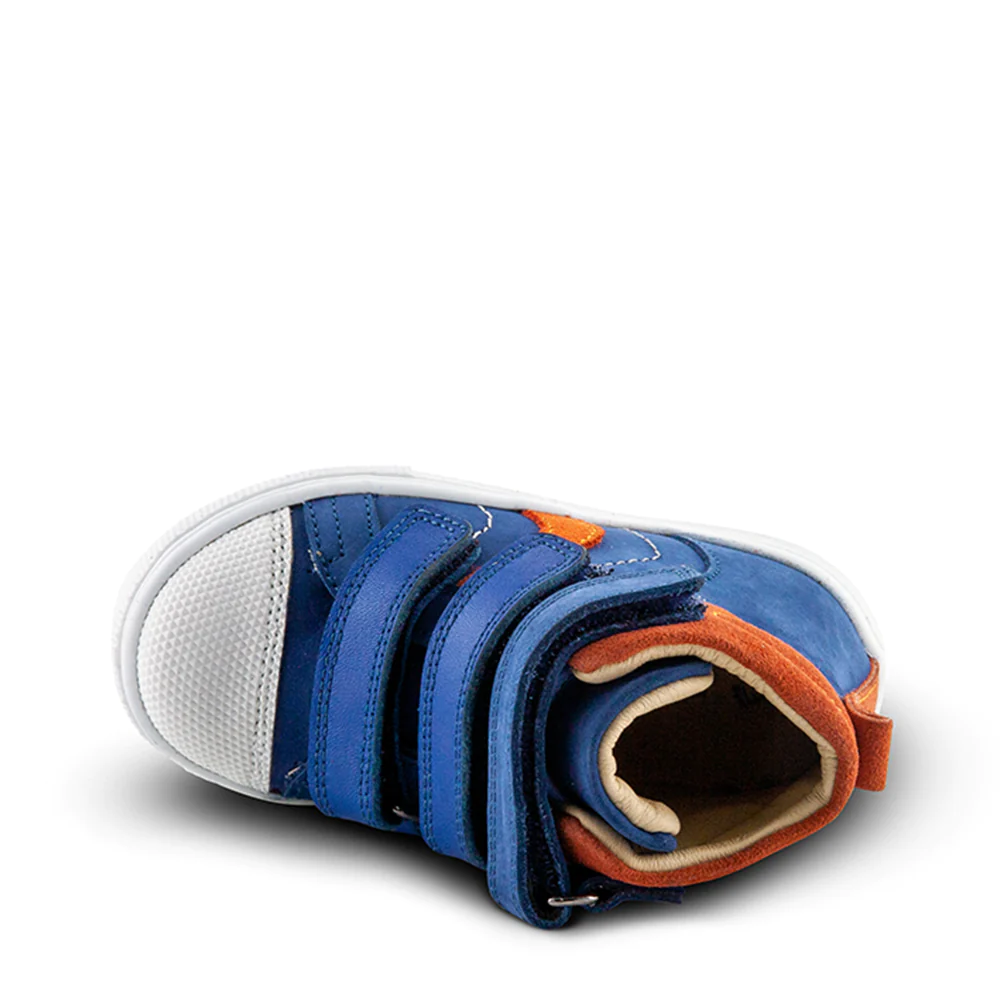
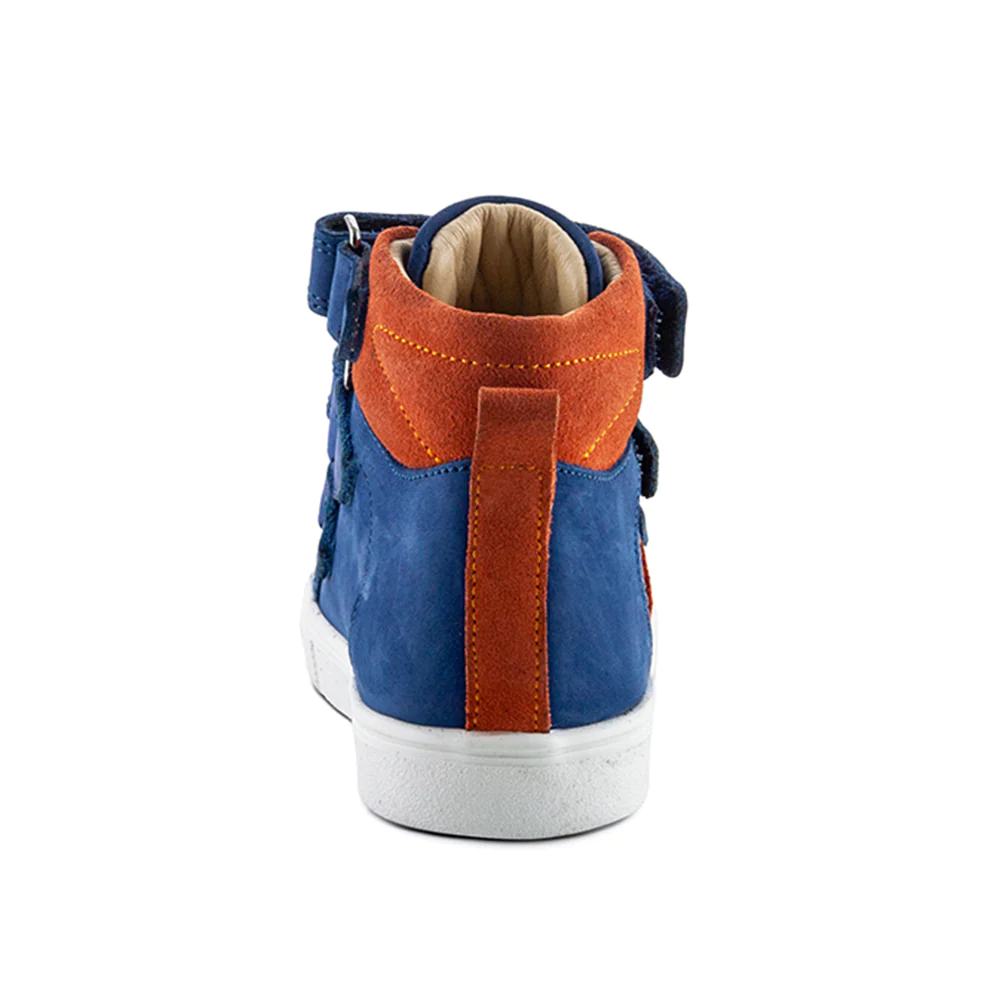
Max Coolers Sneakers
Orthopaedic-grade protection built to survive adventurous boys' outdoor play.
Material
Leather + Nubuck Leather
Type
Sneakers
Size
9.5 (AU)
Why we chose this shoe:
- Triple Velcro strap configuration that locks the heel firmly in place
- Anti-scratch toe cap that prevents forward foot sliding on inclines
- Premium European leather and nubuck that resist deformation during rough play
- Lightweight breathable construction that prevents overheating
Why this shoe is best for children with plantar fasciitis:
The Max Coolers excel in environments where your son combines high-impact activity with unpredictable terrain—think bush kindy programs, adventure playgrounds, and weekend hiking trails.
These settings typically destroy lightweight shoes within weeks while simultaneously demanding reliable plantar fasciitis protection.
The rugged breathable construction of the shoe in the Max Coolers absorbs the punishment of rock-scrambling, log-balancing, and hill-running without compromising its therapeutic architecture. Parents managing heel pain in active boys often face an impossible choice between durability and support—the Max Coolers refuse that trade-off.
6
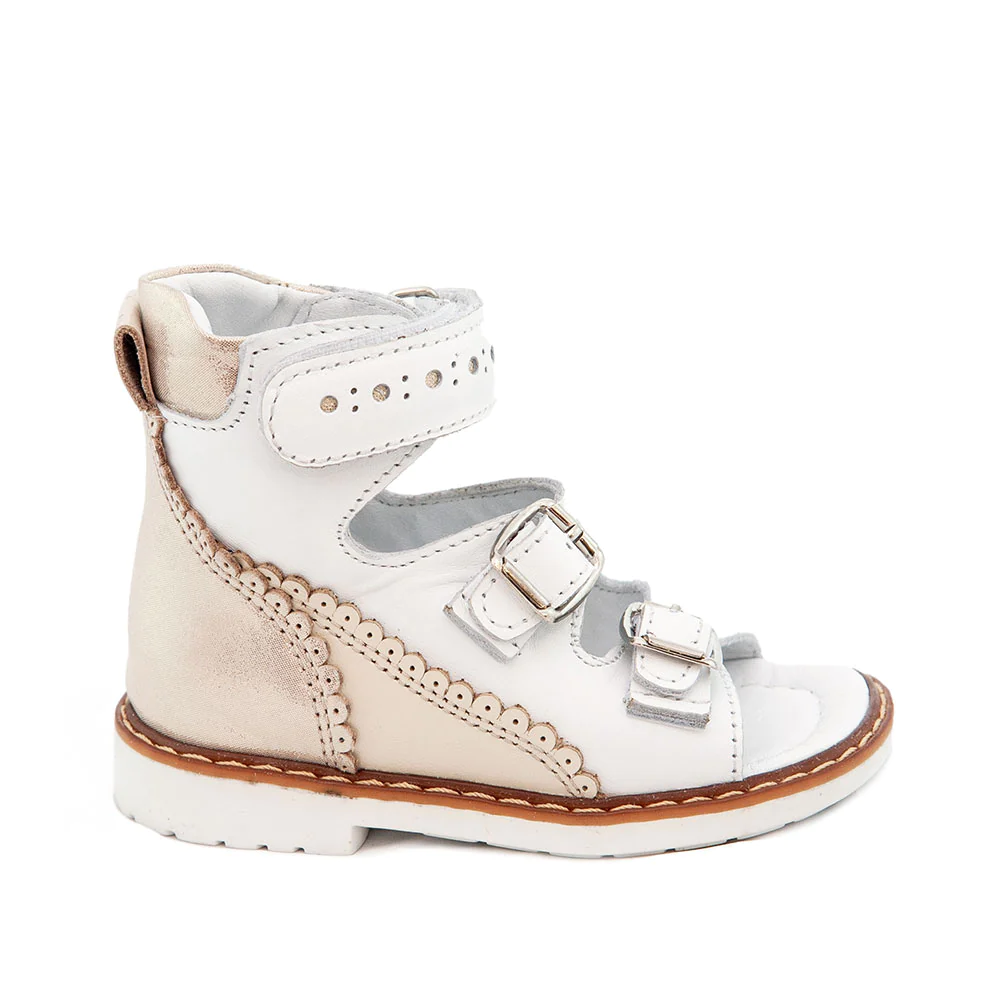
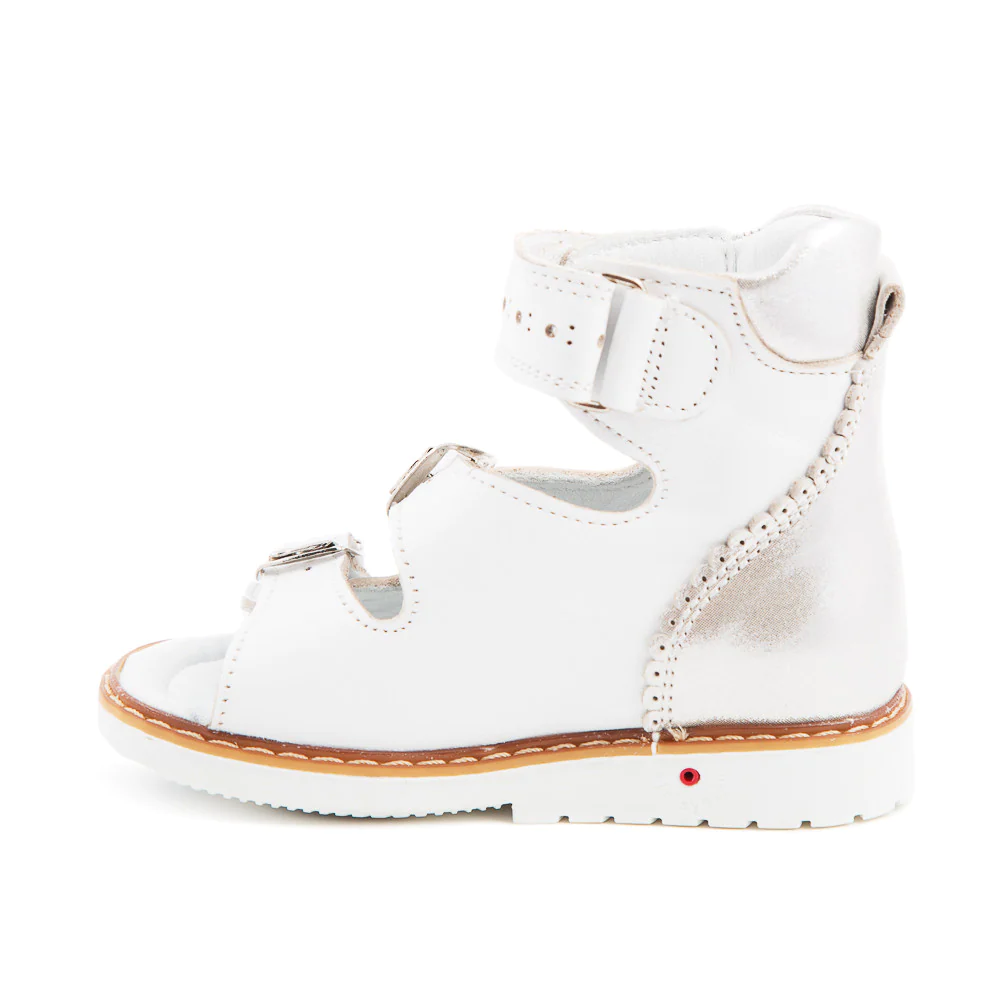
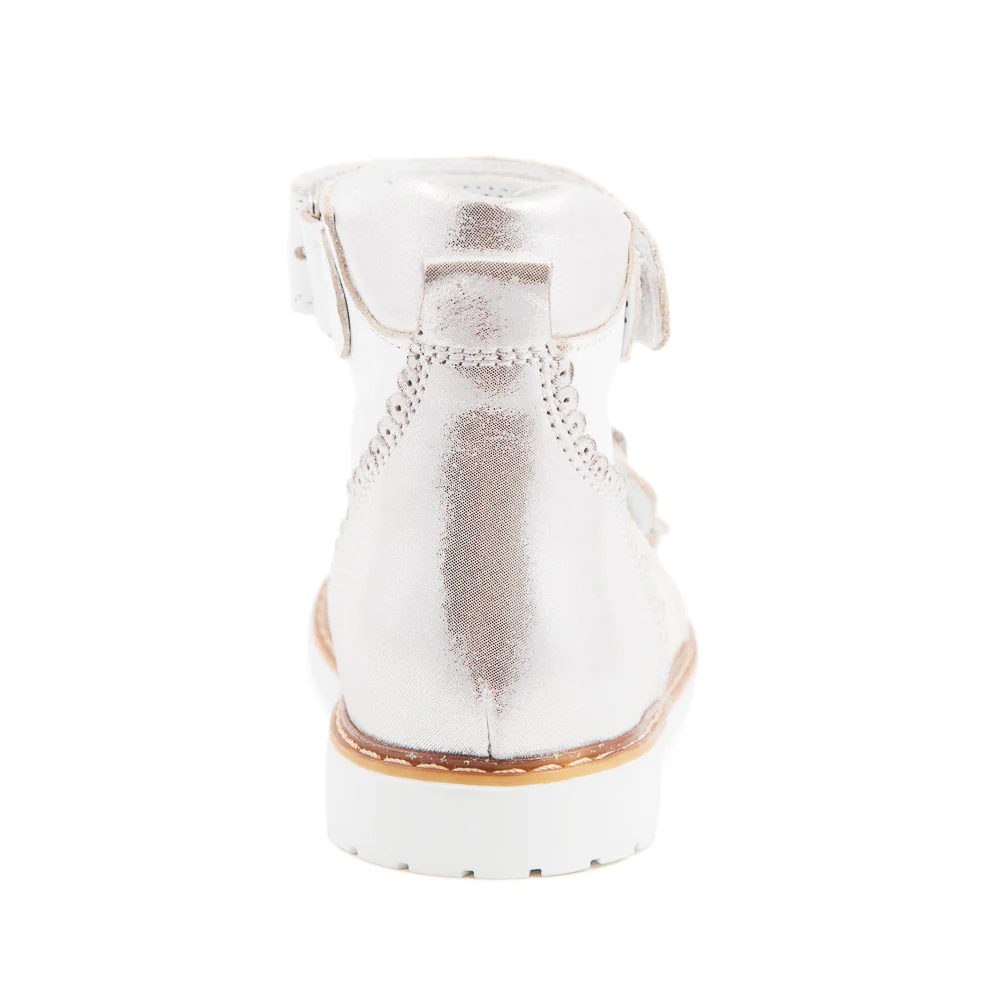
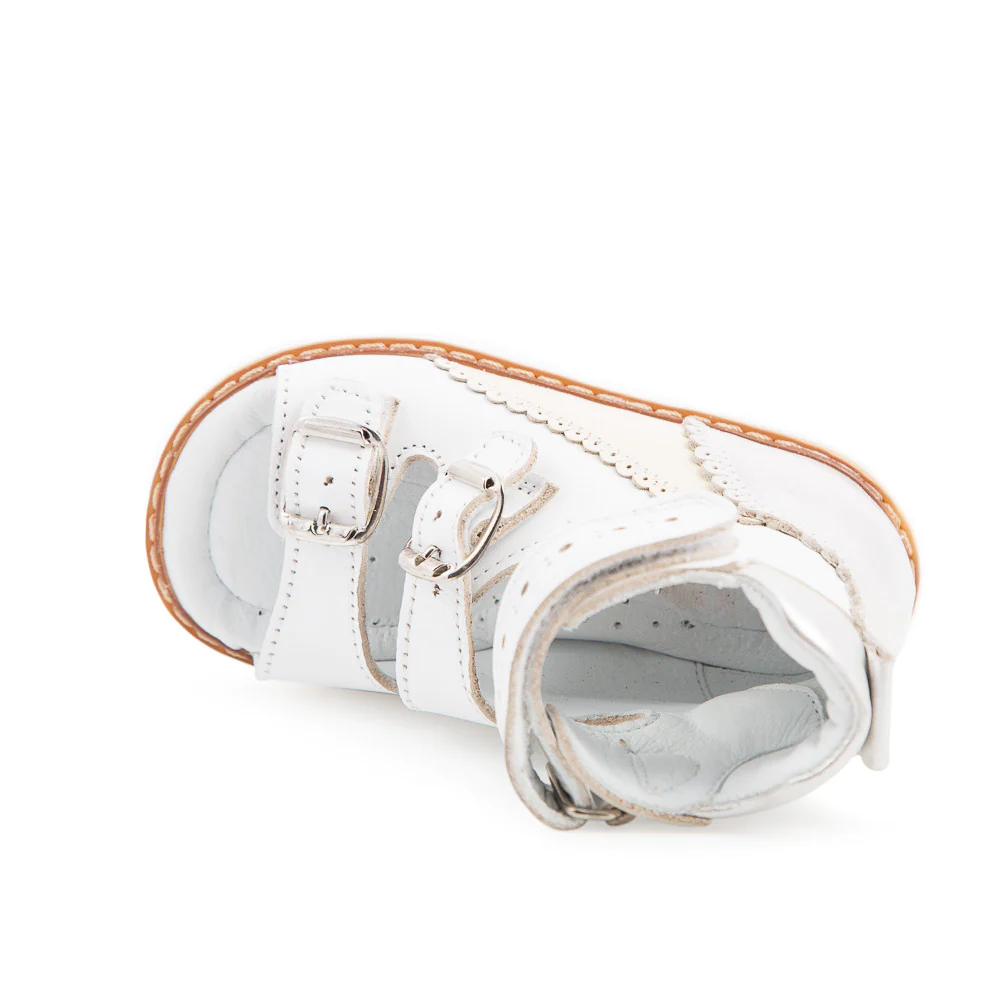
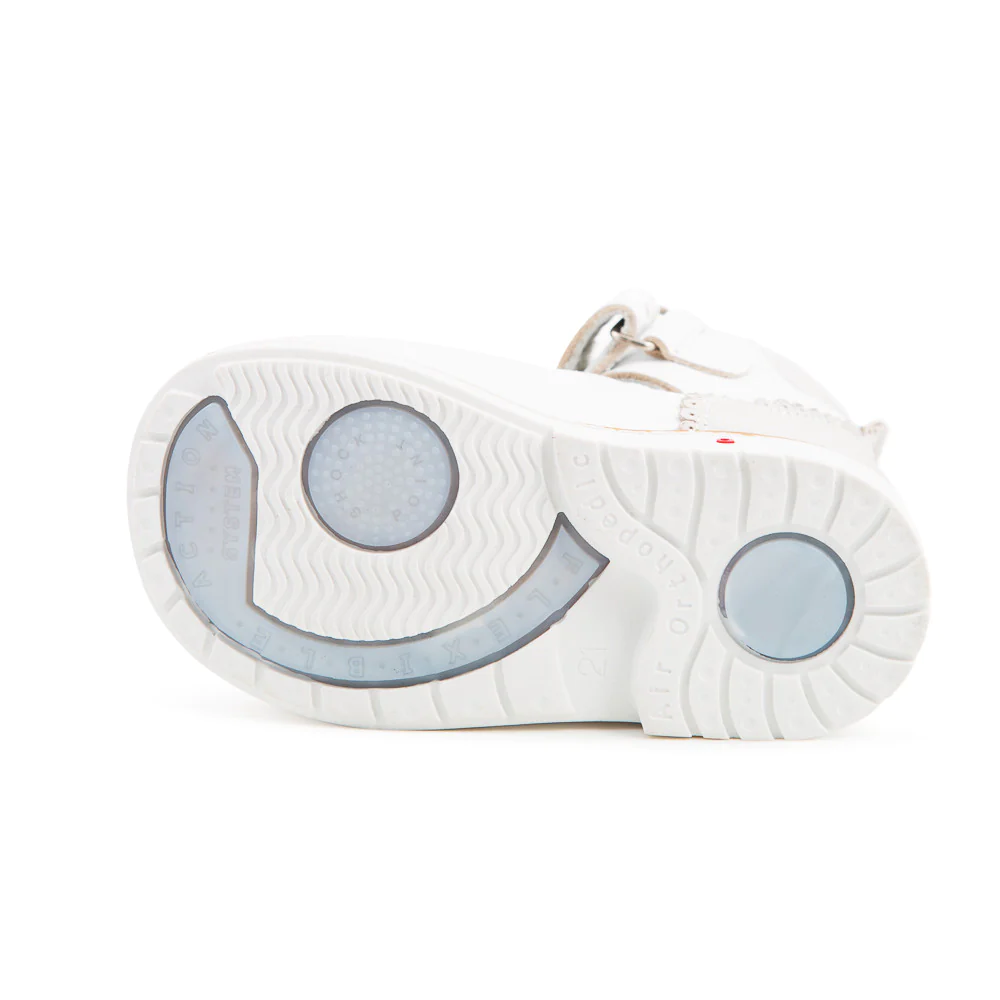
Lizzy Dew Sandals
Summer-ready therapeutic sandals that keep feet cool without compromising fascial support.
Material
Leather
Type
Sandals
Size
9.5 (AU)
Why we chose this shoe:
- The Thomas heel design that prevents inward rearfoot rolling
- Rigid heel counter within an open design that keeps the heel properly aligned
- Dual-fastening system with Velcro and buckle straps for independent tension zones
- Air valves in the footbed that allow moisture escape without compromising arch support
Why this shoe is best for children with plantar fasciitis:
Summers present you with a painful dilemma: enclosed therapeutic shoes cause overheating and sweat-related skin breakdown, while standard sandals offer zero plantar fascia protection. The Lizzy Dew eliminates this forced choice for your child.
These orthopaedic sandals excel during beach holidays, backyard water play, summer kindy sessions, and the long, hot days that define December through February. The open design in the Lizzy Dew prevents heat buildup during extended outdoor play, while the Thomas heel and arch support continue protecting your child's plantar fascia.
The feminine aesthetic pairs equally well with dresses and casual shorts, addressing the wardrobe-matching challenge therapeutic footwear creates. Multiple parents highlighted that their daughters "happily wear" these sandals without resistance.
7
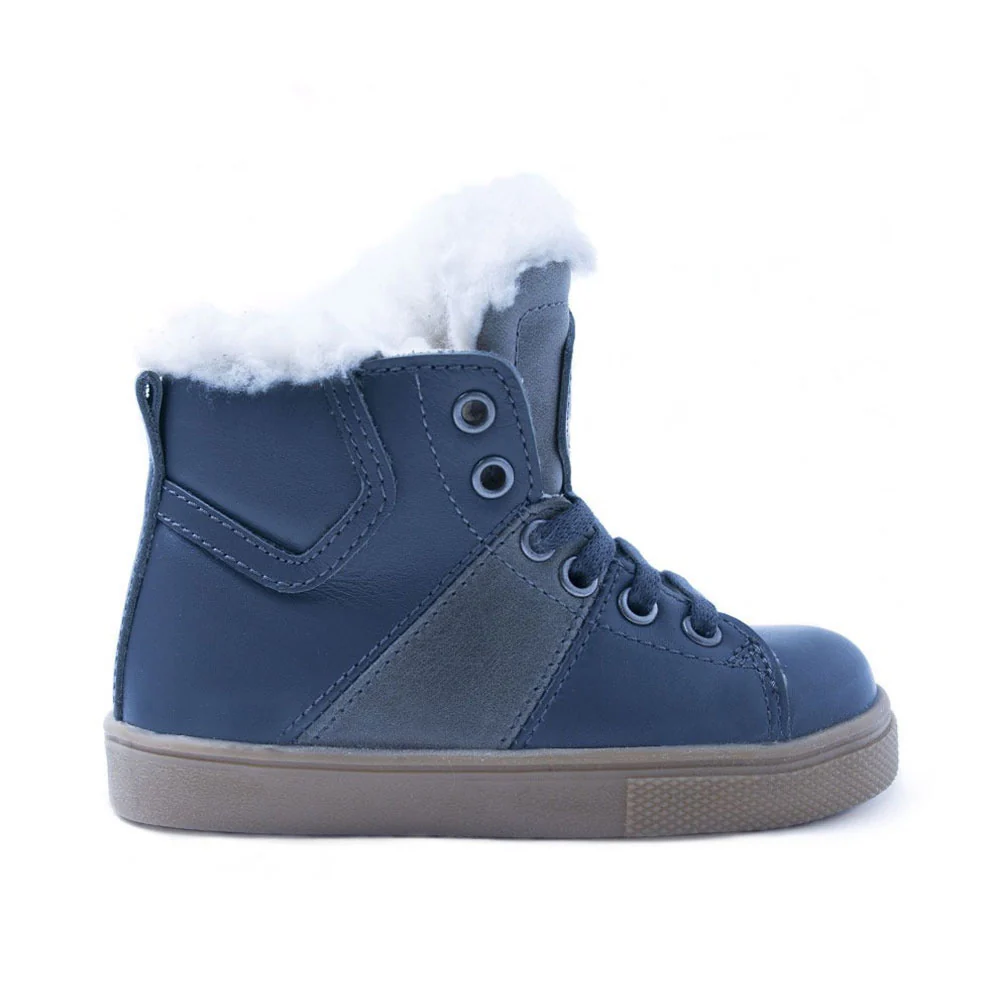
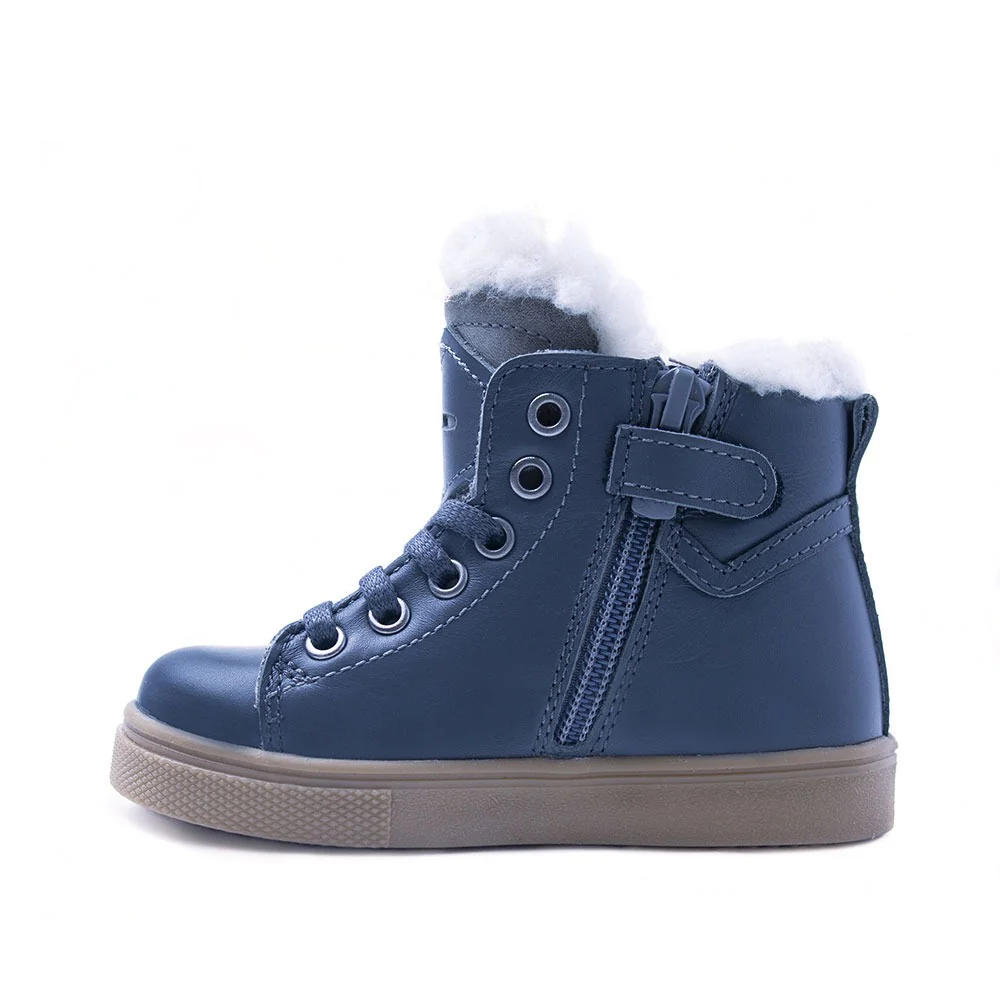
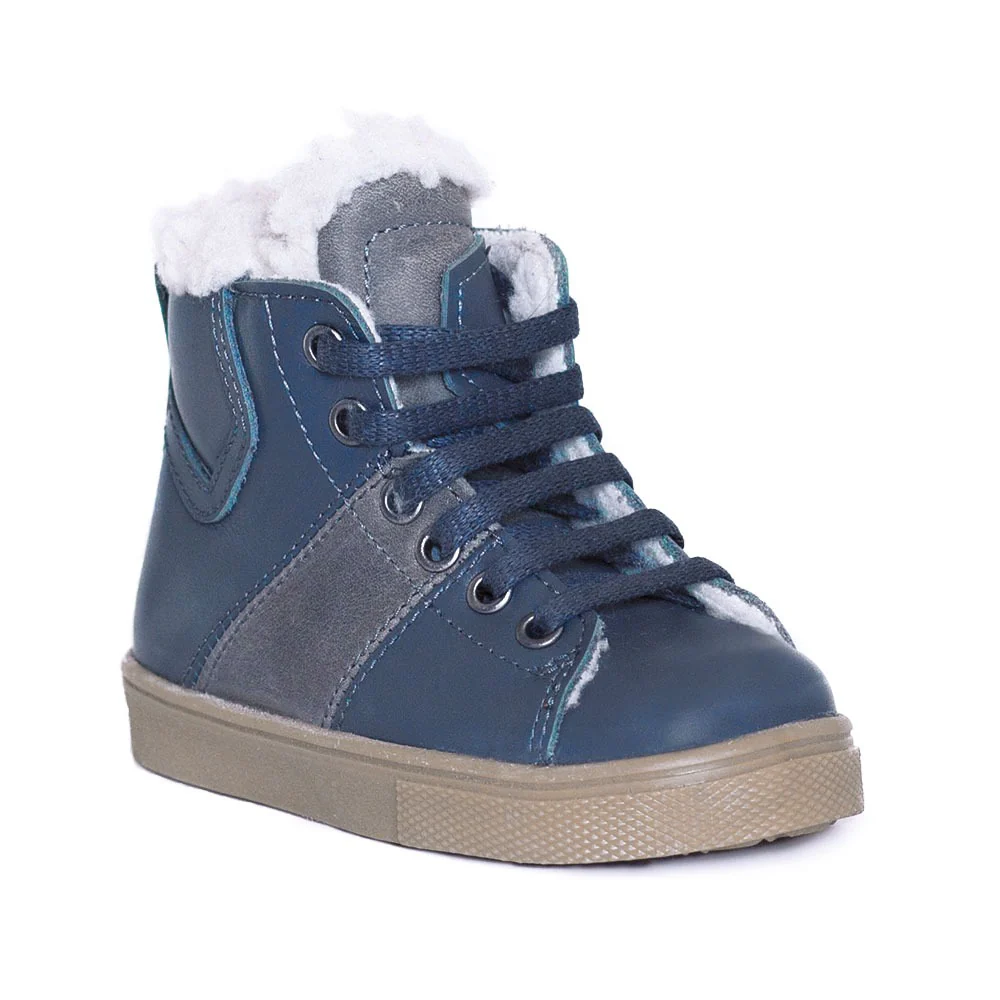
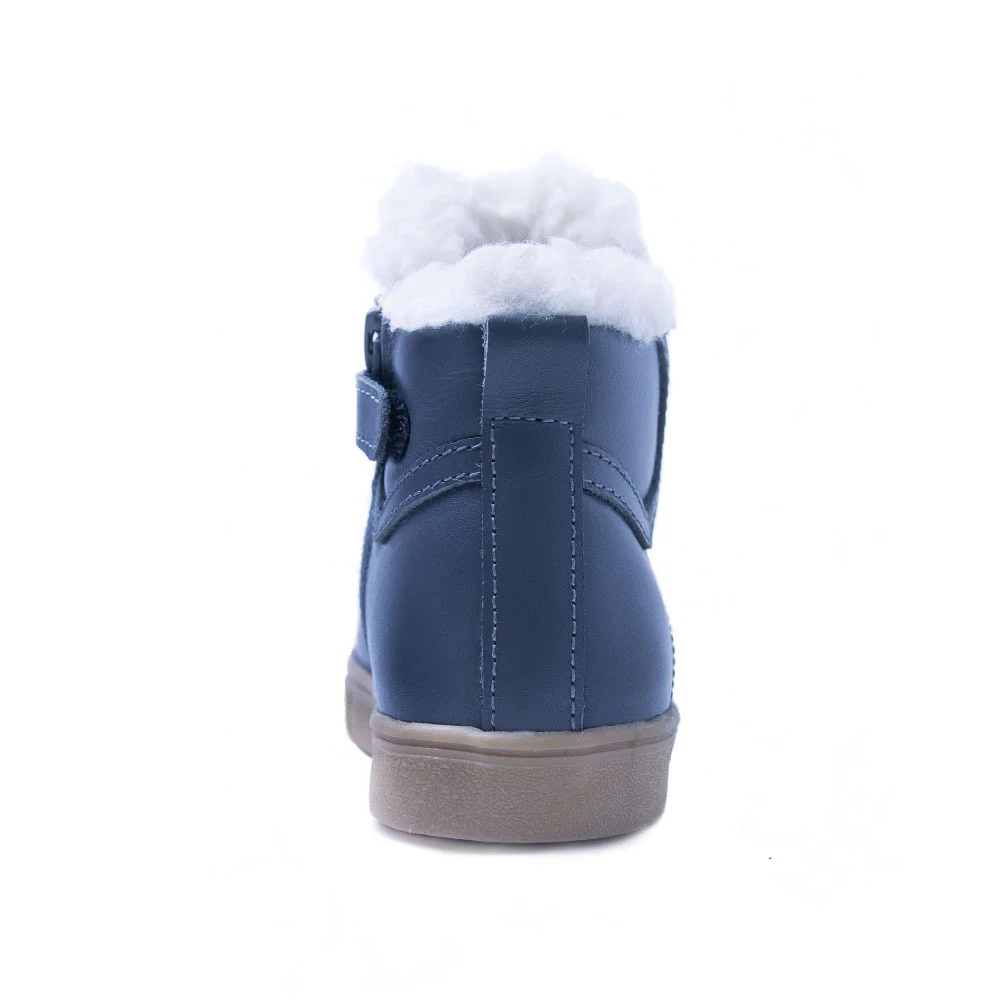
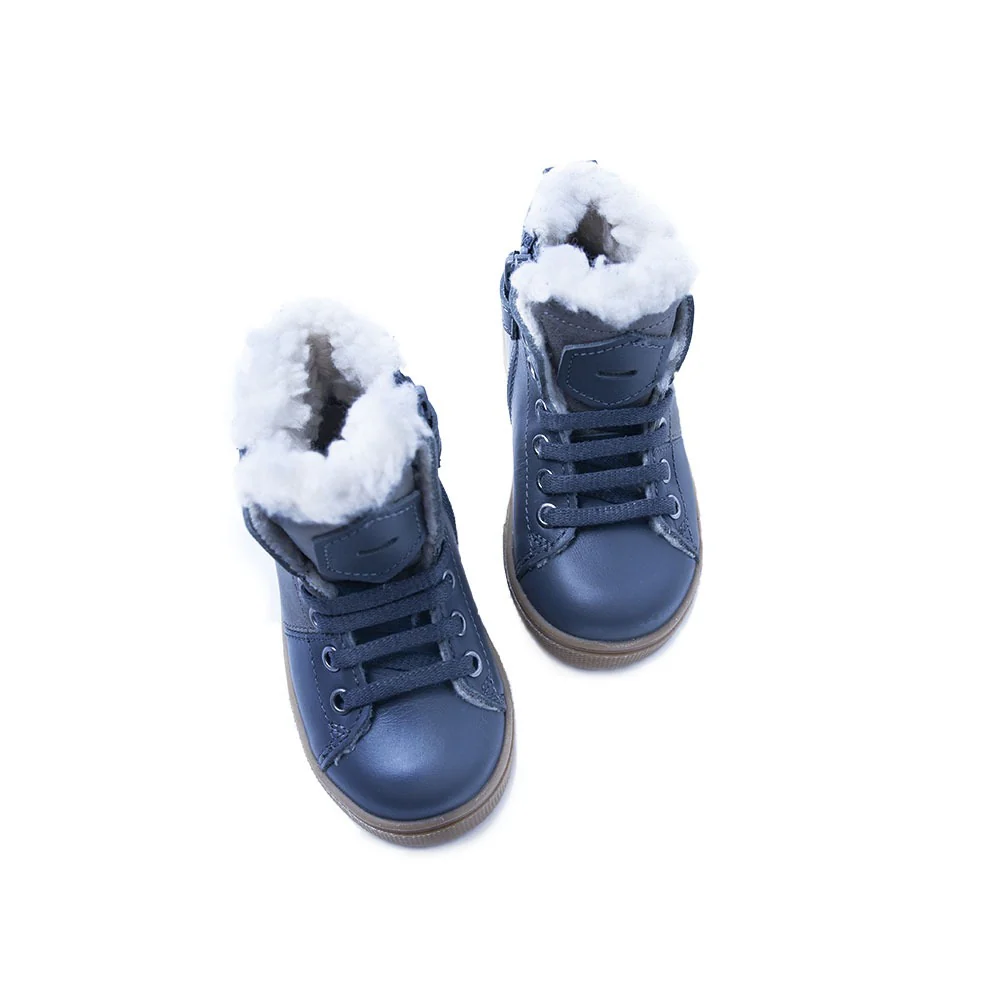
Tommy Gramb Sneakers
Keep growing feet warm and supported through cold mornings that worsen heel pain.
Material
Leather + Natural wool lining
Type
Sneakers
Size
9.5 (AU)
Why we chose this shoe:
- Natural wool lining that creates an additional cushioning layer
- Dual-cushioning system with wool and thermoplastic outsole
- Extended high-top design wrapped in sheepskin for snug ankle fit
- Sport outsole module that maintains grip on wet and frosty surfaces
Why this shoe is best for children with plantar fasciitis:
Winters present a specific challenge for your child with heel pain: cold mornings when the plantar fascia is at its stiffest and most vulnerable. The Tommy Gramb excels in these conditions during winter school commutes, weekend trips to ski country, and early morning sport training sessions.
Cold temperatures increase fascial stiffness and reduce tissue pliability—the insulating wool in the Tommy Gramb makes it one of the best shoes for winter as it maintains foot warmth, keeping your child's plantar fascia more supple and less prone to micro-tearing during the initial steps that often trigger morning heel pain.
The dual-fastening system with shoelaces and side zipper solves two problems: you can set optimal lace tightness once, then use the zipper for quick daily on-off cycles during rushed winter mornings when cold fingers struggle with laces.
8
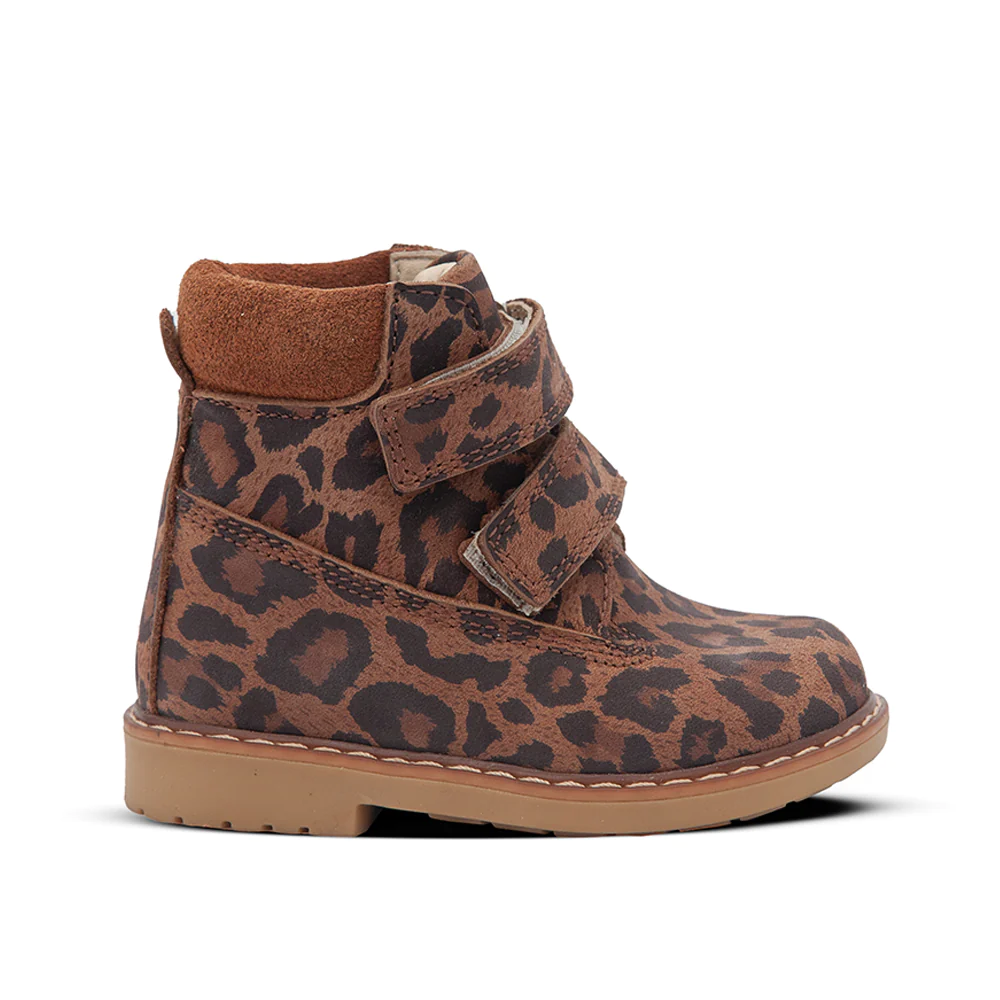
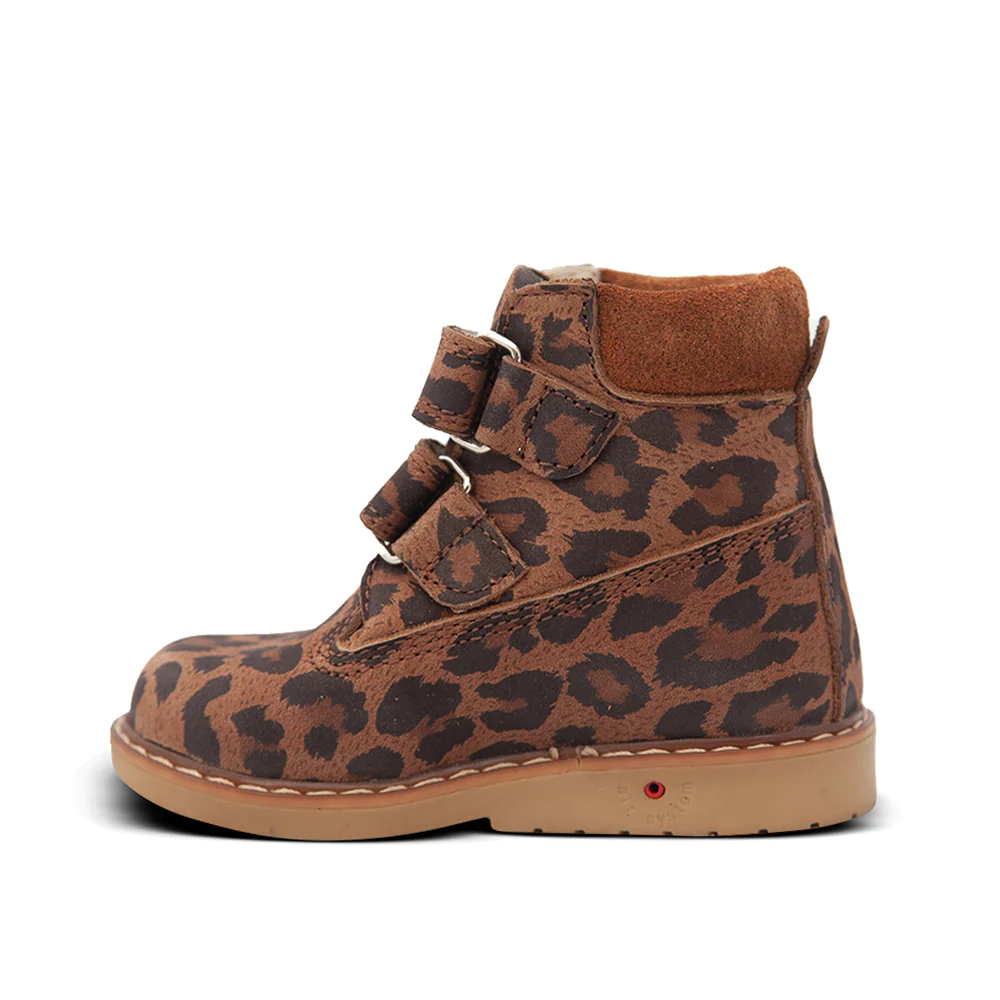
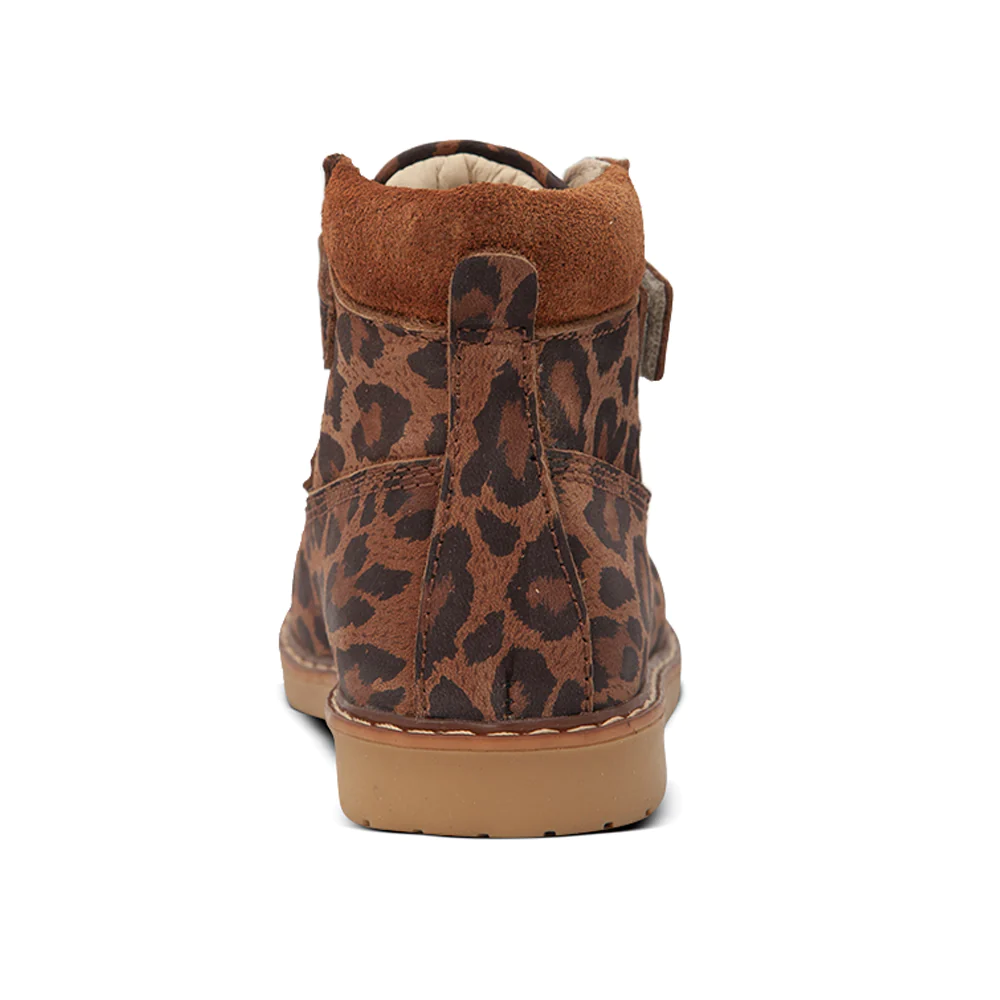
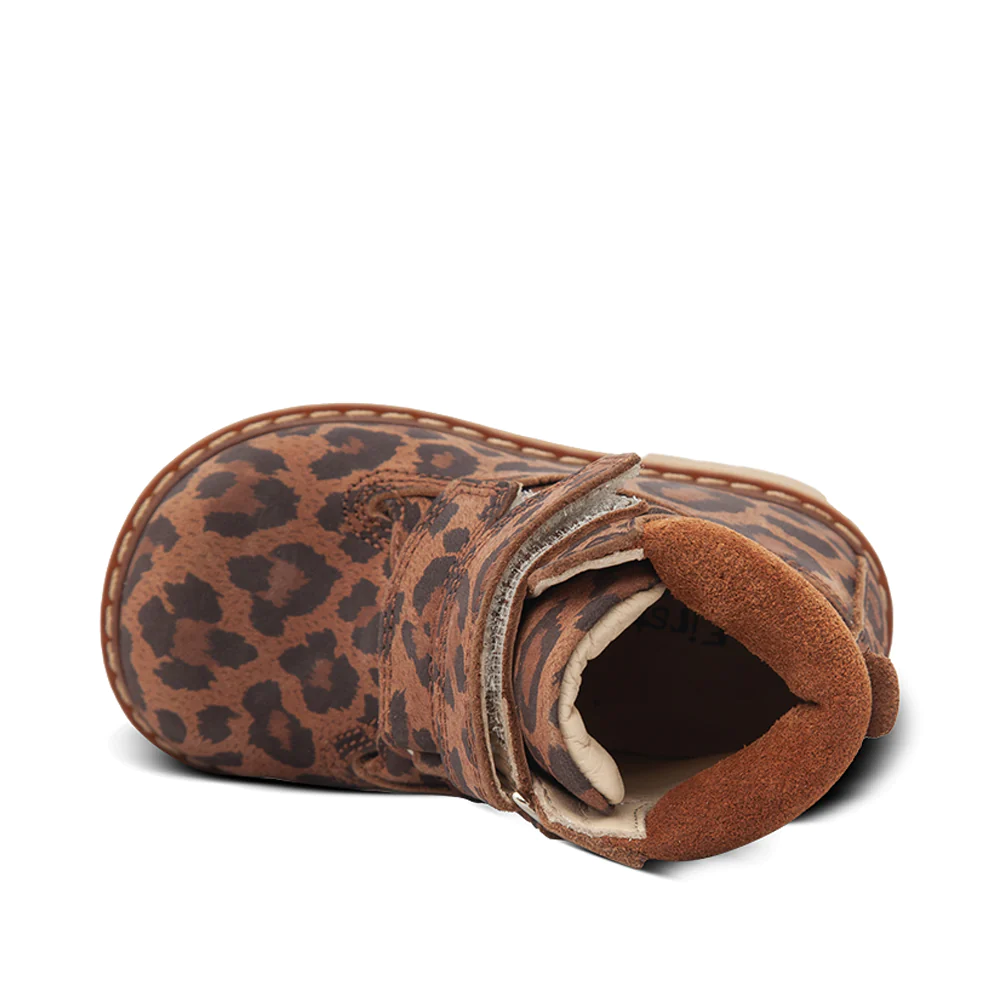
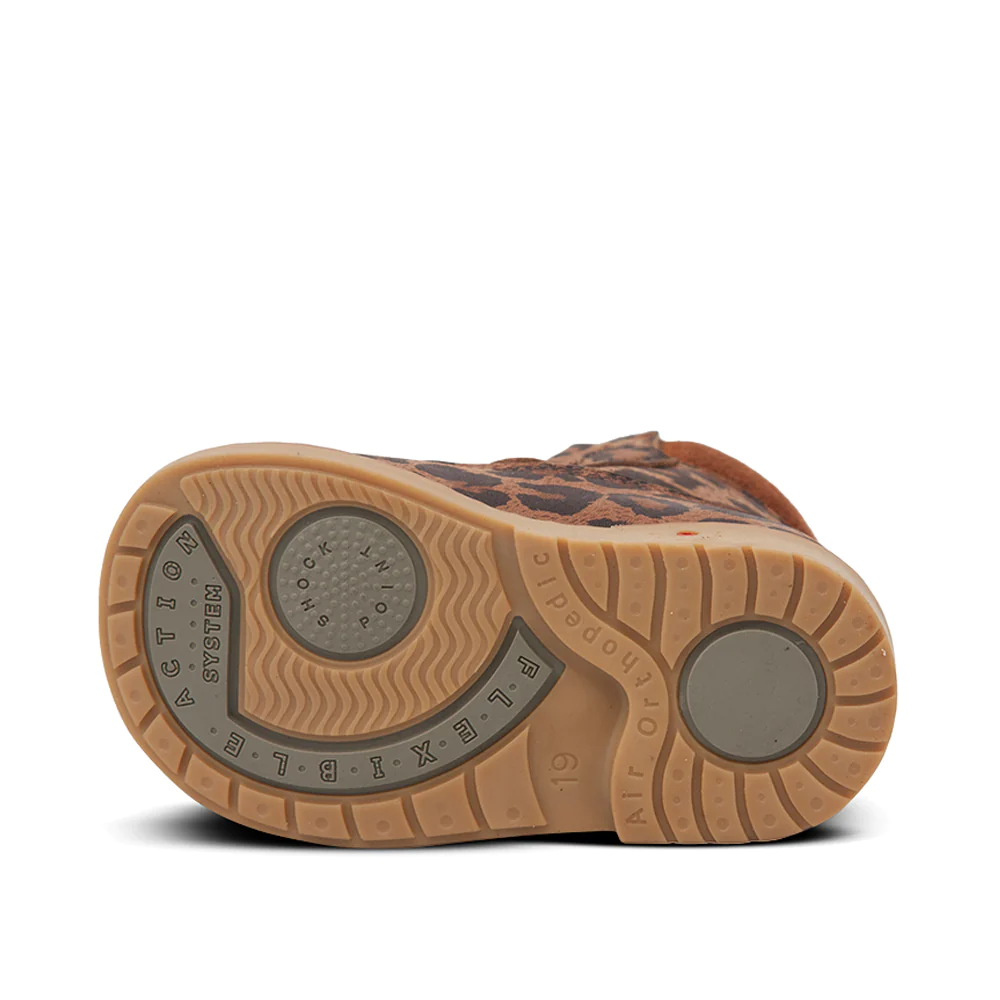
Leo Cleo Boots
Wet-weather boots that protect both feet and plantar fascia during rainy adventures.
Material
Leather + Nubuck Leather
Type
Boots
Size
9.5 (AU)
Why we chose this shoe:
- The Thomas heel prevents excessive pronation during the stance phase
- Leather and nubuck construction that maintains structural rigidity when wet
- Air valves that allow internal moisture escape without external water ingress
- An extended high-top design that prevents lateral instability on slippery surfaces
Why this shoe is best for children with plantar fasciitis:
Unpredictable weather like sudden downpours during school pick-up, soggy playgrounds after overnight rain, and muddy patches are what children seem magnetically drawn to. The Leo Cleo allows your child with heel pain to participate in wet-weather activities without you facing the impossible choice between protecting feet from water and protecting the plantar fascia from biomechanical stress.
These boots excel during rainy-day kindy runs, winter weekend outings, and school terms when Melbourne's four-seasons-in-one-day weather means morning sunshine gives way to afternoon storms. The leopard print in the Leo Cleo delivers a fashion-forward aesthetic that transforms therapeutic footwear into a style statement.
The dual Velcro straps create a design simple enough that three-year-olds can manage independently, building self-care skills while ensuring consistent fit adjustment.
9
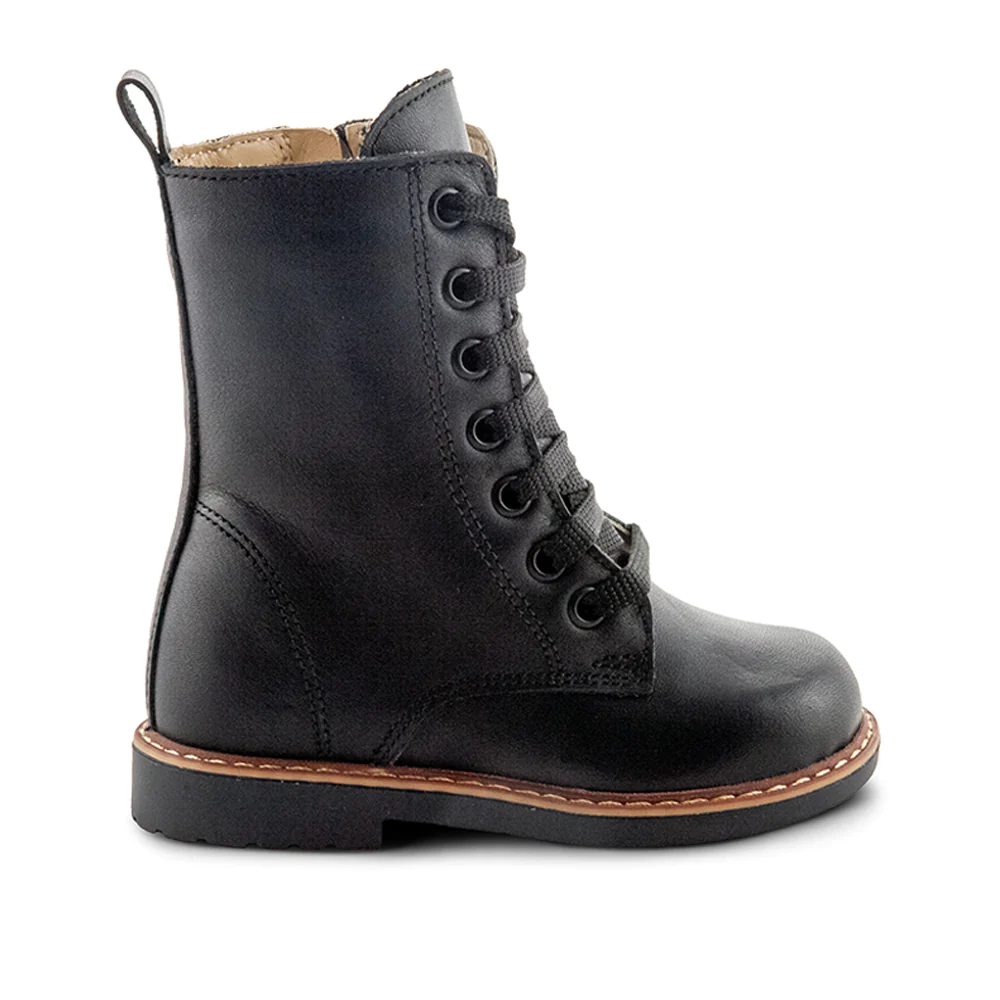
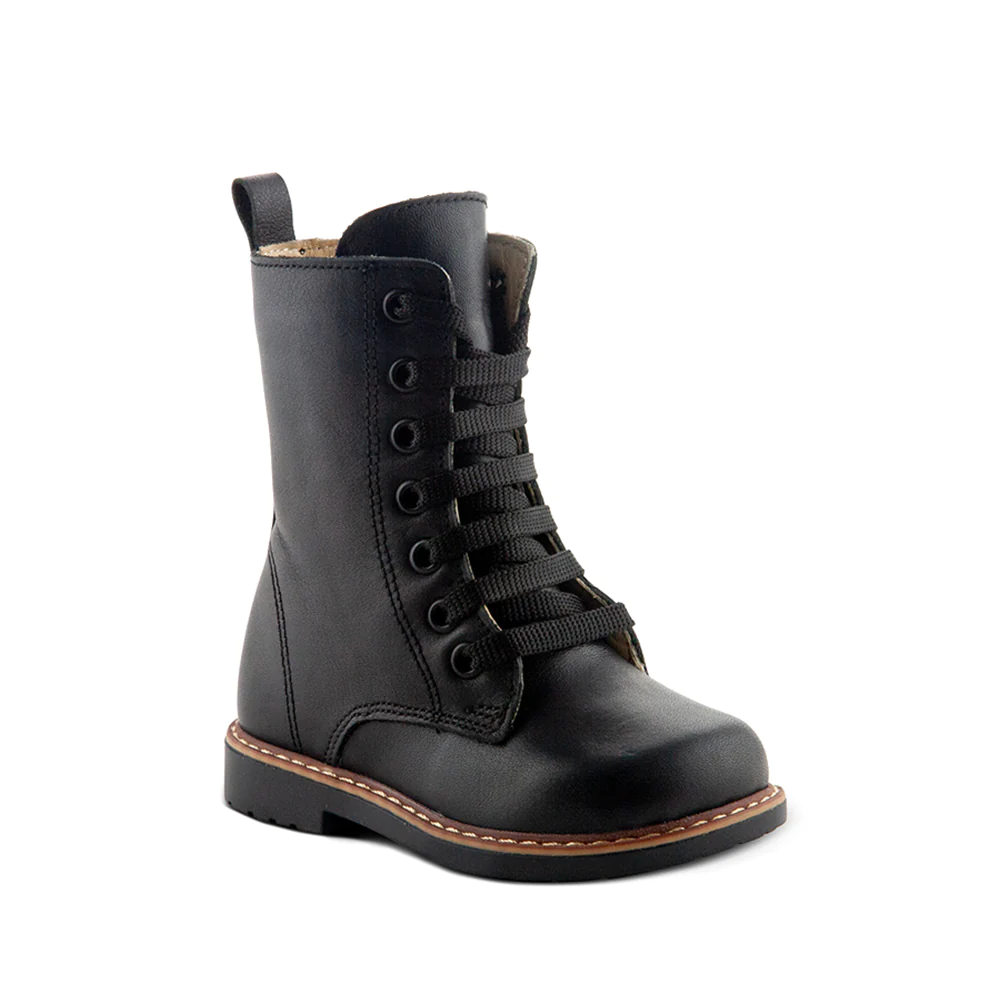
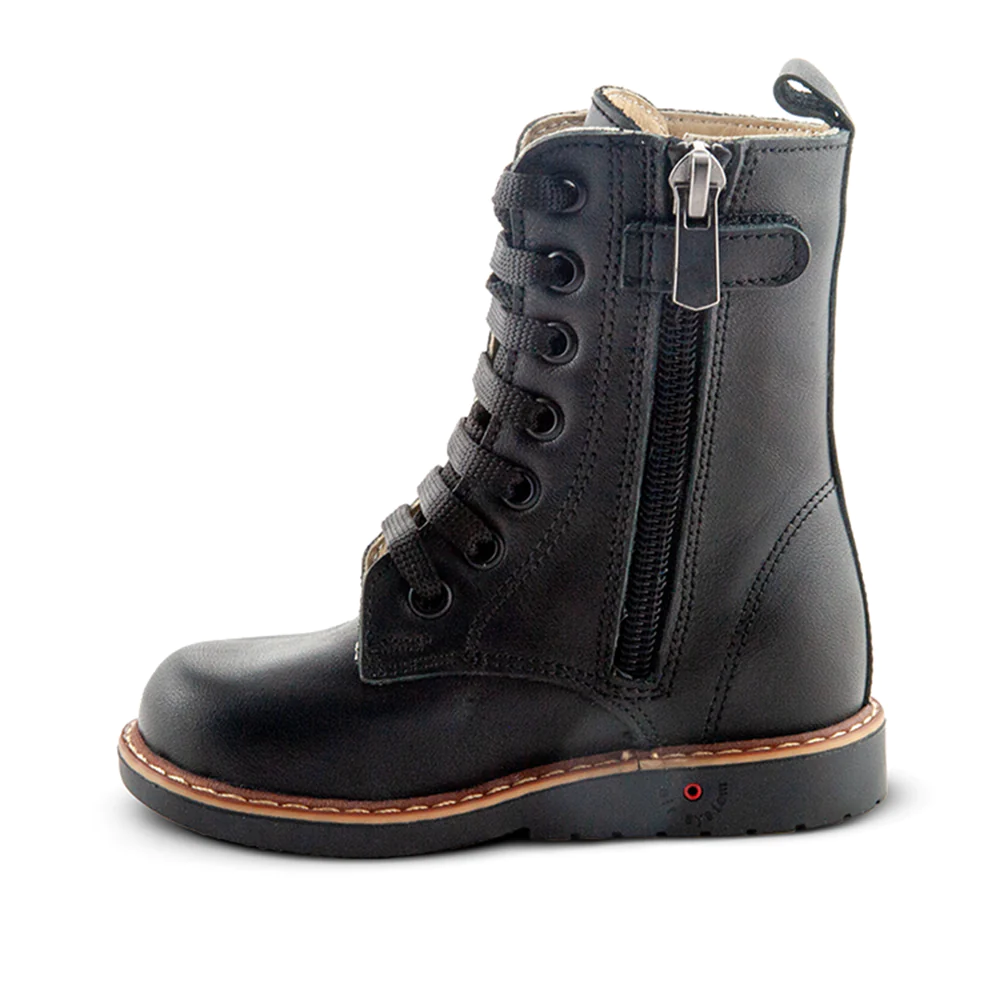
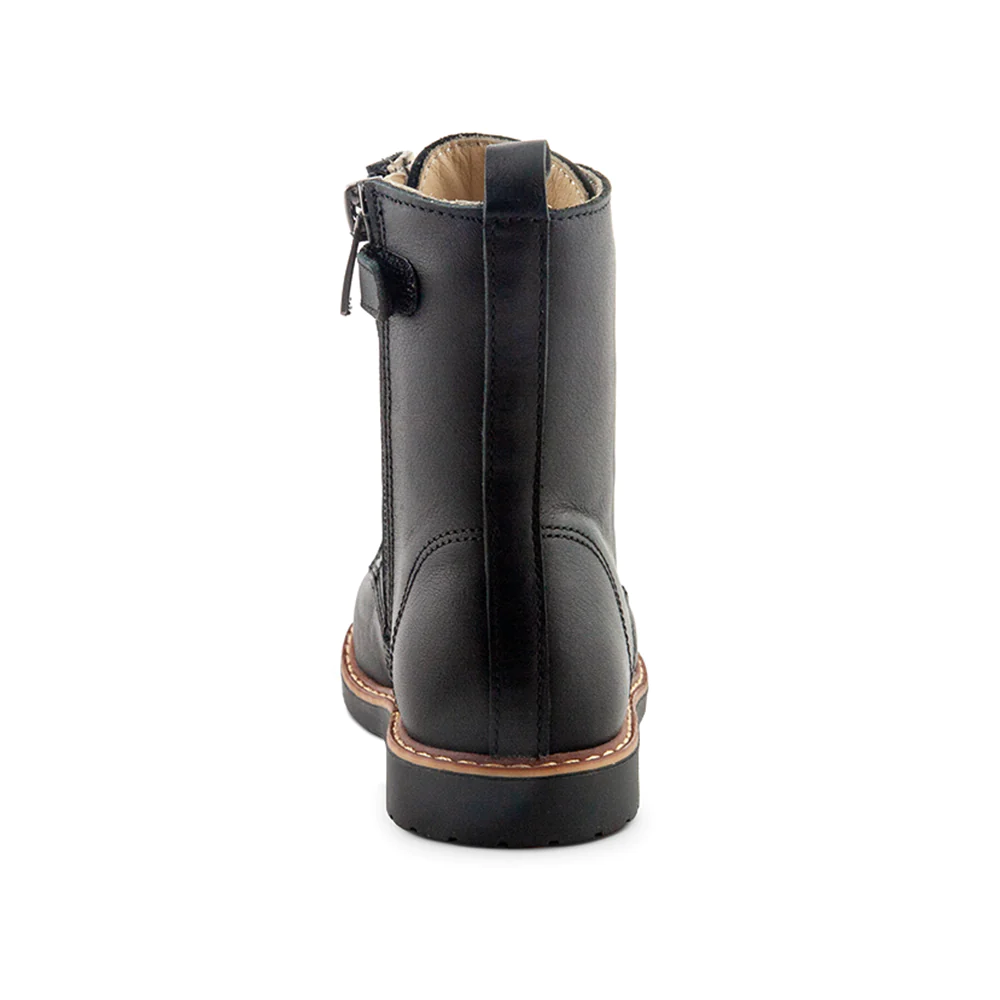
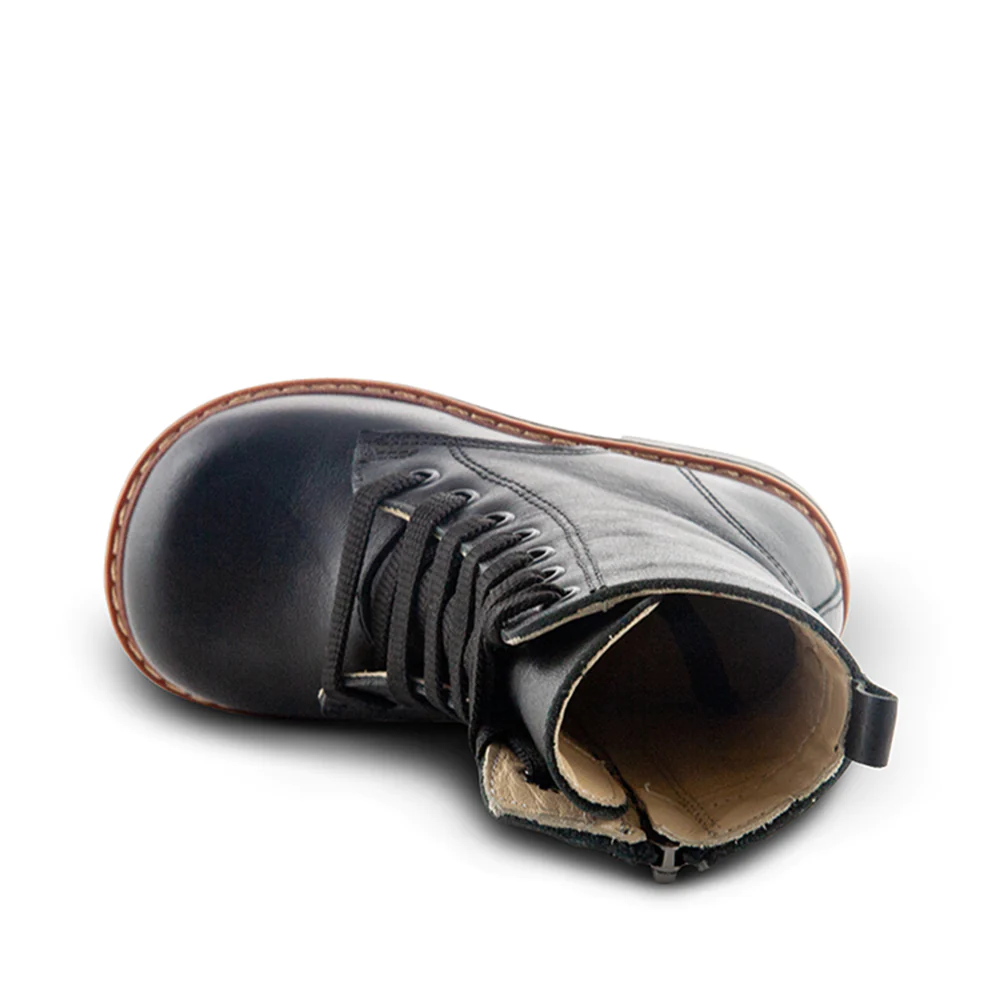
Raven Noir Boots
Finally, therapeutic shoes that actually stay on narrow feet during active play.
Material
Leather
Type
Boots
Size
9.5 (AU)
Why we chose this shoe:
- Shoelace closure system with granular tension adjustment across multiple points
- Extra high-top design that extends further up the lower leg
- The Thomas heel controls rearfoot pronation
- Full leather construction that gradually molds to individual foot contours
Why this shoe is best for children with plantar fasciitis:
If your child has narrow feet, you understand the frustration: therapeutic shoes sized correctly for length leave excessive width, while downsizing for width creates toe crowding. The Raven Noir resolves this through its adjustable lacing architecture, eliminating the internal slippage that forces compensatory toe gripping and increases plantar fascia loading.
These boots excel as everyday school shoes for your narrow-footed child who's previously slipped inside supportive footwear, undermining the biomechanical benefits. The extra height in the Raven Noir provides superior control during active play, bush walks, and rough-and-tumble activities where narrow feet typically lose contact with the shoes' supportive elements.
The dual-closure system—laces for precise fit adjustment, side zipper for daily on-off convenience—means you can set optimal lace tension once, then use the zipper for kindy drop-offs without re-lacing.
10
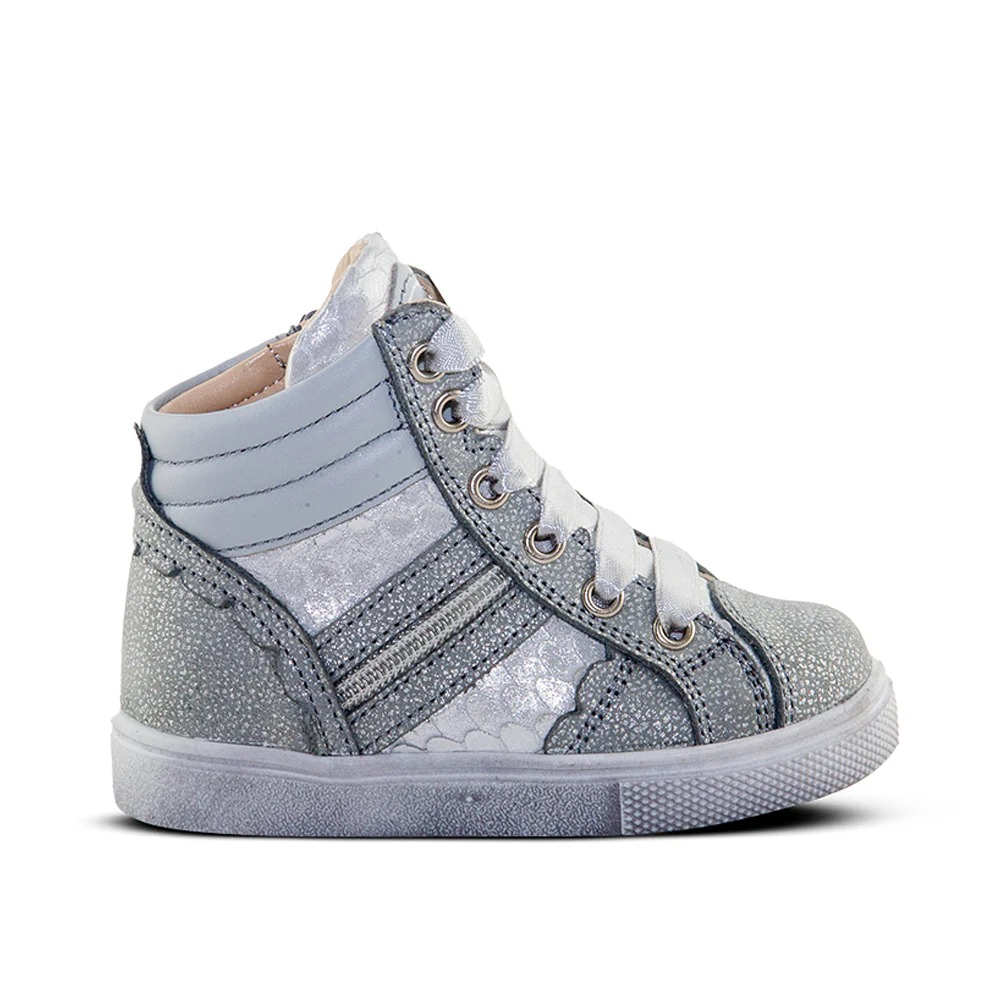
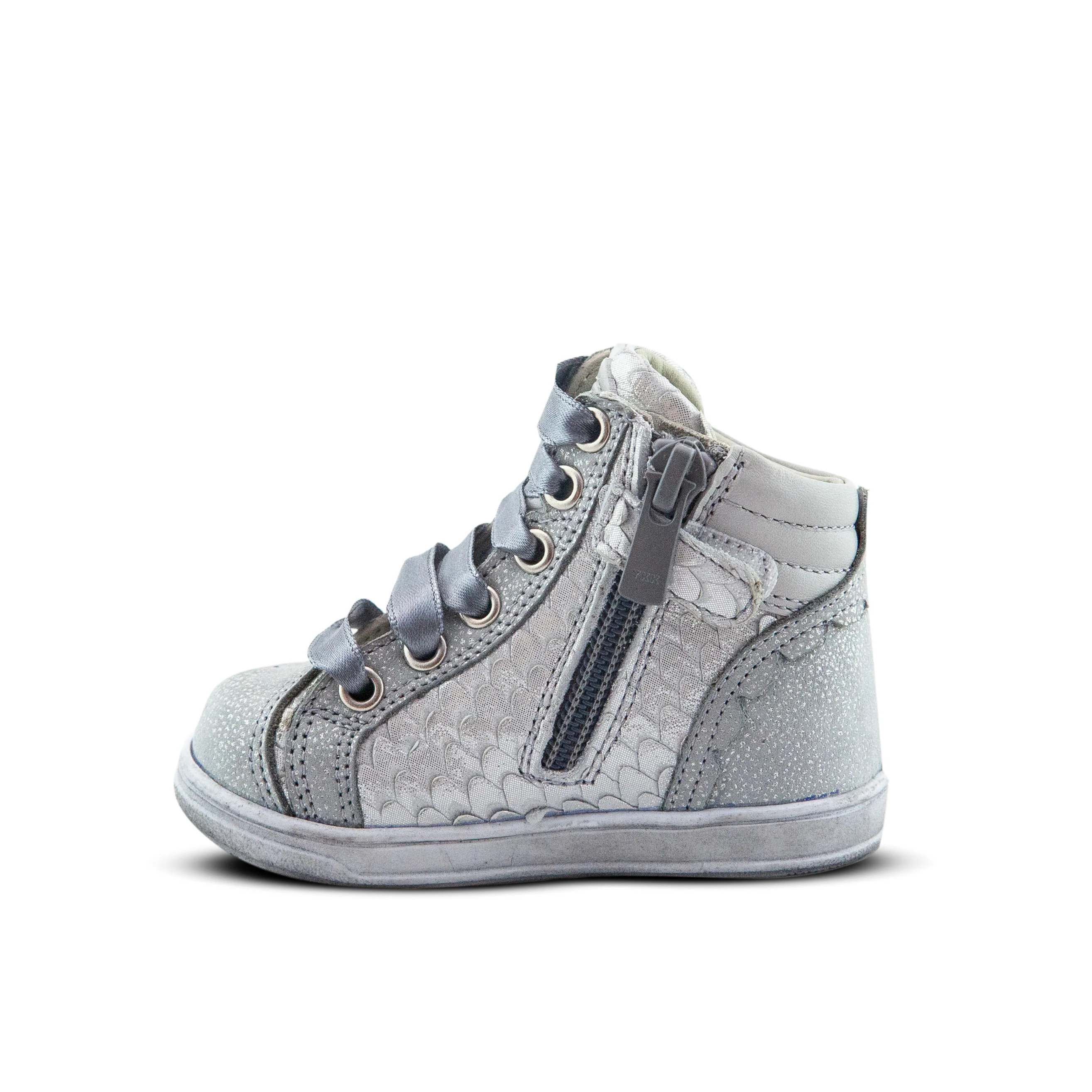
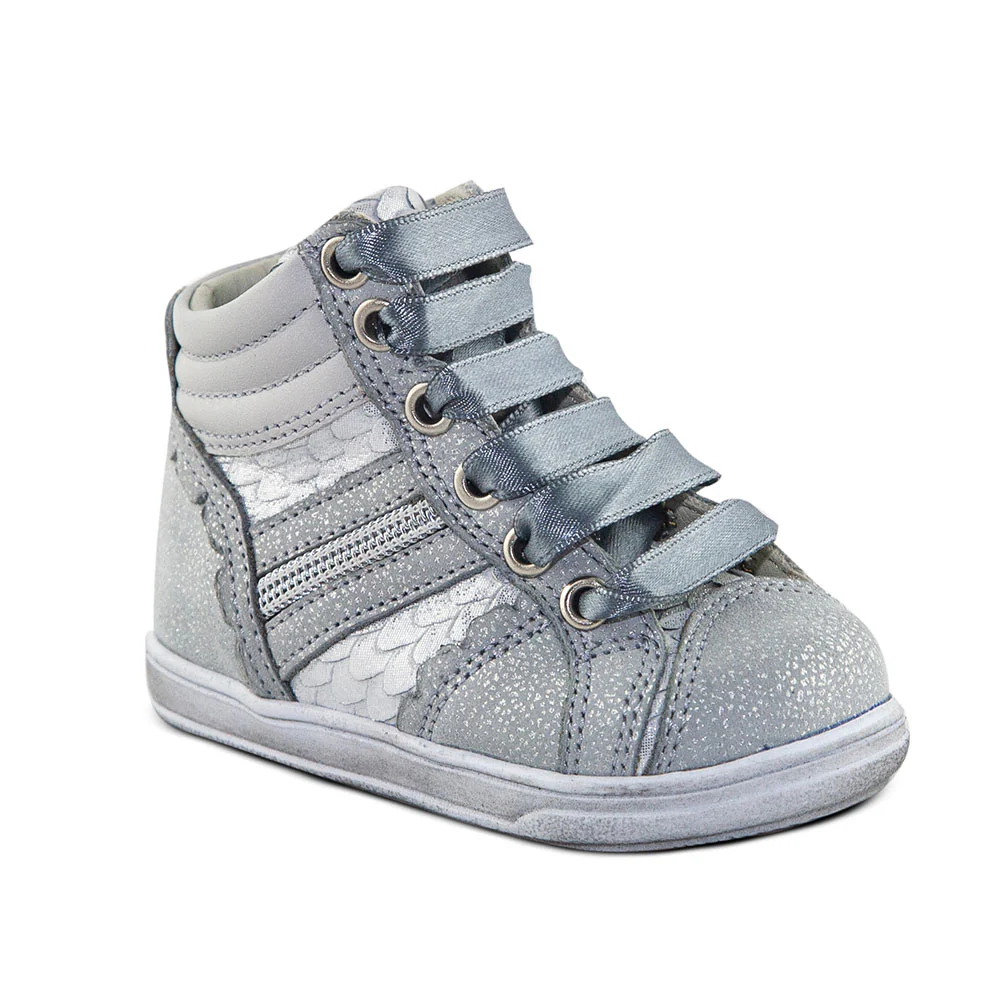
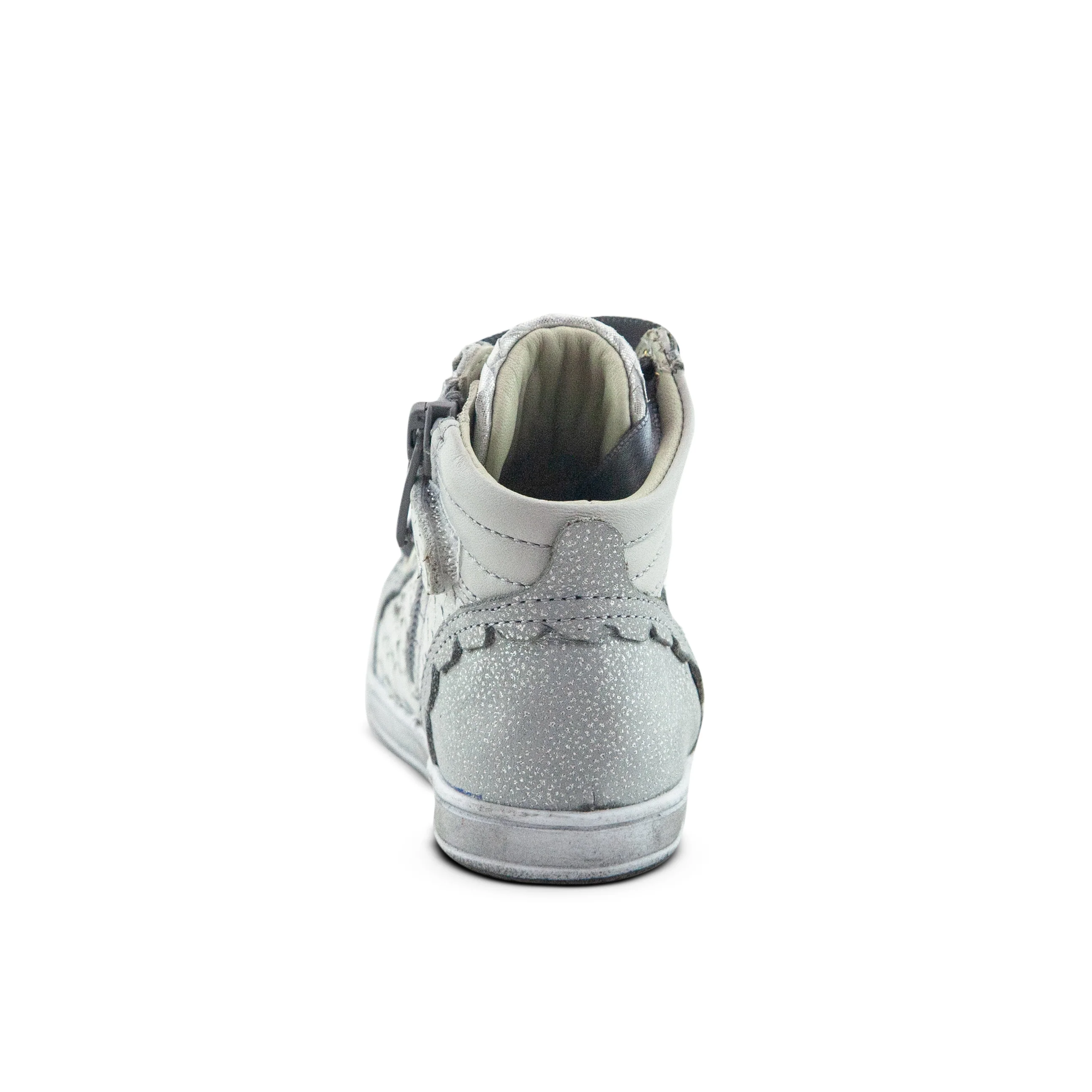
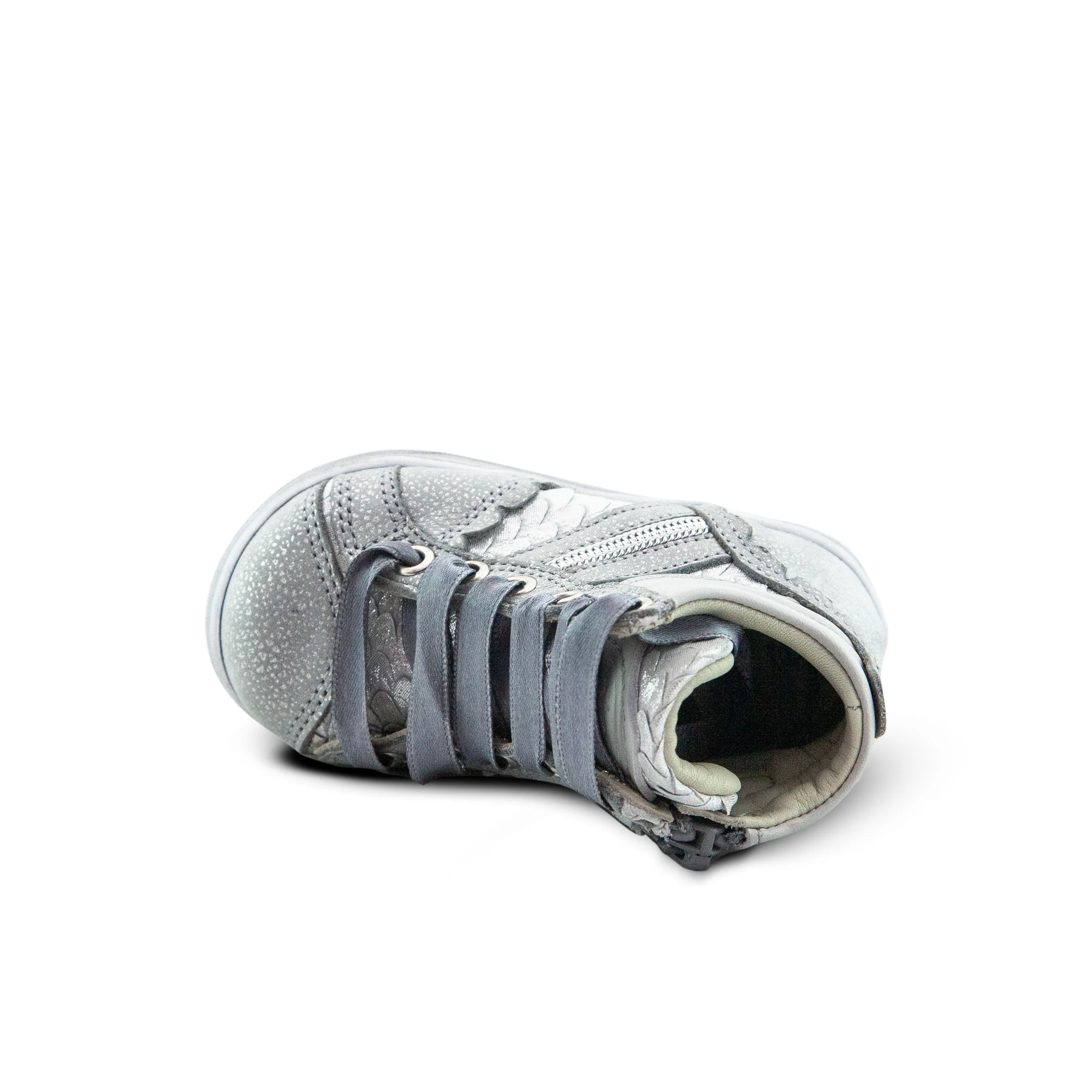
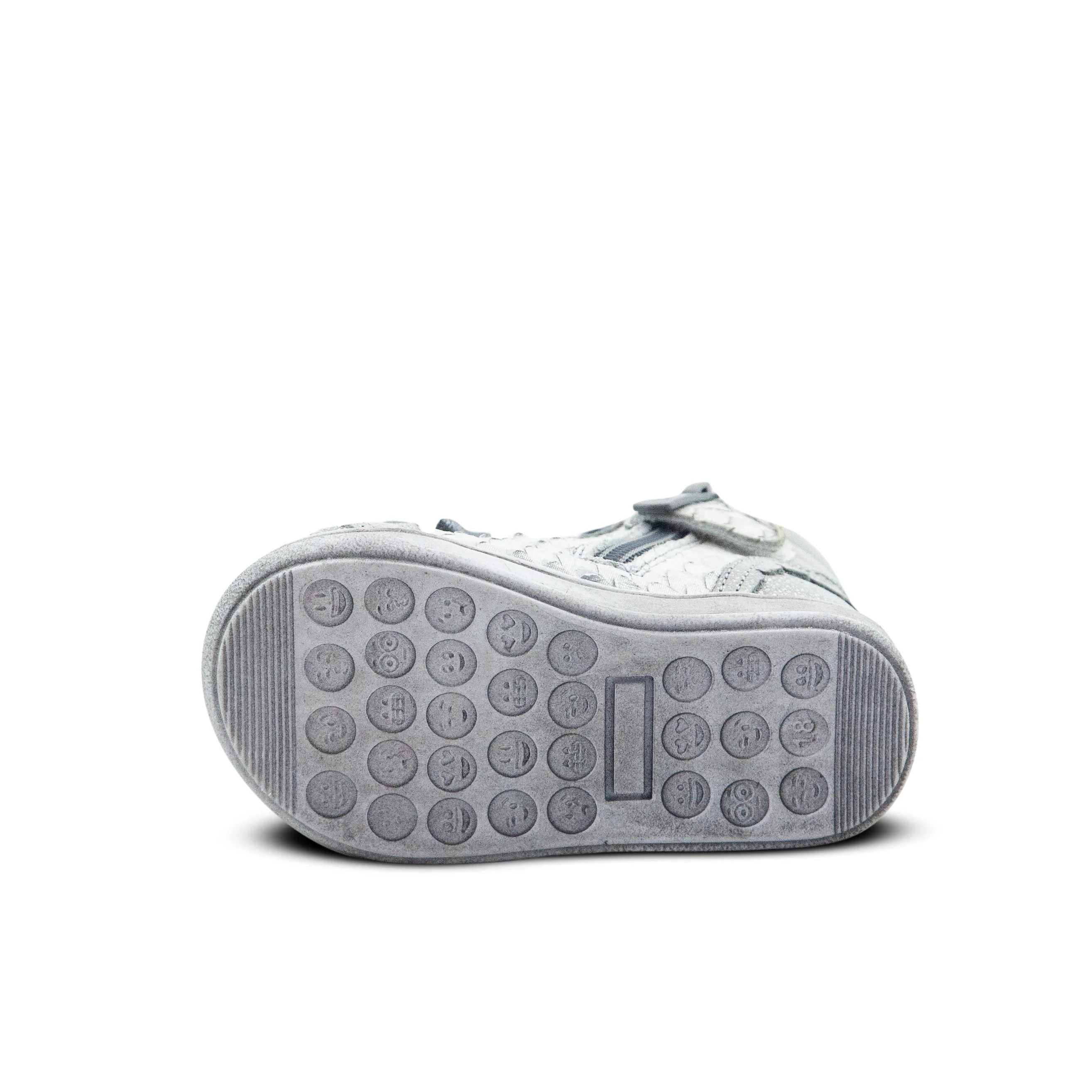
Harmony De Silva Sneakers
Therapeutic support in a roomy last that wide feet can actually wear comfortably.
Material
Nubuck Leather + Leather
Type
Sneakers
Size
9.5 (AU)
Why we chose this shoe:
- Generous internal volume that prevents lateral toe compression
- Nubuck leather and a leather combination that allows slight forefoot expansion
- High built-in arch support that maintains position regardless of foot width
- An extended high-cut design that stabilizes ankles without narrow heel cups
Why this shoe is best for children with plantar fasciitis:
Wide-footed children often experience therapeutic shoes as instruments of torture—the supportive features that help the plantar fascia create pressure points across the forefoot make children resist wearing them. The Harmony De Silva resolves this by providing orthopedic architecture within a roomier last shape for your child.
These sneakers suit everyday school and kindy attendance, where your child needs consistent support across 6-8-hour days without the foot fatigue that tight-fitting therapeutic shoes cause. One parent confirmed the spacious fit in the Harmony De Silva accommodates AFOs (ankle-foot orthoses), indicating sufficient width for wide feet plus bulky prescribed devices—a notoriously difficult combination to find.
The silvery snakeskin print delivers a distinctive aesthetic that appeals to girls wanting fashionable footwear rather than clinical-looking therapeutic shoes.
Finding the Right Plantar Fasciitis Shoes for Your Child
Watching your child sit on the sidelines because of heel pain is heartbreaking. The good news is that plantar fasciitis in children responds well to conservative treatment, and the right therapeutic footwear makes a significant difference in recovery time and comfort.
Whether your child needs all-day support for kindy, durable shoes for outdoor adventures, breathable sandals for summer, or insulated boots for winter mornings, there's a plantar fasciitis shoe designed for their specific needs.
The key is choosing the right sized footwear with the right combination of firm heel counters, structured arch support, adequate cushioning, and proper fit.
References
1. Jarman, M. (2024, June 23). Children's Heel Pain Common Causes, Symptoms and Treatment. Pediatric Foot & Ankle. https://pediatricfootankle.com/foot-conditions/pediatric-heel-pain/
2. Matta, P. N., Baul, T. D., Loubeau, K., Sikov, J., Plasencia, N., Sun, Y., & Spencer, A. E. (2020). Low sports participation is associated with withdrawn and depressed symptoms in urban, school-age children. Journal of Affective Disorders, 280(Pt B), 24–29. https://doi.org/10.1016/j.jad.2020.11.076
FAQs
At what age can children develop plantar fasciitis?
Children typically develop plantar fasciitis between ages 8-15, often during growth spurts when bones grow faster than soft tissues. However, younger children can occasionally experience it, especially if they're very active in sports or have underlying foot structure issues.
How long does plantar fasciitis last in children?
With proper footwear and activity modification, most children recover from plantar fasciitis within 2-8 weeks. Recovery is generally faster than in adults because children's tissues heal more quickly and respond better to conservative treatment measures.
Can children wear orthotics for plantar fasciitis?
Yes, podiatrists often prescribe custom orthotics for children with plantar fasciitis, especially in moderate to severe cases. Shoes like the Skyler Brave feature deep removable insole systems specifically designed to accommodate prescription orthotics without compromising fit.
Should my child stop sports completely with plantar fasciitis?
No, complete activity restriction is rarely necessary and can be counterproductive. Instead, reduce high-impact activities by 30-50% and substitute low-impact alternatives like swimming. Your child can continue participating if pain doesn't worsen during or persist 24 hours after the activity.
How often should I replace my child's plantar fasciitis shoes?
Replace therapeutic shoes every season or as your child's feet grow, whichever comes first. Check fit every 8-12 weeks during rapid growth phases, ensuring 1.25cm of toe clearance remains. Worn-out shoes lose their protective cushioning and arch support, potentially triggering symptom flare-ups.
Are expensive therapeutic shoes really necessary for plantar fasciitis?
Quality therapeutic shoes with proper arch support, heel cushioning, and firm heel counters are essential for managing plantar fasciitis effectively. While they represent an investment, proper footwear significantly reduces recovery time and prevents the condition from worsening or becoming chronic.