10 Best High Instep Toddler Shoes for a Snug, Pressure-Free Fit
A full instep can make a shoe that fits in length feel tight over the top of your toddler's foot. Here's how to spot one, what to look for in a shoe, and which ten pairs from our range give your toddler the most room to settle.



Published October 28, 2026
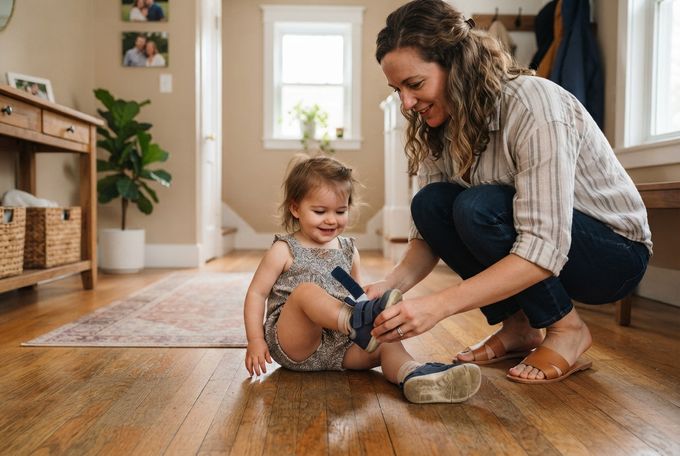
You're kneeling on the floor, sock half on, easing your toddler's foot into a shoe that measured perfectly last week. It stops at the top. The strap just about reaches across, and it leaves a red line behind when you finally fasten it.
That top surface of the foot, between the toes and the ankle, is the instep. On some toddlers, it sits fuller than standard shoes allow for. You haven't bought the wrong size, because length is only one part of how toddler shoes should fit. The American Orthopaedic Foot and Ankle Society (AOFAS) says shoes should feel comfortable from the first wear, with no breaking in [1].
Below, we'll show you how to spot a full instep, what to look for in high instep toddler shoes, and which ten pairs give you room to adjust.
Our Top Picks at a Glance
Here's a quick look at our picks for the best toddler shoes for high instep feet, with full details on each one further down.
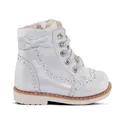
Pearly Sheila Boots
An extended tongue, laces, and a zip leave plenty of room over the instep.
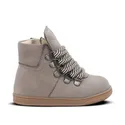
Benji the Scout Sneakers
A removable insole, laces, and a zip make this high-top sneaker easy to fit and adjust.
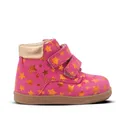
Blushful Betty Sneakers
A removable insole and the widest size range on our list suit a fast-growing toddler.
Show more
How to Tell If Your Toddler Has a High Instep
Most parents spot the problem before they know what to call it. The shoe is the right length, yet the top of the foot won't clear the opening.
High Instep, High Arch, or Wide Feet?
These three get mixed up a lot, but each one shows up in a different part of the foot.
- High instep: The top of the foot sits tall between the toes and the ankle. You'll notice it when the foot won't drop into the shoe, or the straps barely meet.
- High arch: The curve under the inner edge of the foot is pronounced. You'll see that edge lift clearly off the floor when your toddler stands.
- Wide feet: The foot is broad across the ball. Pressure marks show at the sides of the foot rather than on top.
Each one also points you towards a different feature when you're choosing shoes.
Foot Shape | What to Look For |
|---|---|
High instep | Depth over the top of the foot and a wide opening |
High arch | Built-in arch support, with a podiatrist's advice on what suits your toddler |
Wide feet | A wider fit, which is a separate question from depth |
A high instep often goes hand in hand with a high arch, though not always. Researchers often estimate arch height by measuring the height across the top of the foot, which is one reason the two are so closely linked [2].
Your toddler can have either one without the other, or both together, and wide feet can be part of the picture too. That's why a shoe that suits wide feet won't automatically suit a high instep.
Toddler feet are also naturally well padded, so it helps to tell padded feet from swollen ones. Your toddler's arches are still developing at this age too, and the Australian Podiatry Association notes that arch development varies between children [3].
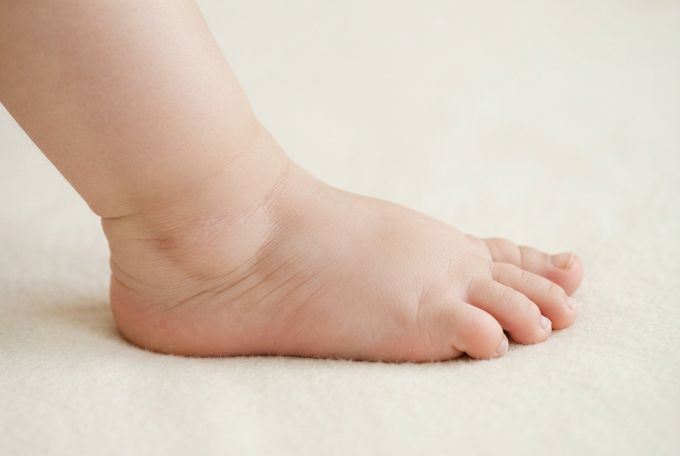
The Signs You Can Spot After a Short Wear
Let your toddler wear a new pair for a short stretch, then take the shoes off and look for these signs.
- Resistance at the opening: The foot stalls at the collar or tongue even though the length is right.
- Red lines or indentations: Marks sit across the top of the foot rather than around the sides or heel, which can signal a tight fit.
- Straps that barely catch: The fastening grabs only the last few millimetres of the matching strip.
- Rubbing on the instep: Friction where the tongue or strap crosses the foot can lead to blisters across the instep.
- Changes in behaviour: Your toddler pulls at the shoes, asks to be carried, or stops walking soon after you put them on.
The AOFAS recommends checking your child's feet often for redness or blisters, which can mean a shoe needs to be larger or wider [1]. Poorly fitting shoes can lead to blisters, calluses, and toe problems, so depth matters as much as length and width [1].
The Australian Podiatry Association adds that toes should move freely instead of feeling squashed from the top or the sides [3].
What to Look for in High Instep Toddler Shoes
The best shoes for toddlers with a high instep share a few traits, and a bigger size isn’t one of them. Here’s what to check before you buy.
1. Openings and Closures That Open All the Way Down
The opening decides whether the foot slips in comfortably or scrapes over the top. Look for these features:
- Extended tongues: A tongue that folds well back lets you slide the foot in from above rather than squeezing it past the collar.
- Zips alongside laces: The zip opens the shoe out for easy entry, and the laces hold your chosen fit.
- Laces over straps: Lacing adjusts in small steps, so you can loosen the eyelets over the fullest part of the foot.
- More straps: Two straps give you two adjustment points, and four give you four.
Which one suits your toddler depends partly on their age and independence, and our guide to laces vs Velcro closures can help you decide.
2. Soft Uppers Give a Little Over the Instep
A soft, flexible upper tends to give more over a full instep than a stiff one. All ten pairs here are made from leather, nubuck, or a blend of the two.
3. Depth, Not a Bigger Size
It's tempting to buy a size up so the shoe fastens, but extra length doesn't add much room over the instep. Instead, it adds slack at the heel, so the foot can slide around inside the shoe.
The Australian Podiatry Association suggests about 1 cm of growing room between the longest toe and the end of the shoe [3]. Go much beyond that, and shoes that are too big bring problems of their own.
The AOFAS also advises checking that the top of the shoe doesn't press on the toes or toenails [1].
4. Removable Insoles Add Flexibility Alongside Arch Support
A high instep often goes hand in hand with a high arch, so built-in arch support can be a welcome feature, and every pair on our list has it.
A removable insole adds flexibility on top of that. You can see how much space it takes up inside the shoe, and it often makes room for a custom orthotic if your toddler's podiatrist recommends one. Removable insoles can also create extra room as your child's feet grow.
How to Check the Fit Before the Shoe Leaves the House
Start with the measurements you can take. The Australian Podiatry Association recommends measuring both feet for length and width [3], and our guide to measuring feet at home walks you through it. Fit the shoe to the larger foot.
For the instep, use your fingers. Fasten the shoe, then slide one finger under the strap or laces. If it won't fit, the shoe is pressing too firmly. And if the strap runs out of range before the shoe feels snug, a longer size won't help, because the shoe needs more depth.
10 Best Toddler Shoes for High Instep Feet
Each pair gives you a way to fine-tune the fit over the top of your toddler's foot, from extended tongues and removable insoles to laces, zips, and extra straps. All ten also have flexible, shock-absorbent soles designed to absorb impact with every step.
1
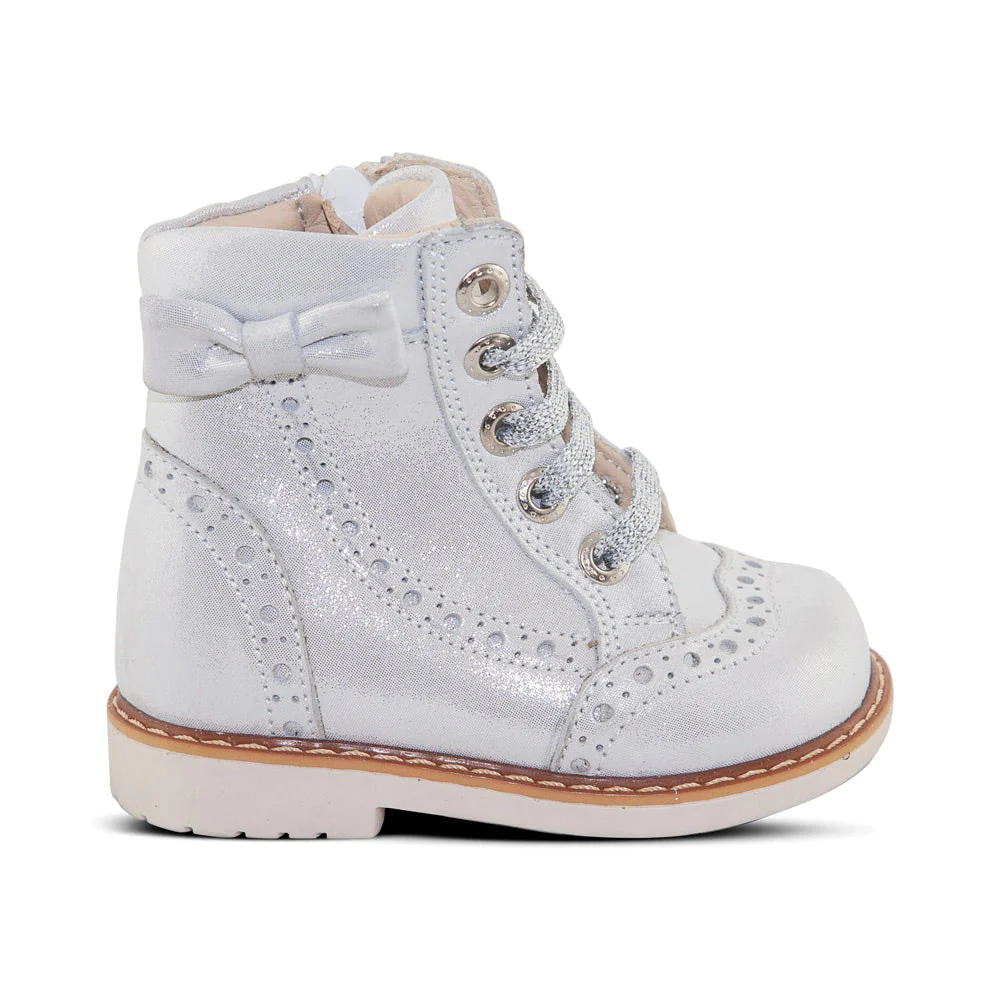
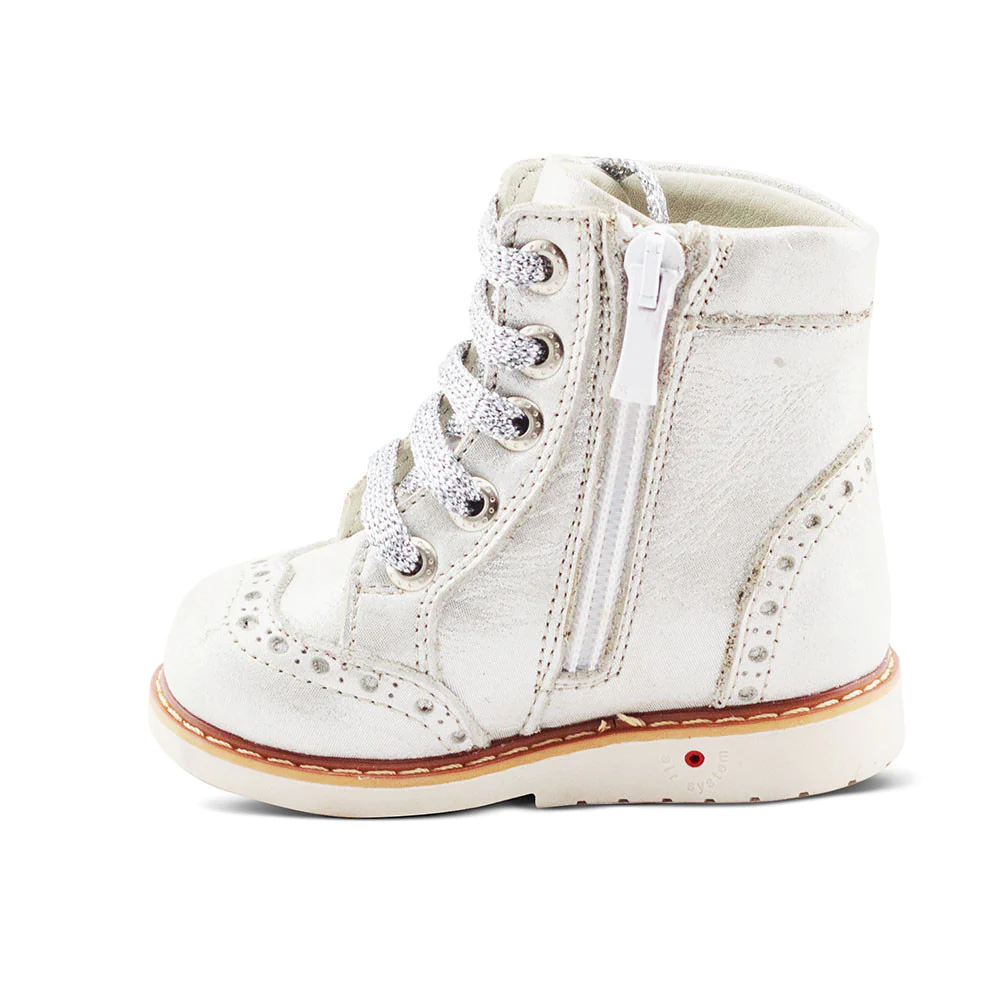
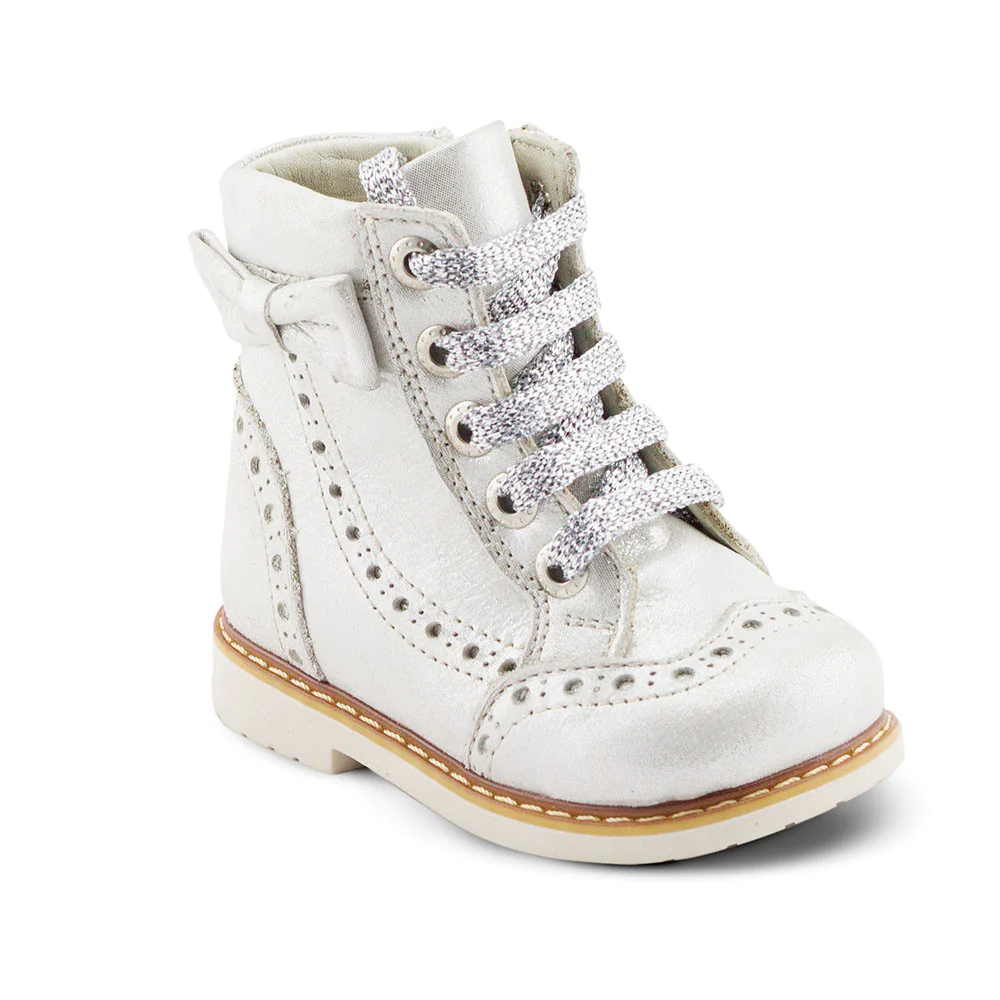
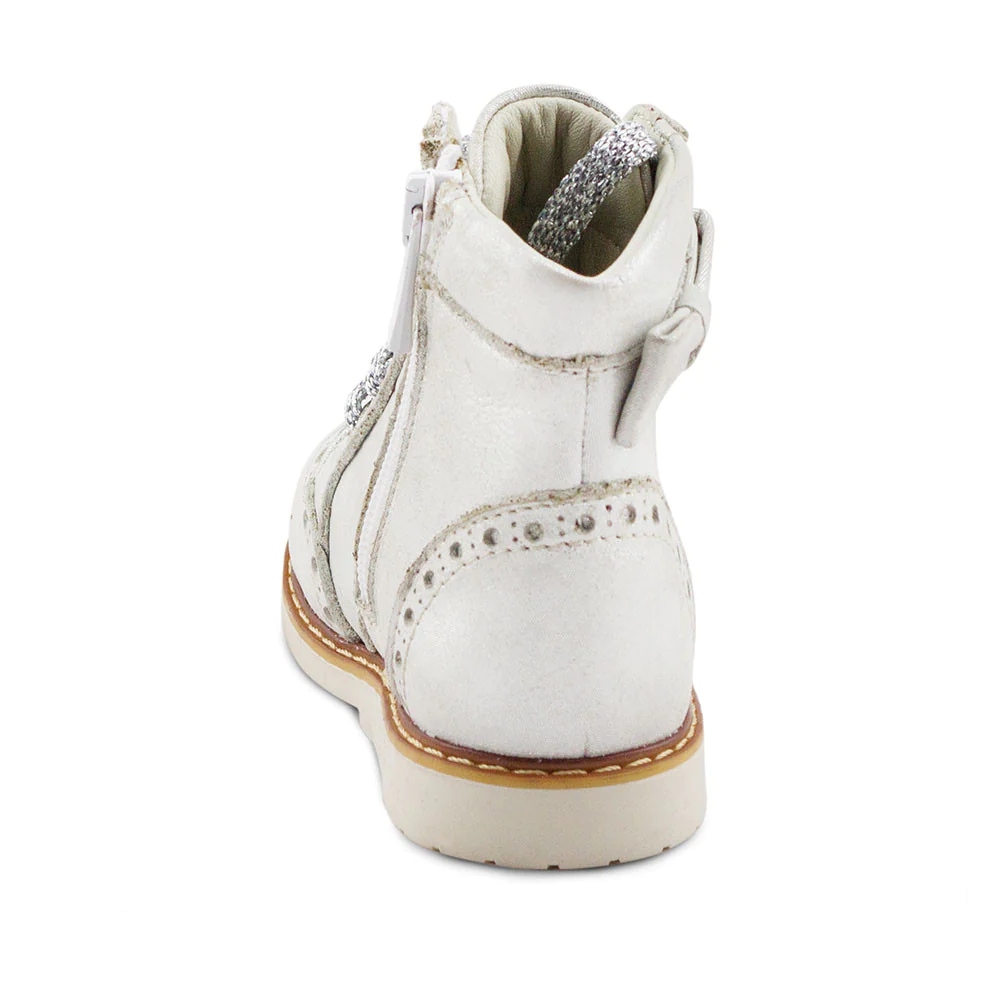
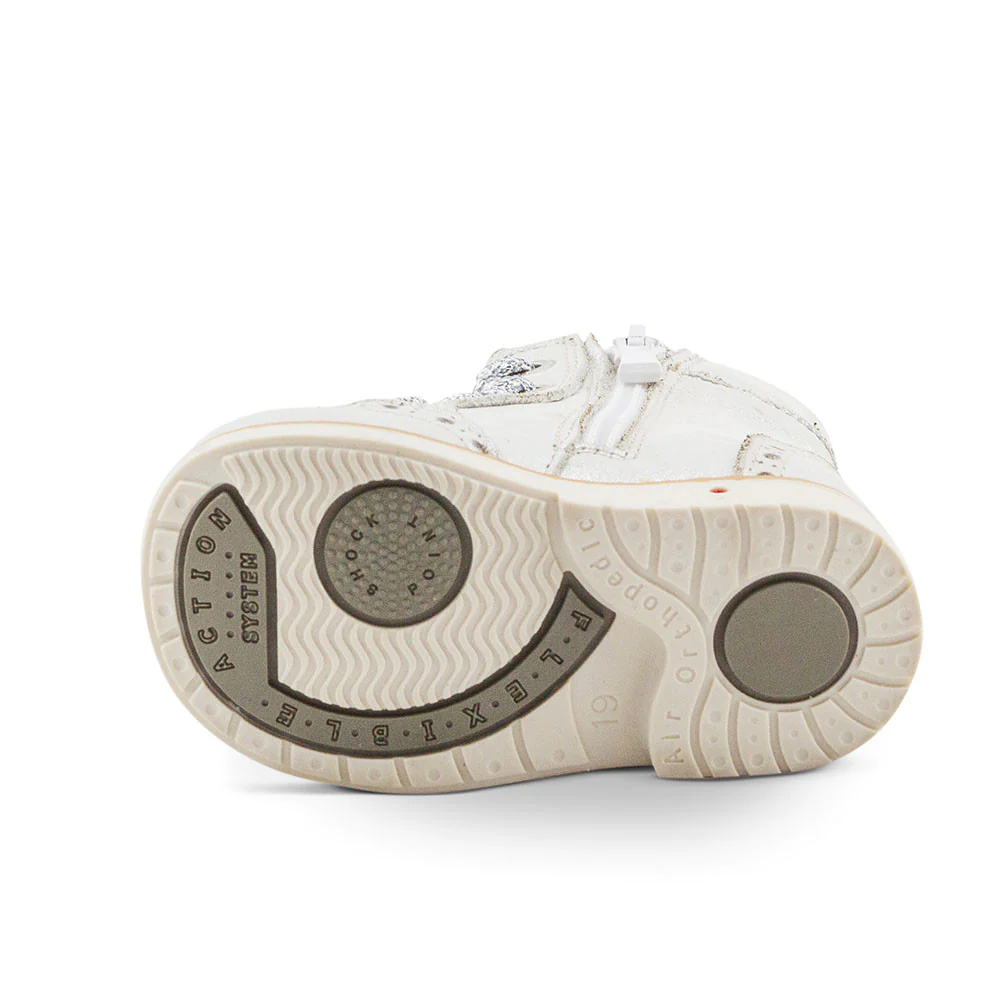
Pearly Sheila Boots
A laced high-top boot with an extended tongue that opens up the space over the instep.
Shoe Type
High-top boots
Material
Leather
Size Range
AU 2–11.5
Why We Chose This Pair
Pearly Sheila is the dressiest pair on our list, with a silver finish and bows that turn an ordinary day into a dress-up one. It's also the boot to try first when other shoes leave your toddler's foot feeling crowded. A zip makes quick work of getting in and out, air valves help with moisture, and antibacterial insoles keep things fresher. As a leather boot, it's best for cooler months.
How It Helps With a High Instep
- The extended tongue helps keep lace pressure off the top of the foot.
- Extended ankle support steadies the heel, so the instep needn't be laced tight.
- The tongue makes room for an ankle-foot orthosis (AFO), which adds height.
2


Benji the Scout Sneakers
A leather and nubuck high-top sneaker with a removable insole, laces, and a zip.
Shoe Type
High-top sneakers
Material
Leather and nubuck leather
Size Range
AU 2–11.5
Why We Chose This Pair
Benji the Scout is made for toddlers who treat every outing like an expedition. Leather and nubuck keep the upper breathable, extended ankle support steadies a running or climbing foot, and shock-absorbent thermoplastic outsoles are designed to cushion every landing. Natural honey-coloured soles and striped laces add some personality. The laces take a little longer than Velcro at pick-up time, but the zip speeds things up again.
How It Helps With a High Instep
- Laces adjust eyelet by eyelet, so the peak of the instep can have more room.
- High built-in arch support suits the high arch that often comes with a full instep.
- The zip opens the shoe wide, so the foot doesn't squeeze past the laces.
3


Blushful Betty Sneakers
A high-top sneaker with a removable insole and a size range that grows with your toddler.
Shoe Type
High-top sneakers
Material
Leather
Size Range
AU 2–13, J1–J2
Why We Chose This Pair
Blushful Betty has the widest size range of the ten, running to AU 13 and on to J2. That makes it a smart pick for a fast-growing toddler or a preschooler moving into bigger shoes. A flexible build lets little ones move naturally at daycare and play, while extended ankle support and a removable insole round out a practical everyday sneaker.
How It Helps With a High Instep
- Velcro adjusts continuously, so the fit isn't limited to fixed holes.
- The removable insole can come out for extra depth as feet grow into new sizes.
- Two straps adjust separately, so the one over the instep can sit looser.
4
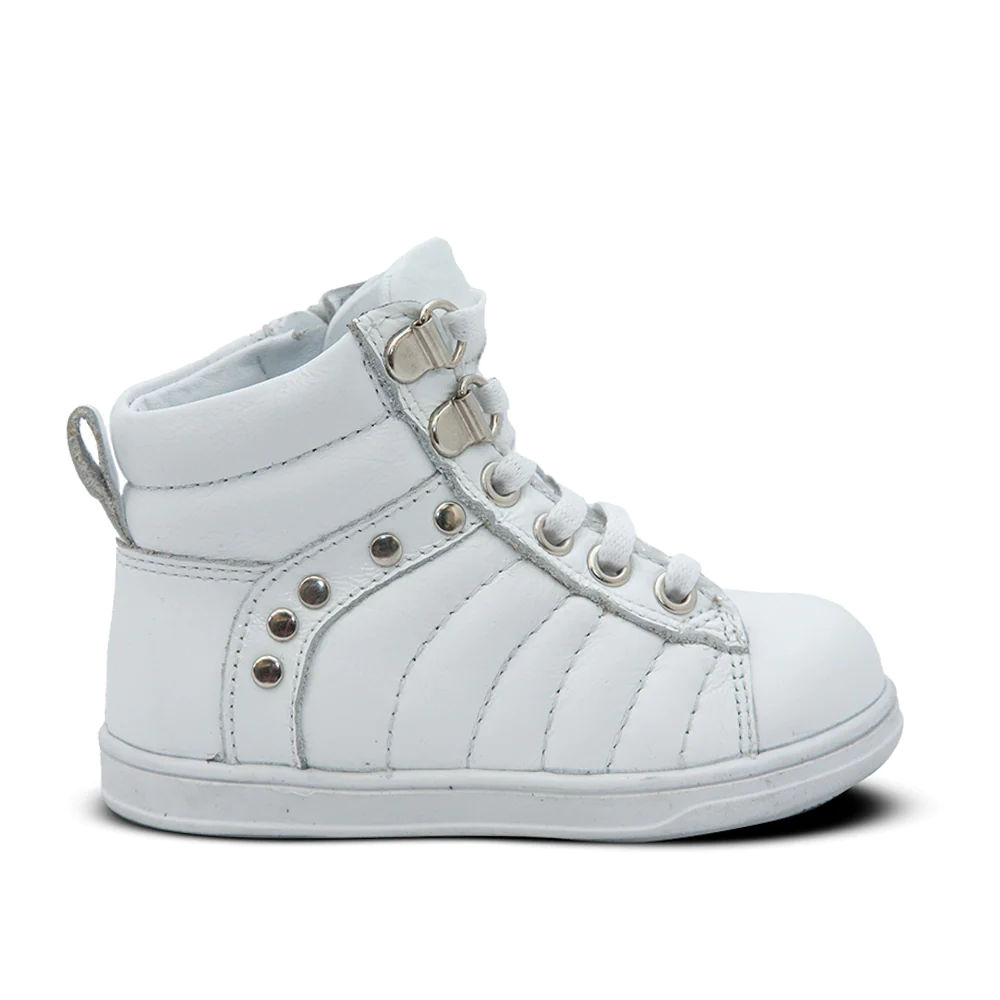
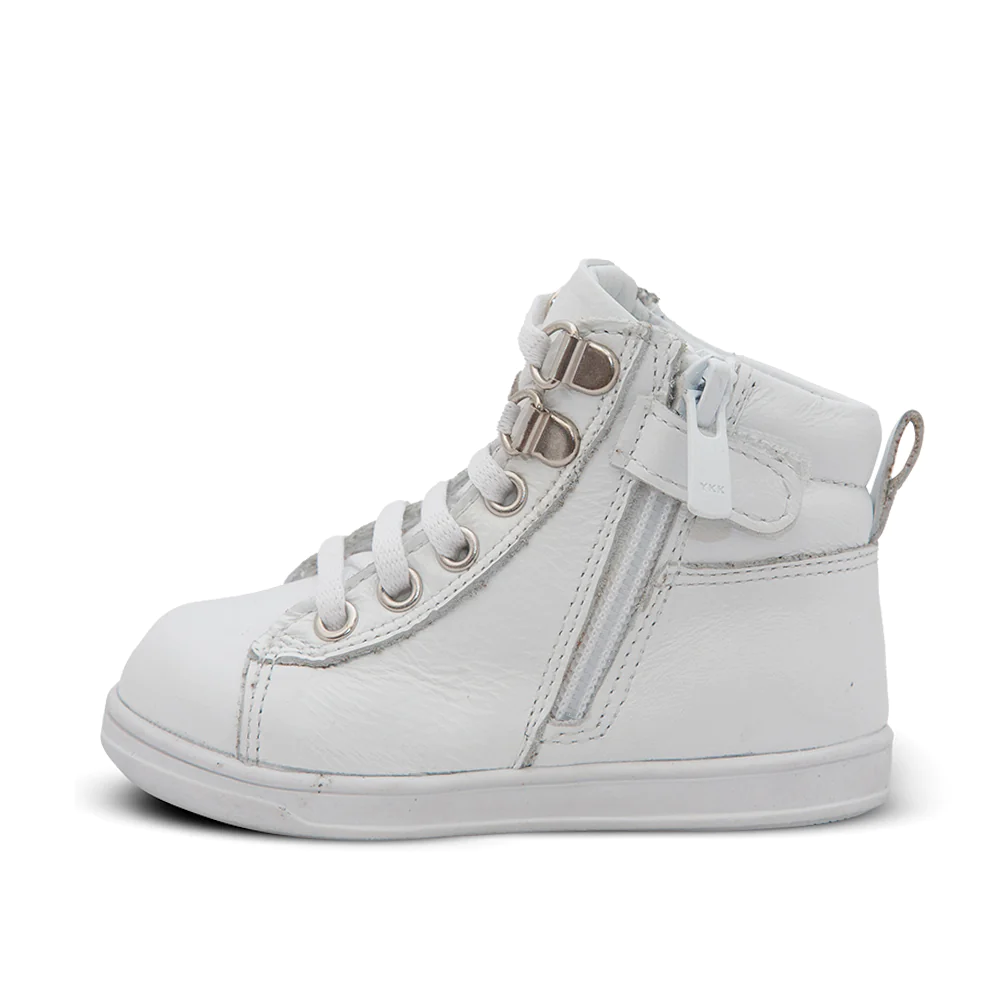
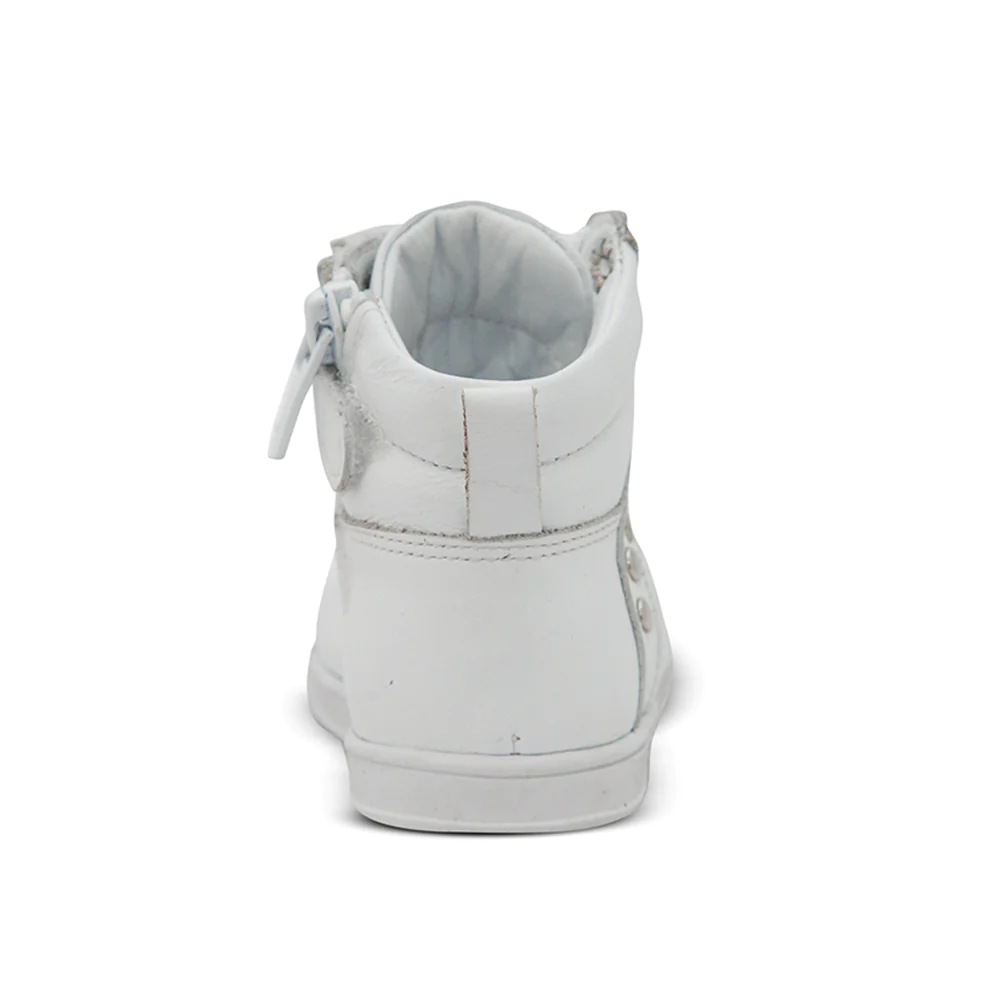
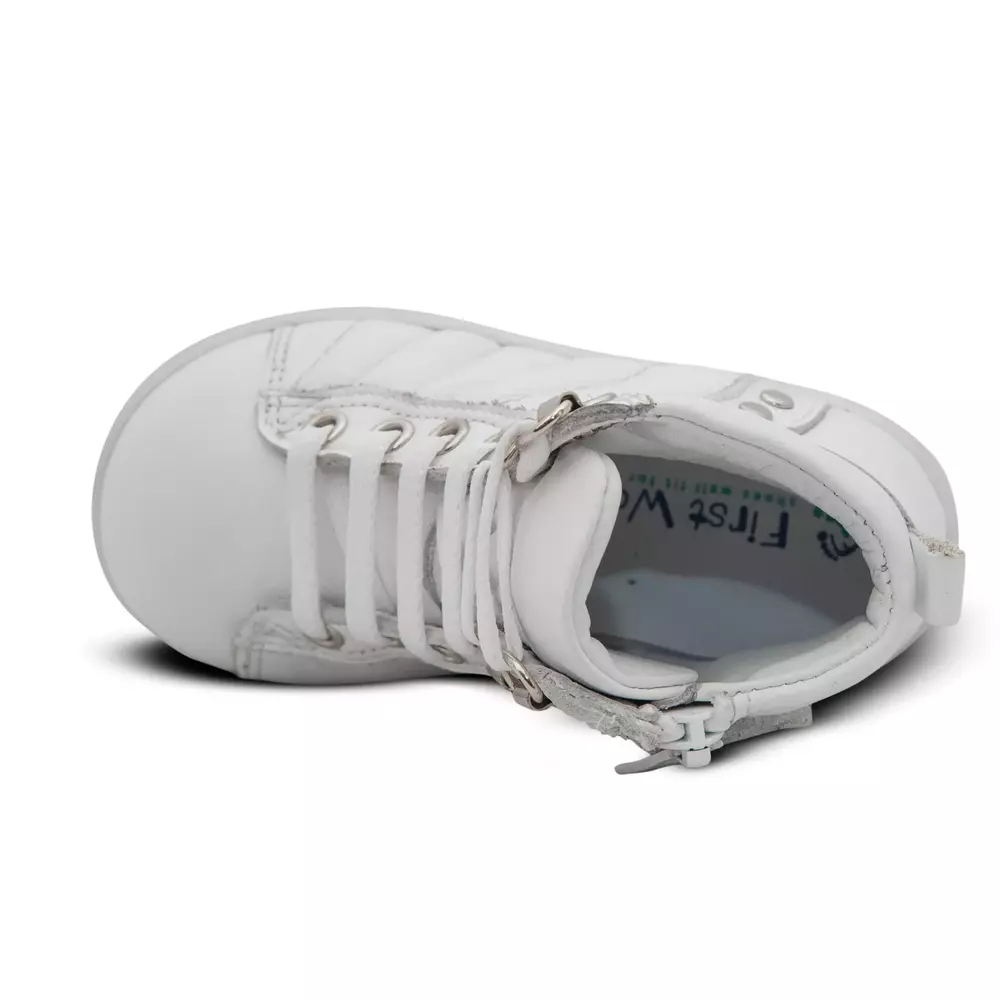
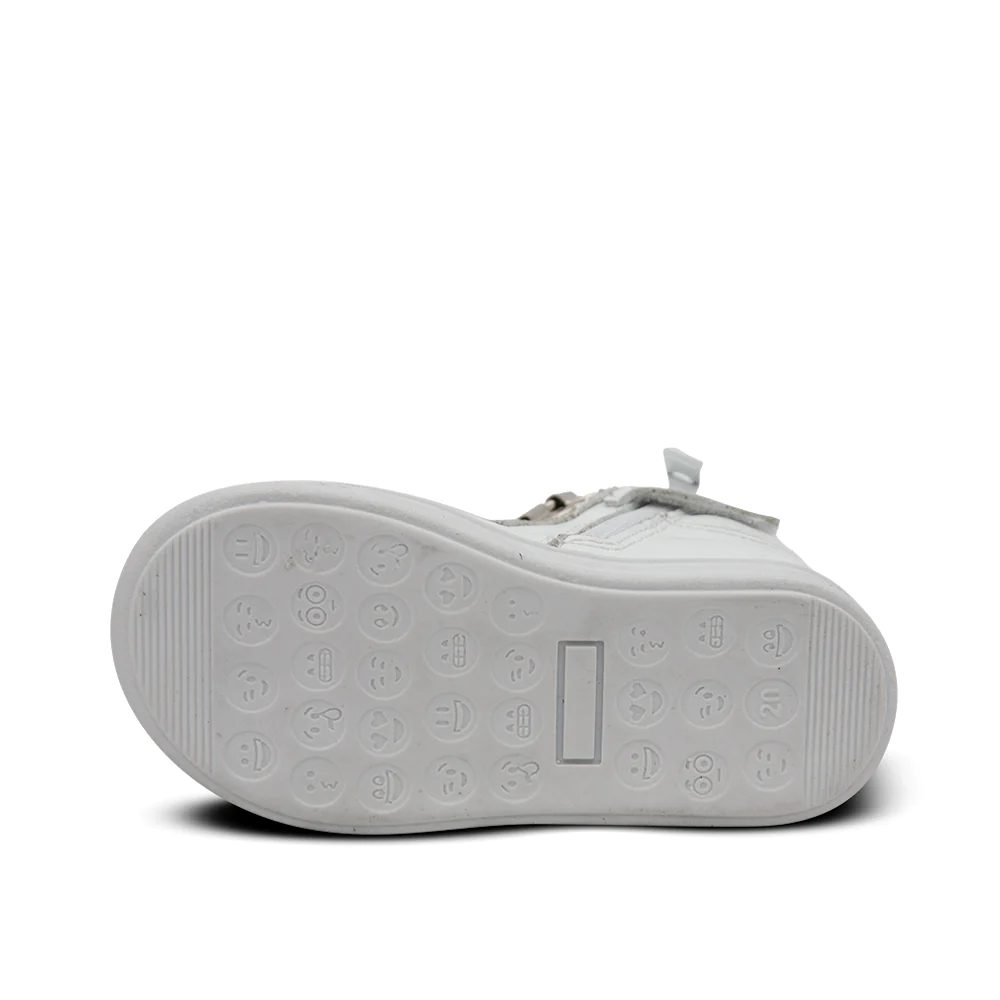
Billy Smooth Sneakers
A leather high-top sneaker with a side zip and a removable insole.
Shoe Type
High-top sneakers
Material
Leather
Size Range
AU 2–11.5
Why We Chose This Pair
Billy Smooth is the sneaker for the morning rush. The leather upper is lightweight and durable, and extended ankle support keeps things stable at school and daycare. A removable insole, antibacterial insoles, and high built-in arch support make it a well-equipped everyday pair for toddlers who protest at putting shoes on.
How It Helps With a High Instep
- The zip runs down the side, so no hardware sits on top of the foot.
- The zip lets the collar spread, so a full instep doesn't squeeze through.
- Laces still fine-tune the fit over the instep, with the zip handling entry.
5


Amanda Sherwood Boots
A laced leather boot with a zip, a removable insole, and a toe cap.
Shoe Type
High-top boots
Material
Leather
Size Range
AU 2–11.5
Why We Chose This Pair
Amanda Sherwood is a classic leather boot made for cooler days and busy play. Extended ankle support and flexible soles keep it comfortable for walking, and an anti-scratch toe cap protector handles everyday scuffs. Air valves help with moisture inside, and antibacterial insoles keep things fresher.
How It Helps With a High Instep
- Laces open all the way down, giving a full instep room for a thick winter sock.
- Laces and a zip give two ways to open the boot, easing a snug instep in and out.
- The removable insole can come out to add a little depth above the foot.
6
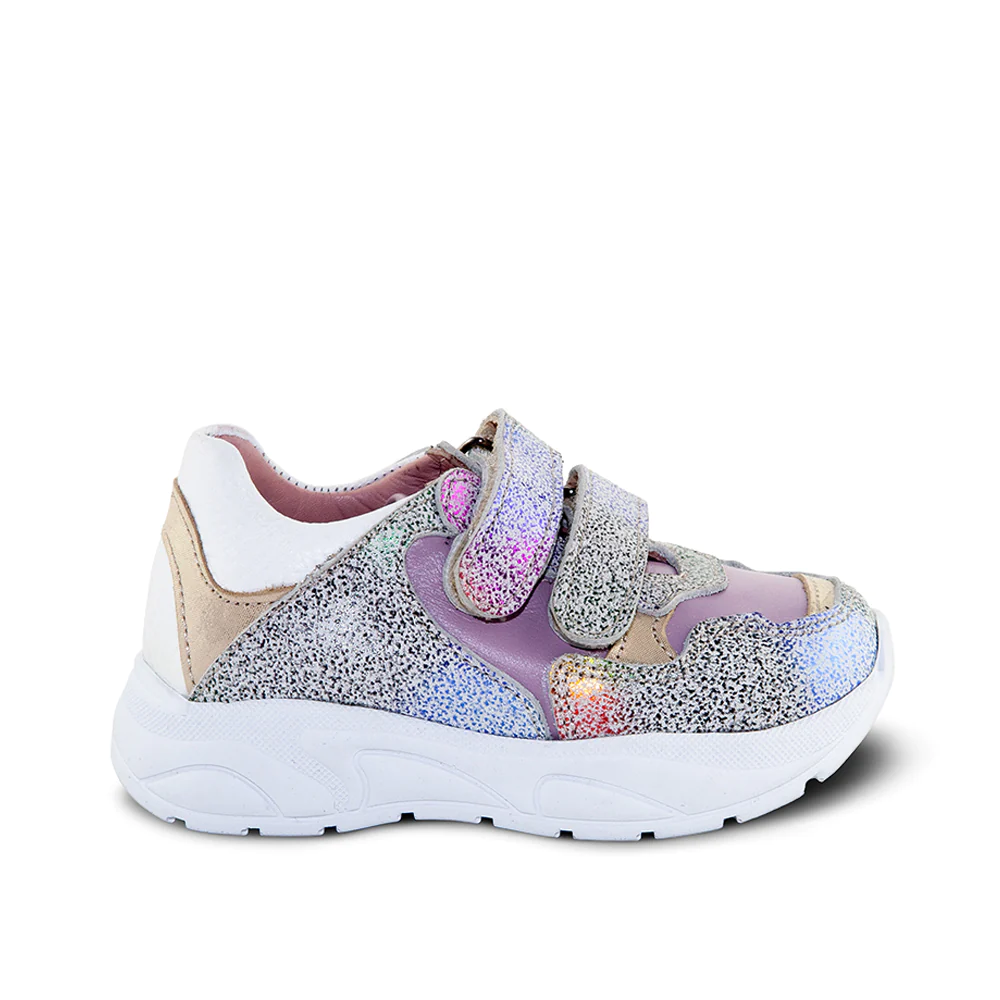
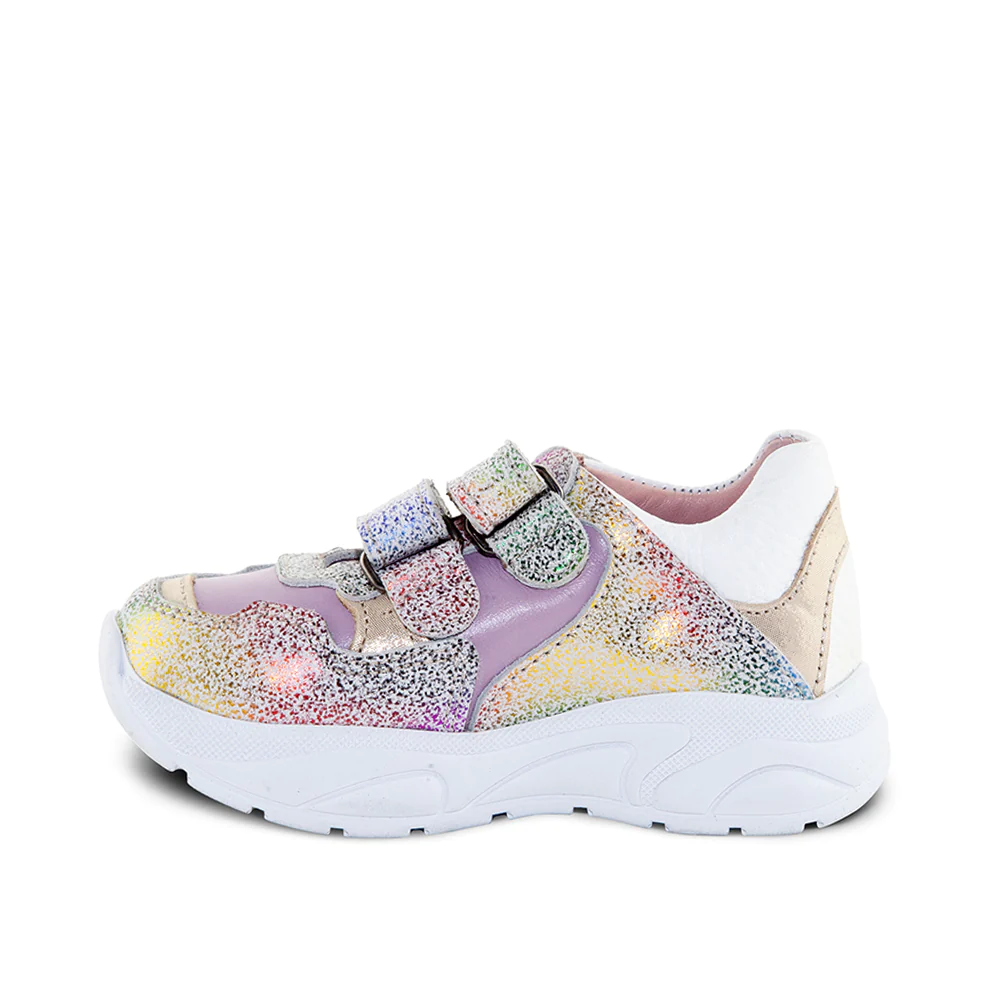
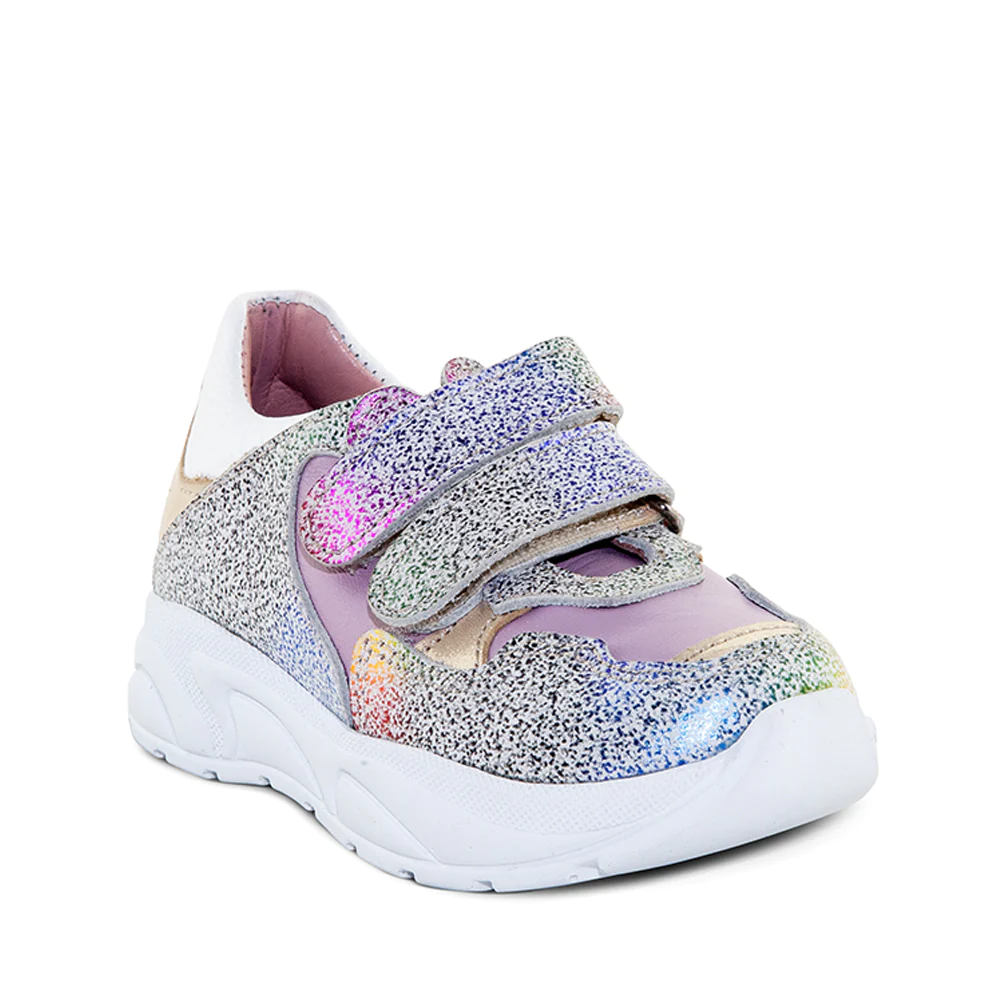
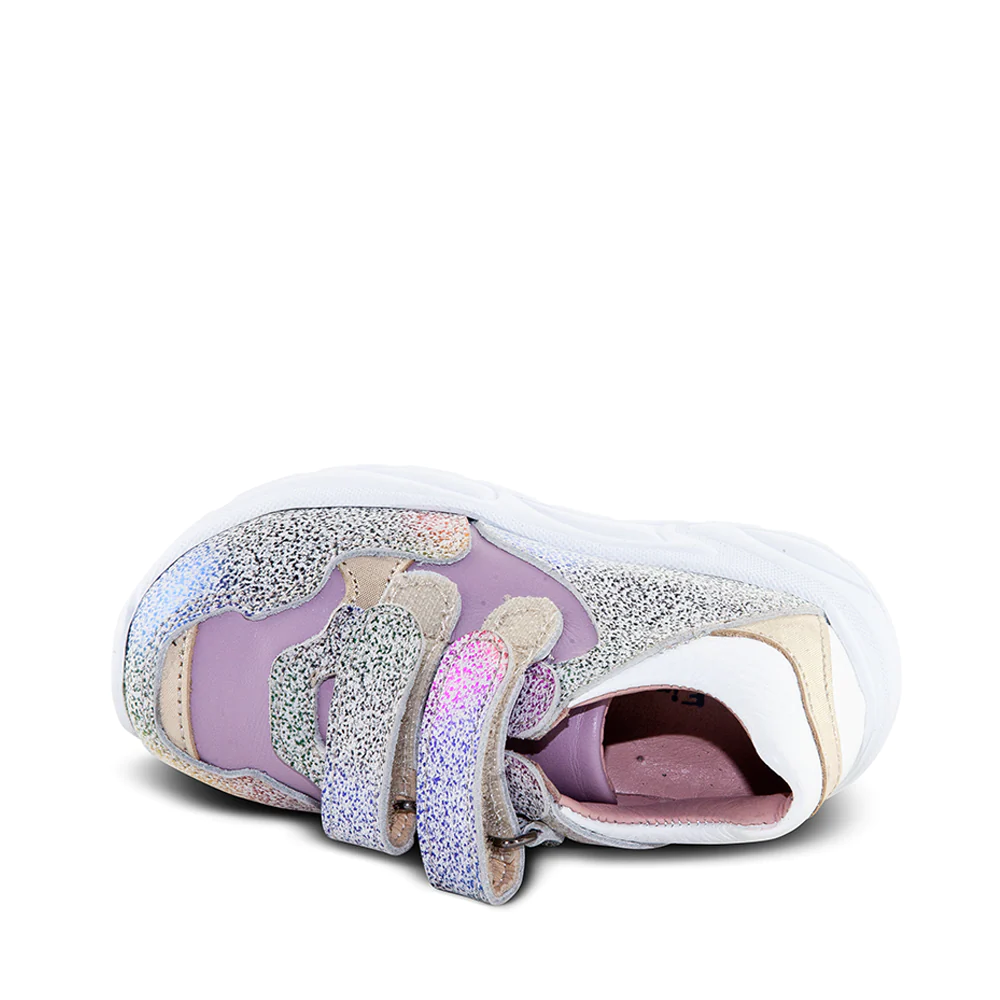
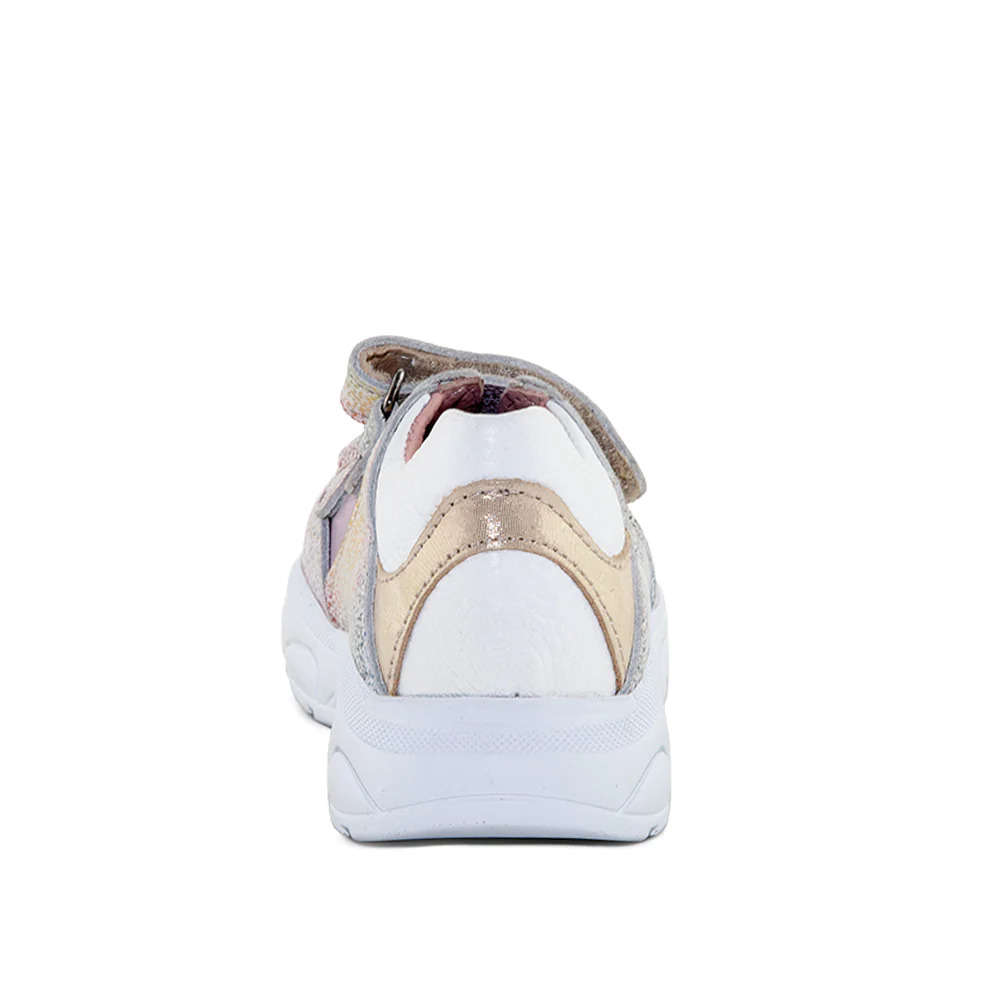
Lily Pearl Sneakers
A soft leather sneaker with a removable insole and a lighter regular-top cut.
Shoe Type
Sneakers
Material
Leather
Size Range
AU 2–11.5
Why We Chose This Pair
Not every toddler wants ankle coverage, and Lily Pearl's regular-top cut feels lighter on the foot. It's a good everyday choice for confident walkers, with soft, breathable European leather and lightweight, flexible soles. Two Velcro straps keep it simple for small hands that are learning to fasten their own shoes.
How It Helps With a High Instep
- The soft leather upper is gentler across the top of the foot.
- Both straps open fully, which releases the whole front of the shoe.
- Two adjustable straps set the fit at separate points over the foot.
7
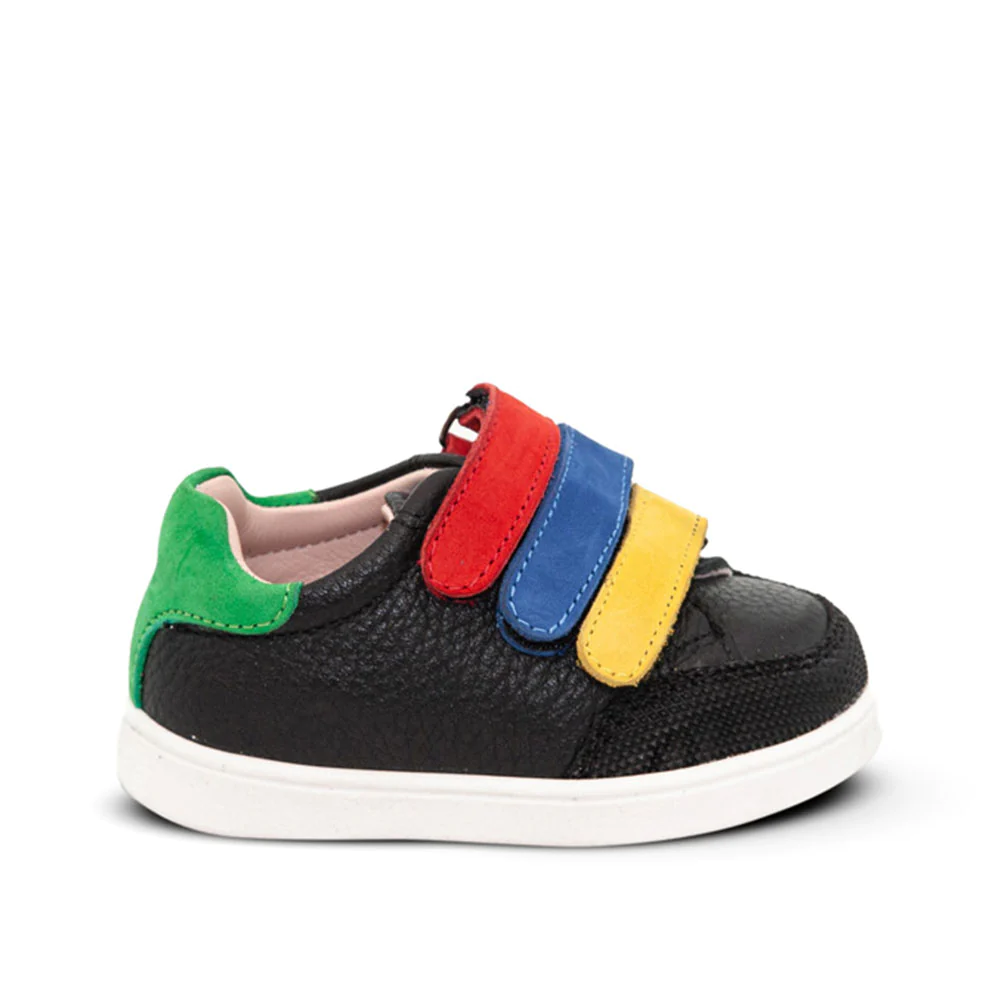
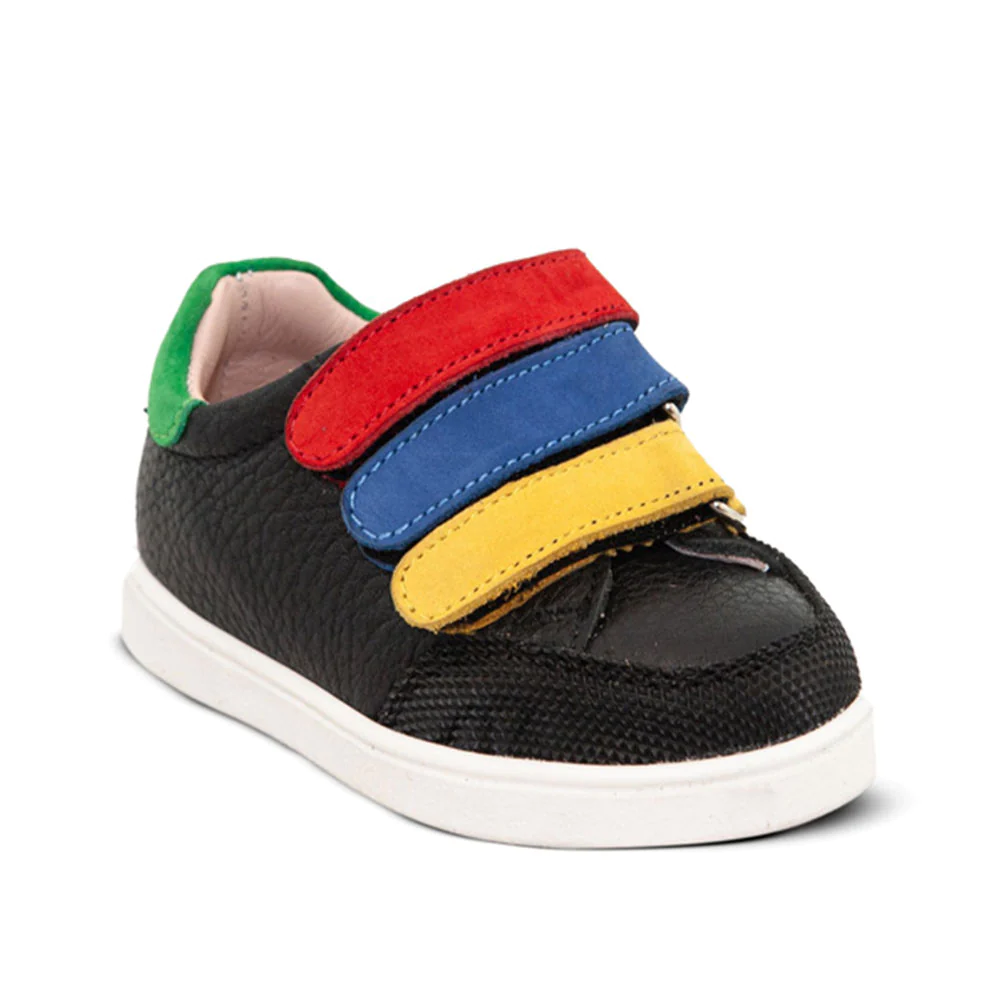
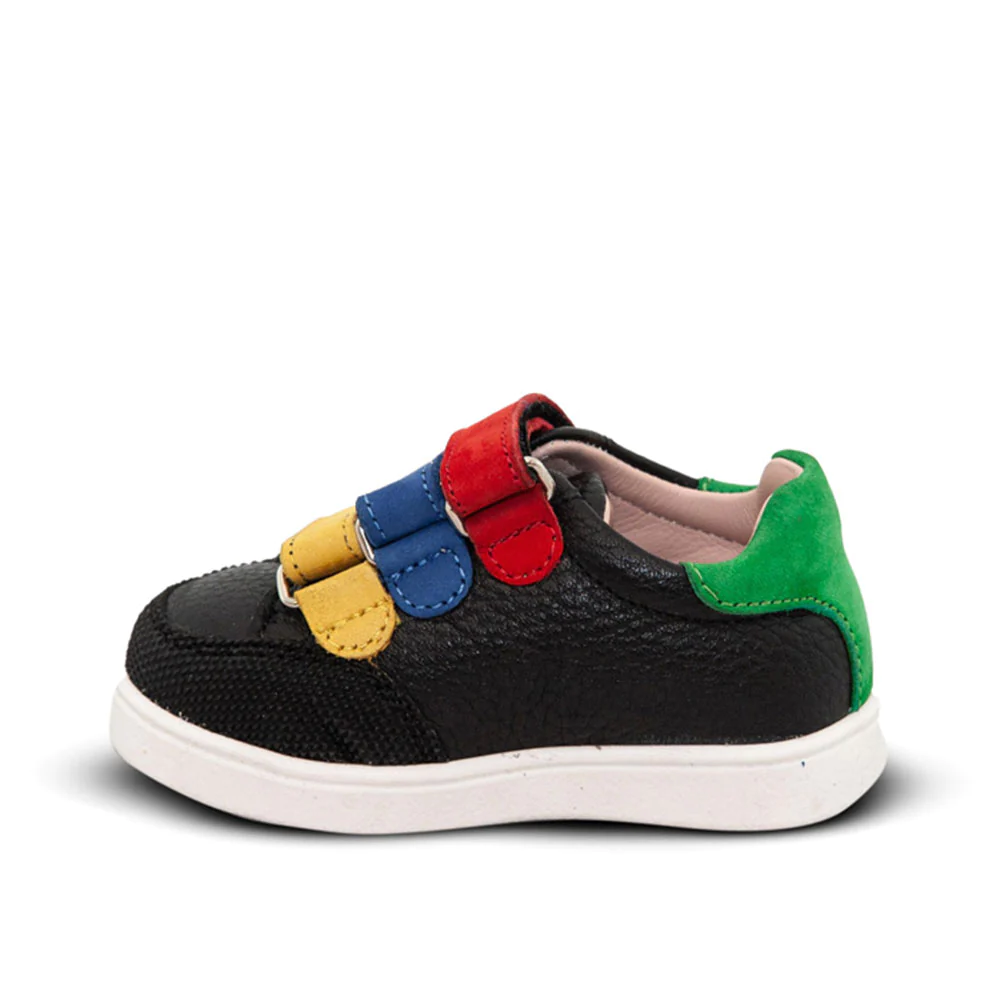
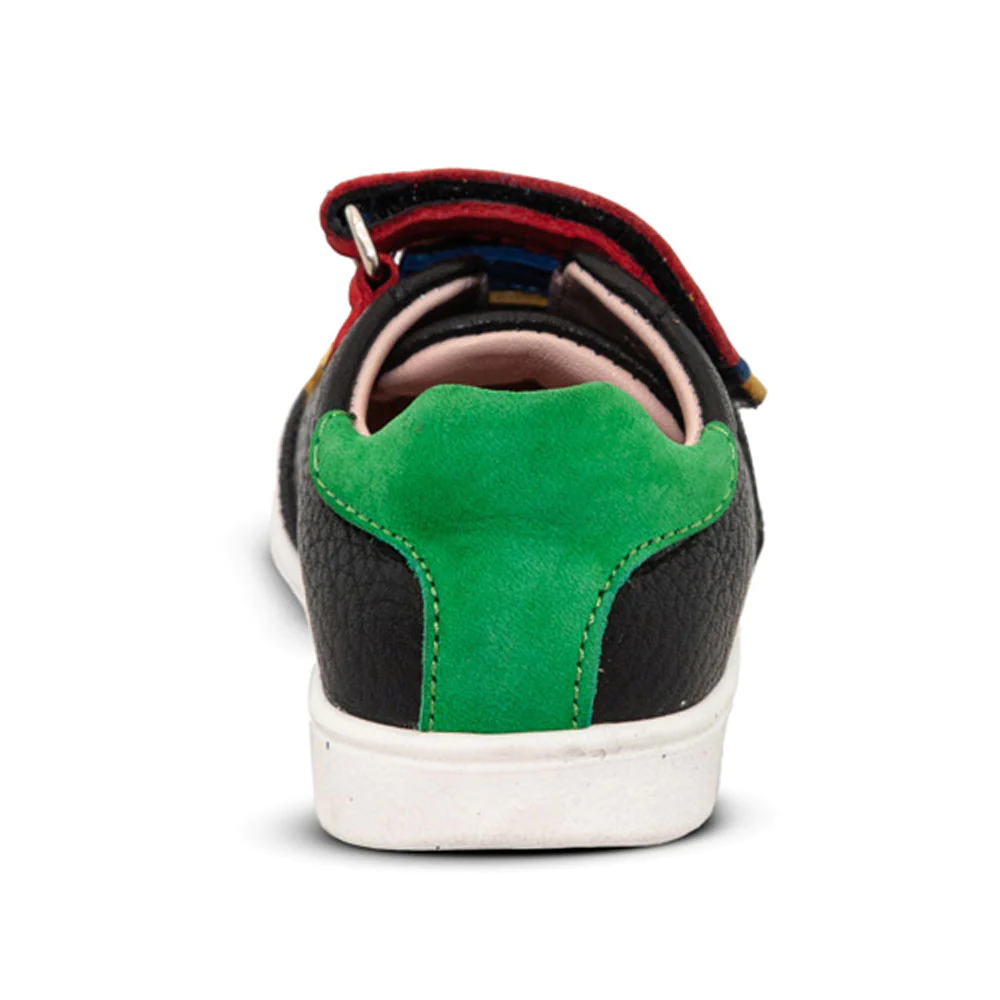
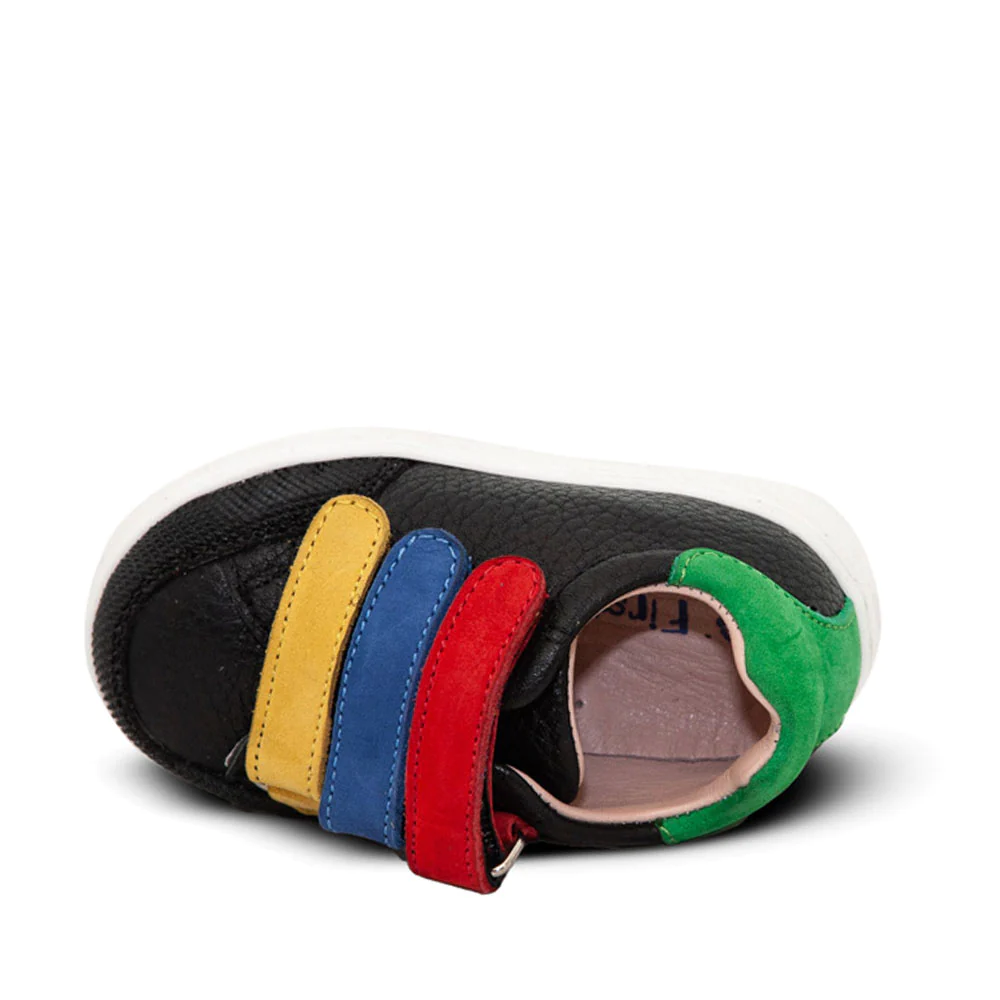
Lexington Drive Sneakers
A leather and nubuck sneaker with a wide opening and three adjustable straps.
Shoe Type
Sneakers
Material
Leather and nubuck leather
Size Range
AU 2–11.5
Why We Chose This Pair
Lexington Drive is the playful pair on our list, with multicoloured styling for toddlers who like to stand out. Leather and nubuck keep the upper breathable, an anti-scratch toe cap protector handles playground scuffs, and high built-in arch support sits under every step. Shock-absorbent thermoplastic outsoles are designed to cushion every step.
How It Helps With a High Instep
- The wide opening lets the foot slide in without catching on the instep.
- Three straps spread the fastening pressure across more of the foot.
- Three separate straps mean one can sit looser without changing the other two.
8
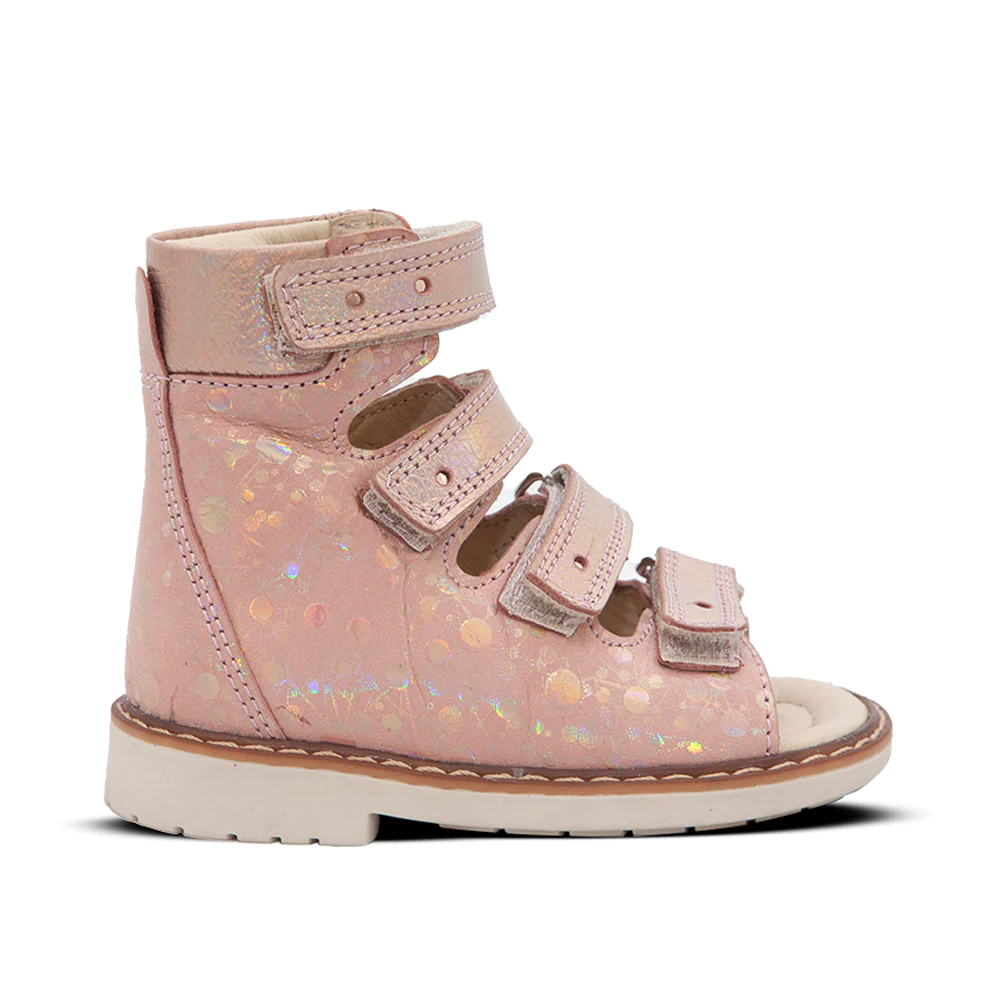
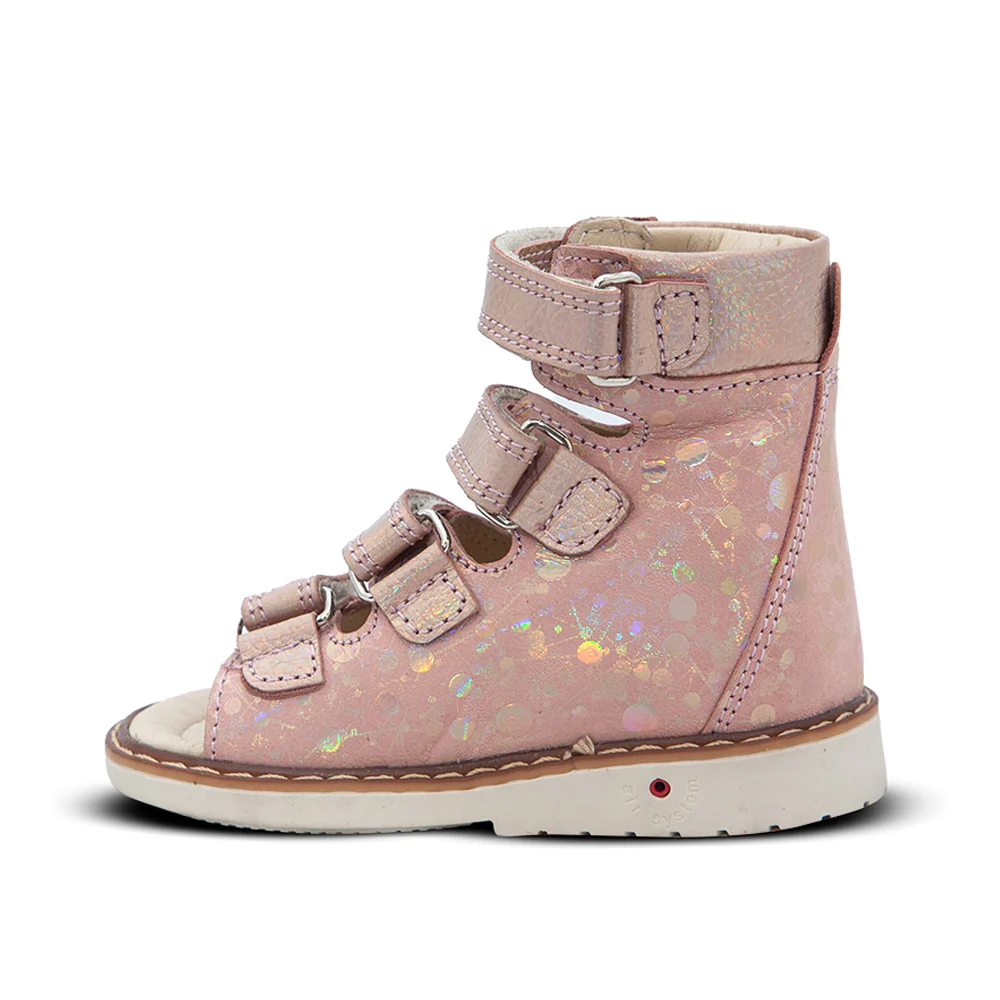
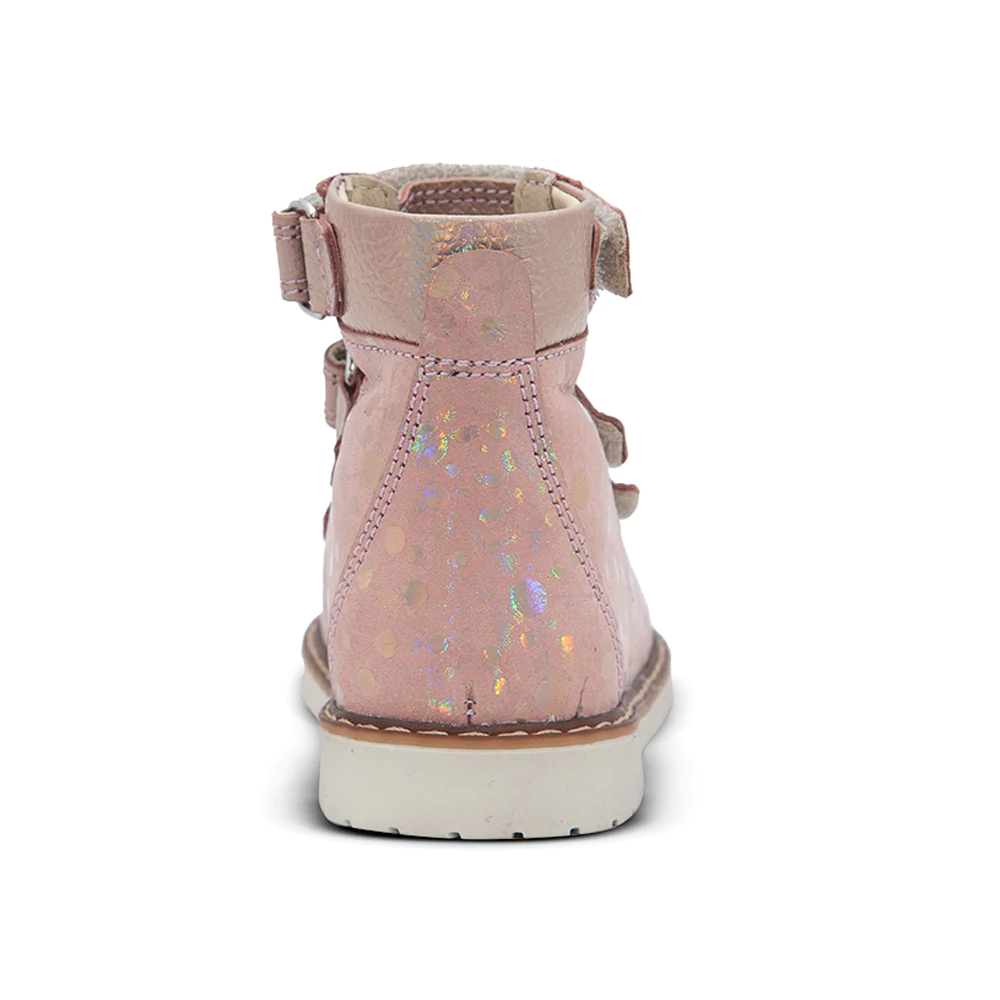
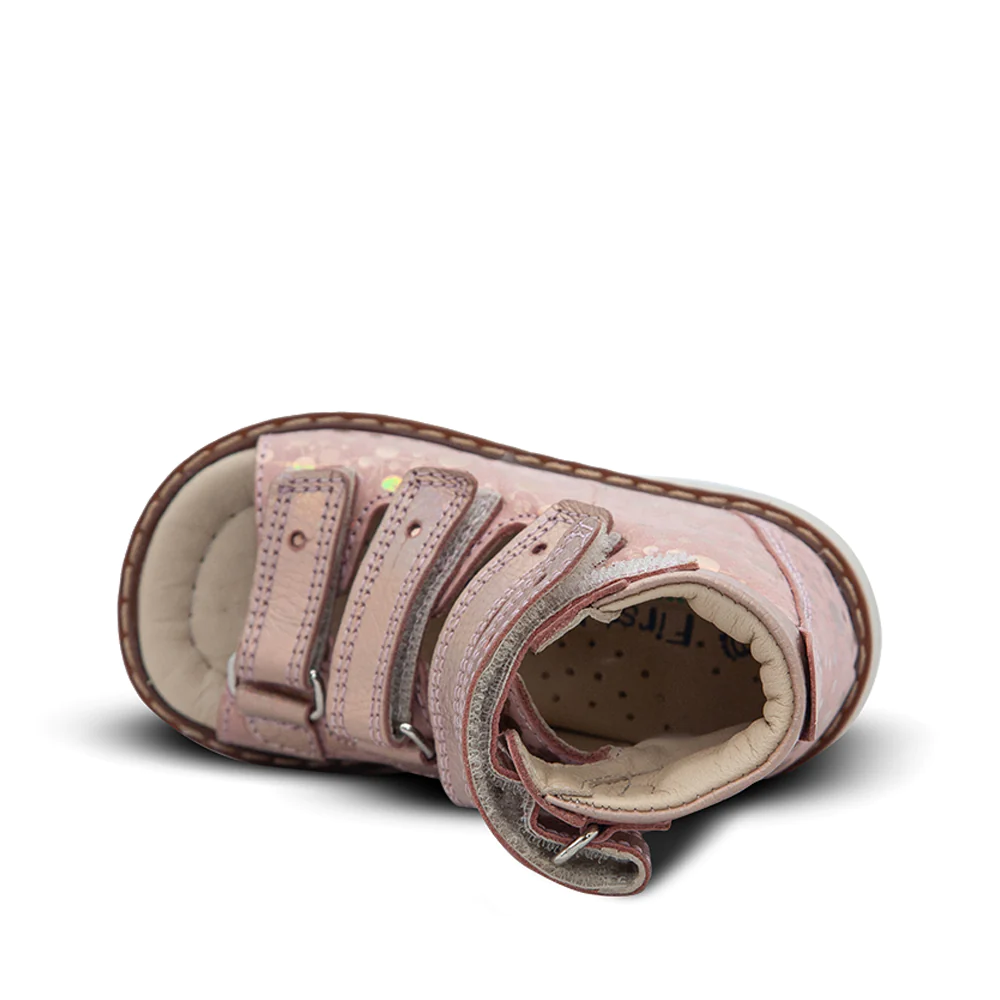
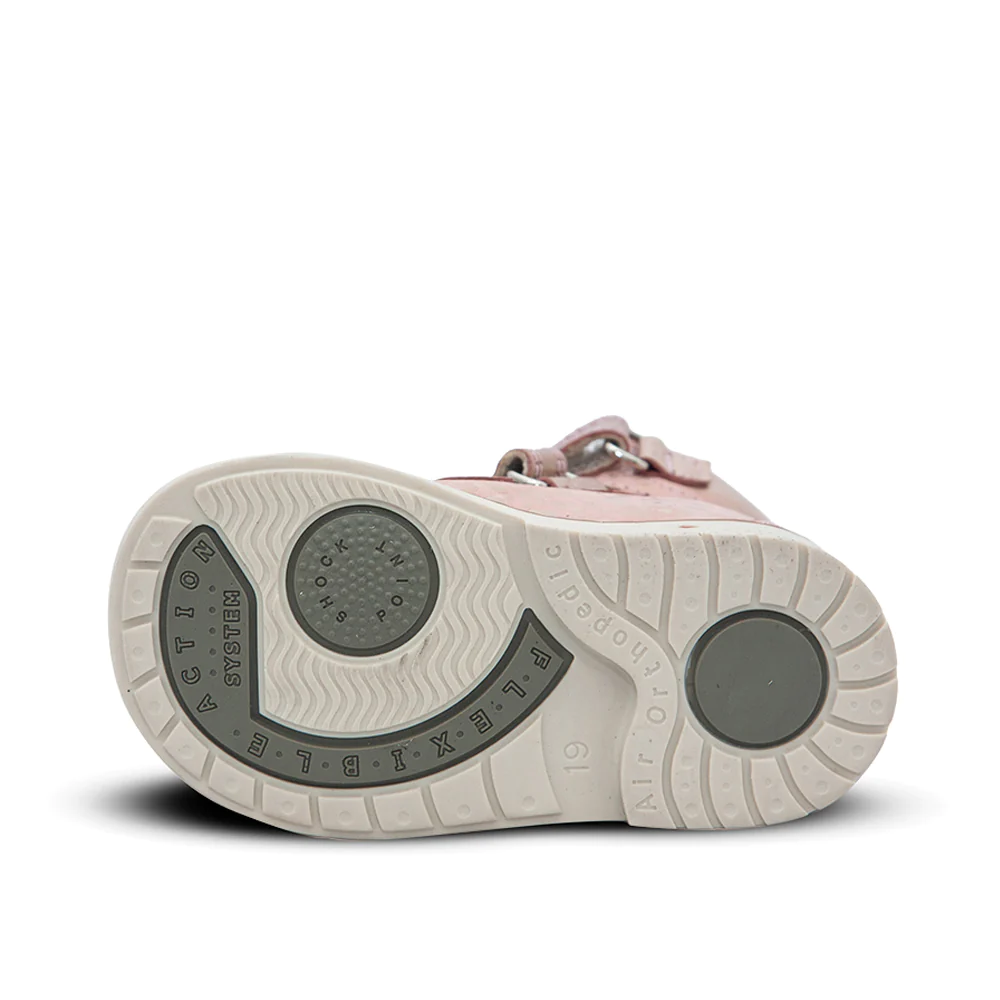
Alva Gigi Sandals
A high-top leather sandal with four adjustable Velcro straps.
Shoe Type
High-top sandals
Material
Leather
Size Range
AU 2–11.5
Why We Chose This Pair
Alva Gigi offers the widest strap range of the ten, which is why it earns the warm-weather spot. The breathable leather build, air valves, and antibacterial insoles keep things fresh on hot days. A soft lining ensures all-day comfort, and the extended ankle support adds stability for active toddlers.
How It Helps With a High Instep
- Four straps let the one across the instep sit looser while the rest stay snug.
- A soft lining gives the top of the foot a gentler surface.
- Sandal straps are separate bands, so they press only where they cross.
9


Glorious Flamingo Sneakers
A leather sneaker with laces and a zip for a neater look.
Shoe Type
Sneakers
Material
Leather
Size Range
AU 2–11.5
Why We Chose This Pair
When you want something dressier, Glorious Flamingo brings a bright, polished look to an everyday sneaker. The premium European leather and anti-scratch toe cap protector suit school days, and the built-in arch support sits under every step. It's a smart pick when you want neat styling without giving up an adjustable fit.
How It Helps With a High Instep
- Laces tension each part of the foot separately, which one strap can't do.
- The zip opens the shoe wide, so the foot isn't squeezed past the collar.
- Built-in heel support holds the heel, so the laces can stay relaxed over the instep.
10


Andy Blue Sandals
A nubuck sandal with an adjustable Velcro closure and two buckle straps.
Shoe Type
Regular-top sandals
Material
Nubuck leather
Size Range
AU 2–11.5
Why We Chose This Pair
Andy Blue is a classic navy sandal with a schoolboy-inspired look, finished with silver buckles and zigzag stitching. Nubuck leather gives it a smart, school-ready look, and moisture-absorbent, antibacterial insoles and air valves help keep feet comfortable. It's a good choice for dry summer days.
How It Helps With a High Instep
- Buckle holes give set positions, so the same instep fit can be repeated daily.
- The adjustable Velcro closure adds a finer second adjustment.
- Ankle straps replace laces, so no knot sits across the top of the foot.
When a Full Instep Is Worth a Podiatrist's Look
A full instep is usually just the shape of your toddler's foot, and a well-fitting shoe often solves the problem. A few signs are worth raising with a podiatrist, according to the Australian Podiatry Association [3]:
- Recurrent pain: Your toddler complains of foot or leg pain that gets worse with activity.
- Frequent falls: Your toddler is constantly tripping or falling.
- An uneven walk: Their walk doesn't look the same on both sides.
- Uneven shoe wear: Their shoes wear down unevenly.
- Skin changes: You notice rashes, hard skin, lumps, or bumps on their feet.
- Any other concern: You don't need a clinical-sounding reason to ask.
If you notice a very high arch, especially in one foot only, mention it to a podiatrist or GP, who may want to take a closer look [4]. Shoes support comfort and fit, while a podiatrist, physiotherapist, or GP is the right person to assess your toddler's feet.
A Comfortable Fit Starts With Depth, Not Size
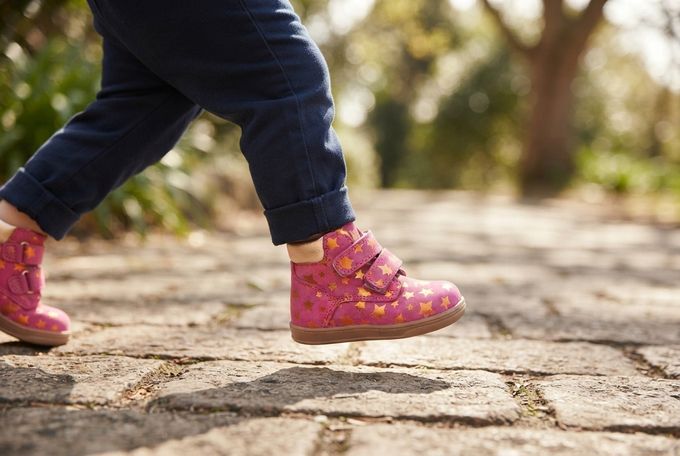
Finding toddler shoes for high instep feet gets much easier once you know what to look for. A bigger size adds length without adding much room over the instep. Look instead for a wide opening, a soft upper, a closure you can adjust in small steps, and built-in arch support that suits your child.
The right pair feels comfortable from the first wear, leaves no marks when it comes off, and lets your toddler walk and play without tugging at the shoes. Browse our toddler range to find a pair, then narrow it to high-cut toddler styles for extra ankle support, or explore toddler boys' styles and toddler girls' styles. With the right pair on, that daily doorway struggle can become a lot easier.
Find Room for Growing Feet
Explore toddler shoes with wide openings, adjustable fastenings, and built-in arch support.
References
American Orthopaedic Foot & Ankle Society. (n.d.). How to select toddler and children's shoes. FootCareMD. https://www.footcaremd.org/resources/how-to-help/how-to-select-childrens-shoes
Escalona-Marfil, C., Prats-Puig, A., Ortas-Deunosajut, X., Font-Lladó, R., Ruiz-Tarrazo, X., & Evans, A. M. (2023). Children's foot parameters and basic anthropometry: Do arch height and midfoot width change? European Journal of Pediatrics, 182(2), 777–784. https://doi.org/10.1007/s00431-022-04715-1
Australian Podiatry Association. (n.d.). Children's feet. https://www.podiatry.org.au/foot-health-resources/kids/childrens-feet218
Seaman, T. J., & Ball, T. A. (2026). Pes cavus. StatPearls. https://www.ncbi.nlm.nih.gov/books/NBK556016/
FAQs
How do I know if my toddler has a high instep or just chubby feet?
Both can make a shoe feel tight across the top, and toddler feet are naturally well padded, so the difference matters less than you might expect. What counts is whether the shoe presses on the top of the foot. A shoe with real depth and an adjustable opening suits either case.
Does a high instep mean my toddler needs orthopaedic shoes?
Not necessarily. A high instep describes the shape of the foot, so it affects which shoes feel comfortable rather than whether your toddler needs a particular type of footwear. Supportive shoes with depth and an adjustable opening can make a full instep more comfortable. If you're unsure whether your toddler needs anything more, a podiatrist, physiotherapist, or GP can advise.
Do shoes for toddlers with a high instep need to be high-tops?
Not always. A high-top can help because the extra ankle support holds the heel in place, which lets you leave the fastening a little looser over the instep. Regular-top sneakers and sandals work well too, especially those with a removable insole or an open upper.
How often should I check my toddler's shoe size?
The Australian Podiatry Association recommends checking size every one to three months until age three. After that, check every four months until age five, then every six months [2]. Feet change in volume as well as length, so check the fit over the instep at the same time.
What if one of my toddler's feet has a higher instep than the other?
Small differences between feet are common, and the usual advice is to fit shoes to the larger foot. If the difference is noticeable, or it comes with an uneven walk, frequent falls, or pain, it's worth raising with a podiatrist or GP.