10 Best Hard-Bottom Baby Shoes for Confident Early Walking
Once your baby's walking outdoors, soft booties aren't enough protection anymore. Hard-bottom baby shoes give little feet the grip, protection, and heel stability they need on rough ground. Here's when to switch, what to look for, and our 10 favourite pairs.



Published July 29, 2026
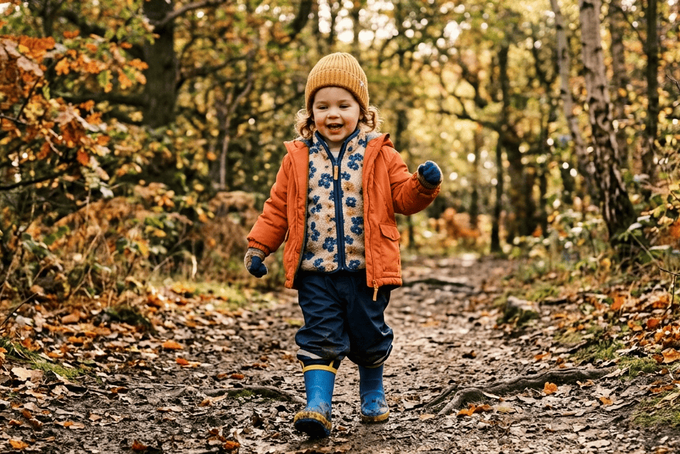
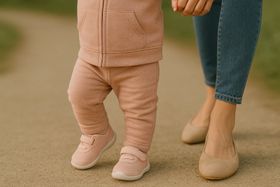
As a parent, you will most definitely recognize the beautiful moment when your baby, who's spent weeks cruising along the couch, suddenly lets go and wobbles across the footpath on their own two feet.
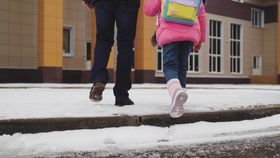
It's thrilling, and it's also exactly when hard-bottom baby shoes become worth having. Soft fabric booties are great for indoors, but they won't protect tiny feet from gravel, hot pavement, or a stray toy underfoot.
This guide walks you through when to switch, what actually matters in a hard-soled baby shoe, and our top picks to help your little one step out with confidence.
Our Top Picks for Hard-Bottom Baby Shoes
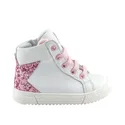
Ivory Abi Sneakers
A leather high-top with a firm heel counter for steady first steps.
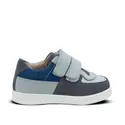
Scott the Alpha Sneakers
A sporty, durable sneaker built for daycare and rough play.
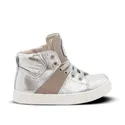
Brighty Ava Sneakers
Shimmering silver leather with a side zip for quick changes.
Show more
When Can Babies Wear Hard-Bottom Shoes
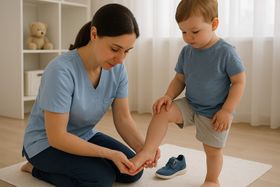
There's no single "right" age for hard bottom shoes. Podiatrists tend to look at physical readiness rather than a number on the calendar.
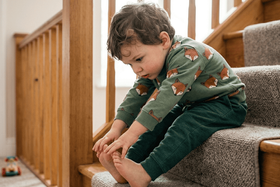
A natural fat pad also fills the arch area early on, gradually thinning as a true arch appears over the following years. That's why toddler feet often look flatter and rounder than an adult's, and it's completely normal.
Instead of watching the calendar, watch for steady unassisted standing, several consistent steps without toppling, and more time spent on outdoor or public surfaces rather than crawling indoors.
Soft soles and hard soles genuinely serve different jobs. A soft, flexible sole mimics barefoot walking indoors, letting small stabilising muscles do their own work. A hard bottom is built for outdoor grip, debris protection and heel stability.
That said, more rigid isn't automatically better. A stiff, heavy sole introduced too early can tire small leg muscles faster and force a baby to alter their natural gait just to move the shoe forward.
What to Look for in Hard Sole Baby Shoes
Once you know your baby's ready, the challenge becomes choosing a pair that protects without restricting.
- Flexibility at the toe joint: A safe hard-bottom shoe should still pass the "one-handed flex test," bending easily at the ball of the foot when you hold the heel.
- Lightweight construction: Research comparing shod and barefoot walking found that wearing shoes increases a child's oxygen consumption and energy expenditure [2]. Lighter shoes mean less fatigue.
- Real outsole grip: Look for multi-directional grooves and textured tread rather than smooth plastic, which can be more slippery on tile or wet pavement.
- A wide, fan-shaped toe box: This lets toes splay naturally with each step, supporting balance rather than forcing toes together.
- Breathable materials: Genuine leather or cotton mesh helps manage how much little feet sweat during active play, reducing irritation.
- Secure, adjustable fastenings: Velcro straps or locking closures give a precise, adjustable fit as feet grow and reduce the chance of a shoe slipping off mid-step.
10 Best Hard-Bottom Baby Shoes for Walking
These are specialist, orthopaedically designed picks built to support confident early walking from the ground up.
1
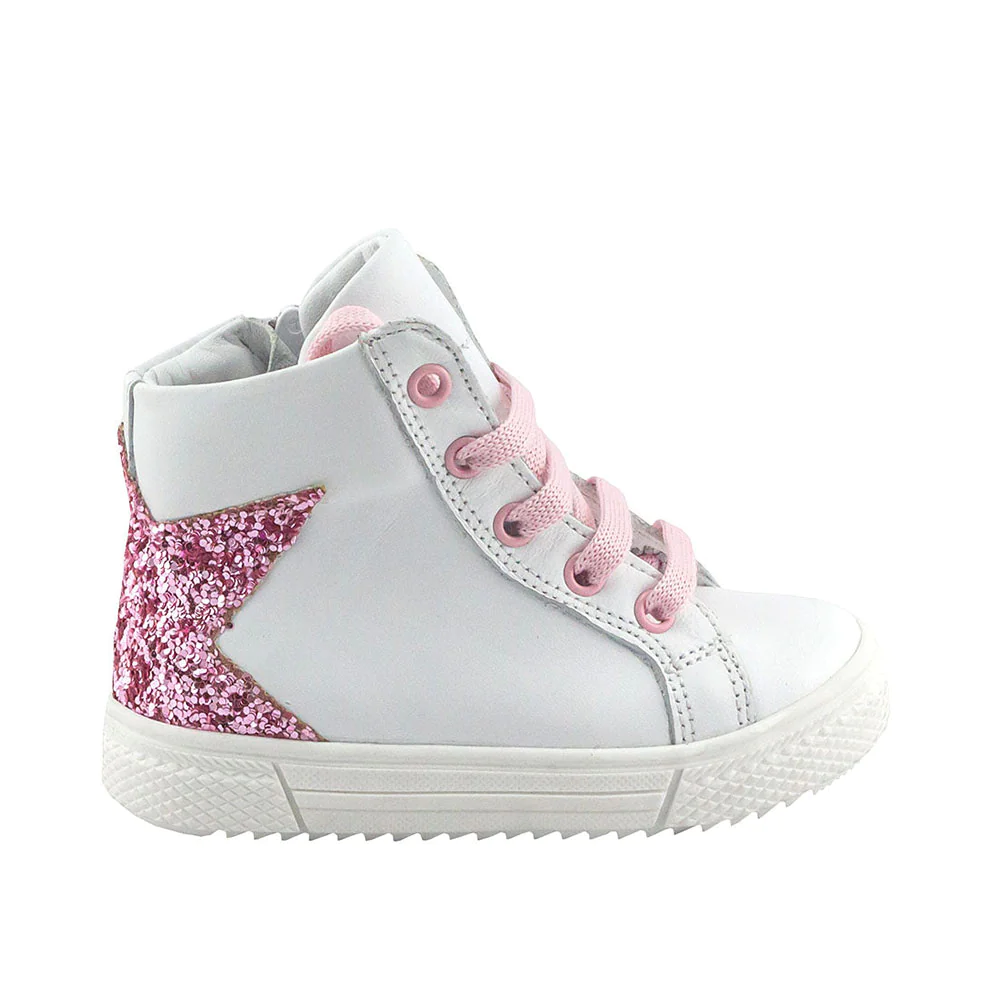
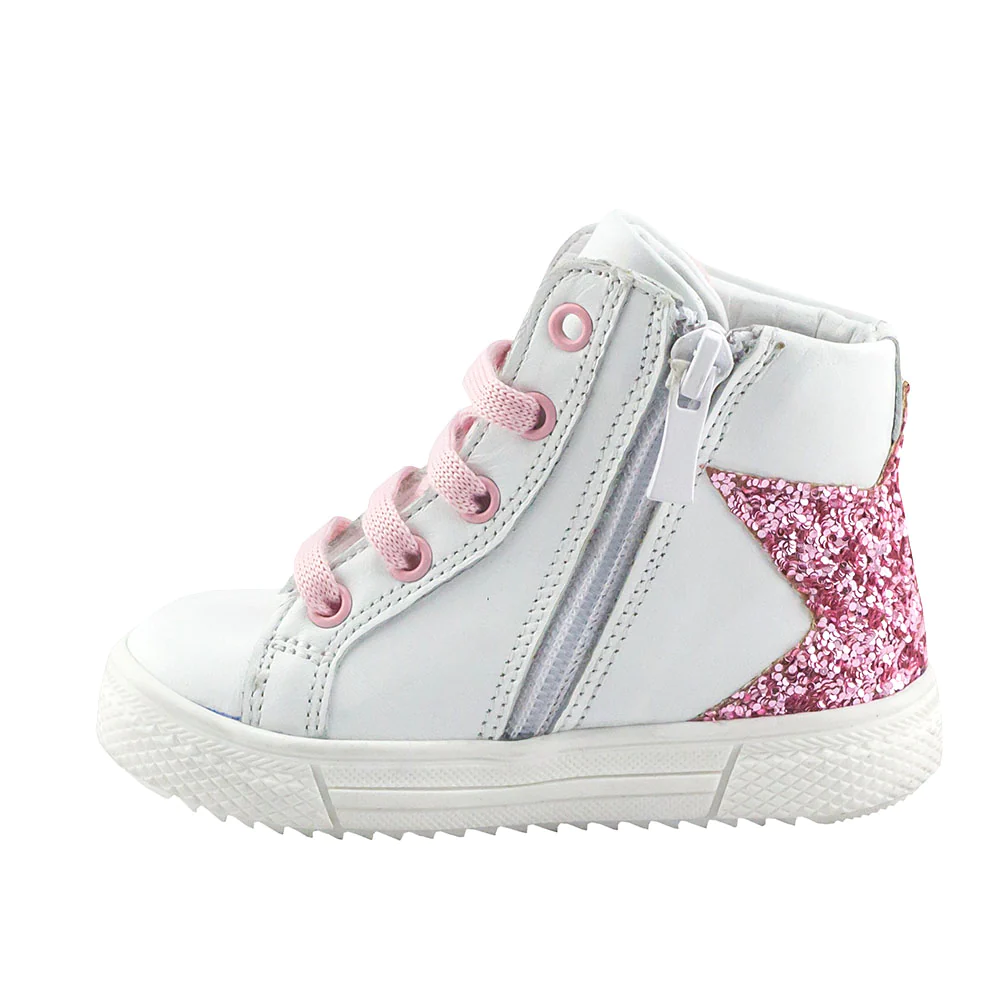
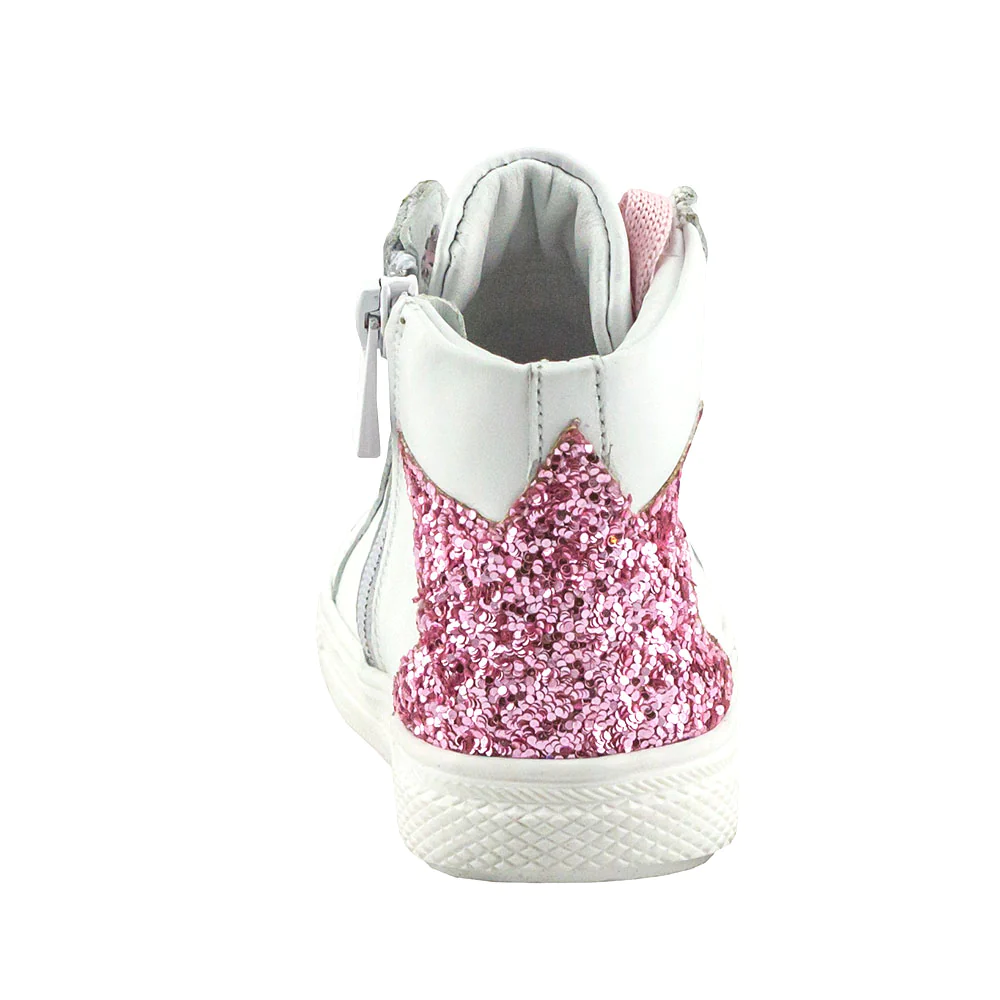
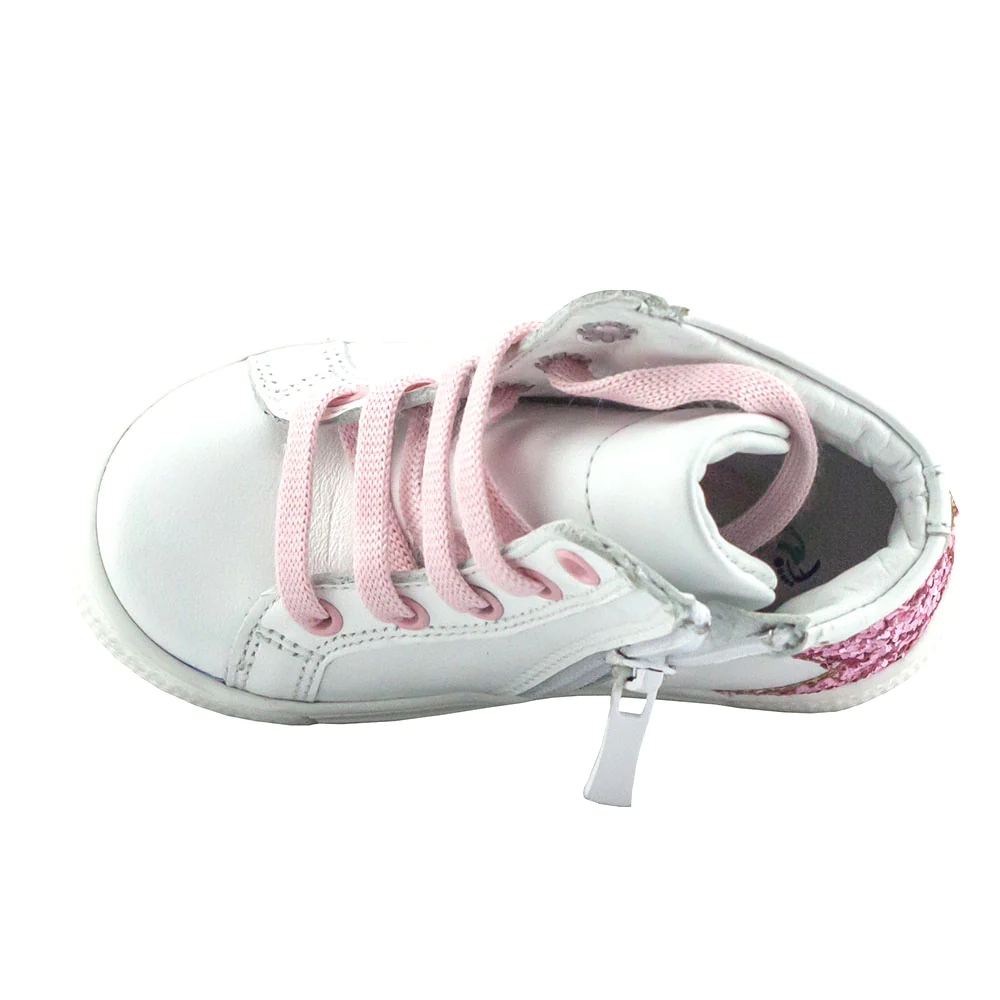
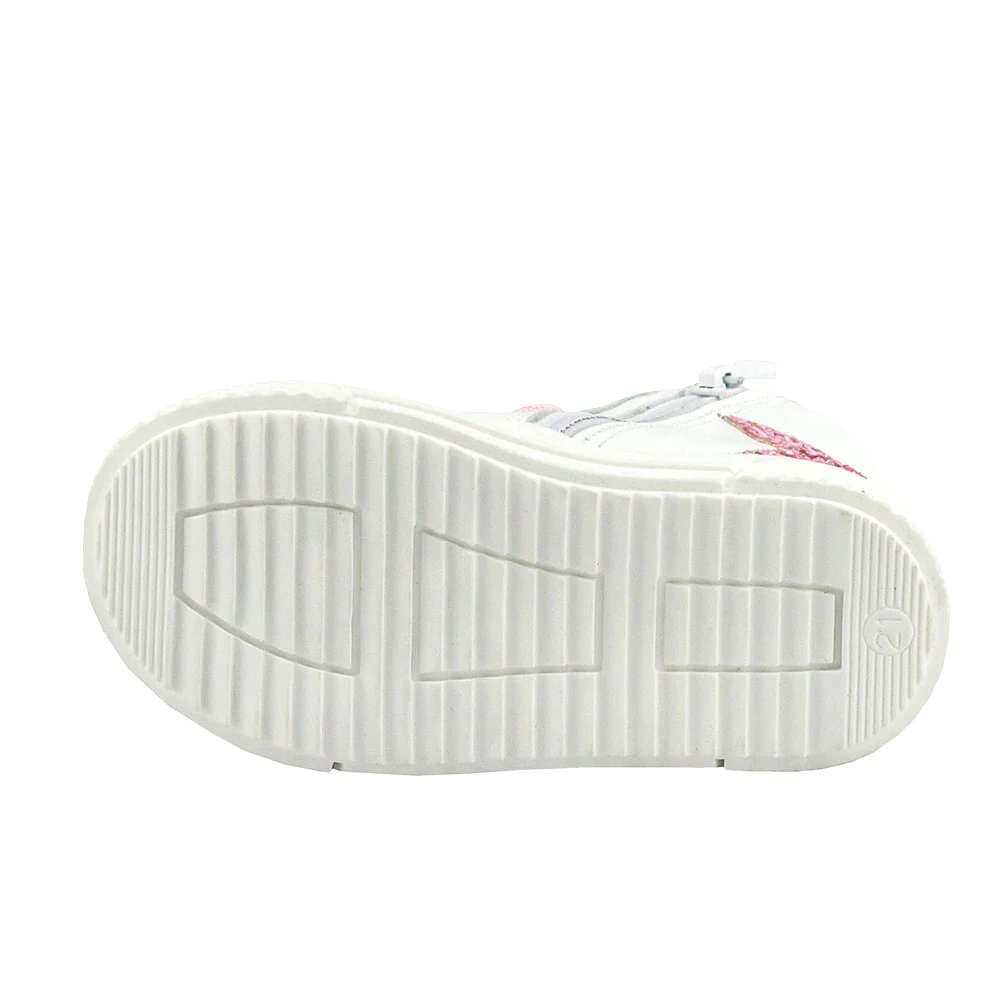
Ivory Abi Sneakers
A premium leather high-top with a sweet star accent that guides the ankle through every step.
Material
Leather
Type
Sneakers
Size
2 to 11.5 (AU)
Best features:
- Extended ankle support for stability
- Shock-absorbent, high-arch-support outsoles
- Anti-bacterial insoles
- Premium leather that wipes clean easily
Why we chose this shoe:
Ivory Abi's high-top structure genuinely guides the ankle through each step, which makes it a strong pick for hard-bottom shoes for a baby girl still finding their balance. The firm heel counter adds real stability without ever fighting the foot's natural movement.
The leather construction holds up beautifully to daily daycare wear. It wipes clean easily, and the secure closure makes it simple for parents to get on and off during a rushed morning.
2
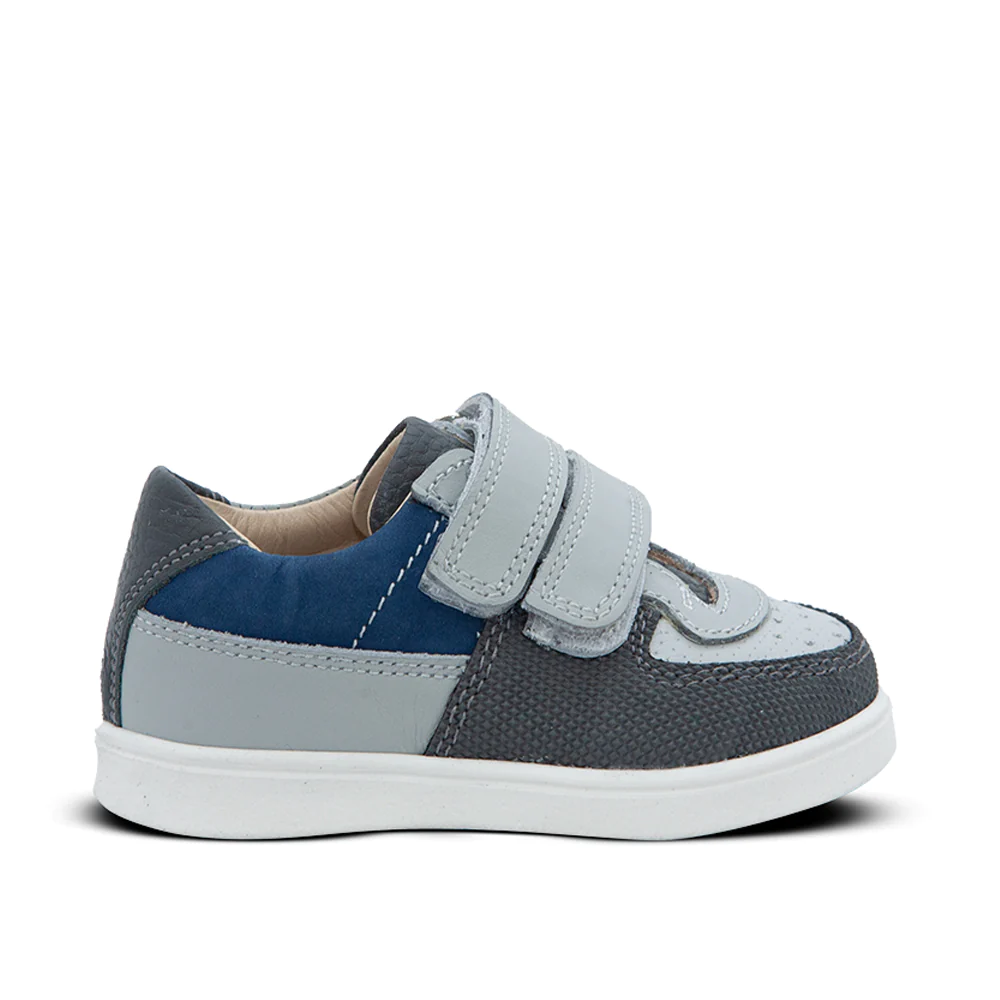
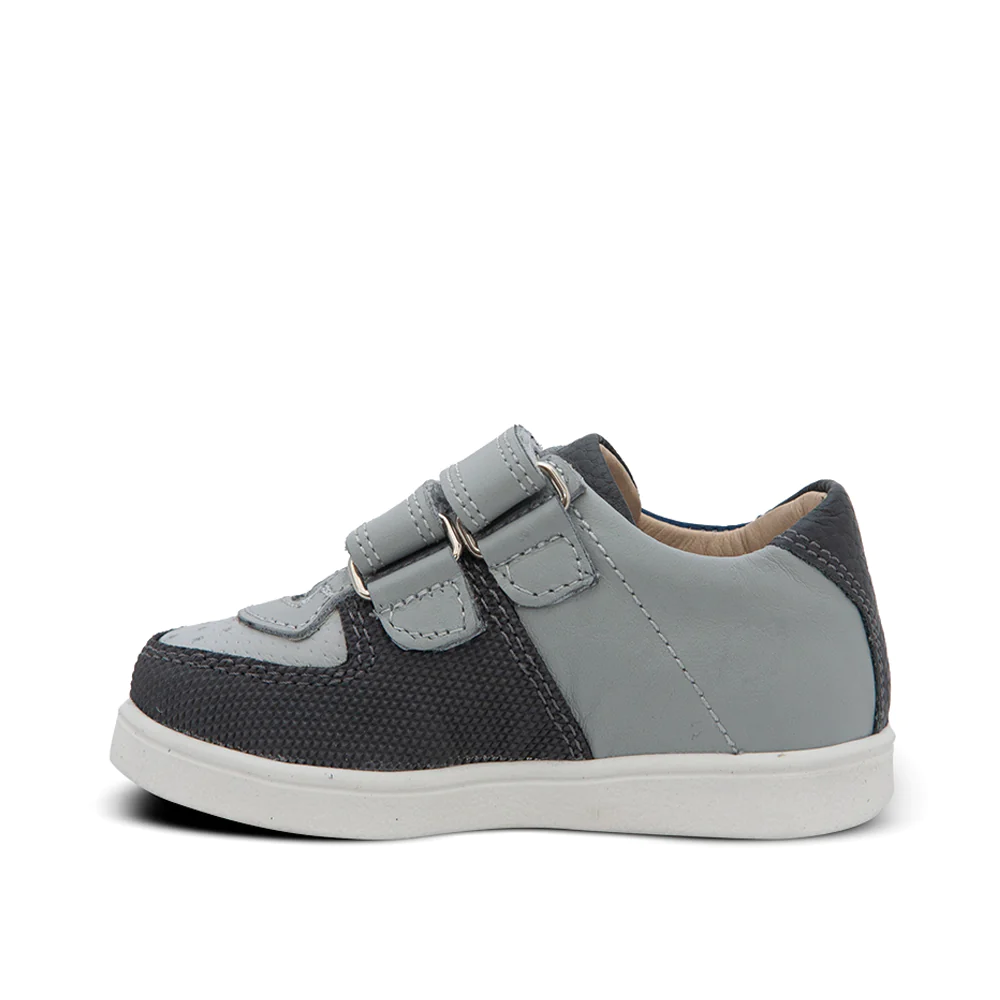
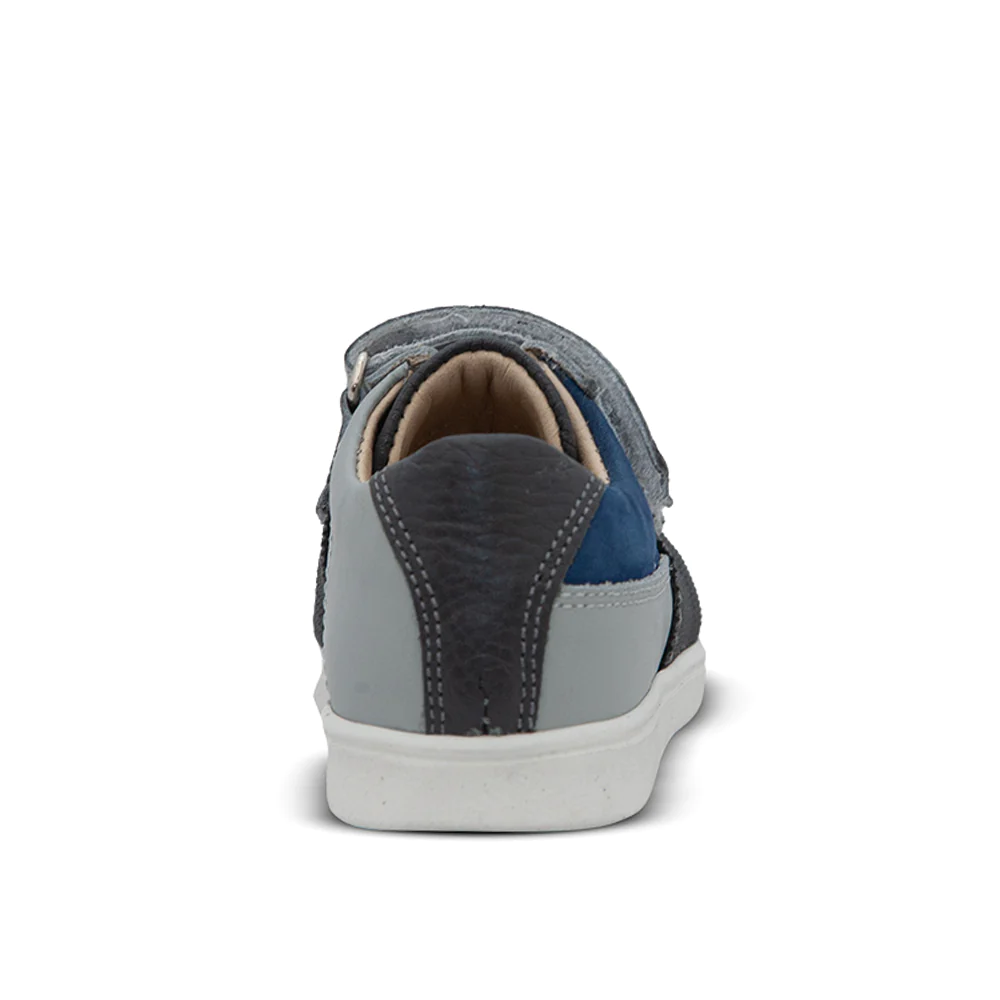
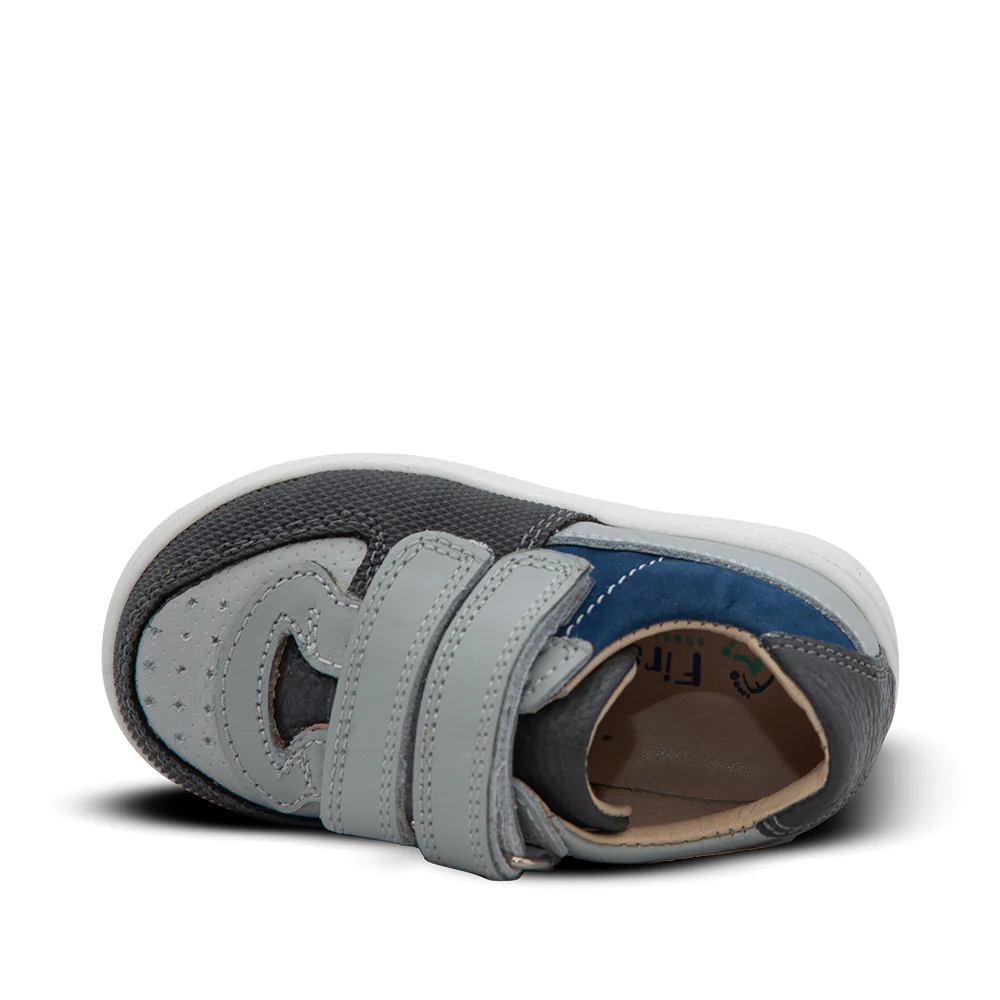
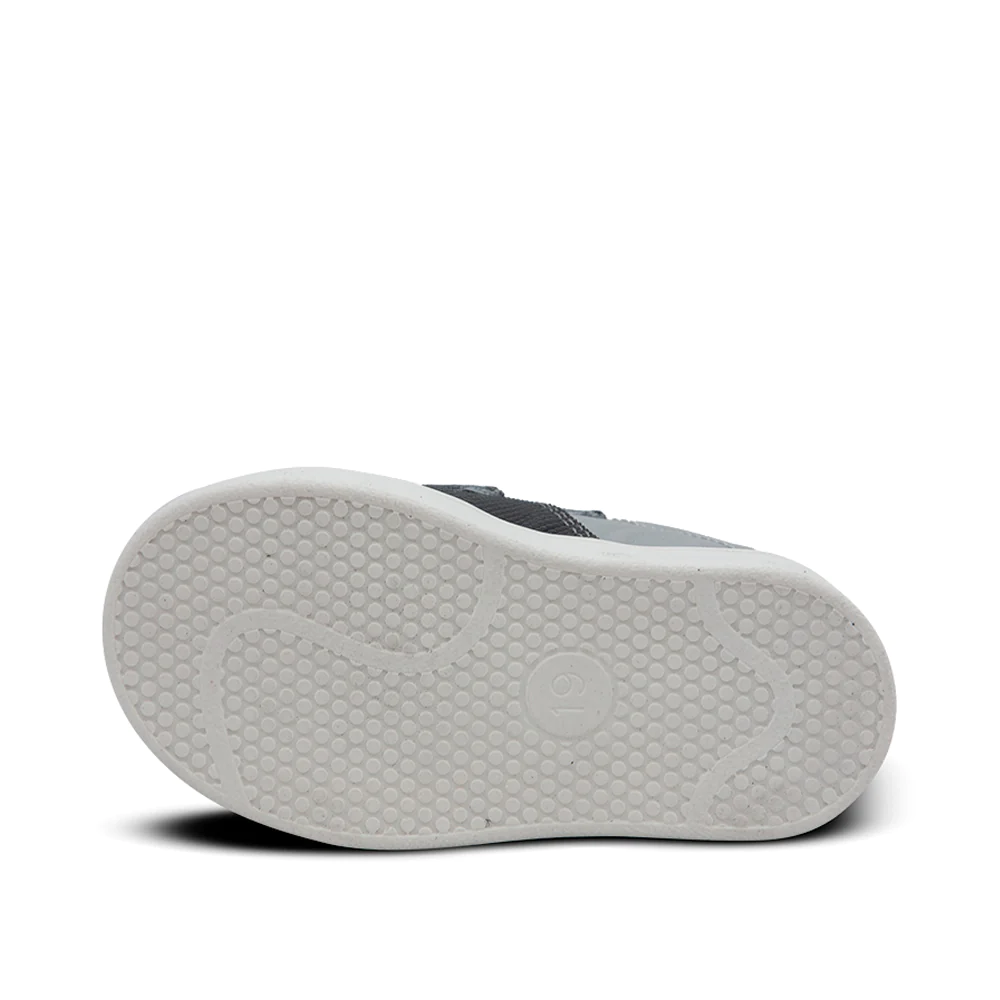
Scott the Alpha Sneakers
A sporty, durable sneaker built for kids who never sit still.
Material
Leather
Type
Sneakers
Size
2 to 11.5 (AU)
Best features:
- Sport-inspired shock-absorbent outsole
- Built-in arch support
- Reinforced toe protection
- Removable insole for easy cleaning
Why we chose this shoe:
Scott the Alpha's sport-inspired outsole and built-in arch support give an active early walker a genuinely stable base for running, climbing, and exploring. It's one of our sturdiest baby boy hard-bottom shoes for kids who treat every surface as an adventure.
The reinforced toe area resists everyday scuffing far better than a standard sneaker. Combined with a removable insole, it's an easy shoe to keep looking fresh through months
3
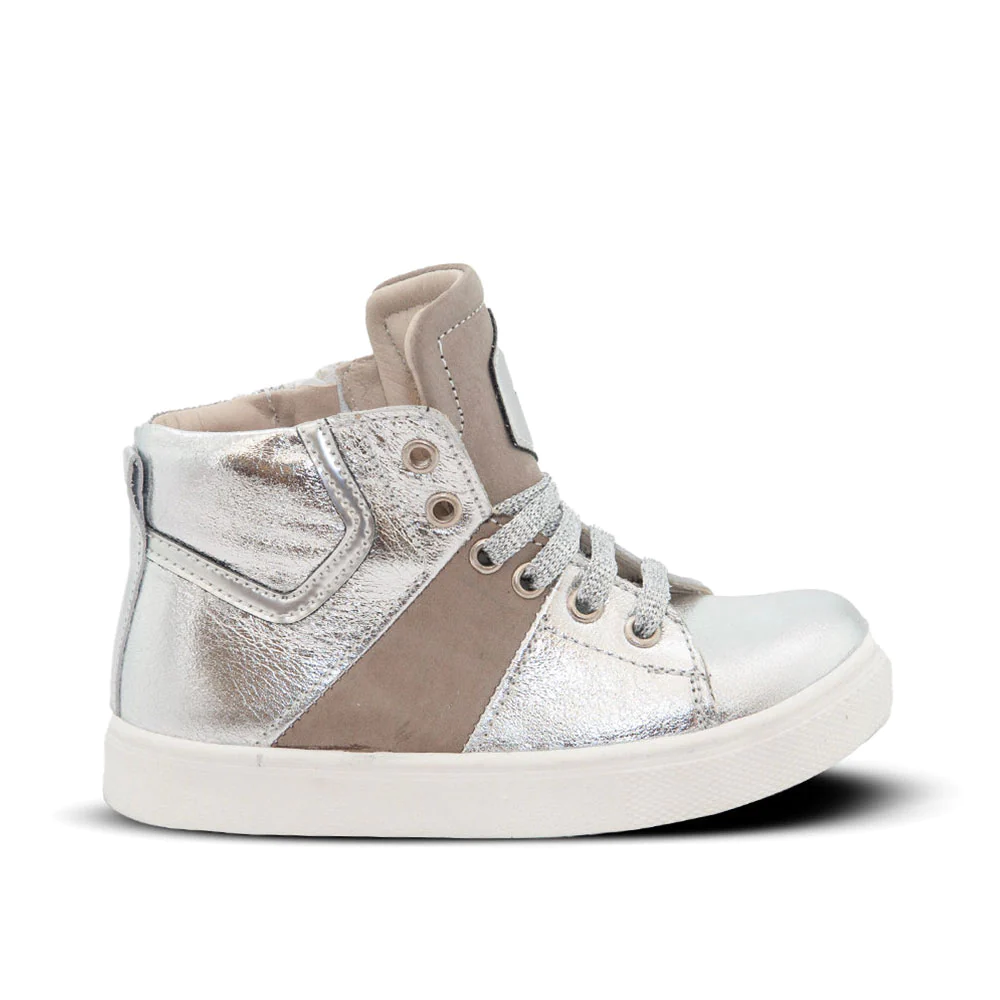
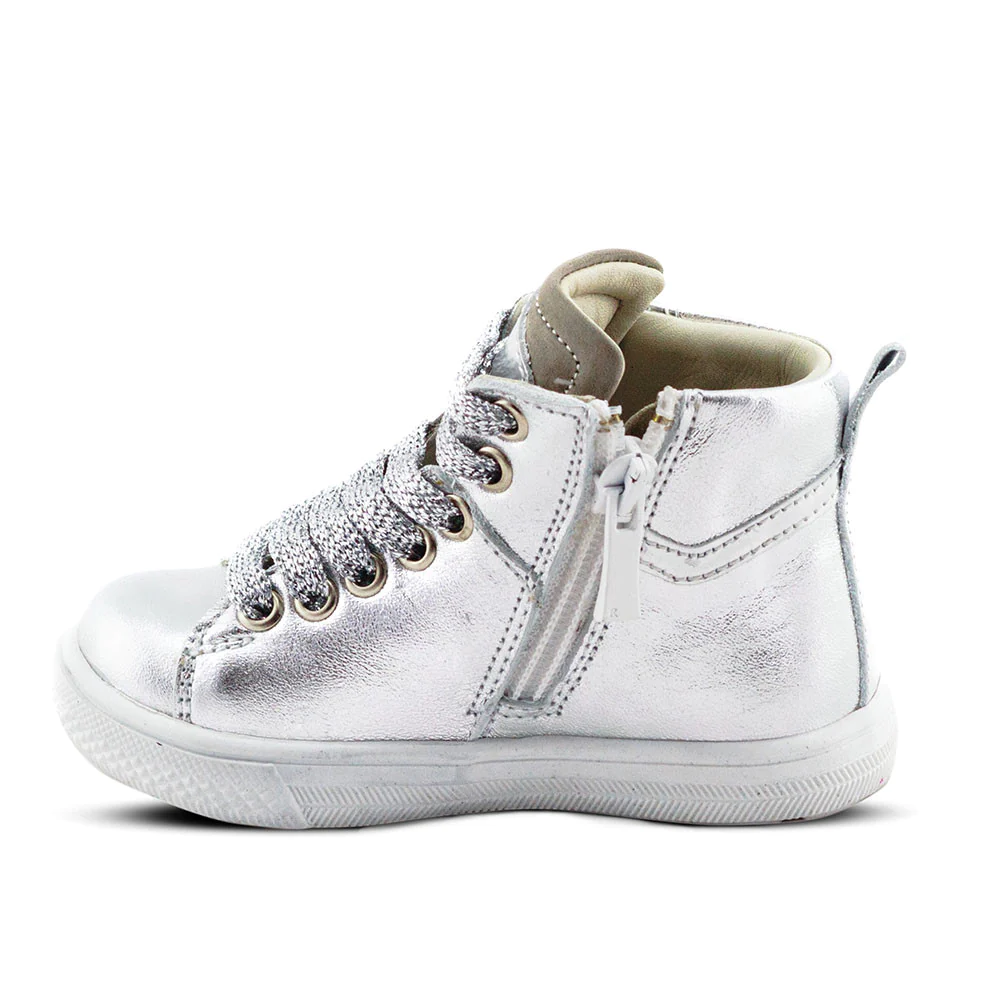
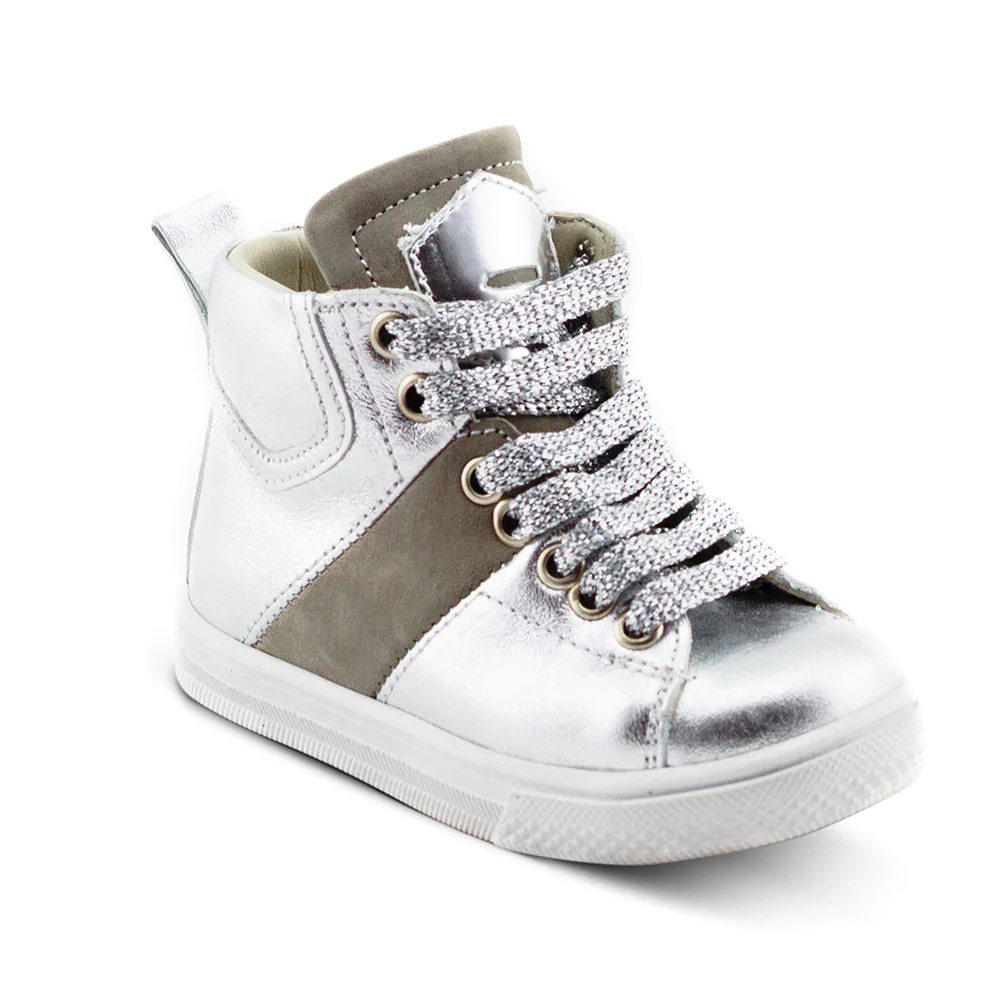
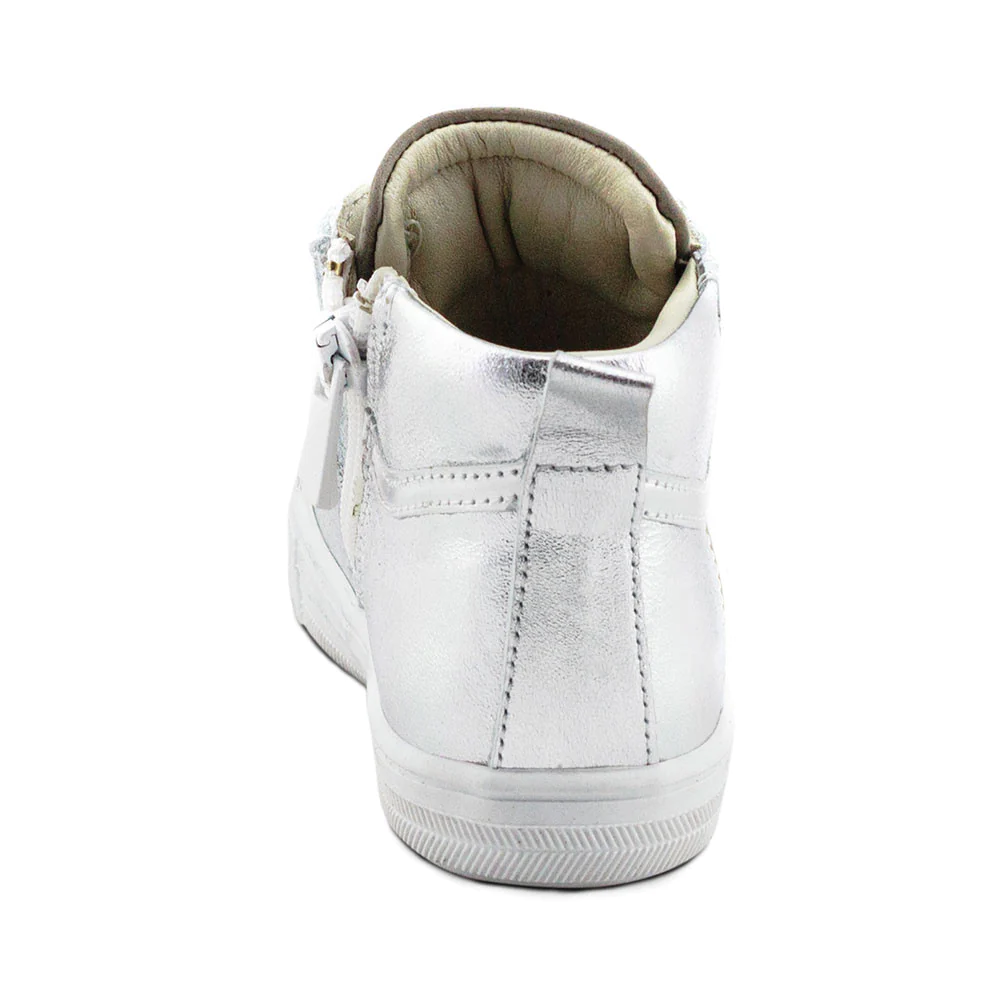
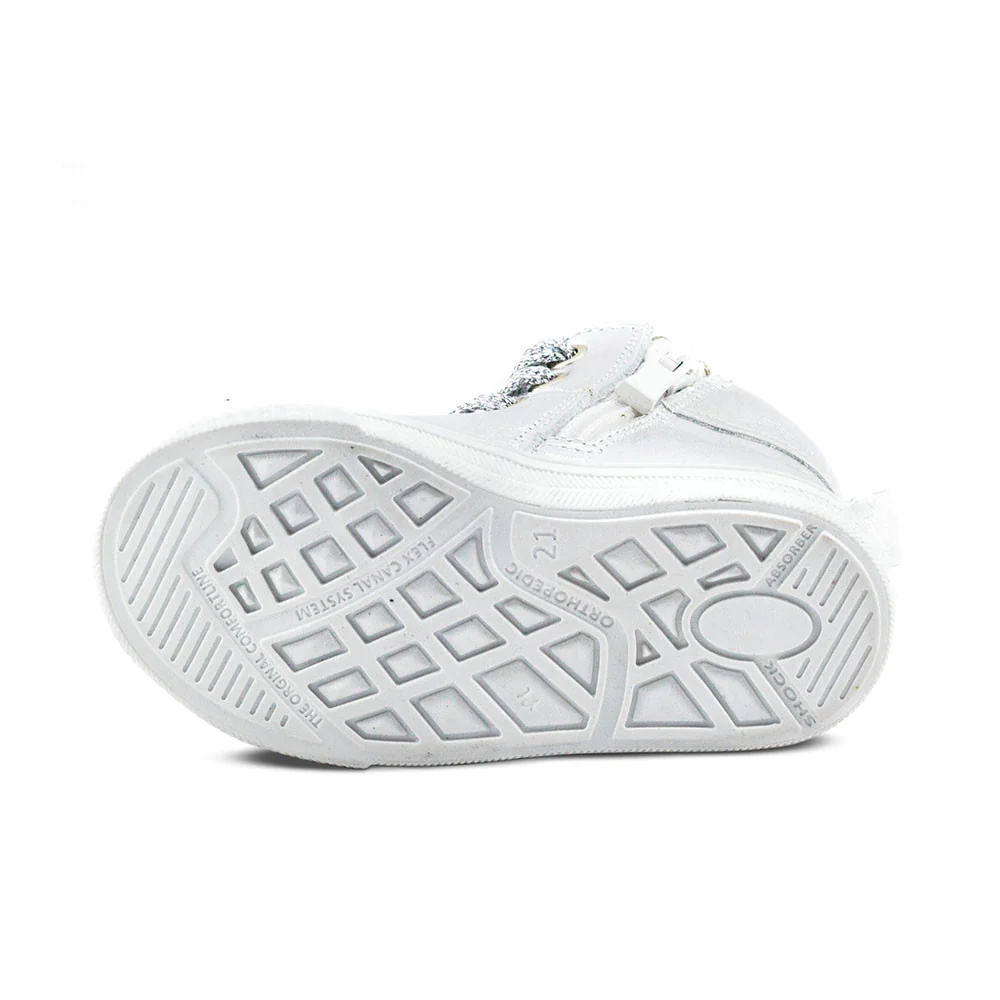
Brighty Ava Sneakers
A shimmering silver leather pair with soft grey nubuck detailing for standout occasions.
Material
Nubuck Leather + Leather
Type
Sneakers
Size
2 to 11.5 (AU)
Best features:
- Extended ankle support
- Side zipper for quick changes
- High built-in arch support
- Anti-bacterial insoles
Why we chose this shoe:
Brighty Ava pairs extended ankle support with a high-top design, keeping the ankle guided and steady while still allowing natural movement. It works just as well for a playdate as it does for a special occasion.
The side zipper makes putting the shoe on and taking it off genuinely quick, even with laces involved too. The premium leather upper is also easy to keep looking new.
4
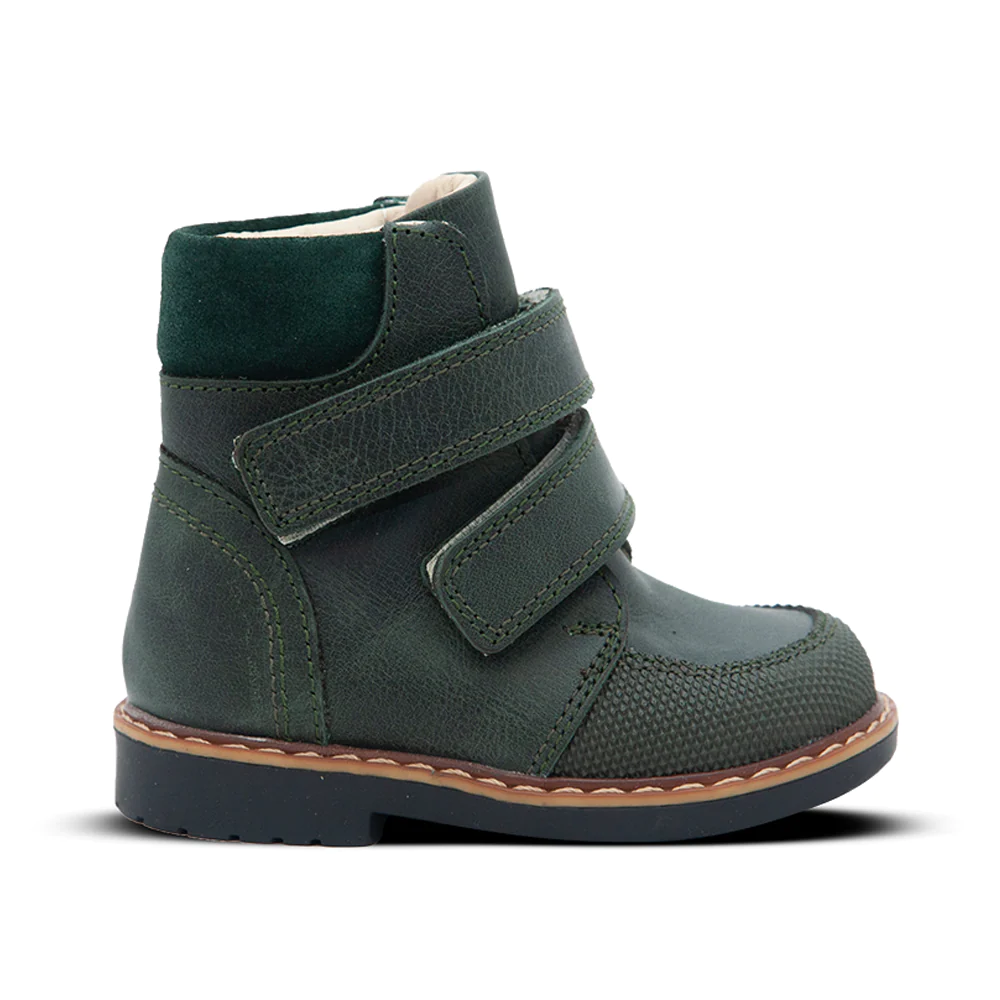
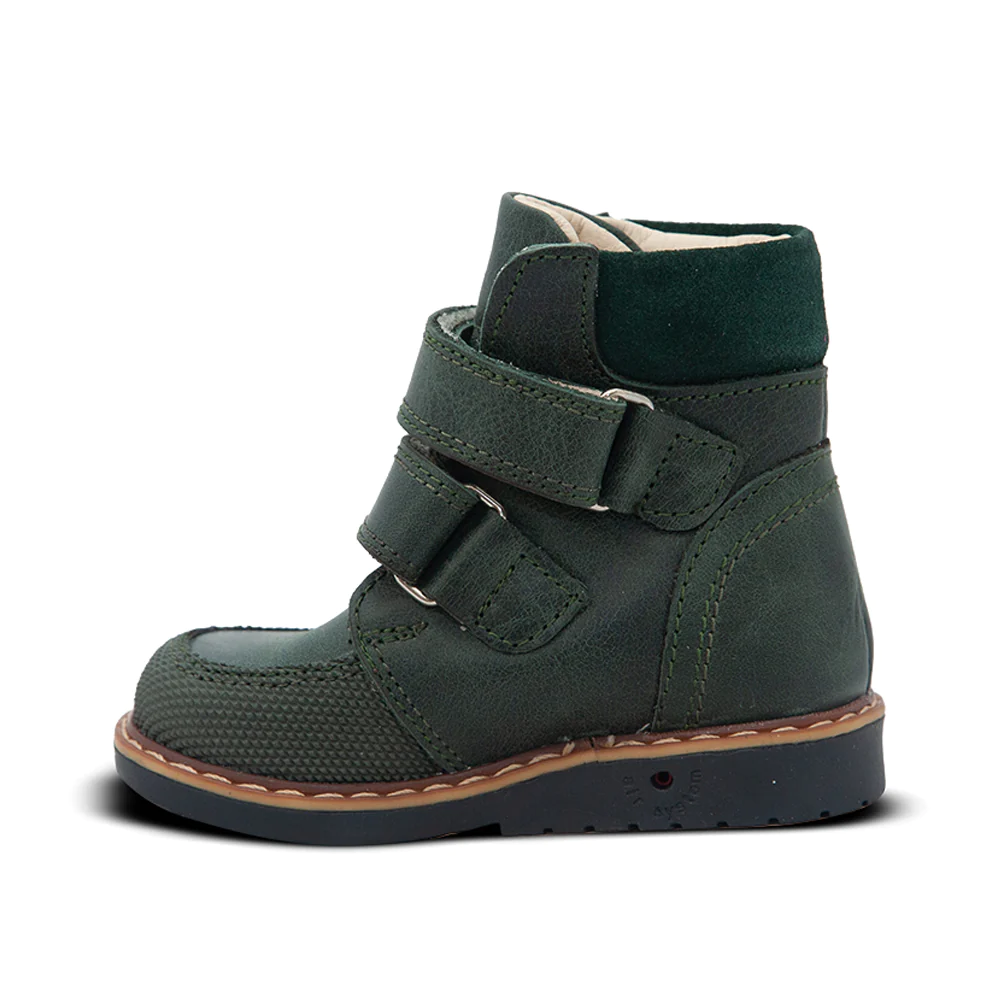
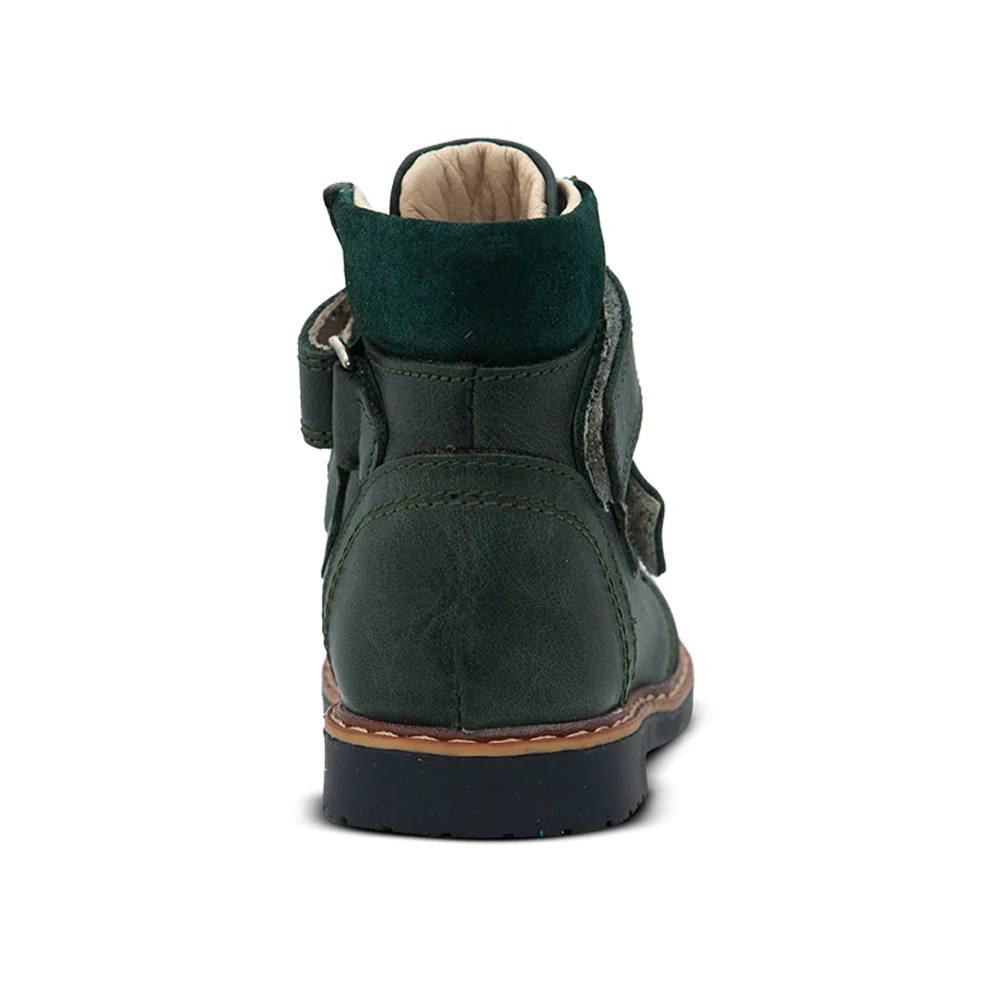
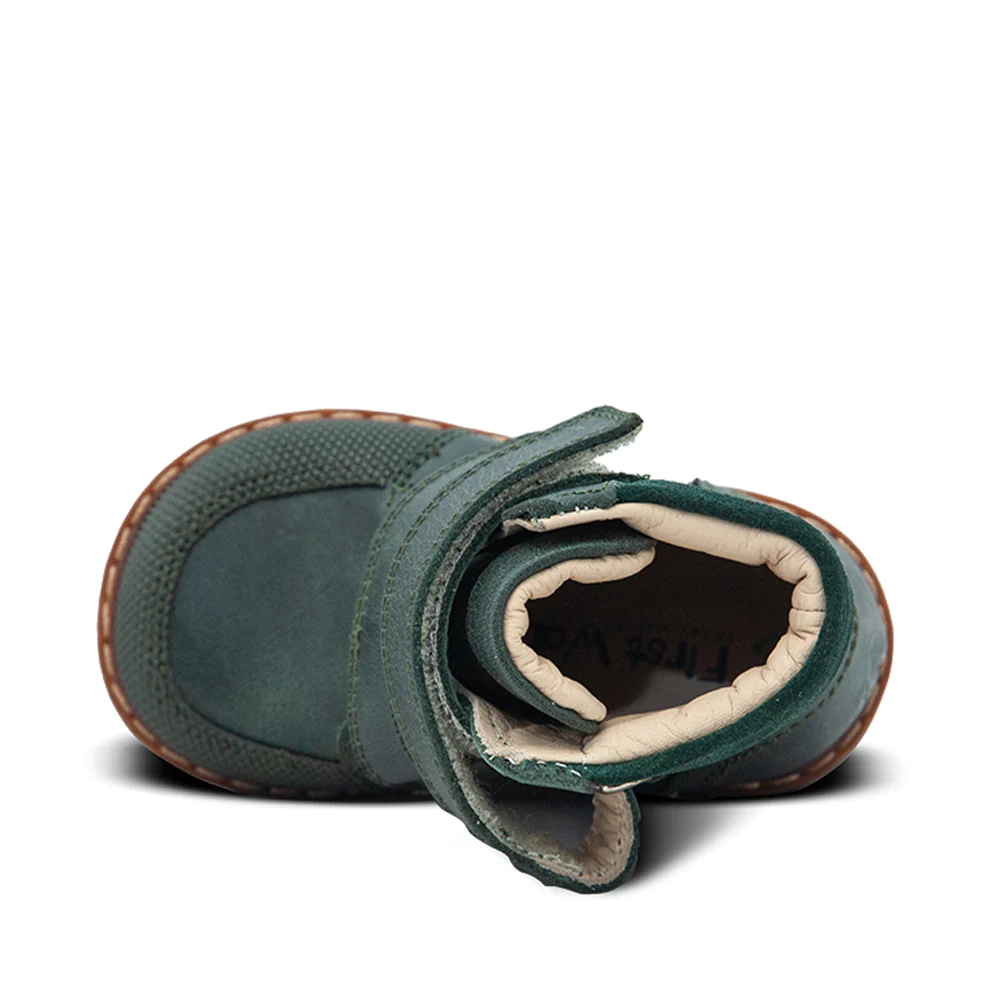
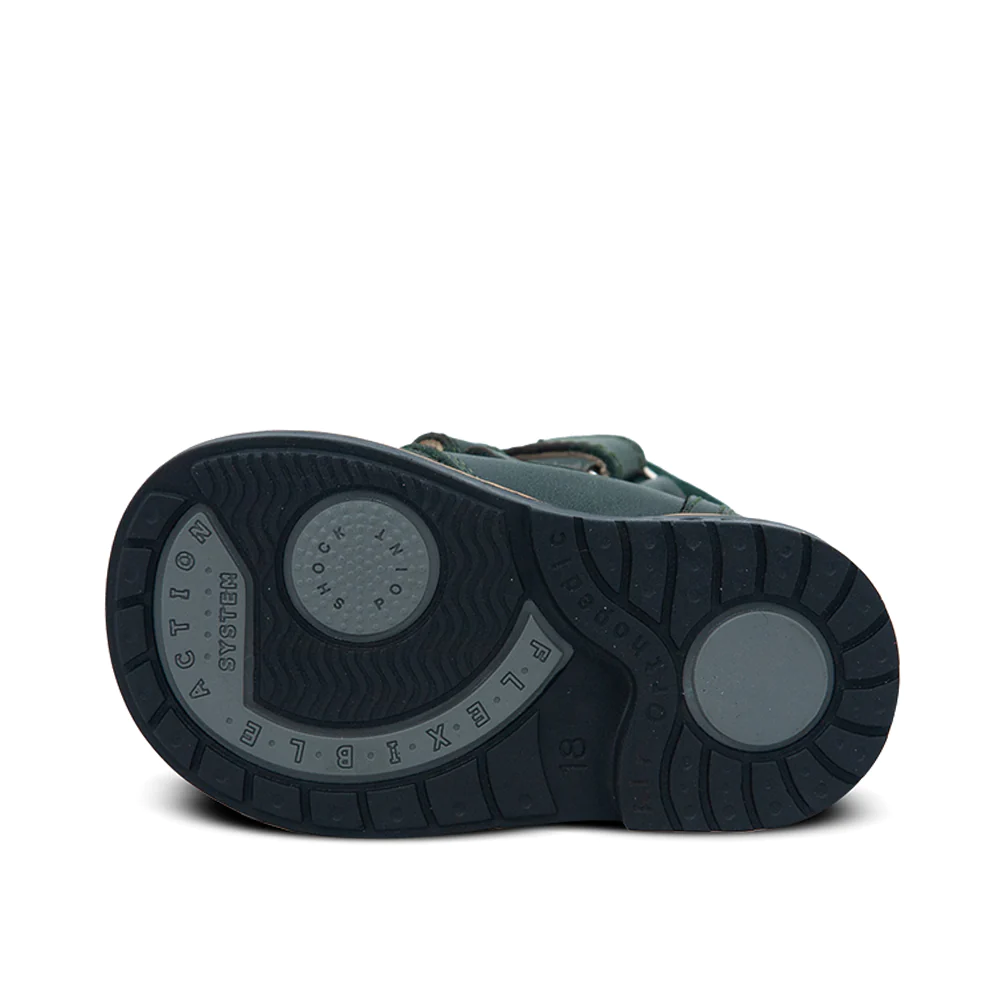
Johnny Rocket High-Top Boots
A rich olive leather boot designed to keep little feet warm and supported.
Material
Nubuck Leather + Leather
Type
Boots
Size
2 to 11.5 (AU)
Best features:
- Extended ankle support and Thomas heel
- Two adjustable Velcro straps
- Air valves to manage moisture
- Anti-scratch toe cap protector
Why we chose this shoe:
Johnny Rocket's extended ankle support and Thomas heel work together to guide natural alignment, which is especially useful for a new walker still finding their balance in bulkier winter footwear.
The anti-scratch toe cap keeps the boot looking presentable through rough play. The Velcro straps are also a nice bonus, letting your toddler start practising independent dressing.
5
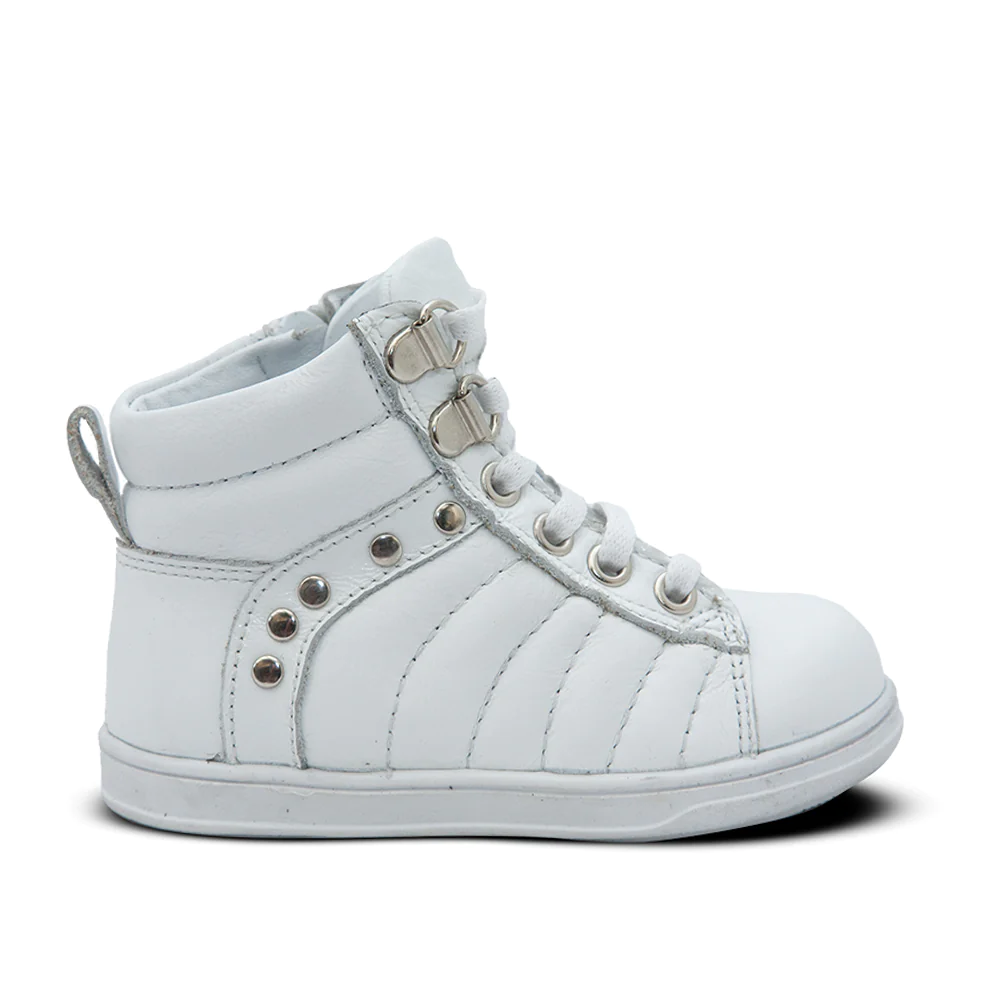
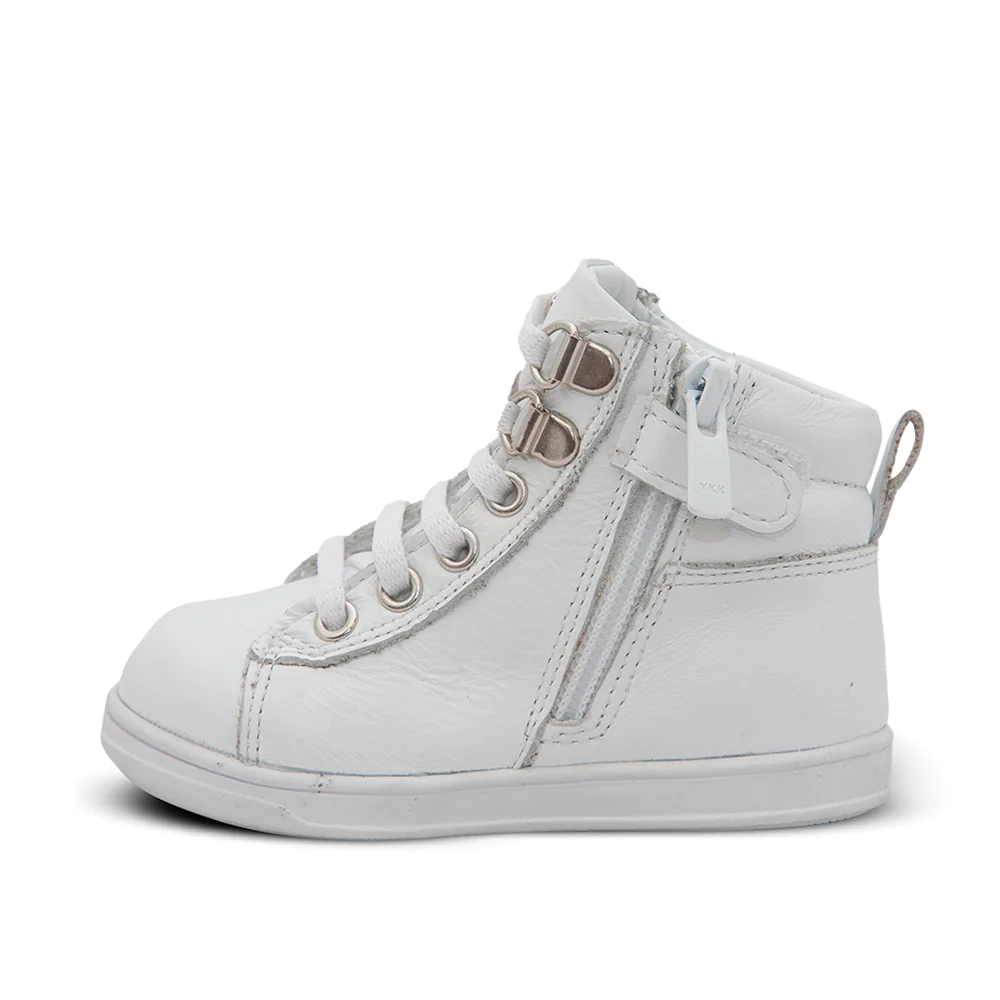
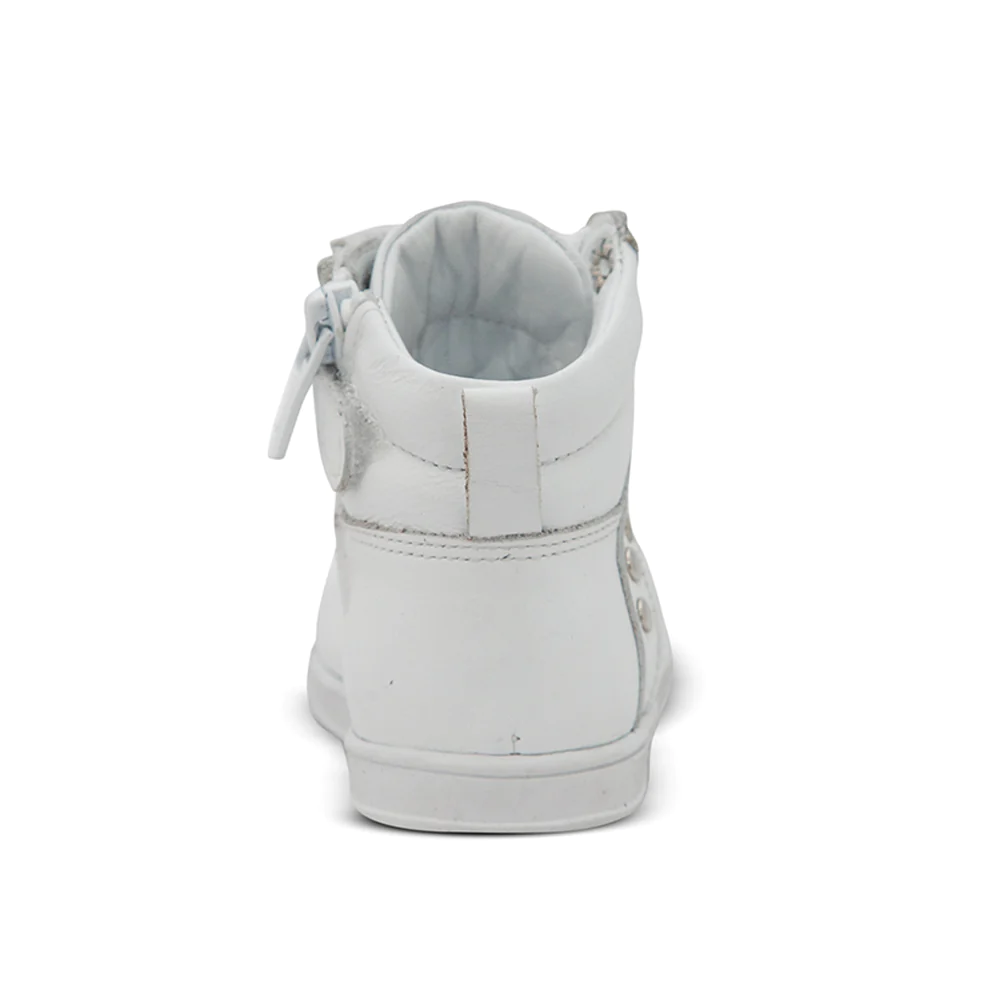
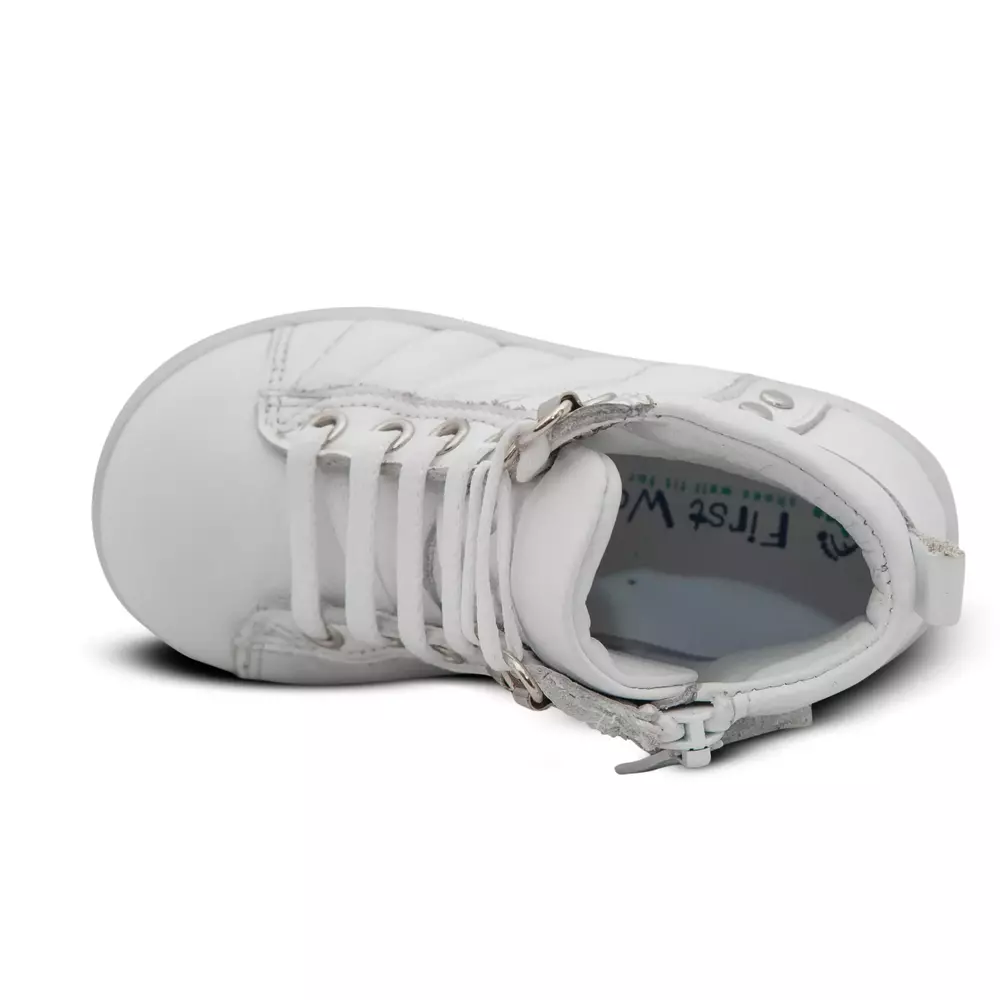
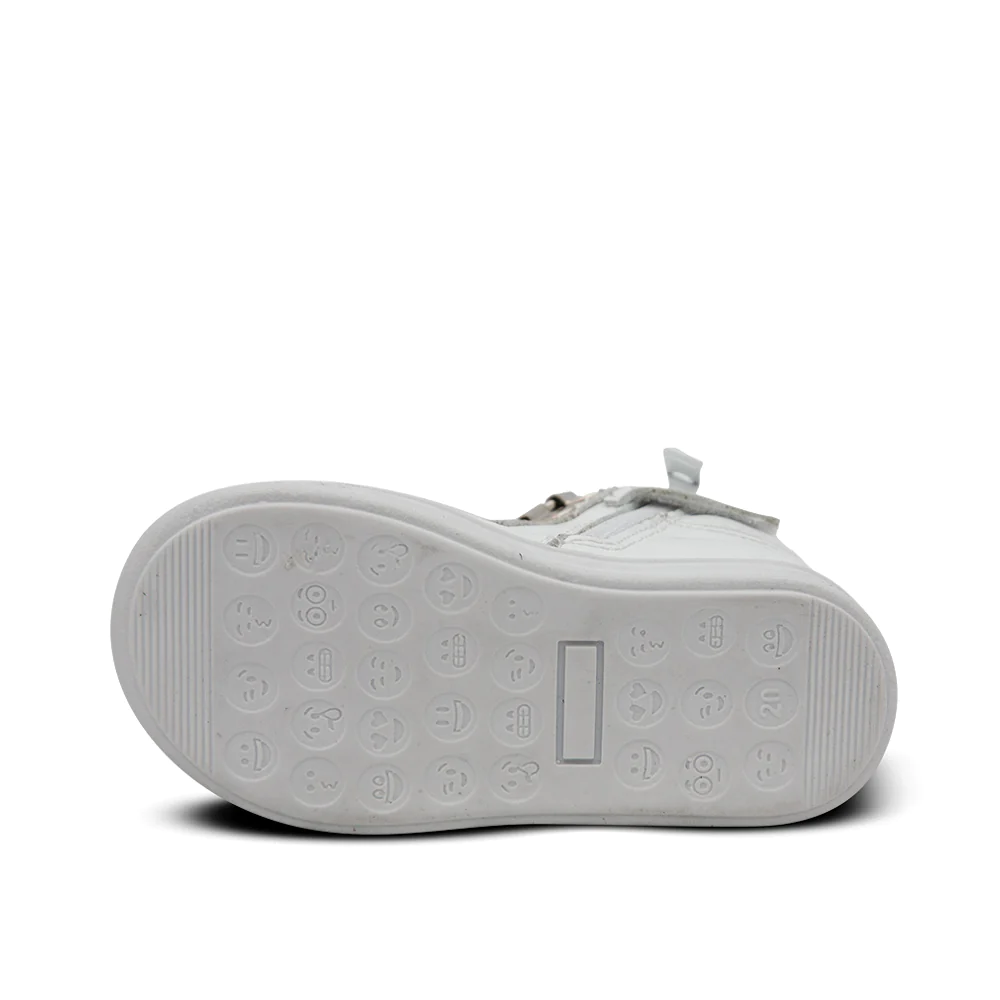
Billy Smooth Sneakers
A clean, versatile leather pair that goes with almost anything in the wardrobe.
Material
Leather
Type
Sneakers
Size
2 to 11.5 (AU)
Best features:
- High built-in arch support
- Shock-absorbent outsole
- Zipper closure for speed
- Anti-bacterial insoles
Why we chose this shoe:
Billy Smooth's high built-in arch support and shock-absorbent outsole give a new walker a stable, cushioned base in a clean white finish that matches almost any outfit.
The zipper closure speeds up the on-and-off process considerably. That's a genuine time-saver during a busy morning routine with a wriggly toddler.
6
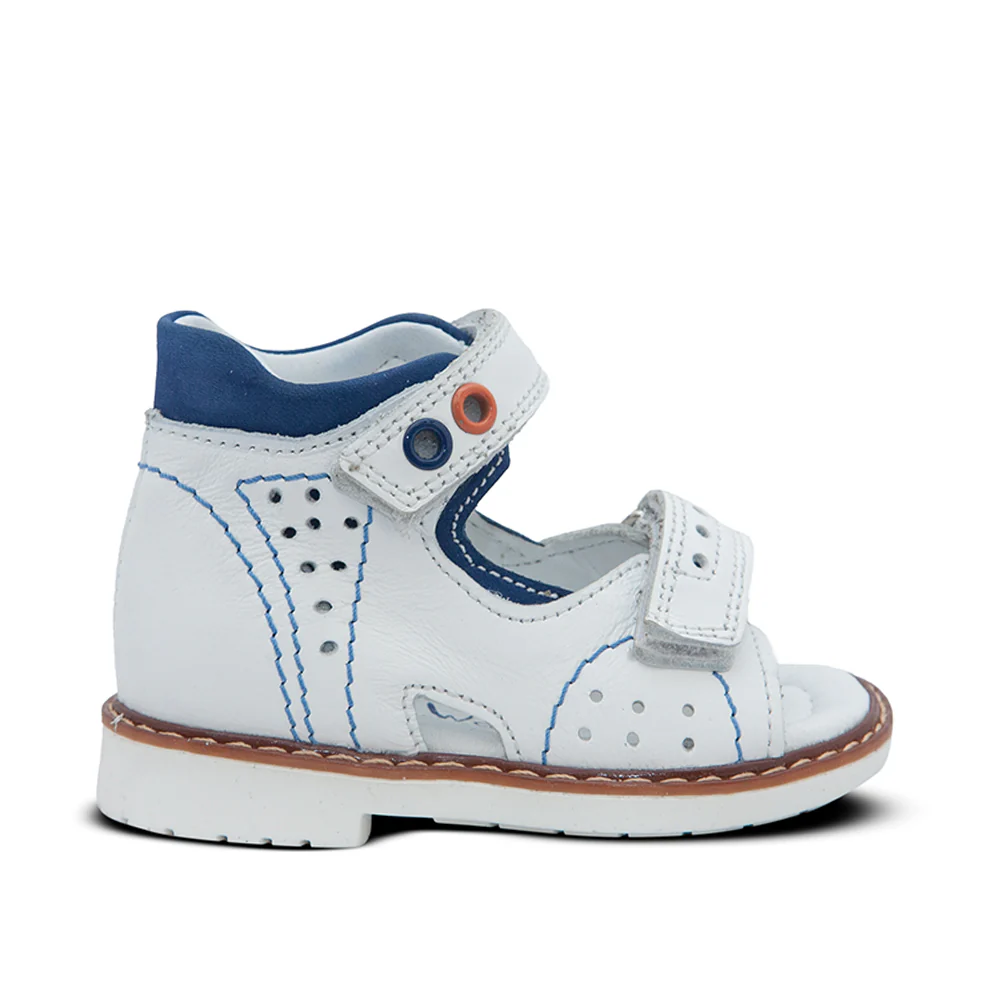
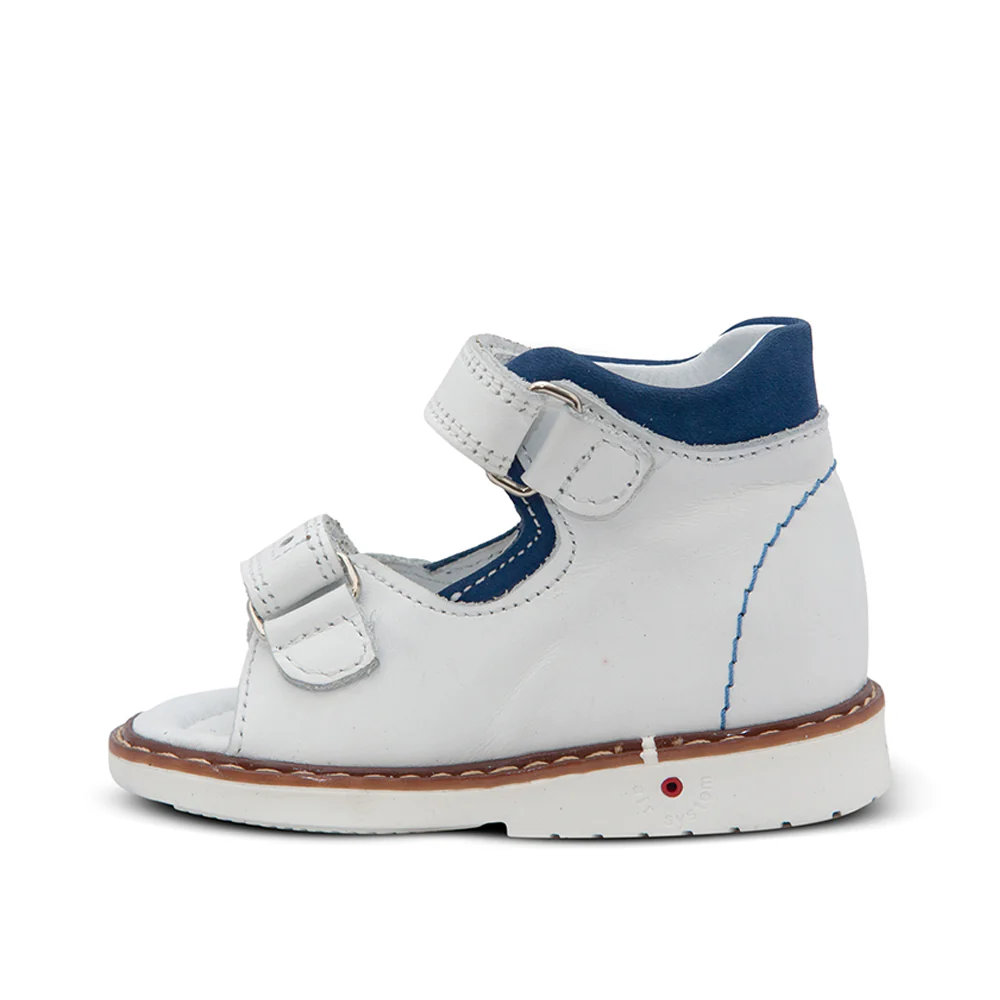
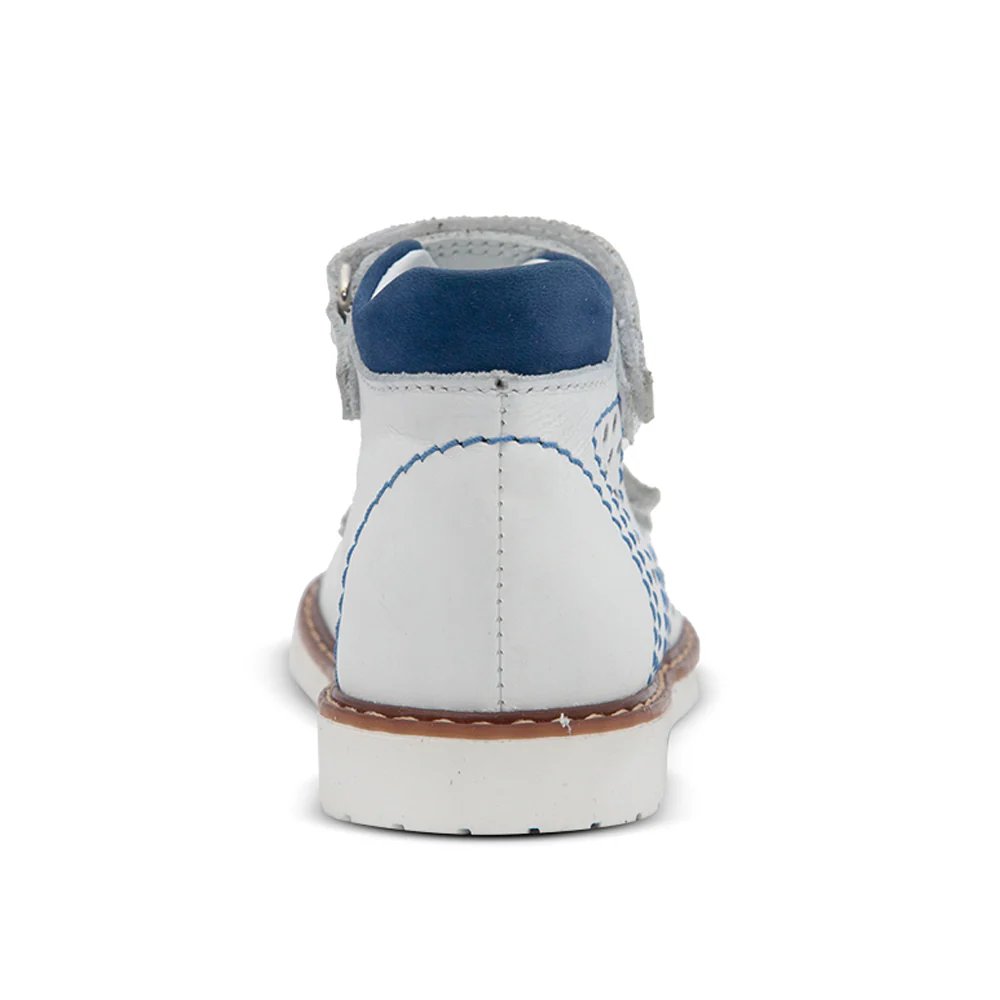
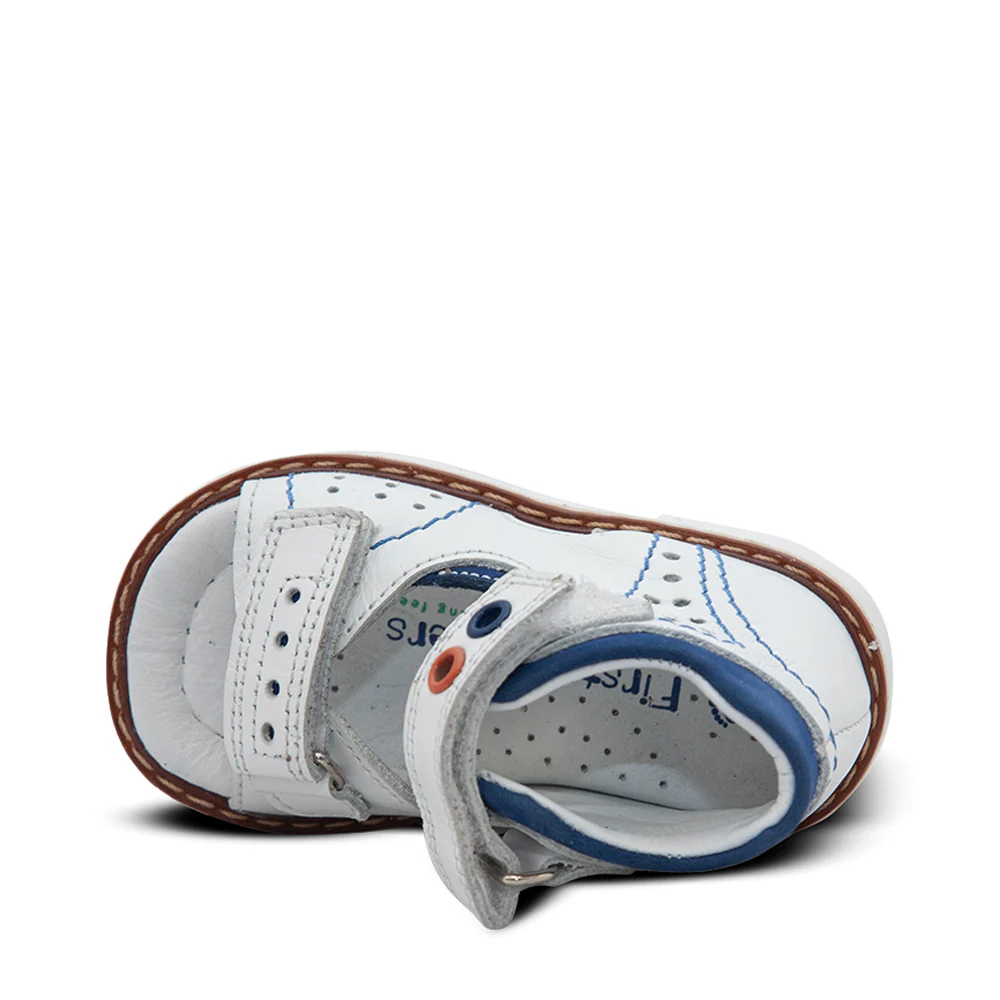
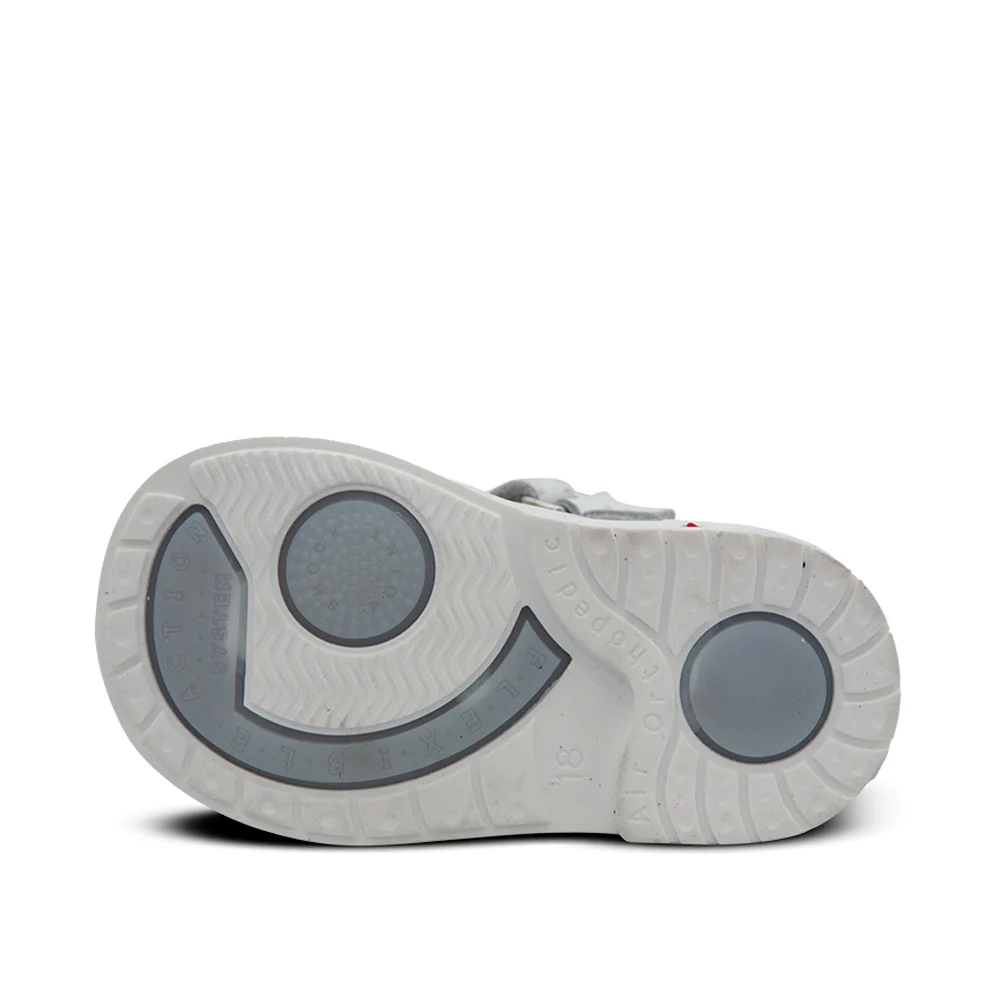
Reese Arctic Sandals
A supportive leather sandal built for warm weather adventures.
Material
Leather
Type
Sandals
Size
2 to 11.5 (AU)
Best features:
- Thomas heel with high arch support
- Two adjustable Velcro straps
- Shock-absorbent outsoles
- Air valves to reduce moisture
Why we chose this shoe:
Reese Arctic's Thomas heel and high built-in arch support guide the foot into a more stable position, which suits active toddlers who are constantly on the move outdoors.
The adjustable straps accommodate a range of foot widths as your child grows. The anti-bacterial insoles also help manage the moisture that comes with active outdoor play.
7
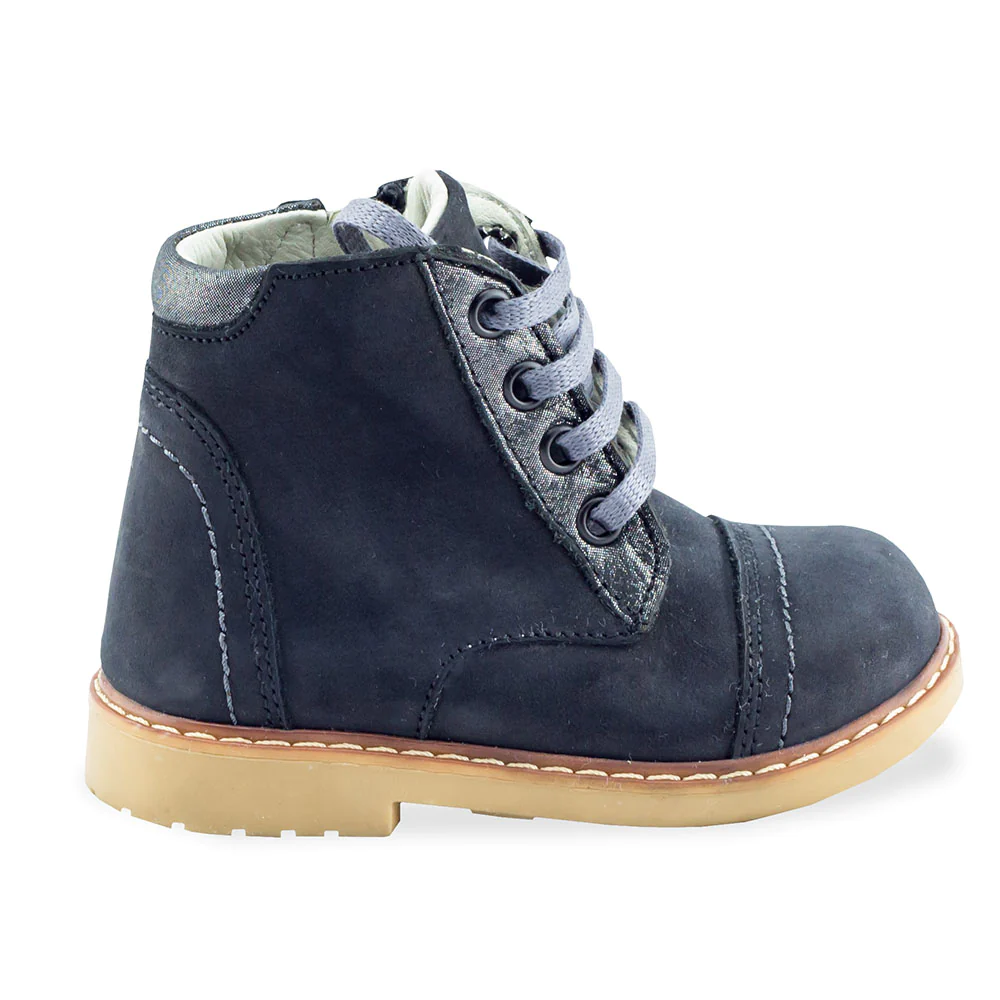
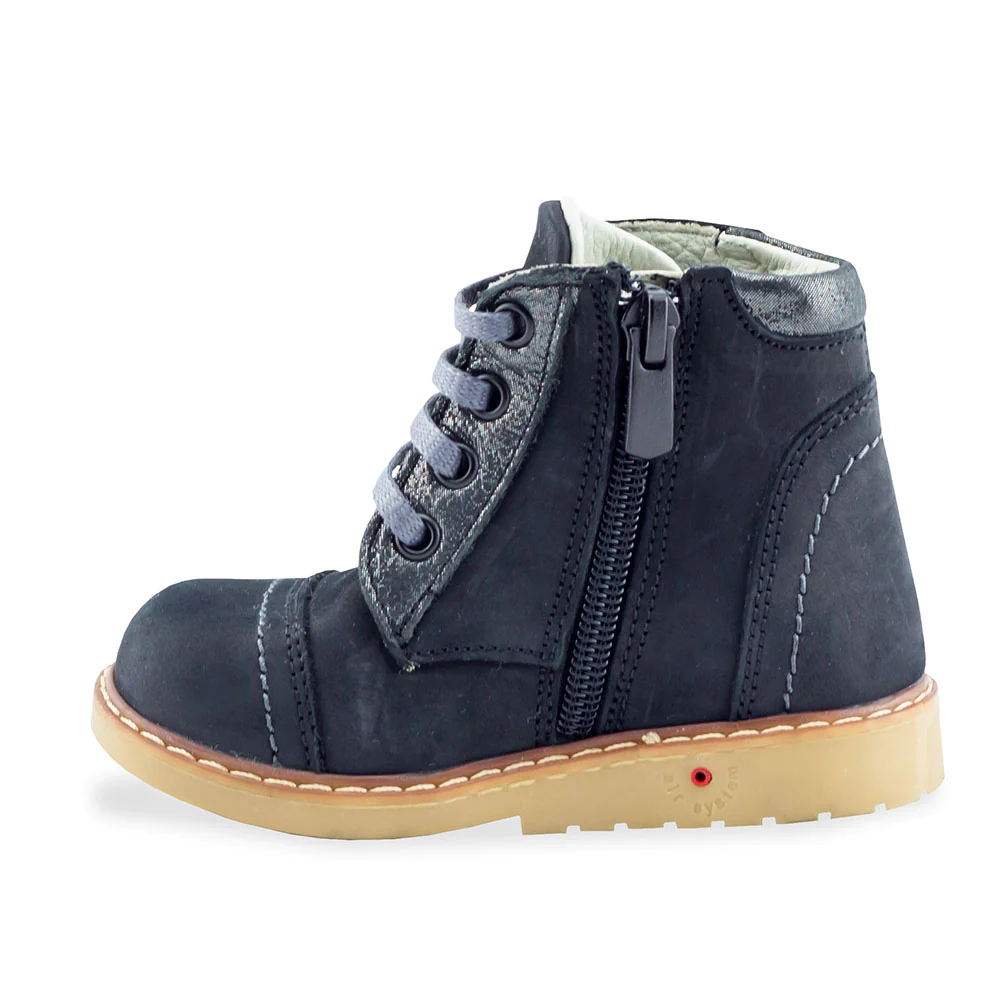
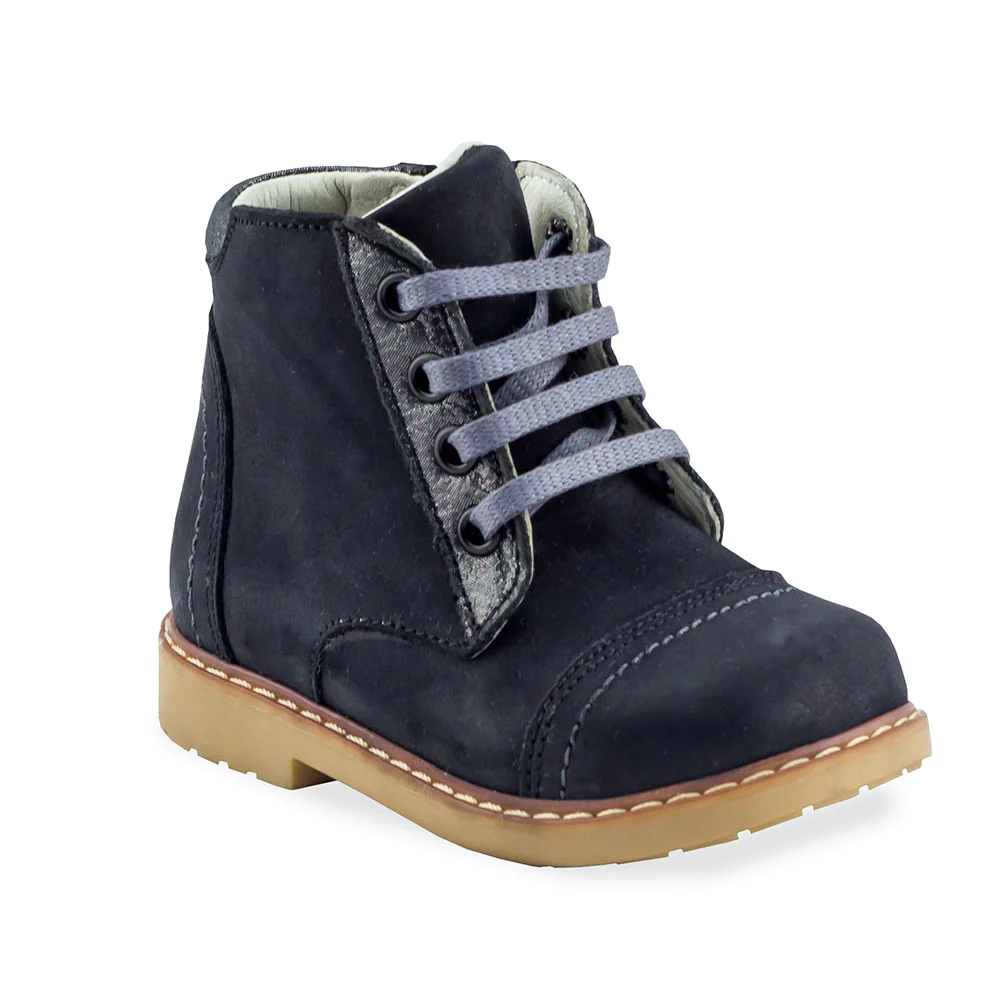
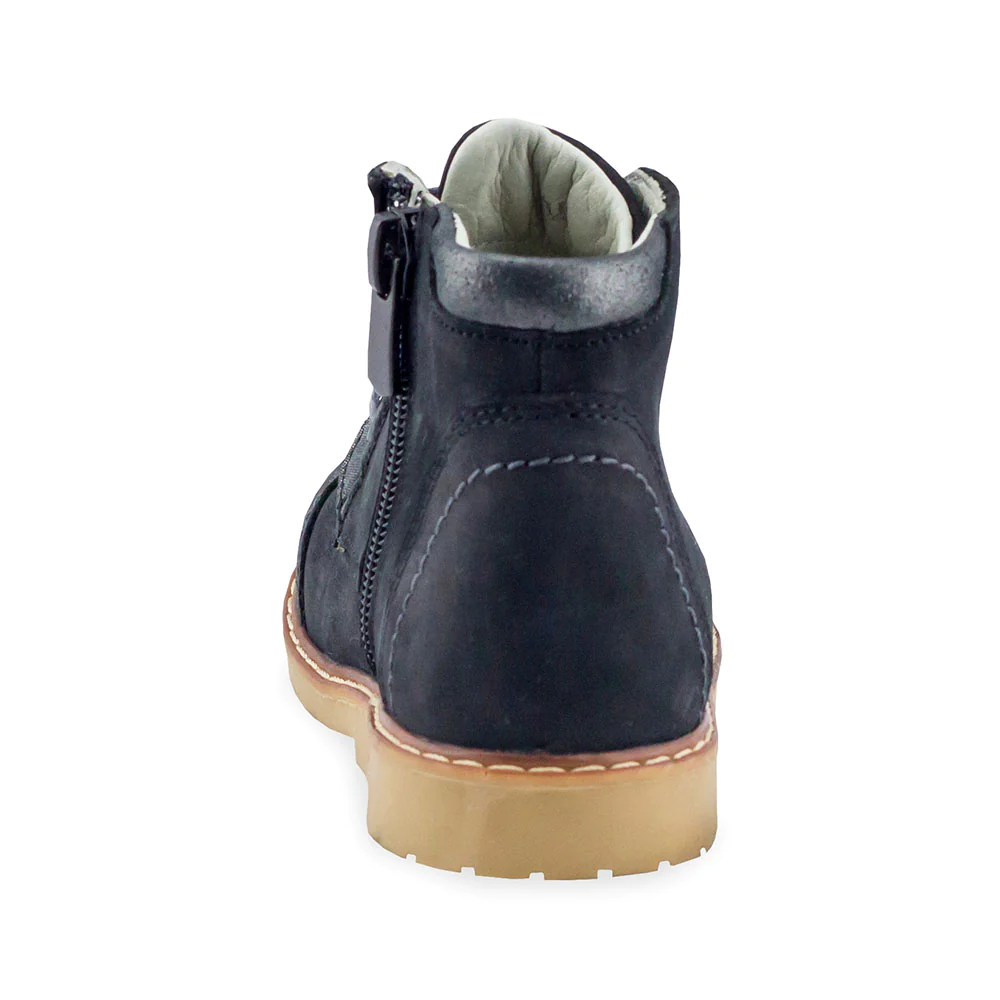
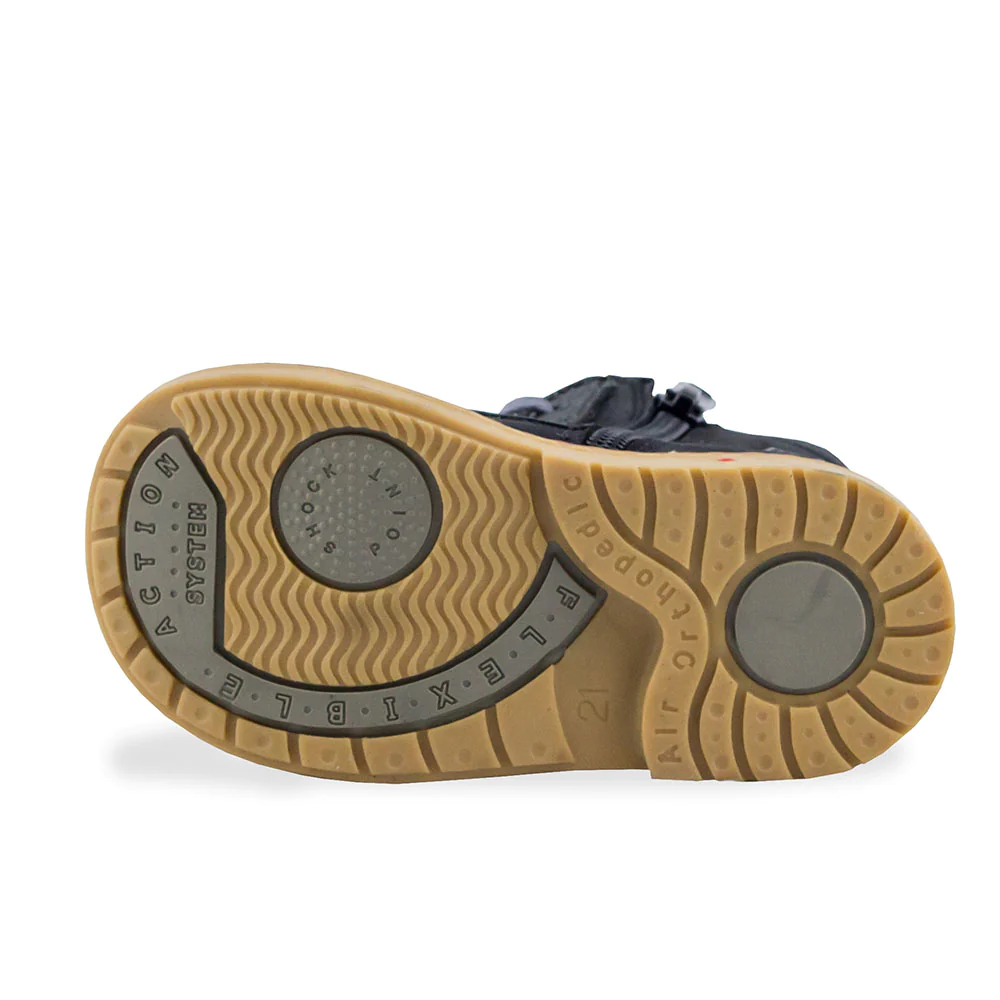
Graphite Jacob Boots
Durable nubuck leather, water-resistant construction, combination zipper and shoelace closure, shock-absorbent outsoles. Toddler boys' sizes.
Material
Nubuck Leather
Type
Boots
Size
2 to 11.5 (AU)
Best features:
- Water-resistant nubuck leather
- Shock-absorbent outsole
- Built-in arch support
- Combination zip and lace closure
Why we chose this shoe:
Graphite Jacob's shock-absorbent outsole and built-in arch support handle uneven ground with confidence, giving an early walker a dependable base whether they're on wet pavement or rough terrain.
The nubuck leather resists marks well, so the boot holds up to non-stop wear. It also cleans up easily afterwards, which busy parents will appreciate.
8
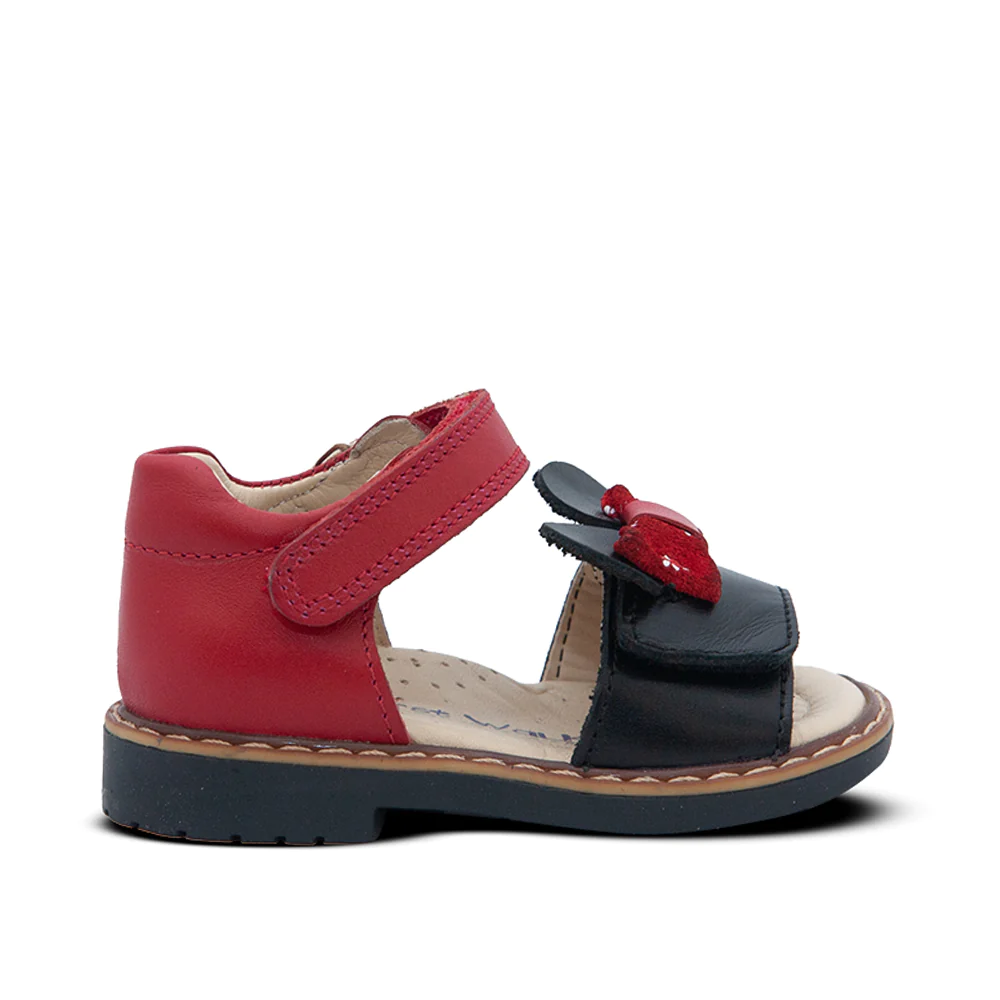
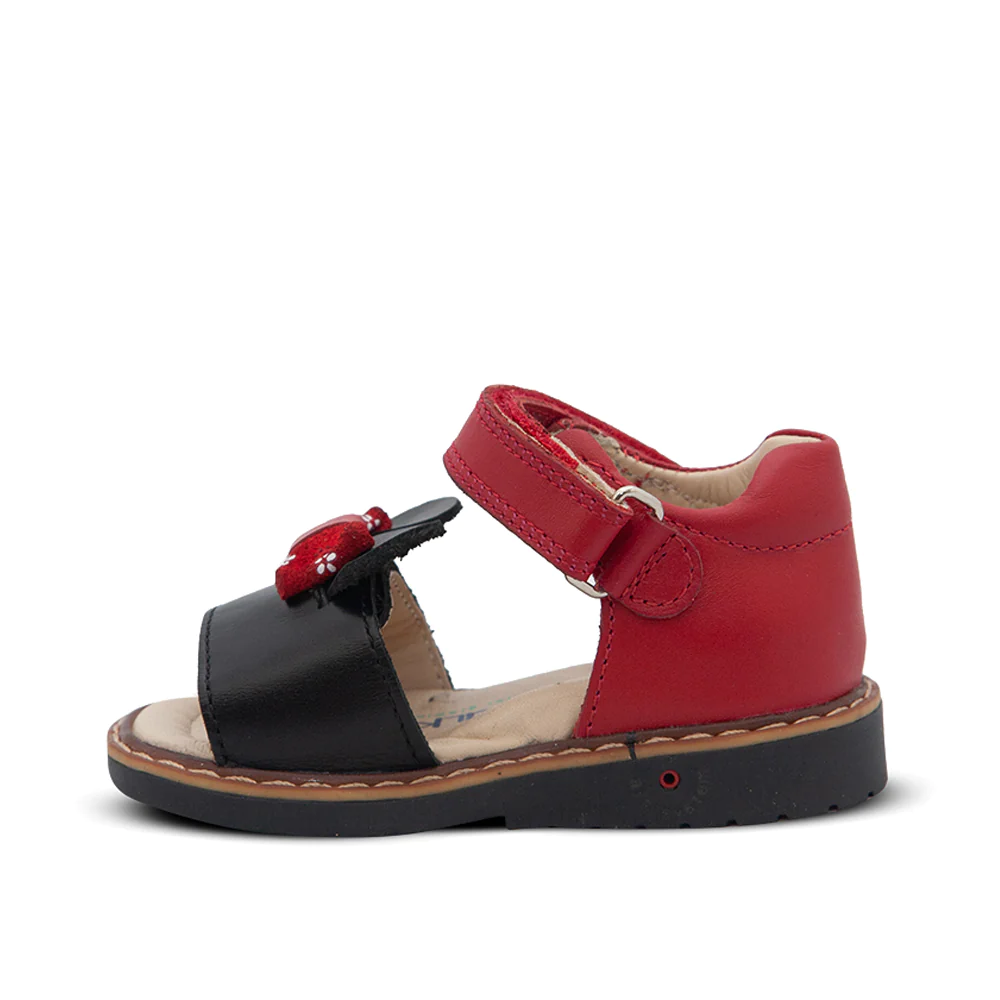
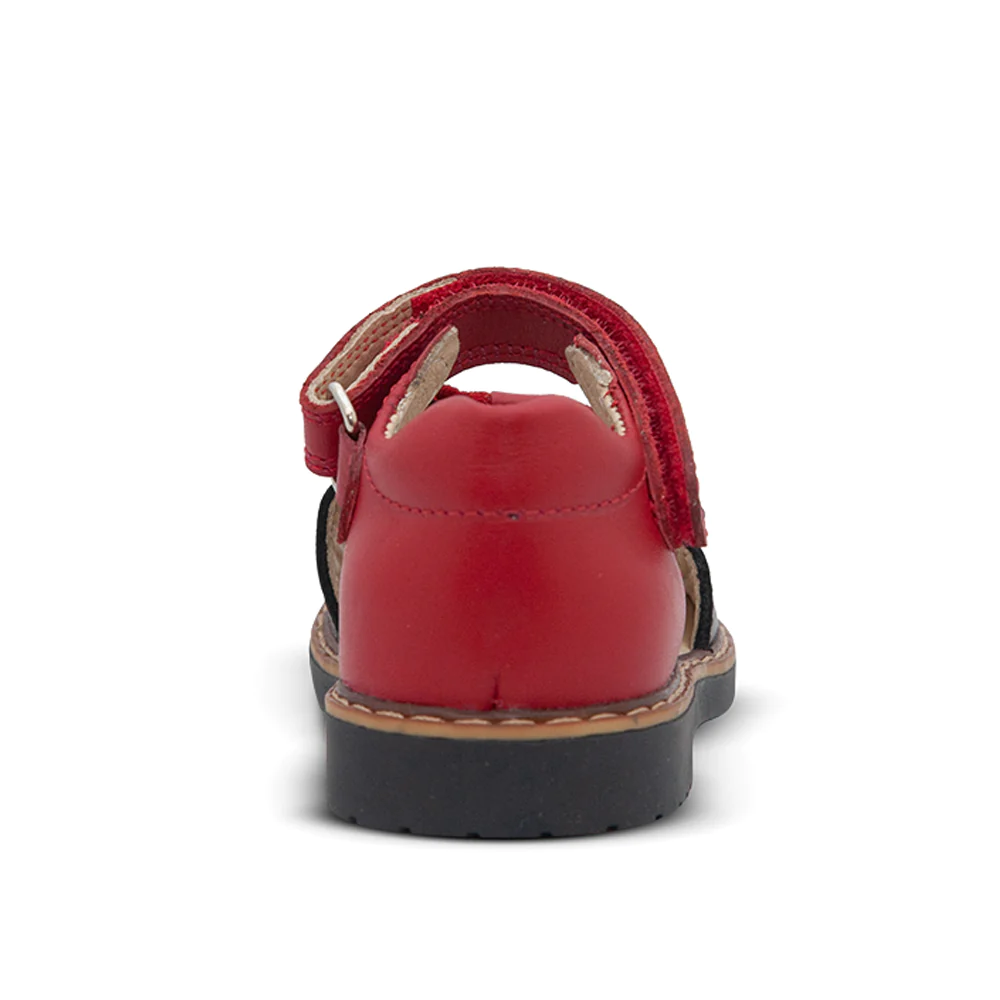
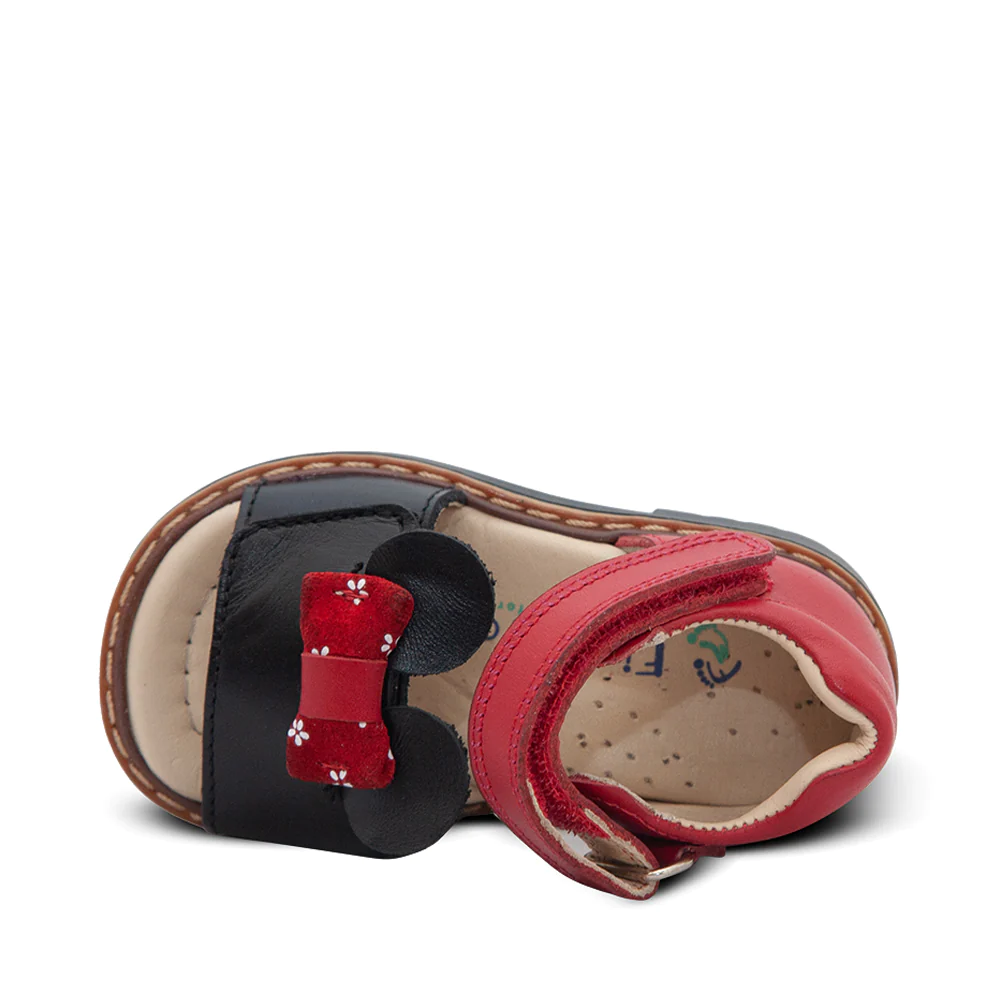
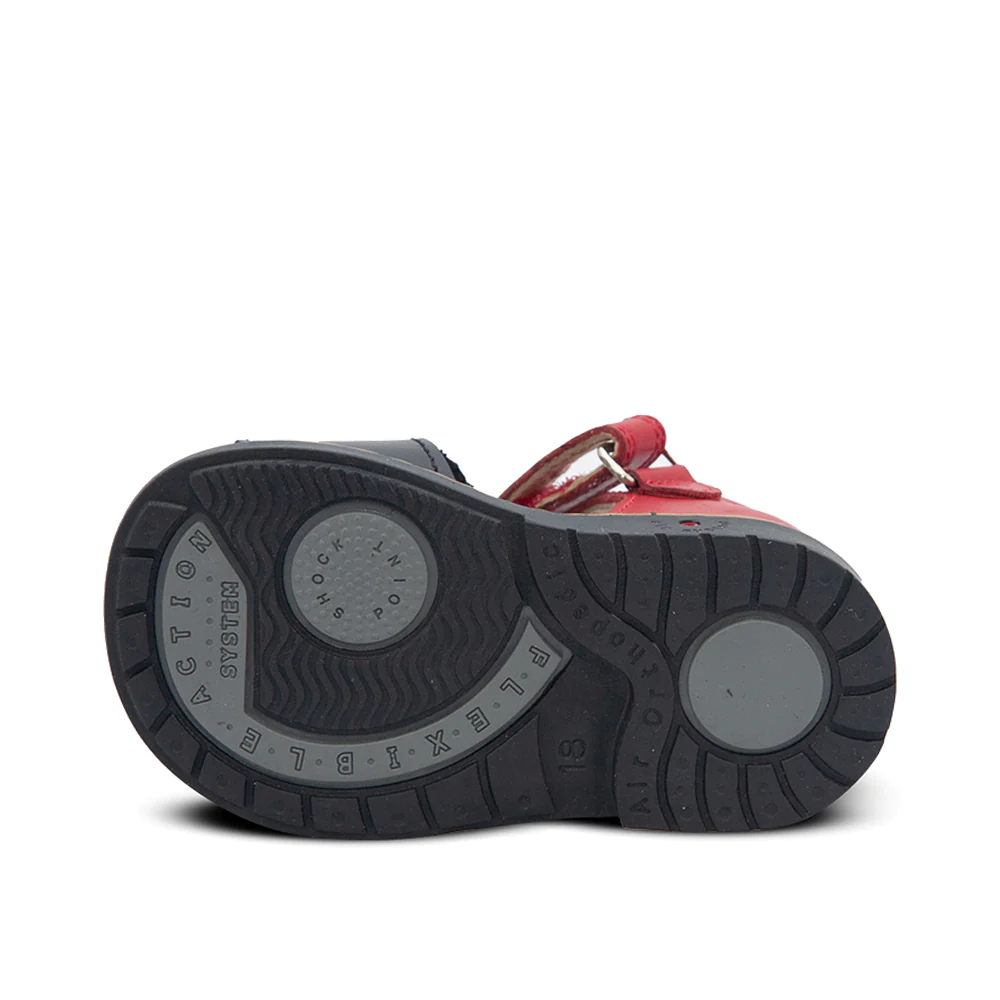
Minnie Mouse Sandals
Premium breathable leather, two adjustable Velcro straps, shock-absorbent thermoplastic outsoles, Thomas heel. Toddler girls' sizes.
Material
Leather
Type
Sandals
Size
2 to 11.5 (AU)
Best features:
- High built-in arch support
- Lightweight, flexible sole
- Two adjustable Velcro straps
- Thomas heel for alignment support
Why we chose this shoe:
Minnie Mouse's high built-in arch support and lightweight, flexible sole offer real stability without weighing down an active young walker on a hot day.
The breathable leather helps keep feet fresh through a full day of play. The flexible sole also supports natural movement rather than restricting it.
9
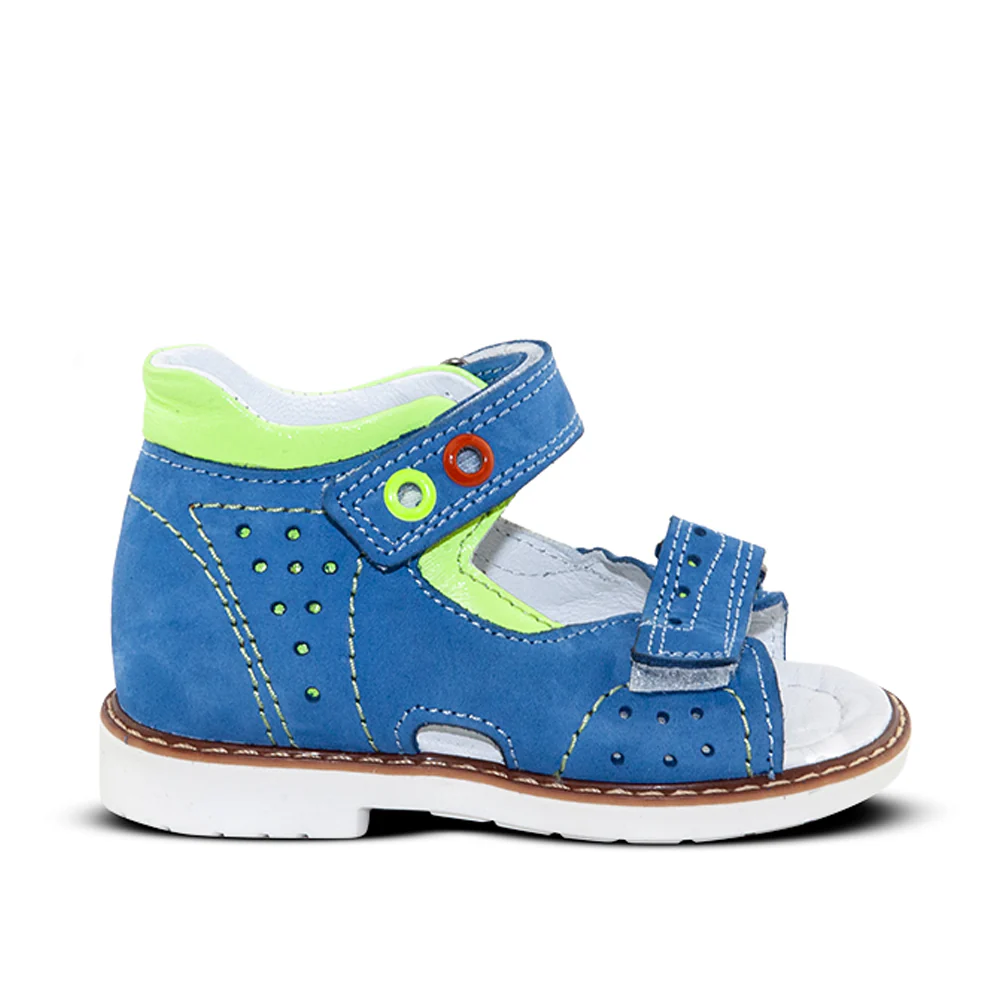
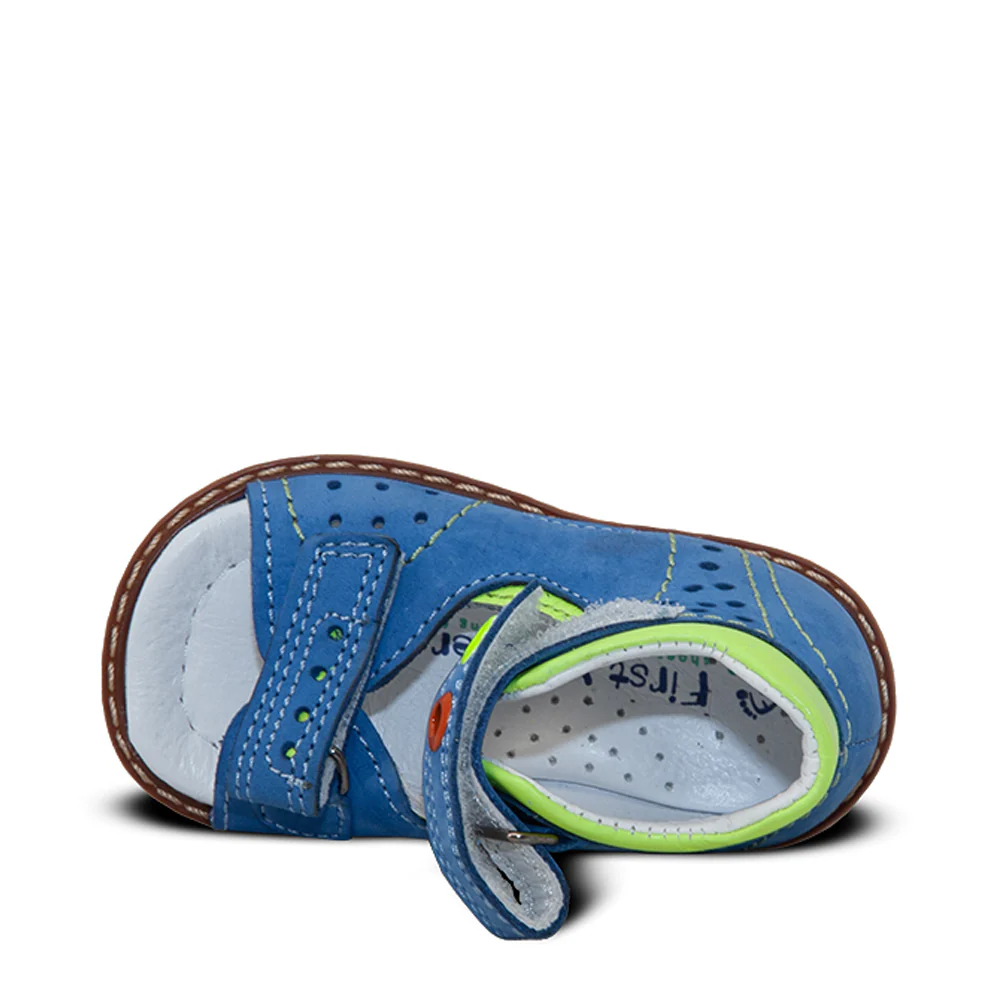
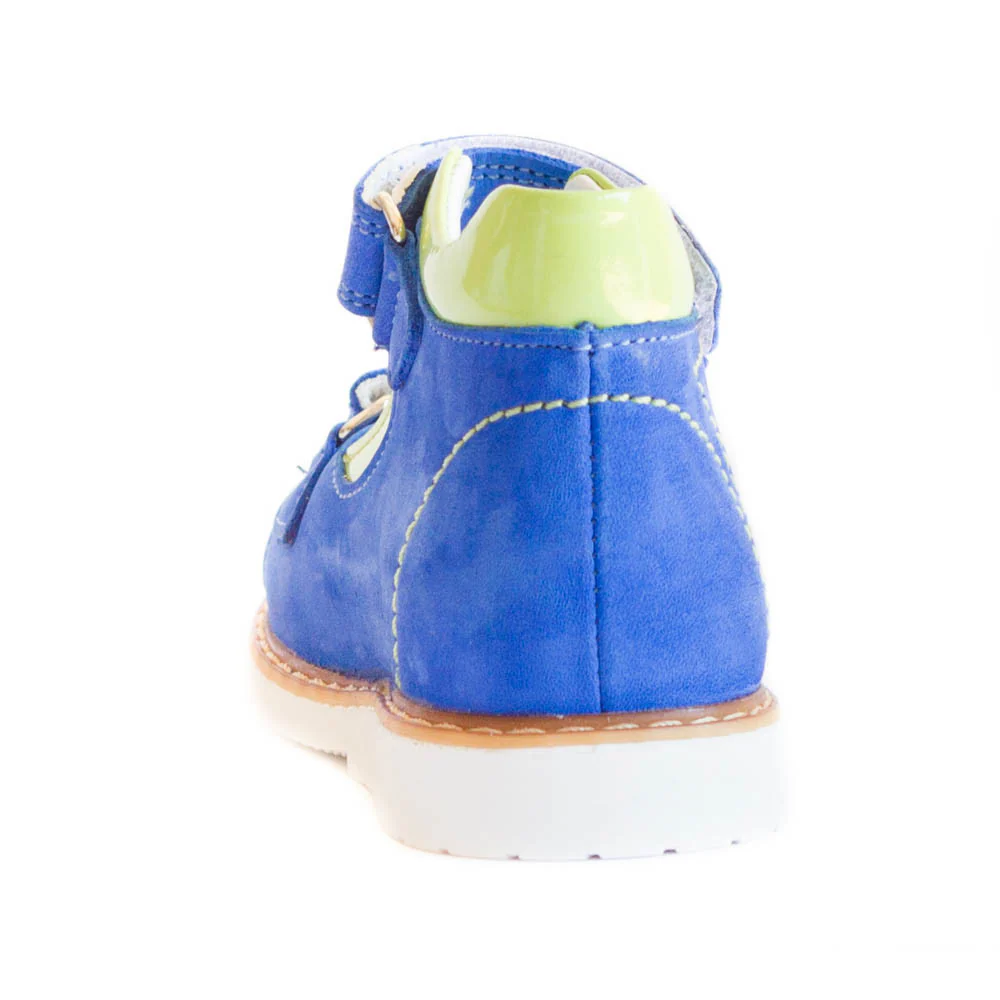
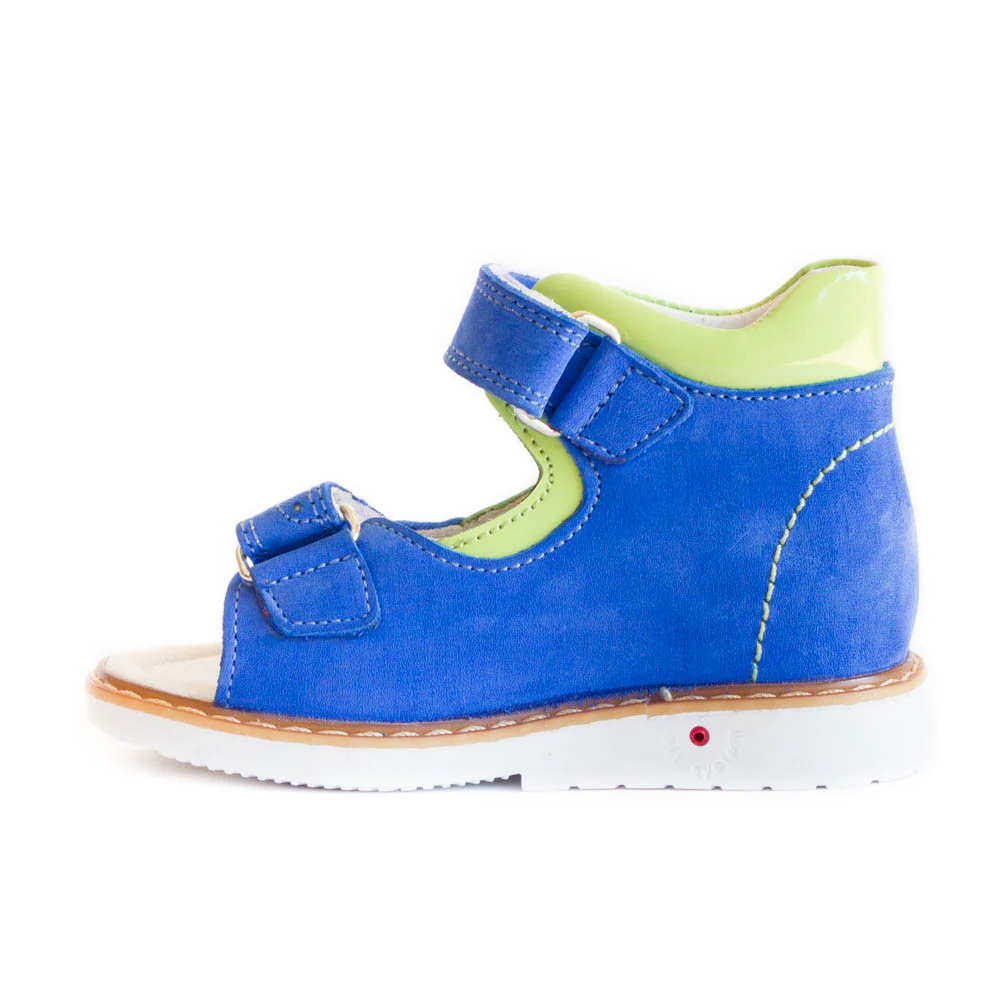
Indigo Jay Sandals
Breathable nubuck leather, two adjustable Velcro straps, air valves, shock-absorbent thermoplastic outsoles. Toddler sizes.
Material
Nubuck Leather
Type
Sandals
Size
2 to 11.5 (AU)
Best features:
- Anatomic design with high arch support
- Two adjustable Velcro straps
- Air valves to reduce moisture
- Shock-absorbent outsoles
Why we chose this shoe:
Indigo Jay's anatomic design and high built-in arch support help keep the foot stable, whether your toddler is taking early steps or already confidently running around.
The Velcro closure makes for a secure yet easy fit. The anti-bacterial insoles also help keep feet fresh during high-activity days outdoors.
10
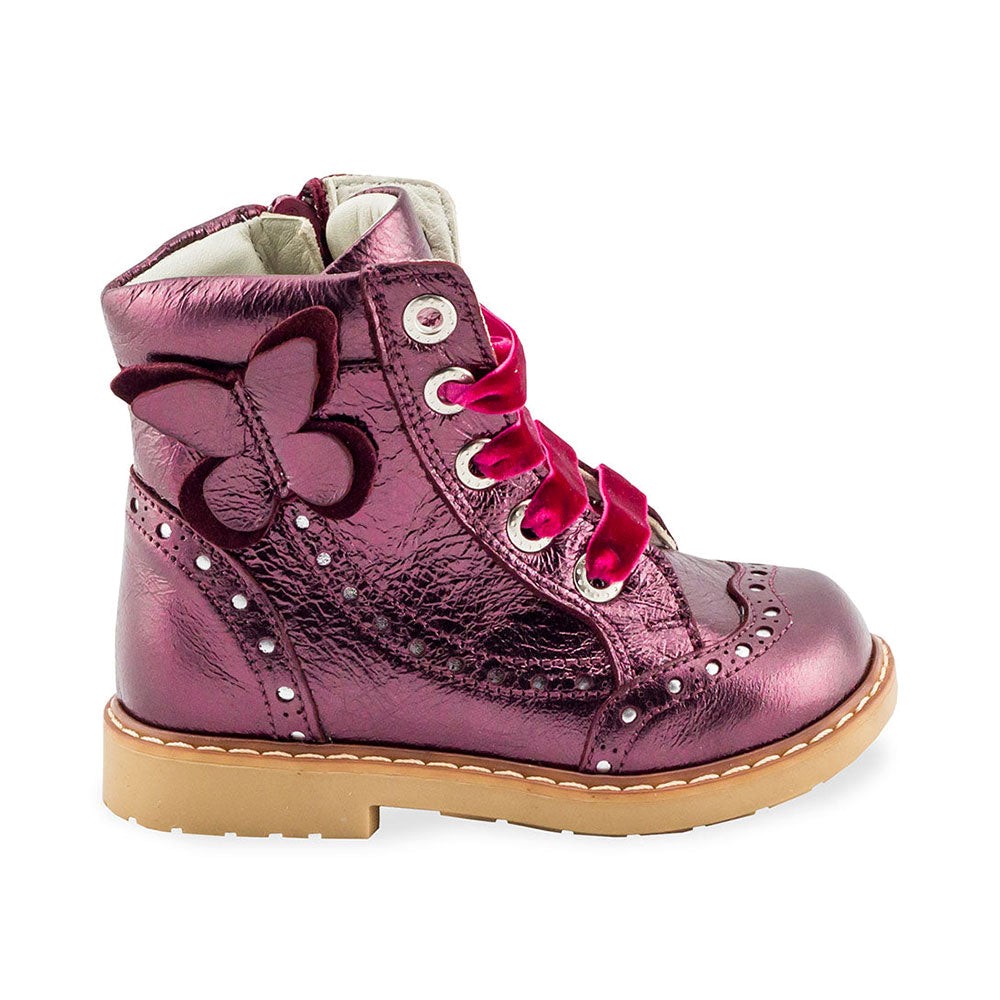
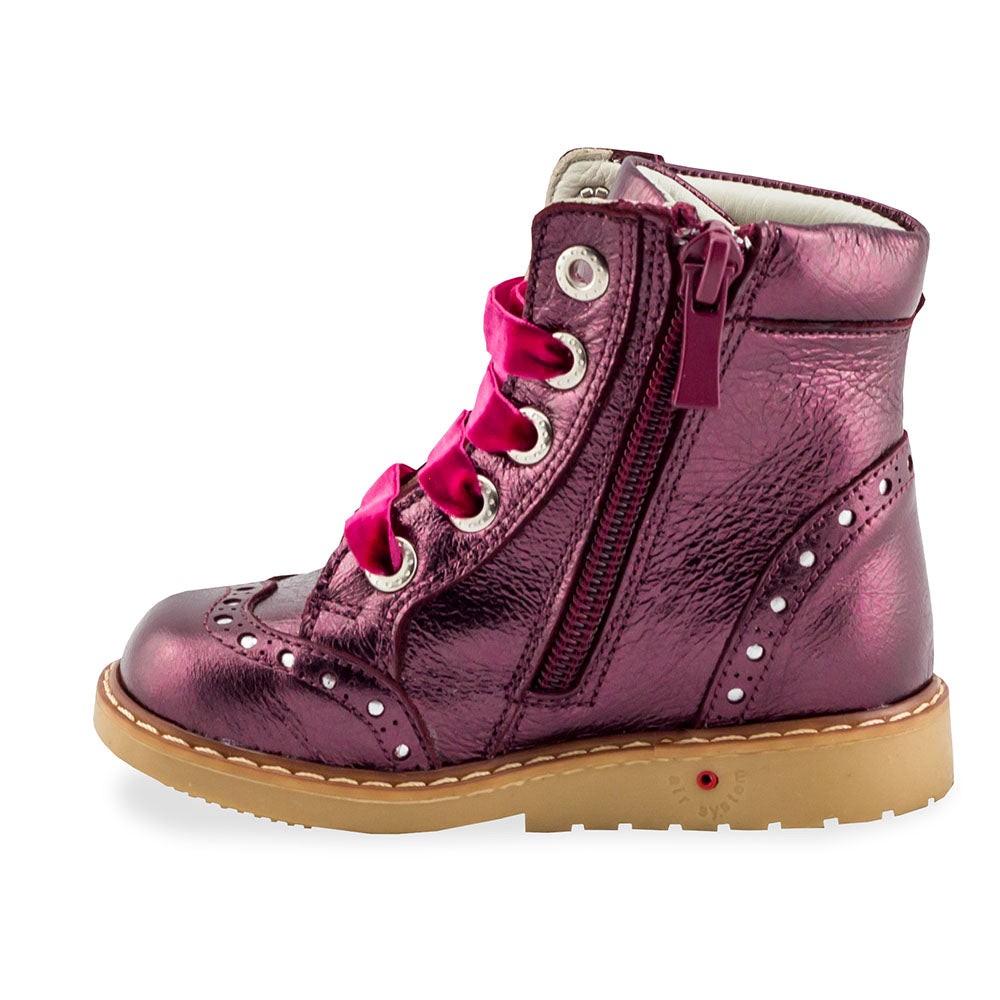
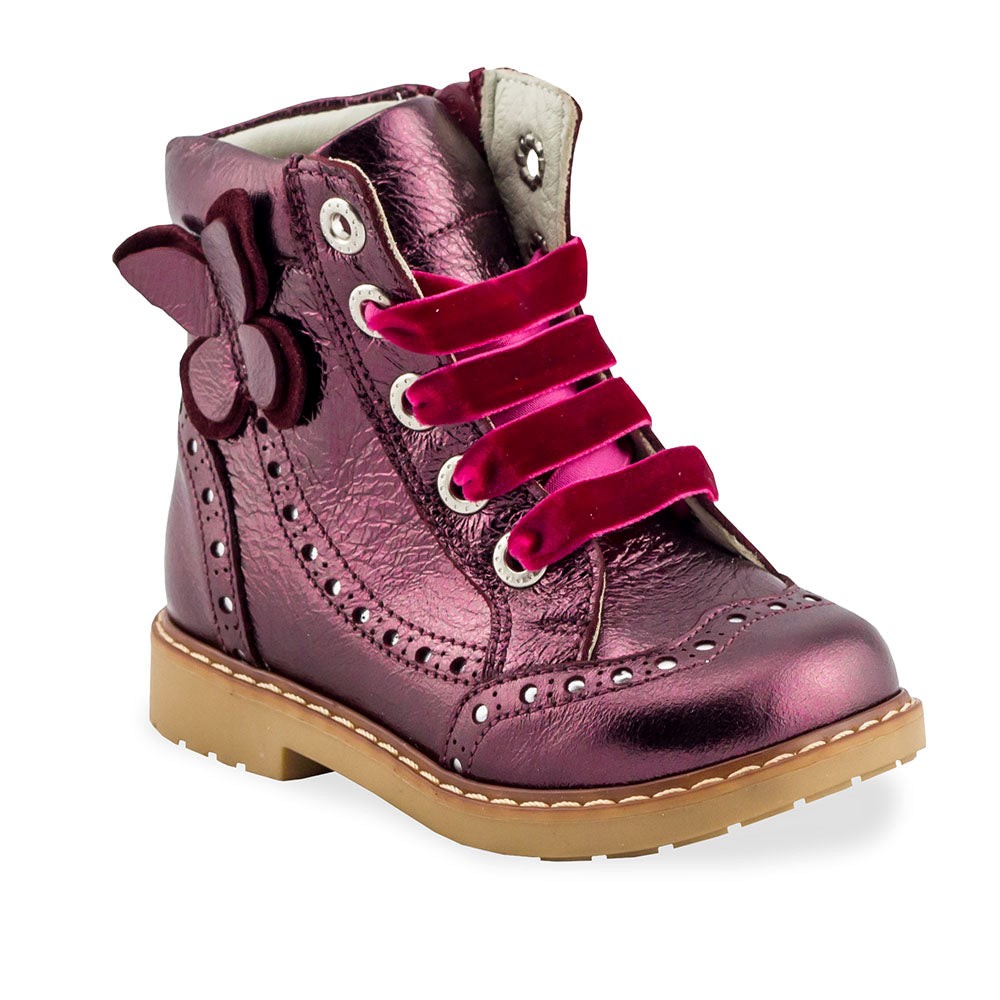
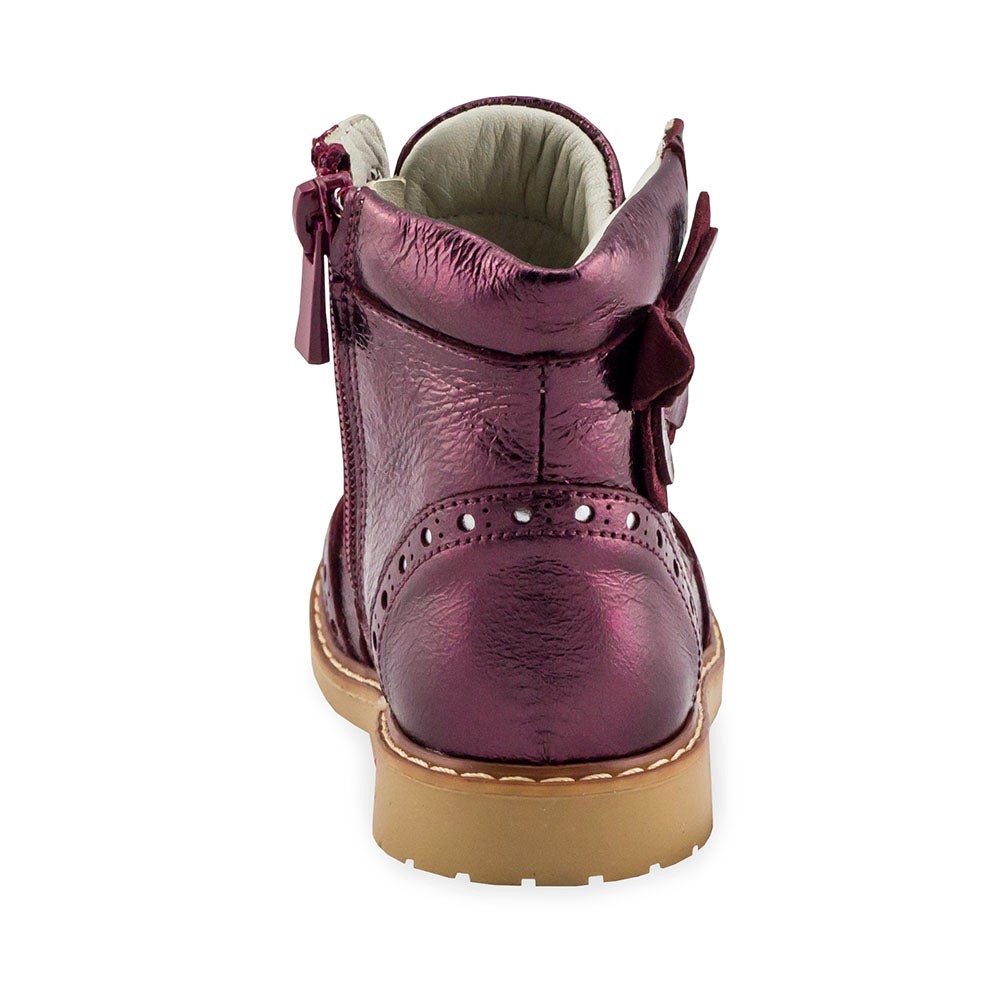
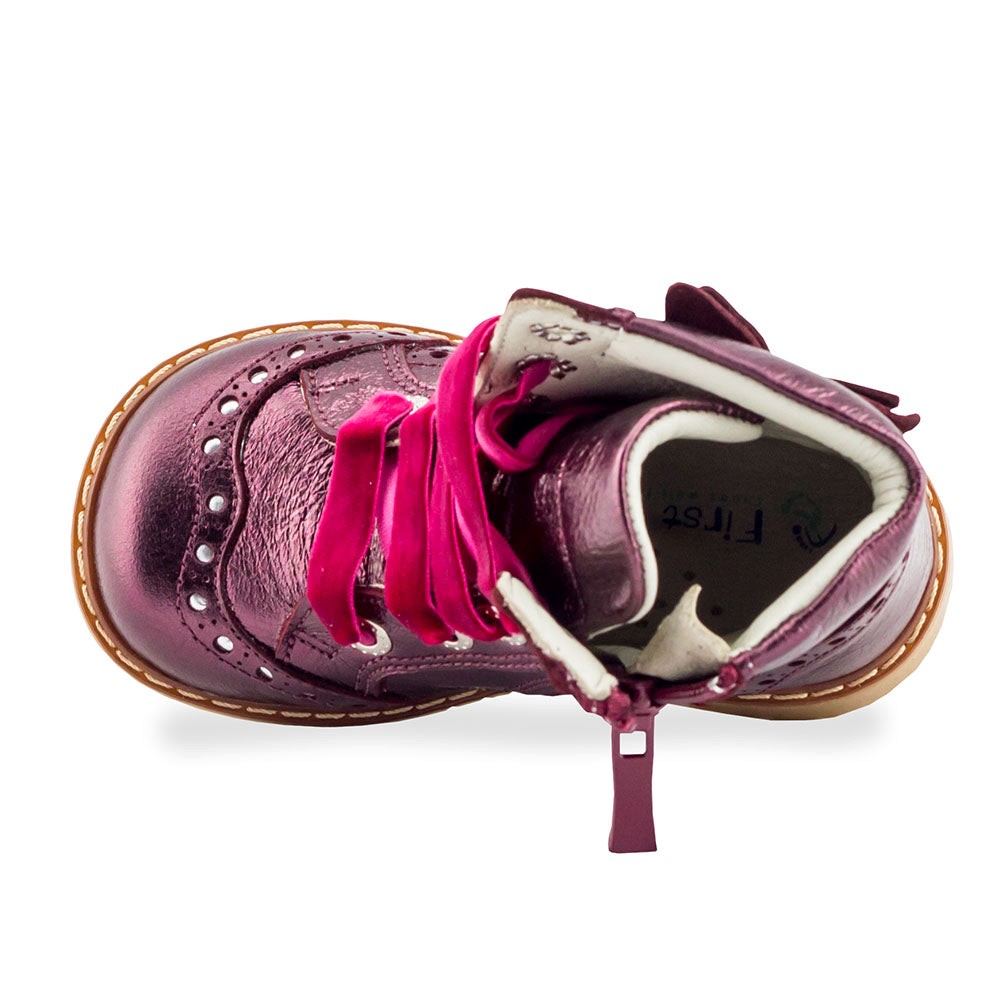
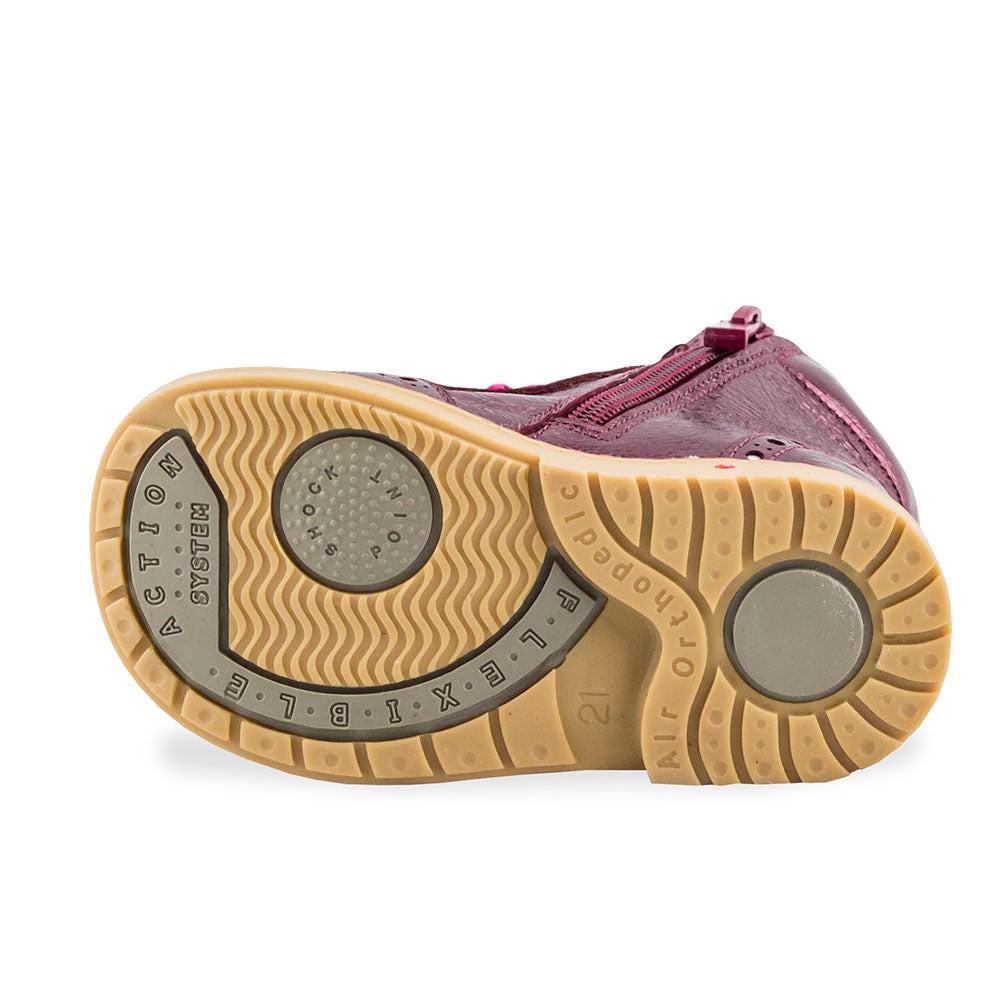
Ruby Madelyn High-Top Boots
Leather upper, ribbon-style laces, shock-absorbent outsoles, anti-bacterial insoles. Toddler girls' sizes.
Material
Leather
Type
Boots
Size
2 to 11.5 (AU)
Best features:
- High ankle support
- Thomas heel with arch support
- Ribbon-style lace closure
- Shock-absorbent outsoles
Why we chose this shoe:
Ruby Madelyn's high ankle support, combined with a Thomas heel and built-in arch support, gives an early walker real structural stability in a genuinely eye-catching design.
The leather construction is durable through active play. The distinctive colourway also tends to draw plenty of compliments along the way.
Choosing the Right Hard-Bottom Baby Shoes
Making the switch to a proper hard-bottom shoe is one of the most practical things you can do once your baby's walking confidently outdoors.
The right pair protects against rough surfaces, adds real heel stability, and gives a new walker the confidence to keep letting go and trying again.
When comparing styles, three things matter most: flexibility at the toe joint, a wide toe box, and a lightweight, slip-resistant sole. Everything else is personal preference layered on top.
References
1. Hughes, L., Johnson, M. I., Perrem, N., & Francis, P. (2025). Guidelines for Recommended Footwear for Healthy Children and Adolescents: A rapid scoping review to characterise the nature and extent of footwear research and clinical policy guidelines. Healthcare, 13(13), 1578. https://doi.org/10.3390/healthcare13131578
2. Shultz, S., Houltham, S., Kung, S., Hume, P., & Fink, P. (2016). Metabolic differences between shod and barefoot walking in children. International Journal of Sports Medicine, 37(05), 401–404. https://doi.org/10.1055/s-0035-1569349
FAQs
When can babies wear hard bottom shoes?
Most babies are ready between 12 and 18 months, once they're walking steadily outdoors rather than just cruising indoors. Physical readiness matters more than age.
Are hard sole baby shoes bad for early walkers?
No, not if they're properly designed. A hard-bottom shoe that still flexes at the toe joint protects growing feet without restricting natural movement or gait.
What's the difference between hard bottom shoes for baby girl and baby boy styles?
Mostly colourway and design details like laces versus Velcro. The structural features that matter, arch support, flexibility, and heel stability, stay consistent across styles.
Can babies wear hard bottom shoes all day?
Yes, once they're walking confidently outdoors, though it's still worth offering barefoot or soft-soled time indoors so foot muscles keep developing naturally.