How to Stretch Out Shoes for Your Child’s Feet
Kids' feet grow fast—up to half a shoe size every two months before 18 months. Stretching shoes can buy you a few extra weeks, but it only works for shoes that are slightly snug.




Updated December 1, 2025
Kids' feet seem to grow in the blink of an eye! What was a perfect fit yesterday can feel snug today.
Keeping up with their ever-changing shoe sizes is a constant challenge, but finding the right fit is crucial for their comfort and development.
Thankfully, there's a budget-friendly solution to help their shoes fit a little longer and keep their feet comfy.
The Importance of Proper-Fitting Shoes for Kids
Children outgrow their shoes at an astonishing rate [1]. Before 18 months, their feet can grow more than half a shoe size every two months. The growth continues at various rates throughout childhood, peaking around puberty.
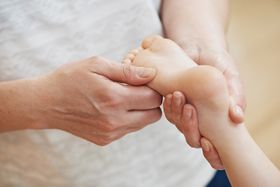
Children's feet consist of soft cartilage. Shoes that don't fit properly can have a lasting impact, leading to foot deformities, abnormal foot shapes, and even foot pain.
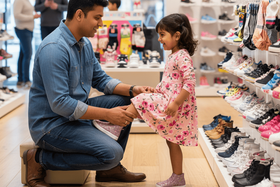
Ensuring the proper fit during these formative years is vital for their overall foot health [2].
How To Stretch Out Toddler Shoes
1. The Wet Newspaper Method
This classic technique uses damp newspaper's expanding power to widen your child's shoes gently. The newspaper stretching method works moderately well for leather and canvas kids' shoes through moisture expansion.
What You'll Need: Newspaper, water, 6-8 hours time
Steps:
- Dampen newspaper sheets—not soaking wet, just damp
- Crumple the damp newspaper into balls
- Stuff the newspaper firmly into the shoes, focusing on tight areas like the toe box
- Fill the heel area as well for overall stretching
- Leave shoes in a warm, dry place for 6-8 hours
- Remove the newspaper and test the fit
- Repeat if needed for more stretching
Best for: Leather and canvas materials that respond well to moisture
Caution: Avoid using this on suede or delicate fabrics—moisture can permanently damage these materials and cause staining.
2. Using a Shoe Stretcher
Shoe stretchers are specifically designed tools that widen shoes in targeted areas. They work well when you need to stretch specific pressure points rather than the whole shoe.
What You'll Need: Two-way shoe stretcher (child's size), shoe stretch spray (optional), 24-48 hours
Steps:
- Insert the shoe stretcher into the shoe
- Adjust the mechanism to the desired width
- For targeted relief, place bunion plugs on pressure points
- Apply shoe stretch spray if using (helps the material stretch more easily)
- Leave the stretcher in place for 24-48 hours
- Remove and test fit
- Readjust and repeat if more stretching is needed
Best for: Targeted stretching of specific areas like the toe box or heel. Works on most materials.
Caution: Overstretching can damage the shoe's structure permanently. Start conservative and increase gradually.
3. Freeze Stretching with Ziplock Bags
This method uses the expansion of freezing water to widen shoes gently. It's simple and requires no special tools.
What You'll Need: Sturdy ziplock bags, water, freezer access, 8-12 hours
Steps:
- Fill sturdy ziplock bags about ¾ full with water
- Seal bags completely (check for leaks!)
- Place bags inside the shoes, positioning them in tight areas
- Put shoes in the freezer
- Leave overnight (8-12 hours) as water expands into ice
- Remove from the freezer and let the ice thaw slightly
- Remove bags and test fit
Best for: Slight adjustments to overall shoe size, especially width. Works on most materials.
Caution: Don't overfill the bags—too much expansion can tear seams or damage the shoe structure.
» Learn how often you need to replace your child's shoes
4. Thick Socks Method
For a gentler approach, wear thick socks inside the shoes and walk around to stretch them naturally.
What You'll Need: Thick socks (or multiple pairs), 2-3 hours of wear time
Steps:
- Have your child put on one or two pairs of thick socks
- Help them squeeze their feet into the snug shoes
- Let them walk around the house for 1-2 hours
- Remove shoes and socks, then test fit with regular socks
- Repeat daily until the desired stretch is achieved
Best for: Very gentle, gradual stretching. Good for breaking in new shoes or minor width adjustments.
Caution: Stop immediately if your child complains of pain. This method shouldn't hurt—just feel snug.
5. Professional Shoe Stretching
Shoe repair shops have professional stretching equipment that works better than home methods, especially for leather shoes.
- When to Use: The shoes are expensive or special, home methods haven't worked, you need precise stretching without risk of damage
- Cost: Usually $10-20 per pair, varies by location and material
- Advantage: Professionals know which materials stretch and how far. They won't damage your child's shoes
» Find out how much wiggle room should be in your child's shoes
Precautions When Stretching Kids' Shoes
Stretching your child's shoes can help extend their life, but it's essential to do it carefully to avoid damaging the shoes or causing discomfort.
Follow these general precautions:
- Check the Shoe Material: Not all shoe materials respond well to stretching. Leather and synthetic materials are generally more adaptable
- Start Slow: Begin with gentle stretching and gradually increase intensity if needed
- Monitor Fit: Regularly check the shoe's fit after stretching to ensure it's not too loose
- Consider Professional Help: If your kid's shoes require significant stretching or you need clarification on the process, consult a professional shoe repair service
» Explore the best fabrics for children's shoes
Here are some mistakes to avoid:
- Excessive Stretching: Overstretching can damage the shoe's structure and affect its support
- Harsh Chemicals: Avoid using strong chemicals like alcohol or vinegar, as they can damage the material
- Excessive Heat: High temperatures can weaken the shoe's structure
- Physical Force: Using force can lead to tears or cracks
Remember: Even with careful stretching, the shoes may not return to their original shape or fit perfectly. It's essential to prioritise your child's comfort and safety. If the shoes are causing persistent discomfort, it might be time to invest in a new pair.
» Learn how to wash different kids' shoes
When Not to Stretch Your Child's Shoes
Before you try stretching, understand when it won't work and could actually harm your child's feet.
- Don't stretch if the shoes are more than half a size too small. Stretching realistically adds only ¼ to ½ size at most. If your child's feet have grown a full size, stretching won't help enough
- Skip stretching if your child complains of pain. Discomfort means the shoes are already damaging their developing feet. No amount of stretching fixes shoes that hurt
- Avoid stretching brand-new shoes that haven't been broken in yet. New shoes need 1-2 weeks of normal wear to soften naturally. Try breaking them in first before attempting to stretch
- Don't stretch shoes that show wear or structural damage. Worn-out shoes lack proper support regardless of size. Replace them instead
- If your child has foot problems like flat feet, overpronation, or previous injuries, consult a pediatrician before stretching. Ill-fitting shoes can worsen these conditions. It's important to look for supportive shoes to correct issues like pronation and other foot conditions instead
Getting the Best Fit for Your Kid
While stretching out shoes can extend their lifespan, it's important to remember that this is a temporary solution. Over time, stretched-out shoes can lose their support and shape, potentially causing blisters, discomfort, and even impact their gait.
Investing in well-fitting shoes may seem costly upfront, but it saves you money in the long run by preventing unnecessary purchases and ensuring your child's foot health. First Walkers offers a wide range of shoes designed for comfort and support, catering to every size and shape of foot.
Related products:
References
1. Morrison, S. C., Price, C., McClymont, J., & Nester, C. (2018). Big issues for small feet: developmental, biomechanical and clinical narratives on children’s footwear. Journal of Foot and Ankle Research, 11(1), 39. https://doi.org/10.1186/s13047-018-0281-2
2. Gould, N., Moreland, M., Trevino, S., Alvarez, R., Fenwick, J., & Bach, N. (1990). Foot growth in children age one to five years. Foot & Ankle, 10(4), 211–213. https://doi.org/10.1177/107110079001000404
Disclaimer: First Walkers' information is intended for educational and informational purposes related to toddler footwear and feet. We encourage you to consider individual circumstances and consult qualified orthopaedists about specific conditions.
FAQs
Does the wet newspaper method really work for stretching shoes?
Yes, the wet newspaper method works moderately well for leather and canvas kids' shoes. As newspaper dries, it expands gradually, stretching the shoe material. It's not effective for synthetic materials. Best for gentle, overall widening rather than targeted areas. Success rate is about 60-70% for gaining ¼ size width in leather shoes.
Can you stretch kids' shoes a full size?
No, you can't safely stretch kids' shoes a full size. Realistically, stretching adds only ¼ to ½ size at most, and mainly in width rather than length. Attempting to stretch shoes a full size damages their structure, ruins arch support, and creates safety hazards. If shoes are a full size too small, buy the next size up.
How do I stretch shoes wider for my child's wide feet?
Use a two-way shoe stretcher with width adjustment, or try the thick socks method for gradual widening. Focus stretching on the toe box and ball of foot area. However, if your child consistently needs wider shoes, look for brands offering wide-width options (W or XW) rather than stretching every pair.
What's the best shoe stretcher for kids' shoes?
Look for a two-way shoe stretcher (adjusts both width and length) sized for children's shoes (typically US size 5-13). Models with bunion plugs let you target specific pressure points. Avoid adult-sized stretchers—they're too large for kids' shoes and can cause overstretching.
How long does it take to stretch shoes?
Most methods take 6-24 hours. Wet newspaper needs 6-8 hours to dry and expand. Shoe stretchers work best left in for 24-48 hours. Freeze stretching requires 8-12 hours in the freezer. The thick socks method needs 2-3 hours of wear daily for several days.
Can you stretch synthetic shoes?
Barely. Synthetic materials (plastic, faux leather, mesh) have very limited stretch potential. Freezing is the only method that works at all, and even then you'll gain maybe 1/8 size at most. Don't waste time with aggressive methods on synthetics—if they don't fit, replace them.
When should I give up on stretching and buy new shoes?
Give up on stretching when shoes are more than half a size too small, your child complains of pain despite stretching, you've tried 2-3 different methods without improvement, or the shoes show structural damage or excessive wear. Comfort and safety matter more than squeezing extra weeks from outgrown shoes.
Is it safe to stretch toddler shoes?
Yes, but only if the shoes are slightly snug (not severely tight) and you use gentle methods. Never stretch while your child is wearing the shoes. Ensure shoes are completely dry and at room temperature before wear. Monitor your child for discomfort—limping or asking to remove shoes means they don't fit properly even after stretching.