10 Best Shoes for Kids With Sensory Issues: Gentle Support
Children with sensory sensitivities often struggle with regular shoes because seams and pressure points trigger discomfort. Sensory-friendly footwear reduces irritation and supports comfort. This guide highlights 10 expert-approved orthopedic options designed for sensory needs and healthy foot development.



Published November 17, 2025
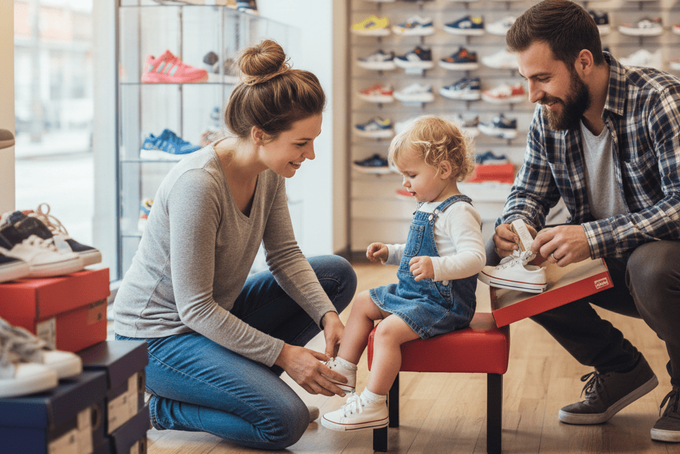
If your child melts down every morning when it's time to put on shoes, with tears, tantrums, and desperate shoe-flinging across the room—it's not defiance. It's real discomfort that your little one can't explain but definitely feels.
For children with sensory sensitivities, regular footwear feels unbearable. And when shoes cause this much distress, getting out the door becomes a daily battle that exhausts everyone. The good news is that sensory-friendly orthopaedic shoes for kids exist, and they're designed specifically for children who experience the world differently.
Let's go over the top 10 picks that combine therapeutic support with genuine comfort your child might actually tolerate and maybe even like.

Explore our range of orthopaedic shoes for kids
Our Top 10 Picks for the Best Shoes for Kids With Sensory Issues
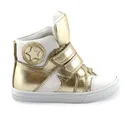
Olympic Sophia Sneakers
High-cut ankle design with proprioceptive input, structured heel counter, and slip-on accessibility for consistent sensory feedback throughout the day.
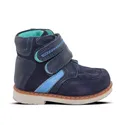
Velvet Logan Boots
Dual Velcro straps with orthopedic high-top construction eliminate pressure points while providing adjustable support for long school days.
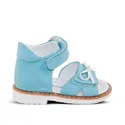
Sweet Bluebells Sandals
Open sandal design with supportive footbed prevents enclosed sensations while allowing natural air circulation during indoor activities.
Show more
What to Look for in Sensory-Friendly Shoes for Kids
When choosing the best shoes for kids with sensory issues, you'll need to prioritize these essential features:
- Seamless interior construction that eliminates irritating stitching and pressure points
- Adjustable fastening systems, like elastic or Velcro instead of laces, that give your child control over fit
- Breathable, moisture-wicking materials that prevent uncomfortable dampness and temperature changes
- Flexible, non-restrictive soles that allow natural foot movement and ground feedback
- Adequate toe box space that prevents pressure on sensitive toes
- Soft, padded heel counters that eliminate rigid sensations around the ankle
What to Avoid in Shoes for Children With Sensory Sensitivities
Steer clear of these features, as they can trigger a sensory overload [1]:
- Light-up or sound-producing elements that create unpredictable stimulation with every step
- High-contrast colors or busy patterns that overwhelm children with visual processing sensitivities
- Complex multi-strap or lacing systems that create multiple pressure points simultaneously
- Stiff, rigid soles that interfere with natural foot movement and sensory feedback
- Narrow toe boxes that squeeze sensitive toes and create claustrophobic sensations
- Rough interior seams or tags that cause constant tactile irritation
Best Shoes for Kids With Sensory Issues: Detailed Reviews
1
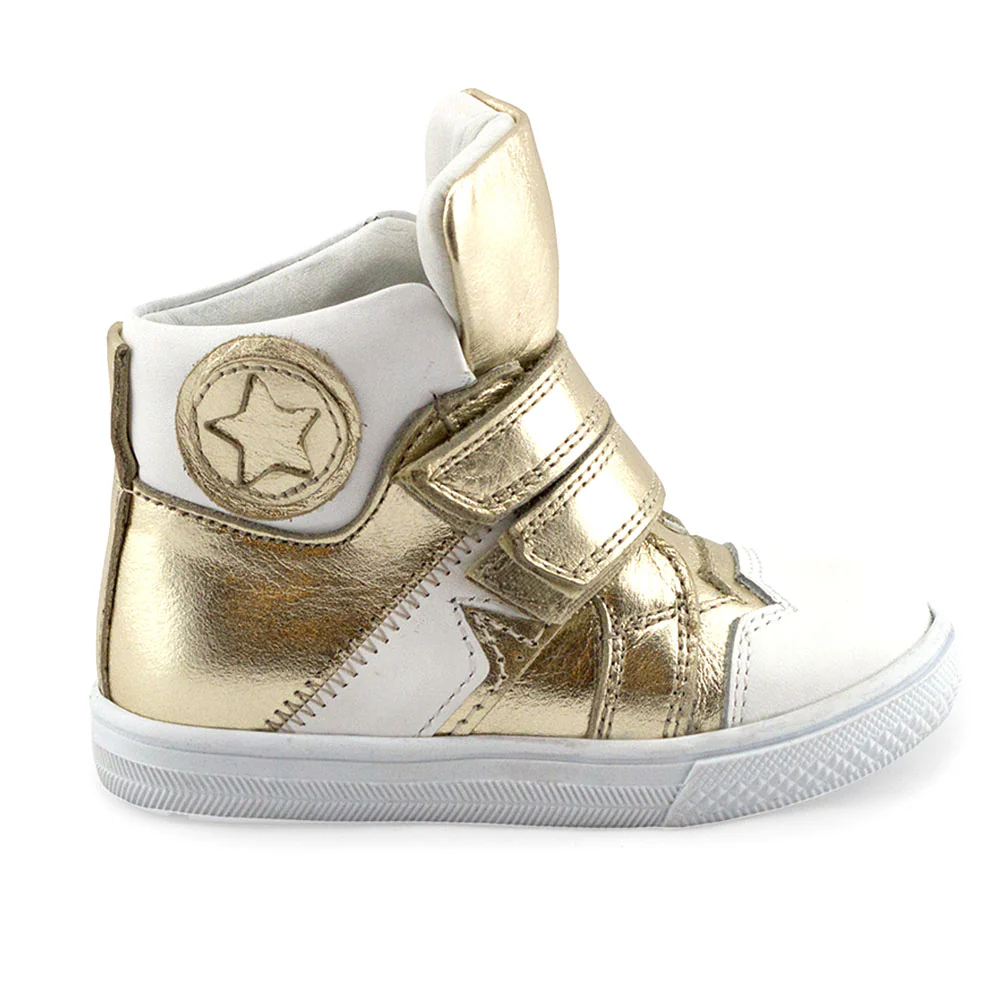
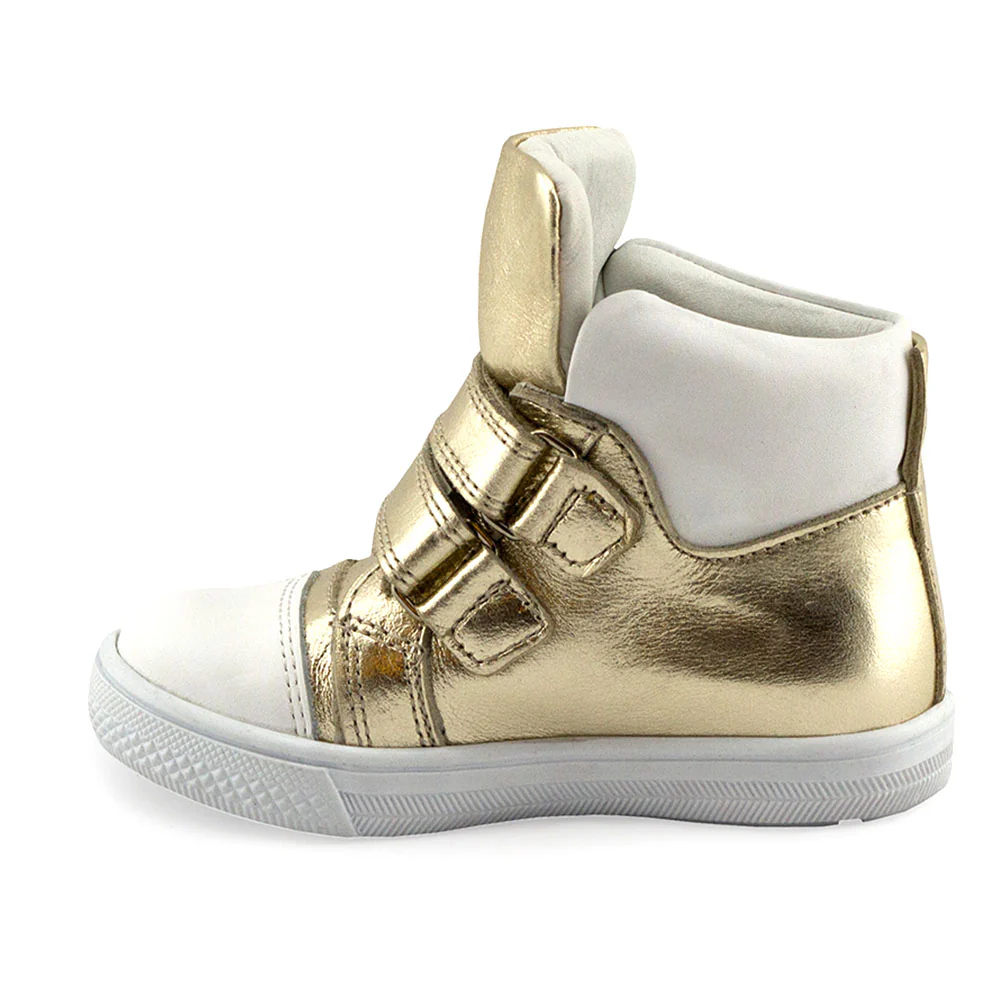
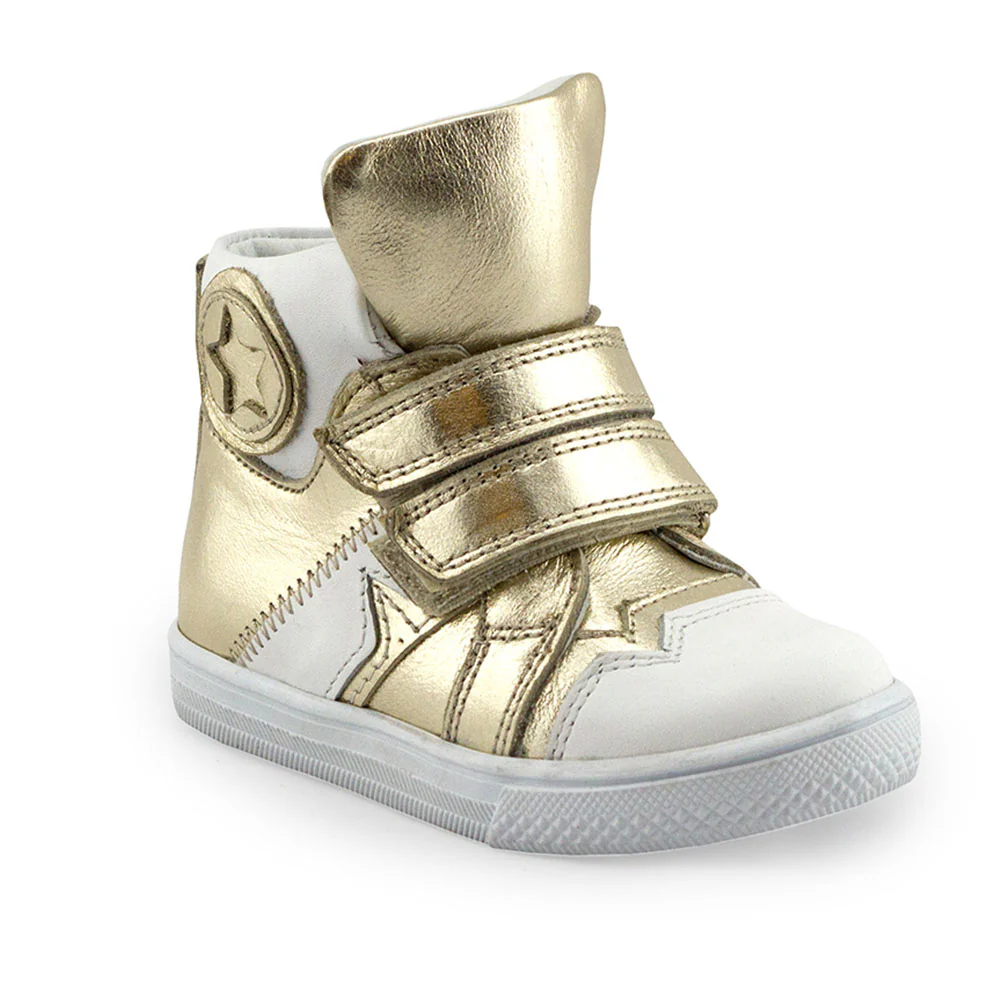
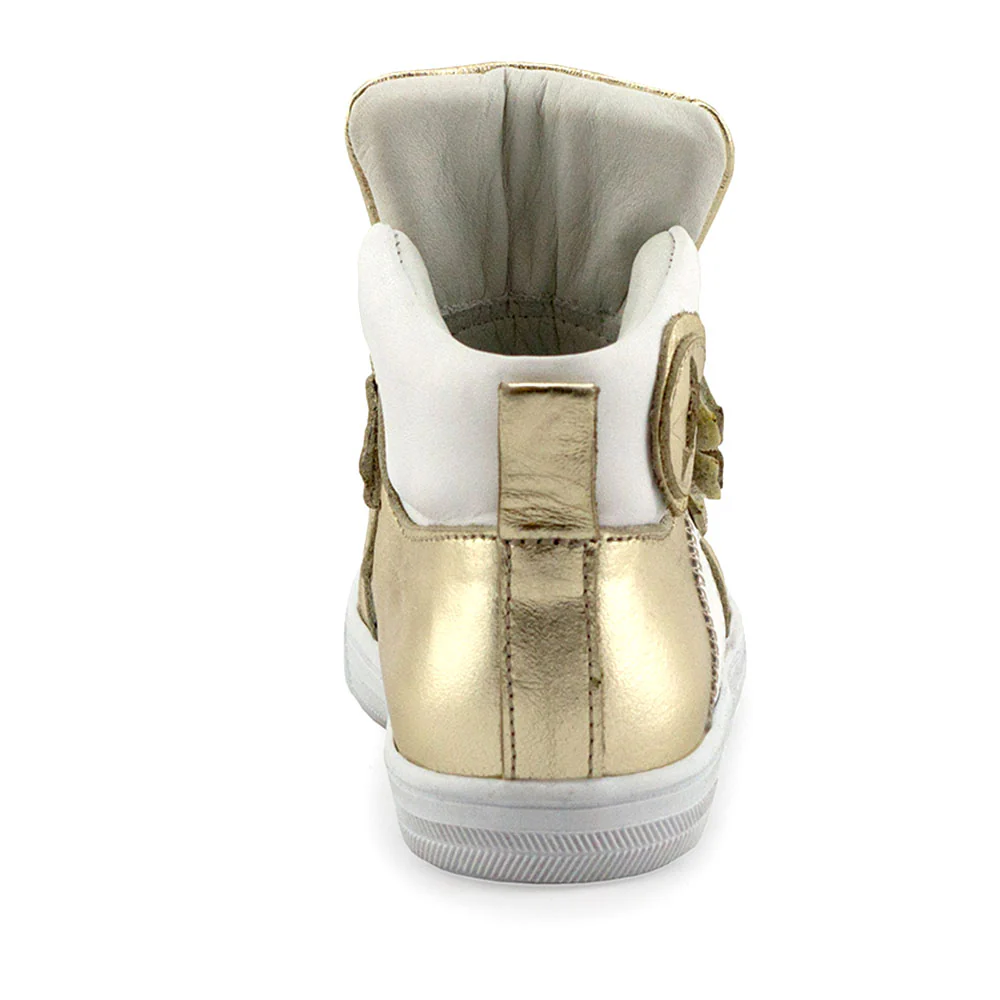
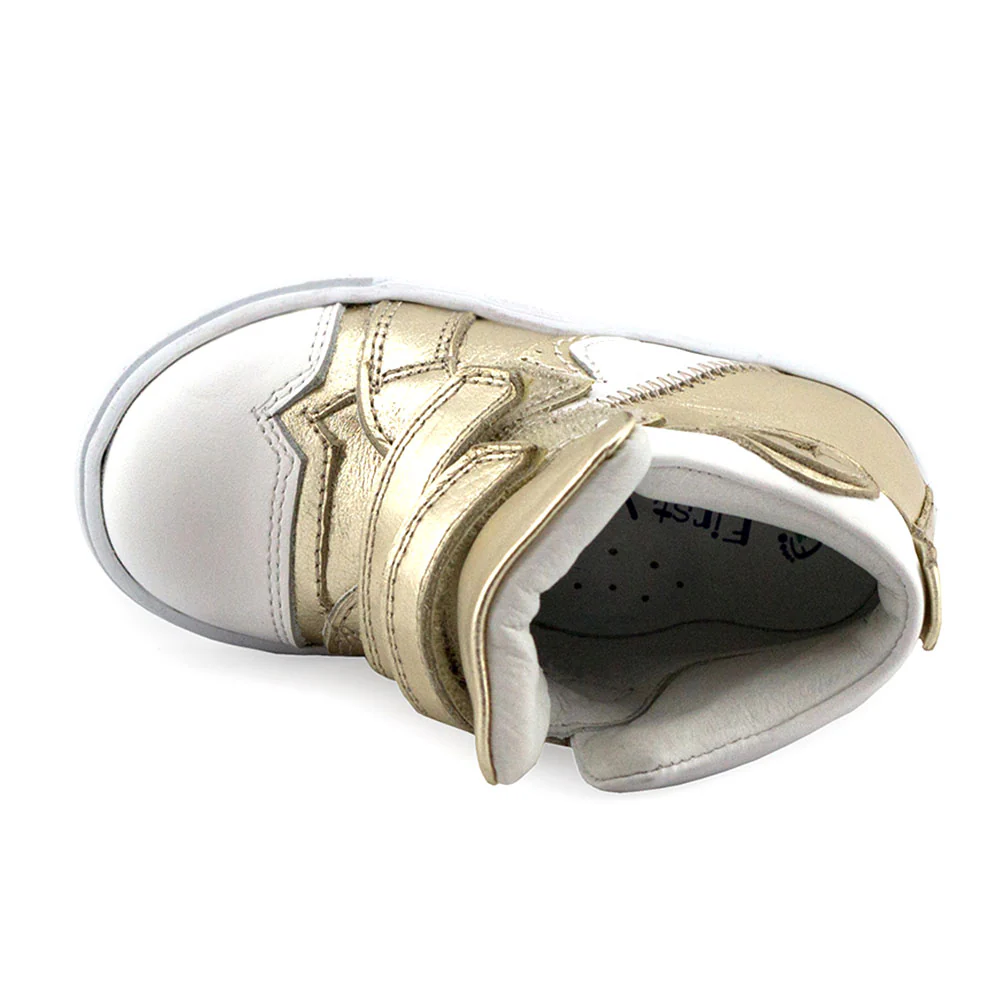
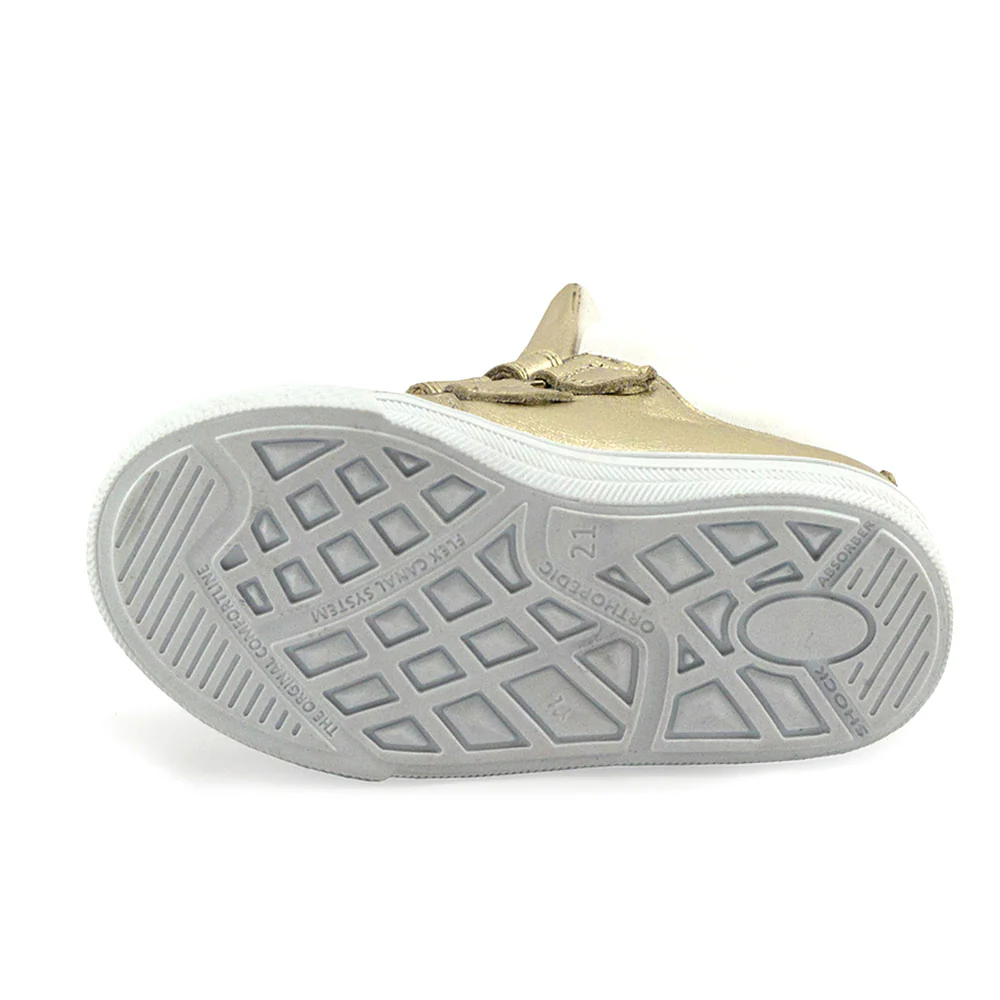
Olympic Sophia Sneakers
Reliable support that moves with your child from morning to night
Material
Leather
Type
Sneakers
Price
2–11.5 (AU)
Best features for sensory-sensitive children
- High-cut ankle design provides calming proprioceptive input
- Structured heel counter eliminates uncomfortable foot movement
- Slip-on accessibility reduces morning dressing struggles
- Gold leather construction withstands intensive wear patterns
- Consistent sensory feedback helps nervous system regulation
Why parents pick these shoes for sensory-sensitive children
The Olympic Sophia sneakers stand out as the most adaptable choice when your child needs one reliable pair that handles everything. The extended ankle height creates gentle compression that many sensory-seeking children find genuinely soothing—it's like a comforting hug for their feet, helping them feel grounded throughout the day.
What makes these sneakers particularly special is how they eliminate the shifting sensation inside the shoe. That structured heel counter keeps your little one's foot exactly where it should be, preventing the internal sliding that triggers tactile defensiveness in sensitive children. Your child gets predictable, consistent feedback with every step, which helps their nervous system stay regulated even during overwhelming situations.
Parents love how the Olympic Sophia transitions effortlessly from school classrooms to therapy appointments to evening family outings without requiring shoe changes. This matters enormously when you're managing a child who struggles with transitions—fewer shoe swaps mean fewer potential meltdowns and a calmer day for everyone.
2
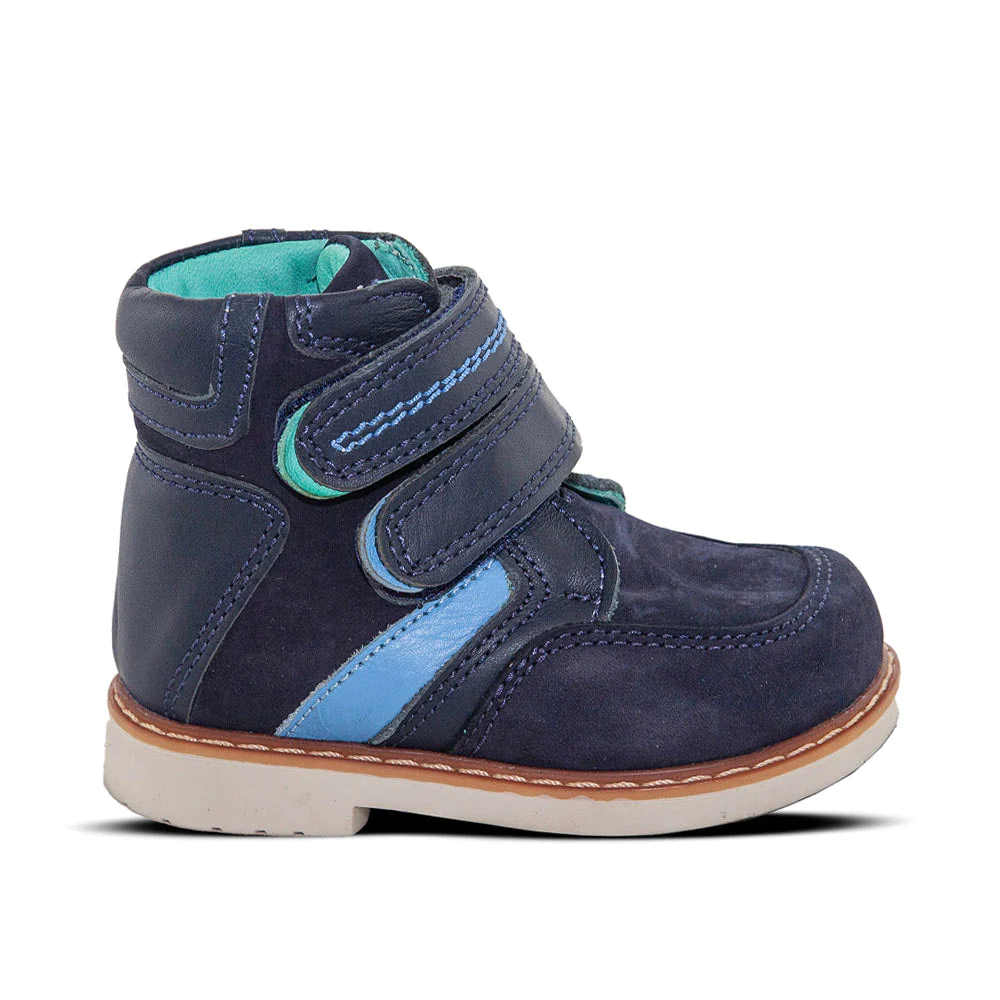
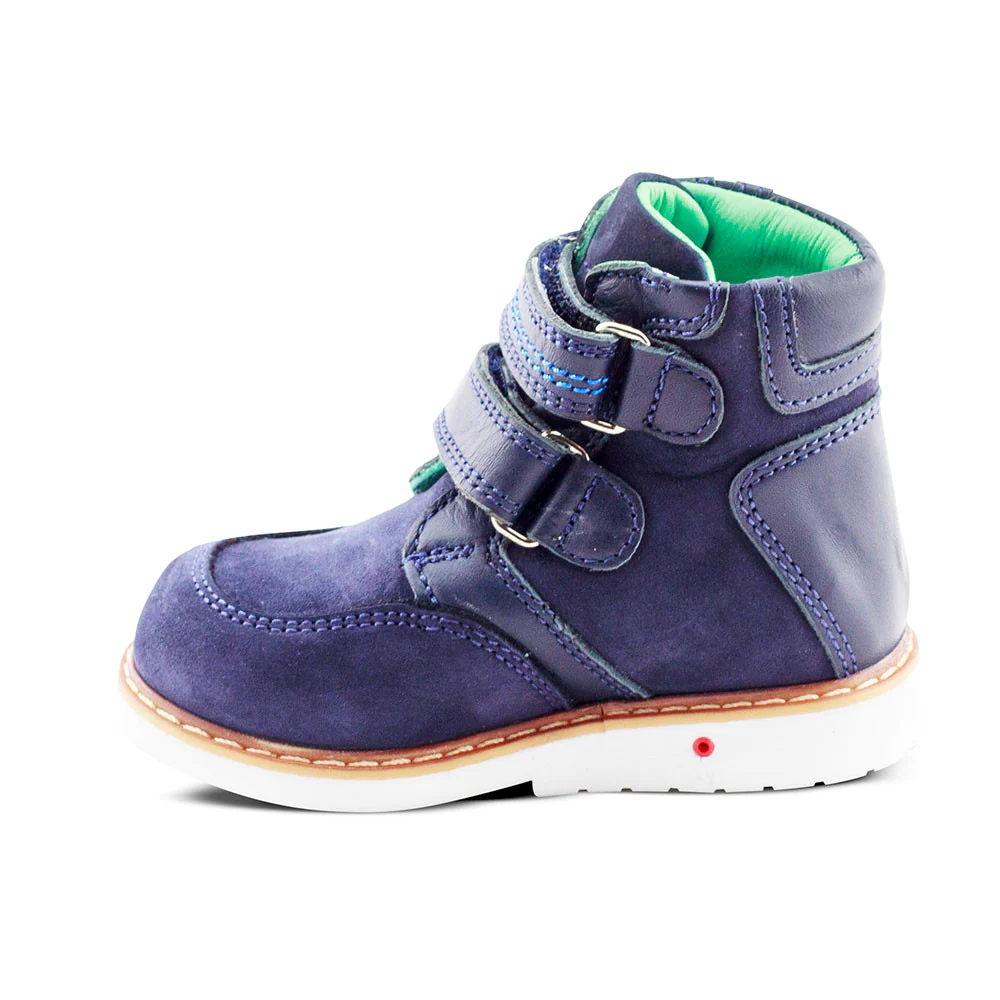
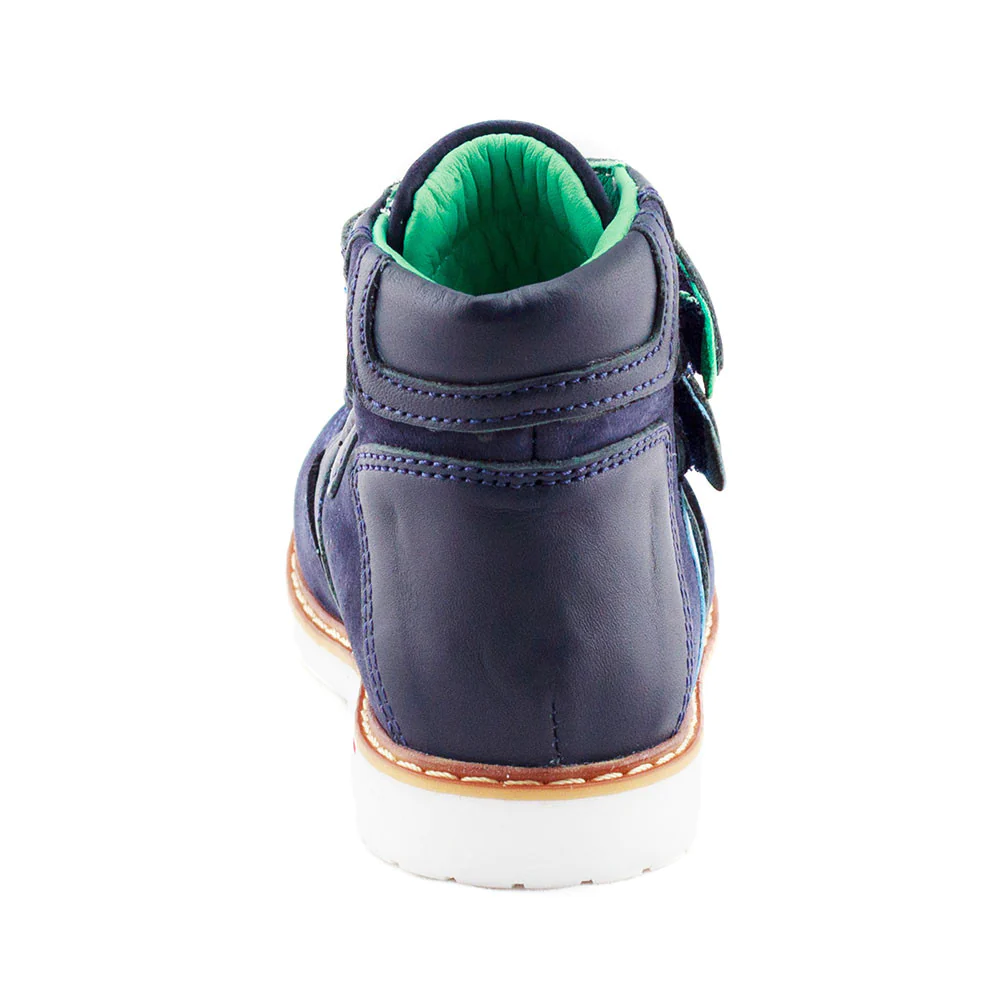
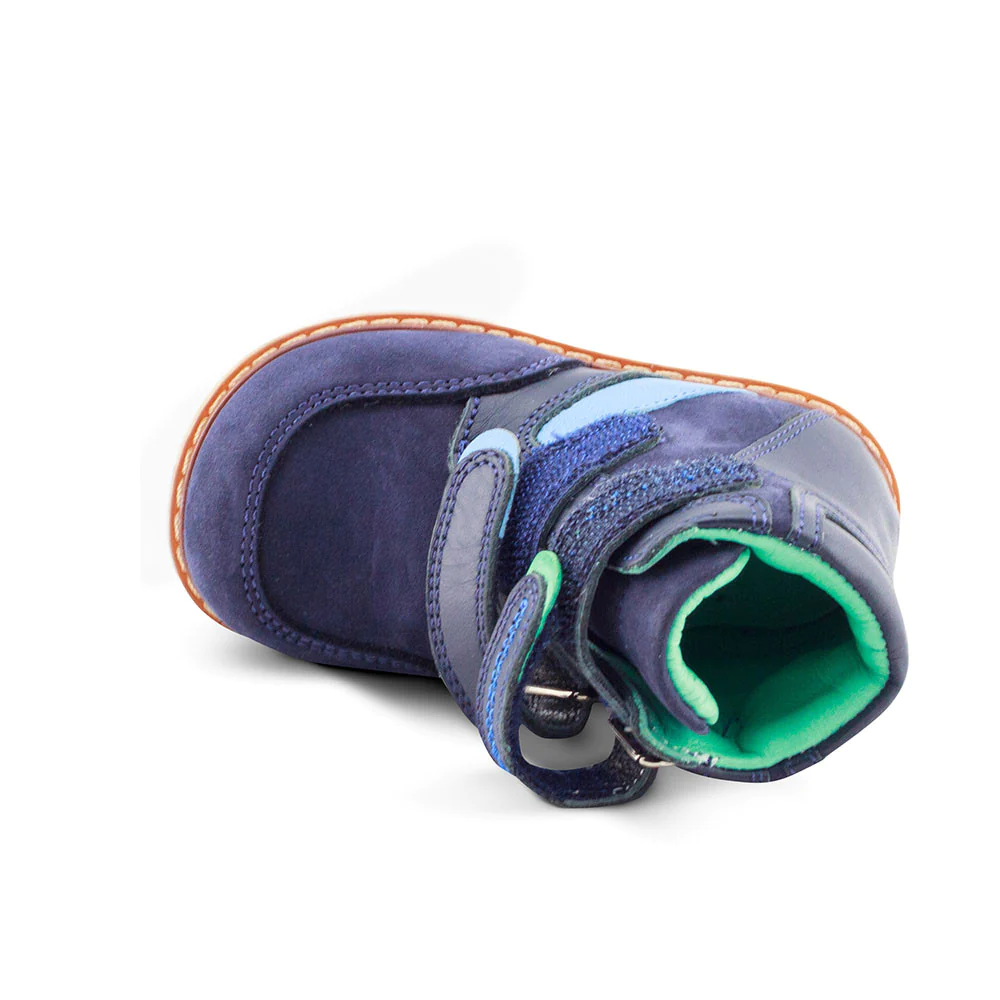
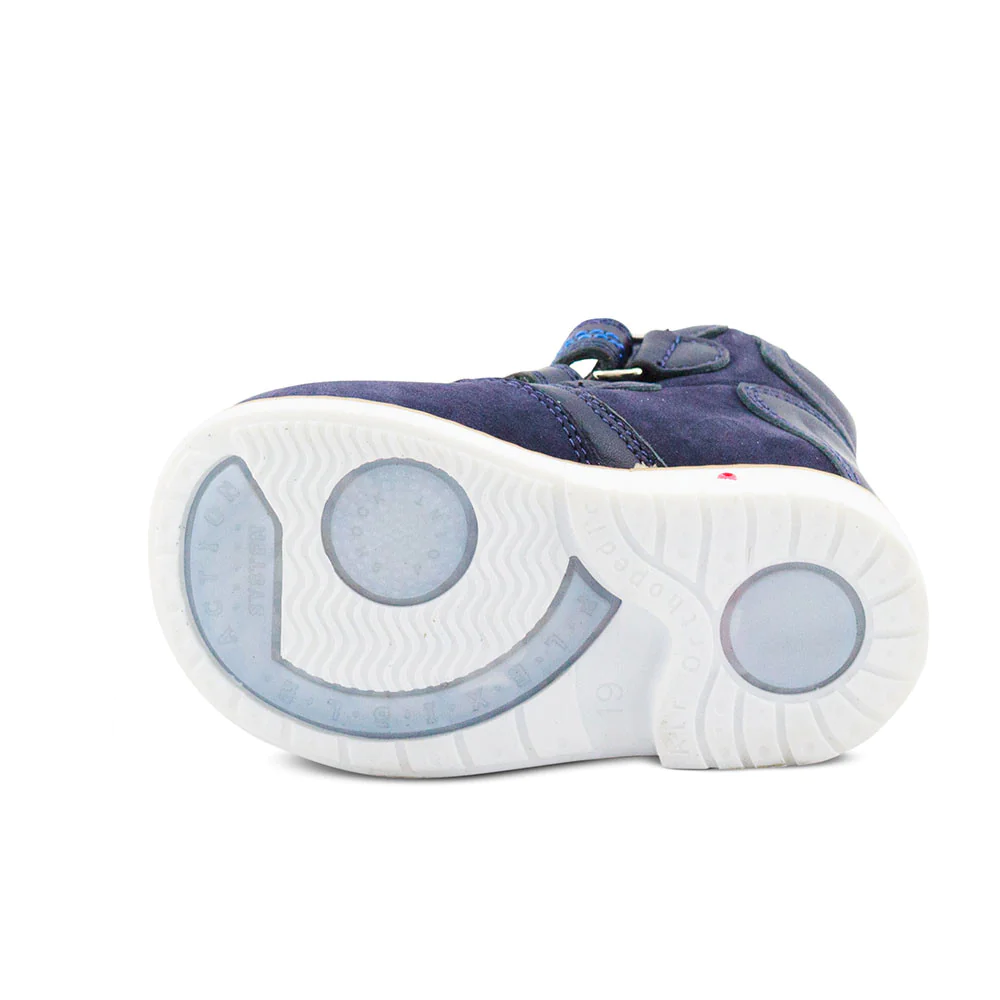
Velvet Logan Boots
School-ready support without the morning battle
Material
Nubuck Leather
Type
Boots
Price
2–11.5 (AU)
Best features for sensory-sensitive children
- Dual Velcro straps eliminate unpredictable lace pressure
- Orthopedic high-top prevents internal foot sliding
- Accommodates daily foot swelling during long school days
- Navy velvet provides a sophisticated appearance for formal settings
- Simplified fastening reduces fine motor frustration
Why parents pick these shoes for sensory-sensitive children
The Velvet Logan boots solve one of the biggest challenges sensory-sensitive children face: getting through an entire school day comfortably. Those dual Velcro straps let your child adjust pressure whenever they need to, without having to ask for help or struggle with complicated laces that never feel quite right.
What sets these orthopaedic ankle-supporting boots apart is how they handle the natural foot swelling that happens during long days of sitting, playing, and learning. The adjustable straps expand when your little one needs more room after lunch or recess, then tighten back up when needed—your child stays comfortable from morning bell to final dismissal.
Parents particularly appreciate how the Velvet Logan maintains proper posture during extended desk work while still protecting feet during recess roughhousing. The boot design means your child doesn't need separate shoes for different parts of their school day, simplifying both morning routines and school bag contents considerably.
3
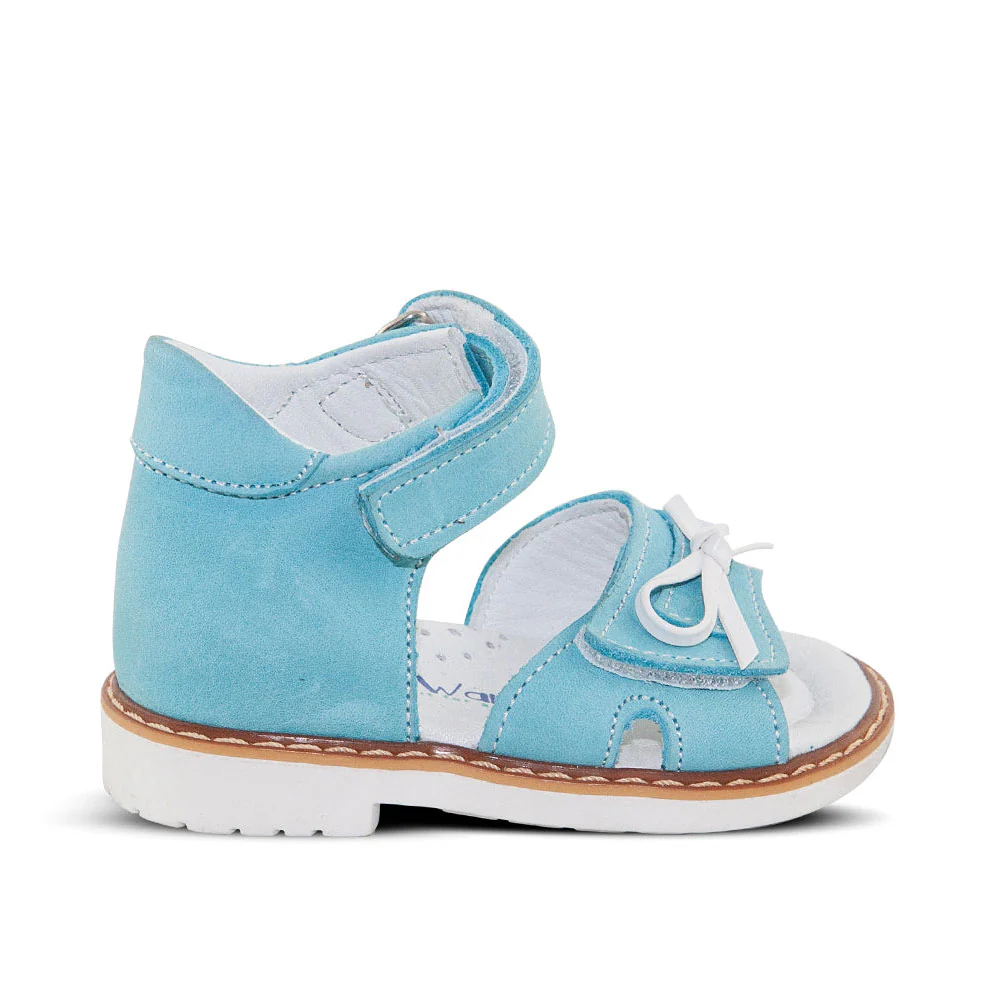
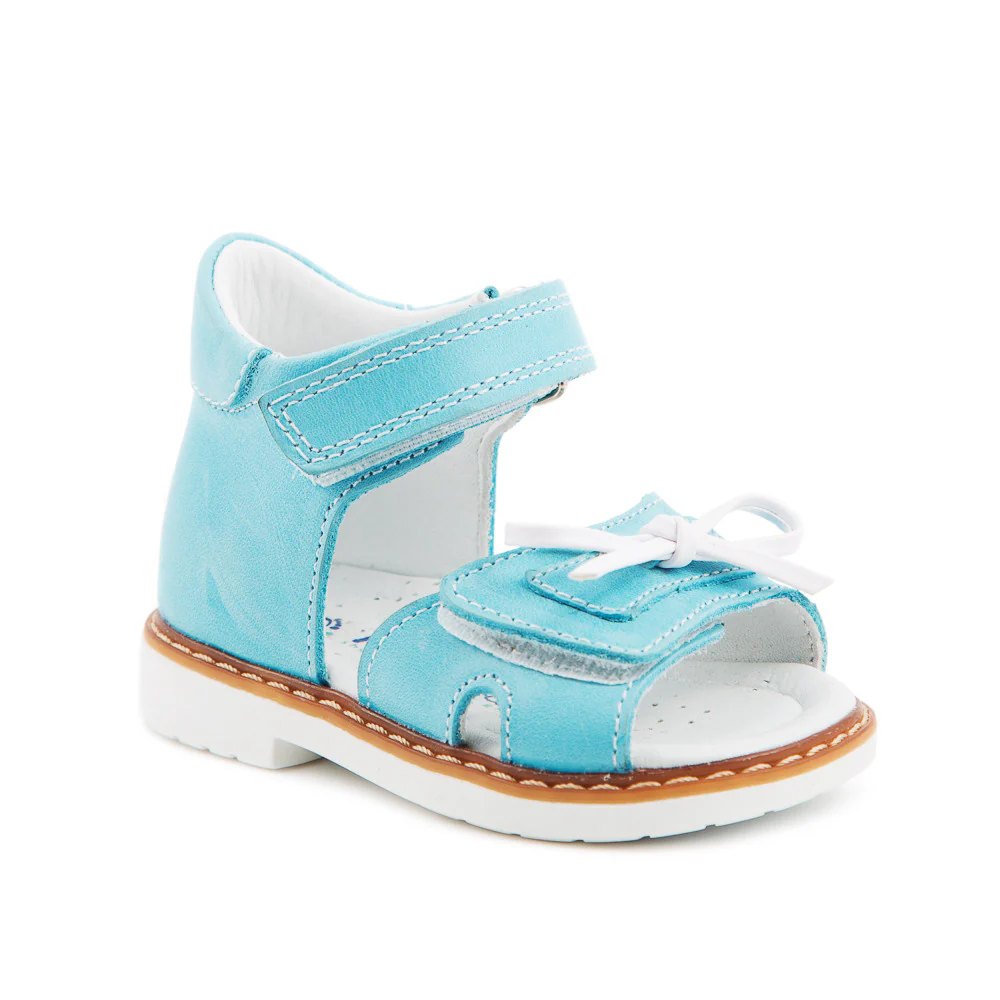
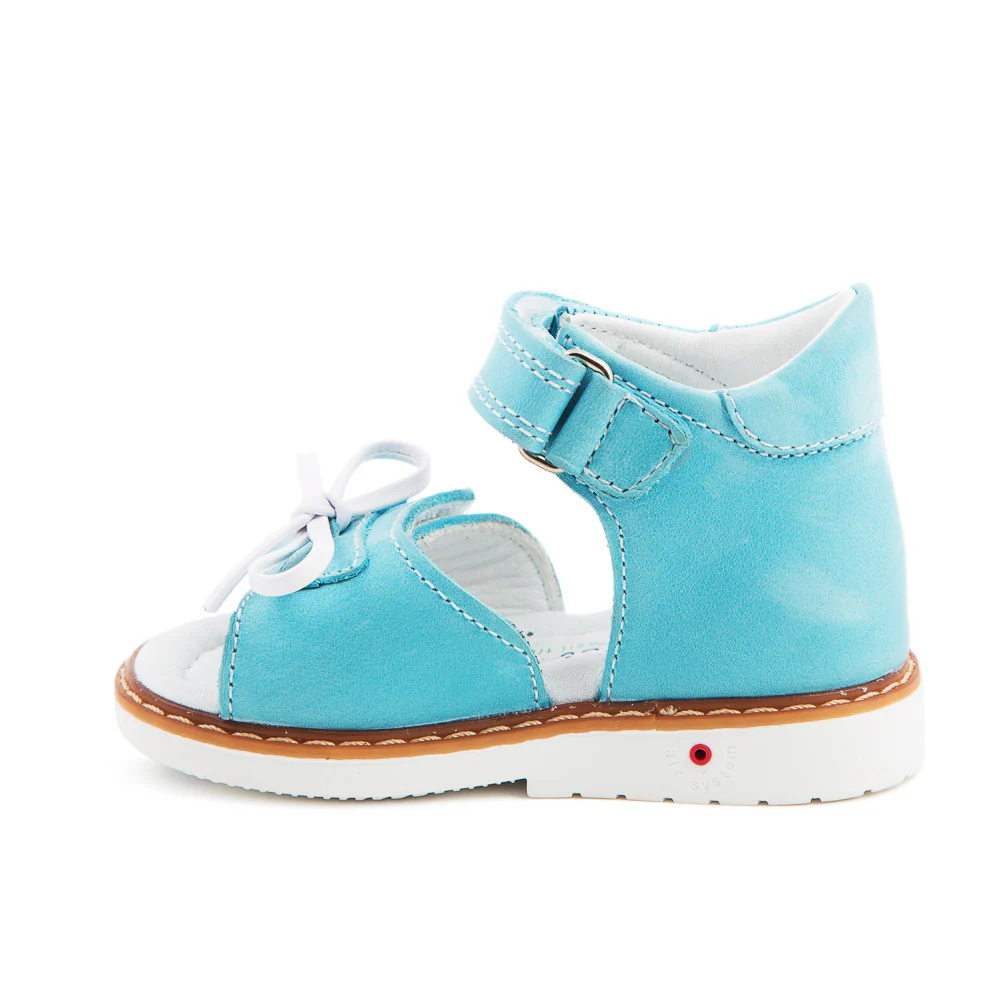
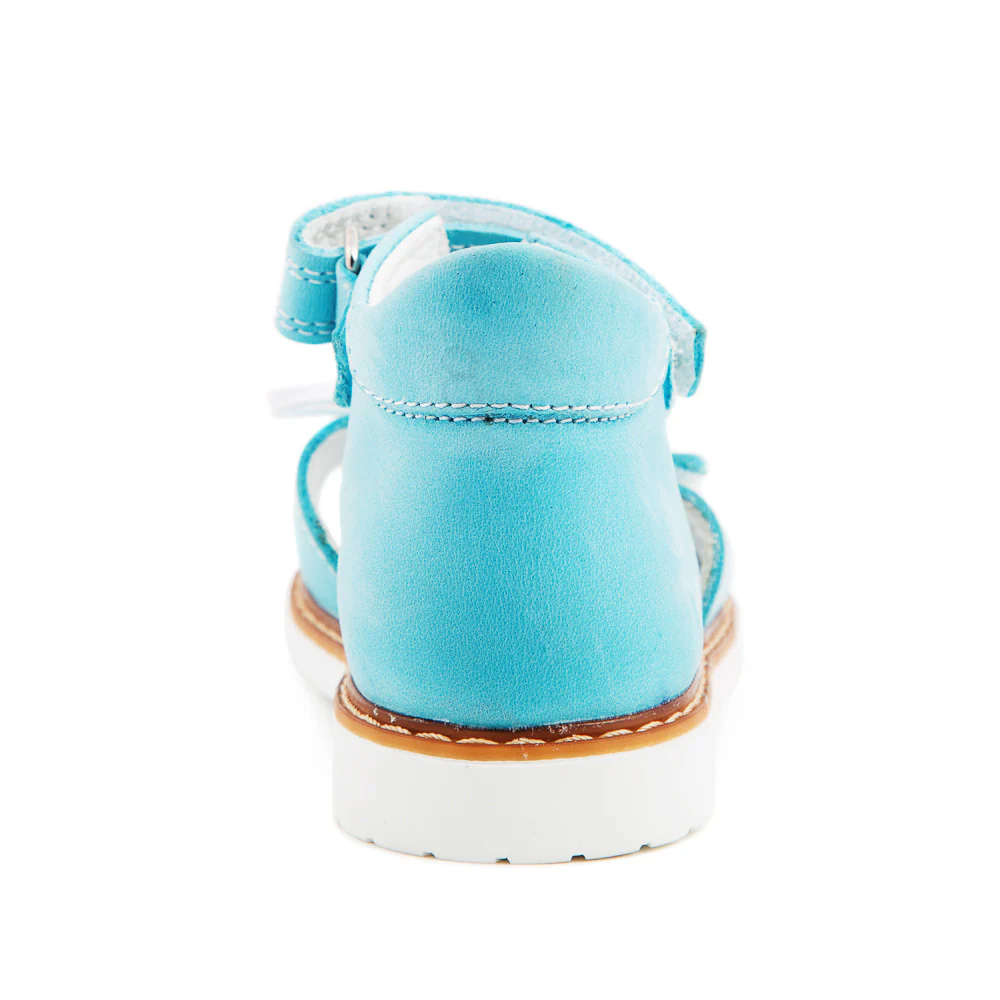
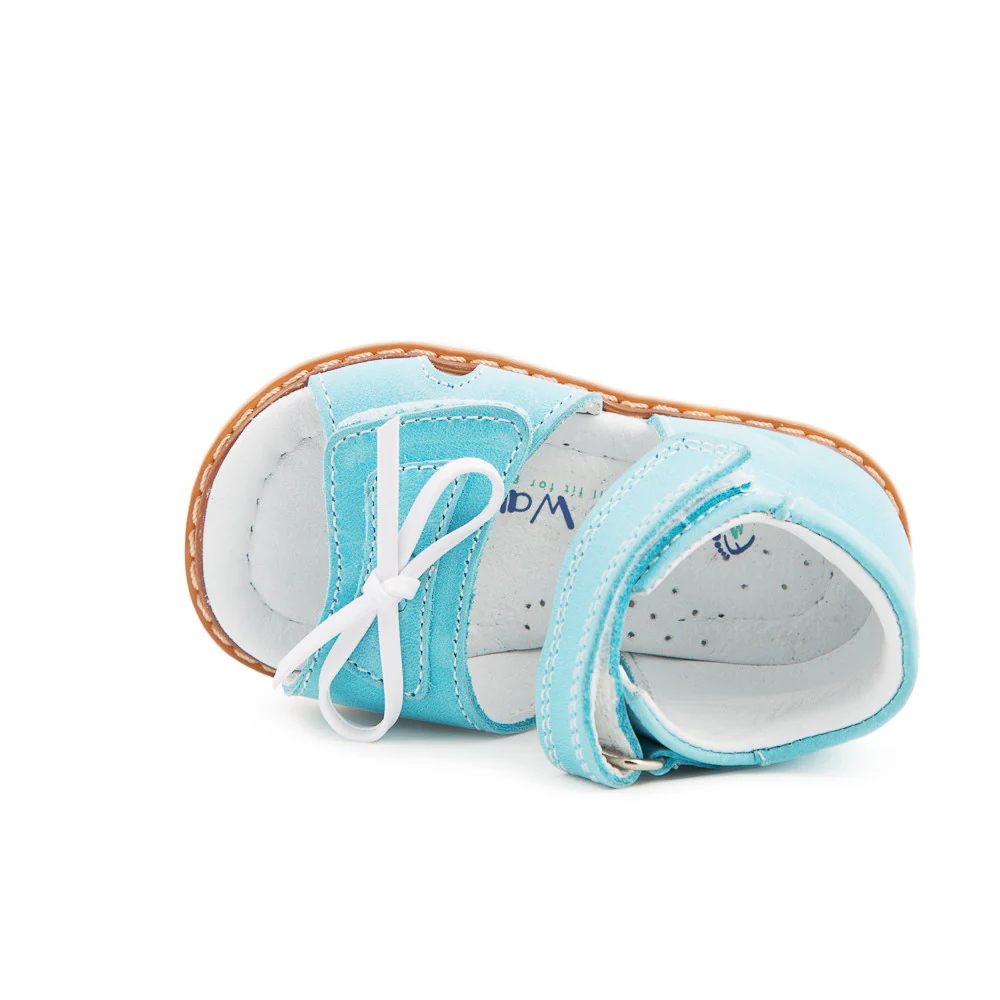
Sweet Bluebells Sandals
Breathable comfort for all-day indoor wear
Material
Nubuck Leather
Type
Sandals
Price
2–11.5 (AU)
Best features for sensory-sensitive children
- Open sandal design eliminates enclosed, claustrophobic sensation
- Supportive footbed prevents foot sliding and friction
- Natural air circulation prevents heat and moisture buildup
- Adjustable straps adapt to changing sensory needs
- Charming floral design boosts confidence during social gatherings
Why parents pick these shoes for sensory-sensitive children
The Sweet Bluebells sandals provide relief for children who simply cannot tolerate the closed-in feeling of regular shoes. That open sandal construction lets your child's feet breathe naturally while still maintaining the arch support and structure their developing feet need.
What makes these shoes ideal for home use is how they balance support with freedom. Your little one gets the therapeutic benefits of proper foot alignment without the overwhelming sensation of material wrapping around their entire foot. The breathable design prevents that sticky, sweaty feeling that intensifies sensory discomfort during active indoor play.
Parents find the Sweet Bluebells as the best sandals that offer stylish support. The easy-to-manage straps mean your little one can remove them quickly for sensory breaks, then slip them back on independently when they're ready—building confidence alongside comfort.
4
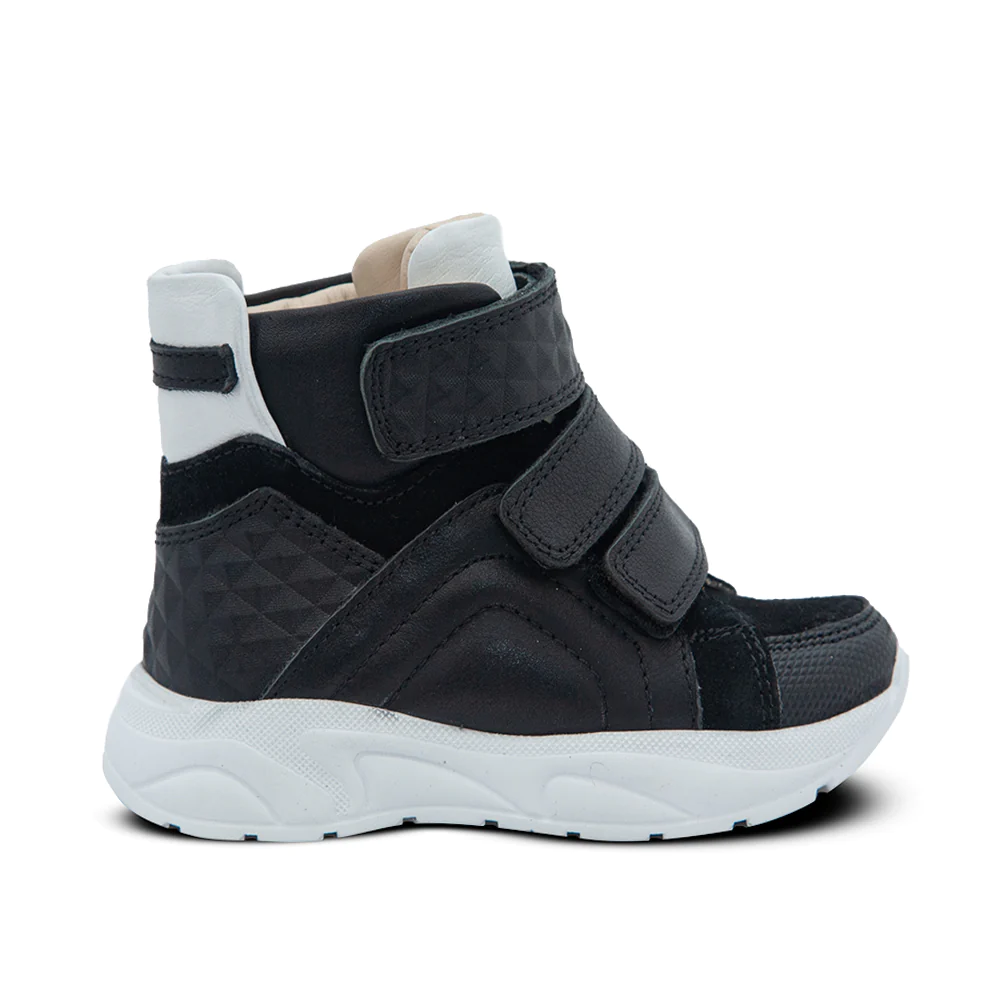
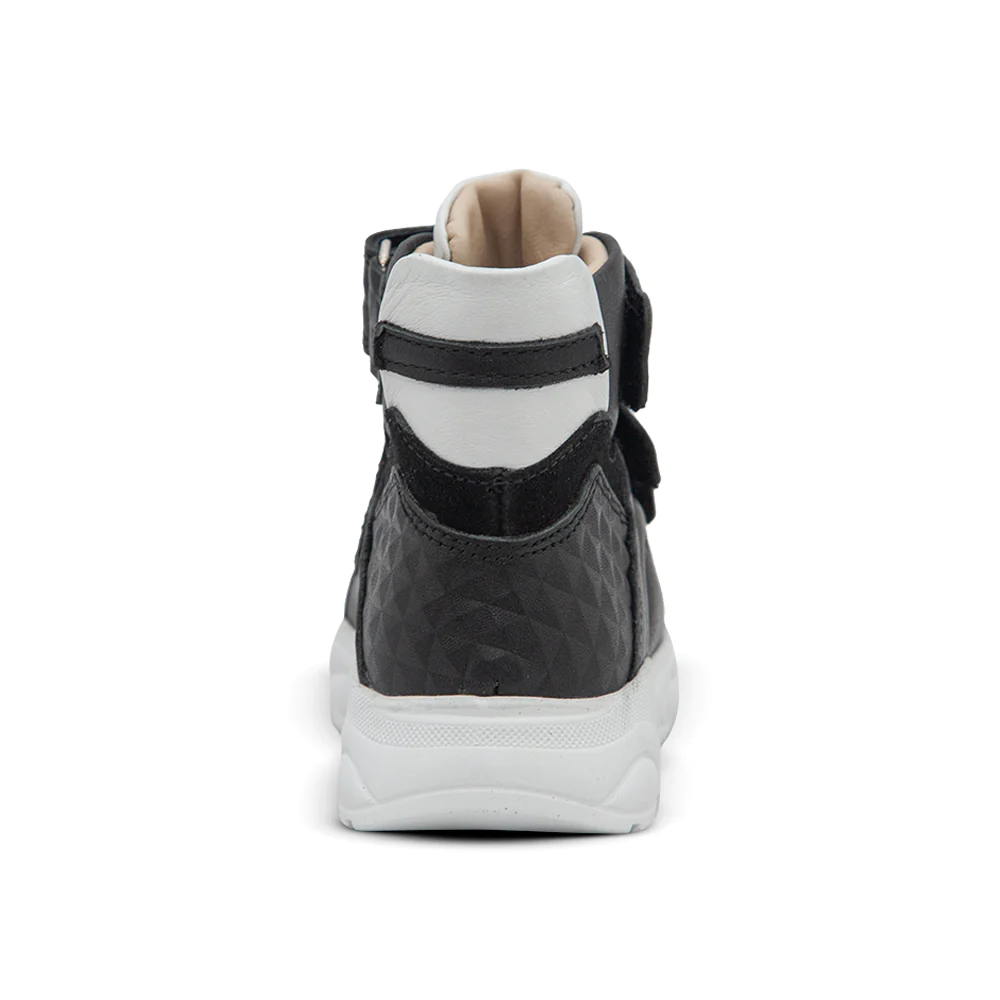
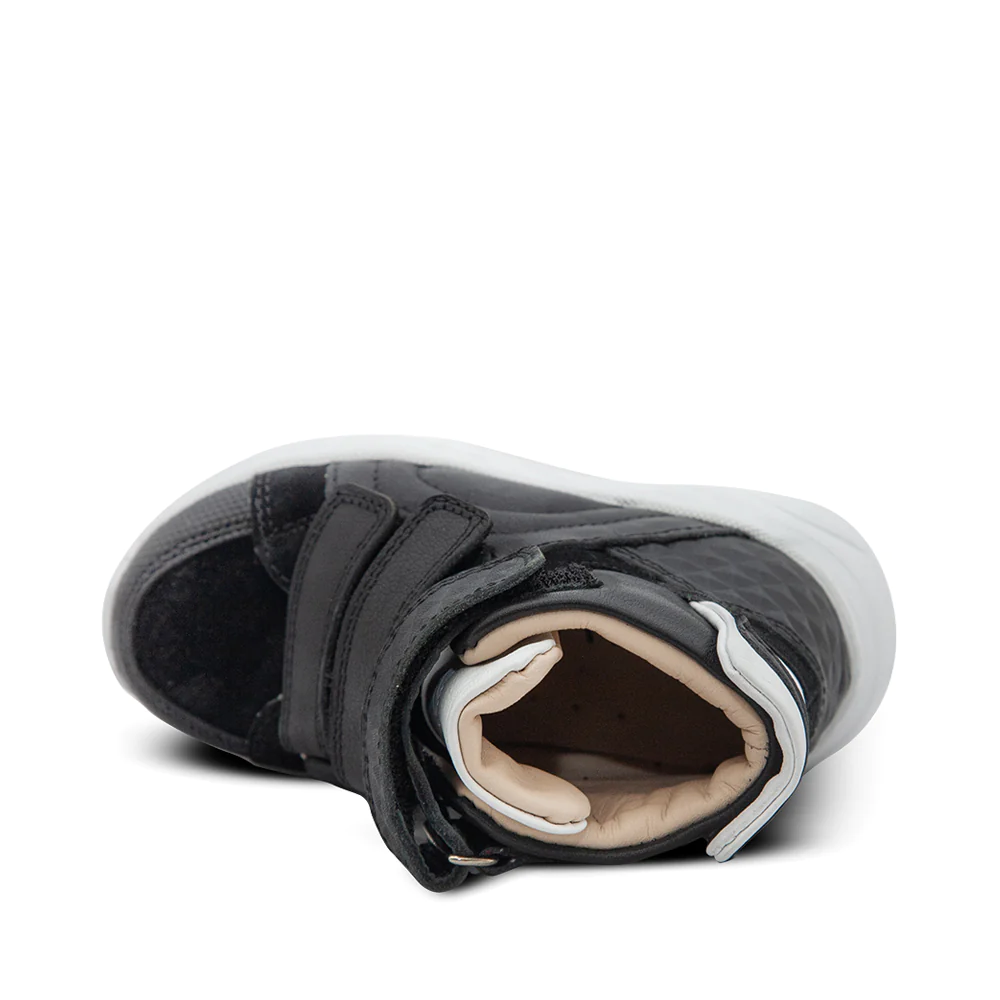
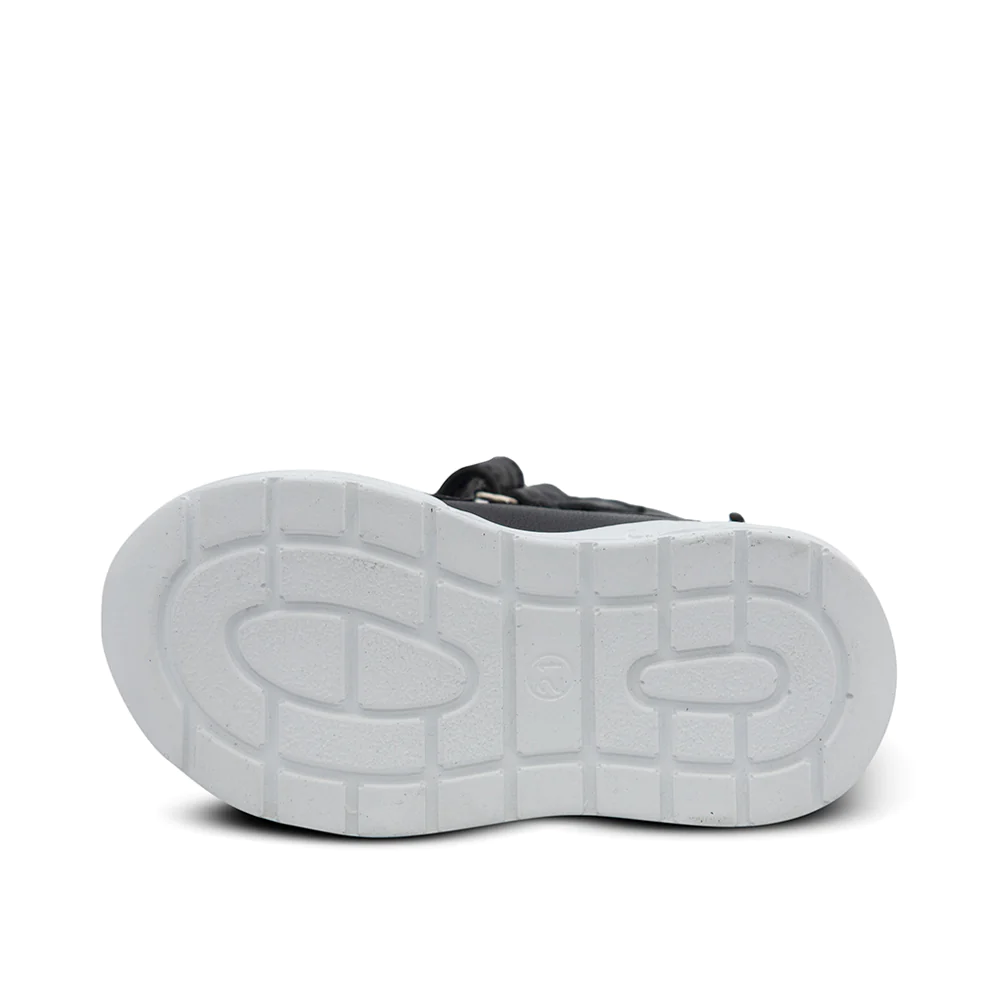
Dopey Smith Sneakers
Adventure-ready shoes that handle rough play
Material
Leather + Nubuck Leather
Type
Sneakers
Price
2–11.5 (AU)
Best features for sensory-sensitive children
- Triple Velcro straps provide graduated, adjustable pressure
- Extended ankle support creates a regulating cocoon sensation
- Shock-absorbent outsoles reduce jarring impact sensations
- Anti-bacterial insoles prevent odor-related sensory triggers
- Removable insole allows orthotic customization
Why parents pick these shoes for sensory-sensitive children
The Dopey Smith sneakers is built for children who need serious durability without sacrificing sensory comfort. That triple Velcro strap system distributes pressure across three separate points instead of concentrating it in one area—your child gets secure support without any single strap feeling too tight or overwhelming.
What sets these durable orthopaedic sneakers apart for outdoor adventures is how those shock-absorbent outsoles cushion every jump, climb, and run. For children whose proprioceptive systems get easily overwhelmed by impact, this cushioning makes the difference between confidently exploring playgrounds and avoiding outdoor play altogether.
Parents choose the Dopey Smith because it survives the intensive wear patterns that come with sensory-seeking behaviors—the climbing, stomping, and rough terrain exploration that many children need for regulation. The anti-scratch toe protection and leather construction mean this investment lasts through seasons of hard play, providing better value than constantly replacing cheaper shoes.
5
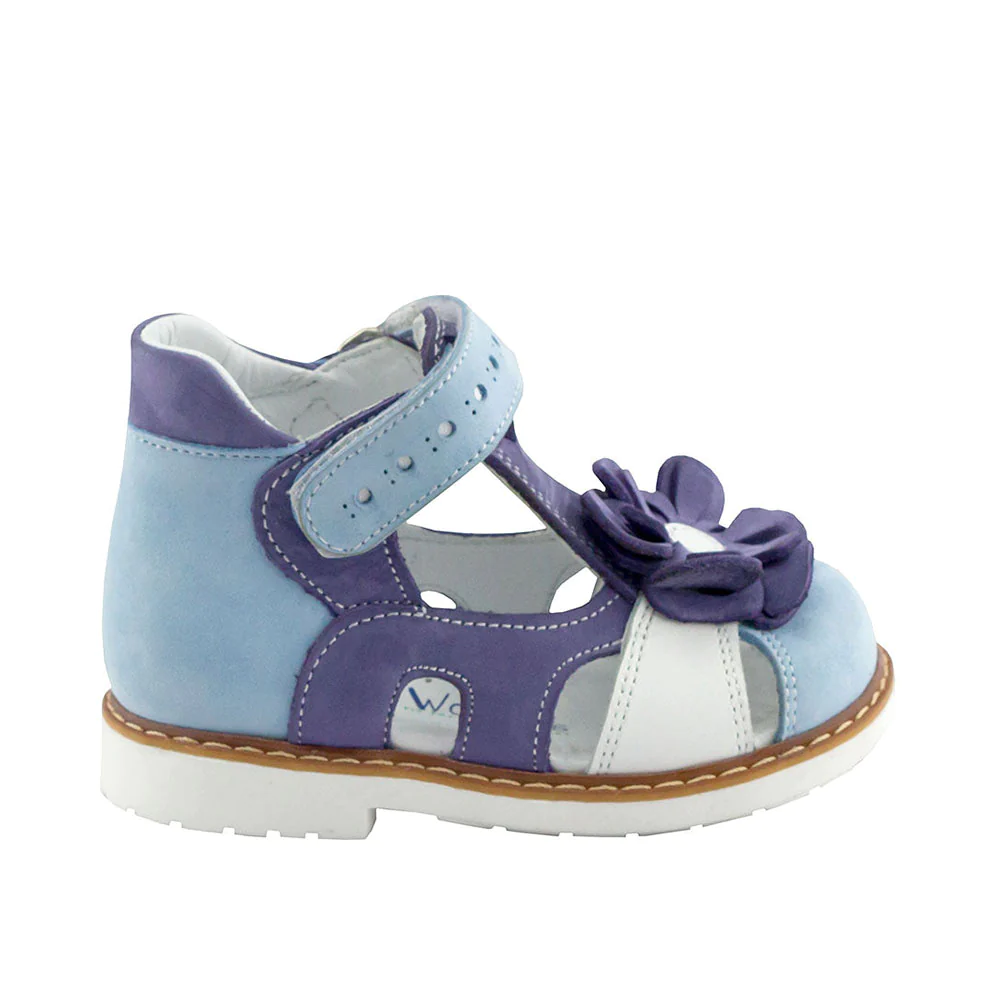
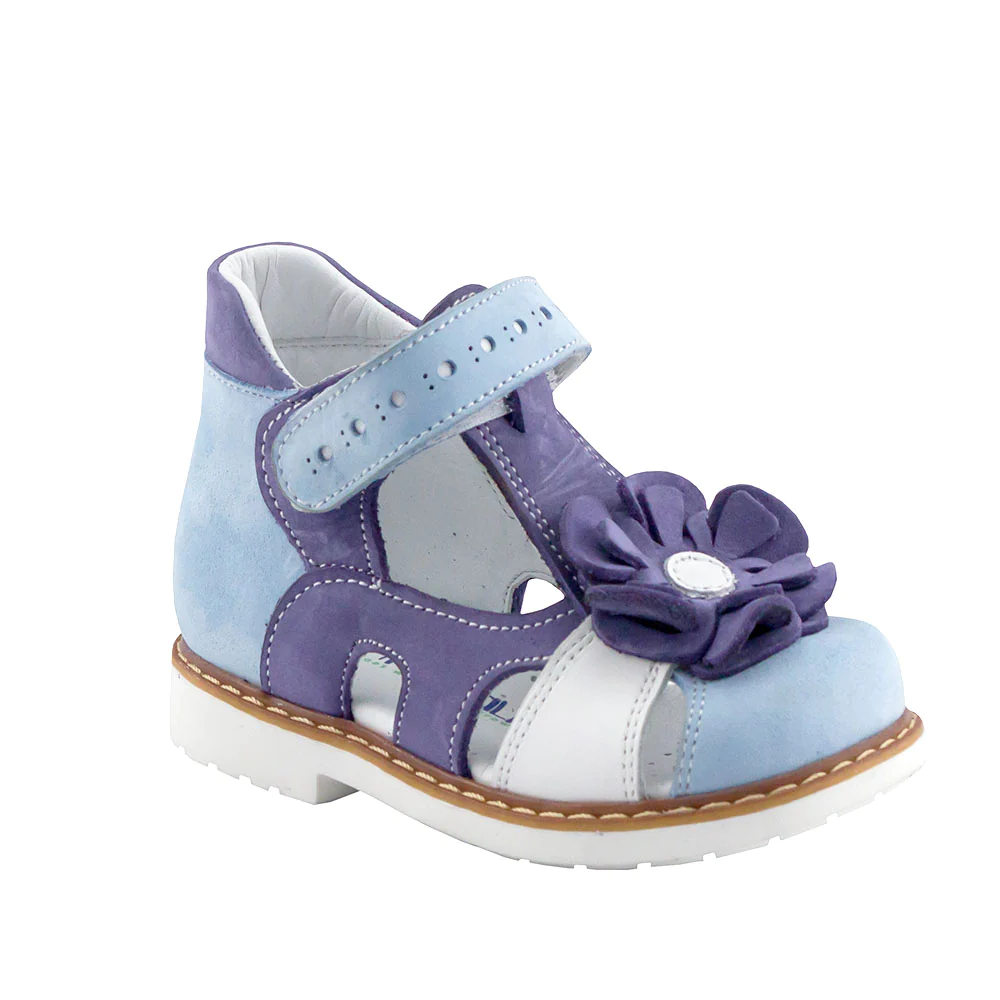
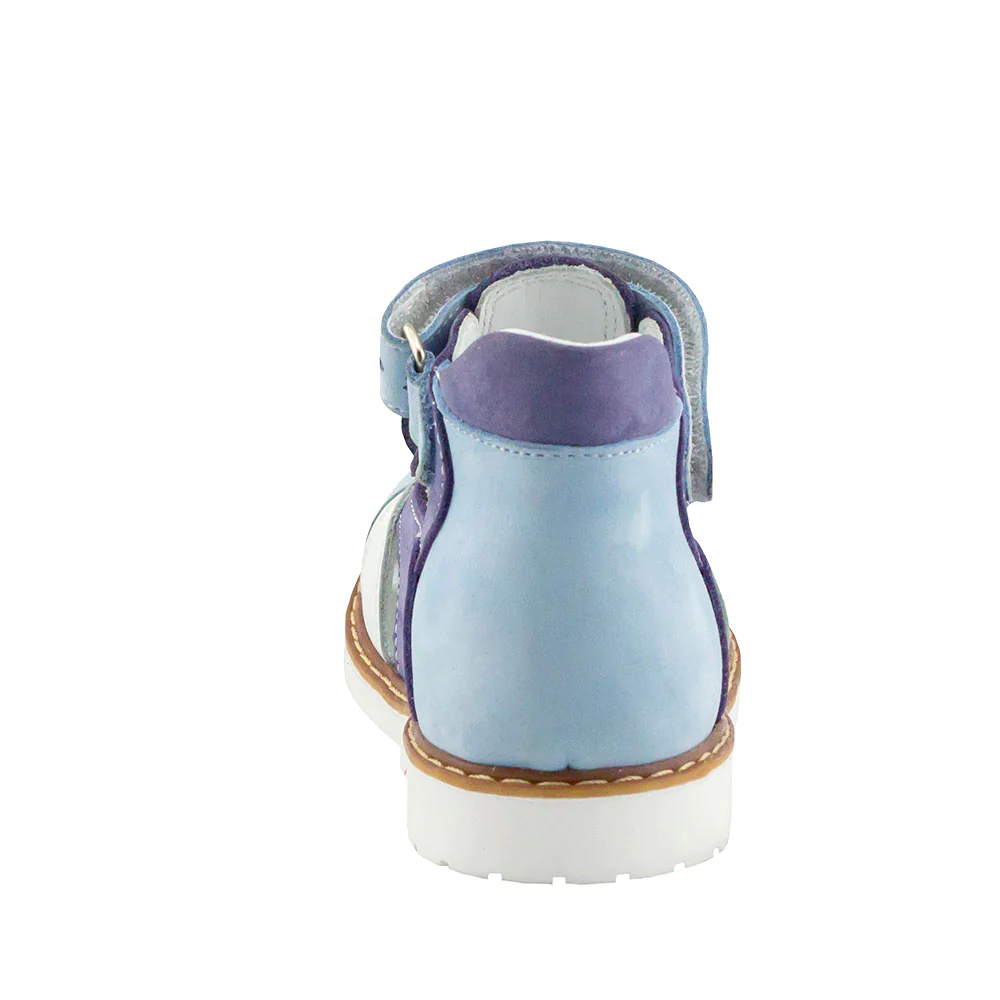
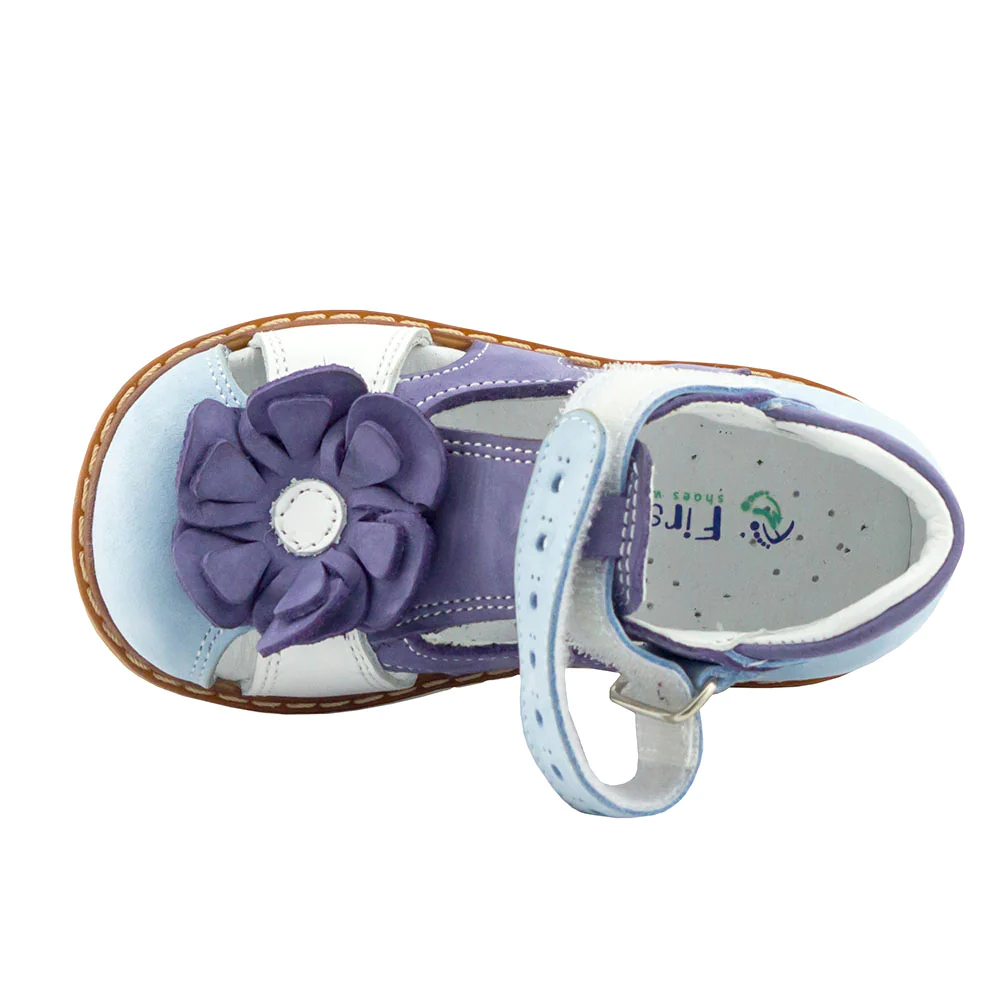
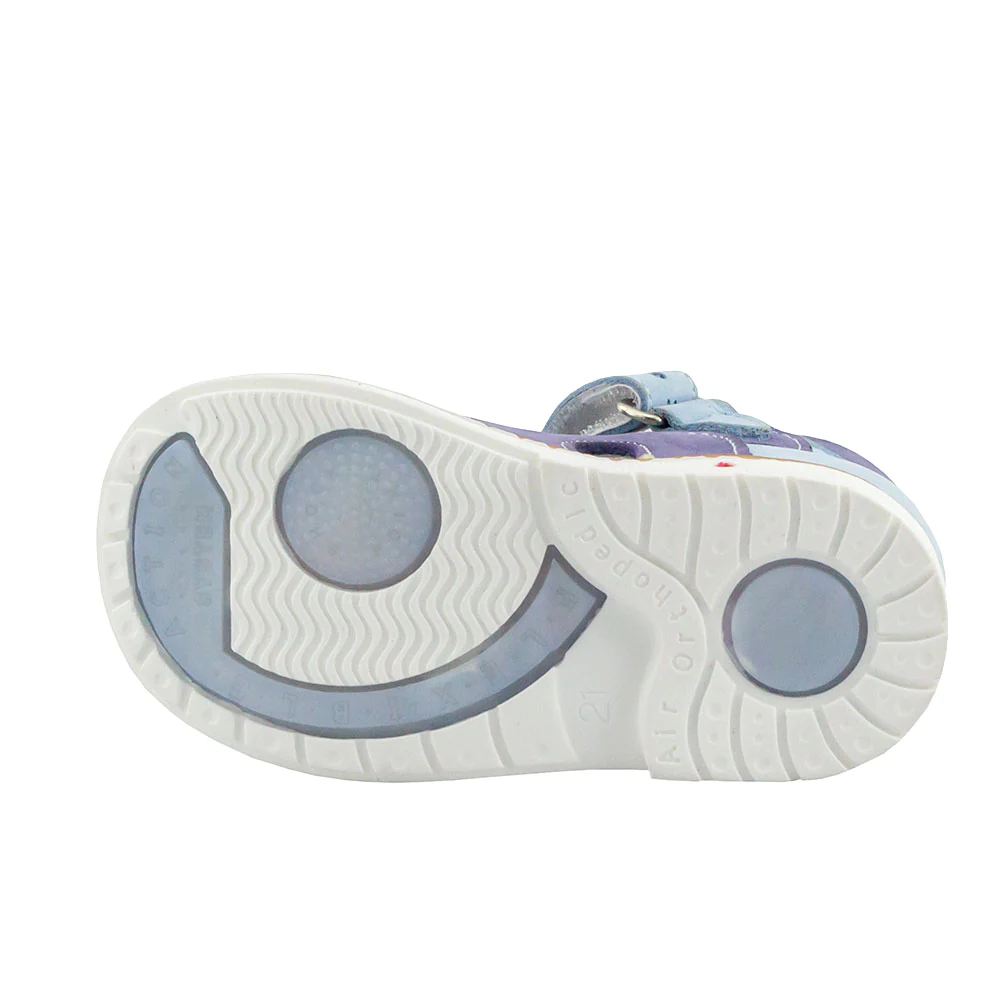
Eva Azure Sandals
Princess-worthy looks with therapeutic benefits
Material
Leather + Nubuck Leather
Type
Sandals
Price
2–11.5 (AU)
Best features for sensory-sensitive children
- Anti-bacterial insoles prevent olfactory sensory triggers
- Built-in air valves actively reduce moisture accumulation
- Thomas' heel design reduces uncomfortable foot shifting
- Adjustable Velcro allows independent pressure adjustments
- Decorative flowers appeal to fashion-conscious children
Why parents pick these shoes for sensory-sensitive children
The Eva Azure sandals prove that sensory-friendly shoes don't have to look medical or boring. Those pretty flowers and bright colors help your daughter feel feminine and confident during social situations where appearance matters to her—birthday parties, family photos, special events.
What makes these sandals genuinely special beyond their looks is the air valve technology that prevents moisture buildup. For children acutely aware of dampness or clamminess against their skin, this active ventilation system eliminates a major sensory trigger that other shoes create during extended wear.
Parents love how these sandals handle both playground adventures and formal occasions with equal grace. Your daughter gets therapeutic support during active play, then transitions seamlessly to looking pretty at family gatherings, no shoe changes required, which means one less potential battle during already stressful special occasions.
6
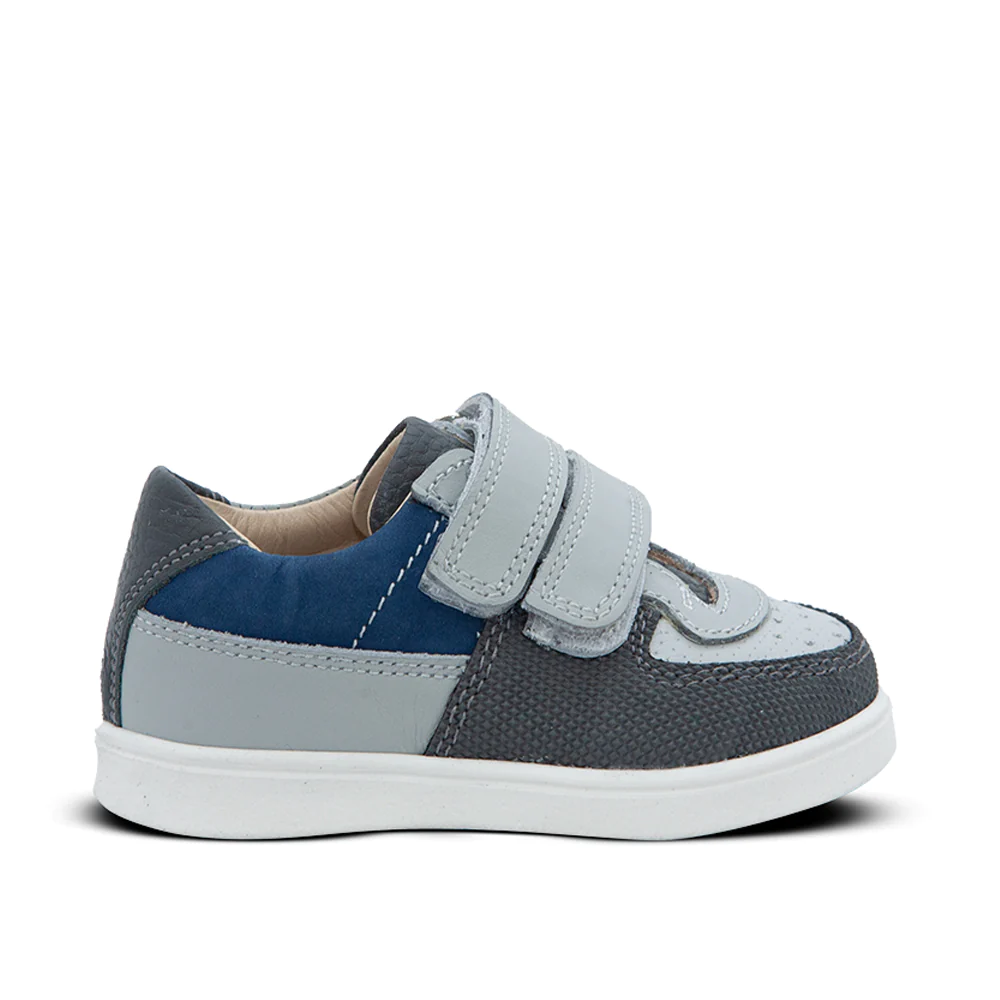
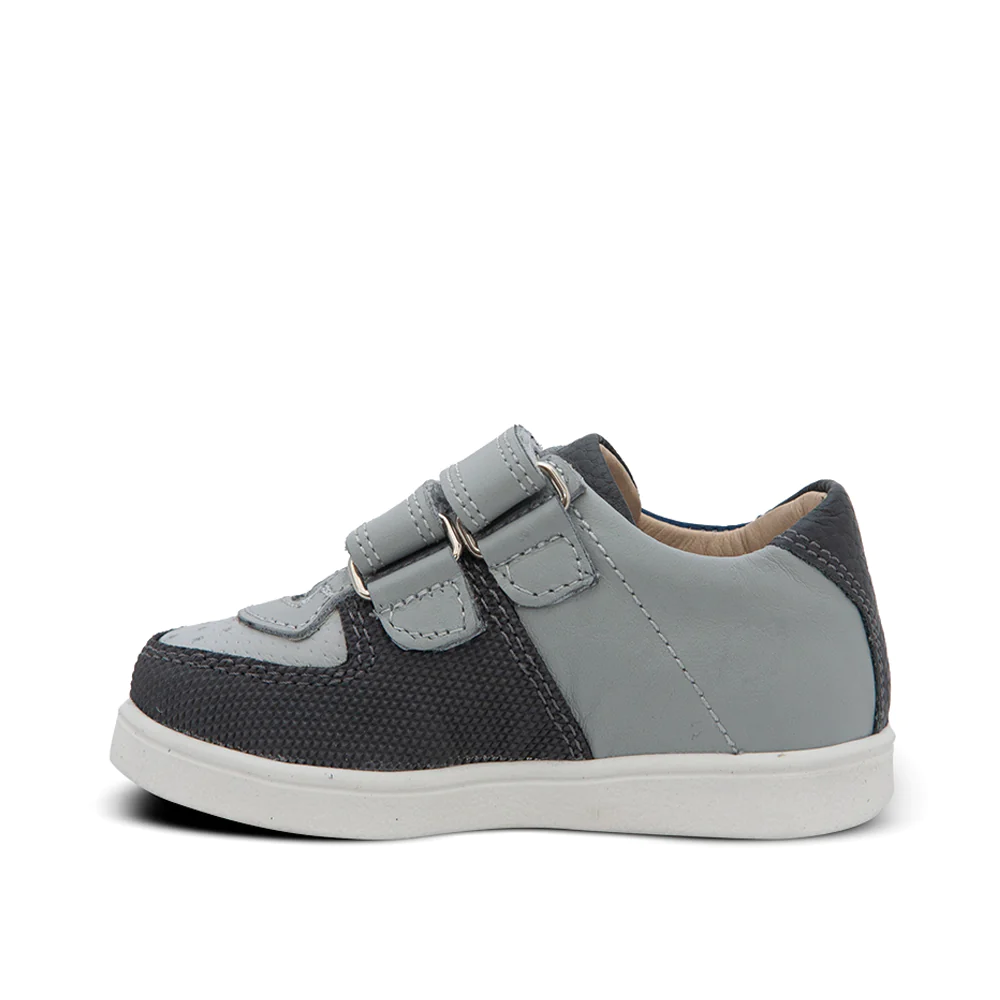
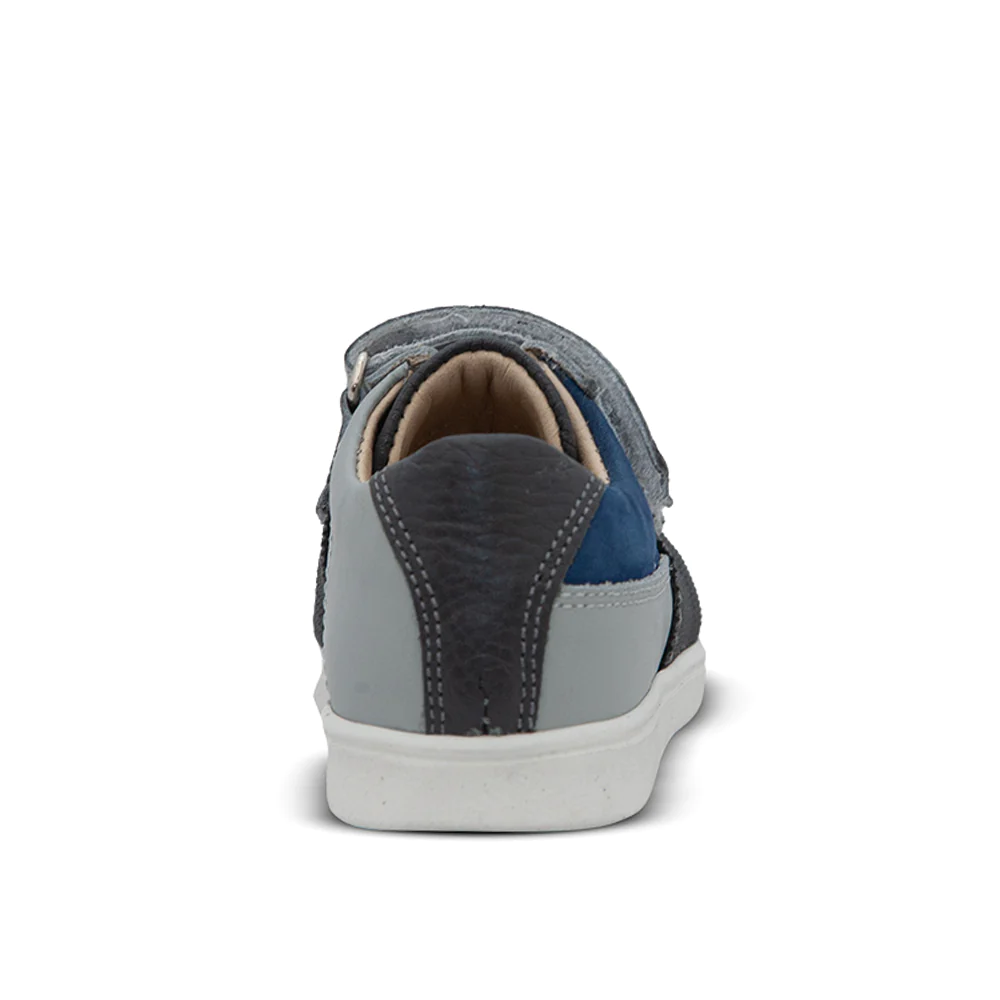
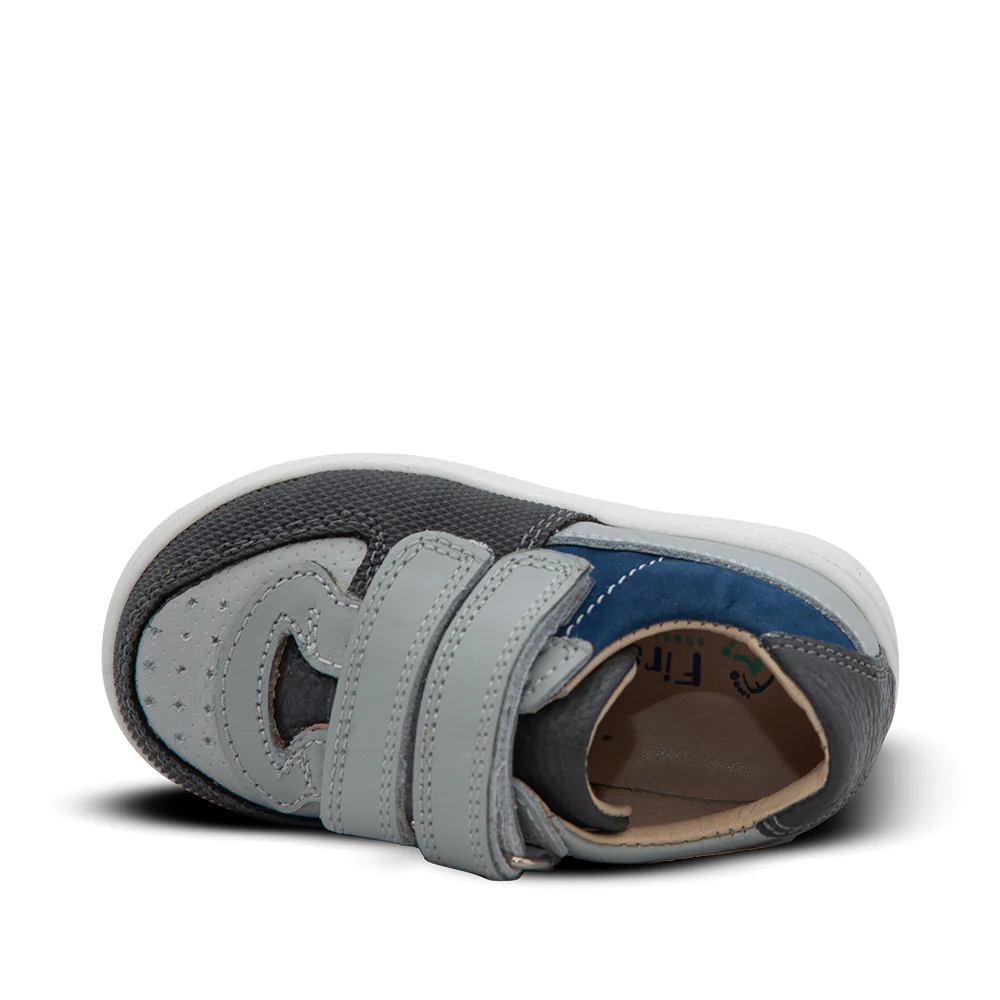
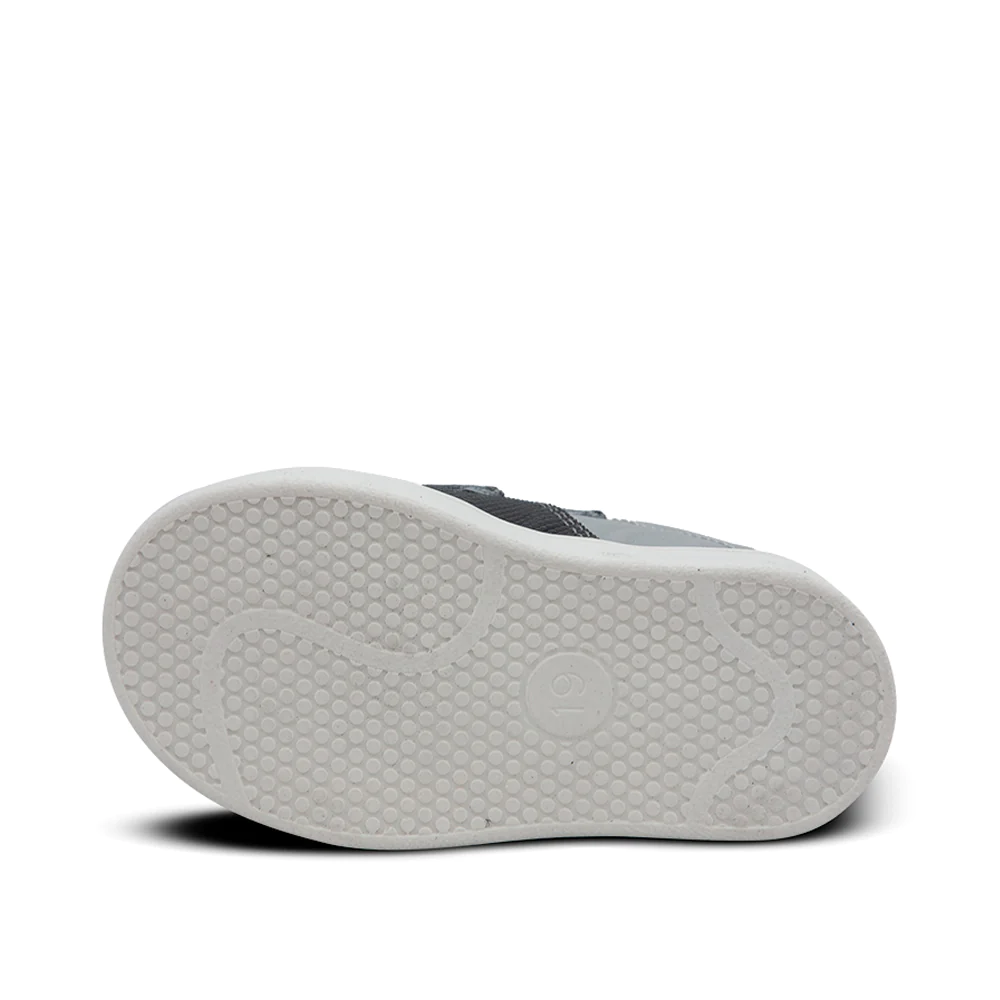
Scott the Alpha Sneakers
Athletic style that helps boys fit in
Material
Leather
Type
Sneakers
Price
2–11.5 (AU)
Best features for sensory-sensitive children
- Dual Velcro straps distribute pressure evenly
- Removable insole accommodates orthotics without pressure
- Anti-bacterial properties prevent odor sensitivities
- Athletic styling helps boys blend in during peer activities
- Anti-scratch toe extends lifespan significantly
Why parents pick these shoes for sensory-sensitive children
The Scott the Alpha sneakers address something many parents don't talk about: how much appearance matters for social acceptance. That sporty grey-and-blue design helps your son feel confident during recess, PE class, and playground activities without his shoes marking him as "different."
What sets these flexible toddler sneakers apart is the removable insole feature. If your child needs custom orthotics now or in the future, you don't have to find entirely new shoes—the sneakers adapt to changing needs while maintaining their supportive structure and comfortable fit.
Parents consistently choose Scott the Alpha shoes because they encourage physical activity participation. Boys who feel good about their shoes are more likely to join playground games and sports activities, supporting overall development and social connection beyond just foot health.
7
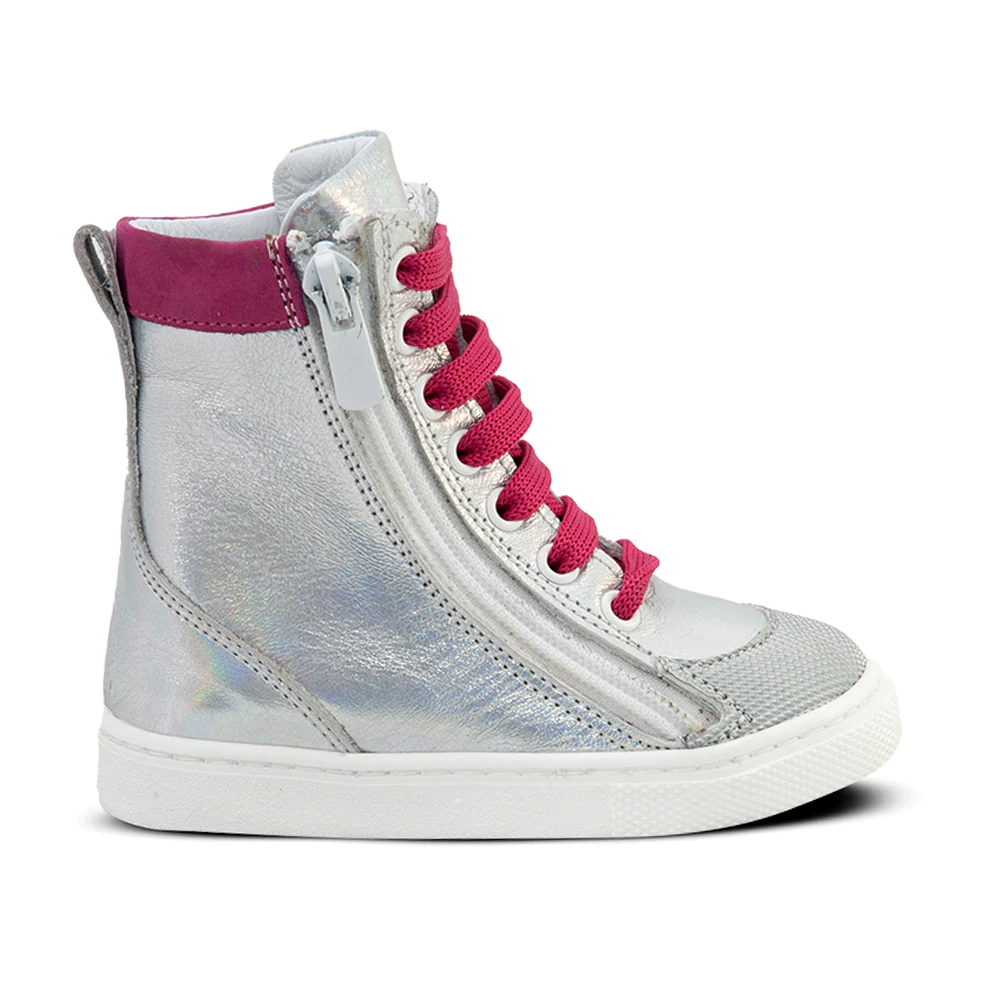
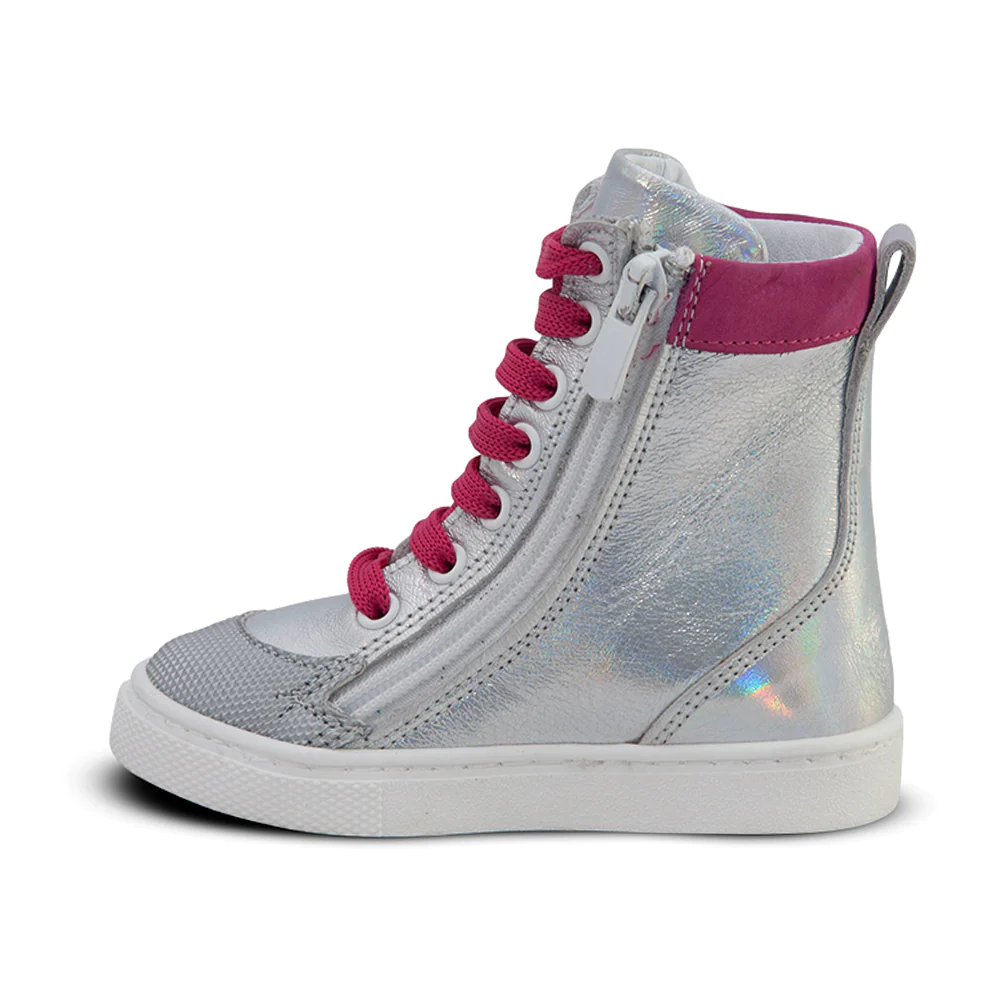
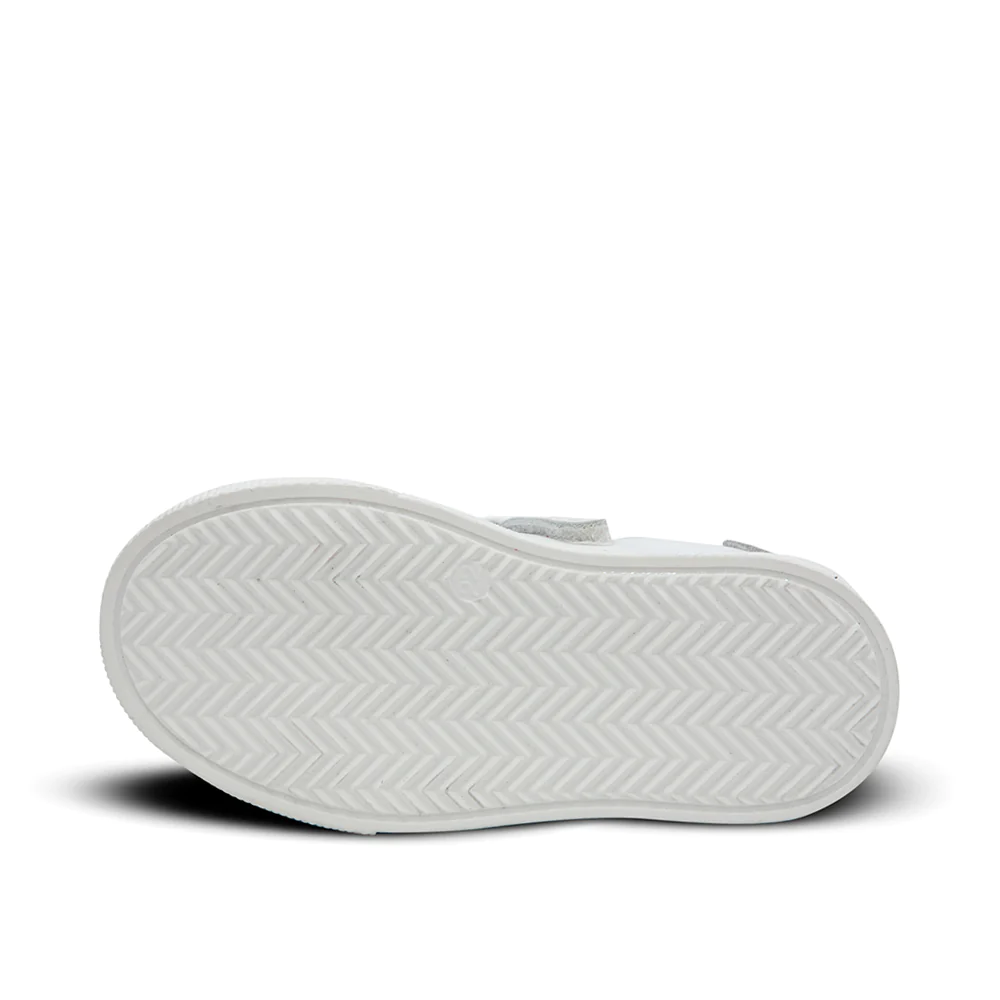
Silane Vivid Sneakers
Easy access for complex needs
Material
Leather
Type
Sneakers
Price
2–11.5 (AU)
Best features for sensory-sensitive children
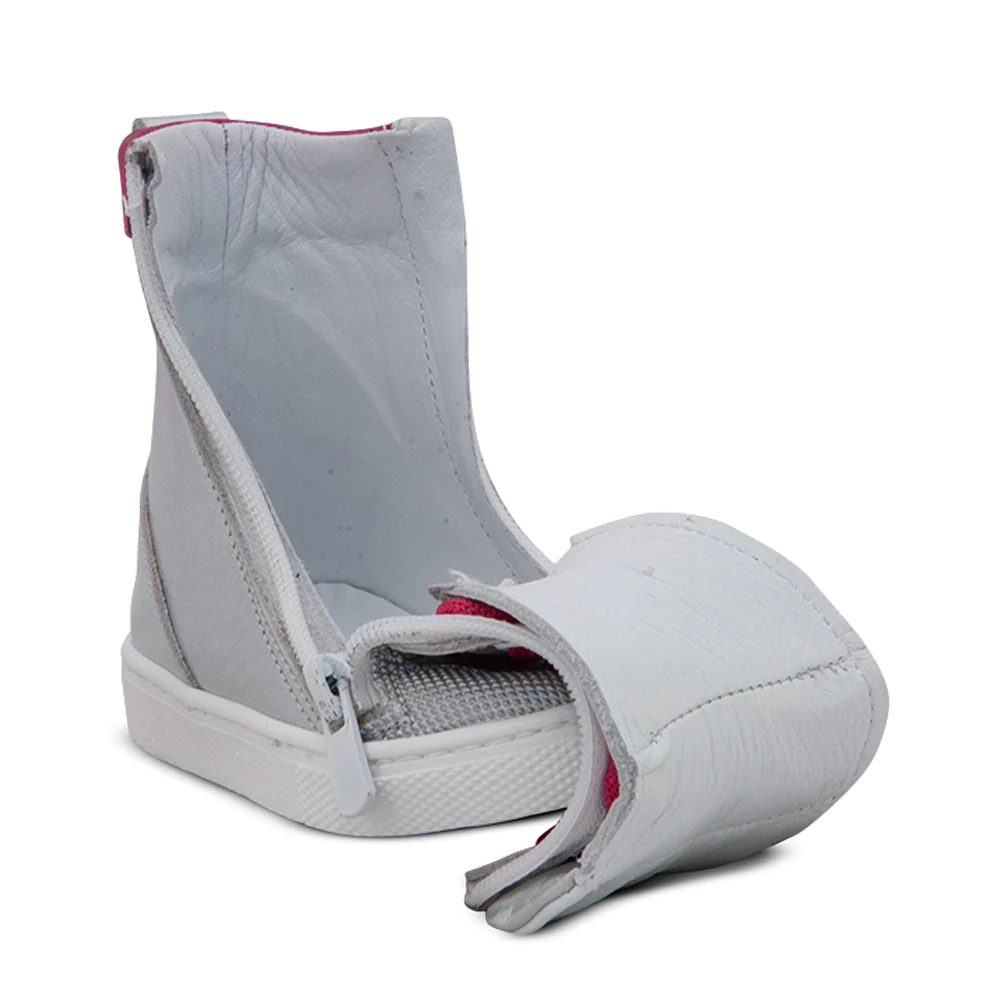
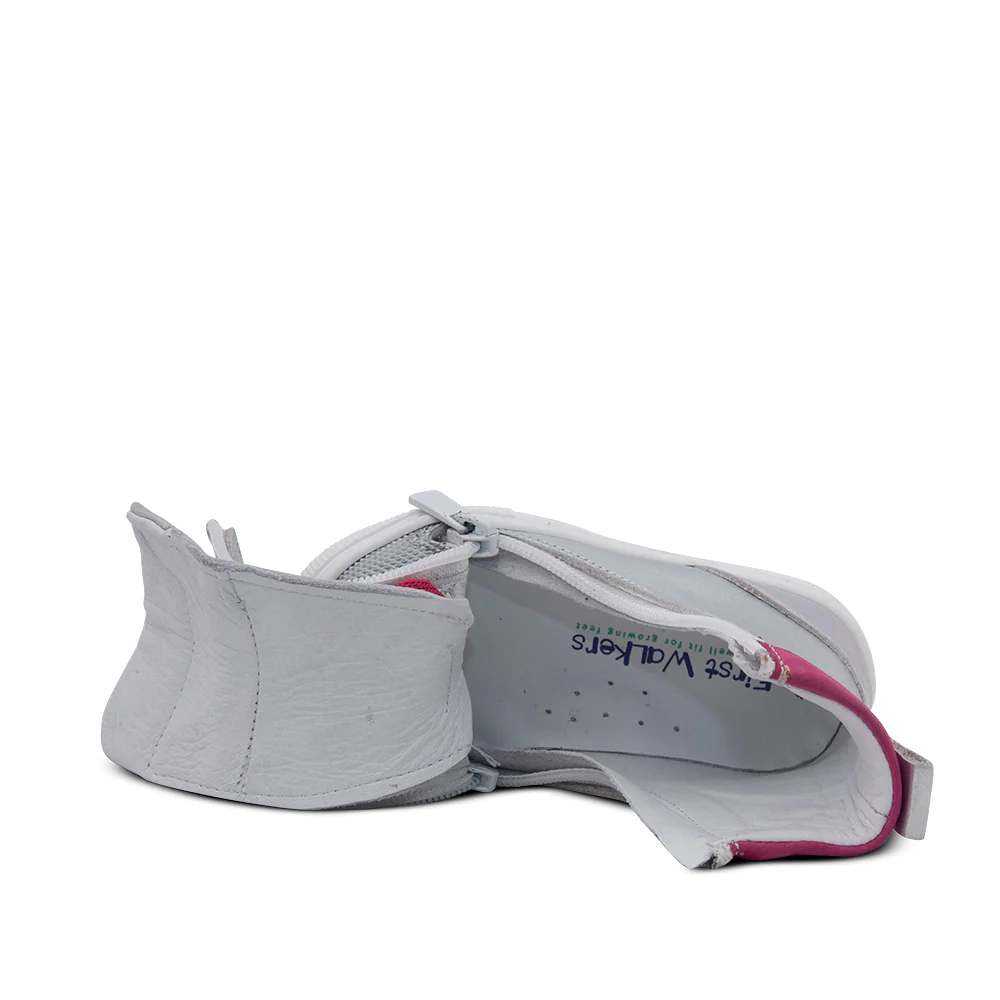
- The dual-sided zipper eliminates dressing struggles completely
- Orthotics-friendly design provides extra depth without compression
- High-top construction offers regulating ankle compression
- A wide opening prevents friction during shoe insertion
- Accommodates various foot shapes and medical devices
Why parents pick these shoes for sensory-sensitive children
The Silane Vivid sneakers change everything for families dealing with dressing battles. Those dual zippers open the shoe completely, letting your child's foot enter without brushing against internal surfaces or requiring complicated manipulation that triggers defensive reactions.
What makes these sneakers genuinely revolutionary is how they accommodate children with multiple challenges—sensory sensitivities plus orthotics, braces, or foot deformities. That extra depth design prevents compression against sensitive areas while still maintaining the therapeutic support your child needs.
Parents particularly appreciate how the Silane Vivid promotes genuine independence. Children with fine motor delays can manage the zipper systems themselves, building confidence and reducing the need for adult assistance during dressing routines. This independence matters enormously for self-esteem and daily family stress levels.
8
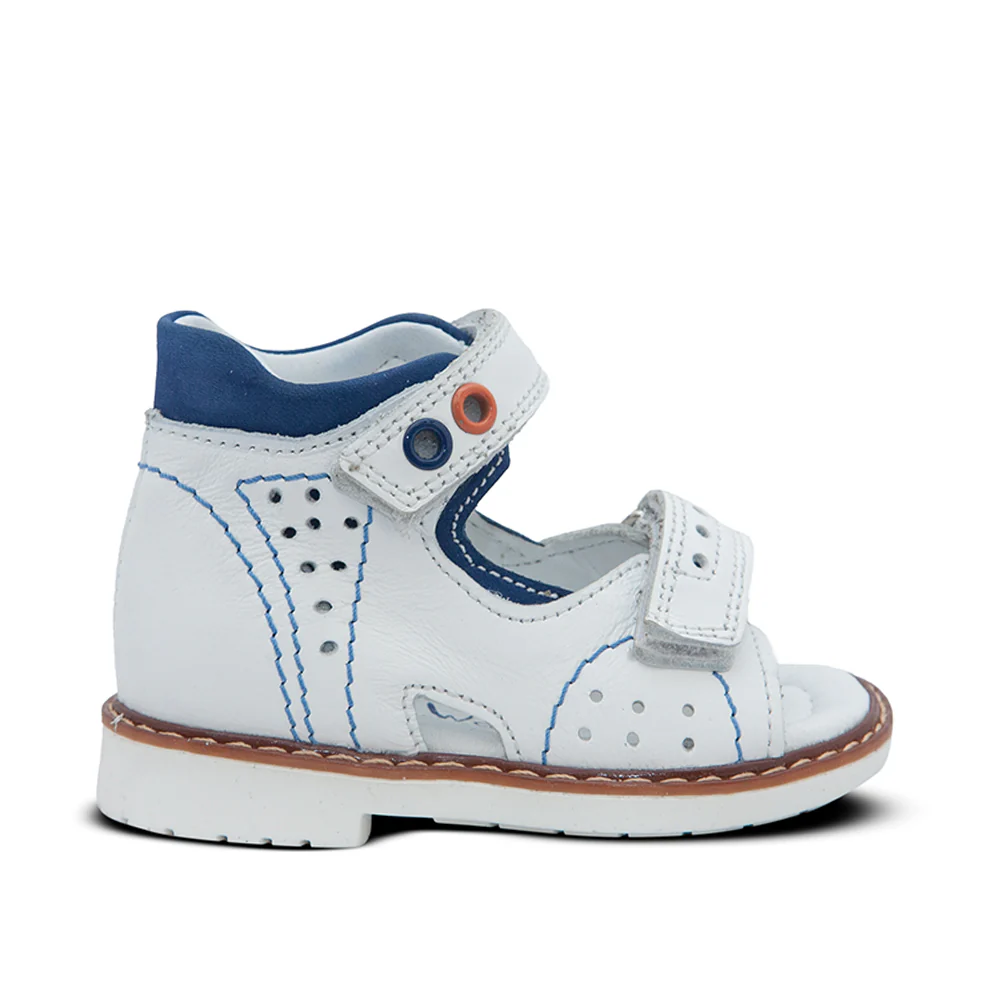
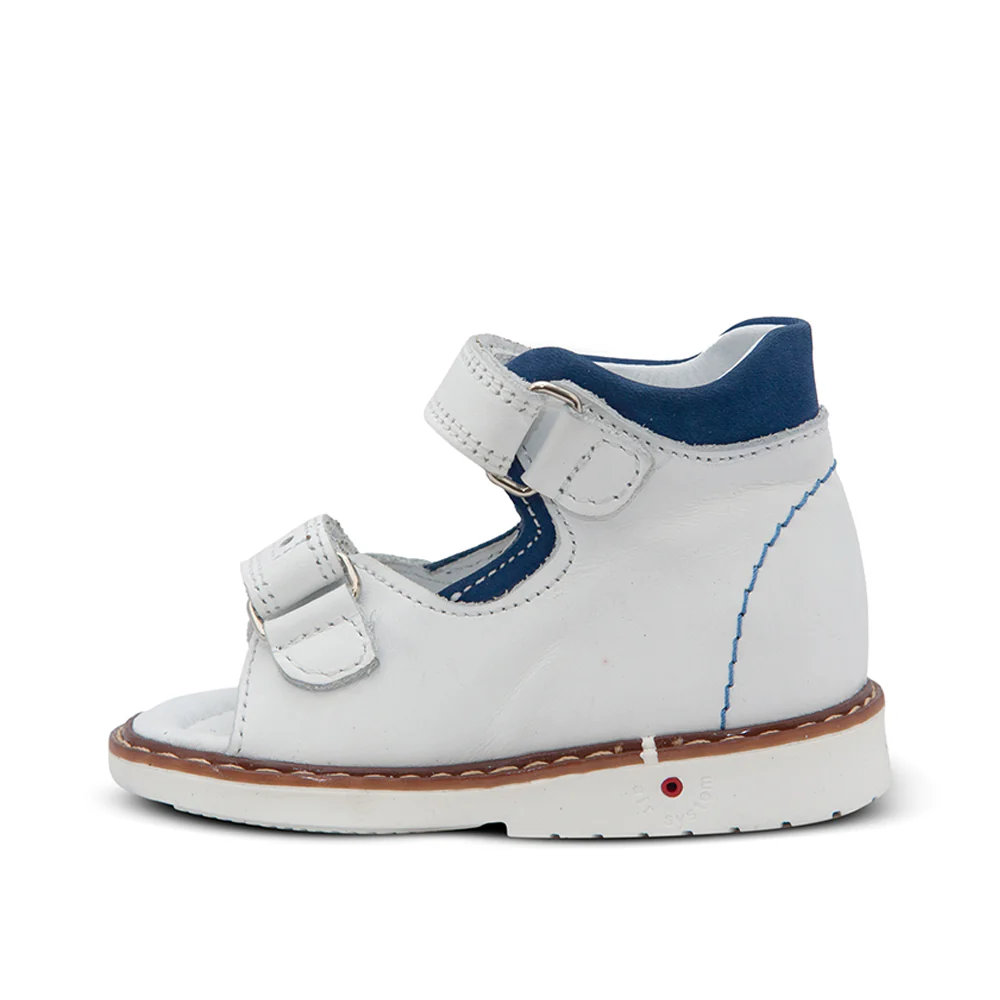
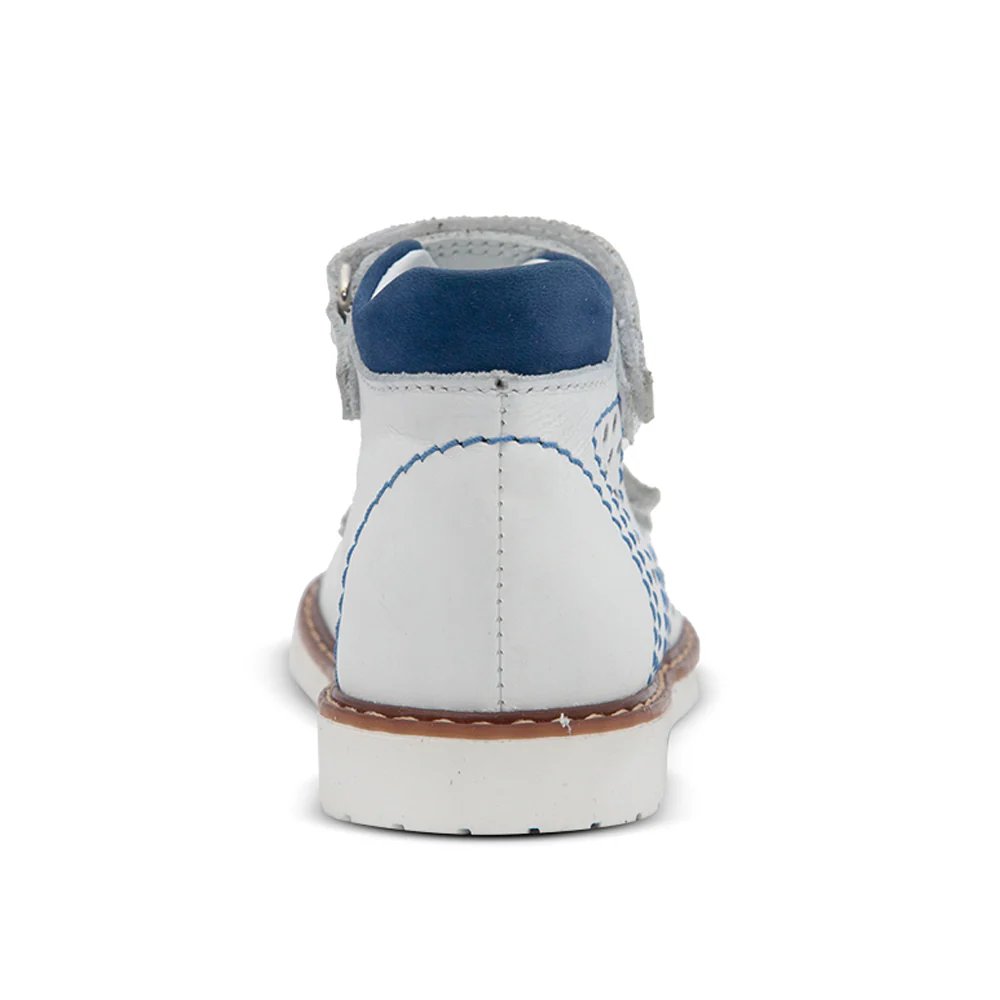
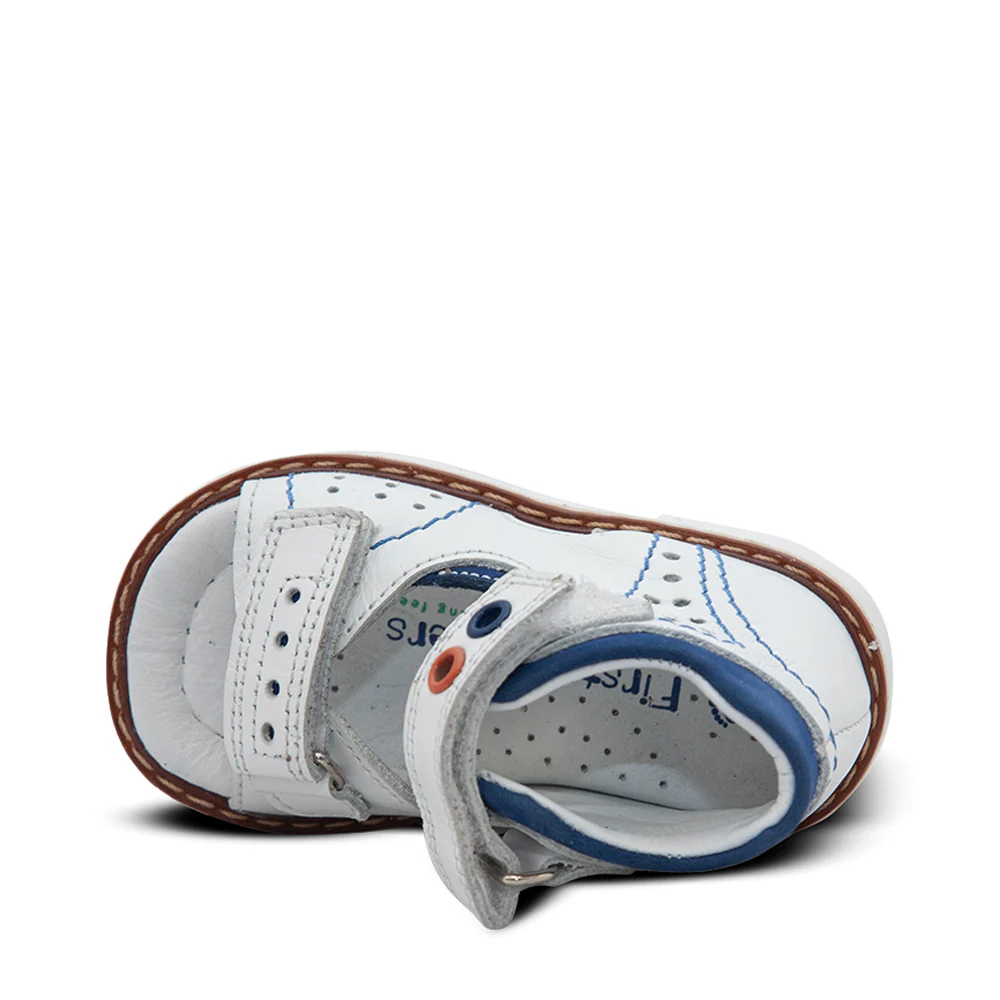
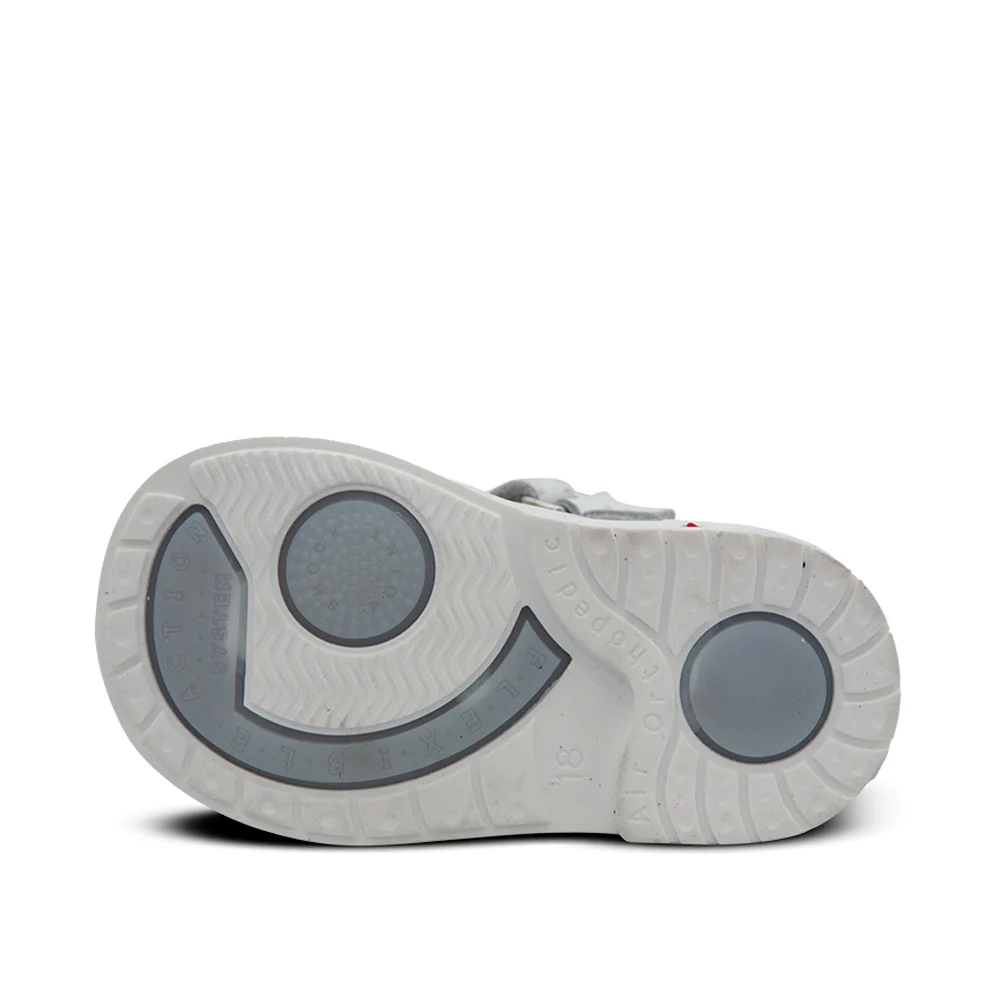
Reese Arctic Sandals
Cool comfort for temperature-sensitive children
Material
Leather
Type
Sandals
Price
2–11.5 (AU)
Best features for sensory-sensitive children
- Open sandal construction maximizes airflow around sensitive feet
- Prevents heat buildup that intensifies tactile defensiveness
- Supportive footbed maintains alignment without compression
- Eliminates enclosed sensations that trigger anxiety
- Quick-dry properties prevent bacterial growth
Why parents pick these shoes for sensory-sensitive children
The Reese Artic sandals solve the summer shoe dilemma for children who cannot tolerate heat buildup. That open construction lets air circulate freely, preventing the sticky, sweaty sensation that turns minor discomfort into complete sensory overload during warm weather.
What sets these shoes apart for hot weather is how they maintain therapeutic support without the enclosed feeling that triggers claustrophobic responses. Your child gets proper arch support and foot alignment while still feeling the cooling airflow that helps their nervous system stay regulated.
Parents find the sandals essential for summer camps, beach trips, and outdoor activities when standard closed shoes would cause overheating meltdowns. The supportive structure handles sandy surfaces and wet conditions while keeping your little one's feet cool and comfortable throughout extended summer adventures.
9
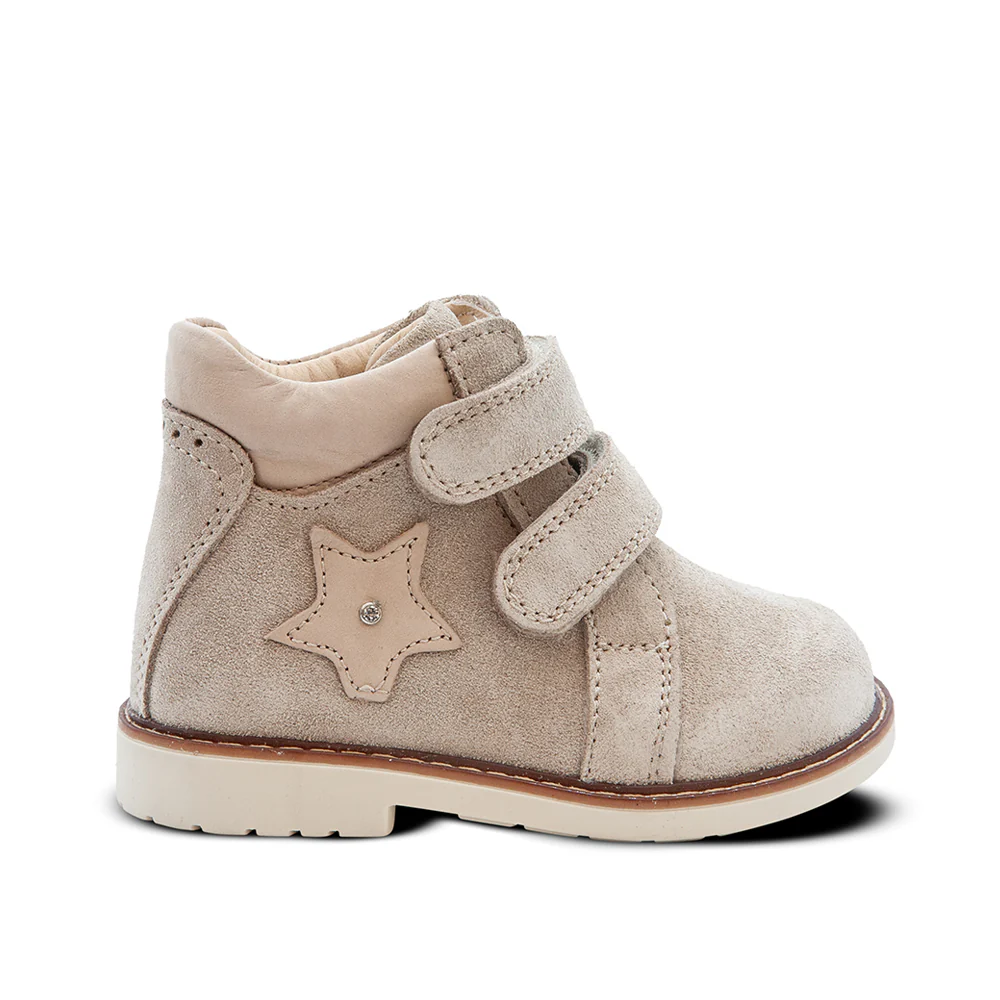
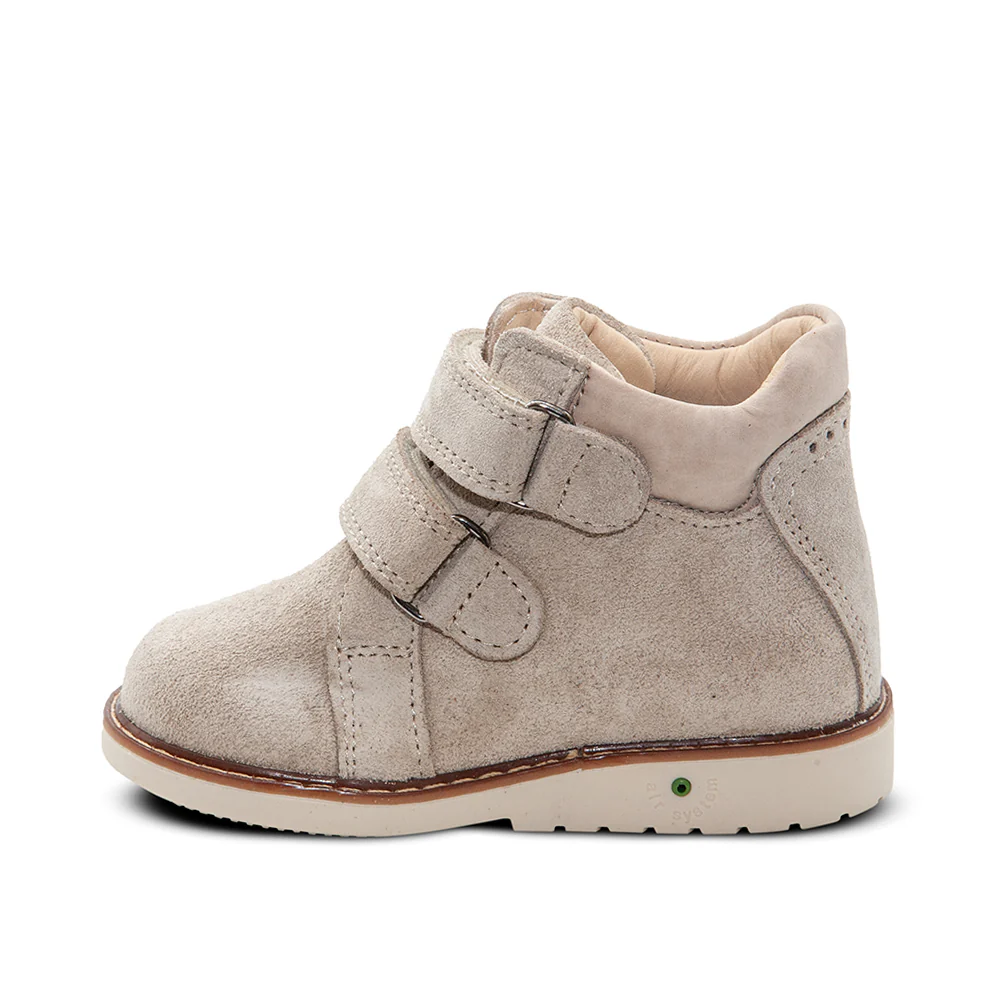
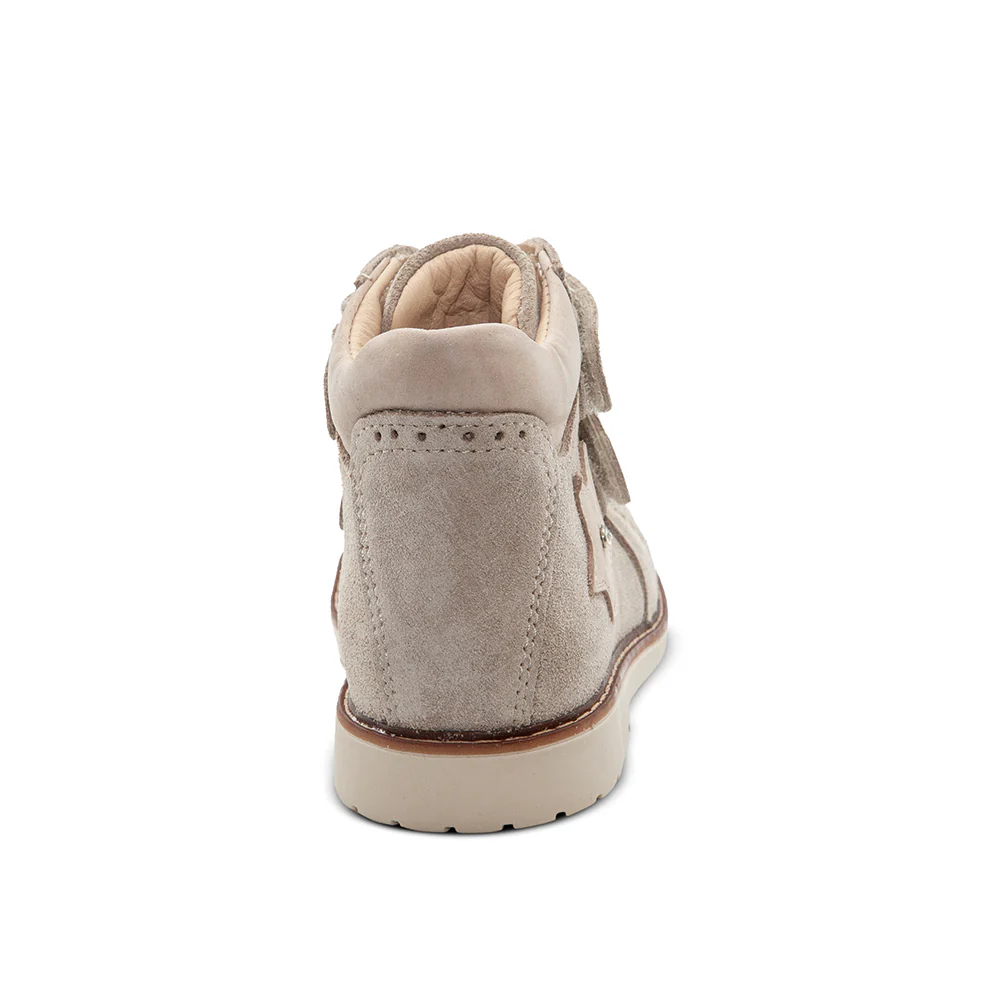
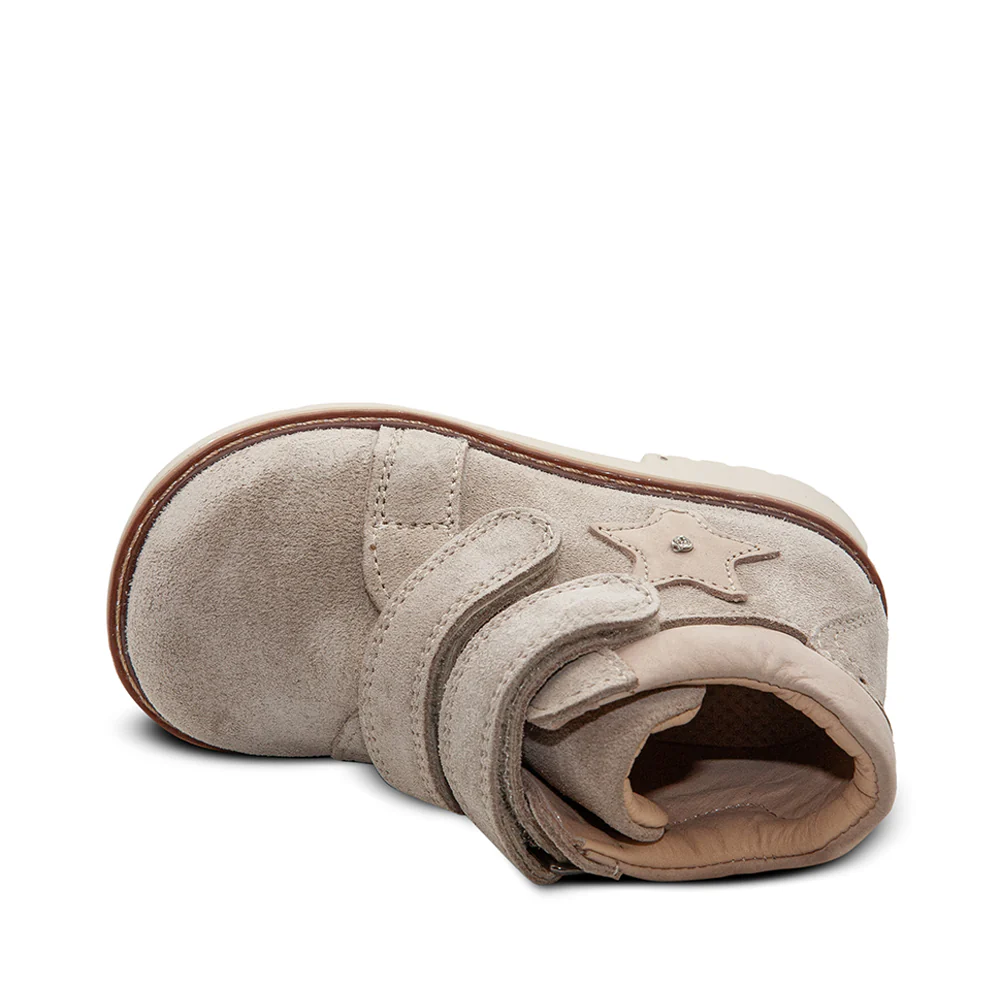
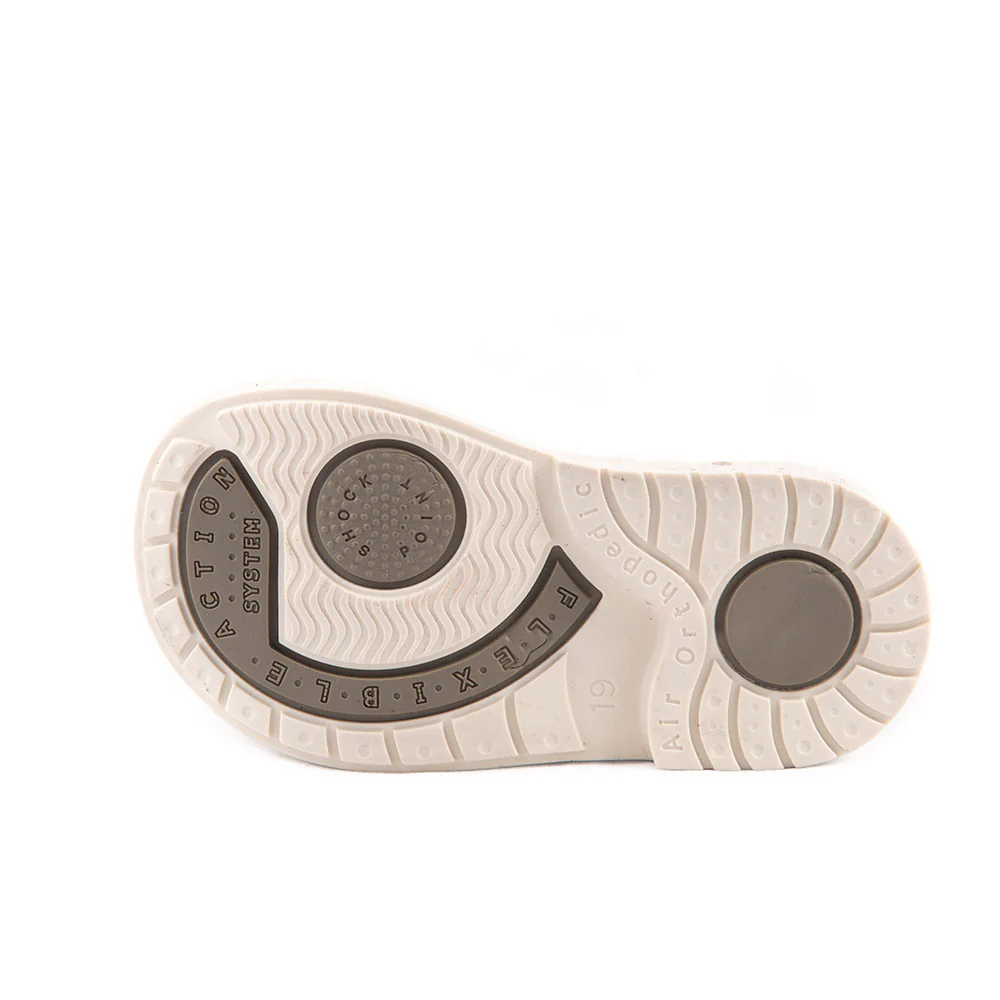
Petit Lucy Boots
Warm comfort without overwhelming sensation
Material
Nubuck Leather
Type
Boots
Price
2–11.5 (AU)
Best features for sensory-sensitive children
- Soft nubuck leather provides consistent tactile comfort
- Extended ankle support creates calming compression
- Air valve technology prevents moisture-related discomfort
- Dual Velcro allows micro-adjustments for fluctuating needs
- Natural insulation maintains warmth without bulk
Why parents pick these shoes for sensory-sensitive children
The Petit Lucy boots handle winter's unique challenges for sensory-sensitive children. That soft nubuck leather provides natural insulation while maintaining breathability—your child stays warm without experiencing the stuffy, overheated sensation that many insulated shoes create.
What makes the Petit Lucy special for cold weather is how the air valve system manages moisture even with thick winter socks. Sweaty feet inside winter boots trigger intense discomfort for many sensory-sensitive children, but this shoe's ventilation technology prevents this buildup without sacrificing warmth.
Parents appreciate how the boots maintain therapeutic support even during temperature fluctuations between heated indoor spaces and cold outdoor environments. Your child gets consistent foot alignment and sensory feedback regardless of where winter activities take them.
10
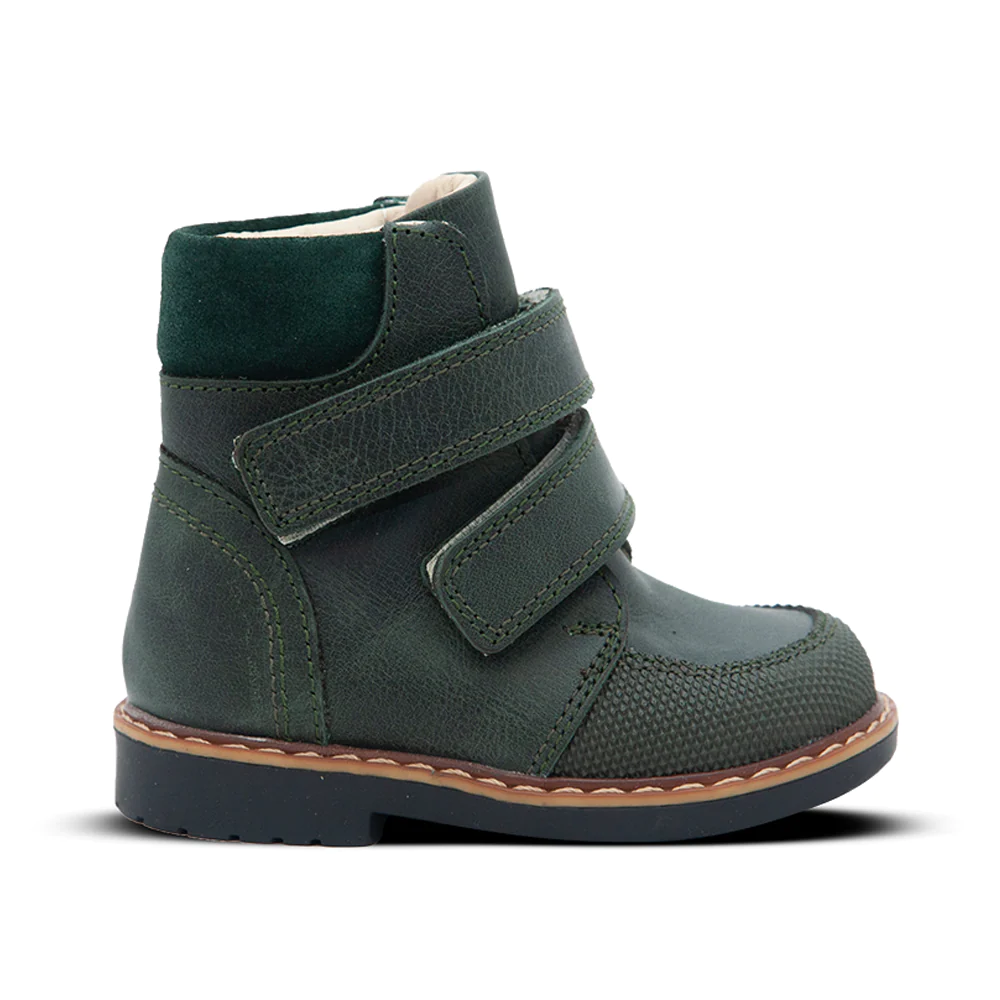
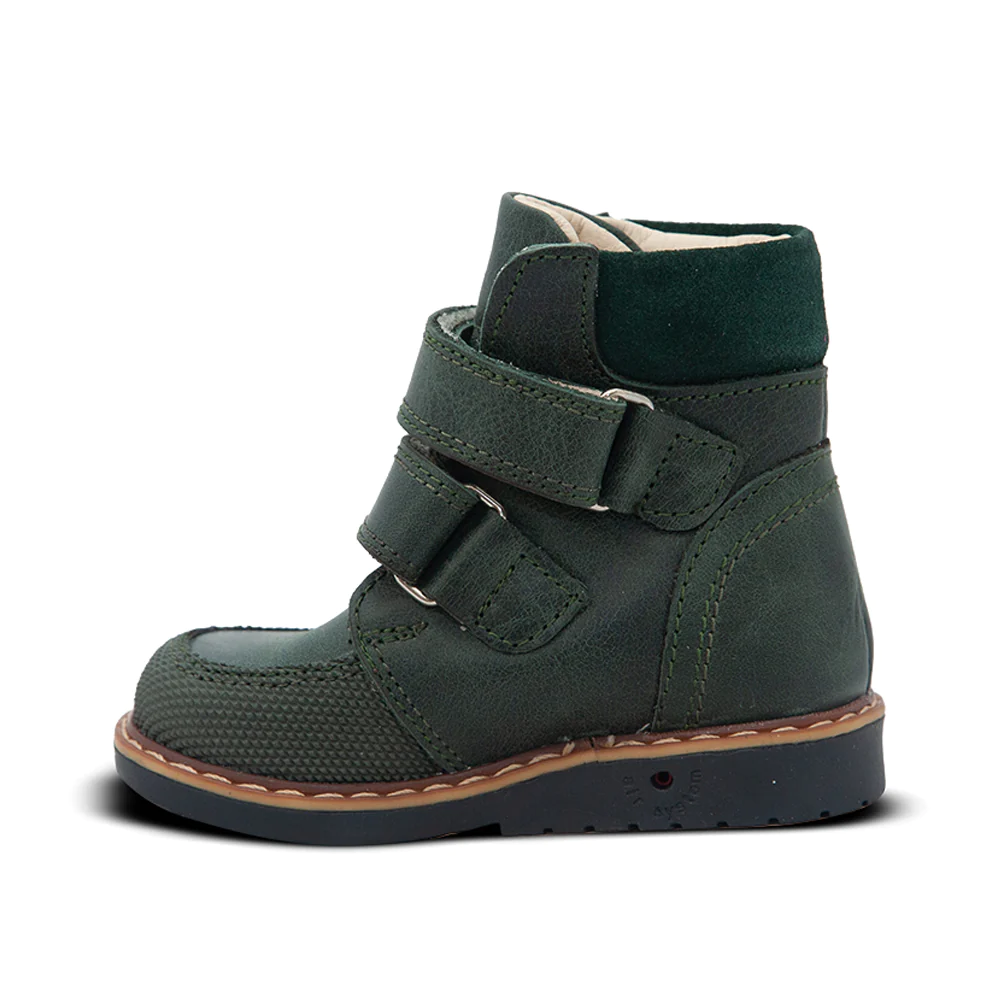
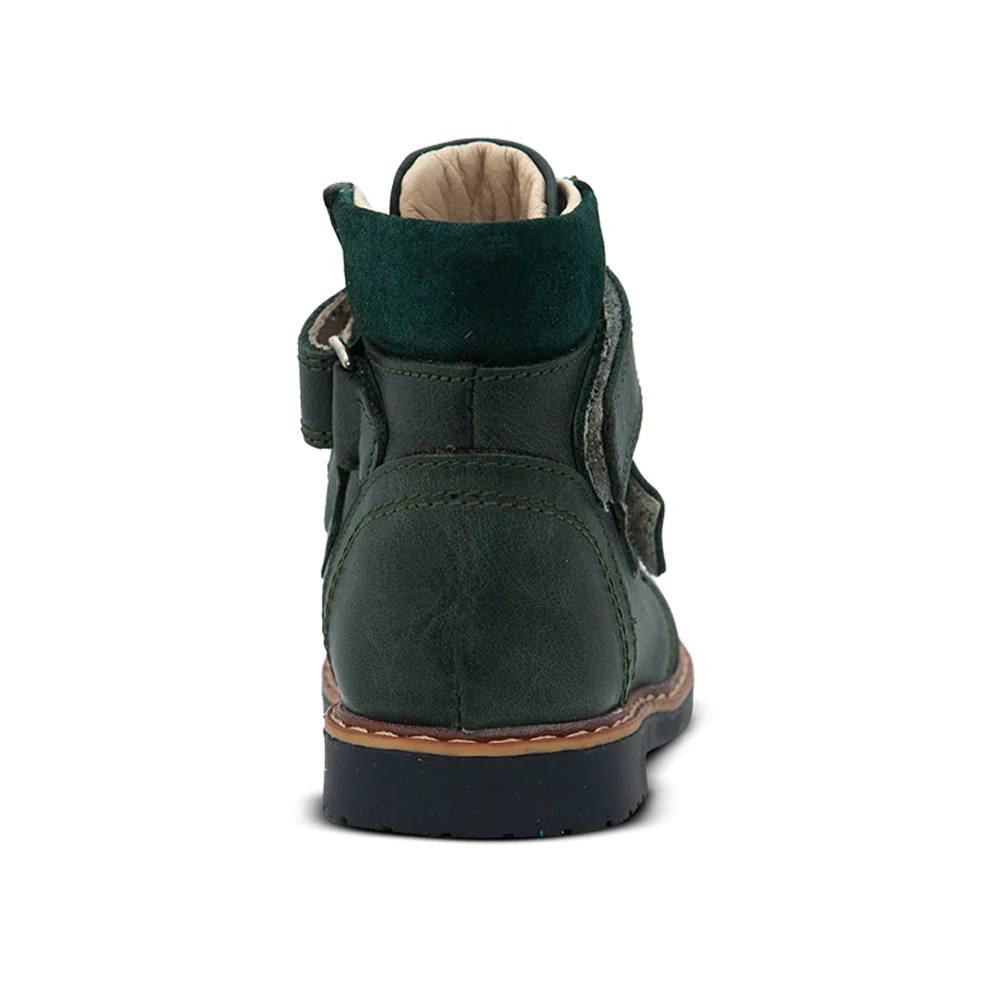
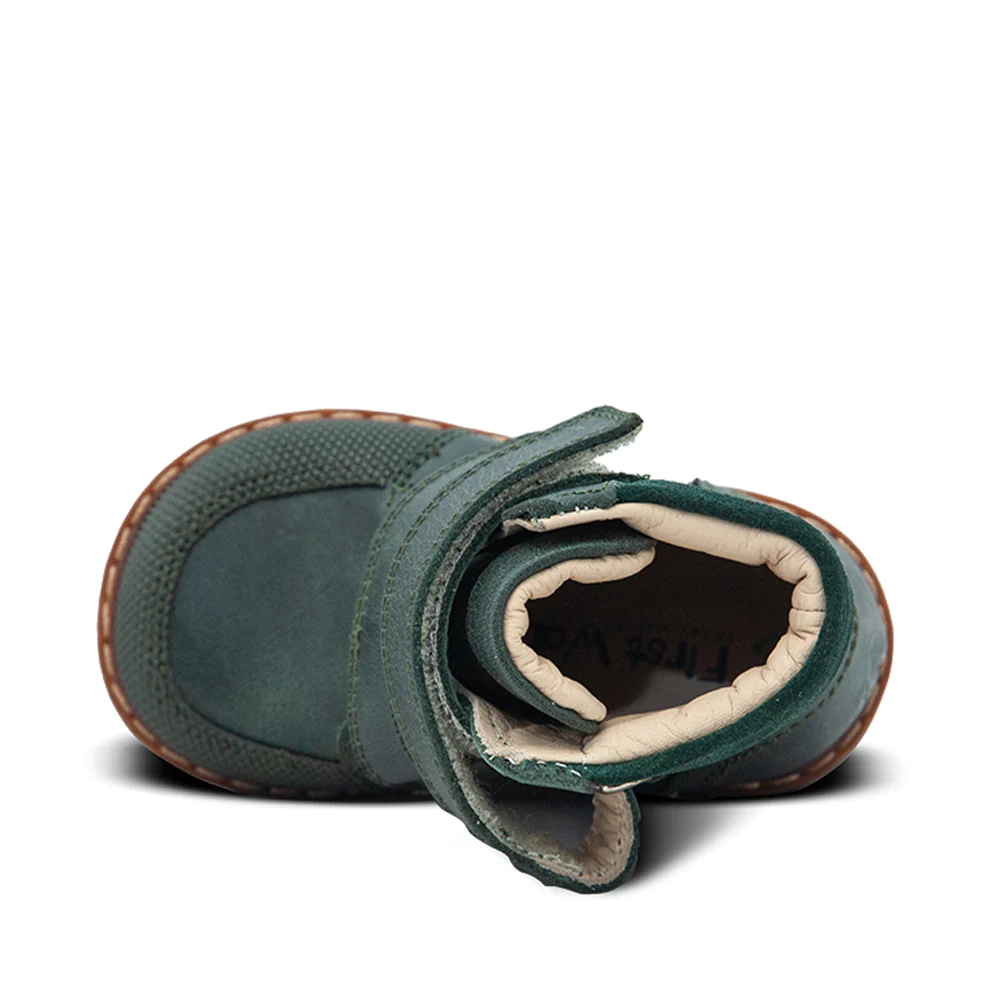
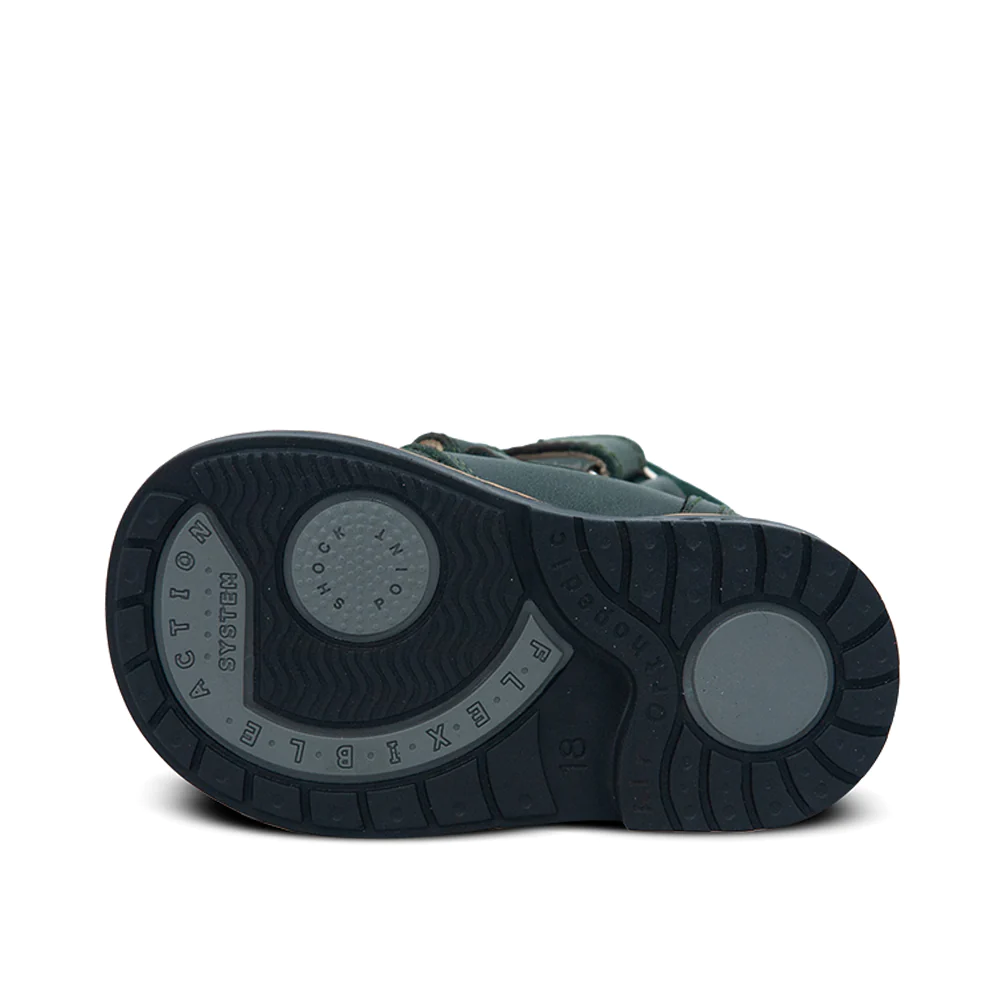
Johnny Rocket Boots
Dry comfort for puddle-loving adventurers
Material
Leather + Nubuck Leather
Type
Boots
Price
2–11.5 (AU)
Best features for sensory-sensitive children
- Genuine matte leather prevents moisture penetration completely
- The high-top orthopedic design offers regulating ankle compression
- Waterproof construction maintains a dry interior during wet play
- Shock-absorbent outsoles reduce overwhelming impact
- Rich olive color hides dirt and maintains appearance
Why parents pick these shoes for sensory-sensitive children
The Johnny Rocket boots eliminate the sensory nightmare of wet socks and damp shoes. That waterproof leather construction keeps your child's feet completely dry during rainy school days, muddy playground adventures, and puddle-splashing that many sensory-seeking children cannot resist.
What sets the Johnny Rocket apart is how it handles water exposure without creating the stiff, rigid feel that many waterproof shoes develop. Your little one gets genuine weather protection while maintaining the flexible, comfortable sensation that sensory-sensitive feet require.
Parents consistently choose these boots for children who love outdoor exploration, regardless of weather conditions. The ankle protection prevents water entry during deeper puddle encounters, while the matte leather develops unique character over time—creating personalized shoes your child can feel proud of rather than self-conscious about.
Finding the Right Sensory-Friendly Shoes for Your Child
Finding the best shoes for kids with sensory issues doesn't have to feel impossible. The right sensory-friendly shoes eliminate the triggers that make standard footwear unbearable. When shoes actually feel comfortable instead of overwhelming, your child can focus on playing, learning, and exploring instead of constantly thinking about their feet.
Every child's sensory needs are different, so what works perfectly for one might not suit another. Start with the features that address your little one's biggest struggles—whether that's temperature regulation, enclosed sensations, or complicated fastenings.
With patience, the right shoe choice, like First Walker's orthopaedic shoes, and gradual introduction, you can find footwear your child will actually tolerate, making life easier for everyone.
References
Arky, B. (2025, June 20). Sensory processing issues explained. Child Mind Institute. https://childmind.org/article/sensory-processing-issues-explained/
Disclaimer: First Walkers' information is intended for educational and informational purposes related to toddler footwear and feet. We encourage you to consider individual circumstances and consult qualified orthopaedists about specific conditions.
FAQs
What makes shoes sensory-friendly for children?
Sensory-friendly shoes feature seamless interiors, adjustable closures, breathable materials, and flexible soles that eliminate common sensory triggers like pressure points, restrictive fits, and temperature discomfort.
How do I know if my child needs sensory-friendly shoes?
If your child has frequent meltdowns about wearing shoes, constantly removes footwear, complains about seams or tightness, or has been diagnosed with sensory processing disorder or autism, sensory-friendly shoes can help.
Can sensory-friendly shoes help with toe-walking?
Yes, many sensory-friendly orthopedic shoes include features like Thomas heels and proper arch support that gently discourage toe-walking while providing the sensory input children seek.
Should I size up for sensory-sensitive children?
Measure your child's feet properly and follow sizing charts exactly. Too-large shoes create internal movement that triggers sensory issues, while too-small shoes cause pressure and discomfort.
How long does it take for a child to adjust to new sensory-friendly shoes?
With gradual introduction during positive activities, most children adjust within 1-2 weeks. Start with short wearing periods and slowly increase duration as tolerance builds.
Can children with orthotics wear sensory-friendly shoes?
Yes, several sensory-friendly options like the Silane Vivid and Scott the Alpha feature removable insoles and extra depth specifically designed to accommodate custom orthotics comfortably.